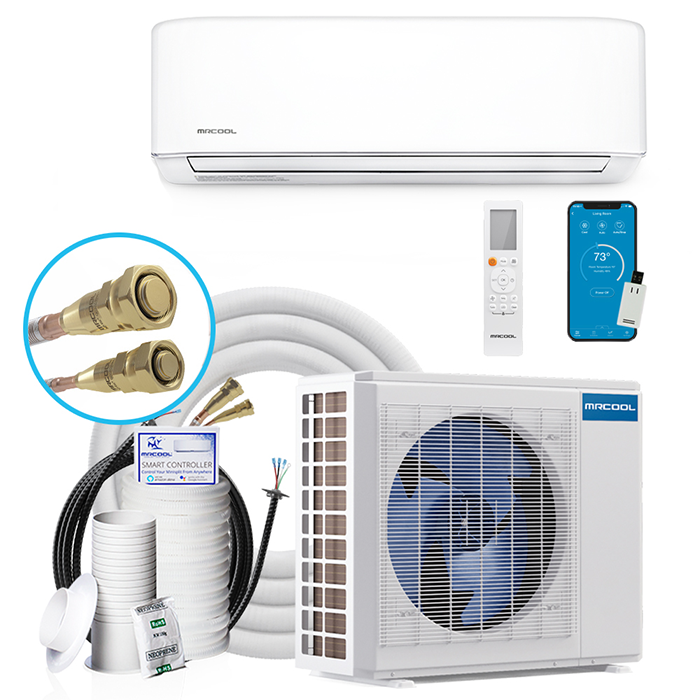
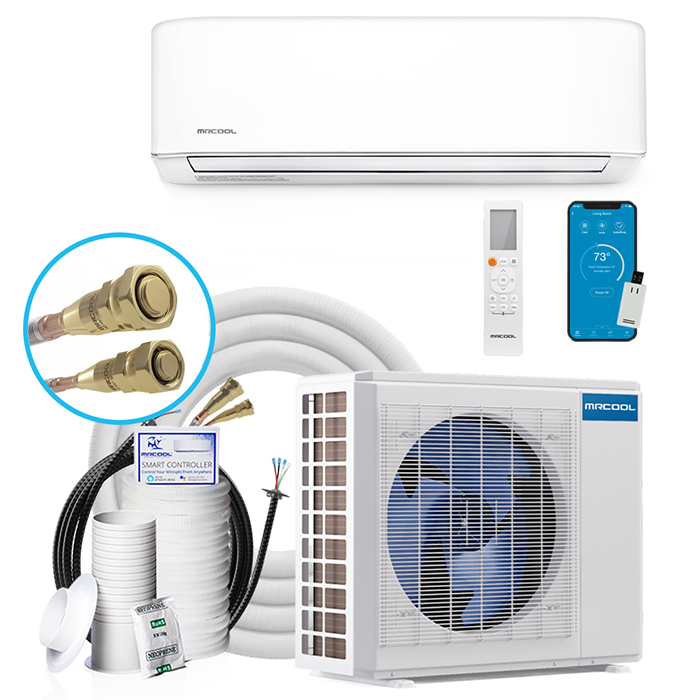
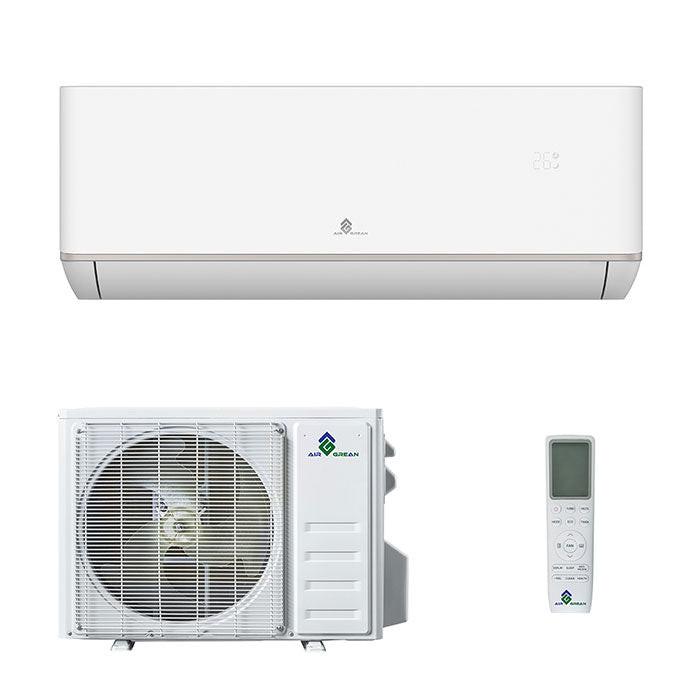
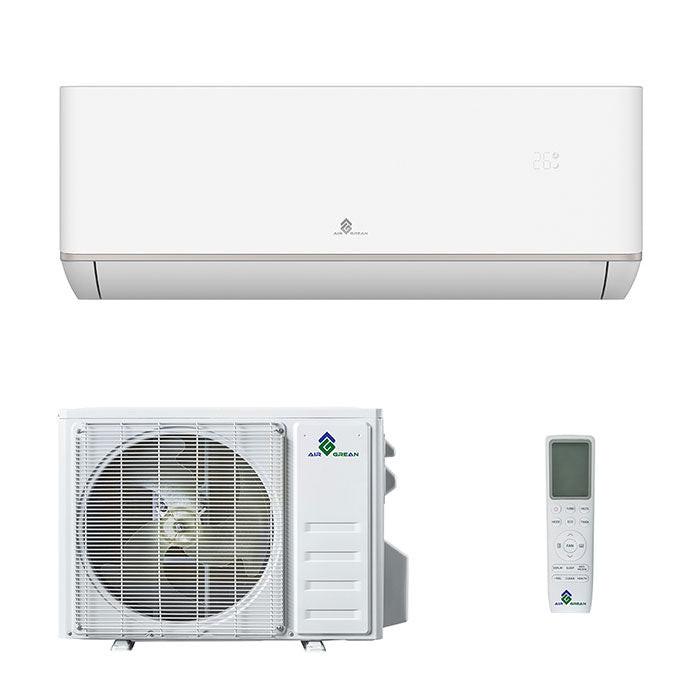
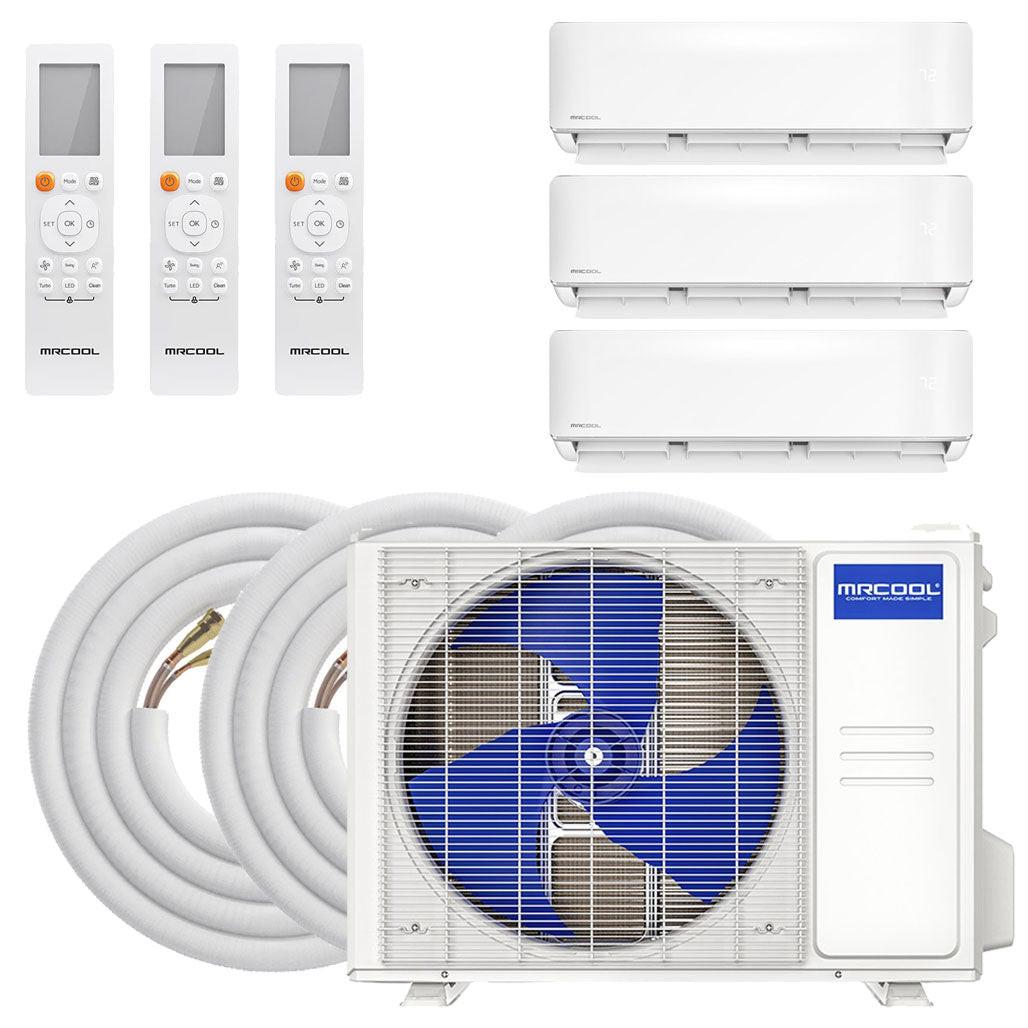
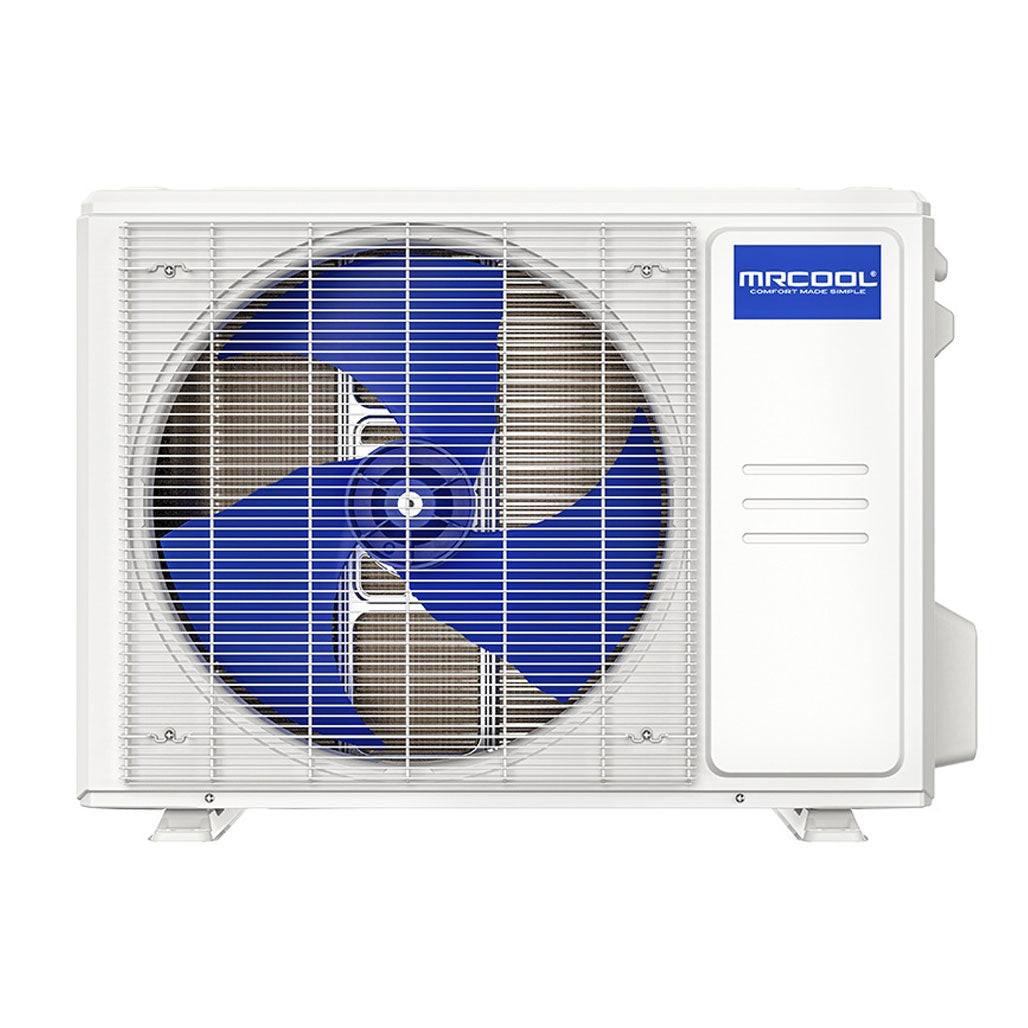
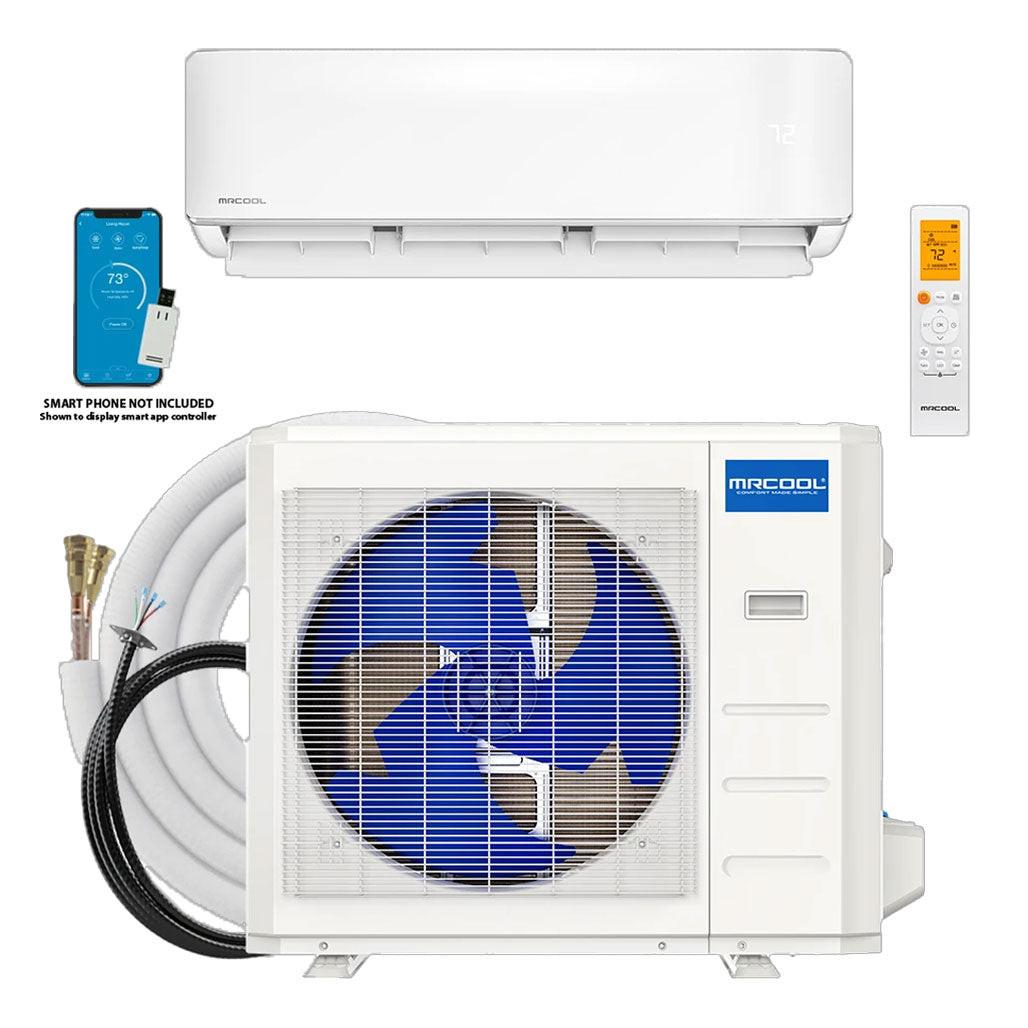
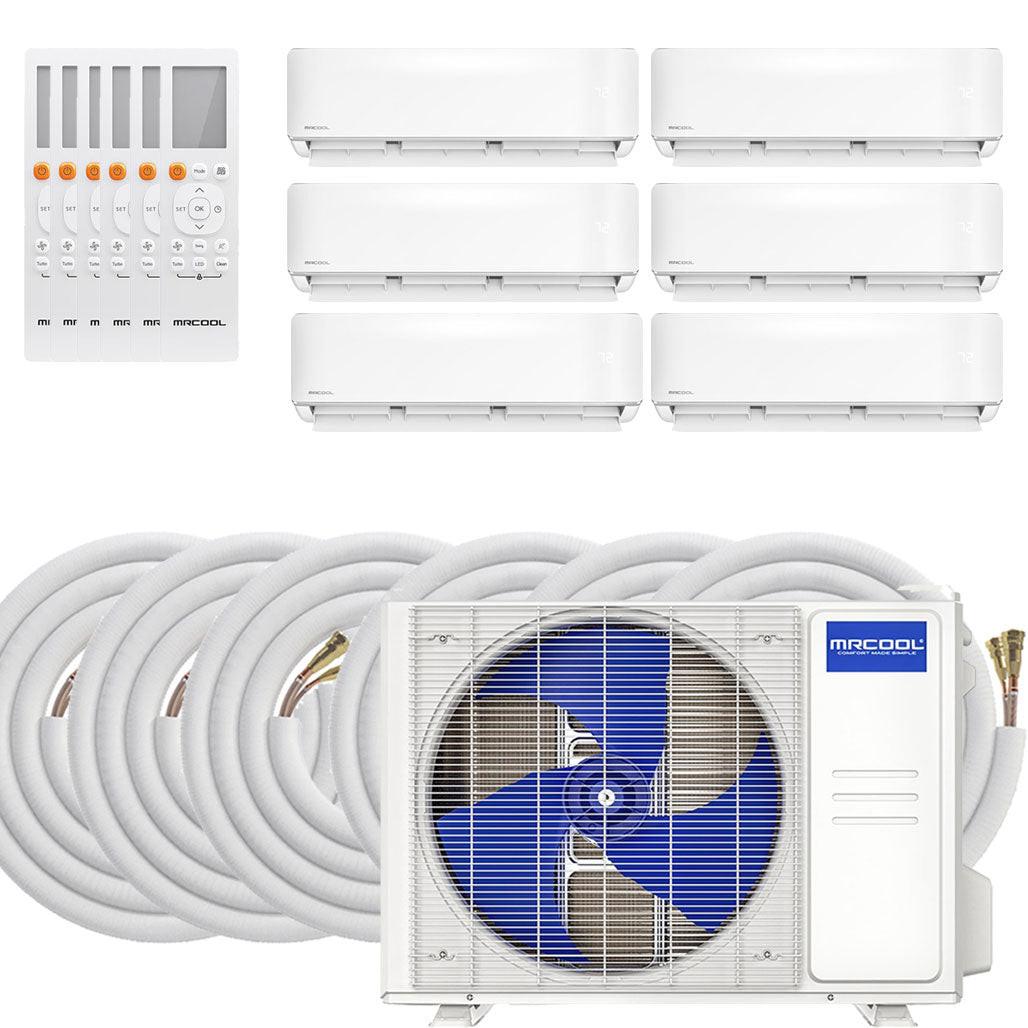
Mini-Split Air Conditioners for Grow Rooms
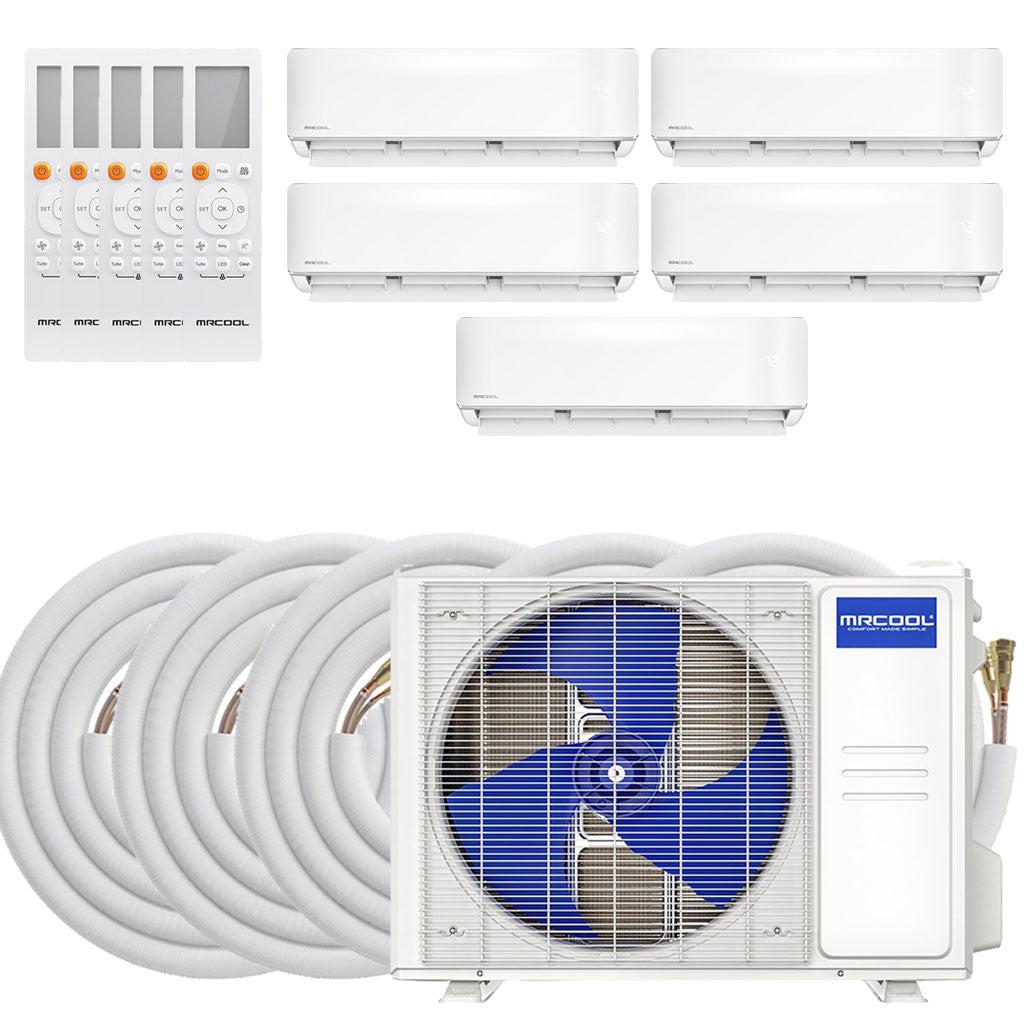
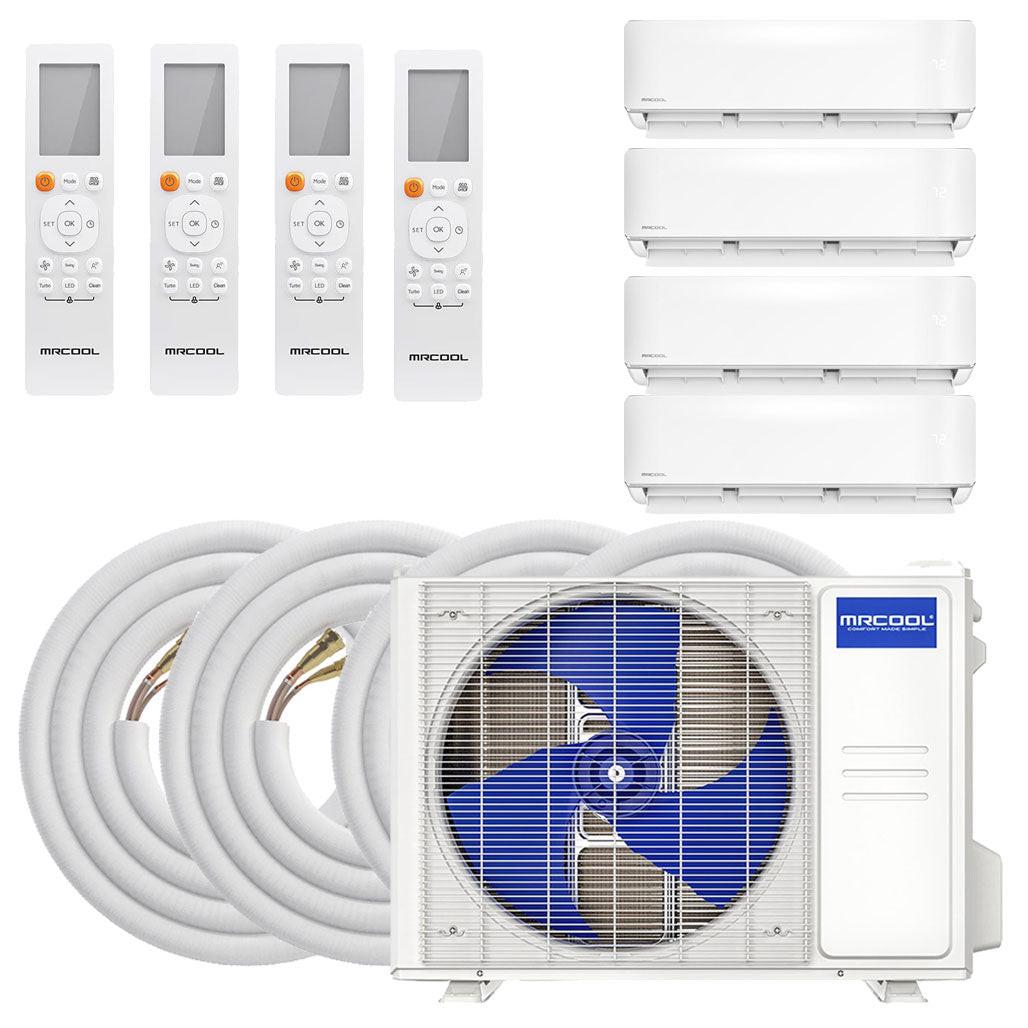
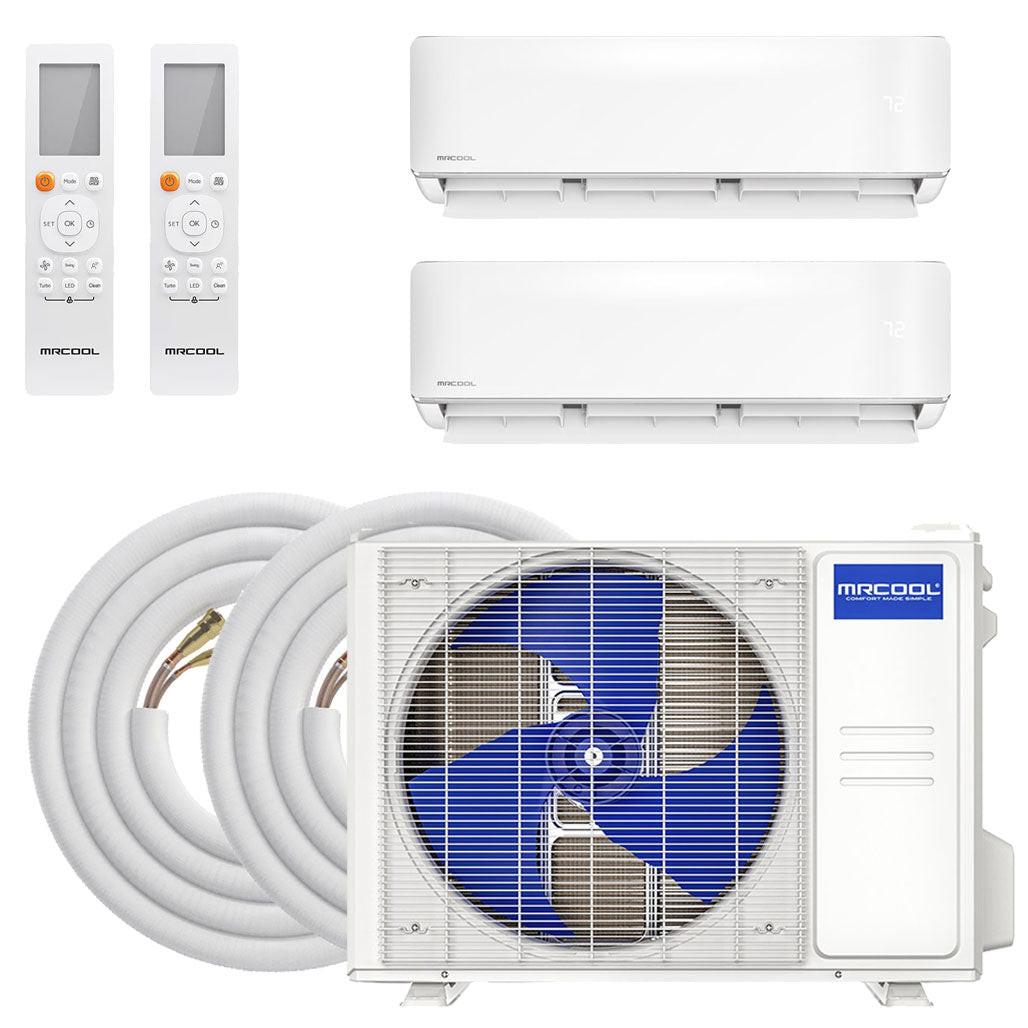
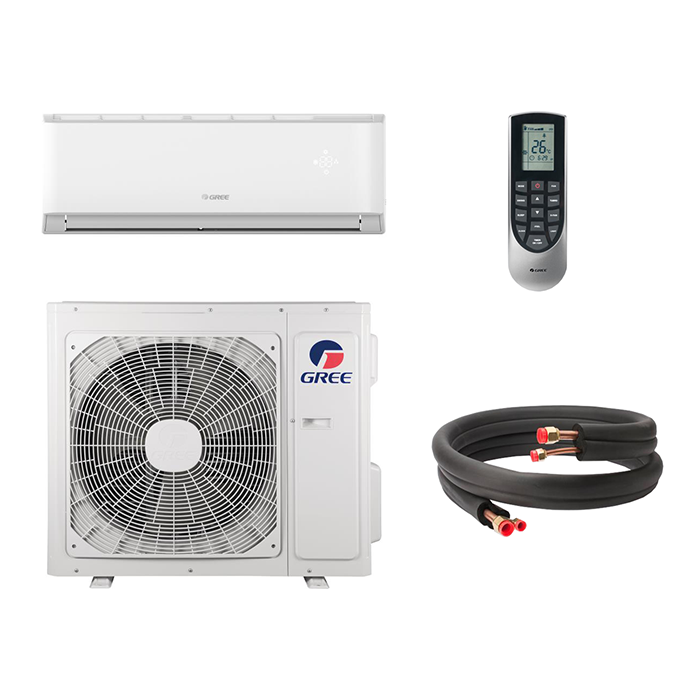
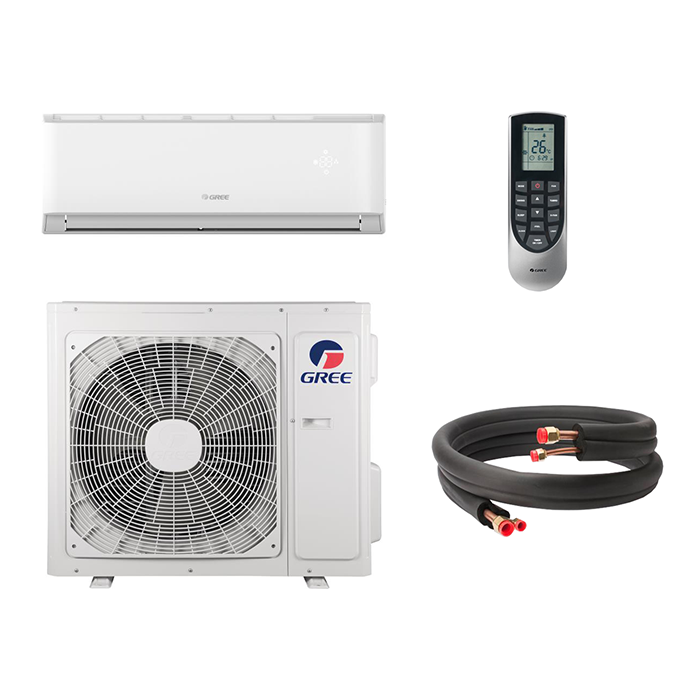
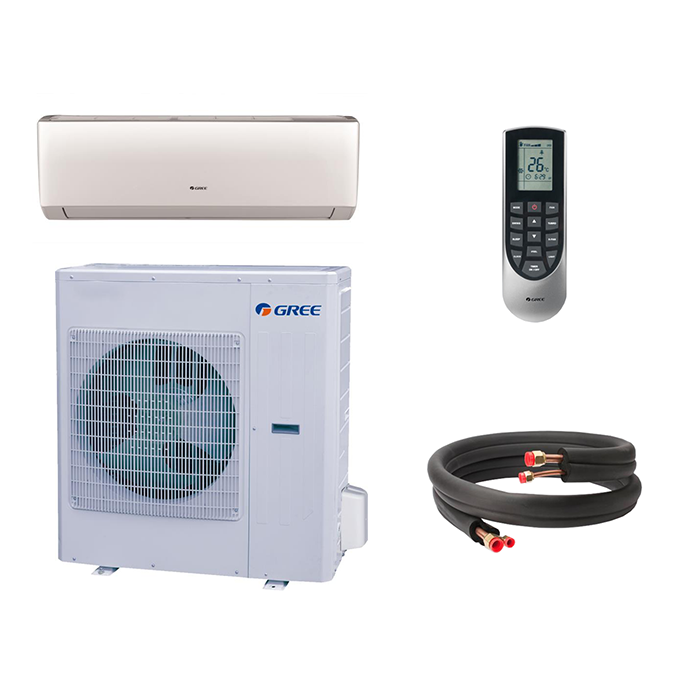
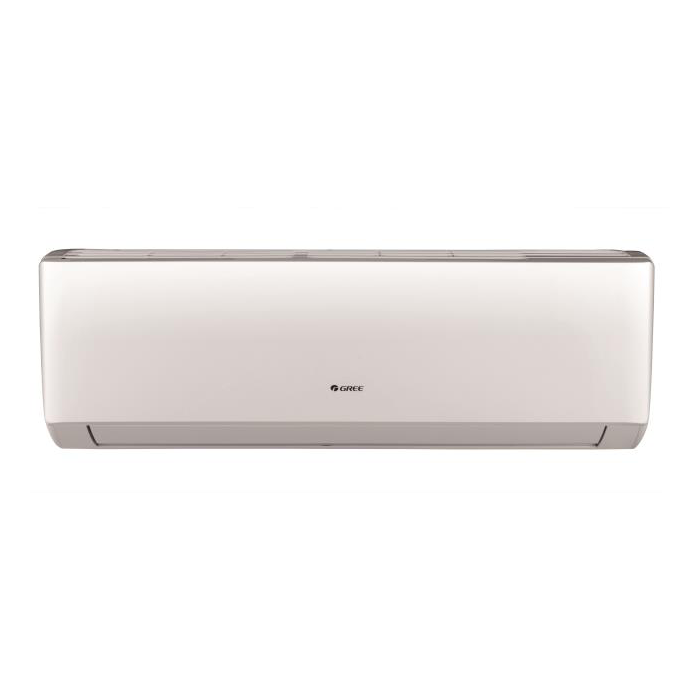
Mini-split (ductless) heat pump systems are the most effective climate control solution for sealed indoor growing environments -- they provide precise cooling (and heating in heat pump models) without the ducting infrastructure that central HVAC requires, without the CO2 introduction and humidity removal trade-offs of ventilation-based cooling, and with the efficiency of inverter-driven compressor technology that adjusts output continuously to match the actual load rather than cycling on and off at full power. For serious indoor growing operations where temperature precision directly affects plant physiology and final product quality, a mini-split is the upgrade from window units and portable AC that changes what is achievable in the room.
Why Mini-Splits Over Portable ACs for Grow Rooms
Portable air conditioners exhaust hot air through a duct to the outside -- but this creates negative pressure in the growing space that draws in warm, unfiltered outside air to replace what was exhausted. The net cooling effect is significantly reduced compared to a true split system. They also introduce significant noise, consume floor space, and lack the precise temperature control of inverter mini-split systems. Window ACs require a window opening (a light and security issue in growing facilities) and most lack precise thermostat control. Mini-split outdoor units mount outside the facility -- unlike evaporative coolers that add humidity to the space with only refrigerant lines and electrical connections passing through the wall, providing full cooling capacity without the negative pressure and air exchange penalties of other AC approaches.
BTU Sizing for Grow Rooms
Size the mini-split for the total heat load in the room -- not just the square footage. Growing rooms generate heat from lights, pumps, ballasts, dehumidifiers, and CO2 burners in addition to external heat gain through walls and ceiling. A rough starting calculation: LED grow lights generate approximately 3,400 BTU per kilowatt of power; HPS generates 3,400 BTU/kW plus additional radiant heat. Add wall heat gain and equipment loads. Most 4x4 rooms with 1,000-1,500W of lighting require 9,000-12,000 BTU (3/4 to 1 ton) of cooling. Commercial rooms with 10+ kW of lighting require 3-5+ tons. Expert support available -- call 888-815-9763 for grow room sizing guidance. Fast shipping.
Mini-Split Air Conditioners FAQ
How do I size a mini-split for my grow room?
Calculate total heat load rather than just room square footage. For a grow room: multiply total lighting wattage by 3.4 to convert watts to BTU/hr (1 watt = 3.4 BTU). A 2,000W LED room generates approximately 6,800 BTU/hr from lights alone. Add 10-20% for pumps, fans, dehumidifiers, and other equipment; add wall heat gain based on insulation level and outdoor temperature differential. Total this to get your required BTU/hr (cooling capacity). 12,000 BTU = 1 ton. For a 2,000W grow room in a well-insulated space: 8,000-10,000 BTU (approximately 3/4 ton) is a reasonable starting estimate, but conditions vary significantly -- call 888-815-9763 for guidance on your specific setup.
Can I install a mini-split myself?
Mini-split installation requires a licensed HVAC technician for the refrigerant line work -- EPA 608 certification is federally required to purchase and handle refrigerants in the US. The electrical rough-in (dedicated circuit to both indoor and outdoor unit) requires a licensed electrician or a qualified homeowner depending on local code. The physical mounting of the indoor and outdoor units and running the line set through the wall can often be done by the equipment owner before the technician completes the refrigerant connections. Many HVAC contractors offer mini-split installation services; verify the contractor has experience with mini-splits specifically, as installation is different from ducted system work.
What is the difference between a mini-split and a window AC for growing?
The key operational difference for growing environments: a window AC exhausts condenser heat through the same opening it uses to circulate air, creating a physical opening in the grow space boundary. Mini-splits pass only refrigerant lines and a drain line through the wall -- the grow space remains sealed, which is critical for CO2 enrichment programs, pest exclusion, and light management. Mini-splits also provide significantly better temperature precision (inverter models maintain setpoint to within 0.5-1 degree F vs. the 3-5 degree swing of most window units) and operate more efficiently at partial load, which is most of the operating time in a well-designed room.
Does a mini-split also dehumidify?
Yes -- cooling coils in the indoor unit condense moisture from the air as a byproduct of cooling, producing meaningful dehumidification. In warm humid conditions, a properly sized mini-split running at full cooling capacity removes significant moisture. However, at lower load conditions (when the room is near setpoint temperature), the mini-split runs at reduced capacity and dehumidification rate drops accordingly. For peak flowering environments where high transpiration produces more moisture than the AC removes during its cooling operation, a dedicated portable or commercial dehumidifier supplements AC-based humidity control.
What SEER rating should I look for in a grow room mini-split?
SEER (Seasonal Energy Efficiency Ratio) measures cooling efficiency -- higher SEER = lower electricity cost per BTU of cooling. For grow rooms where the AC runs nearly continuously during the light period, efficiency directly affects operating cost. Minimum recommendation: 18 SEER for new installations; 20+ SEER for commercial operations where operating cost is significant. Inverter-driven mini-splits inherently achieve higher SEER ratings than single-speed equipment because they modulate output rather than cycling at full power -- virtually all quality mini-splits sold today use inverter compressors. The higher purchase cost of premium-efficiency units (22-26 SEER) pays back in operating cost reduction in high-usage growing applications.