Microscopes & Magnifier Loupes for Grow Room Use
Magnification tools allow direct visual inspection of plant tissue, pest populations, and substrate conditions at a resolution that the naked eye cannot achieve -- identifying two-spotted spider mites, thrips larvae, powdery mildew spores, and other problems at the earliest possible stage when interventions are most effective and least disruptive. A 30-60x jeweler's loupe or a digital USB microscope at 40-200x resolves individual mite eggs on leaf undersides, early-stage powdery mildew mycelium before it is visible without magnification, and the condition of trichome heads for maturity assessment at harvest.
Loupe vs. Digital Microscope
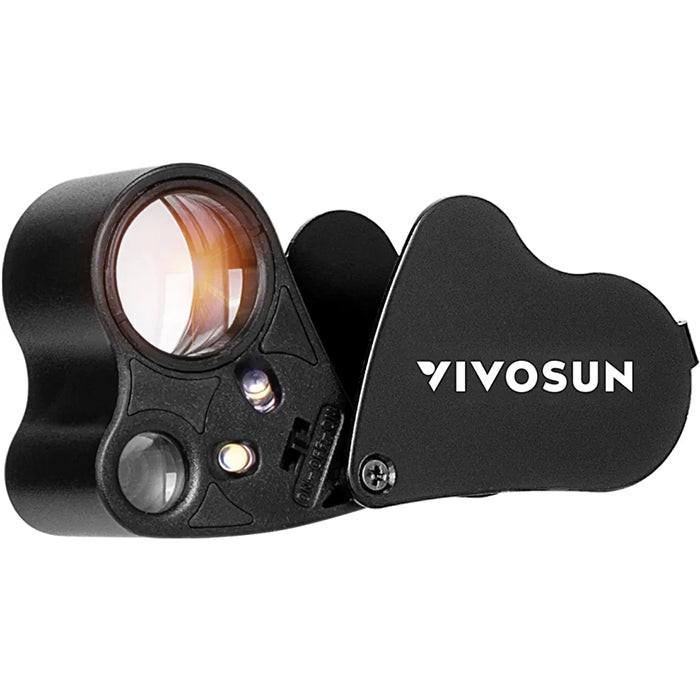
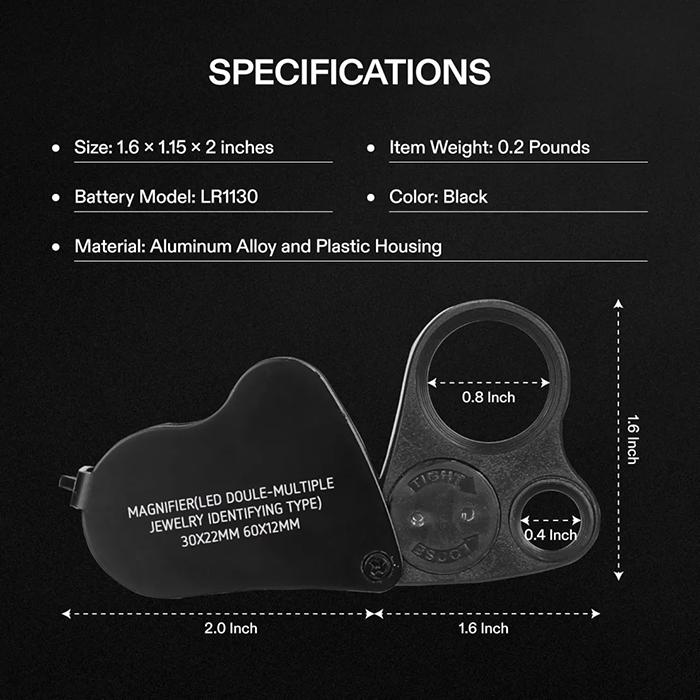
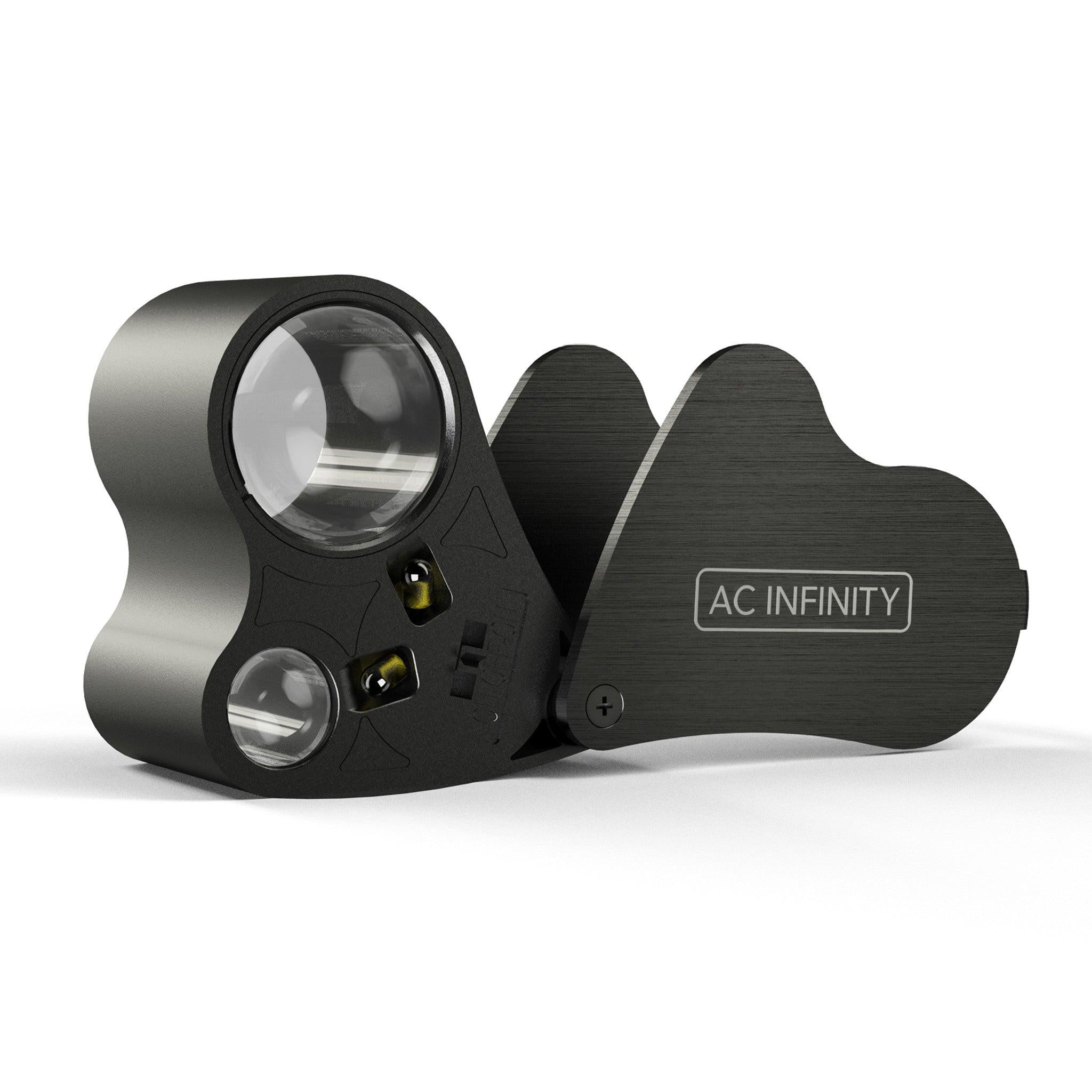
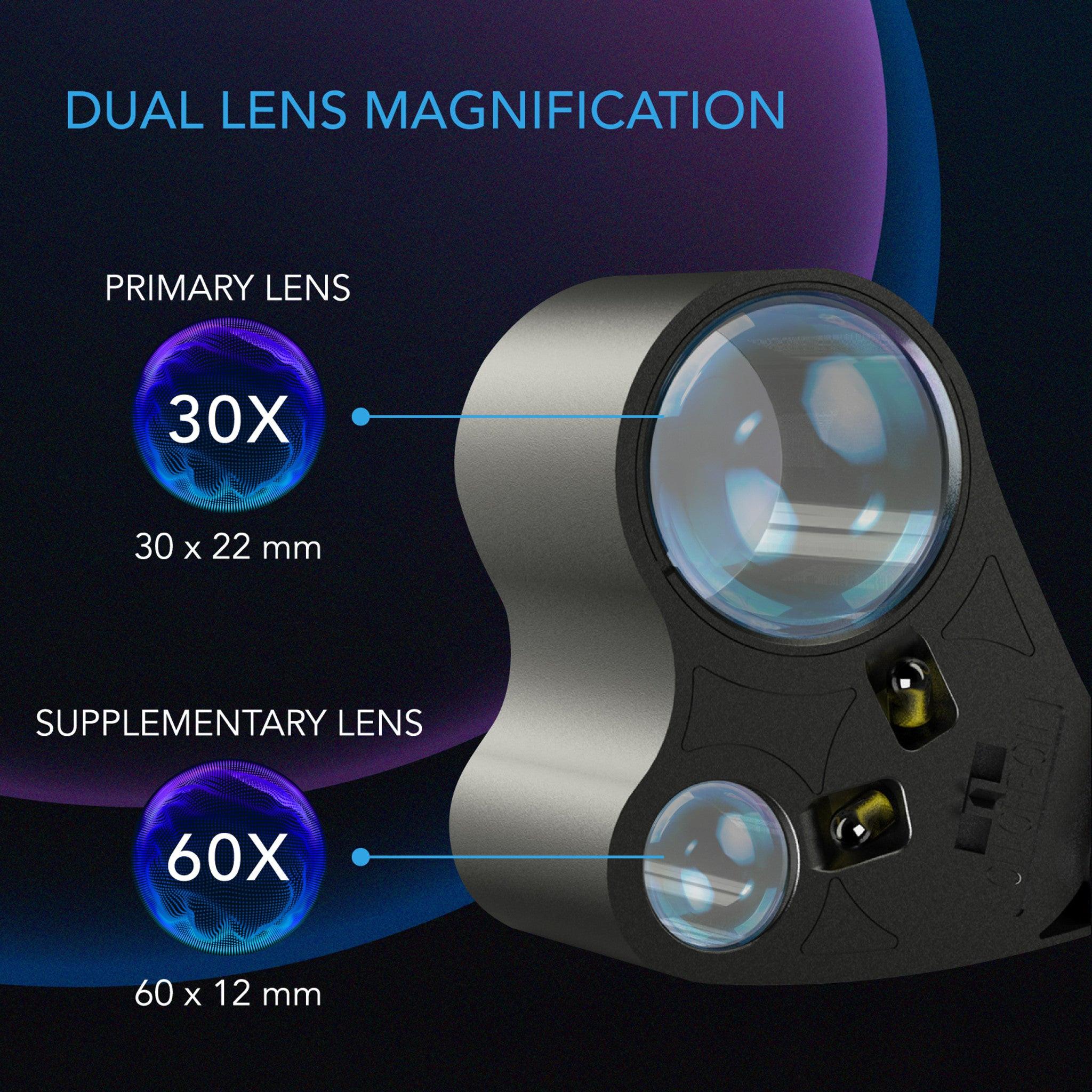
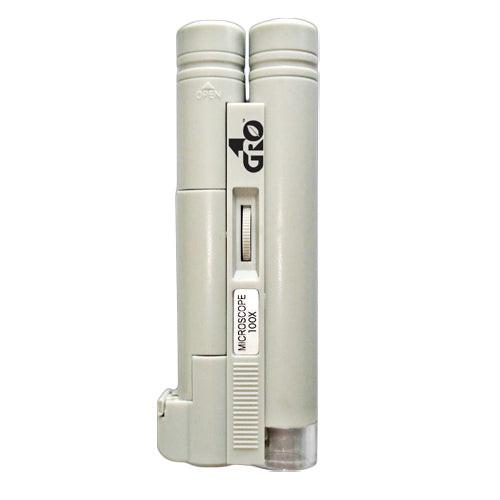
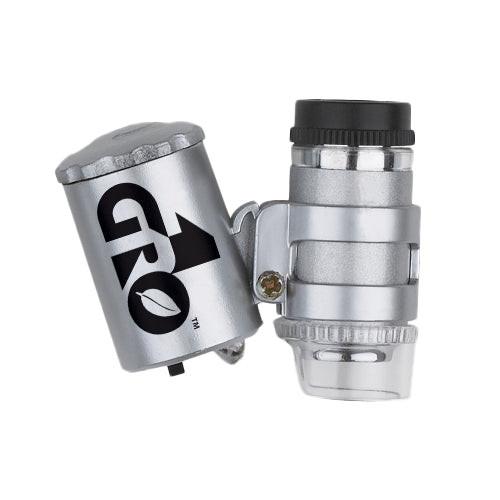
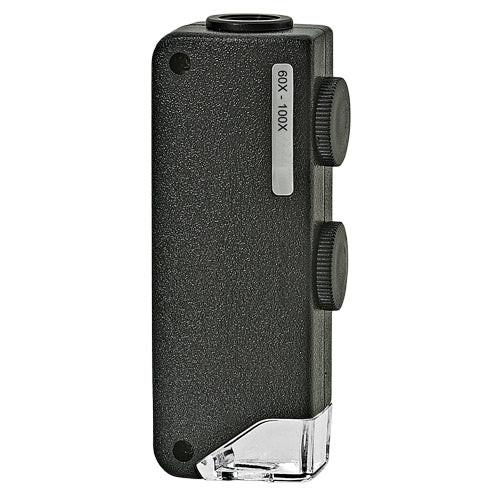
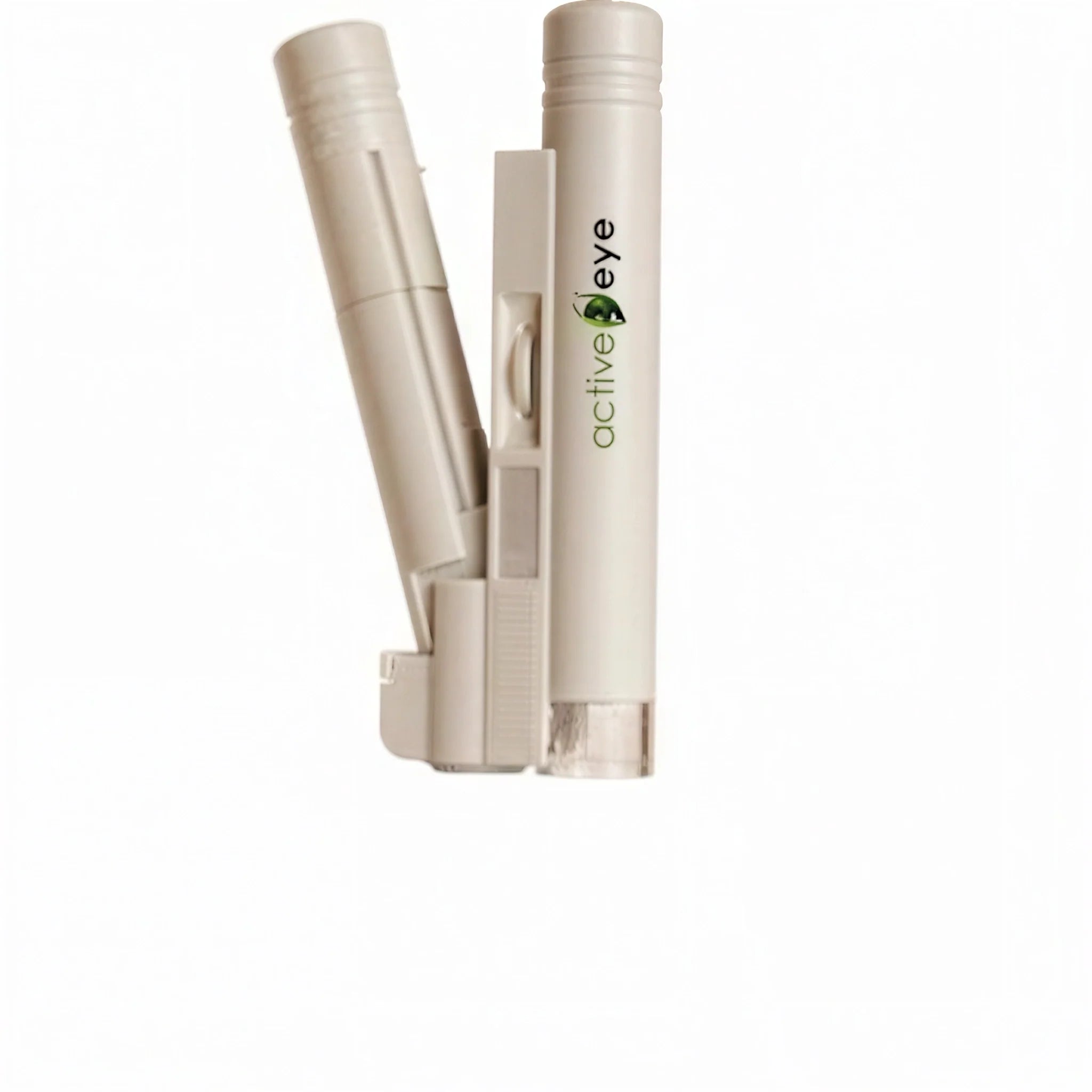
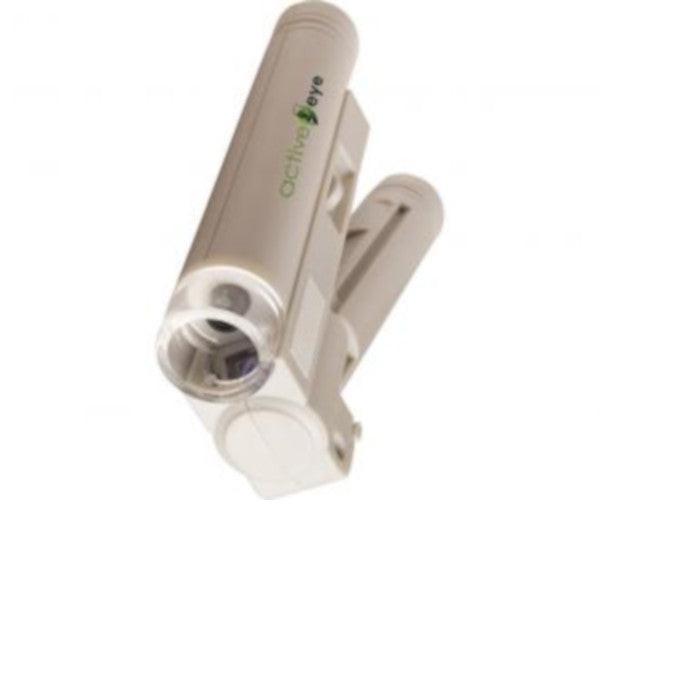
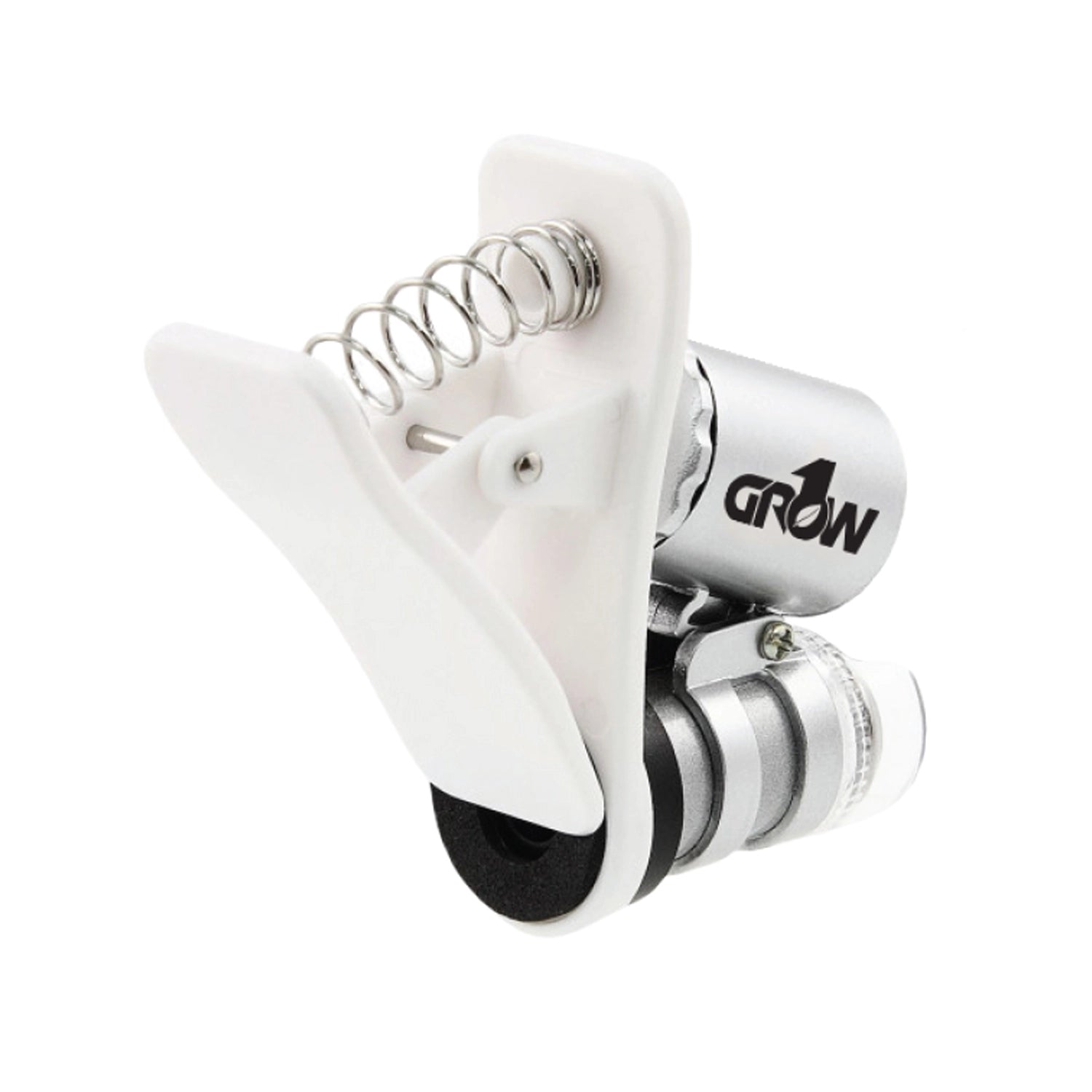
Handheld jeweler's loupes (30-60x) are the most practical tool for rapid routine plant inspection -- small, inexpensive, battery-free, and fast to use anywhere in the growing space. A trained eye with a 30x loupe can identify spider mite eggs, early thrips damage, mold initiation, and trichome condition in seconds without any setup. Digital USB microscopes (40-200x) connect to a laptop or smartphone and display a live magnified image on screen -- they provide higher magnification, the ability to capture and share images for remote diagnosis, and are easier for multiple people to view simultaneously. For commercial growing operations, a digital microscope at a dedicated inspection station allows documenting pest and disease conditions over time with timestamped photo records. Browse our complete meters and testing collection for microscopes alongside other diagnostic tools.
Trichome Assessment
At 60-100x magnification, trichome glands are clearly visible and their development stage can be assessed -- relevant for any crop where the timing of physiological maturity affects product quality. A 60x loupe is the minimum magnification for useful trichome assessment; 100x+ provides more detail for confident classification. Fast shipping.
Microscopes & Magnifiers FAQ
What magnification do I need for plant inspection?
30-60x is the practical range for most grow room plant inspection tasks -- spider mite eggs and adults, thrips larvae, powdery mildew mycelium, and early pest damage are all clearly visible at this range. Below 20x, pest eggs and early disease signs remain too small to identify reliably. Above 100x, the depth of field becomes very shallow and working with living plant material becomes awkward. For trichome assessment: 60x minimum, 100x preferred for confident maturity evaluation. A 30x loupe for routine scouting and a 60-100x loupe or digital microscope for detailed inspection covers all practical needs.
What is a USB digital microscope and how does it work?
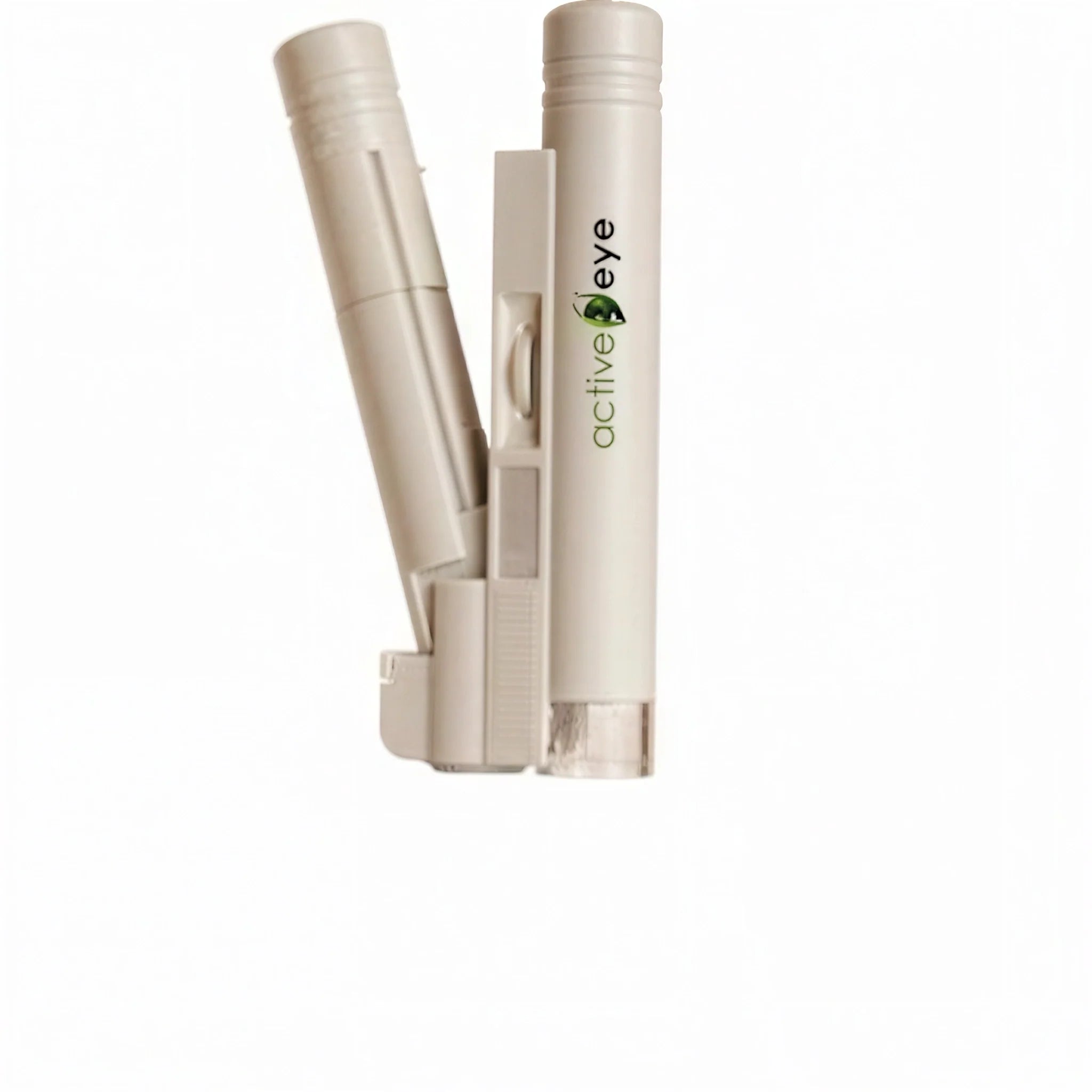
A USB digital microscope is a small camera with an integrated illumination ring and a variable-magnification optical system that connects to a computer or smartphone via USB or Wi-Fi. The live camera feed is displayed on screen at far greater effective magnification than a handheld loupe -- 40-200x is typical for consumer-grade digital microscopes. They include LED lighting that illuminates the subject without requiring external light, and software allows capturing still images and video for documentation. The main limitation versus a handheld loupe is that inspection requires bringing the sample to the microscope rather than using the loupe in the growing space.
Can I use a smartphone for plant inspection?
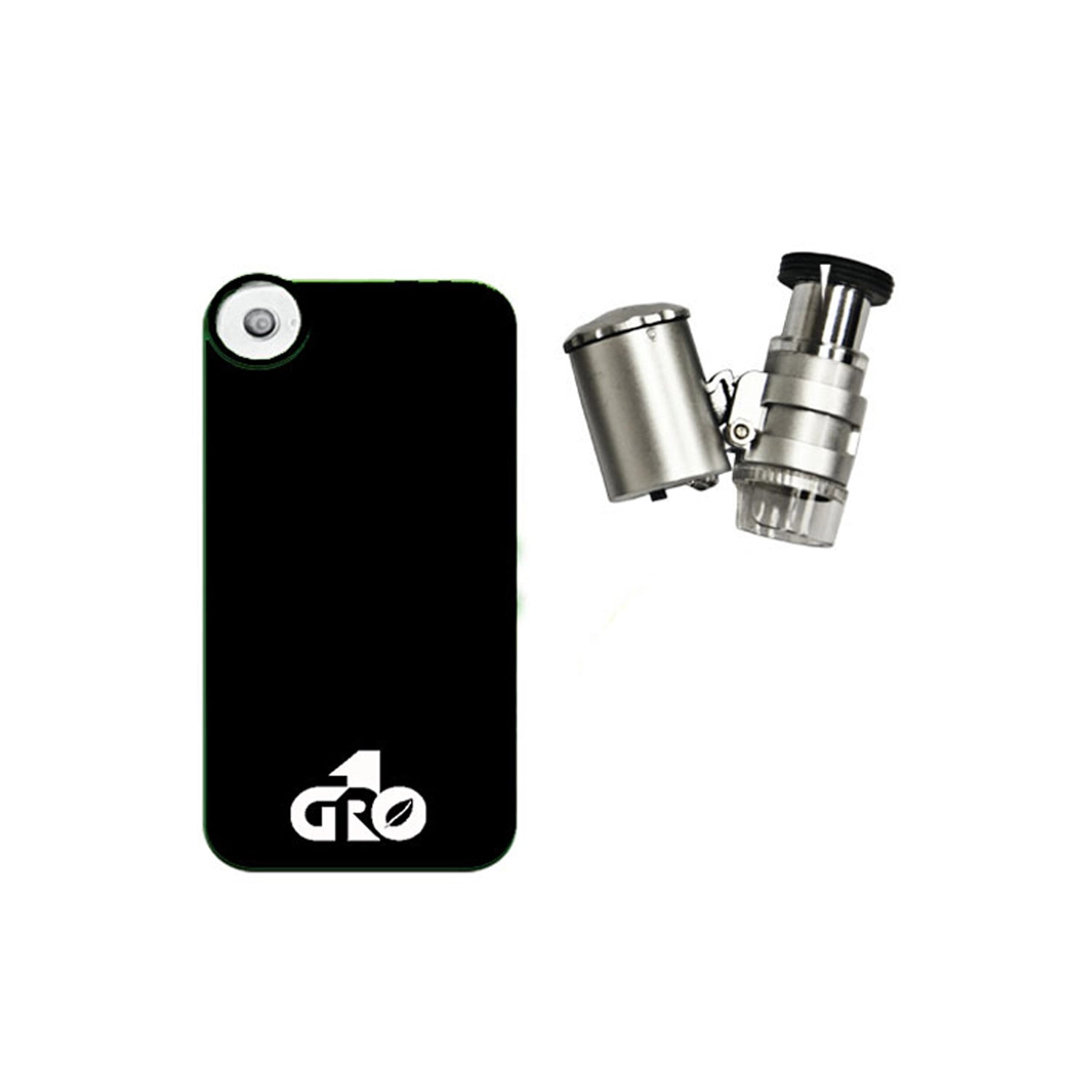
Smartphone macro lenses (clip-on lens attachments, 15-25x) provide a practical field inspection tool that most growers already have in their pocket. At 15-25x, common pest insects and visible disease symptoms are identifiable, though spider mite eggs (0.1mm) remain difficult to see reliably. Smartphone camera quality has improved enough that a modern flagship phone with a good macro lens and adequate lighting can produce useful diagnostic images for remote expert review. For confident early-stage pest and disease identification, a dedicated 30-60x loupe is more reliable than relying on a smartphone at close range.
How do I inspect for spider mites with a loupe?
Spider mite inspection focuses on the undersides of leaves where mites prefer to feed and lay eggs. Hold a leaf horizontally with the underside facing up and examine under the loupe against a light source -- a phone flashlight held from below works well. At 30x: individual adult mites (0.4-0.5mm) are clearly visible as small moving dots; eggs appear as round transparent spheres clustered along leaf veins; webbing from established infestations is clearly visible. Examine the 3-5 lowest and oldest leaves first -- mites typically begin on older tissue and work upward. Inspect regularly during production -- catching a population at 5-10 mites per leaf is far easier to manage than at 50+.
Are digital microscopes better than loupes for grow room use?
Better depends on the application. Digital microscopes excel at: documentation (timestamped photos for tracking pest population trends); remote diagnosis (sharing images with consultants or support teams); training (showing multiple people simultaneously what a mite egg or spore looks like); and high-magnification detail (100-200x for substrate biology and micro-organism identification). Loupes excel at: speed (immediate inspection anywhere in the grow room without setup); portability (pocket-sized); and practical scouting (walk-through inspection of multiple plants in a few minutes). Most production operations benefit from both -- a 30-60x loupe for daily scouting and a digital microscope at an inspection station for detailed documentation.