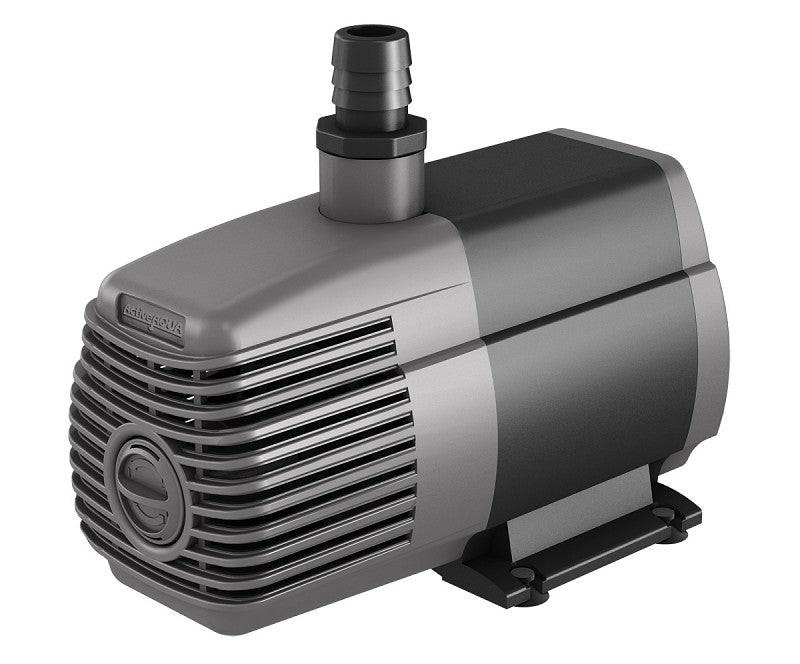
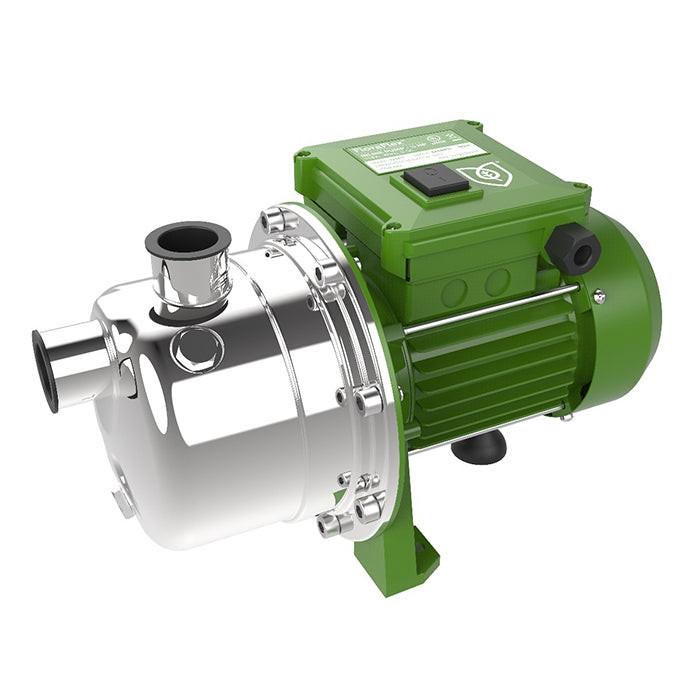
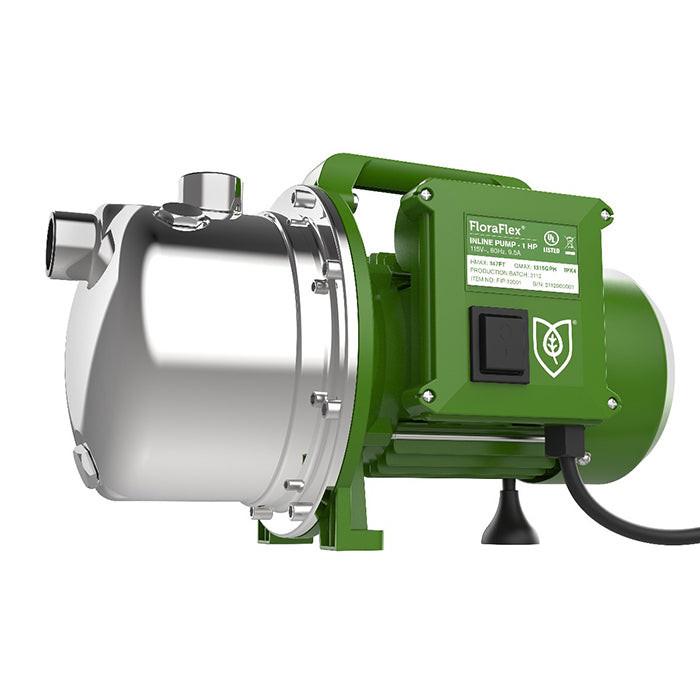
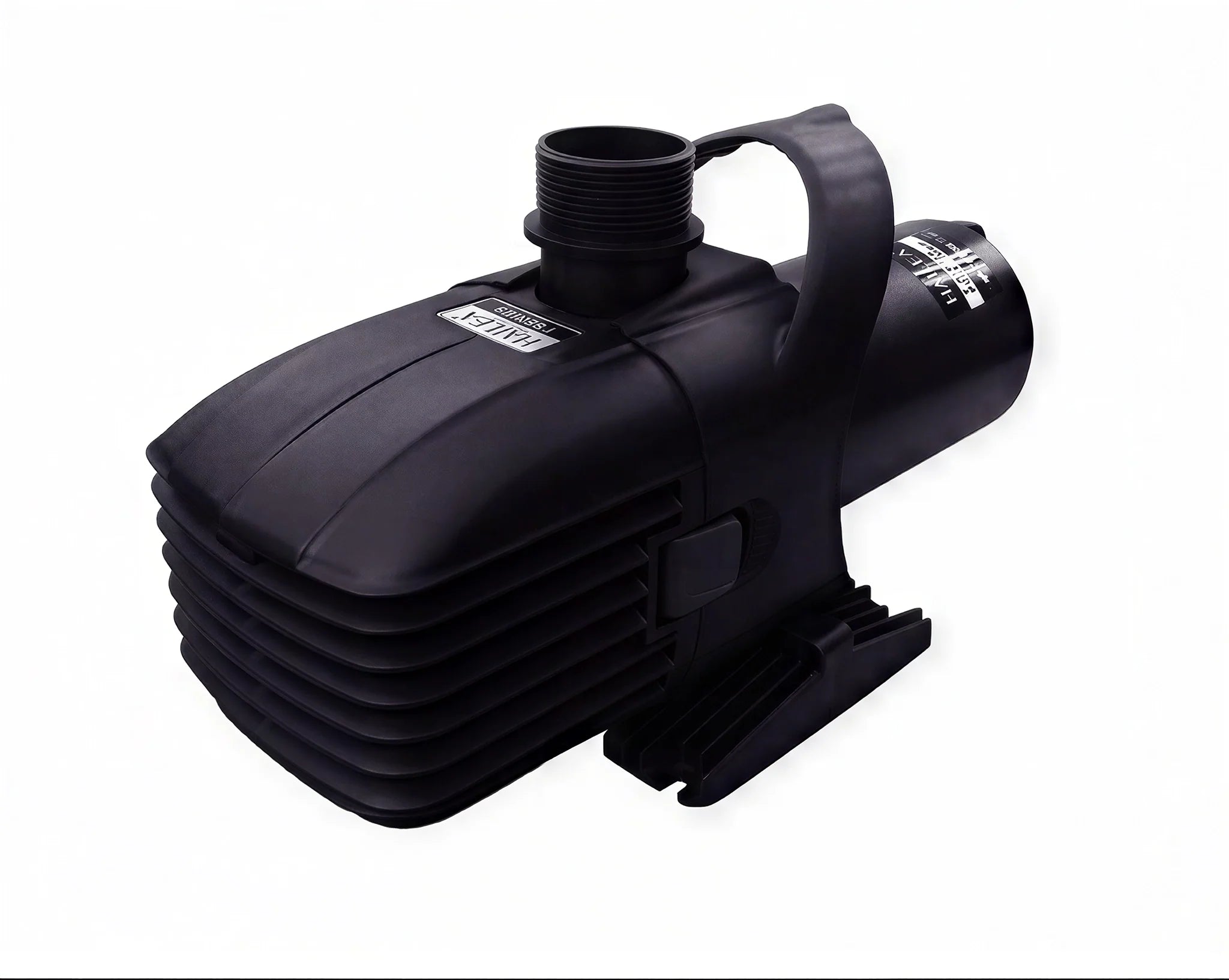
Inline & External Water Pumps for Hydroponics
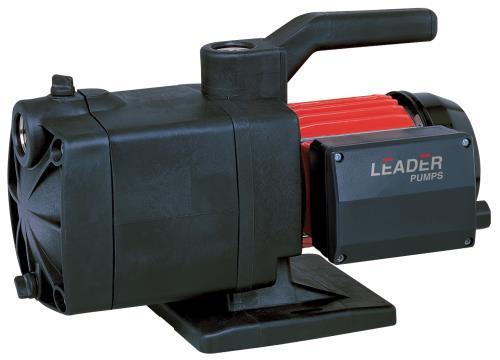
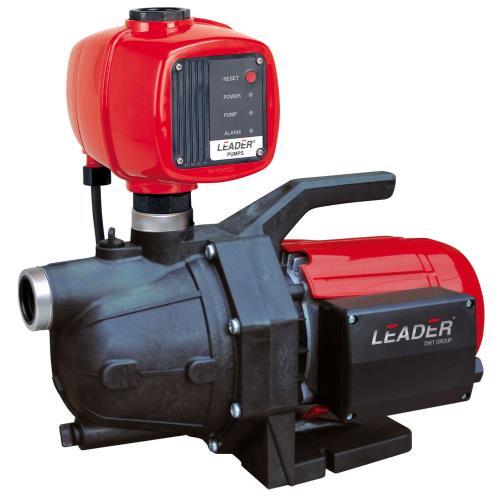
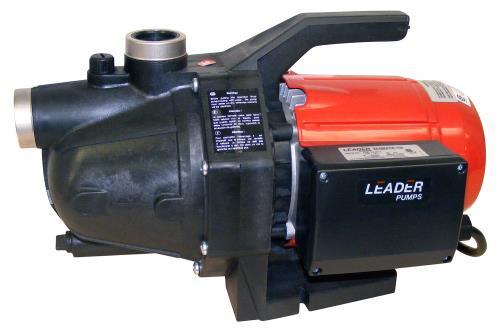
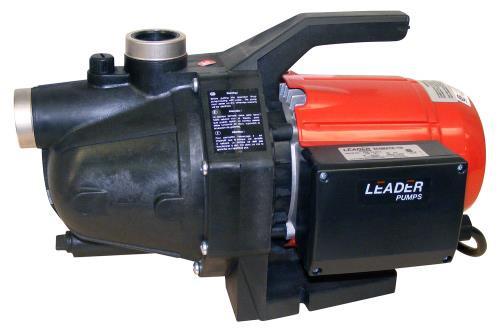
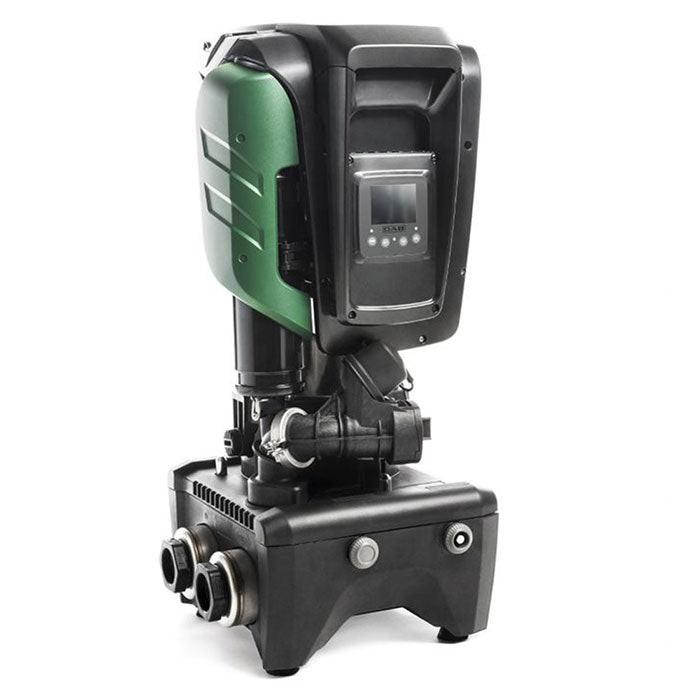
Inline (external or surface-mount) water pumps install outside the nutrient reservoir and draw solution through an inlet line rather than sitting submerged inside it. This external mounting eliminates the heat contribution that submersible pumps add to reservoir temperature, allows pump servicing without draining the reservoir, and in commercial RDWC and fertigation applications, provides the higher head pressure capability that large systems require. For grow rooms where reservoir temperature management is critical -- particularly RDWC systems where dissolved oxygen levels drop as water warms -- an external pump is often the more appropriate choice than a submersible despite the higher installation complexity.
When to Choose Inline vs. Submersible
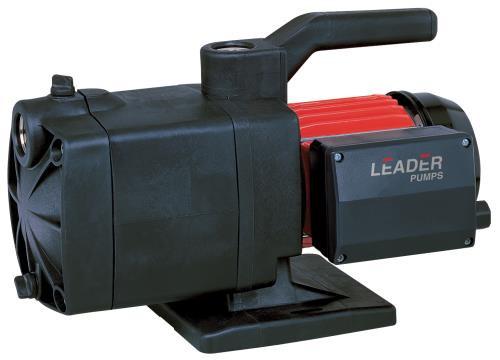
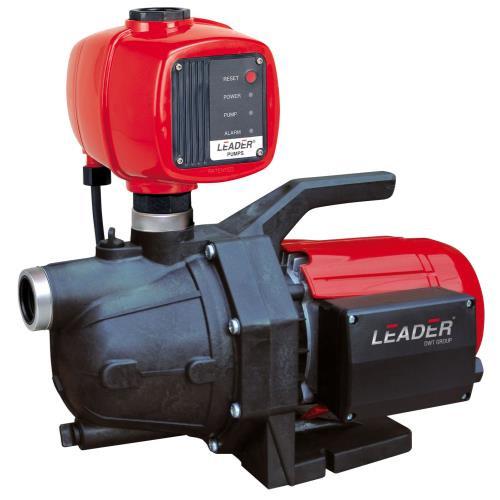
Submersible pumps are simpler and work well for most hobby and small commercial applications where reservoir temperature is managed by other means (chiller, insulated reservoir, cool room temperature). Inline external pumps are the better choice when: your system volume and flow rate require commercial-grade head pressure capability beyond most submersibles; pump heat contribution measurably raises reservoir temperature to unacceptable levels for DO management; you need to service the pump without draining a large reservoir; or your system design places the pump at a distance from the reservoir where self-priming is not practical. DAB Pumps and Leader Pumps are the primary brands for commercial-grade inline hydroponic pumps at Hydrobuilder. Use our Pump & Flow Rate Calculator to size any inline pump for your system's GPH and head pressure requirements.
Sizing Inline Pumps for Commercial RDWC
For commercial RDWC recirculation, size the inline pump to circulate 2-4x the total system water volume per hour at the installation head. A 200-gallon RDWC system needs 400-800 GPH at operating head. Calculate installation head by adding vertical lift (feet from pump to highest delivery point) plus equivalent friction losses from tubing runs and fittings -- typically 1 foot of equivalent head per 10-15 feet of horizontal run plus fittings. Select a pump whose published performance curve shows adequate GPH at your calculated total head. Fast shipping.
Inline Water Pumps FAQ
What is the main advantage of an inline pump over a submersible?
The primary advantages are heat isolation (the pump motor's heat dissipates to air rather than into the nutrient solution, preventing reservoir temperature rise) and serviceability (the pump can be inspected, cleaned, or replaced without draining the reservoir). For large RDWC systems where even a few degrees of reservoir temperature increase meaningfully reduces dissolved oxygen levels, keeping heat-generating equipment out of the reservoir is a significant operational benefit. Inline pumps also typically provide higher head pressure capability at equivalent flow rates compared to submersibles at the same motor wattage.
Do inline pumps need to be primed before use?
Yes -- most inline centrifugal pumps require priming (filling the pump housing and inlet line with liquid) before starting, as they cannot self-prime from a dry state. Fill the pump housing through the priming port and ensure the inlet line is flooded before first start. Some inline pump models include a self-priming feature with an integrated priming chamber that draws the liquid up to the pump on startup -- verify your specific model's priming requirements before installation. Submersible pumps are inherently self-priming because they operate fully submerged.
What flow rate do I need for an inline RDWC pump?
For RDWC recirculation, target 2-4x the total system water volume per hour. A 100-gallon system needs 200-400 GPH; a 300-gallon system needs 600-1,200 GPH. Calculate your required flow at actual installation head (vertical lift plus equivalent friction from tubing and fittings) using the pump's published performance curve -- not the zero-head rating on the box. Use our Pump & Flow Rate Calculator to determine the correct model for your specific system layout.
Can I use a garden pump or utility pump in hydroponics?
Standard utility pumps can technically move water in hydroponic systems but are generally not recommended for long-term continuous hydroponic use. Issues: most utility pumps are not designed for continuous 24-hour duty cycles, their materials may not be chemically compatible with concentrated nutrient solutions, and they typically lack the precision flow rate control needed for hydroponic applications. DAB, Leader, and similar commercial-grade pumps are designed for the nutrient solution chemistry, continuous duty cycles, and precise flow rates that hydroponic systems require.
How do I install an inline pump for hydroponics?
Mount the pump outside the reservoir on a stable surface at or below reservoir level for easiest priming. Connect the inlet line from the reservoir to the pump's suction port using the appropriate fitting and tubing. Connect the discharge line from the pump's outlet to the system manifold or mainline. Fill the pump housing through the priming port before first startup. Ensure all connections are secure and leak-free before powering on -- nutrient solution leaks at pump connections in an active grow room can damage electrical equipment and substrate. Use valves on both the inlet and outlet lines to allow pump isolation for maintenance without draining the system.