Hydroponic Systems & Supplies
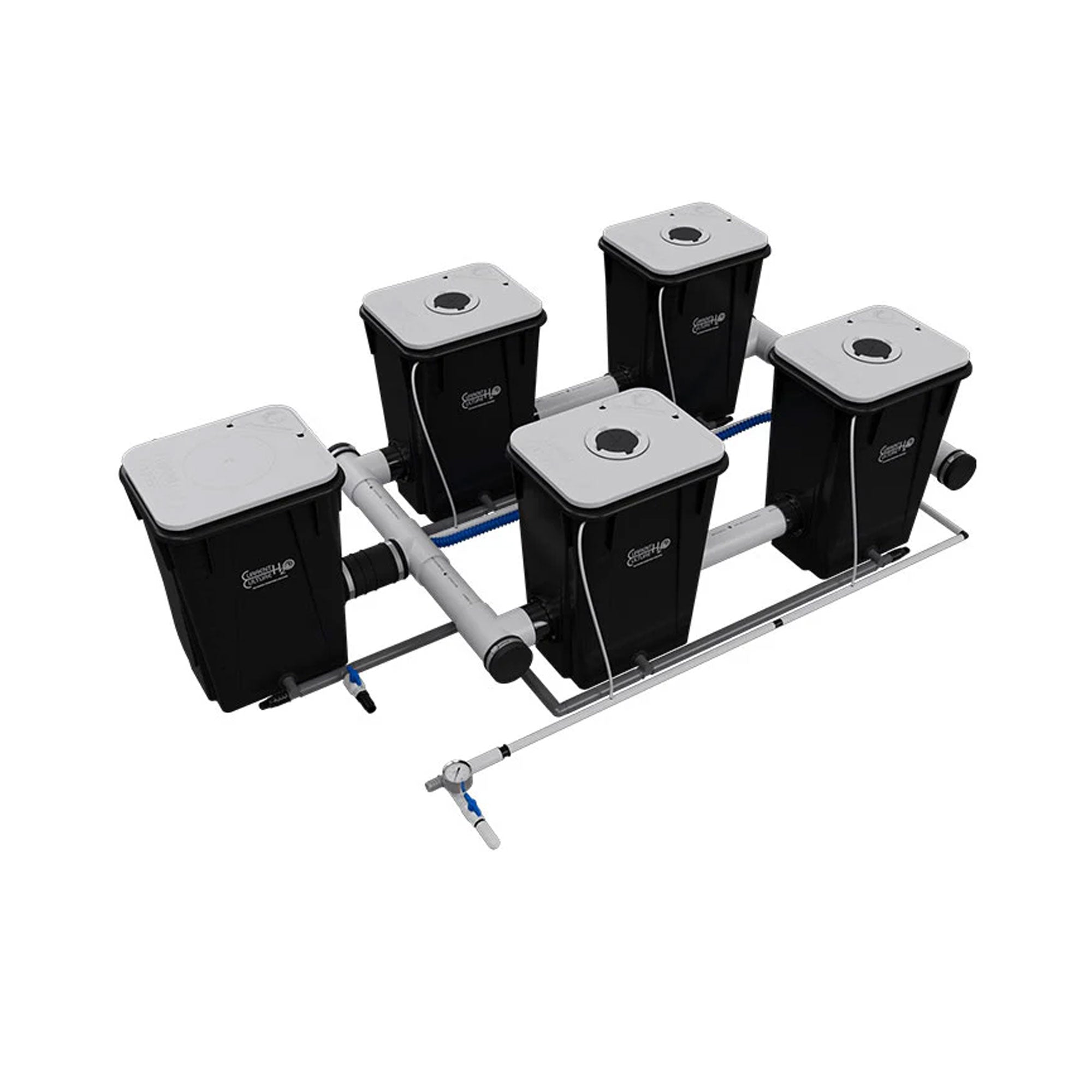
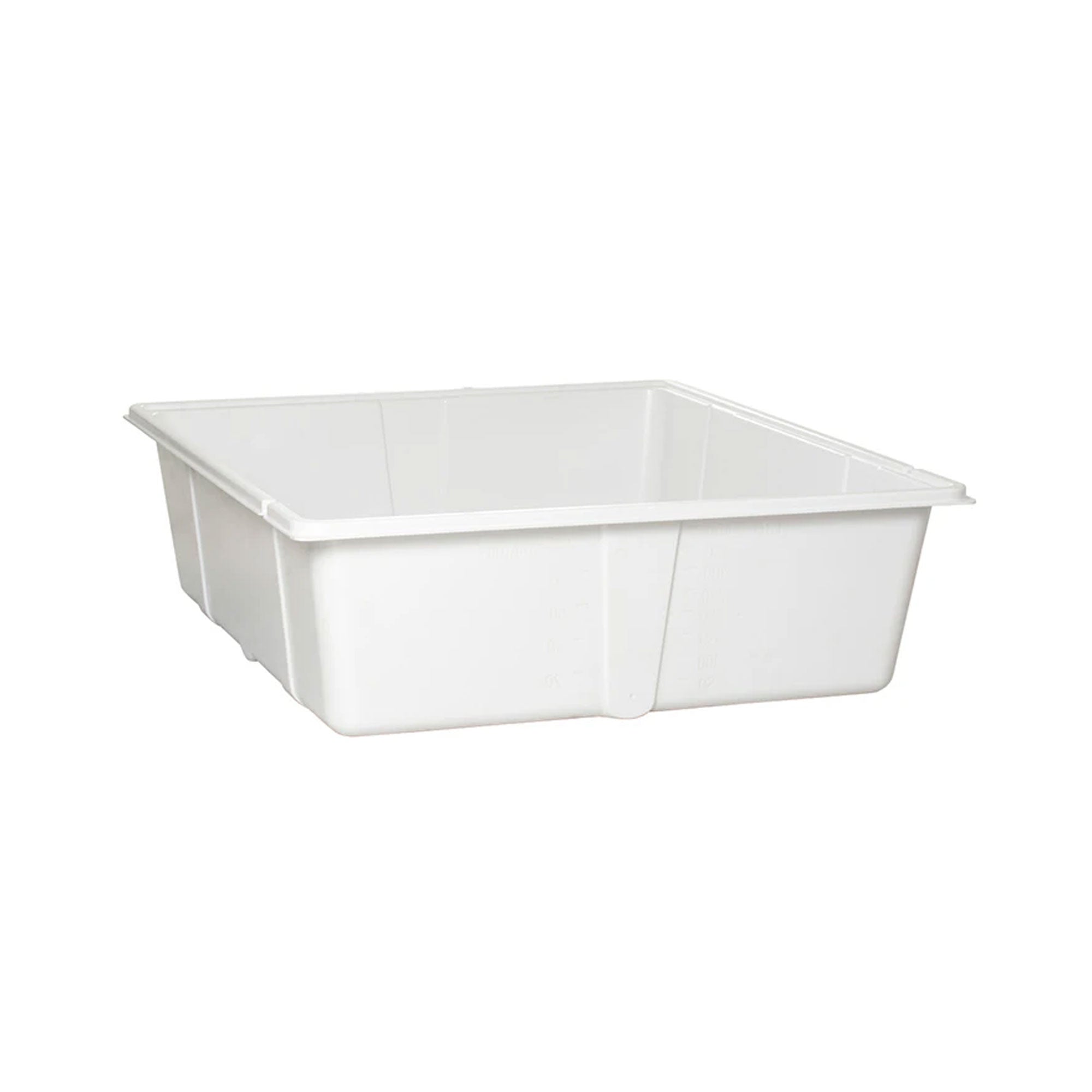
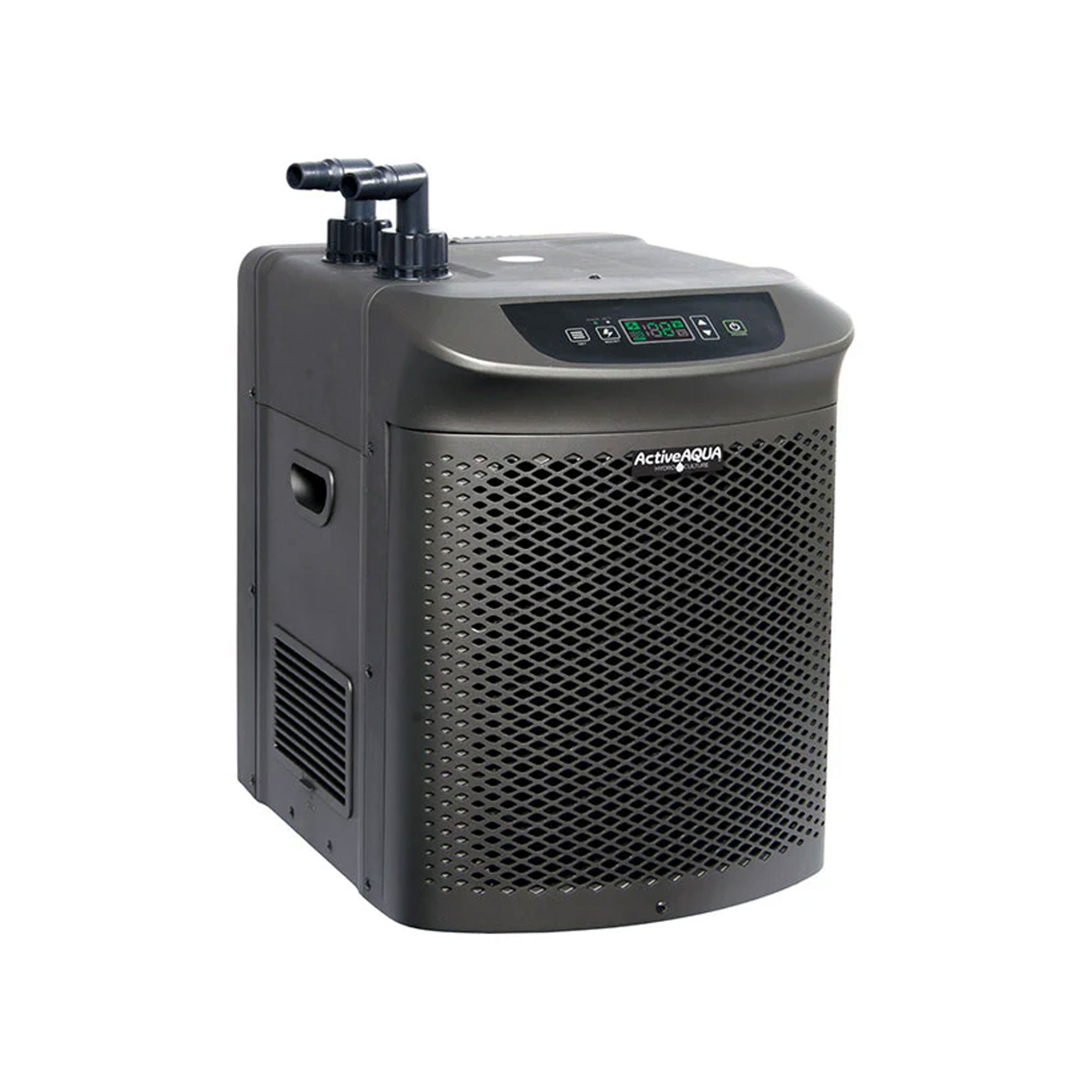
Hydrobuilder carries a complete selection of hydroponic systems, water chillers, grow trays, and every accessory in between, sized for grow rooms and greenhouses from beginner to commercial scale. We also carry pH and EC testing supplies and nutrient dosers to help keep plants healthy.
Hydroponics is the practice of growing plants without soil, with roots suspended directly in a nutrient solution or supported in an inert grow media. It's a core method of indoor growing because it allows for efficient, controlled growth and consistent yields year-round, independent of typical growing seasons.
Building a Hydroponic System
Hydrobuilder carries complete systems, ready-to-assemble kits, and everything needed to build your own DIY setup. Most DIY systems use some combination of the following:
- Reservoir or water tank
- Grow tray & stand
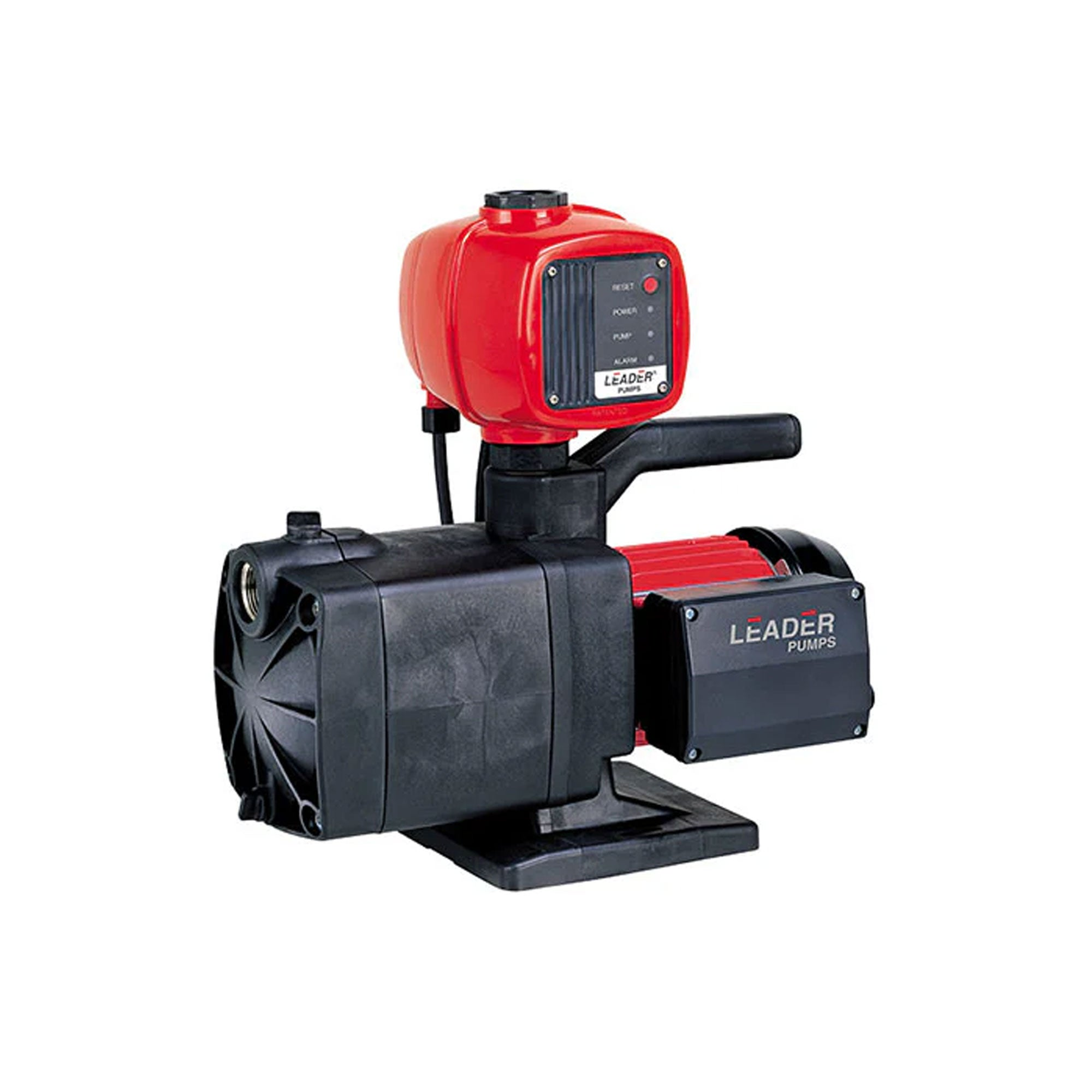
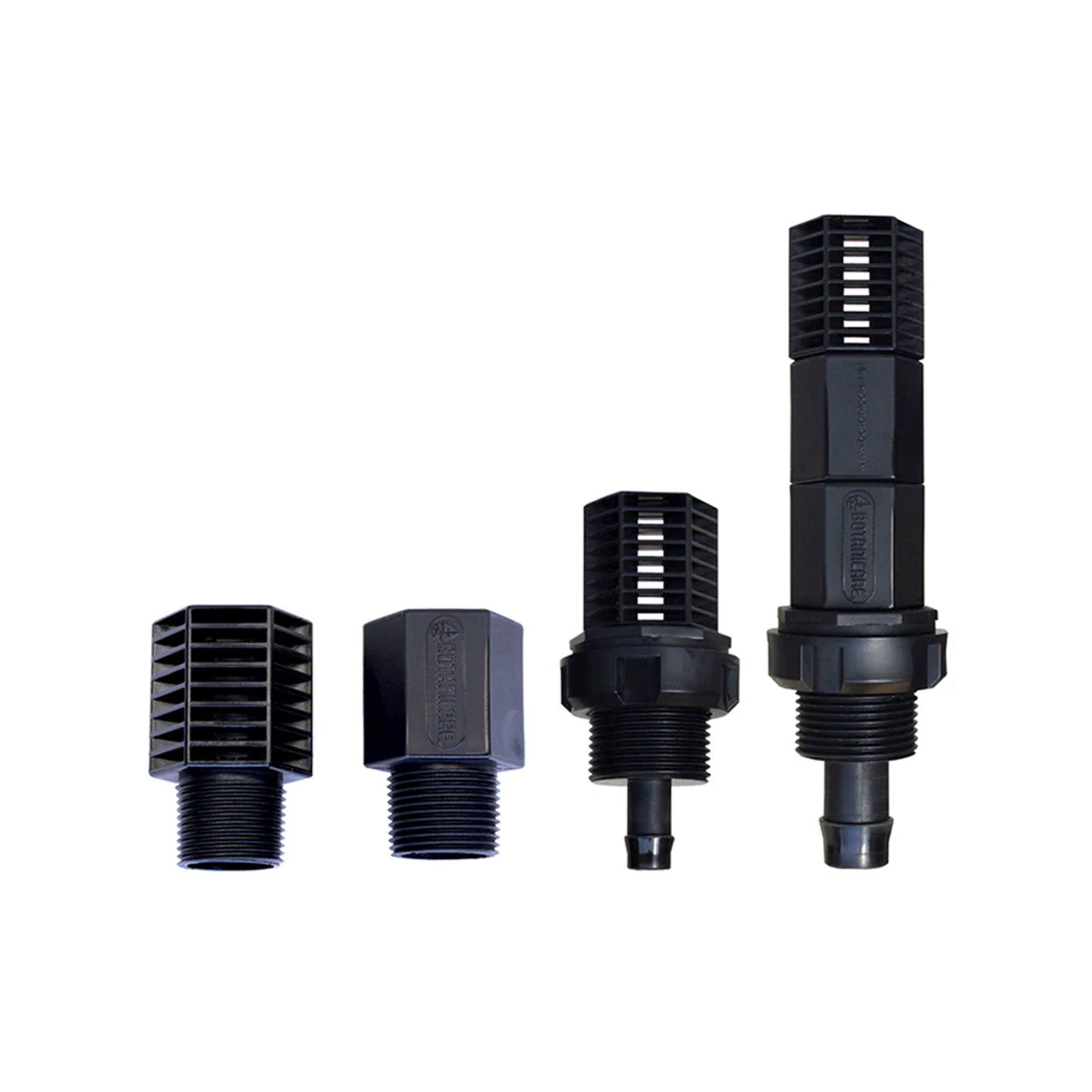
- Water pump, fittings & tubing
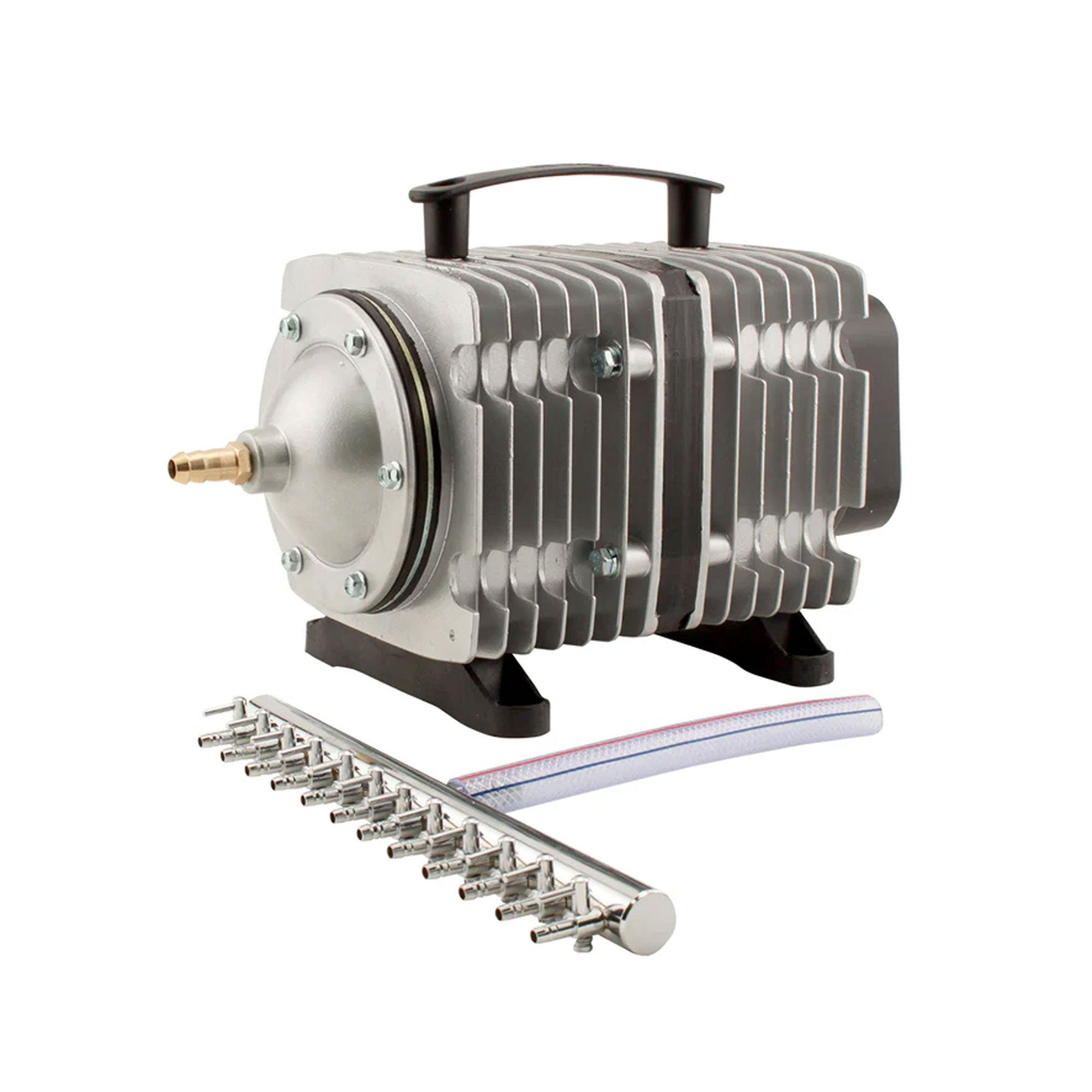
- Air pump & air stone
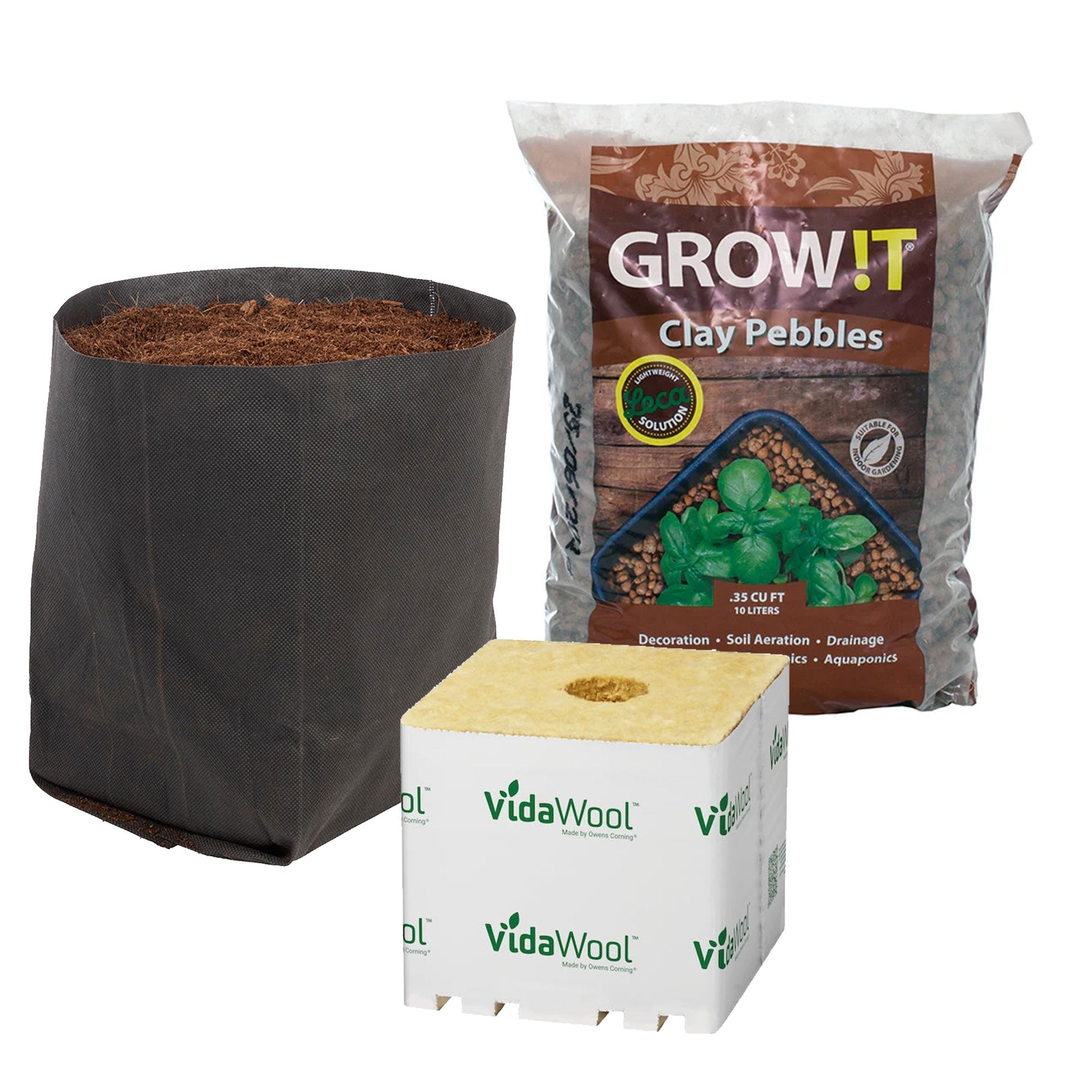
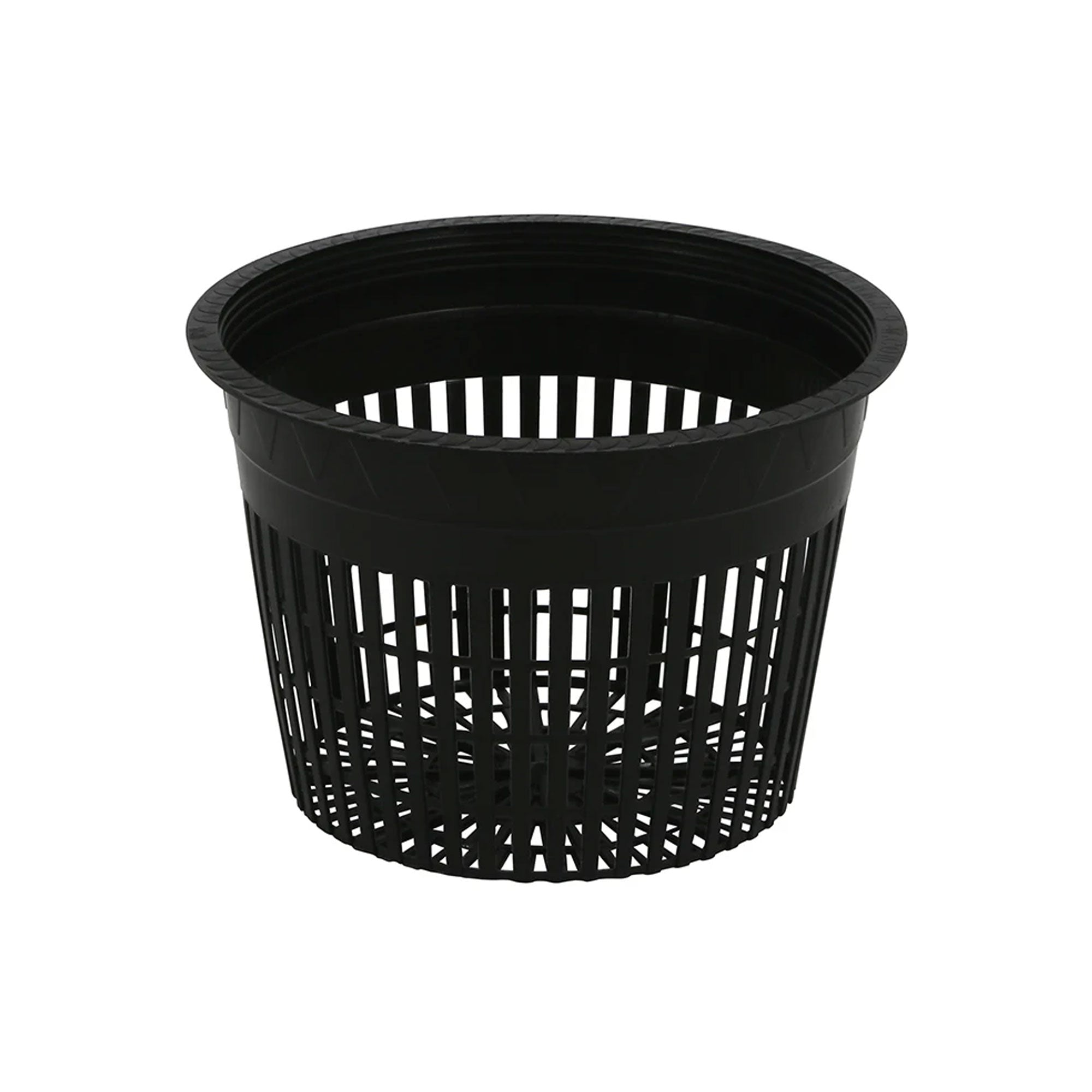
- Net pots or fabric pots & grow media
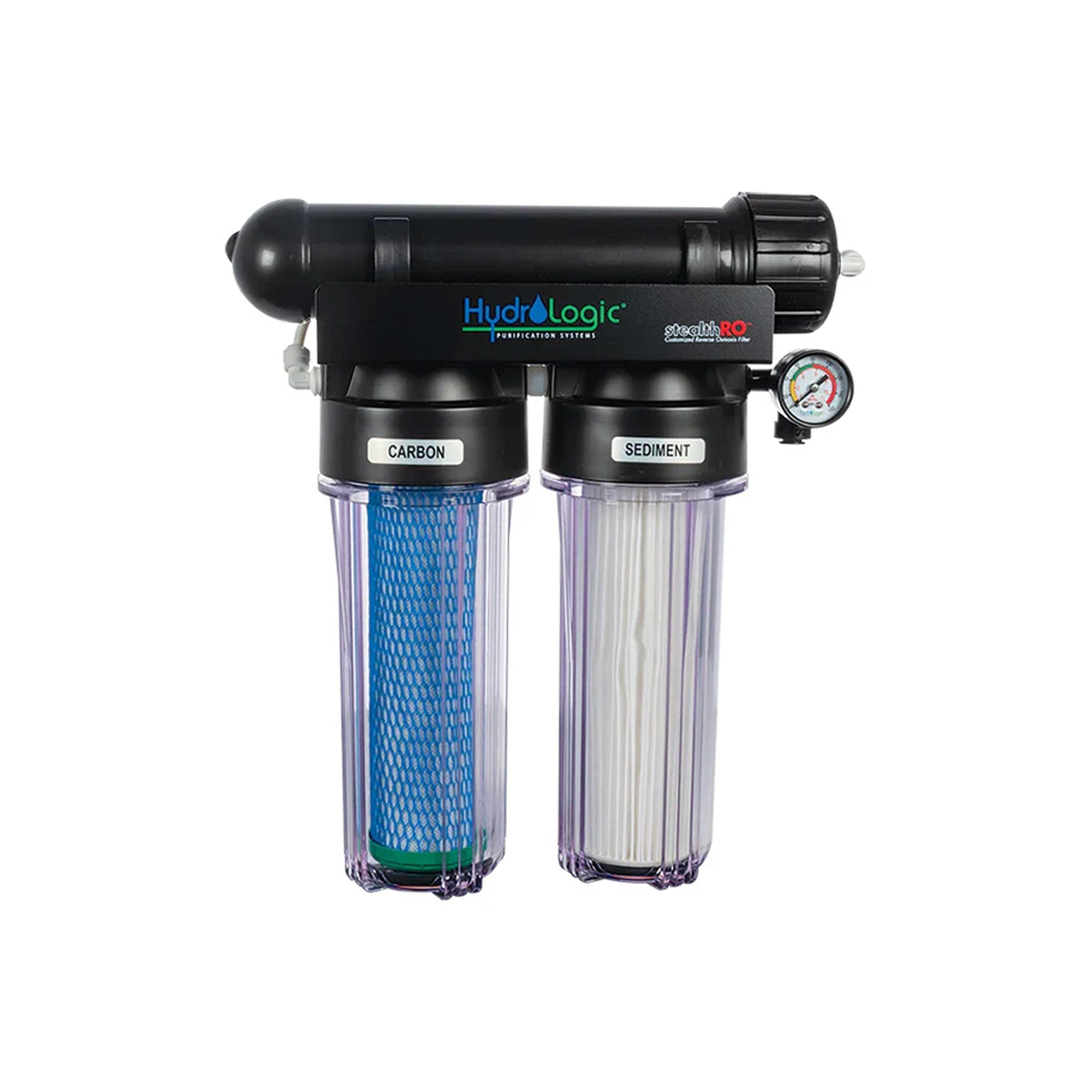
Depending on climate, region, and goals, growers often add water chillers or heaters, RO or sediment filters, autodosers and monitors, and pH equipment on top of these essentials.
Types of Hydroponic Systems
Most systems use a reservoir to hold nutrient solution and a grow tray or stand to hold the plants; the differences come down to how nutrients reach the roots:
- Ebb and Flow - also called flood and drain, one of the most beginner-friendly styles. The root zone is flooded with nutrients, then drains back to the reservoir.
- Deep Water Culture (DWC) - roots are suspended directly in the reservoir in a net pot, with an air pump and stone providing constant oxygen.
- Aeroponics - roots hang in the air and are fed by misting devices below the root zone for maximum oxygen exposure.
- Drip Systems - drip lines slowly feed plants, scaling easily for larger indoor gardens or commercial operations.
- Nutrient Film Technique (NFT) - a water pump sends a thin, continuous film of nutrients through the grow tray and back to the reservoir.
- Wick Systems - a passive system with no moving parts; a wick draws nutrient solution from the reservoir into the grow media.
- Vertical Farming - stacks growing space to maximize yield per square foot while conserving water.
For a deeper comparison, see our guide to the different types of hydroponic systems.
Maintenance & Troubleshooting
Regular maintenance keeps a hydroponic system productive: monitor and adjust pH and nutrient levels, clean grow media between cycles, and check that pumps and lighting are running efficiently. Most issues - nutrient deficiencies, pH swings, or equipment malfunctions - are easiest to resolve when caught early, and our growing staff can help you track down the root cause.
Growers scaling up a room often reach a point where floor space, not equipment, becomes the constraint. If aisle space is eating into your canopy, our rolling bench and tray stand collection and rolling bench sizing guide cover how to reclaim it, including commercial-scale systems from PIPP Horticulture, NextG3N, and CM Horticulture.