Hydroponic Nutrients -- Complete Plant Fertilizers for Every System
Plants growing in hydroponic systems have no soil organic matter to buffer or supply nutrients -- every element a plant needs must be present in the nutrient solution at the right concentration and the right ratio. Getting hydroponic nutrition right is therefore both more critical and more controllable than in soil: more critical because there is no buffering fallback, and more controllable because you specify exactly what the plant receives at every irrigation event. The result is that well-managed hydroponic feeding programs consistently outperform soil in growth rate, yield, and nutrient efficiency -- provided the grower maintains accurate pH and EC management.
Two-Part vs. Three-Part vs. One-Part Nutrient Programs
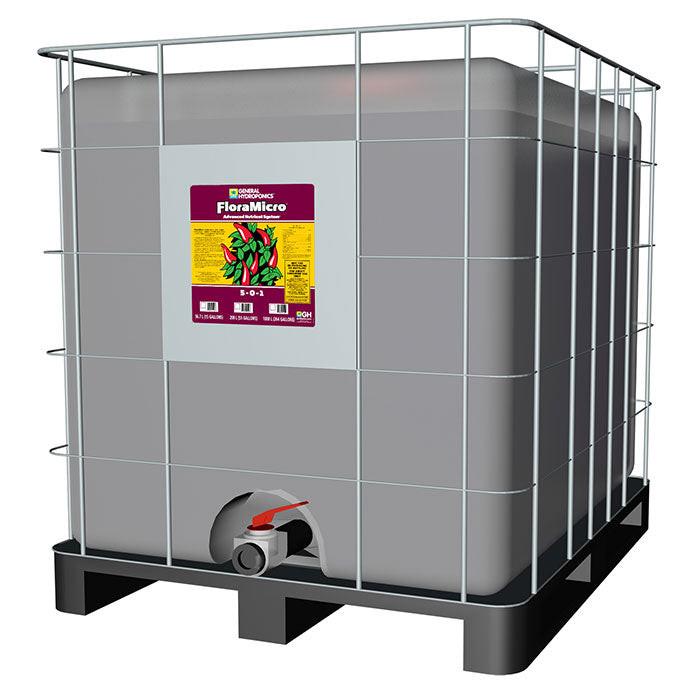
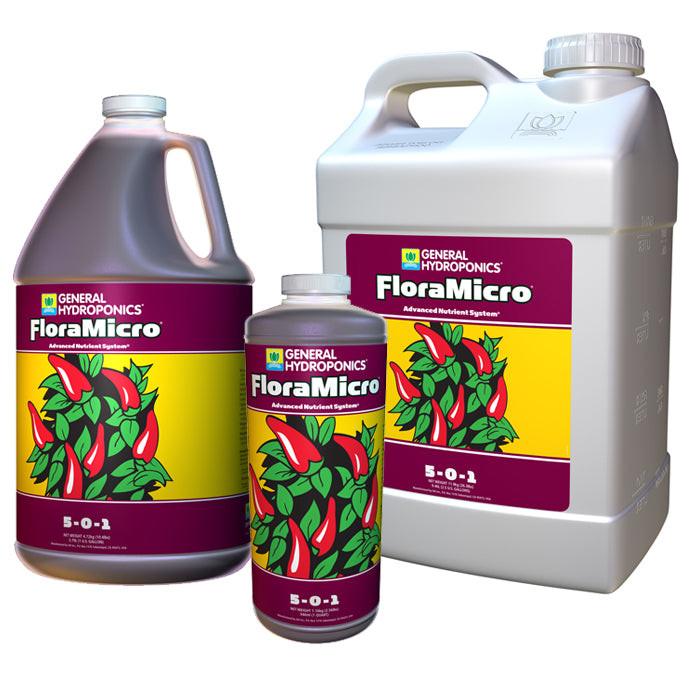
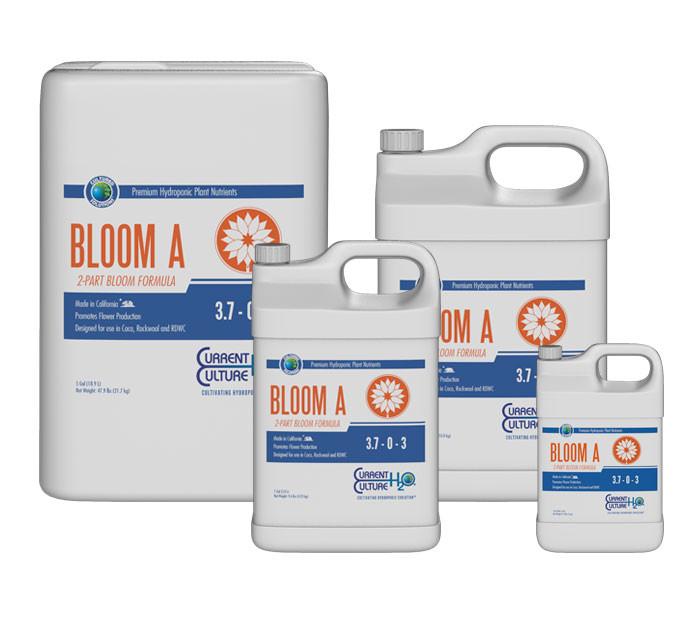
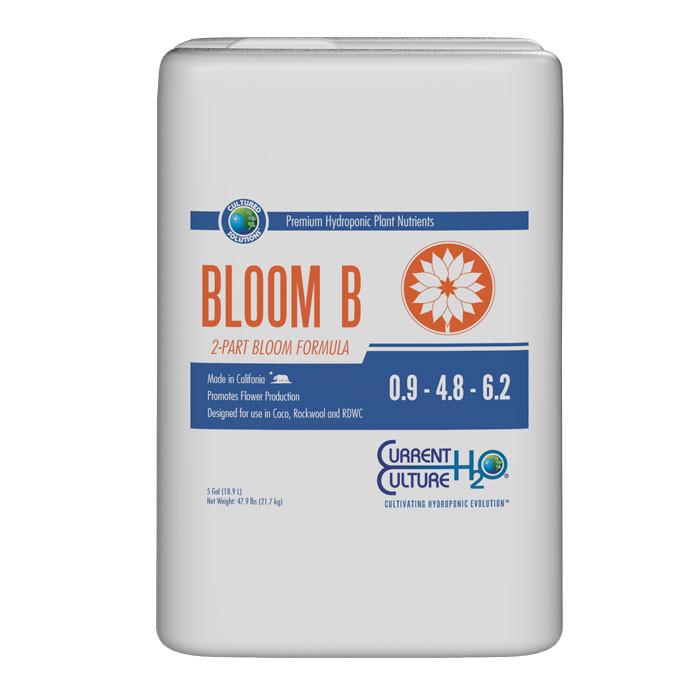
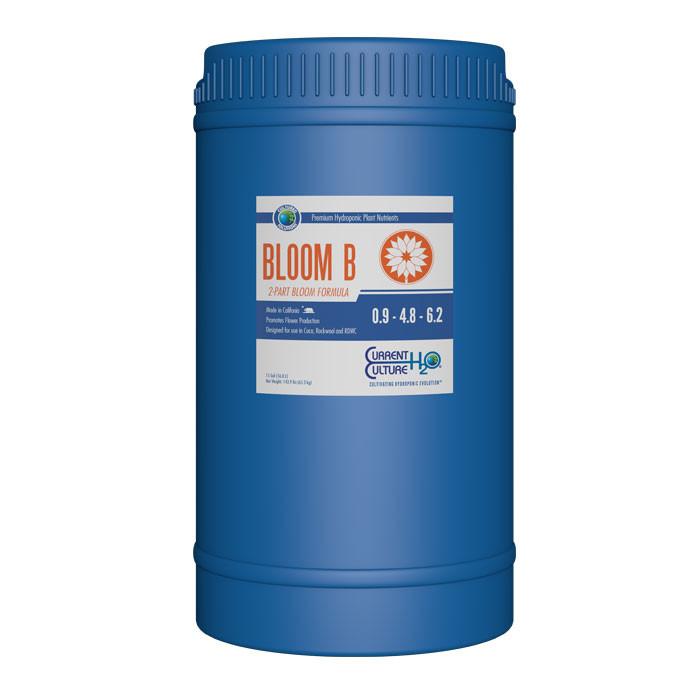
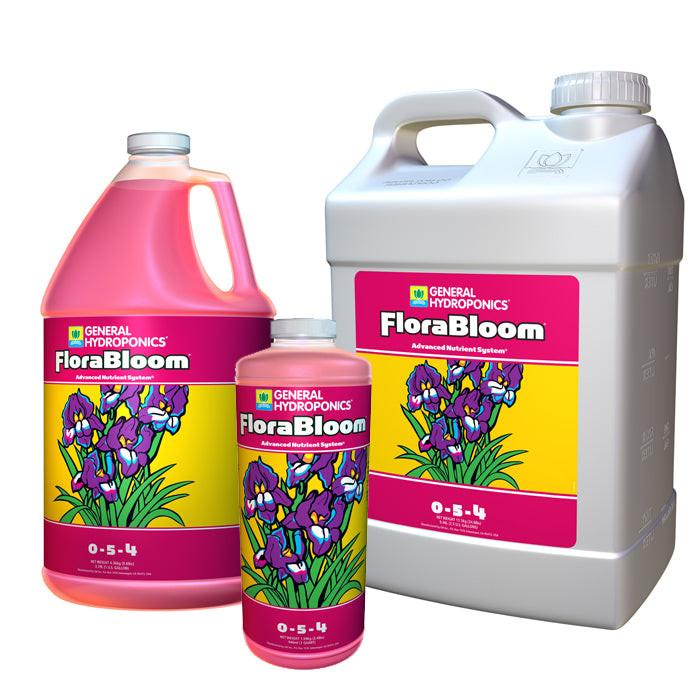
Hydroponic nutrients are sold in one-, two-, and three-part liquid or dry concentrate formats. Three-part programs (General Hydroponics FloraSeries: FloraGro, FloraBloom, FloraMicro) separate nutrients into three components because certain elements -- particularly calcium and sulfates or phosphates -- cannot coexist in concentrated form without precipitating. The three-part format gives growers the most independent control over nitrogen, phosphorus, potassium, and micronutrient ratios across growth stages. Two-part programs (Athena Blended Line, Canna Aqua) separate A and B components for the same precipitation reason -- simpler than three-part but still allowing stage-specific ratio adjustment. One-part programs and dry concentrate blends (General Hydroponics MaxiSeries, Athena Pro Grow/Bloom) simplify mixing to a single product per stage at the cost of some stage-specific adjustment flexibility. For beginners, a two-part liquid system is the most practical starting point; for commercial operators, dry concentrates or two-part liquids with precise EC management are the standard.
Hydroponic Nutrient Brands: HGV, Athena, General Hydroponics, Canna & Fox Farm
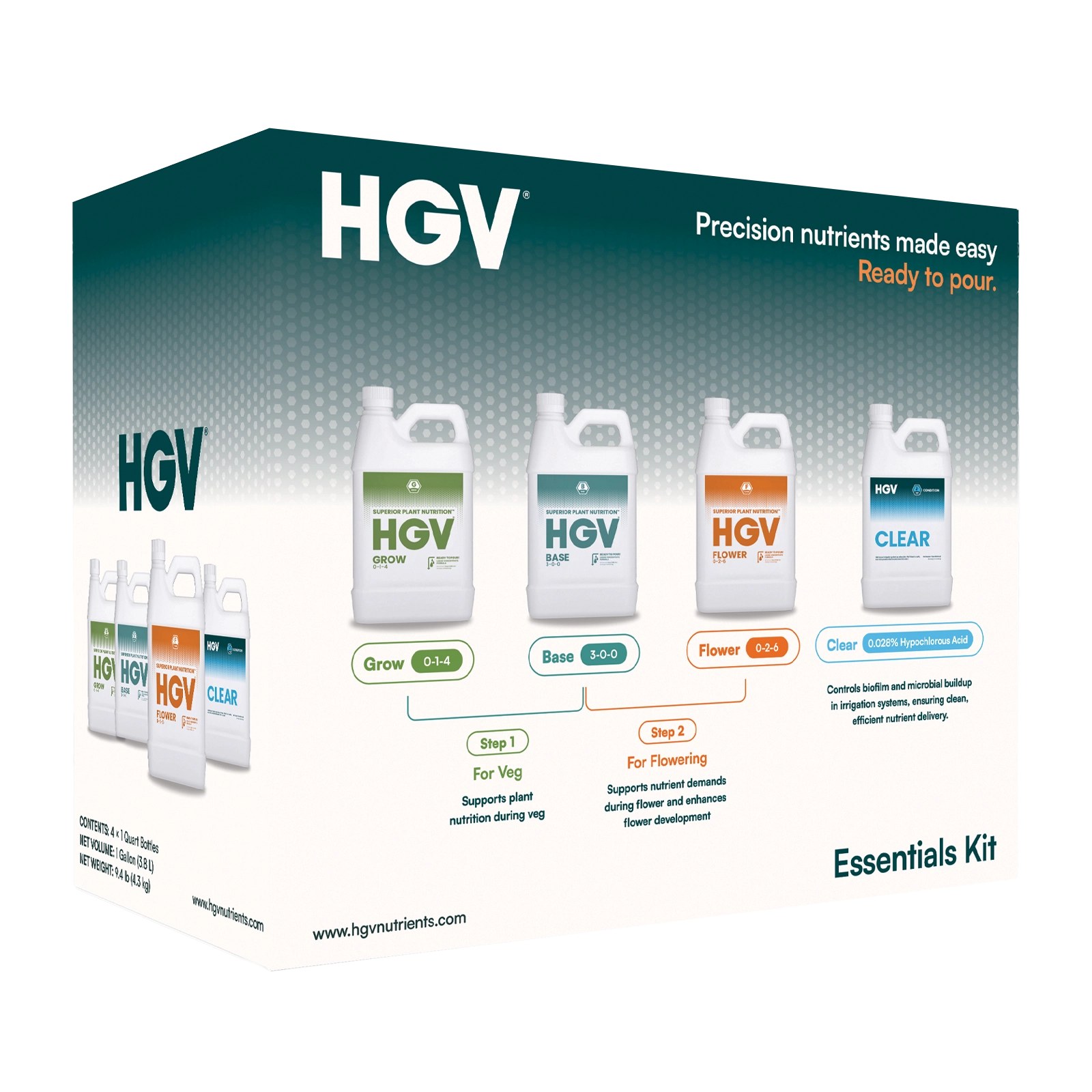
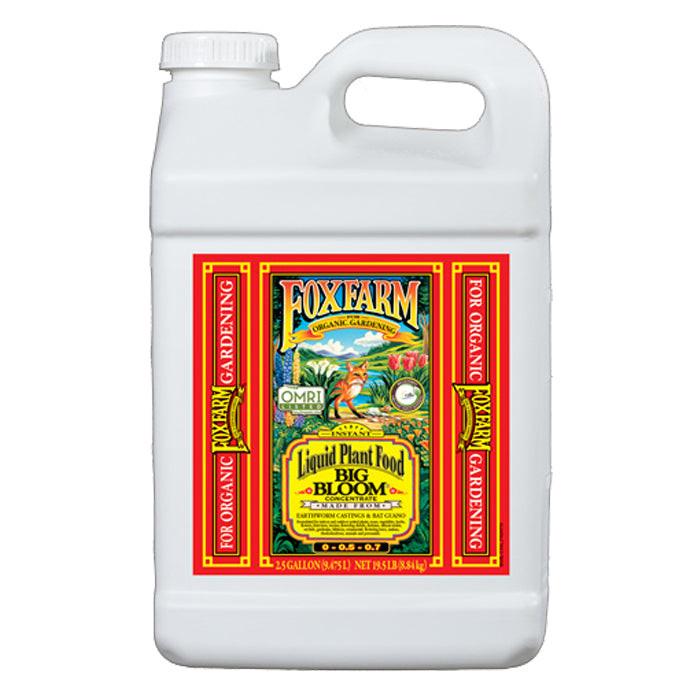
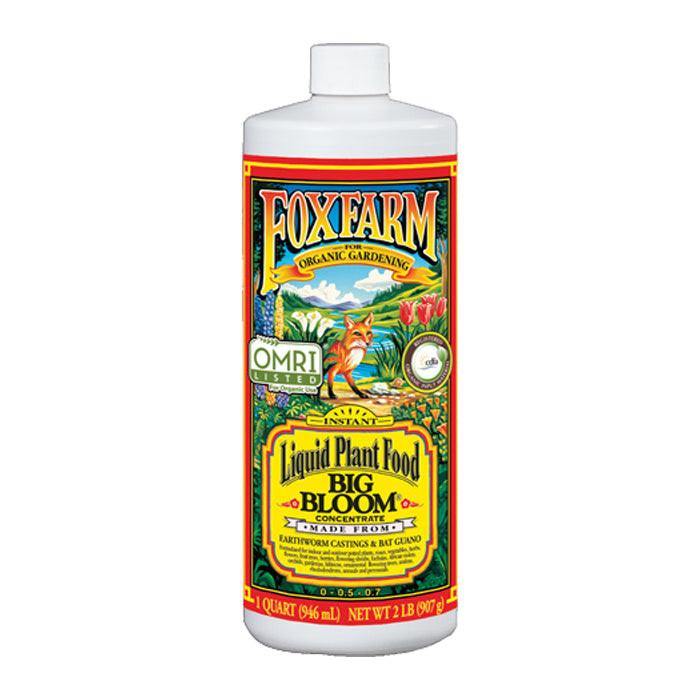
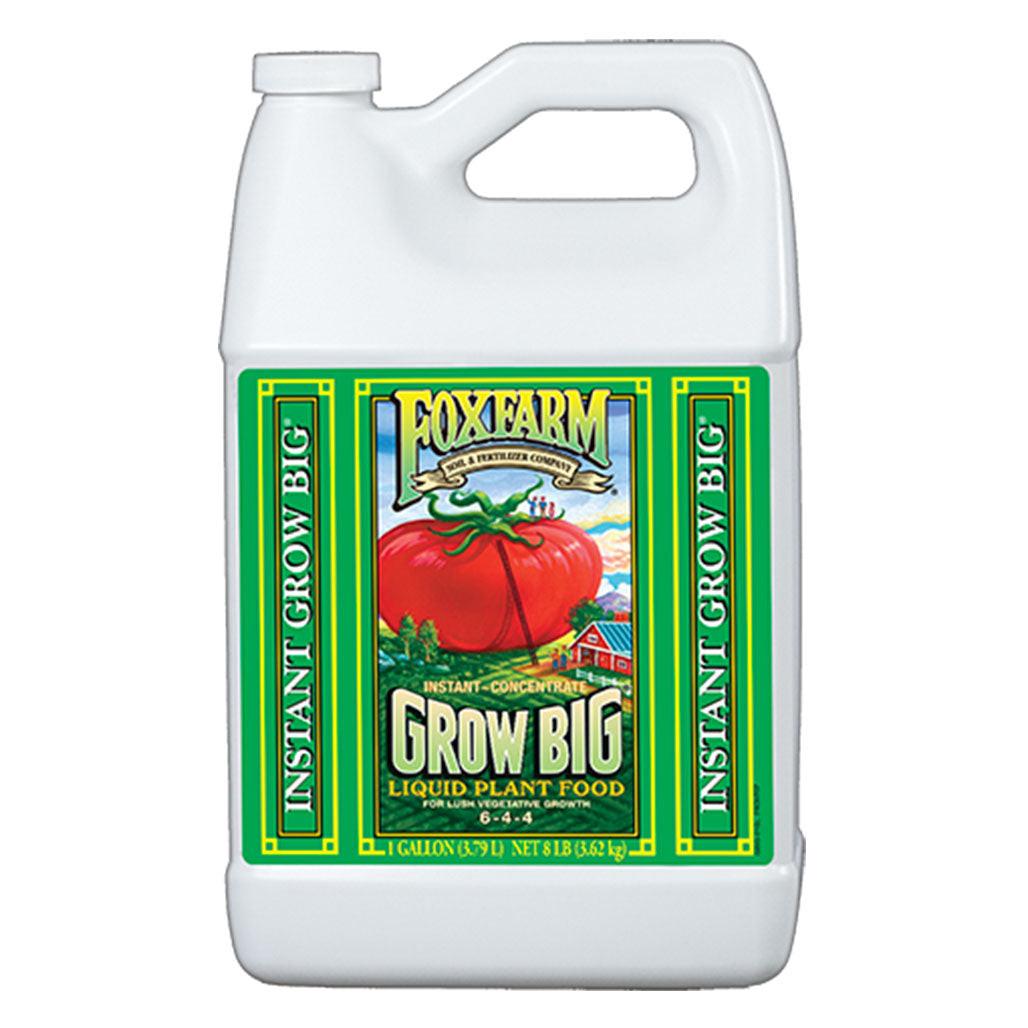
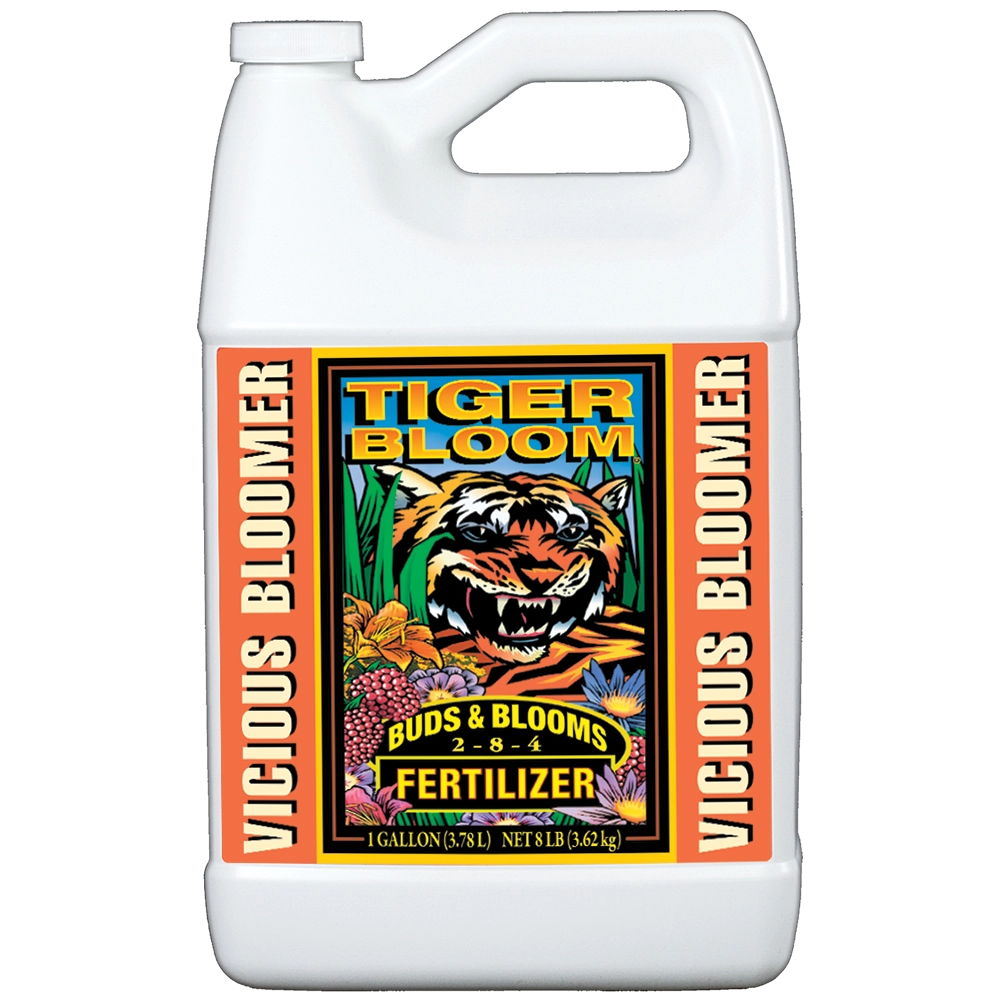
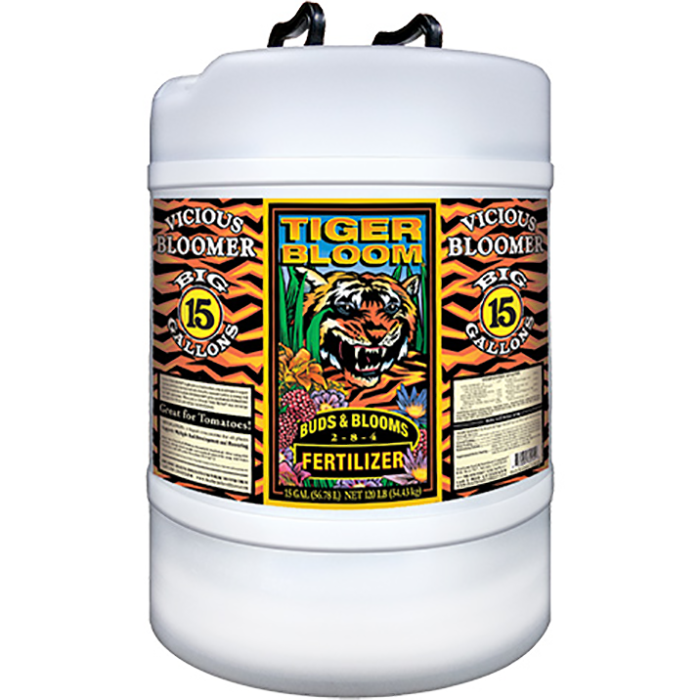
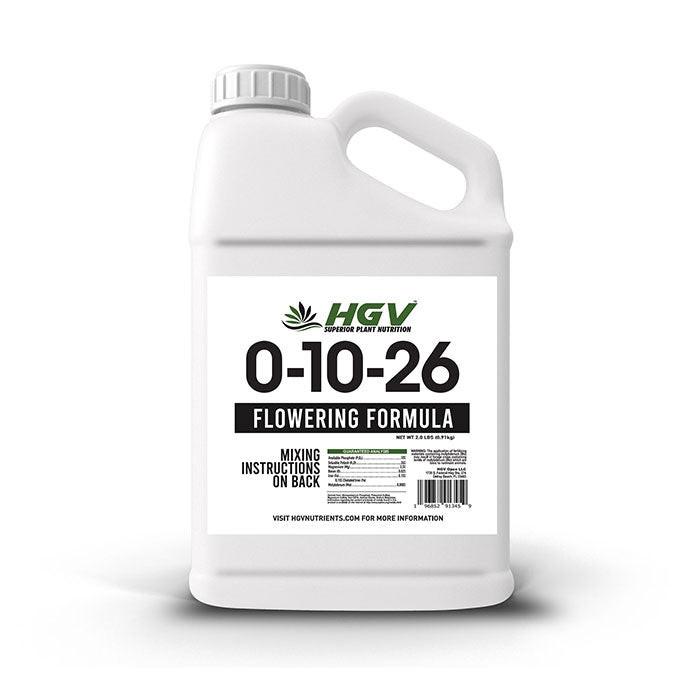
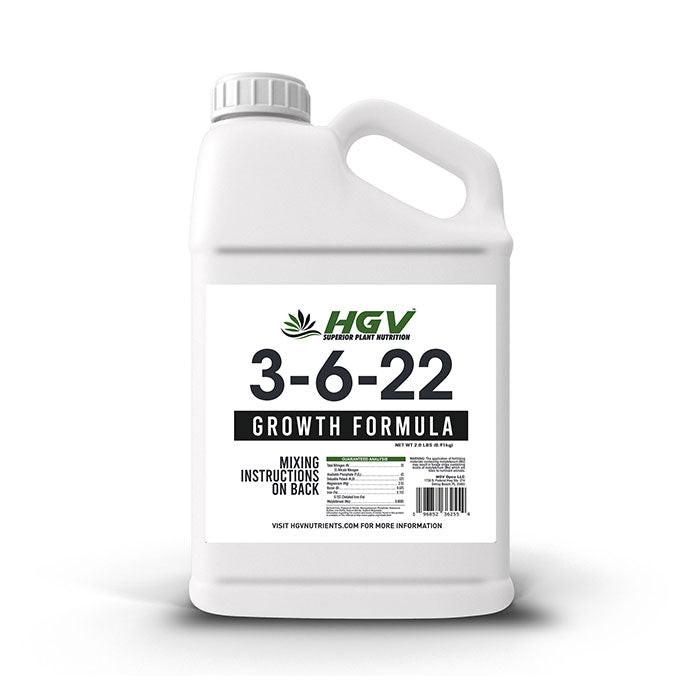
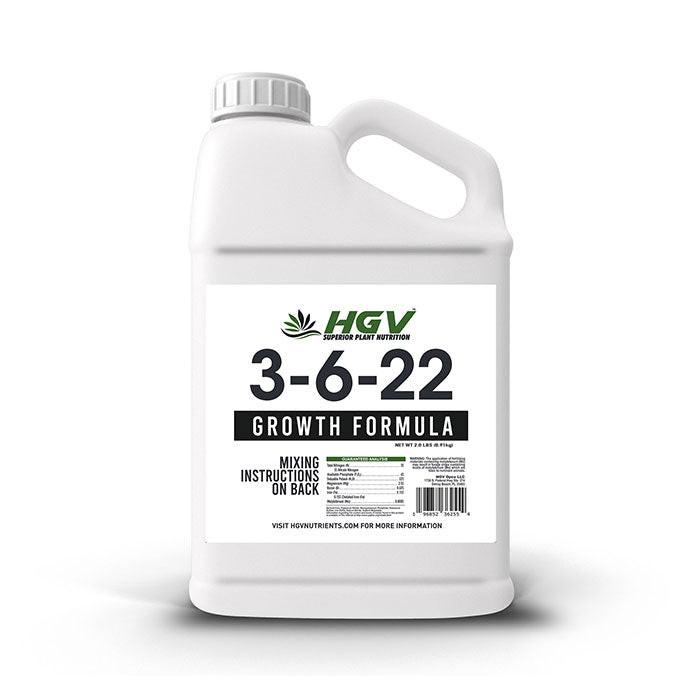
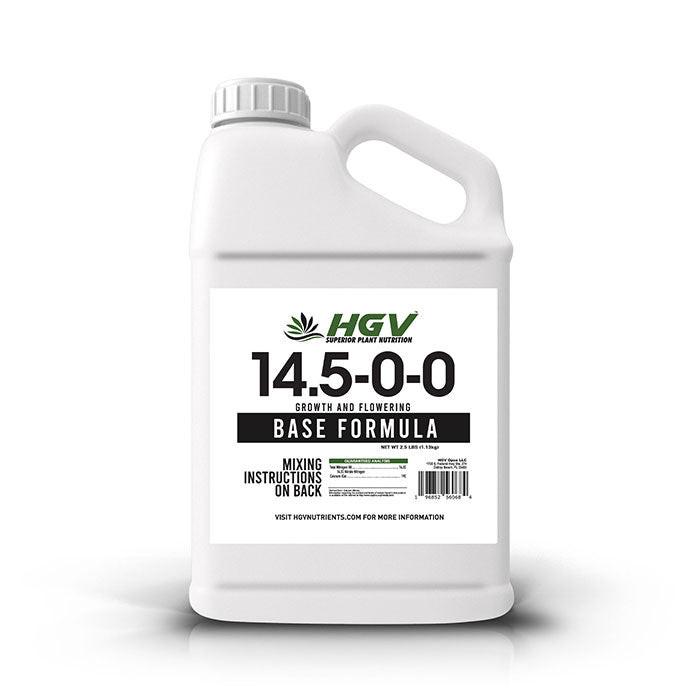
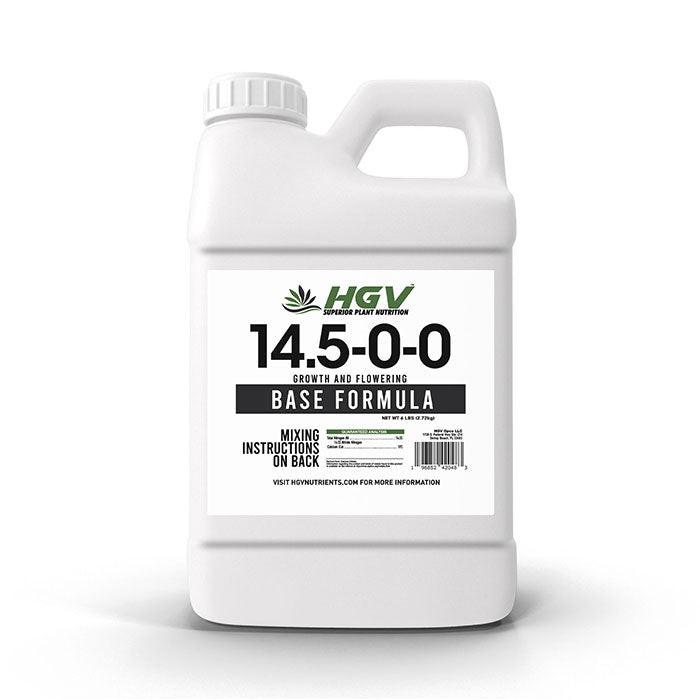
Hydrobuilder carries hydroponic nutrients from all qualified brands in the category. HGV (Hydrobuilder's own cultivation brand) offers premium two-part and supplemental nutrient products developed for high-performance indoor growing. Athena Nutrients provides the Pro Line (dry concentrates for commercial mixing) and Blended Line (liquid two-part for all scales) -- among the most widely adopted programs in modern commercial coco and rockwool production. General Hydroponics' FloraSeries and MaxiSeries cover the full spectrum from hobby to commercial at highly accessible price points, with 40+ years of proven performance. Canna nutrients (Aqua, Coco, Terra) offer media-specific formulations and are popular in European-style greenhouse programs. Fox Farm provides liquid nutrient programs and dry amendments for both hydroponic and soil applications with a strong track record in vegetable and specialty crop programs.
pH Management -- The Non-Negotiable Foundation
Nutrient availability in hydroponics is strongly pH-dependent -- most elements are only fully available to plant roots within the pH 5.5-6.5 range, with 5.8-6.2 as the optimal band for most crops. Outside this range, even a perfectly formulated nutrient solution becomes unavailable at the root zone due to chemical precipitation or antagonism. Check pH daily in recirculating systems using a calibrated pH meter; adjust with General Hydroponics pH Down or pH Up (phosphoric acid and potassium hydroxide respectively) in small increments. Keep calibration solutions on hand and re-calibrate pH meters weekly -- a drifted meter reading pH 6.0 when the solution is actually pH 7.2 is one of the most common causes of unexplained nutrient problems in hydroponic grows.
EC and Feeding Rate by Growth Stage
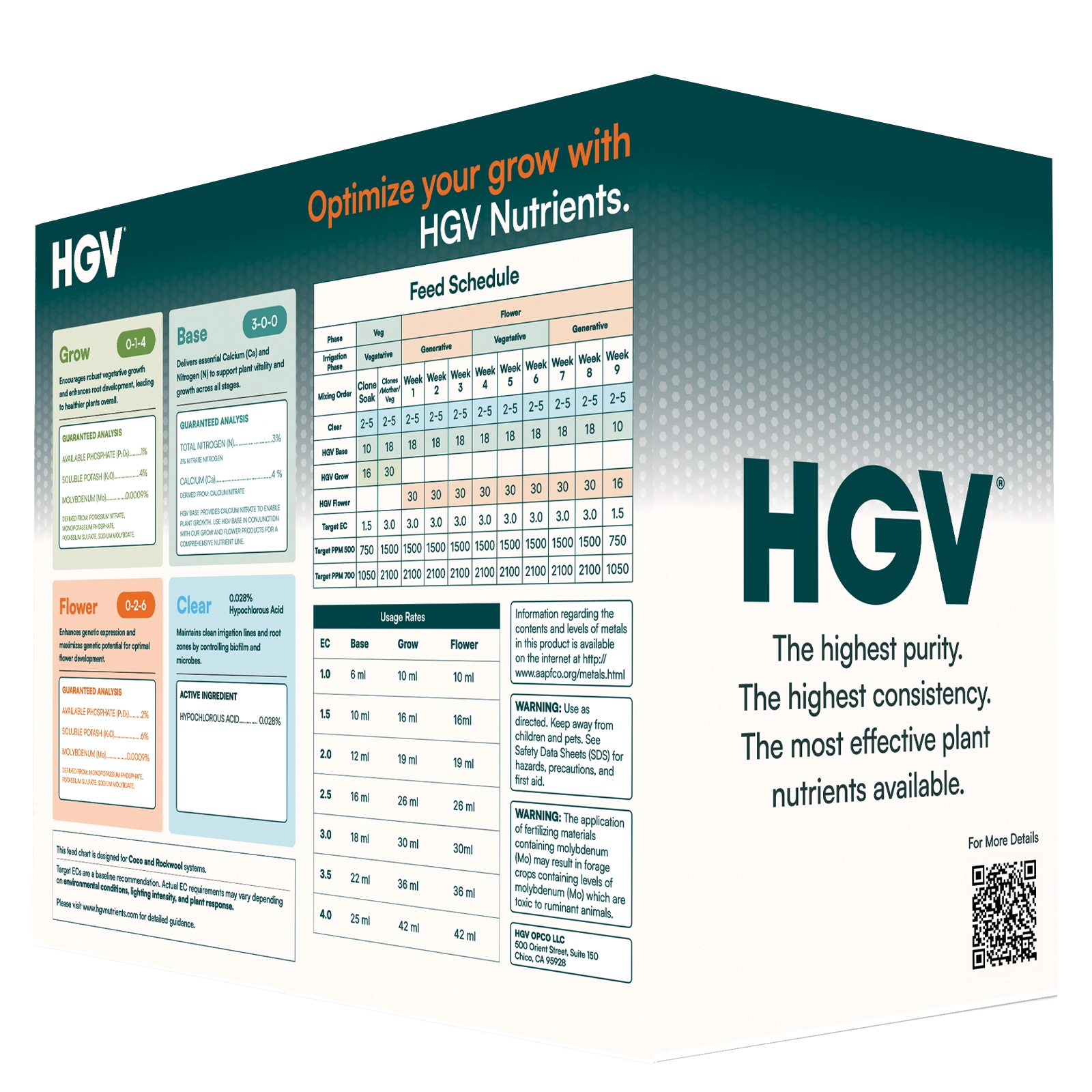
Electrical conductivity (EC) measures the total dissolved nutrient concentration in your solution -- it is the primary tool for managing feeding rate in hydroponic programs. Stage-appropriate EC targets: seedlings 0.5-1.0 mS/cm; early vegetative 1.2-1.8 mS/cm; late vegetative 1.8-2.2 mS/cm; early flowering 2.0-2.4 mS/cm; peak flowering 2.2-3.0+ mS/cm depending on variety, environment, and nutrient program; pre-harvest 0.0-0.5 mS/cm (flush or reduce). Track nutrient concentration with an EC or PPM meter, and use our Nutrient Mixing & Dilution Calculator to calculate concentrate mixing ratios for your target EC and reservoir volume. Expert support available.
Hydroponic Nutrients FAQ
What nutrients do plants need in hydroponics?
Plants require 17 essential elements for complete nutrition, divided into macronutrients (needed in larger quantities) and micronutrients (needed in small but critical amounts). Primary macronutrients: nitrogen (N), phosphorus (P), potassium (K) -- the NPK ratio you see on fertilizer labels. Secondary macronutrients: calcium (Ca), magnesium (Mg), sulfur (S). Micronutrients: iron, manganese, zinc, copper, boron, molybdenum, chlorine, cobalt, nickel, and silicon (beneficial but not universally essential). In soil, many of these are present in the organic matter and mineral fraction. In hydroponics, all must be present in the nutrient solution -- which is why complete multi-element nutrient programs are required rather than single-element NPK fertilizers.
What is the best nutrient for hydroponics?
The best hydroponic nutrient program is one you can manage consistently at your scale, with your water source, for your target crop. General Hydroponics FloraSeries is the most widely used program across hobby and commercial growing -- proven across decades of use with excellent documentation and support. Athena Nutrients (Pro Line for commercial, Blended Line for hobby/mid-scale) has become the dominant choice in new commercial coco and rockwool builds due to its clean formulation, EC-based dosing, and commercial-scale economics. HGV offers premium two-part solutions for growers who want a high-performance program without the complexity of three-part mixing. Canna is a strong choice for media-specific programs (Canna Coco, Canna Aqua) with a dedicated following in professional greenhouse programs. All are qualified brands with verified performance records.
What pH should hydroponic nutrients be?
Maintain pH 5.5-6.5 in hydroponic systems, with 5.8-6.2 as the optimal operating range for most crops. This range ensures that all essential nutrients remain chemically available for root uptake -- outside this range, specific nutrients precipitate or become antagonized by other ions, creating deficiency symptoms even when the nutrient is present in the solution. Check pH after mixing your full nutrient solution (not before adding nutrients) and adjust with pH Down or pH Up in small increments. Re-check after adjusting and after any addition to the reservoir. Calibrate your pH meter weekly with fresh calibration solution -- an uncalibrated meter is one of the most common sources of unexplained nutrient problems in hydroponic grows.
How often should I feed hydroponic plants?
Feeding frequency depends entirely on your system type, growing medium, and plant size. In DWC, plants are continuously in contact with nutrient solution -- there are no discrete feeding events. In coco coir with manual watering, feed every time you water (every watering is a feeding with nutrients at target EC) once or twice daily during peak growth, always to 10-20% runoff. In automated drip systems on coco or rockwool, commercial programs run 6-16 short irrigation events per day during the light period. In soil, feed every 2-3 waterings (alternate nutrient feeds with plain pH-adjusted water) to avoid salt accumulation. The frequency is less important than consistency -- maintaining stable EC and pH in the root zone is the goal, and frequency is the mechanism to achieve it.
Do I need Cal-Mag with hydroponic nutrients?
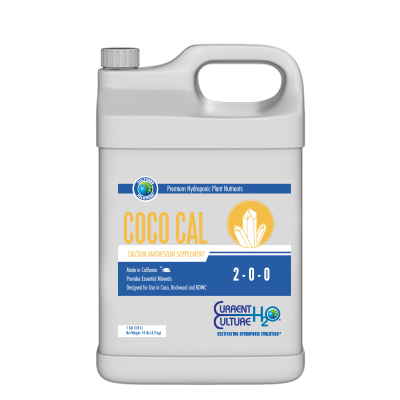
In most cases yes, especially with RO water or in coco coir. Calcium and magnesium are critical plant nutrients that are commonly undersupplied in hydroponic programs when starting with soft or RO-filtered water (which strips Ca and Mg) or growing in coco coir (which buffers Ca and Mg from solution). Add a dedicated Cal-Mag supplement (Botanicare Cal-Mag Plus, General Hydroponics CaliMagic) at 2-5 ml/gallon before your base nutrients in these situations. Some nutrient programs (Athena Pro Core, specific Canna formulas) include adequate Ca-Mg in the base program at standard rates -- check your specific program's label before adding additional supplementation to avoid excess EC contribution from redundant Ca-Mg dosing.