Hydroponic Grow Trays, Flood Tables & Rolling Benches
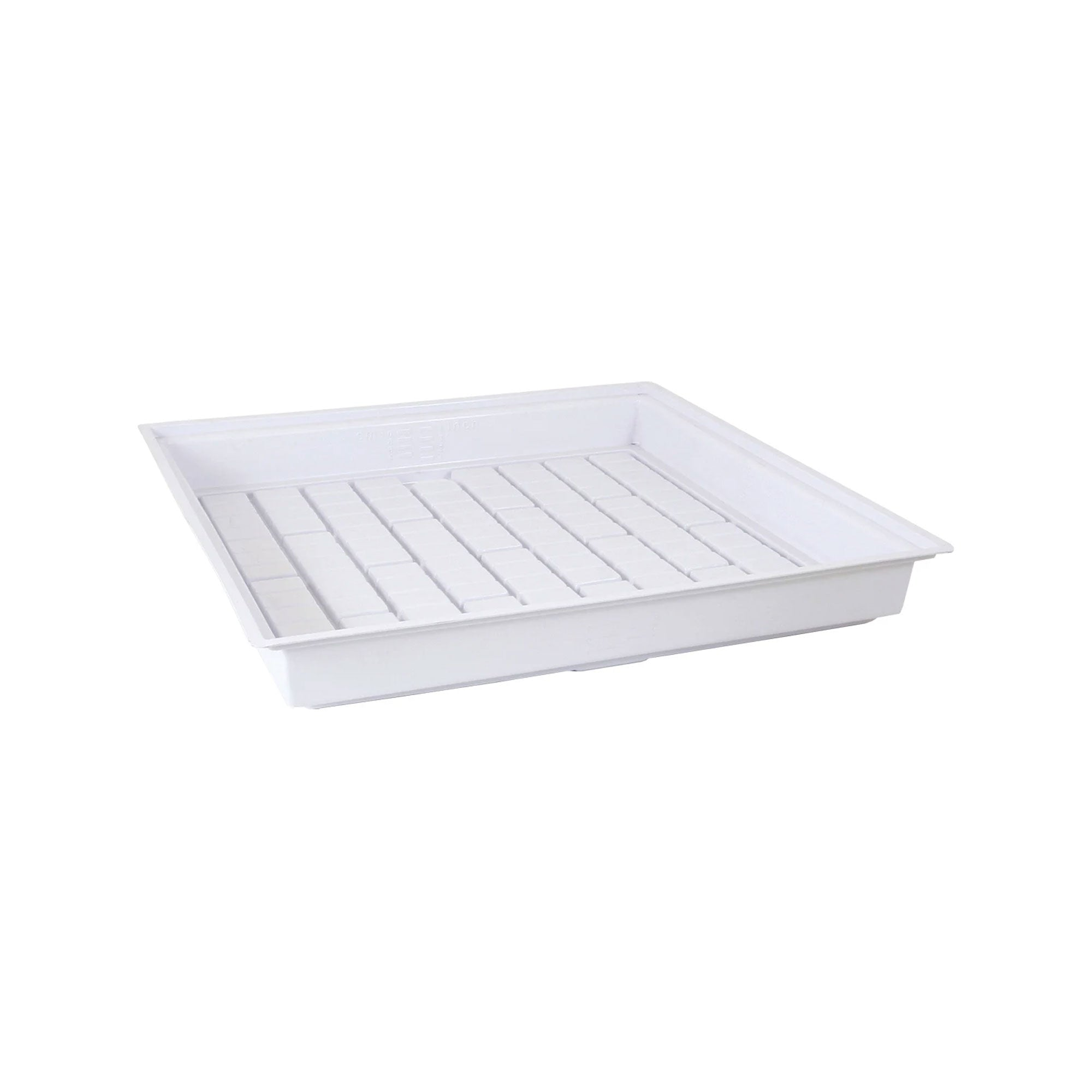
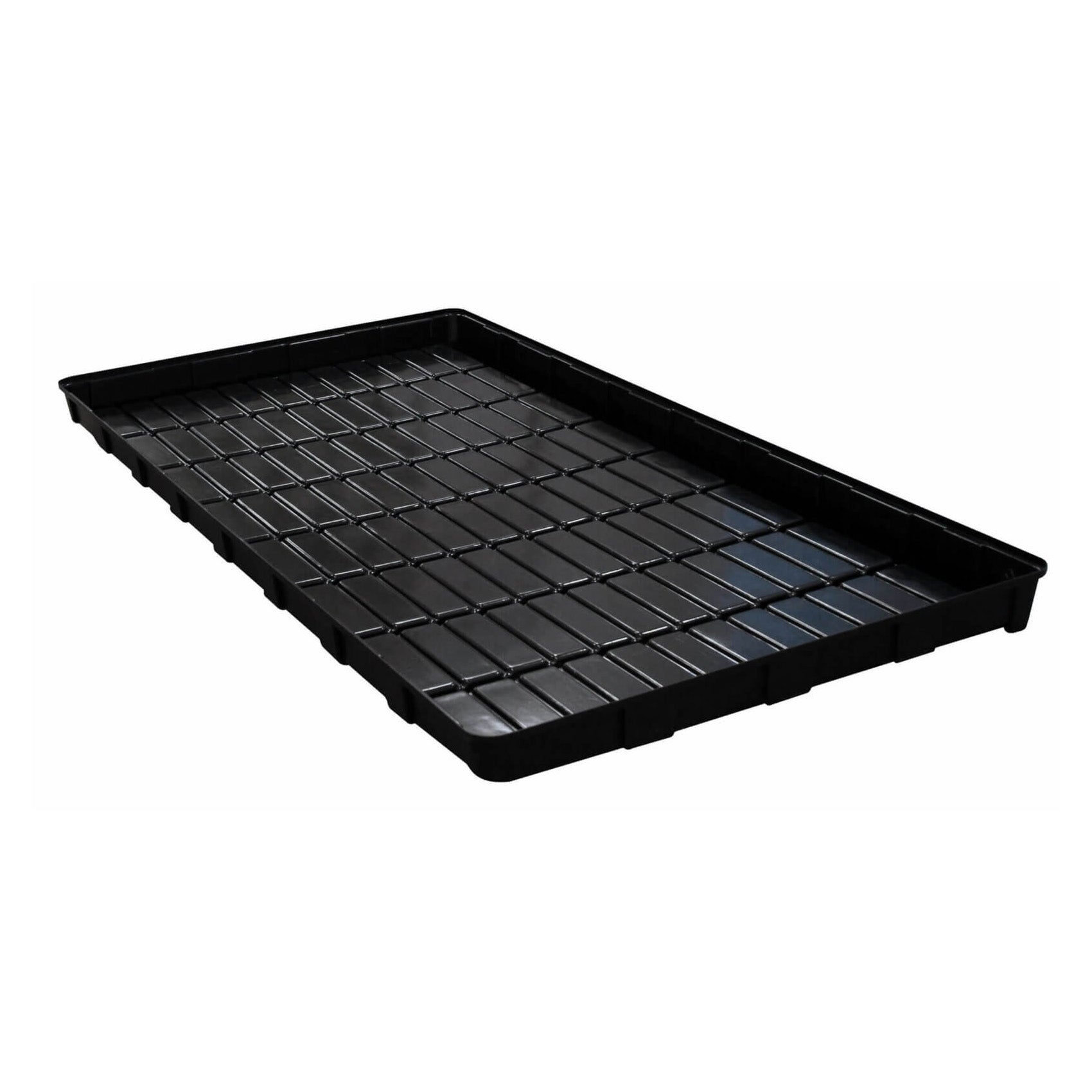
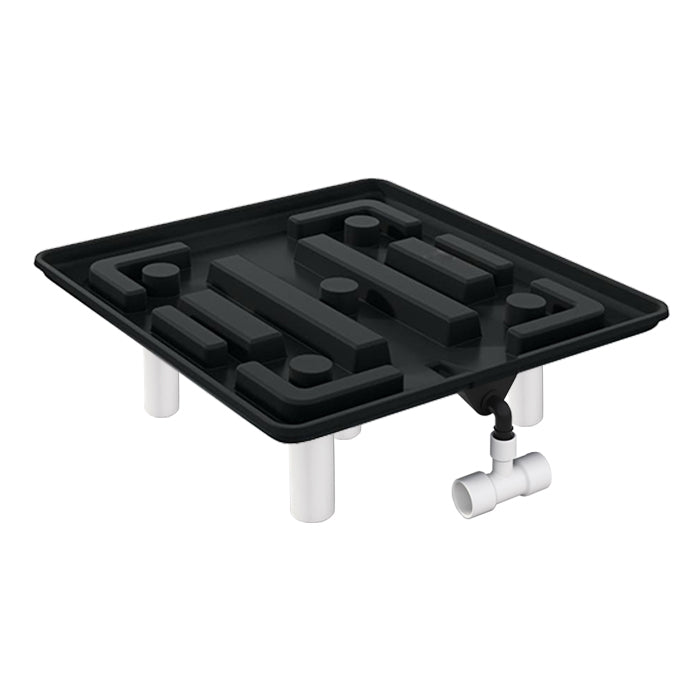
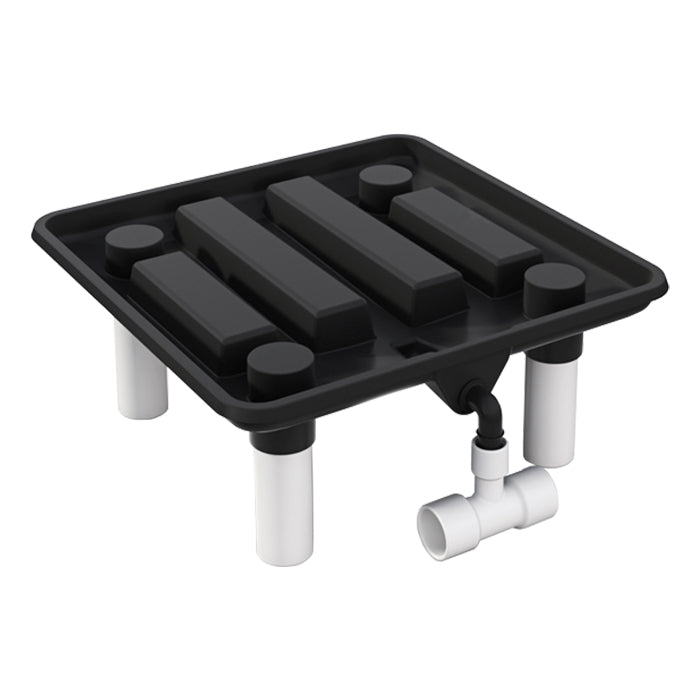
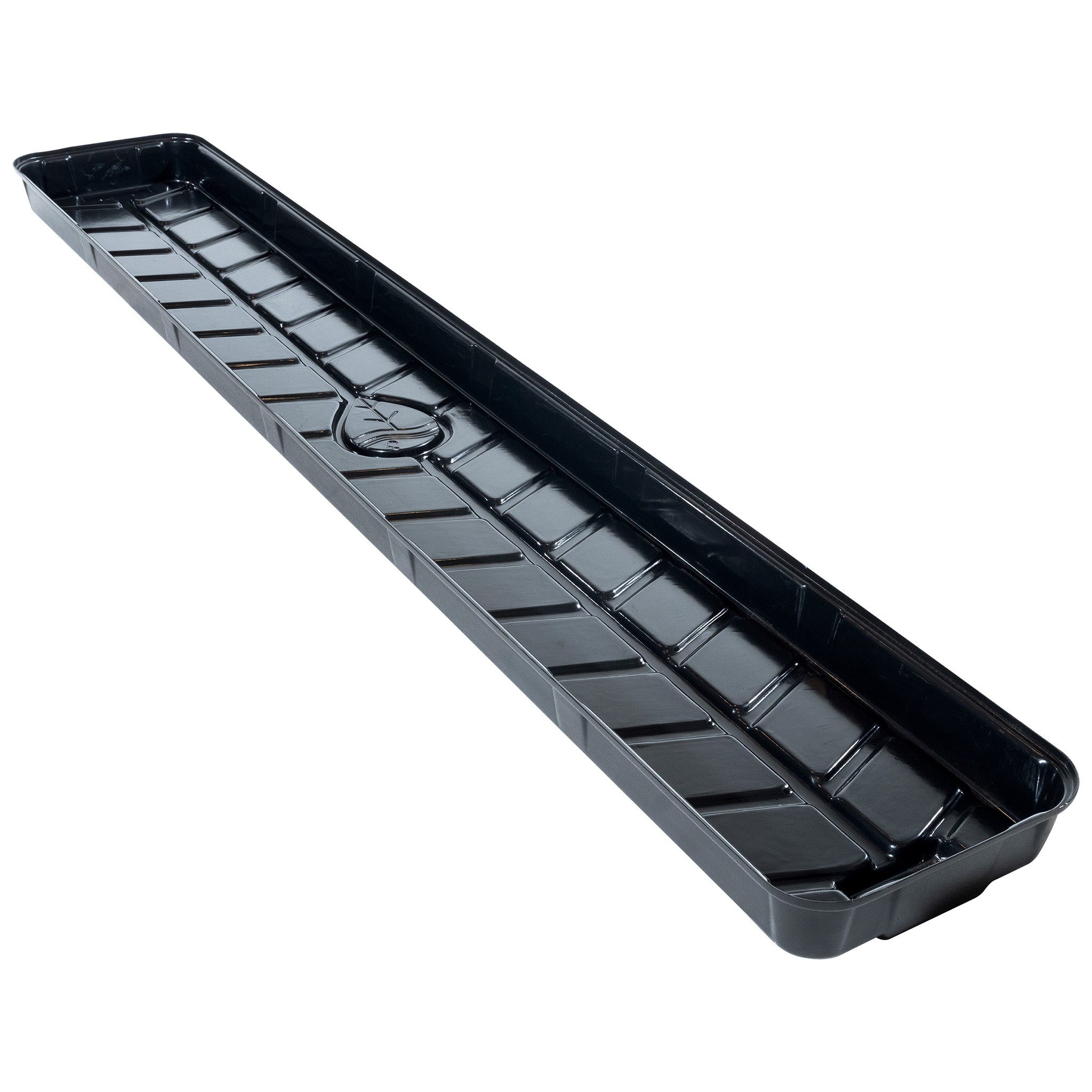
A hydroponic grow tray — also called a flood table — is the foundation of ebb and flow systems and rolling bench setups. Trays hold plants in grow media or net pots, contain and return drainage, and determine how many plants fit in your growing footprint. The stand or bench that supports the tray determines ergonomics, space efficiency, and mobility.
Grow Tray Sizing: Inside vs. Outside Dimensions
Trays are listed by inside dimensions (ID) or outside dimensions (OD) — a critical distinction when matching trays to stands. Outside dimensions determine whether the tray physically fits your stand frame; inside dimensions determine how many plants, containers, or rockwool slabs fit inside the tray. Botanicare trays maintain standardized true inside dimensions, making them compatible with a wide range of growing containers and net pots across their product line. Standard sizes run from 1×1 up through 4×8 and larger for commercial applications. We carry trays from Botanicare, Fast Fit, and Active Aqua in both black and white configurations.
Rolling Benches for Commercial & Large-Scale Operations
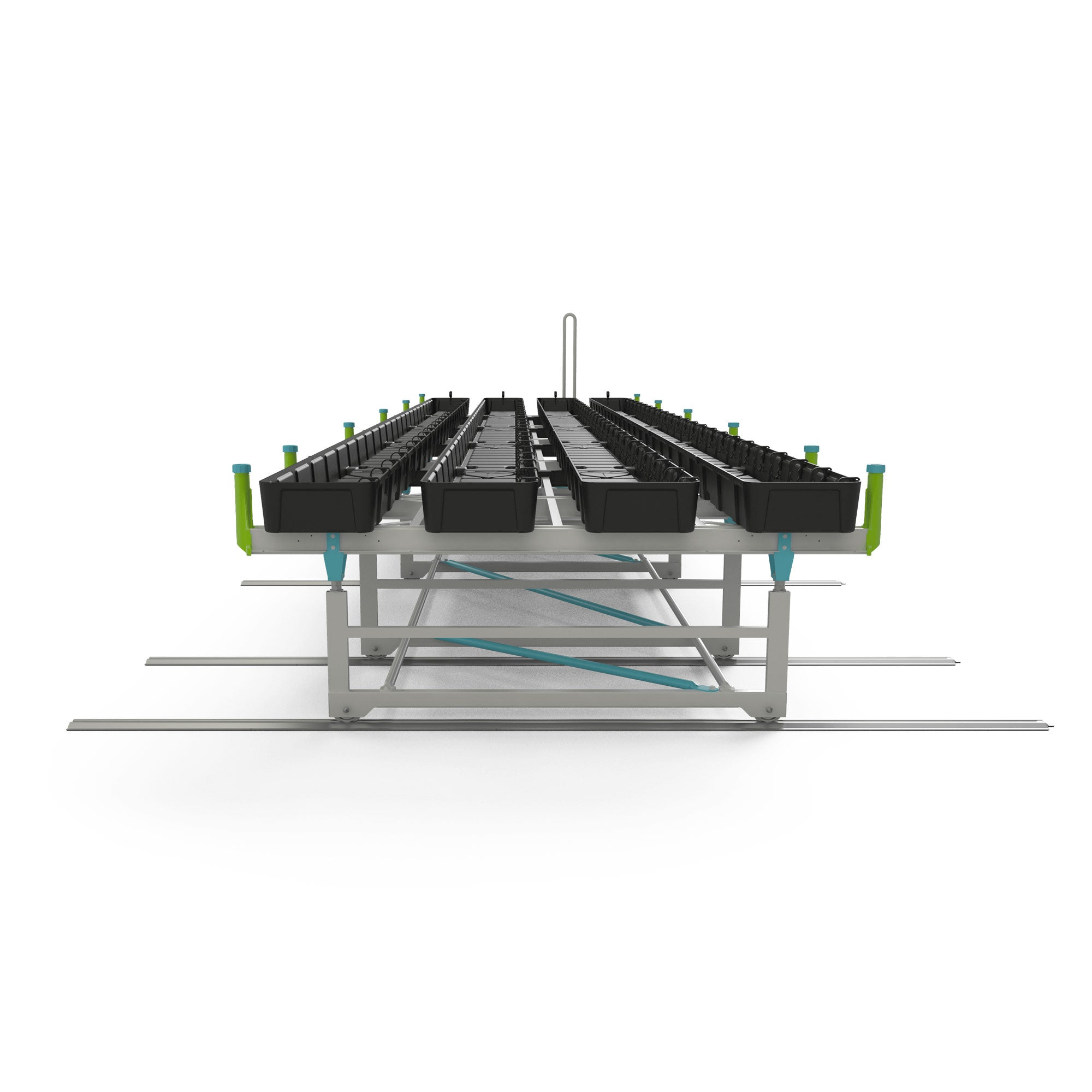
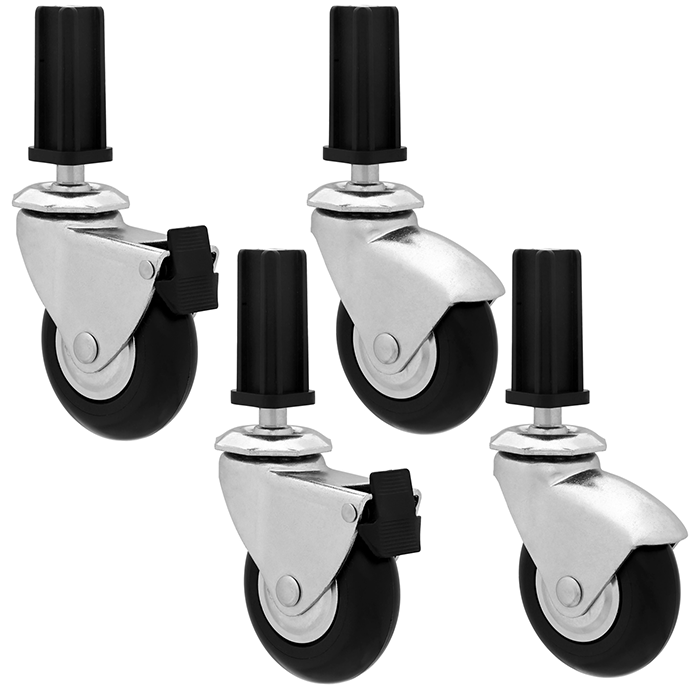
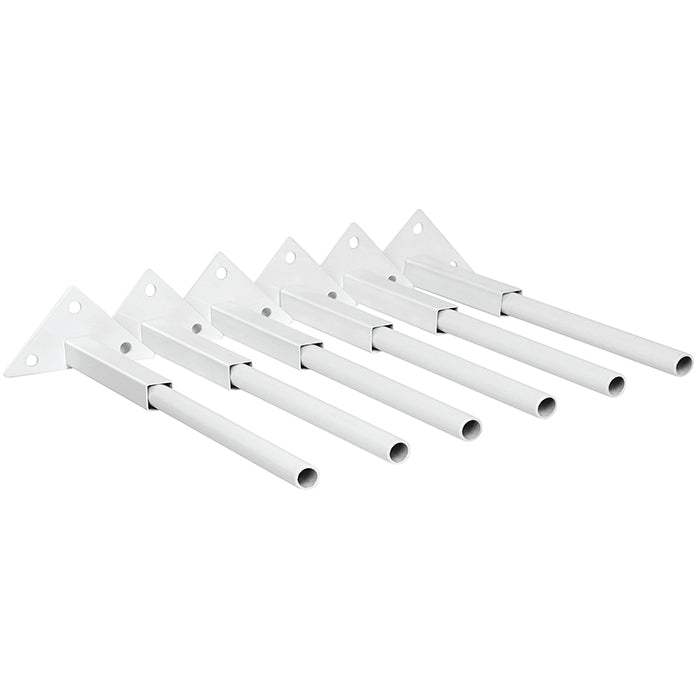
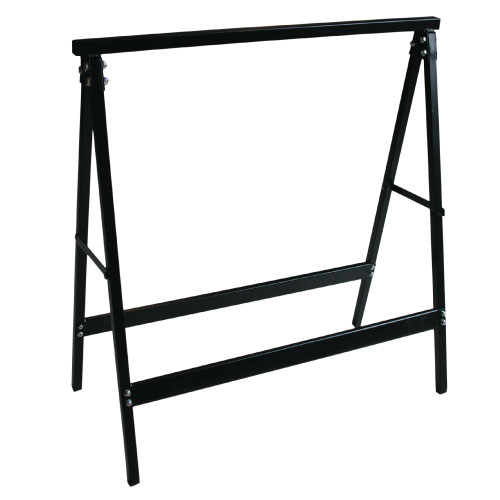
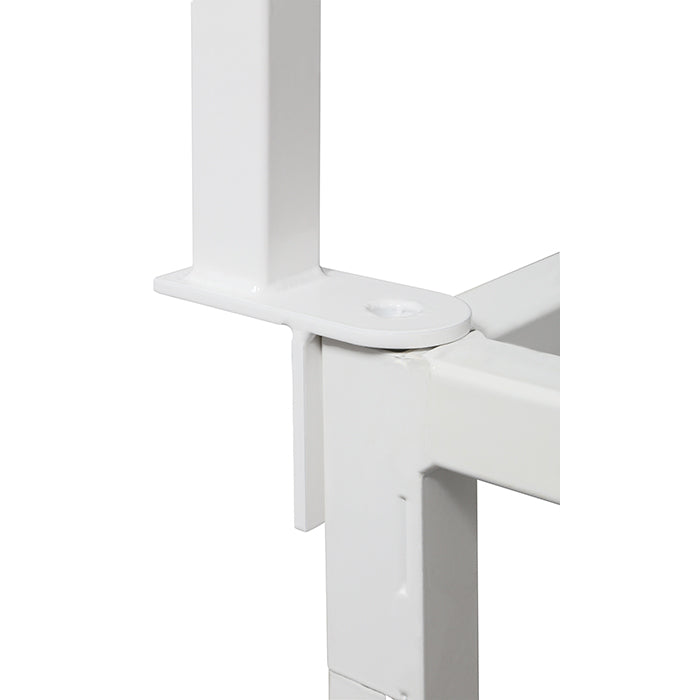
Grow tray stands elevate plants off the floor, improve ergonomics for long working sessions, and create space for reservoirs underneath. Rolling benches take this further — by eliminating fixed aisles, rolling bench systems increase usable canopy space by up to 60% in a given room footprint. Side-to-side rolling allows full sections of plants to be repositioned for maintenance without disrupting adjacent sections. Rolling bench systems are available in standard configurations from Fast Fit and Active Aqua, or custom-configured to your exact floor plan dimensions through our commercial accounts program. All legs, headers, and bench frameworks use galvanized steel or marine-grade aluminum construction for long service life in humid grow environments.
Tray Stands vs. Rolling Benches: Which Do You Need?
Stationary tray stands are the right choice for smaller operations and home growers who don’t need to move plant sections. Rolling benches make economic sense when you have enough plants to justify eliminating aisles — typically 500+ square feet of canopy. For a large commercial facility, the yield increase from maximizing canopy coverage often pays back the cost of rolling benches in a single cycle.
Pair your trays with a complete hydroponic system, browse ebb and flow systems, or explore drip irrigation supplies for top-feed applications. For large commercial builds, contact our commercial team for custom rolling bench configurations. Commercial accounts available.
Grow Trays & Rolling Benches FAQ
What is the difference between a grow tray and a flood table?
The terms are often used interchangeably, but there is a technical distinction. A flood table is specifically engineered for ebb and flow (flood and drain) hydroponic systems — it requires precise leveling, plumbing fittings at specific drain points, and structural integrity to hold the weight of a full flood cycle. A grow tray is a broader category covering any tray used to hold plants and collect runoff, including trays used under hand-watered containers and drip systems that don't flood at all. All flood tables are grow trays, but not all grow trays are flood tables.
What is the difference between inside dimensions (ID) and outside dimensions (OD) on grow trays?
Outside dimensions determine whether a tray fits your stand frame — if the OD of the tray is larger than the opening in your stand, it won't fit. Inside dimensions determine how much usable growing space is inside the tray — how many pots, net pots, or rockwool slabs fit without wasted space. Botanicare standardizes their inside dimensions across their product line, which makes it straightforward to plan plant count and container layout. Always confirm both ID and OD when selecting a tray for an existing stand.
How much space does a rolling bench system save compared to stationary benches?
A rolling bench system typically increases usable canopy coverage by 30–60% in the same room footprint by eliminating fixed aisles. In a 1,000 sq ft grow room with stationary benches requiring 3 ft aisles between each bench, roughly 40% of floor space is aisles. Rolling benches reduce this to a single moveable aisle, converting dead space into productive canopy. For commercial operations, the yield increase from this space recapture often pays back the rolling bench investment within 1–2 production cycles.
What size reservoir do I need for a 4x4 or 4x8 flood table?
For a 4x4 flood table in an ebb and flow system, a 50–100 gallon reservoir is recommended. You need enough volume to flood the table completely with solution to spare — plus the buffering volume that prevents dramatic pH and EC swings as plants feed. For a 4x8 flood table, size up to 100–150 gallons. Larger reservoir volume always provides more stability; undersizing is the most common mistake in ebb and flow system design.