Herbicides & Weed Control for Greenhouses & Gardens
Herbicides control unwanted plant growth -- weeds in pathways, borders, and growing areas that can also harbor pest insects that compete with crops for nutrients, water, and light, and that harbor pest insects and diseases that move from weed hosts to cultivated plants. In greenhouse and indoor growing facility contexts, herbicide applications are typically limited to exterior areas, access paths, and uncultivated areas around the facility rather than inside active growing rooms where spray drift or volatilization would expose crop plants to phytotoxic herbicide residues. For in-room weed management, physical removal and mulching are the appropriate approach.
Selective vs. Non-Selective Herbicides
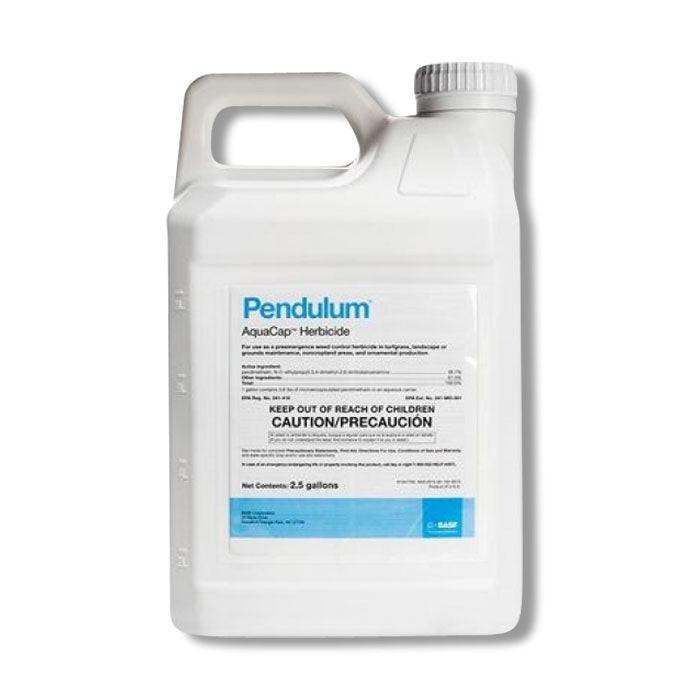
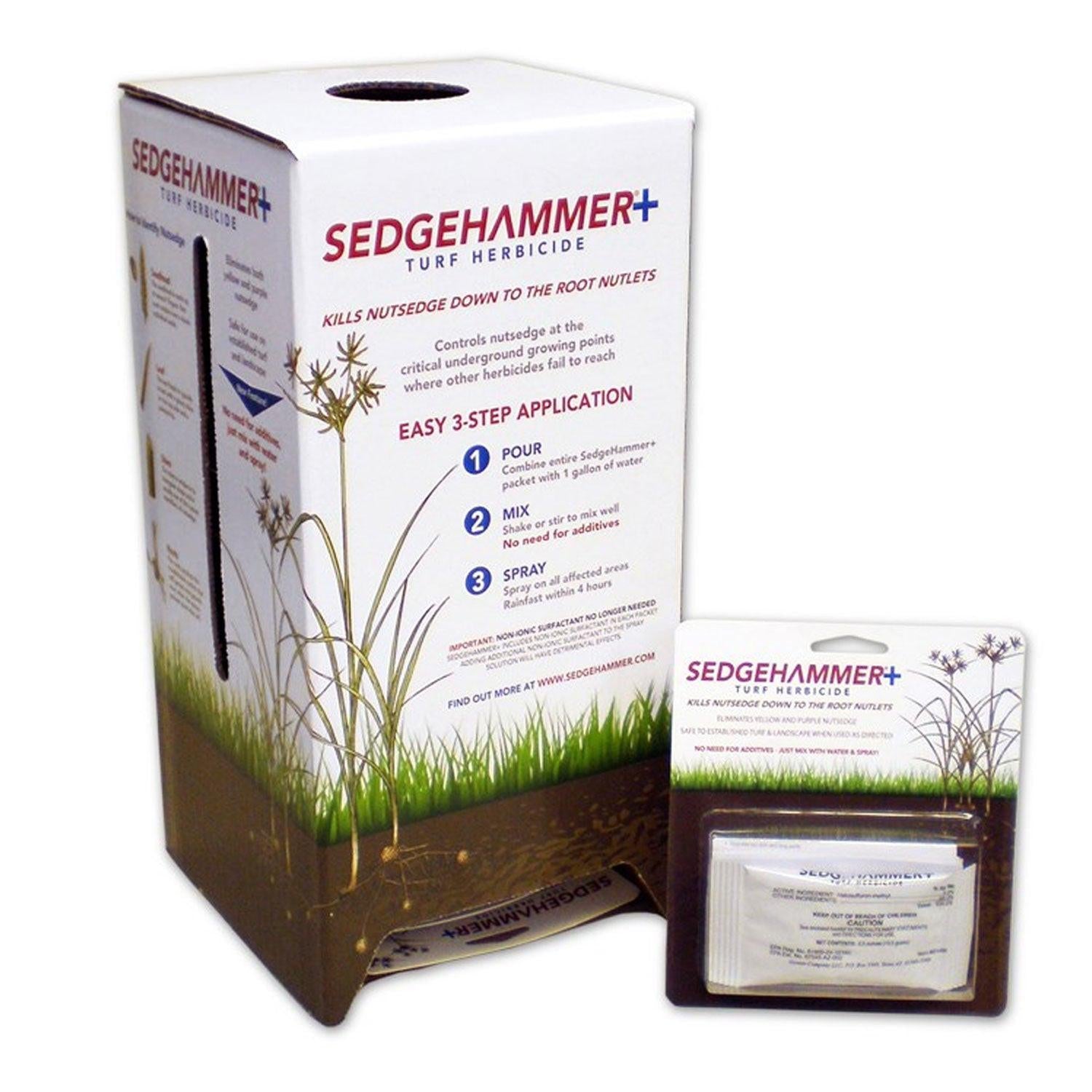
Selective herbicides target specific plant types while leaving others unaffected -- graminicides kill grasses without harming broadleaf plants; broadleaf selective herbicides kill dicots while leaving monocots. Selective herbicides are appropriate in situations where you want to eliminate a specific weed type from an area containing desirable plants. Non-selective herbicides (glyphosate, herbicidal vinegar, organic acid formulations) kill all actively growing plants they contact -- appropriate for paths, borders, and fallow areas where total vegetation clearance is the goal. Always read and follow label application restrictions; many herbicides have significant plant-back intervals that limit how soon new crops can be planted in treated areas.
Organic & OMRI-Listed Herbicide Options
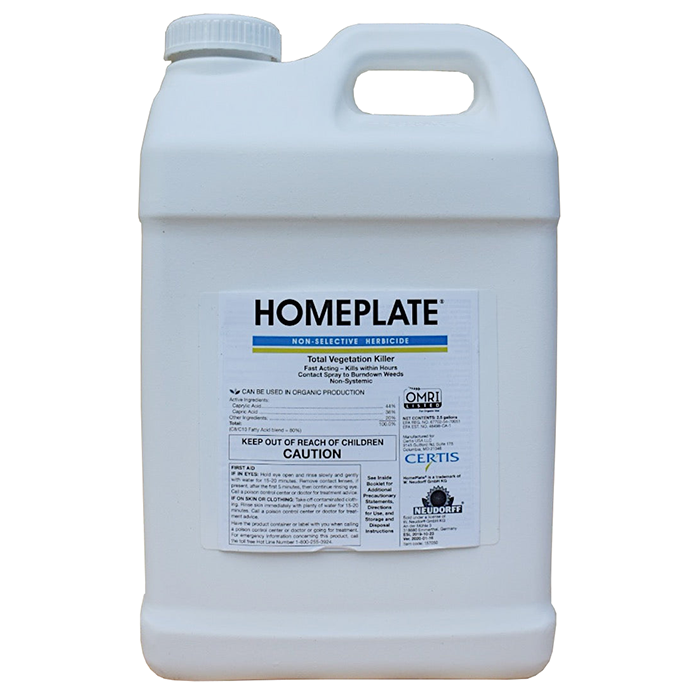
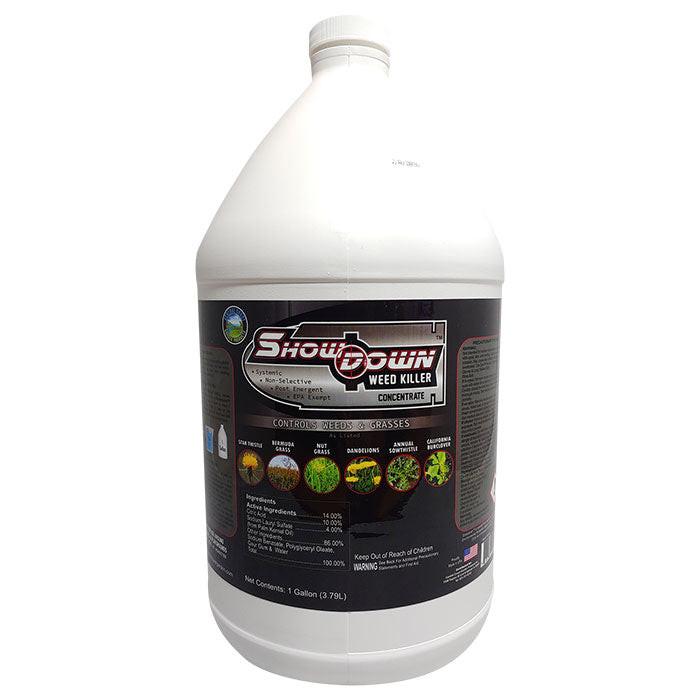
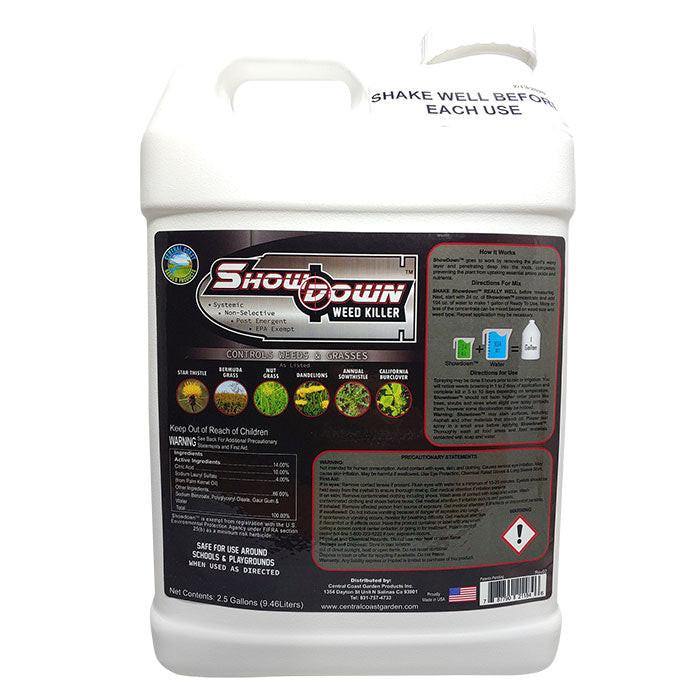
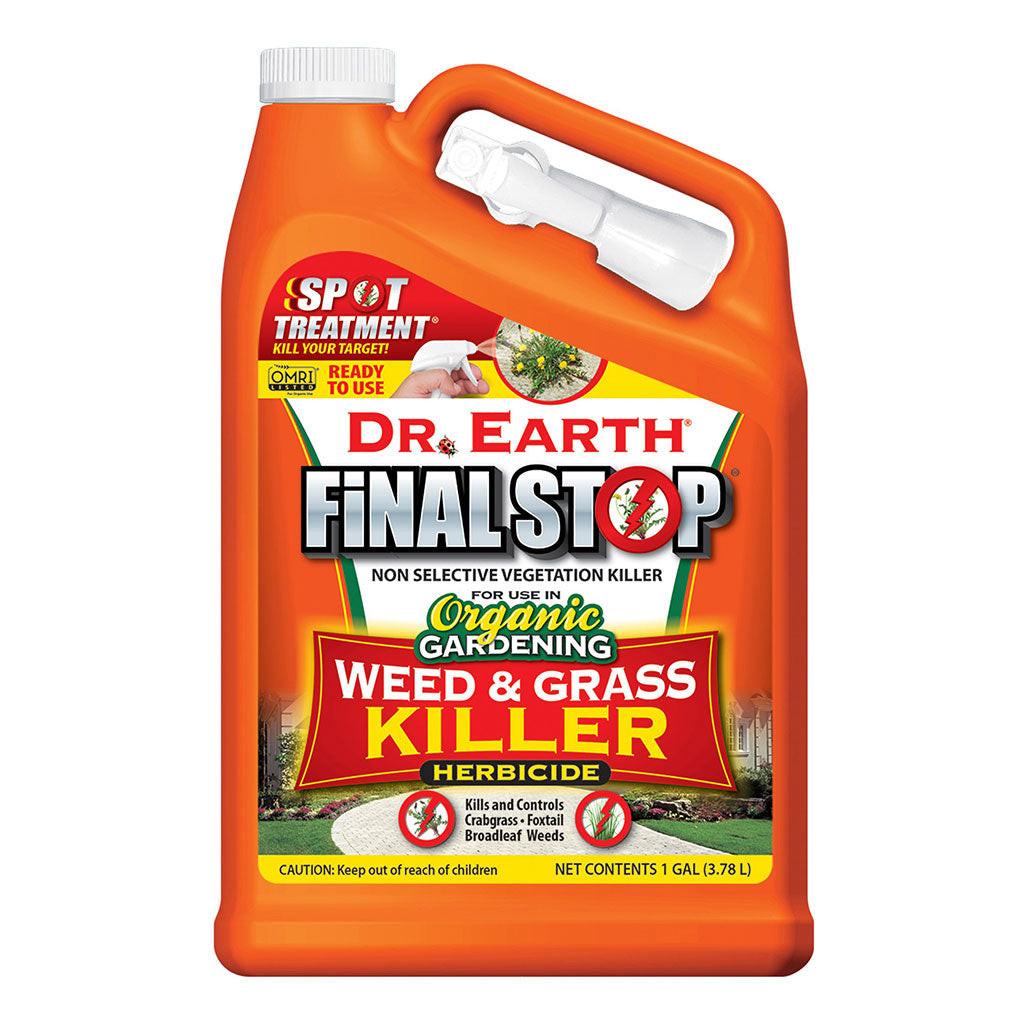
Organic herbicide options use acetic acid (concentrated horticultural vinegar at 20-30% concentration), citric acid, clove oil, or heat (flame weeders) as the active mechanism rather than synthetic chemistry. These contact herbicides burn plant tissue on contact but have no soil activity and no plant-back restrictions -- they can be applied in pathways adjacent to growing areas where conventional herbicide residues or soil persistence would be a concern. Organic acid herbicides are non-selective contact herbicides compatible with organic growing programs that require complete spray coverage of the target plant to be effective -- perennial weeds with established root systems may re-sprout and require multiple treatments. Fast shipping.
Herbicides FAQ
Can I use herbicides inside my grow room or greenhouse?
Exercise extreme caution with any herbicide application in or near active growing areas. Most herbicides are phytotoxic -- they damage or kill plants beyond the intended weed targets through spray drift, vapor volatilization, and soil uptake by crop plant roots. Apply herbicides only to exterior areas, pathways, and fallow land with adequate buffer distance from active growing areas and with wind conditions that prevent drift toward the crop. For weed management inside growing facilities, physical removal (pulling, hoeing) and light-blocking mulches are the safe approach.
What is the plant-back interval for herbicides?
Plant-back interval is the minimum time required after herbicide application before a susceptible crop can be safely planted in the treated area. Intervals vary enormously by product and crop: some contact herbicides with no soil activity (organic acid types, glyphosate on some soils) have short or no plant-back intervals; some pre-emergent and soil-active herbicides have plant-back intervals of 30-365+ days depending on the crop species. Always read the herbicide label for plant-back intervals specific to your intended crop -- this is the legally required information and the only reliable source for plant-back timing.
What organic herbicide alternatives are available?
Effective organic weed control options: concentrated acetic acid herbicides (20-30% vinegar -- much stronger than household 5% vinegar; kills plant tissue on contact with no residual soil activity); citric acid and clove oil formulations; thermal weeding with propane flame weeders (burns plant tissue without chemicals); and boiling water application for spot treatment in paved areas. All organic contact herbicides require thorough spray coverage of the entire target plant for effectiveness and may require repeat applications for perennial weeds with established root systems.
Why are weeds a problem in greenhouse and growing facility pathways?
Weeds in facility pathways and perimeter areas cause several operational problems: they harbor aphids, thrips, spider mites, and other pest insects that move from weed populations into the growing facility; they host fungal and bacterial pathogens that produce spores that enter the facility on air currents and on workers' clothing and shoes; they attract fungus gnats and shore flies through organic matter and moist soil that these pests need for reproduction; and they create physical barriers in pathways that impede facility operations and maintenance. Keeping facility perimeters weed-free is an important component of facility biosecurity, not just aesthetics.
Is glyphosate safe to use around vegetable gardens?
Glyphosate is non-selective and kills any plant it contacts directly, including vegetables and garden crops. Apply with extreme care near garden areas -- use a shield or guard to prevent spray drift onto desirable plants, apply in calm air conditions, and avoid spraying within the root zone of established plants where soil uptake can occur. Many organic gardeners avoid glyphosate entirely in vegetable production areas due to concerns about soil biology disruption and residue. Concentrated acetic acid herbicides or thermal weeding are practical organic alternatives for garden-adjacent pathway weed control.