Grow Room Air Conditioners -- Portable, Mini-Split & Commercial
Maintaining target temperature in a grow room is one of the most critical and most commonly underestimated climate management challenges in indoor growing. Grow lights generate significant heat -- even efficient LEDs add 1,000+ BTUs per hour per 300W of fixture power to a growing space. Without adequate air conditioning, canopy temperature rises above the optimal range for most crops, photosynthetic efficiency drops, pest pressure increases, and plant quality suffers. Getting cooling capacity right from the initial setup -- before adding a grow room dehumidifier and environment controller -- prevents the frustrating cycle of adding cooling equipment reactively as heat problems develop.
How to Size an Air Conditioner for a Grow Room
Grow room AC sizing is not the same as residential air conditioning sizing. The primary heat load in a grow room comes from your lighting -- LED fixtures convert approximately 30-40% of their wattage to heat in the grow space; HPS fixtures convert 70-80% of their wattage to radiant heat. A 600W LED adds roughly 2,000-2,500 BTUs per hour of heat to the room; a 1000W HPS adds 3,000-3,500 BTUs per hour. To size your AC: total the BTU/hr heat load from all fixtures, add 20-30% for wall conduction, equipment heat from fans and pumps, and ambient outdoor heat gain. An undersized AC unit running continuously cannot hold target temperature at peak lighting load -- the most common sizing mistake. Use our Grow Room AC/BTU Sizing Calculator for a specific BTU recommendation based on your room dimensions, lighting load, and climate zone.
Portable Grow Room Air Conditioners
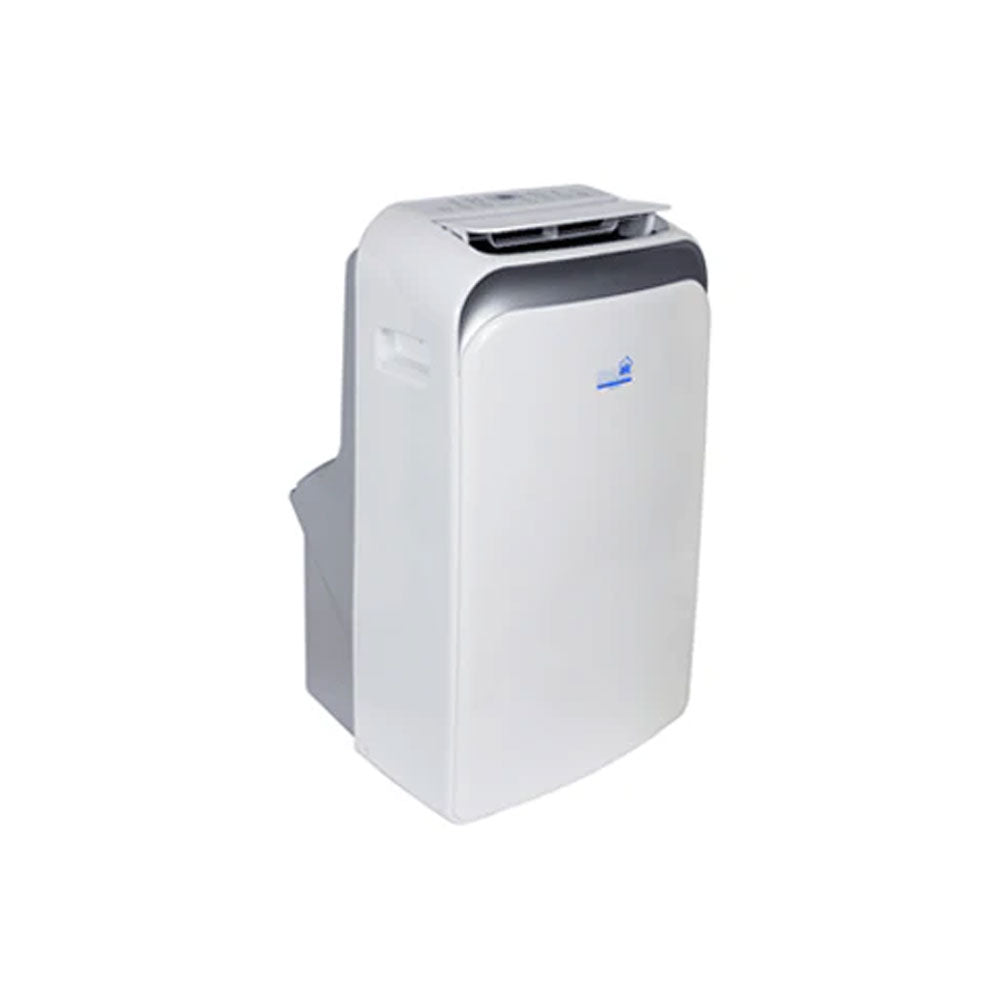
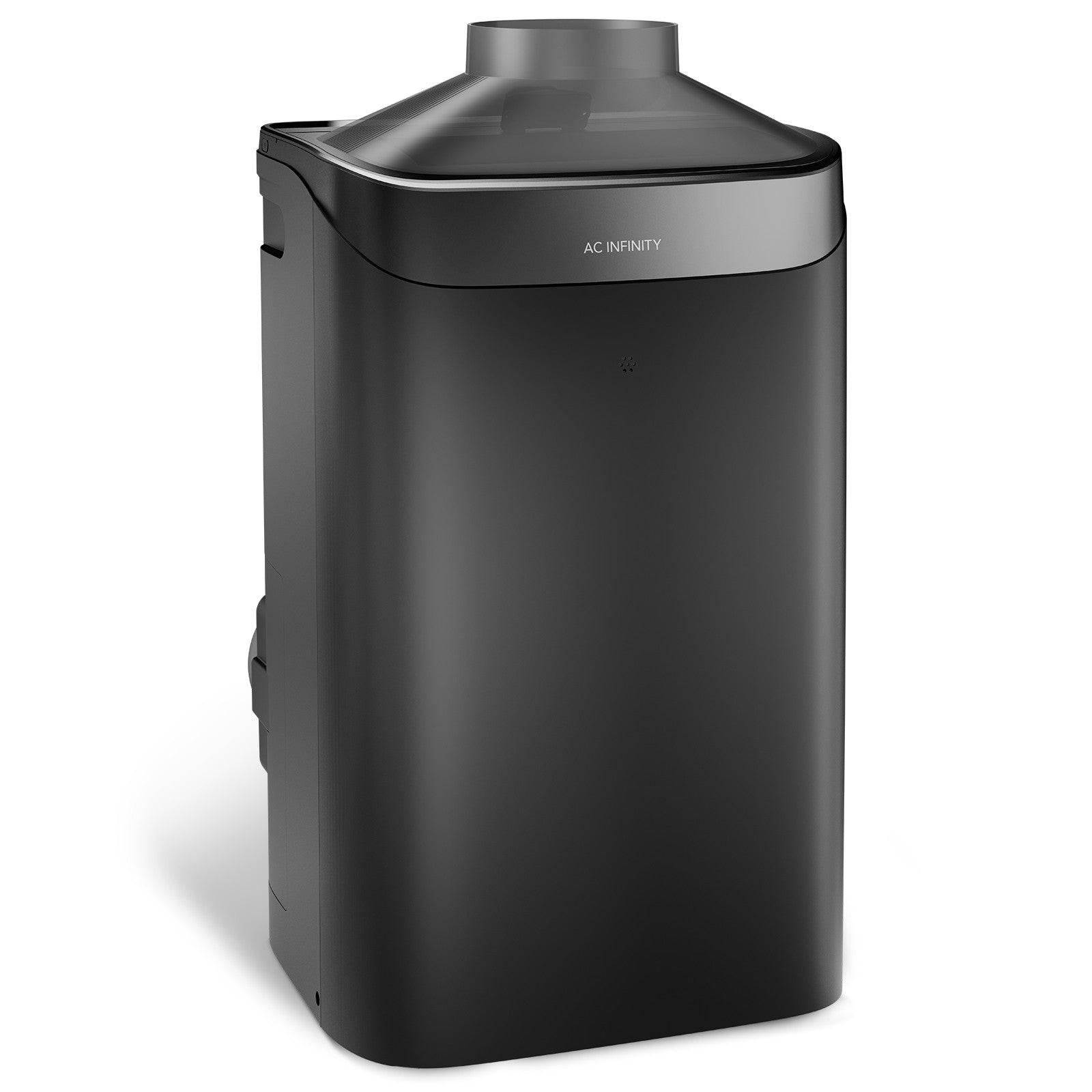
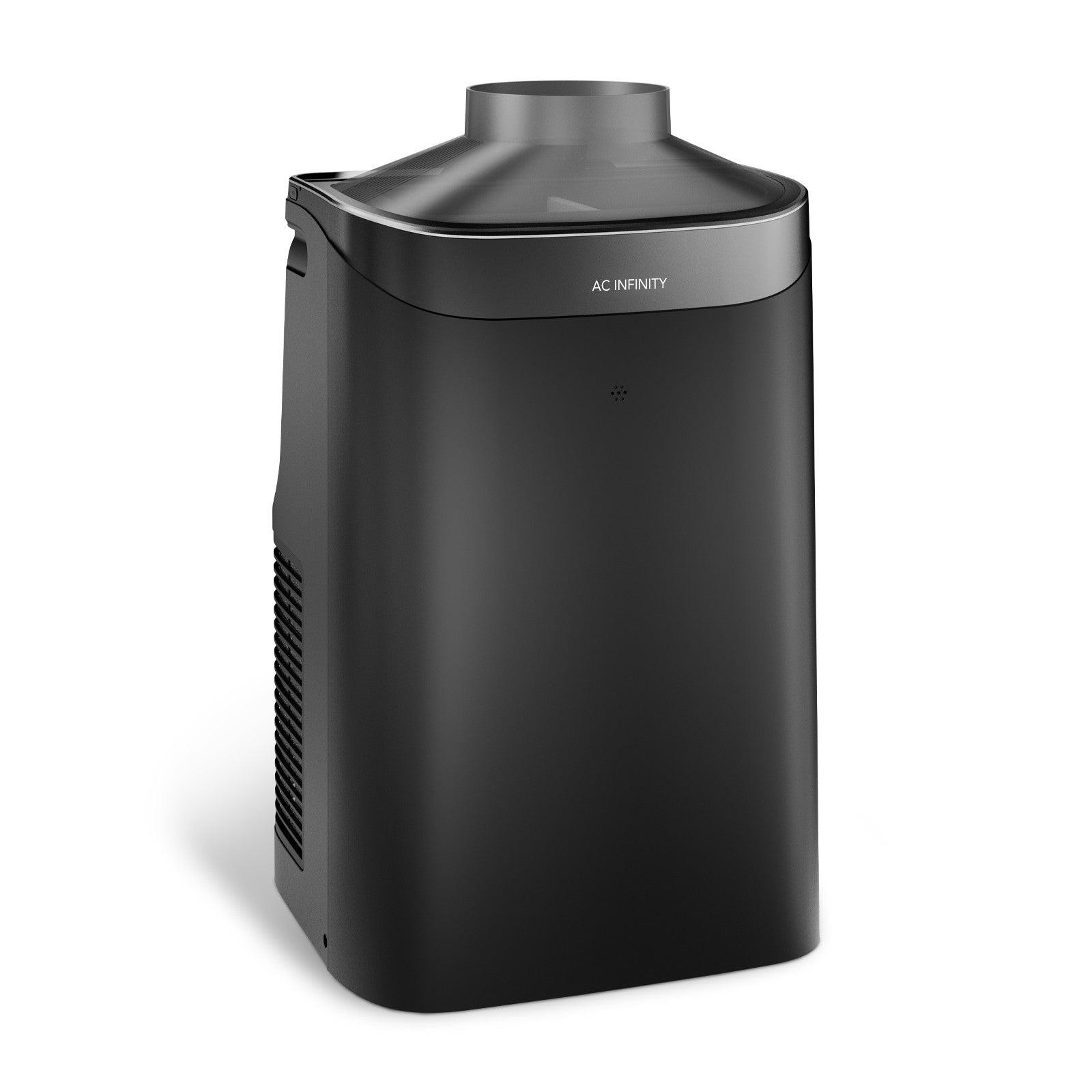
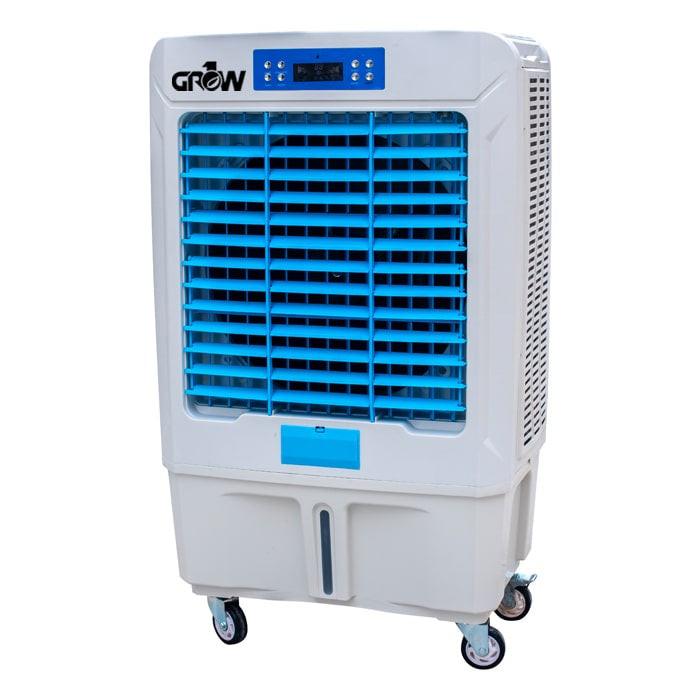
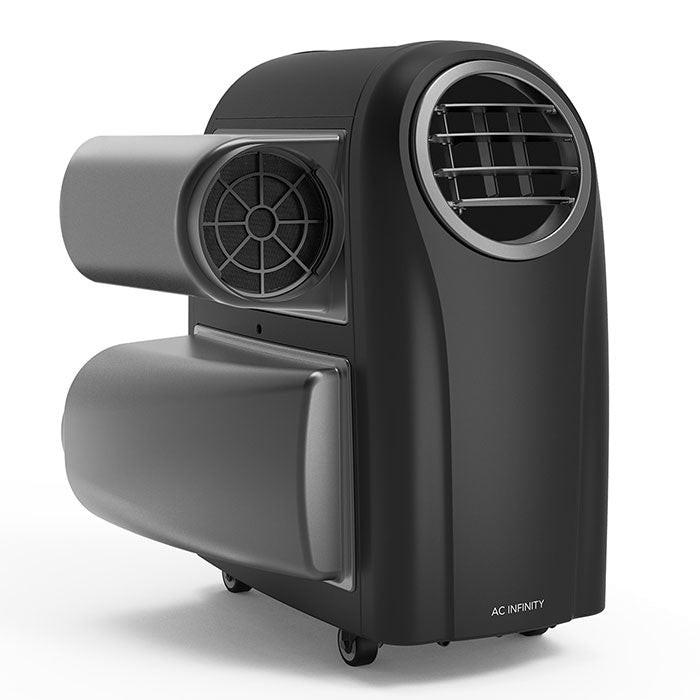
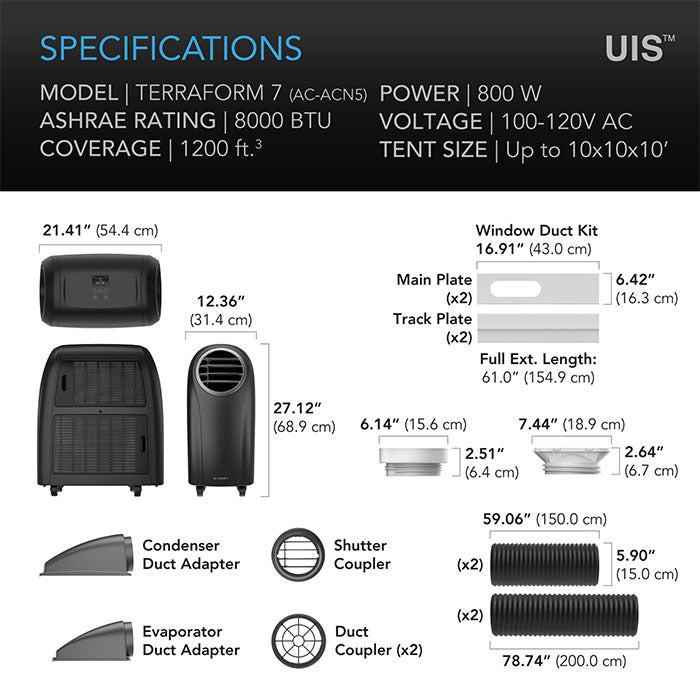
Portable spot coolers are the simplest cooling solution for grow tents and small rooms -- no permanent installation required, and they can be repositioned as your setup evolves. Most portable AC units exhaust hot air through a single or dual hose to an exterior vent, window, or the building's HVAC system. For grow tent applications, route the exhaust hose through a large ducting port in the tent and out to a window or adjacent space. Portable units are rated in BTUs (British Thermal Units per hour) -- match the BTU rating to your calculated heat load with a comfortable margin. For a 4x4 tent with a 600W LED, a 8,000-12,000 BTU portable AC is typically in the right range depending on your climate. Note that portable AC units are less energy-efficient than mini-split systems and are better suited to smaller spaces where permanent installation is not practical.
Mini-Split Air Conditioners for Dedicated Grow Rooms
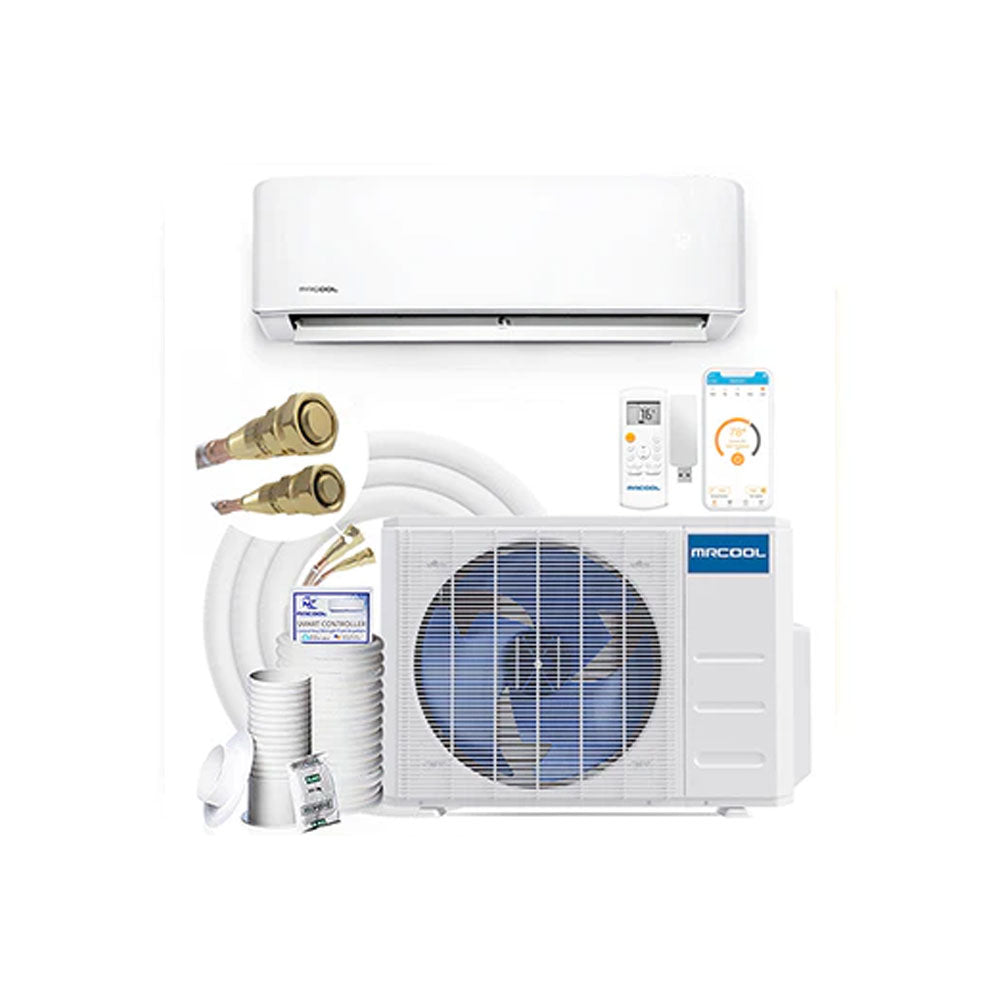
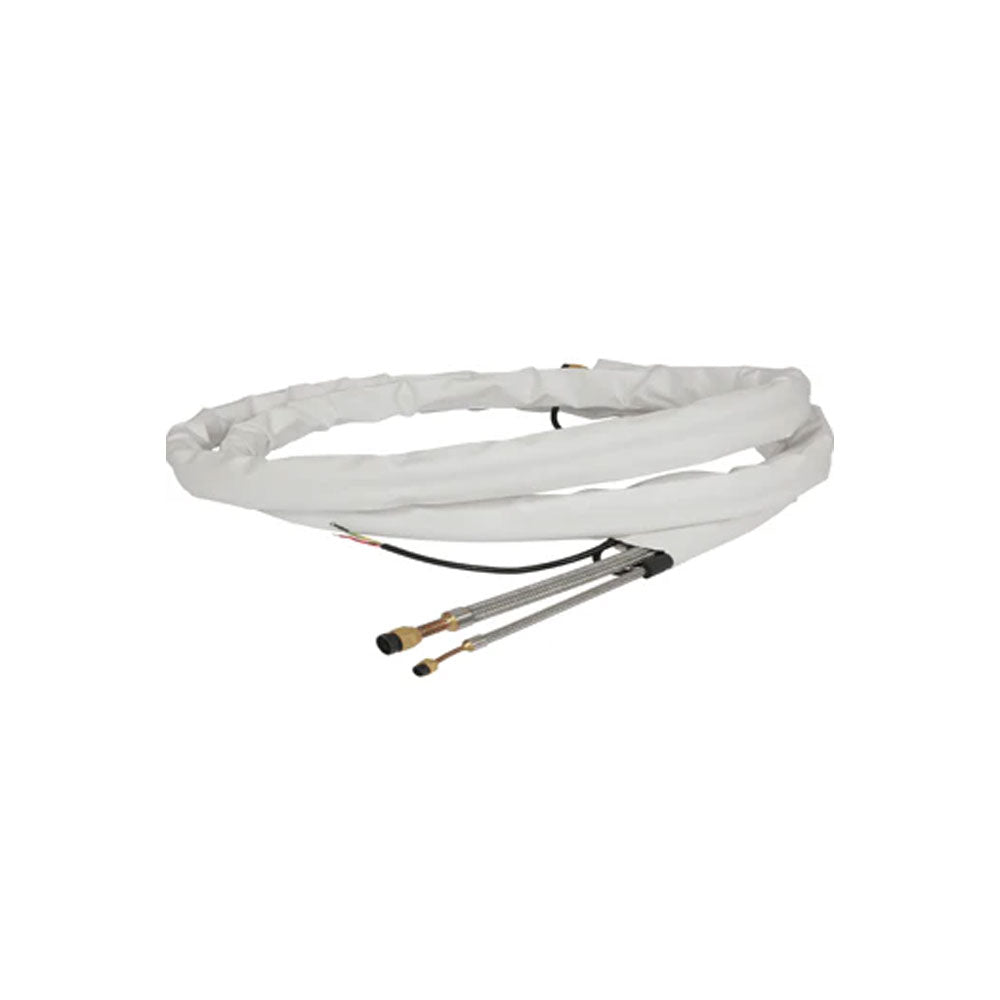
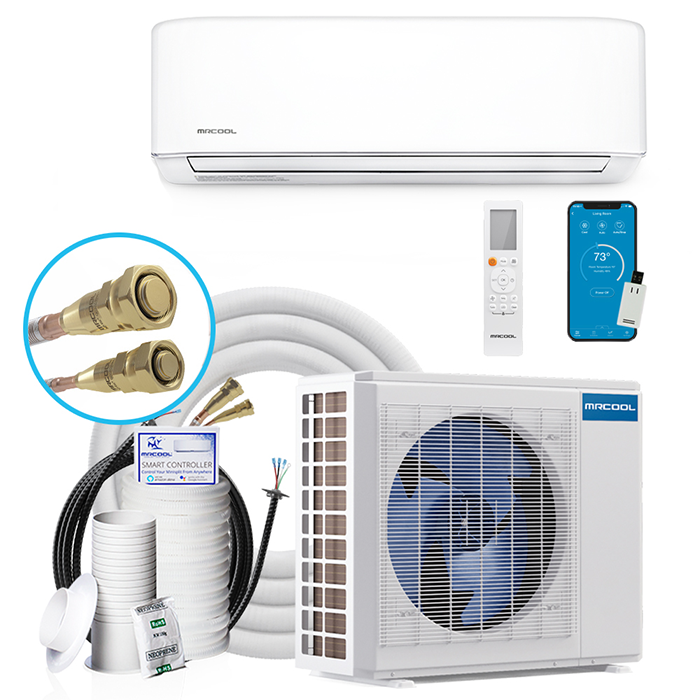
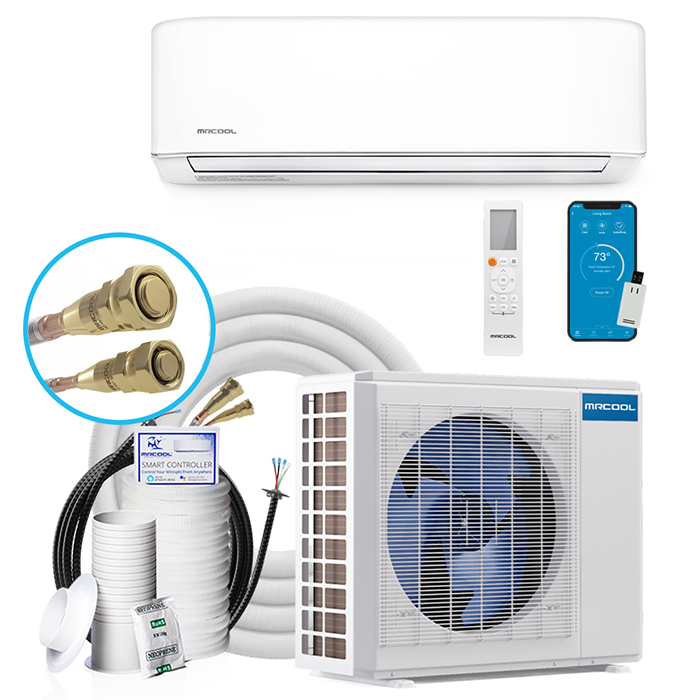
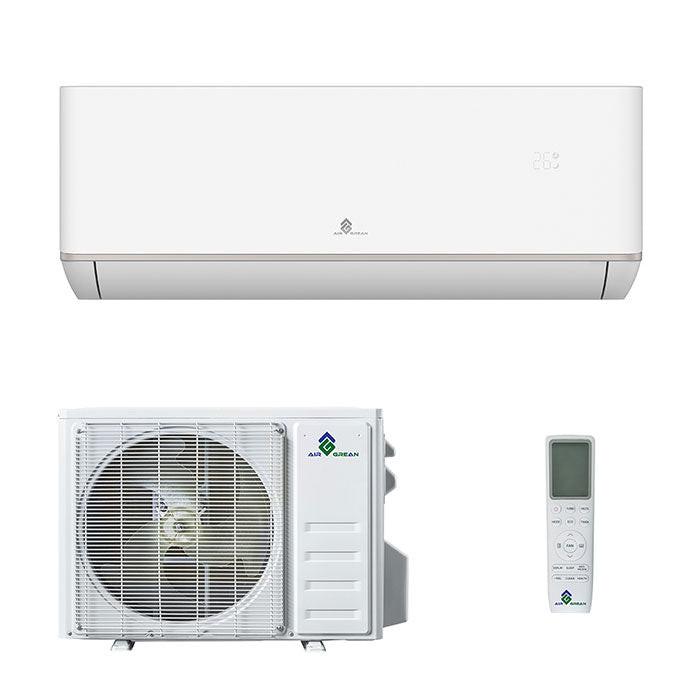
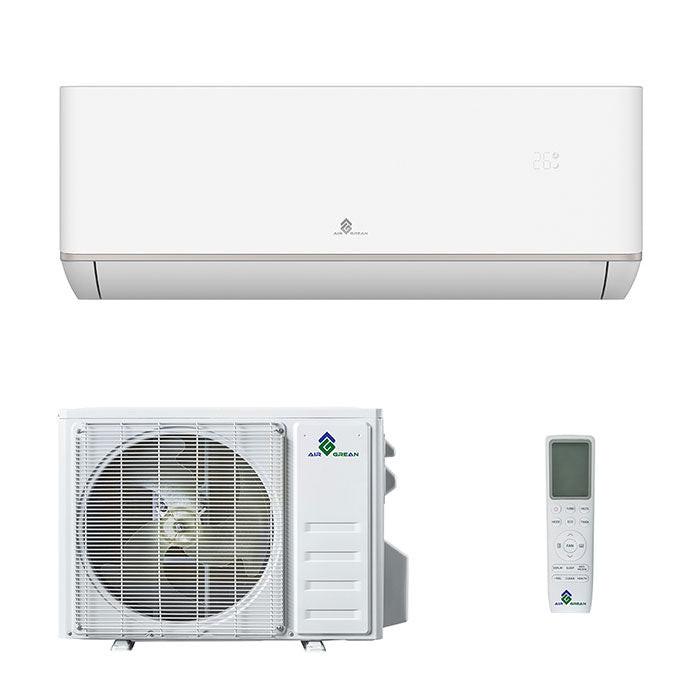
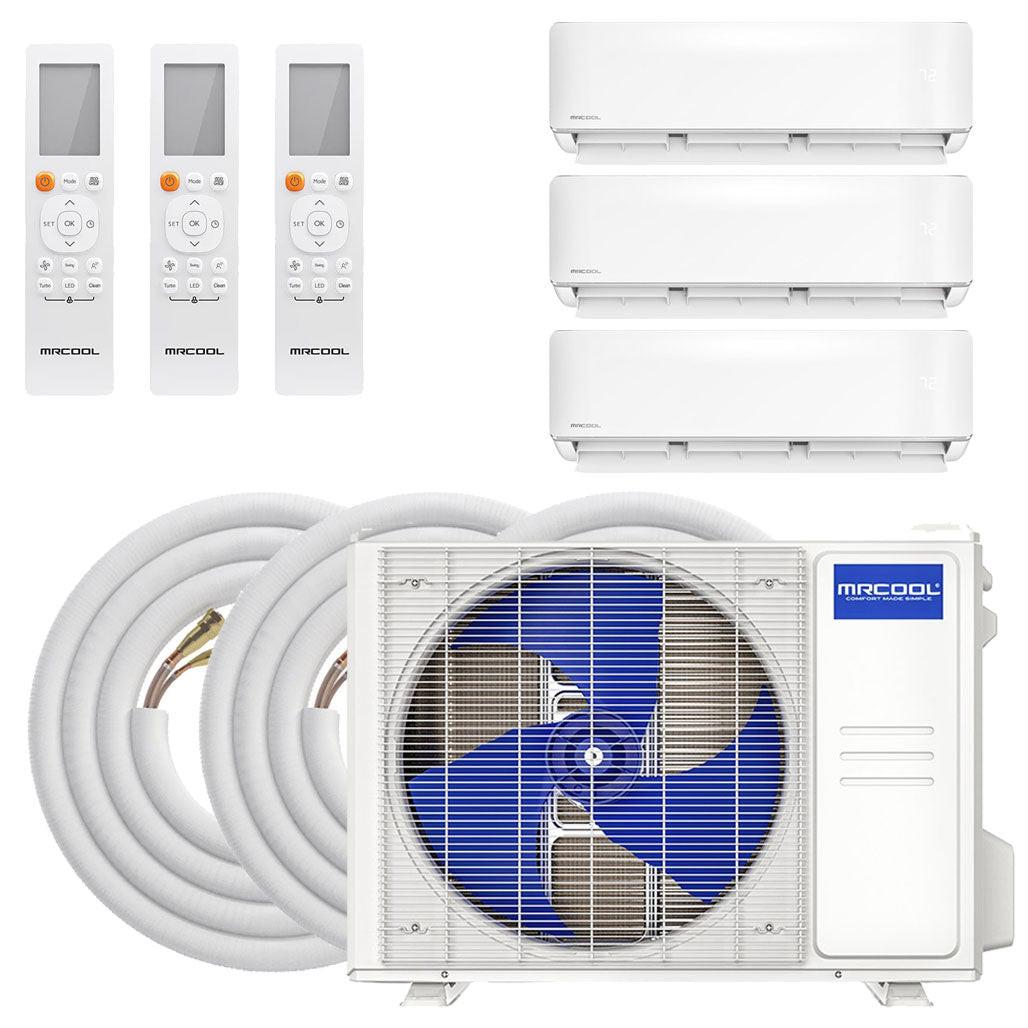
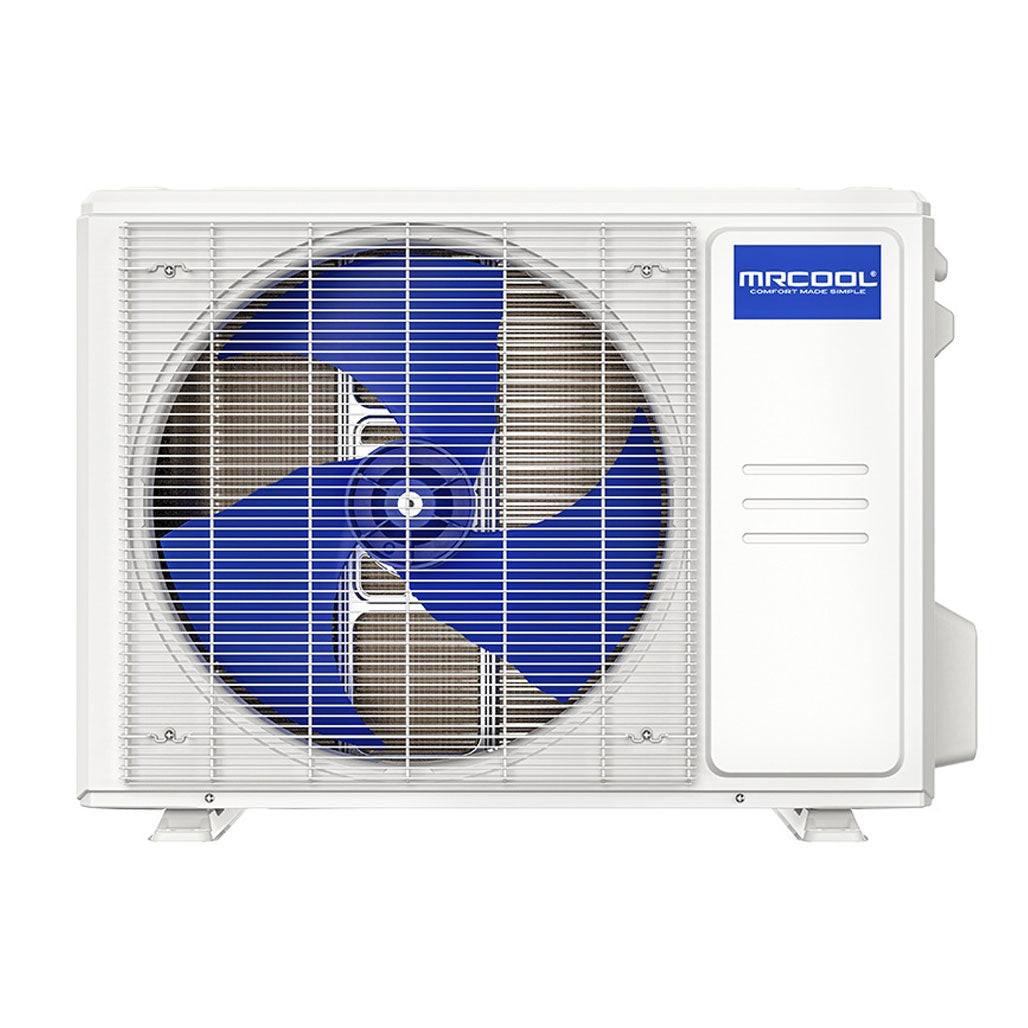
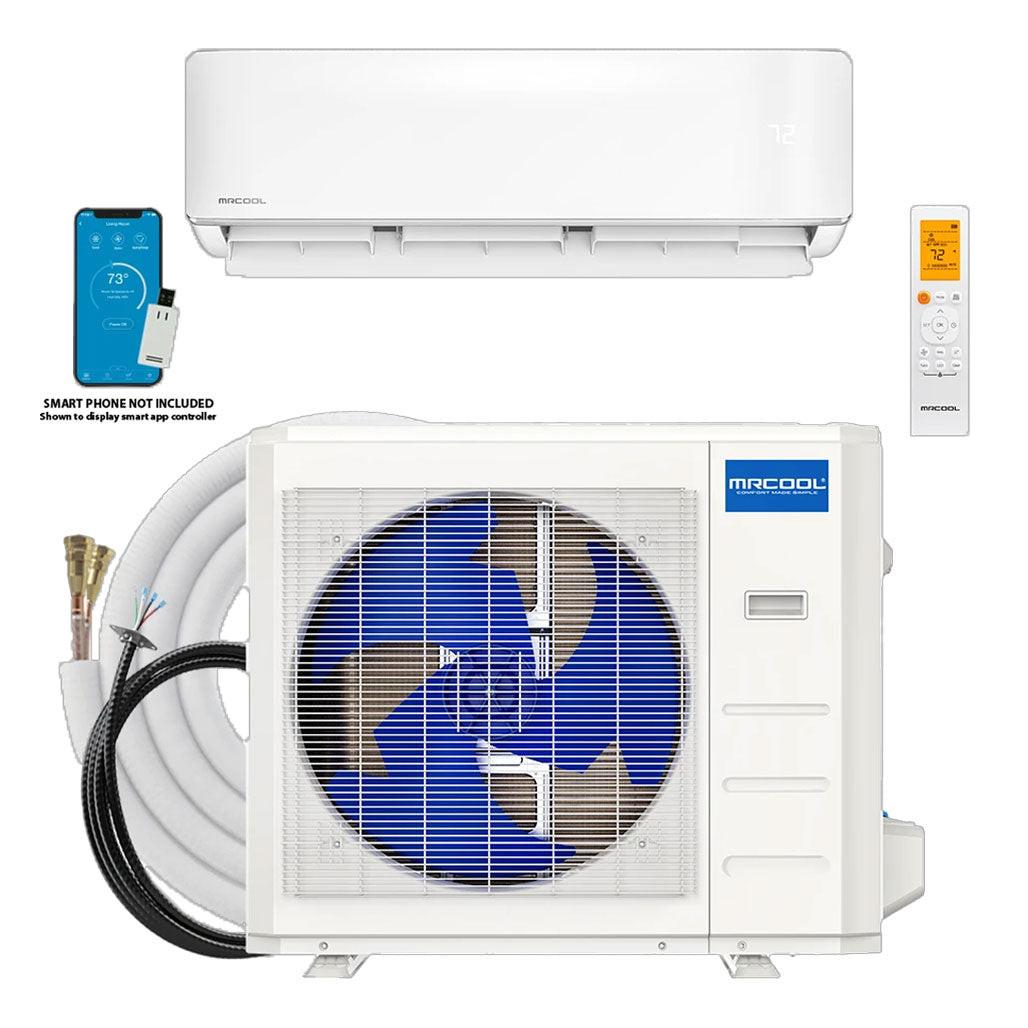
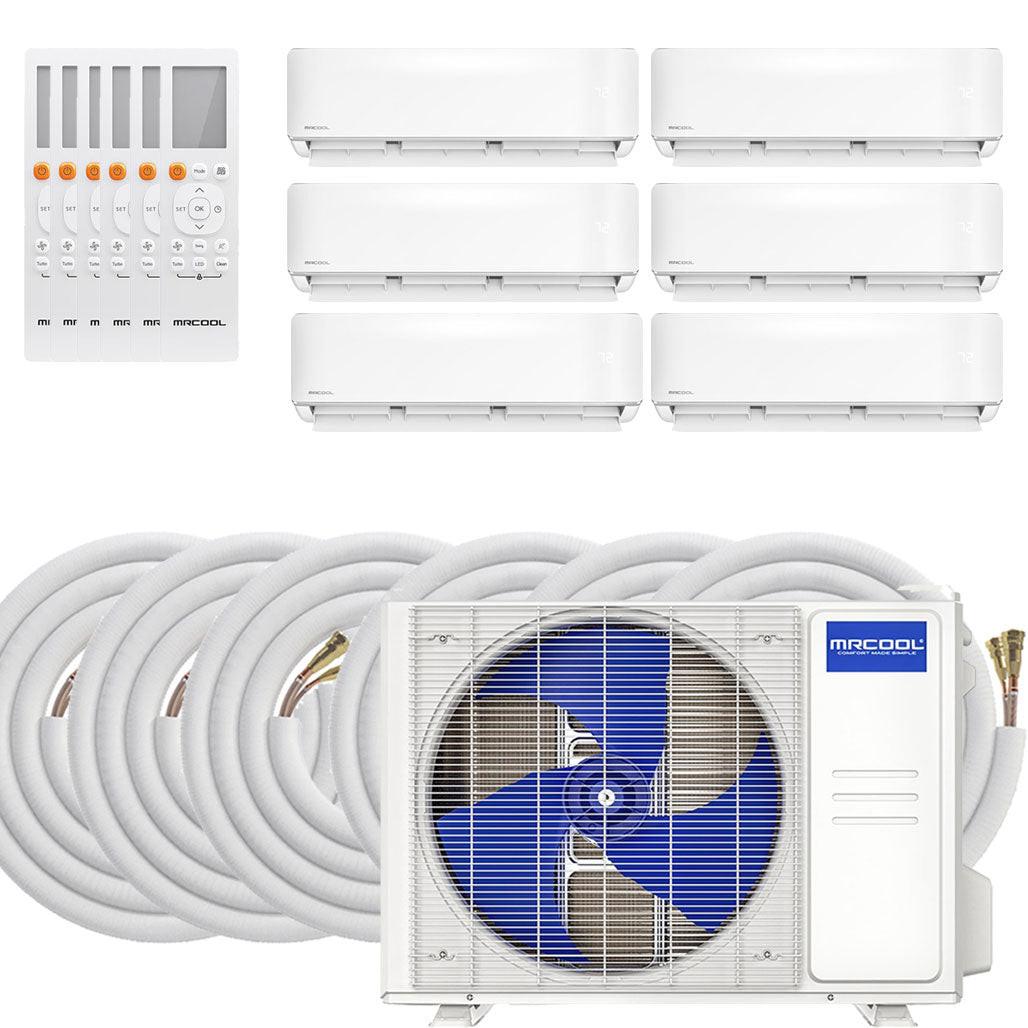
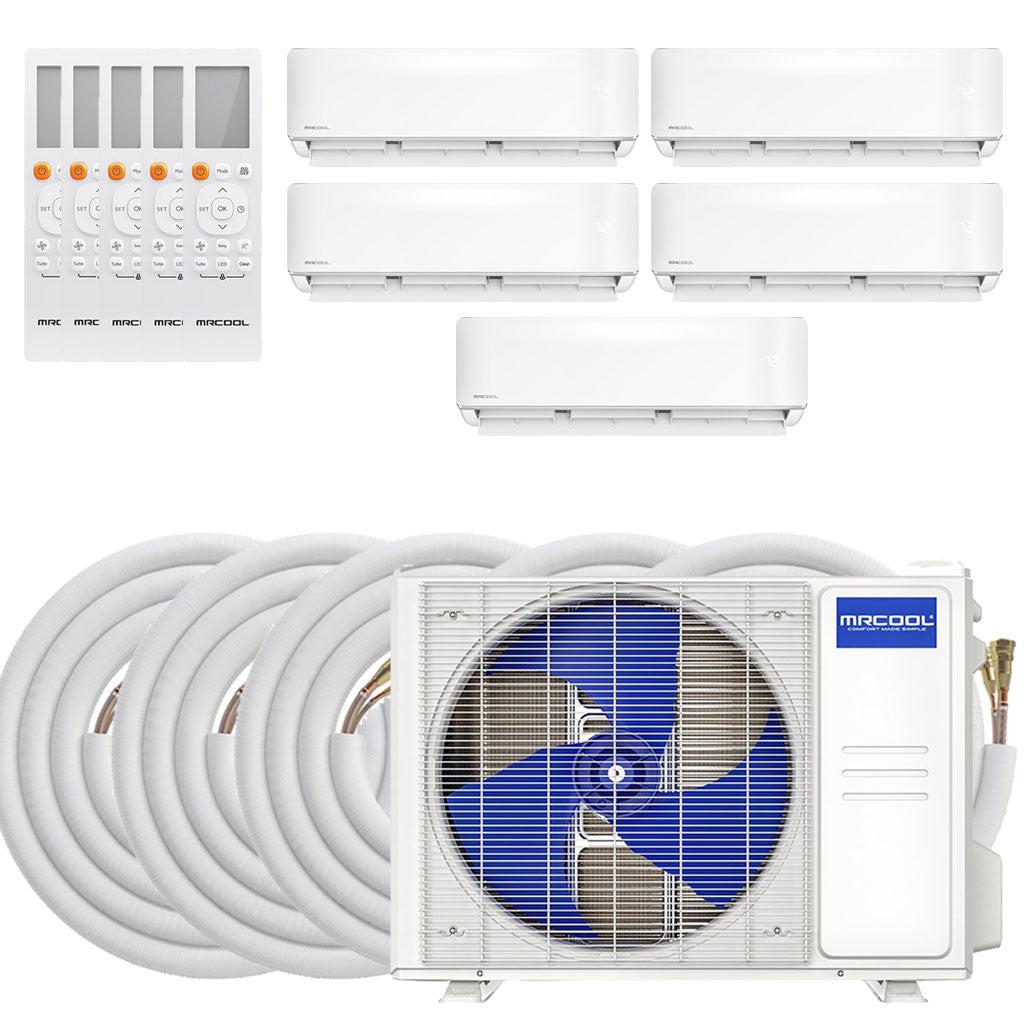
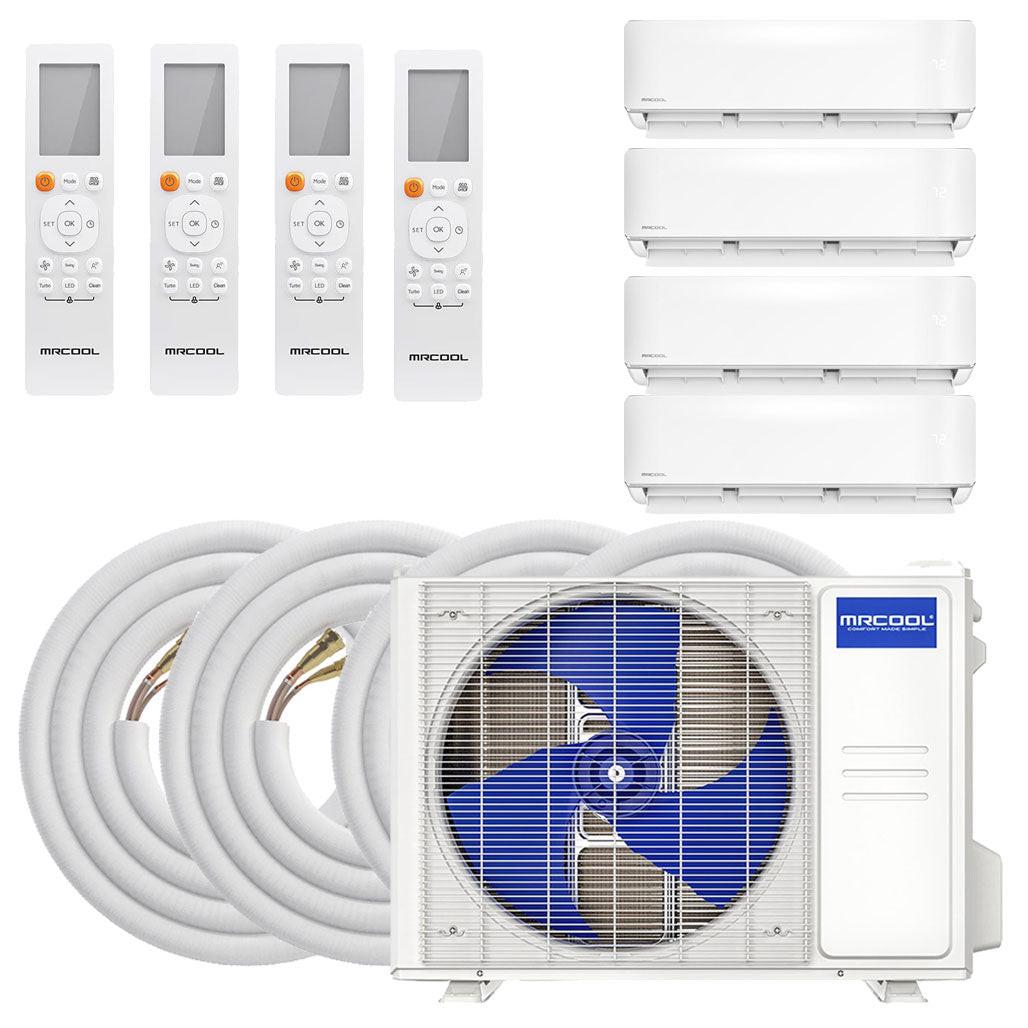
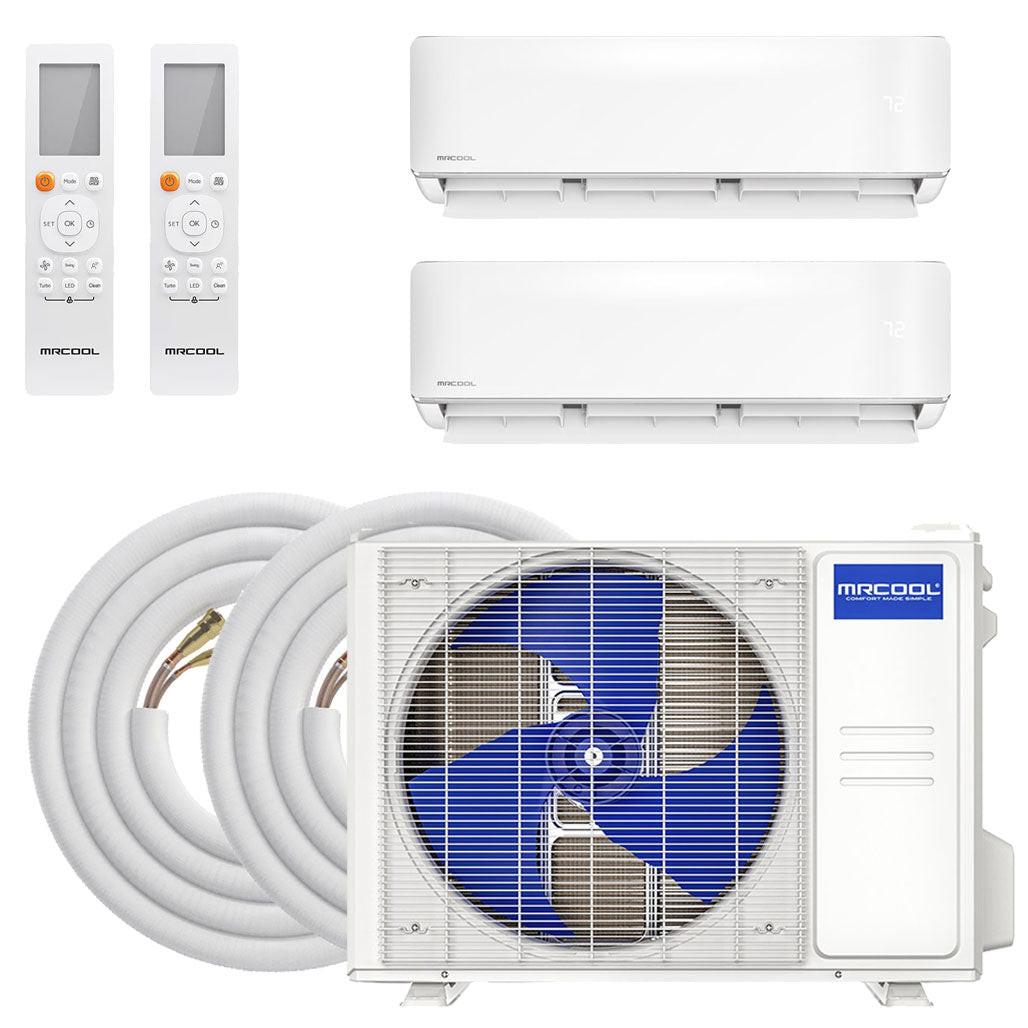
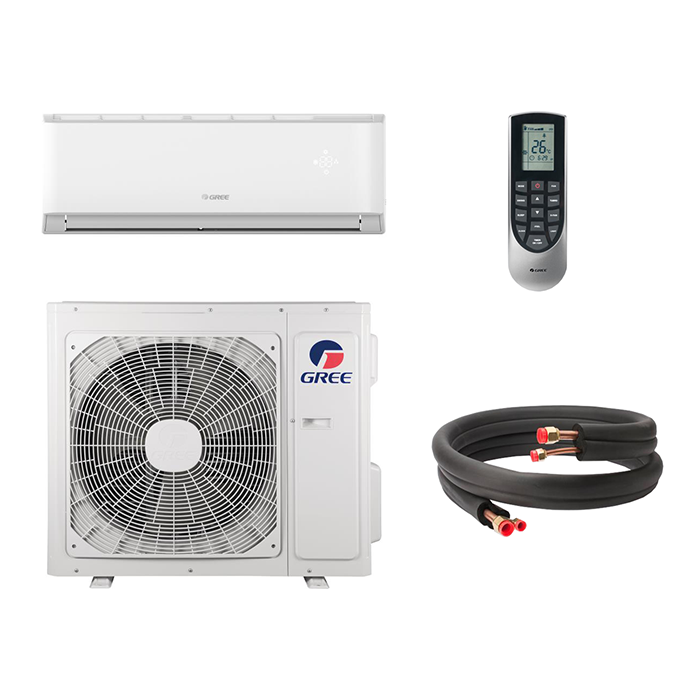
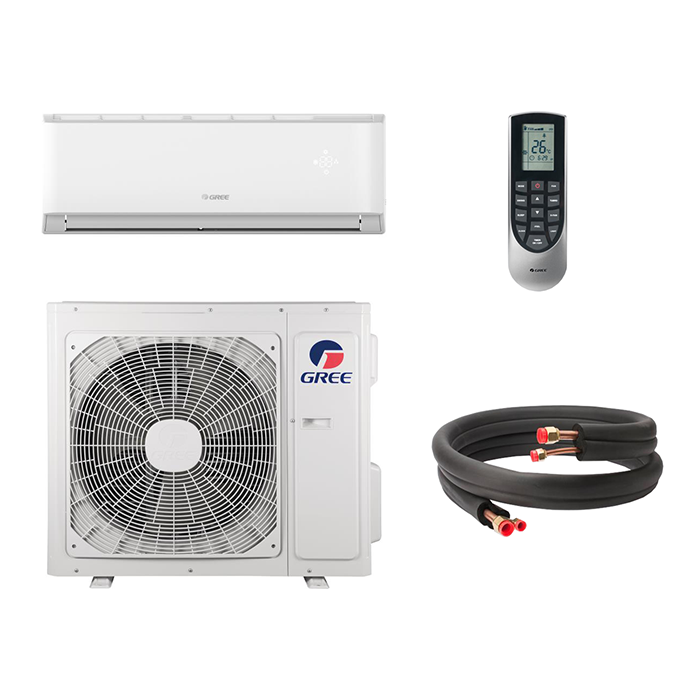
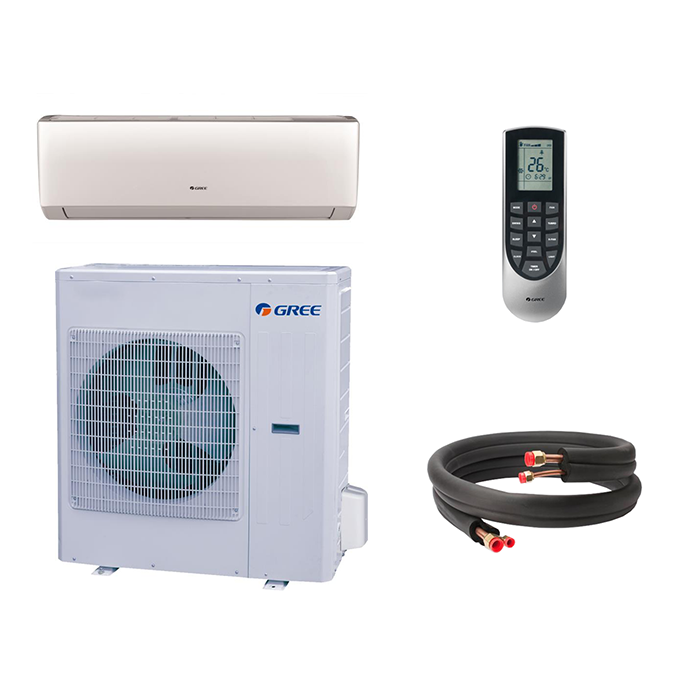
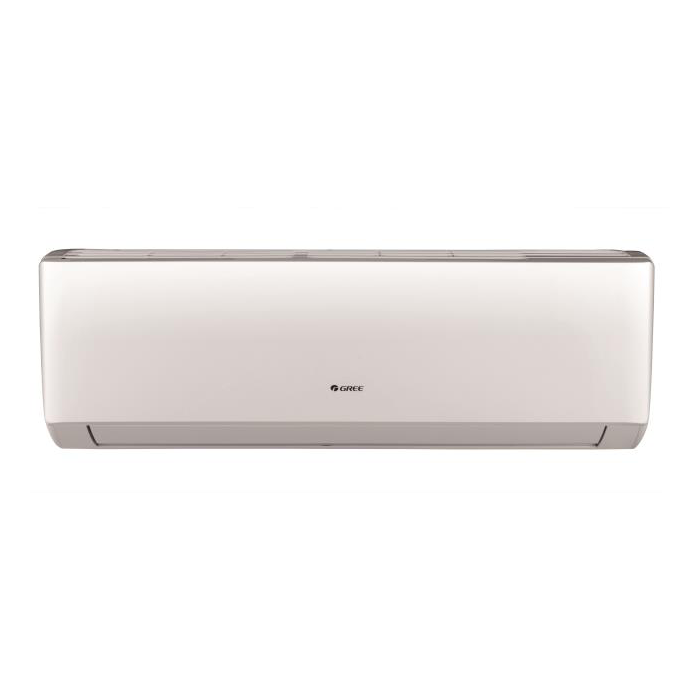
For dedicated grow rooms and commercial facilities, a mini-split (ductless split) air conditioning system provides the most efficient and reliable cooling solution. Mini-split systems consist of an outdoor compressor unit and one or more indoor air handler units installed on the wall -- no ducting required, more efficient than portable units, and quieter in operation. Mini-splits are available from 9,000 BTU (small dedicated rooms) to 36,000+ BTU (large commercial facilities). For commercial operations running multiple rooms with high continuous lighting loads, multi-zone mini-split systems controlled by a building management system (or a grow room environment controller like TrolMaster) provide centralized temperature management with individual room control. For sizing and installation guidance, call 888-815-9763. Explore our complete grow room climate control collection for all heating, cooling, dehumidification, and CO2 equipment. Expert support available.
Grow Room Air Conditioners FAQ
How many BTUs do I need for a grow room?
Start by calculating your lighting heat load: LED fixtures typically contribute 3.4 BTU/hr per watt of actual power draw (approximately 30-35% conversion to heat in the room); HPS fixtures contribute 4.0-4.5 BTU/hr per watt (60-70% conversion to room heat). Add 20-30% for wall conduction, equipment heat, and safety margin. Example: a 4x4 tent with a 600W LED adds approximately 2,040-2,400 BTU/hr from the fixture plus overhead -- size for at least 8,000-10,000 BTU of AC capacity for this setup. A 10x10 room with four 600W LEDs adds 8,000-10,000 BTU/hr from fixtures alone -- size for 12,000-18,000 BTU capacity. Use our AC/BTU Sizing Calculator for a precise recommendation based on your specific room and equipment configuration.
Can I use a regular portable AC in a grow tent?
Yes -- a standard portable air conditioner can be used in or with a grow tent. Route the exhaust hose through a large ducting port in the tent and out to a window or adjacent space. Position the AC unit outside the tent with the cold air intake opening facing into the tent, or inside the tent if space allows. The main consideration is exhaust routing: every BTU of heat the AC removes from the tent must be exhausted somewhere -- ensure the exhaust path does not loop back into the growing environment or the AC simply recirculates hot air. For smaller tents where a portable AC would take up significant floor space, some growers use a portable unit outside the tent with cold-air ducting routed through a tent port instead.
What is the difference between portable AC and mini-split for grow rooms?
Portable AC units require no permanent installation and are easy to reposition, but are less energy-efficient (typically 8-11 EER) and suitable primarily for smaller spaces. They exhaust through flexible hoses that must be routed to an exterior vent or window. Mini-split systems require professional installation (outdoor compressor unit + indoor wall-mounted air handler), but are significantly more efficient (15-25+ SEER), quieter, more capable of maintaining tight temperature tolerances, and more reliable for continuous commercial-grade operation. For a dedicated grow room running 18-hour lighting cycles with consistent heat load, a mini-split pays back its installation cost in reduced electricity bills within 1-3 years compared to running equivalent portable units. For grow tents and temporary setups, portable AC is the practical choice.
Should my grow room AC run during the dark period?
Most grow rooms benefit from reduced or no AC operation during the dark period because lighting heat load disappears when lights are off -- air temperature naturally falls without active cooling, and most growers prefer a 5-10 degree F temperature drop during the dark period (which is normal and beneficial for many crops). A temperature controller paired with your AC unit handles this automatically: when temperature drops below the lower threshold during lights-off, the AC shuts off; when temperature rises above the upper threshold during lights-on, it cycles back. Avoid running AC exclusively on a timer synced to your light cycle -- use a temperature controller so the AC responds to actual room temperature rather than a fixed schedule that may not match actual thermal conditions.