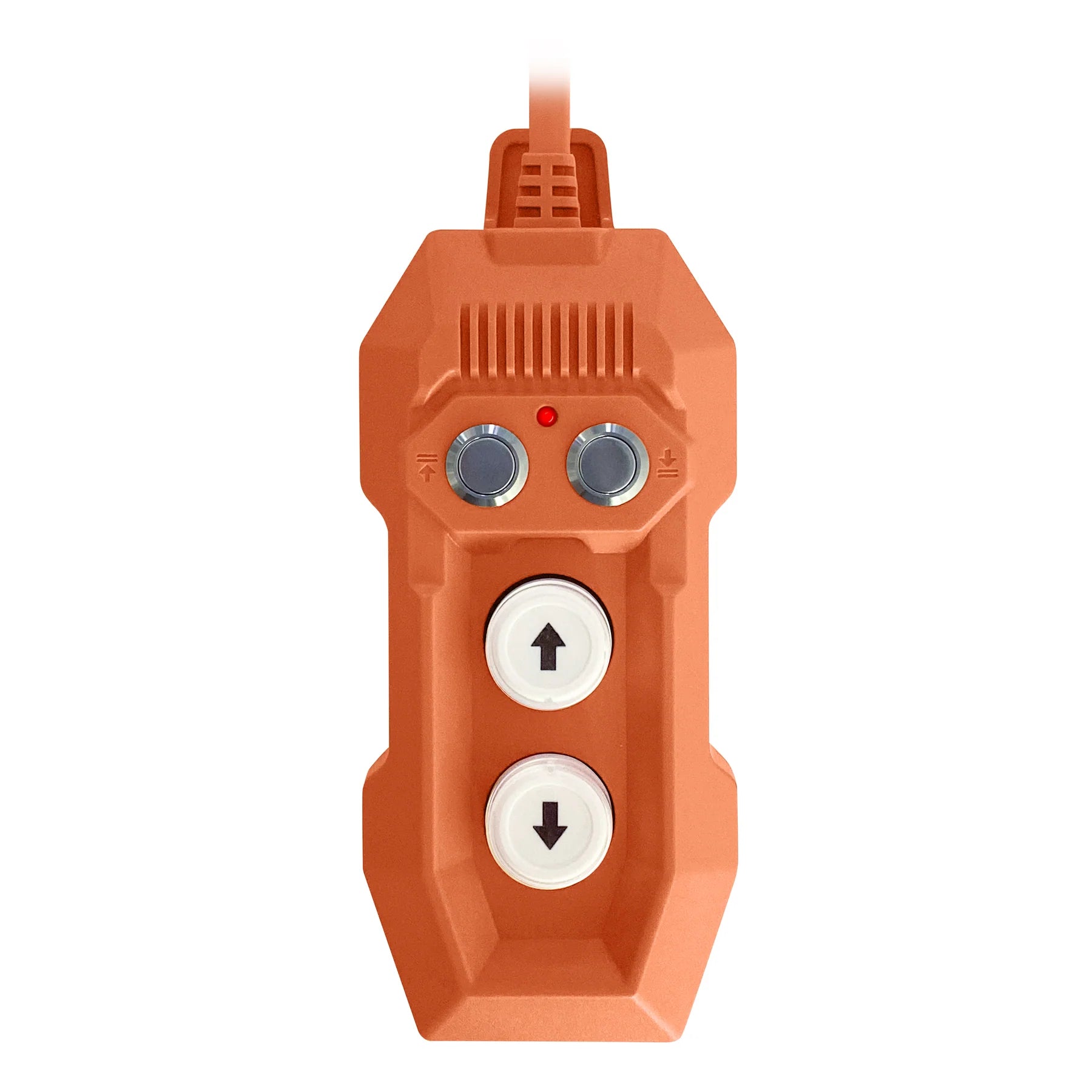
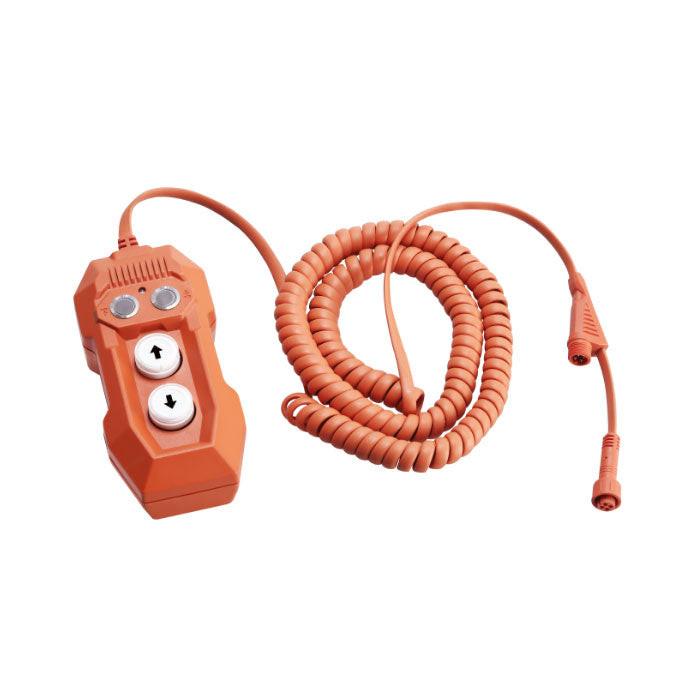
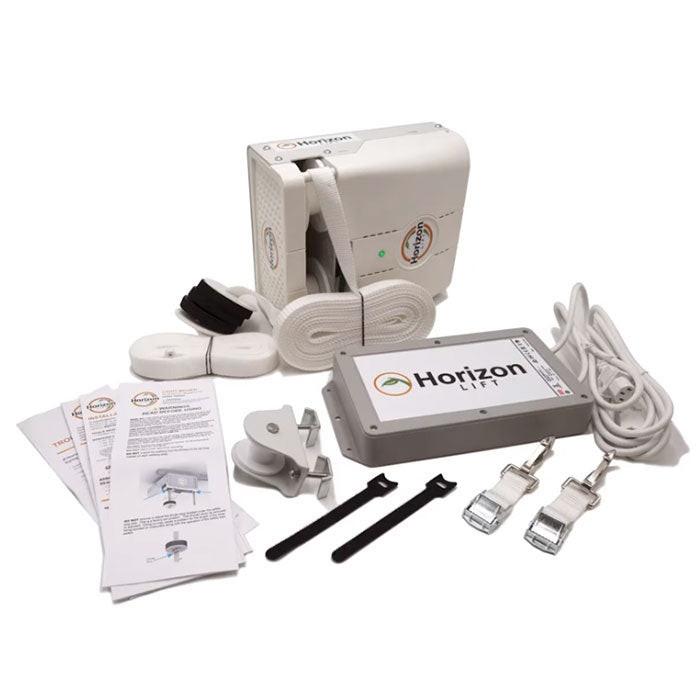
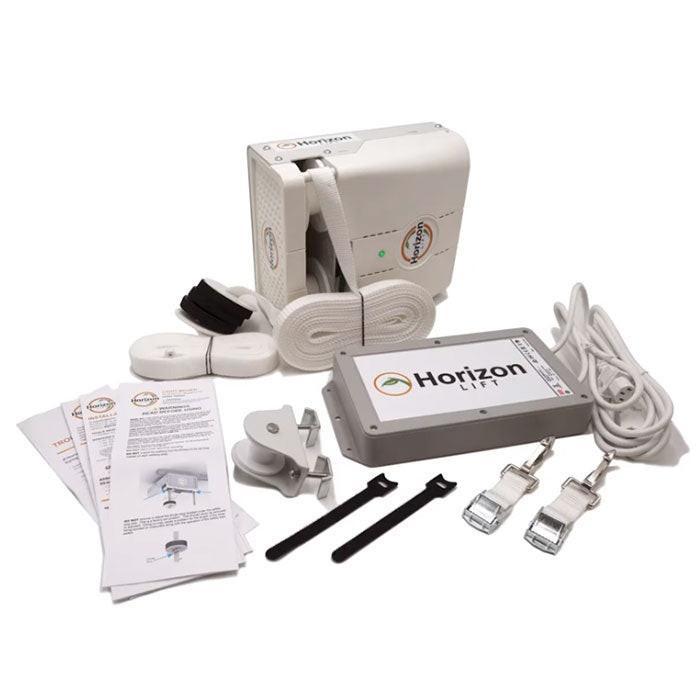
Grow Light Movers & Light Rails for Indoor Growing
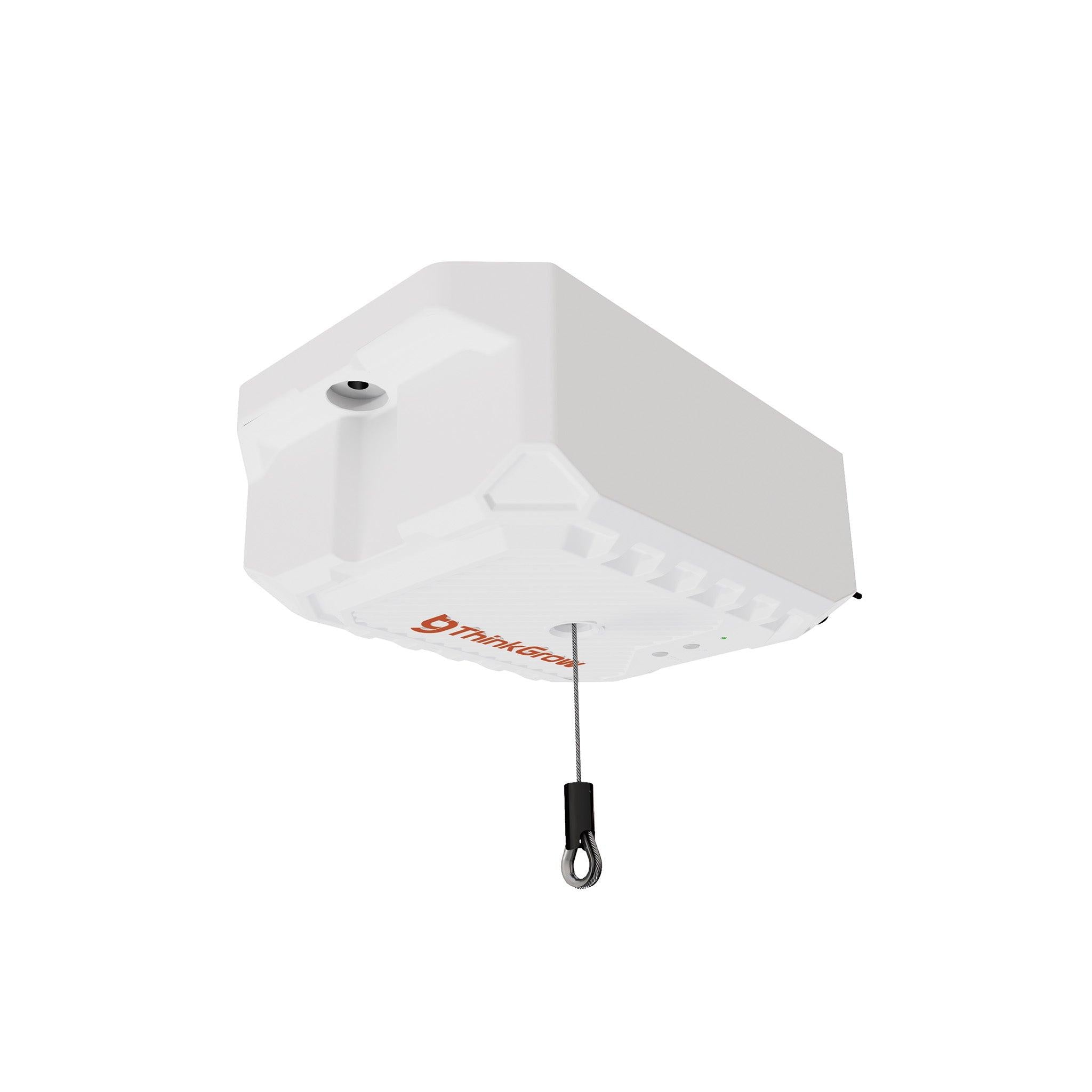
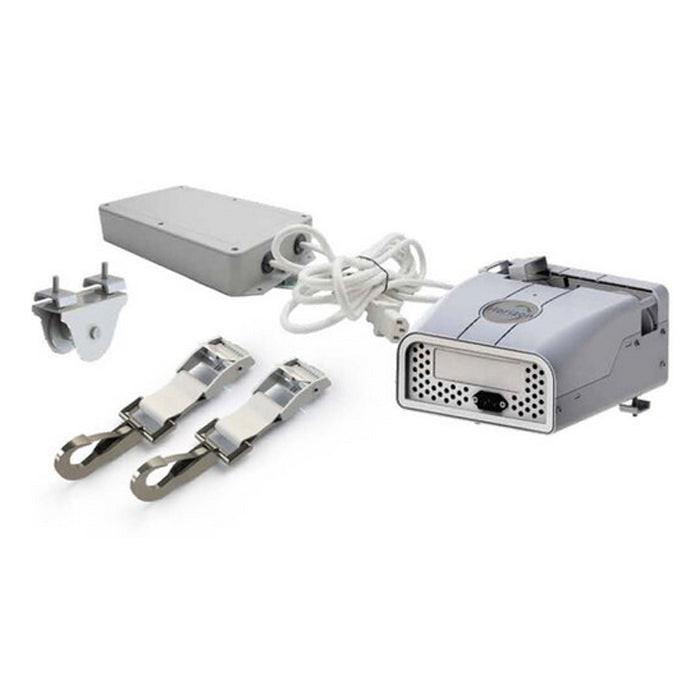
Grow light movers are motorized track systems that slowly move a grow light fixture back and forth along a rail -- typically covering 6 feet of travel over a 1-2 minute cycle. The consistent movement of the fixture means that each point of the canopy receives light from a range of angles over time rather than fixed-angle illumination from a stationary source, improving light penetration to lower canopy layers and reducing the PPFD gradient between the center directly below the fixture and the canopy edges. Light movers allow one fixture to effectively cover a larger canopy footprint than it would cover stationary -- commonly cited as a 25-30% effective coverage increase per fixture.
How Light Rail Systems Work
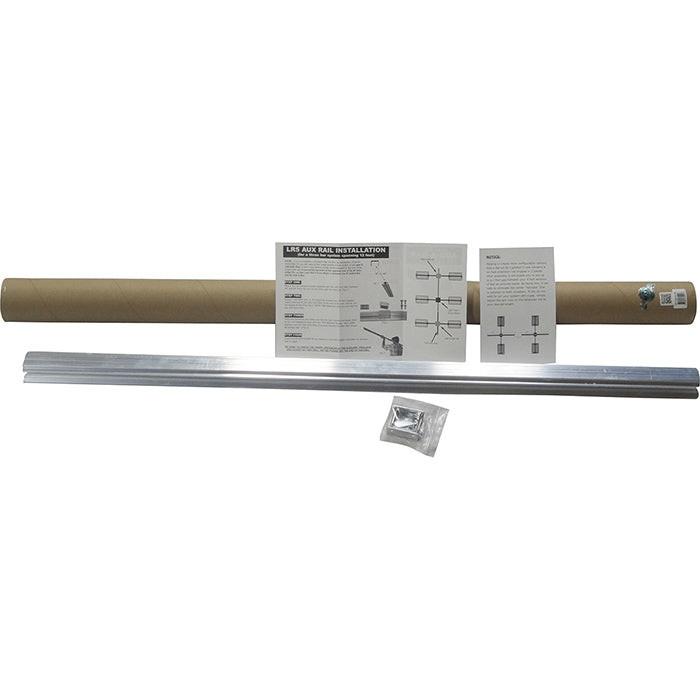
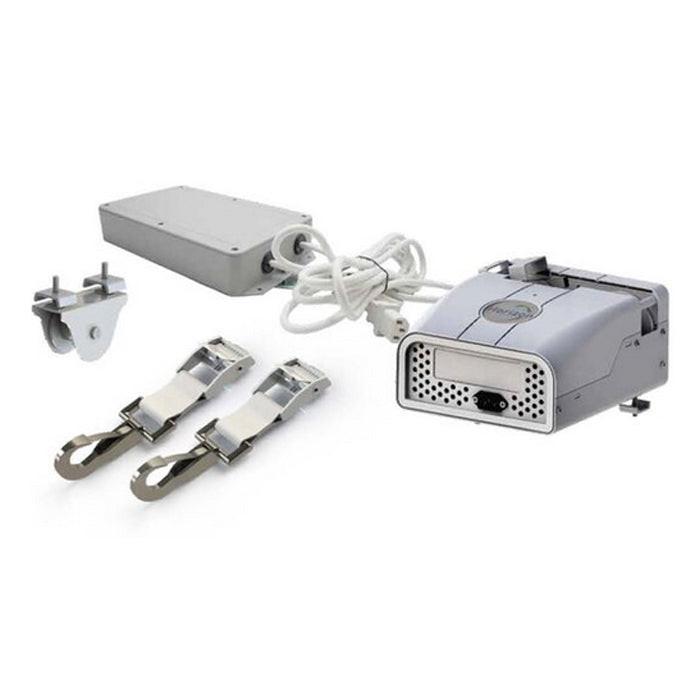
A light rail system consists of a motorized carriage that travels along a straight track or rail mounted to the ceiling or tent frame. The fixture hangs from the carriage via standard rope ratchets or hangers. A variable-speed motor drives the carriage at an adjustable pace -- slower travel speeds give more dwell time at each canopy position, closer approximating a stationary light; faster travel cycles the fixture across the rail more frequently. At typical operating speeds, each fixed point of the canopy receives direct overhead illumination for a portion of each cycle and angled illumination from the moving fixture throughout -- the combined effect is more even PPFD distribution and better canopy penetration than a stationary fixture at the same wattage. Pair with any standard LED grow light or HPS fixture via the carriage's hanging attachment.
Single vs. Double Rail Light Movers
Single rail systems run one fixture along a straight track -- straightforward, lower cost, and effective for rectangular canopy footprints where the single axis of motion distributes light adequately. Double rail systems use two parallel tracks with a cross-carriage that can move in both X and Y directions, providing two-dimensional coverage over square canopy footprints where single-axis motion still leaves coverage gradients in the perpendicular direction. For most hobby and small commercial tent applications, a single rail light mover is the practical choice -- it provides meaningful coverage improvement over a stationary fixture and fits standard tent configurations. For large dedicated grow rooms with square or nearly square canopy footprints, a double rail system provides more even two-dimensional coverage. Fast shipping.
Grow Light Movers FAQ
Do grow light movers actually improve yields?
Yes, with consistent supporting evidence from both controlled research and grower practice. The primary mechanisms: better canopy penetration (moving angles deliver photons to canopy layers that are shaded under fixed-angle lighting), more even PPFD distribution across the full footprint (reducing center-heavy gradients), and reduced heat stress hot spots directly below stationary high-intensity fixtures. The commonly cited 25-30% effective coverage increase means one fixture on a light mover can replace what would otherwise require a second fixture -- a meaningful capital and operating cost saving at scale. Light movers are most impactful for HPS fixtures (intense point sources with pronounced PPFD gradients) and less impactful for multi-bar LED arrays that already distribute light more evenly.
What type of grow light works best with a light mover?
Light movers provide the most meaningful benefit for single-point-source fixtures -- HPS, MH, and CMH -- where the stationary coverage produces a pronounced center-heavy PPFD map with significant edge drop-off. Moving these fixtures distributes the concentrated center output more evenly and extends effective coverage footprint. Multi-bar LED arrays already distribute photons across their full bar span, so the PPFD gradient reduction from a mover is less dramatic but still meaningful for canopy penetration and total uniformity. For LED panel fixtures (similar single-source concentration as HID), light movers provide a similar coverage improvement as for HPS.
How fast should a grow light mover travel?
Most light mover manufacturers recommend a travel speed that completes one full rail traverse in 1-3 minutes -- slow enough that each canopy position receives adequate dwell illumination per cycle rather than flickering at a speed that disrupts photosynthetic processes. The optimal speed is the slowest setting that still distributes light adequately across the full rail length within each lighting cycle. Start at a moderate speed and observe the canopy PPFD map with a PAR meter -- if edge measurements remain significantly lower than center even with the mover running, increase speed slightly to distribute photons more quickly across the full footprint.