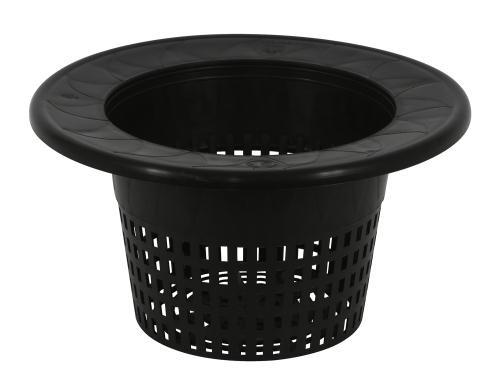
Gro Pro Fabric Pots, Grow Bags & Root Containers
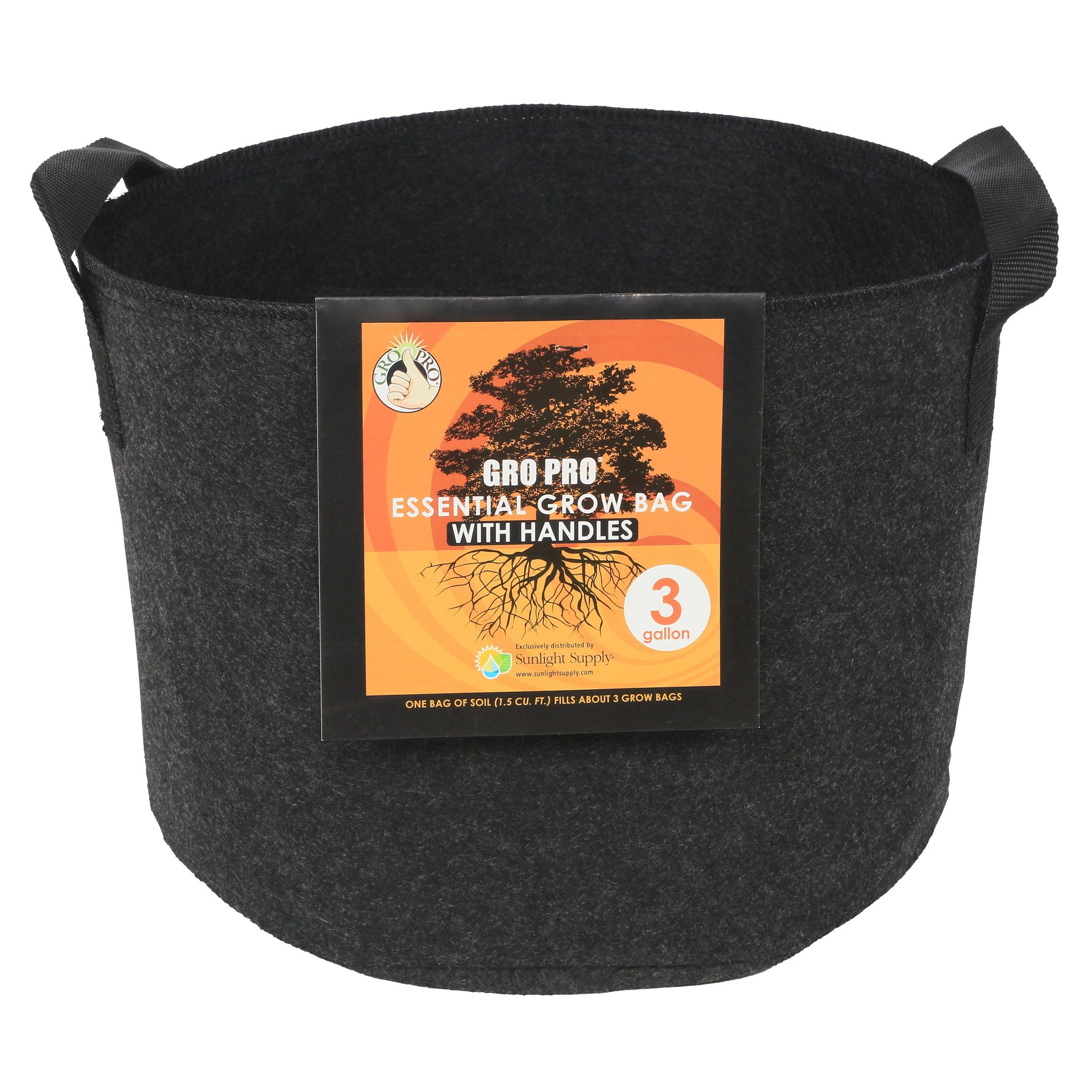
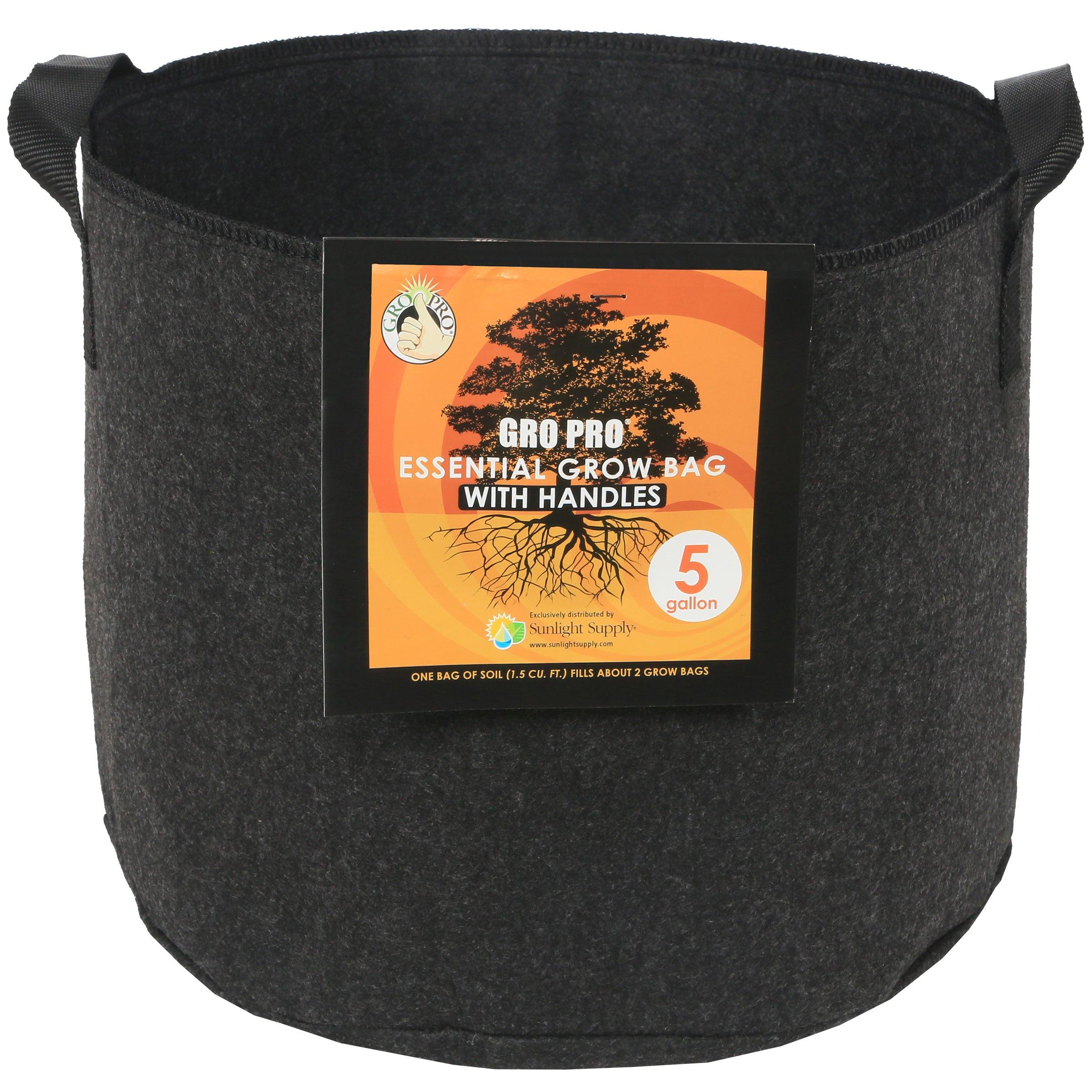
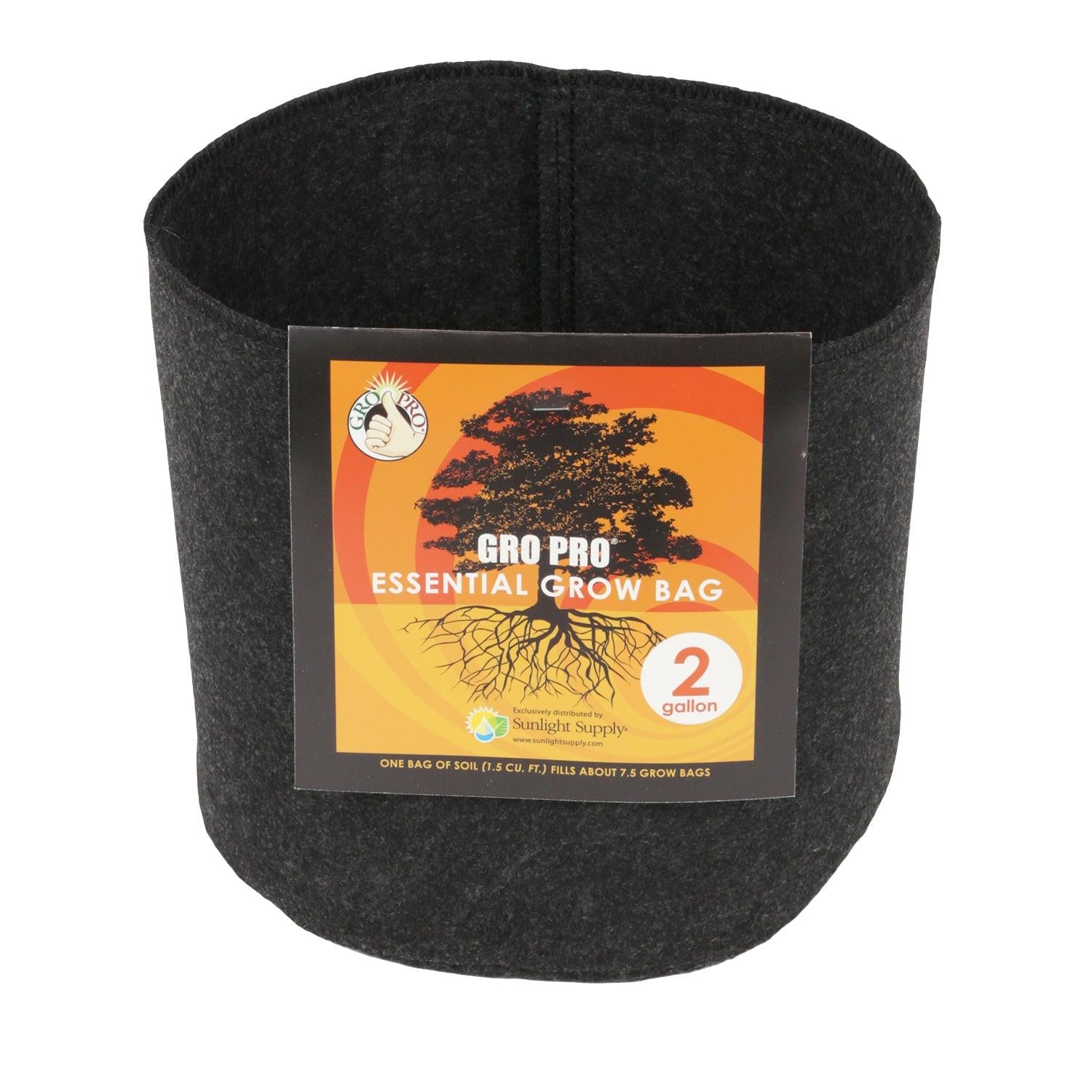
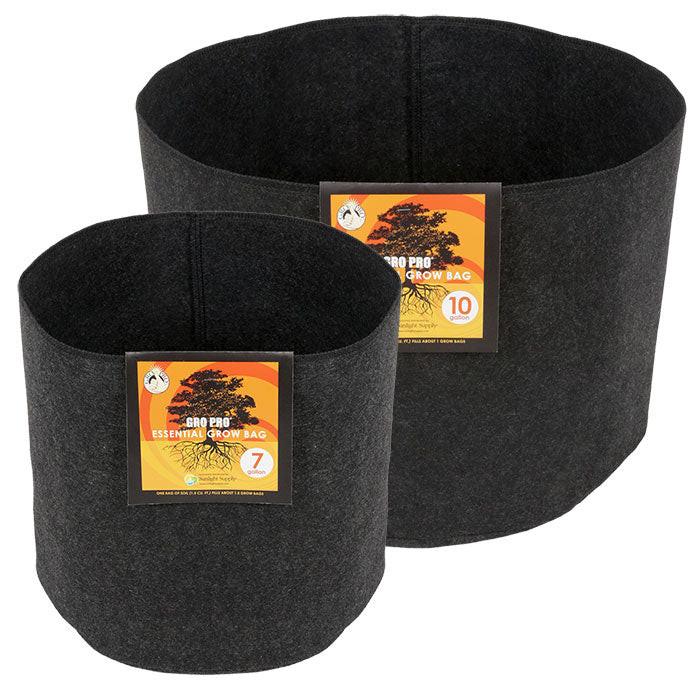
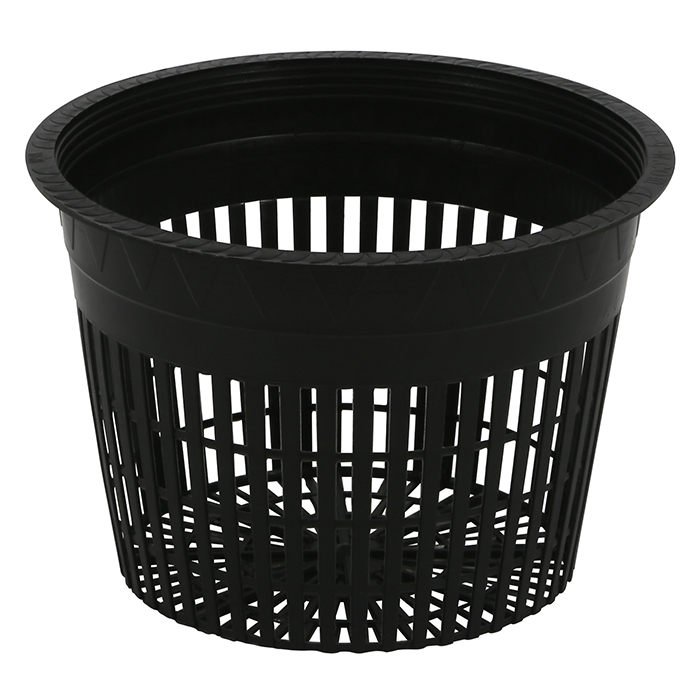
Gro Pro is one of the most widely used plant container brands in indoor horticulture, producing fabric pots, plastic nursery pots, net pots, and grow bags across the complete size range from 1-gallon starter pots to 1,000-gallon fabric tree bags. Their fabric pot line -- breathable geotextile containers in every standard growing size -- has been widely adopted in both hobby and commercial growing for the air-pruning benefits that fabric construction provides over standard plastic containers.
Gro Pro Fabric Pots -- Air-Pruning Technology
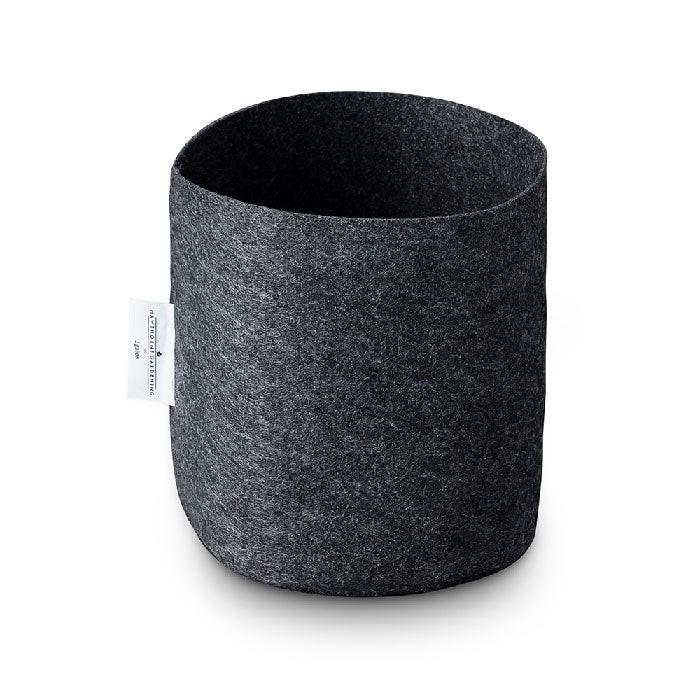
Fabric pots are made from breathable geotextile material that allows air to reach the root zone at the container wall surface. When roots reach the fabric wall, the contact with air and low humidity at the wall surface causes the root tip to dehydrate and stop growing -- a process called air pruning. Air-pruned roots do not become root-bound the way roots in plastic containers do; instead, the plant produces new lateral roots from the same branch point, creating a denser, more fibrous root system with more root surface area for nutrient and water absorption. This denser root architecture generally produces faster growth and better nutrient uptake than equivalent plastic container grows, particularly in the middle and late stages of the growth cycle when root density matters most for supporting heavy flowering development.
Gro Pro Container Range
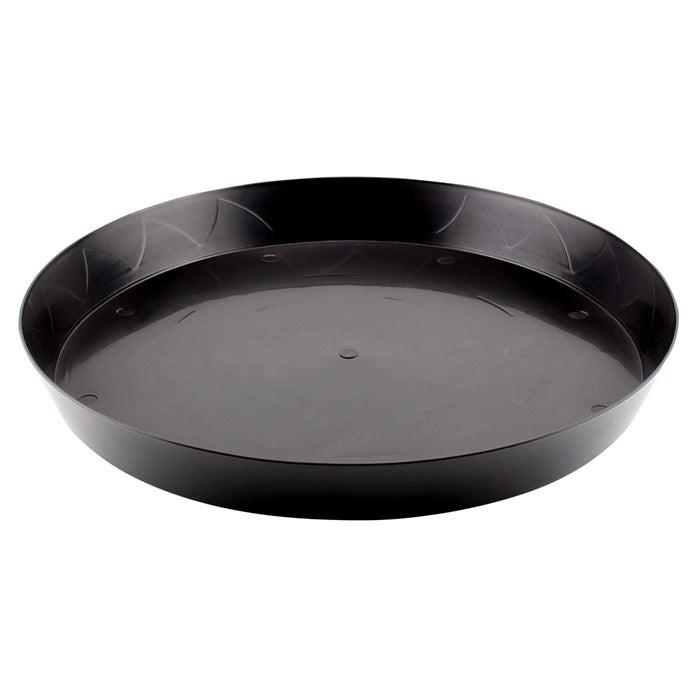
Gro Pro produces fabric pots in standard growing sizes (1 gallon through 200+ gallons), smart pots with side handles for easier transplanting, flat-bottom grow bags for outdoor and greenhouse field use, and plastic nursery containers in the full standard range. Their fabric pots are available in round (standard) and square configurations -- square fabric pots use floor space more efficiently in tight indoor growing setups where circular pots leave gap space between containers. Pair with quality hydroponic growing media -- coco coir, perlite, or amended soil -- and collection trays for organized runoff management. Fast shipping.
Gro Pro Fabric Pots FAQ
Are fabric pots better than plastic pots for growing?
Fabric pots provide air-pruning benefits that prevent root-bounding and produce a denser, more fibrous root system than plastic containers. This translates to measurably faster growth and better nutrient uptake in many comparisons, particularly for plants that spend 6-12+ weeks in the same container. The tradeoff: fabric pots dry out faster than plastic (the breathable walls lose moisture) and require more frequent irrigation in hand-watered programs -- not a problem in automated drip systems but a consideration for growers hand-watering large plants in large containers. For automated drip growing, fabric pots provide clear benefits with no significant downsides.
What size Gro Pro fabric pot do I need?
Match pot size to your growth phase length and plant training method. Sea-of-green with 1-2 week veg: 1-2 gallon fabric pots. Standard 3-4 week veg with moderate training: 3-5 gallon. Extended veg with SCROG or full LST: 5-10 gallon. Very large single plants: 10-15 gallon or larger. Fabric pots drain faster than plastic, so coco coir growing in fabric benefits from slightly larger containers compared to plastic -- the faster drainage reduces overwatering risk but also means the medium dries faster between irrigations.
Can fabric pots be reused?
Yes -- fabric pots are reusable with proper cleaning between cycles. Remove as much root material as possible from the fabric (shake dry roots loose, brush off stubborn material), soak in a dilute bleach solution (1:10 ratio for 30-60 minutes) or hydrogen peroxide solution to sanitize, rinse thoroughly with clean water, and allow to dry completely before reuse. Check the fabric integrity after each cleaning cycle -- worn or torn areas reduce structural support. With proper maintenance, Gro Pro fabric pots typically last 3-8 grow cycles depending on plant size and cleaning frequency.
Do fabric pots work with ebb and flow systems?
Standard fabric pots are not ideal for ebb and flow flood tables -- the breathable fabric sides allow flood water to wick out horizontally rather than filling the container from the bottom as intended in a flood-drain cycle. For ebb and flow applications, use standard plastic nursery pots with drainage holes or dedicated ebb and flow net pots that allow proper flood-fill and complete drain. Fabric pots work best in drip-irrigated systems, hand-watered programs, and outdoor/greenhouse field applications where drainage management through the bottom is the primary flow path.
What is the difference between round and square fabric pots?
Round fabric pots are the standard configuration -- straightforward construction, full air pruning on all sides, and easy to work with during transplanting. Square fabric pots use floor space more efficiently in indoor growing setups where circular pots leave triangular gaps between containers -- a 4x4 ft growing area fits more plant sites with square pots than round at equivalent container volume. Square fabric pots also sit more stable than round pots on flat surfaces and integrate better with organized container grid layouts common in commercial coco growing setups.