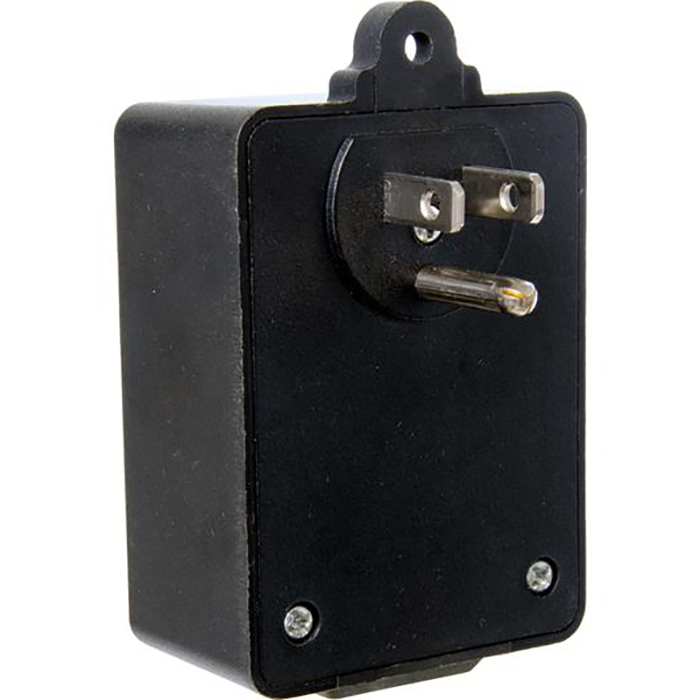
Fan Speed Controllers for Grow Rooms & Tents
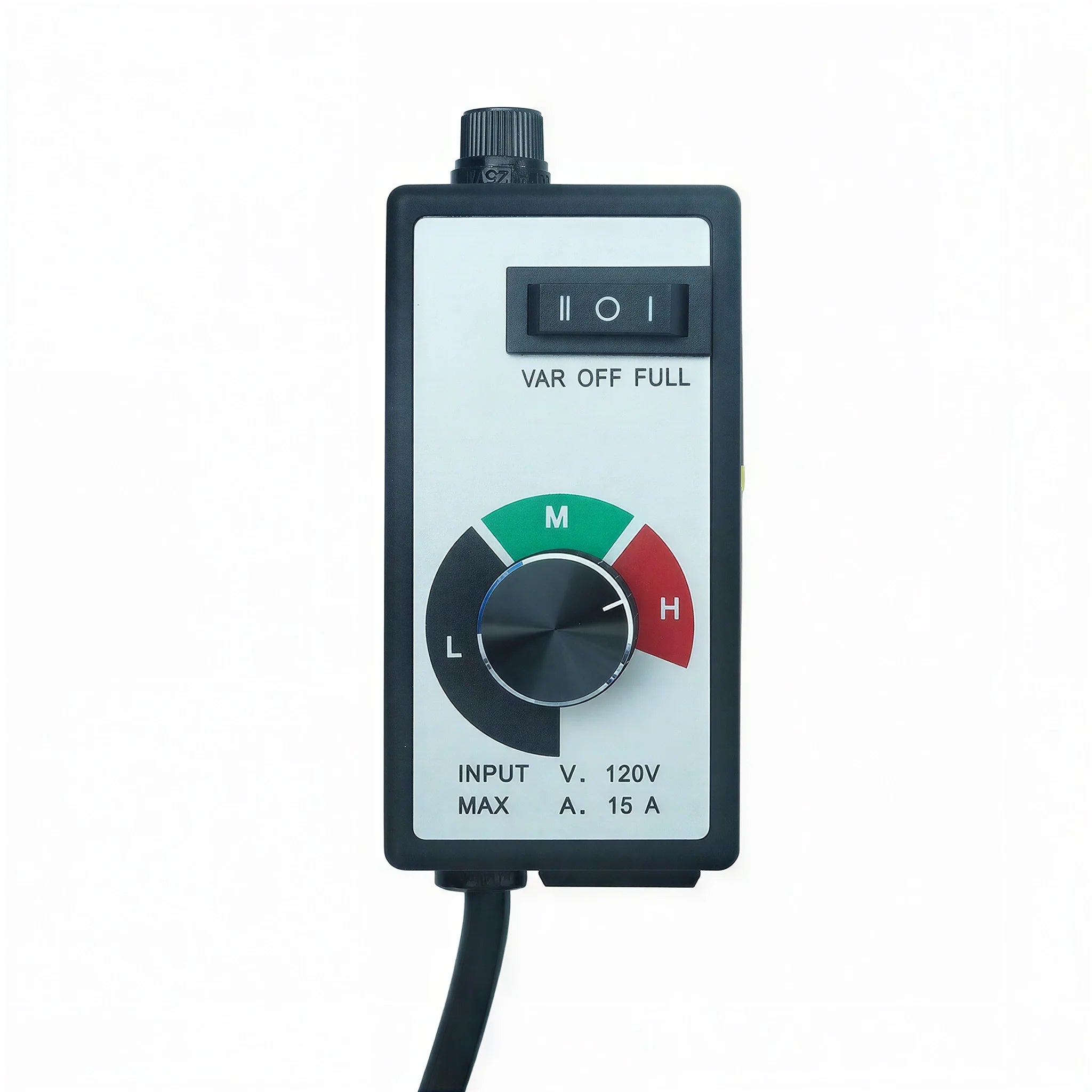
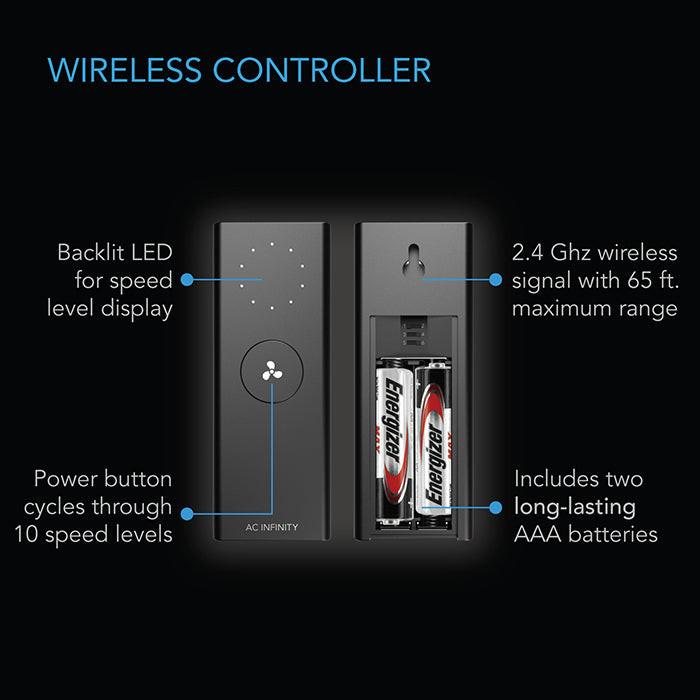
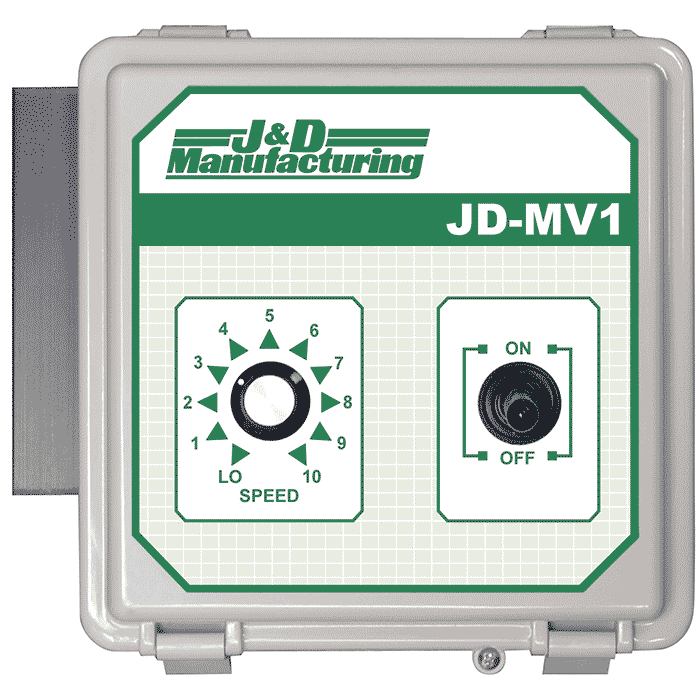
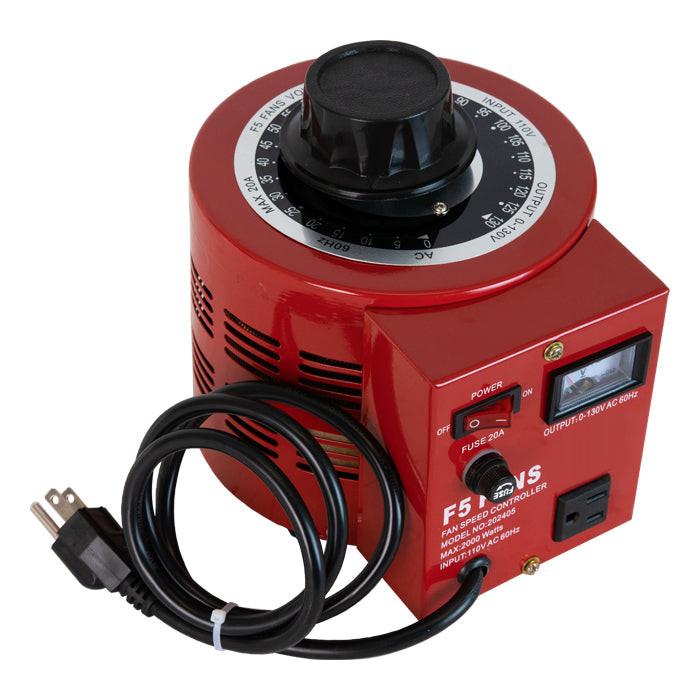
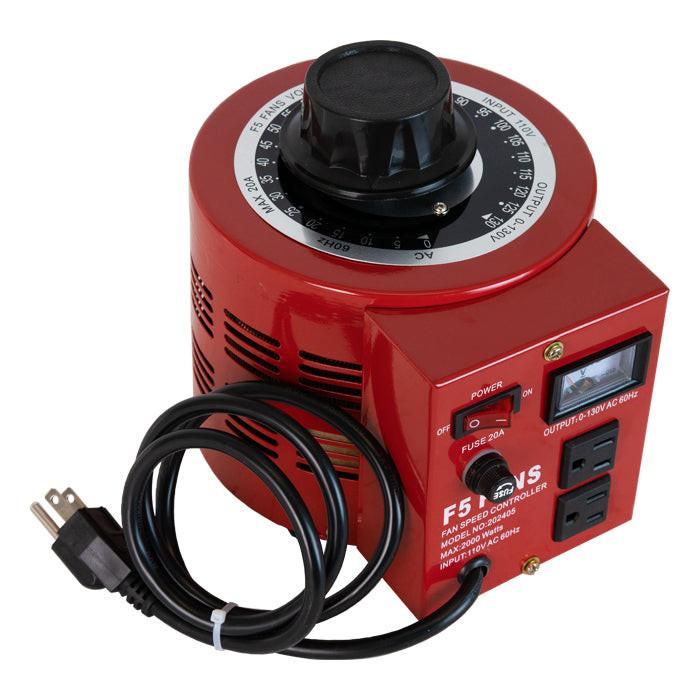
Fan speed controllers allow inline and exhaust fans to run at less than full speed, providing variable airflow rather than the on/off binary of a standard timer or outlet controller. Running the exhaust fan at reduced speed during the lights-off period (when heat load is lower and full airflow is unnecessary) reduces electricity consumption and noise while maintaining adequate air exchange for CO2 replenishment. Variable fan speed also allows precise airflow matching to the actual ventilation requirement -- preventing the over-ventilation that wastes CO2 in enriched sealed rooms and the under-ventilation that allows heat and humidity to accumulate in undersized setups.
Manual vs. Temperature-Triggered Fan Speed Controllers
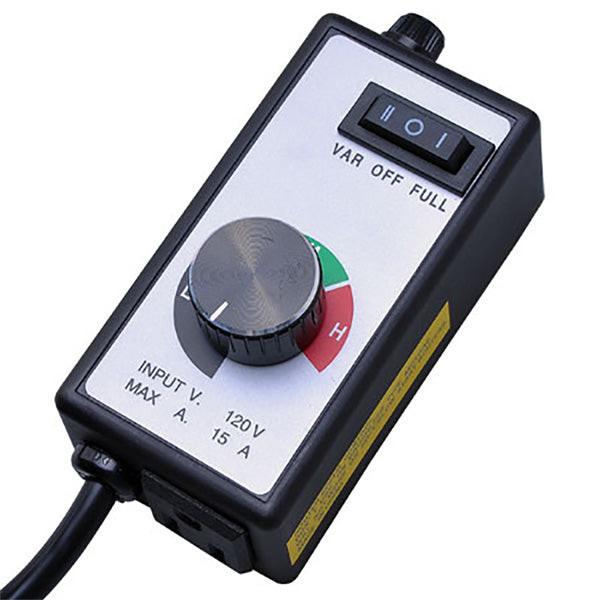
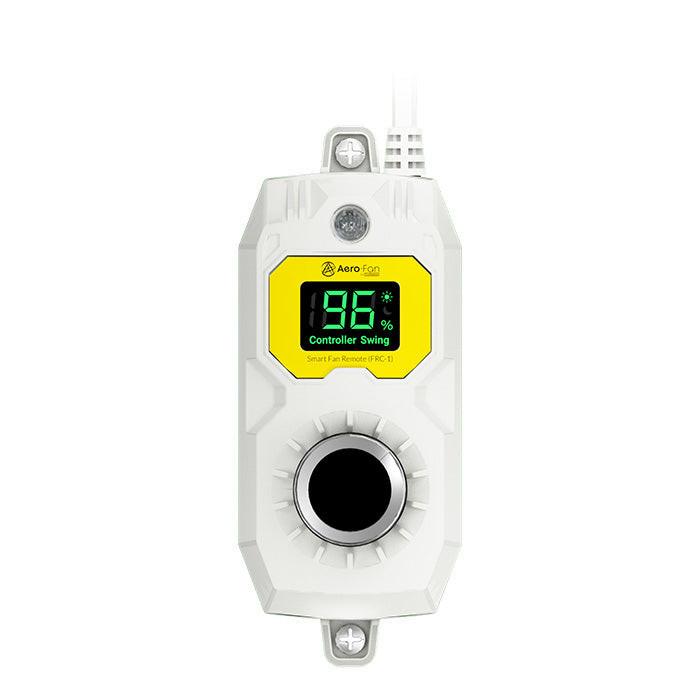
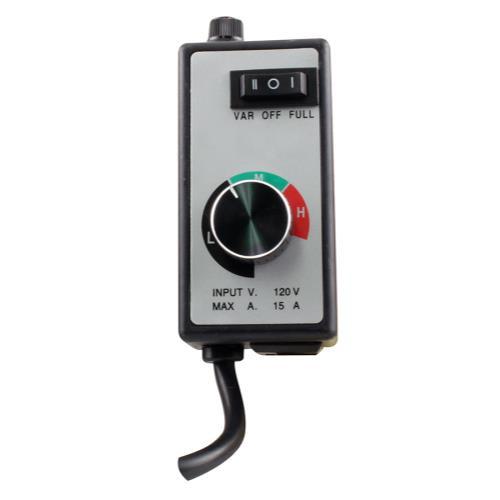
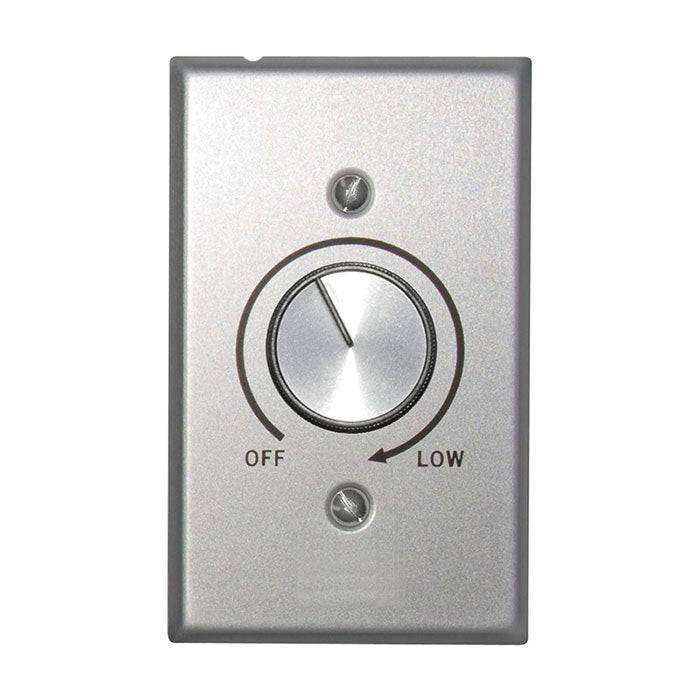
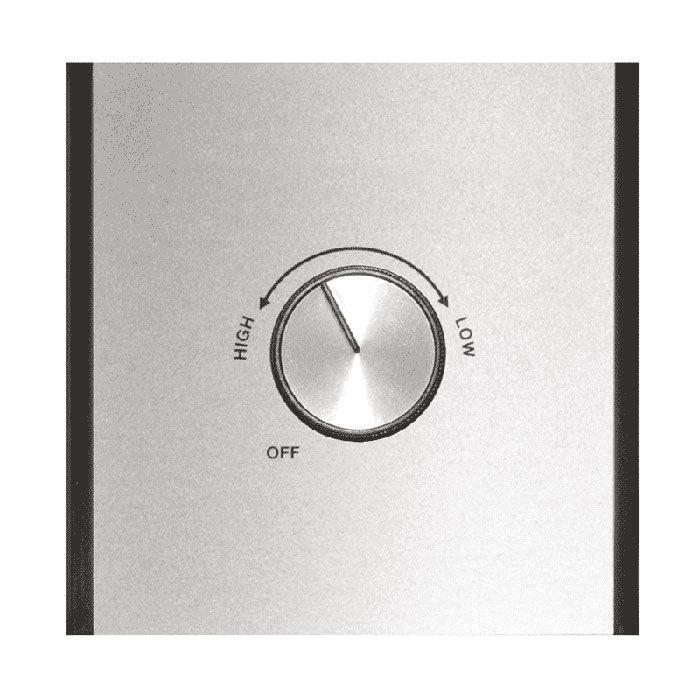
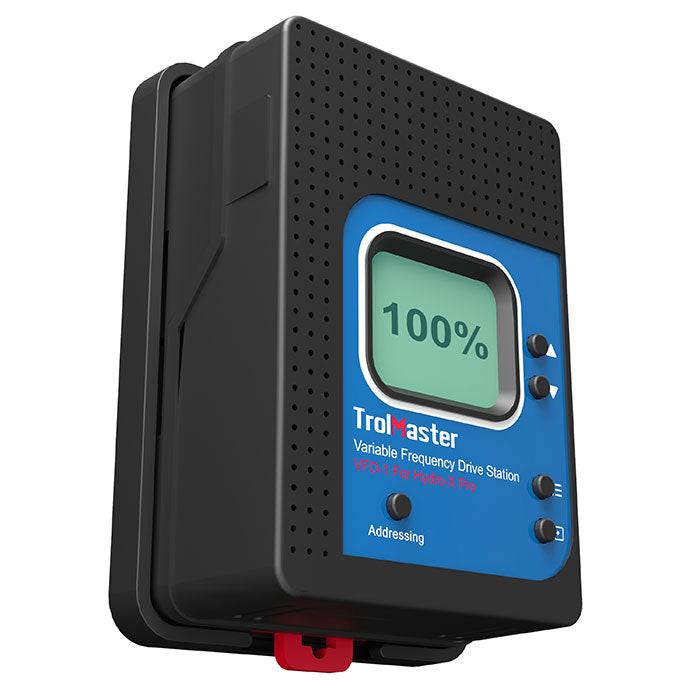
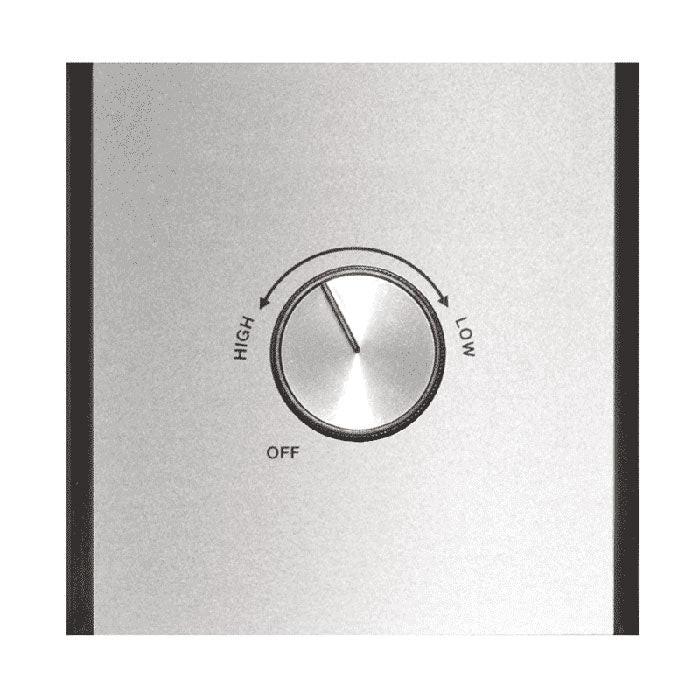
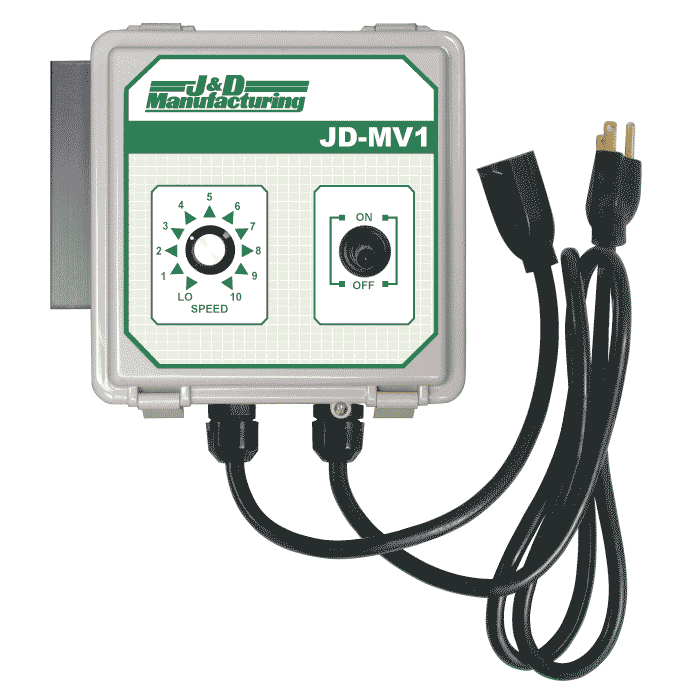
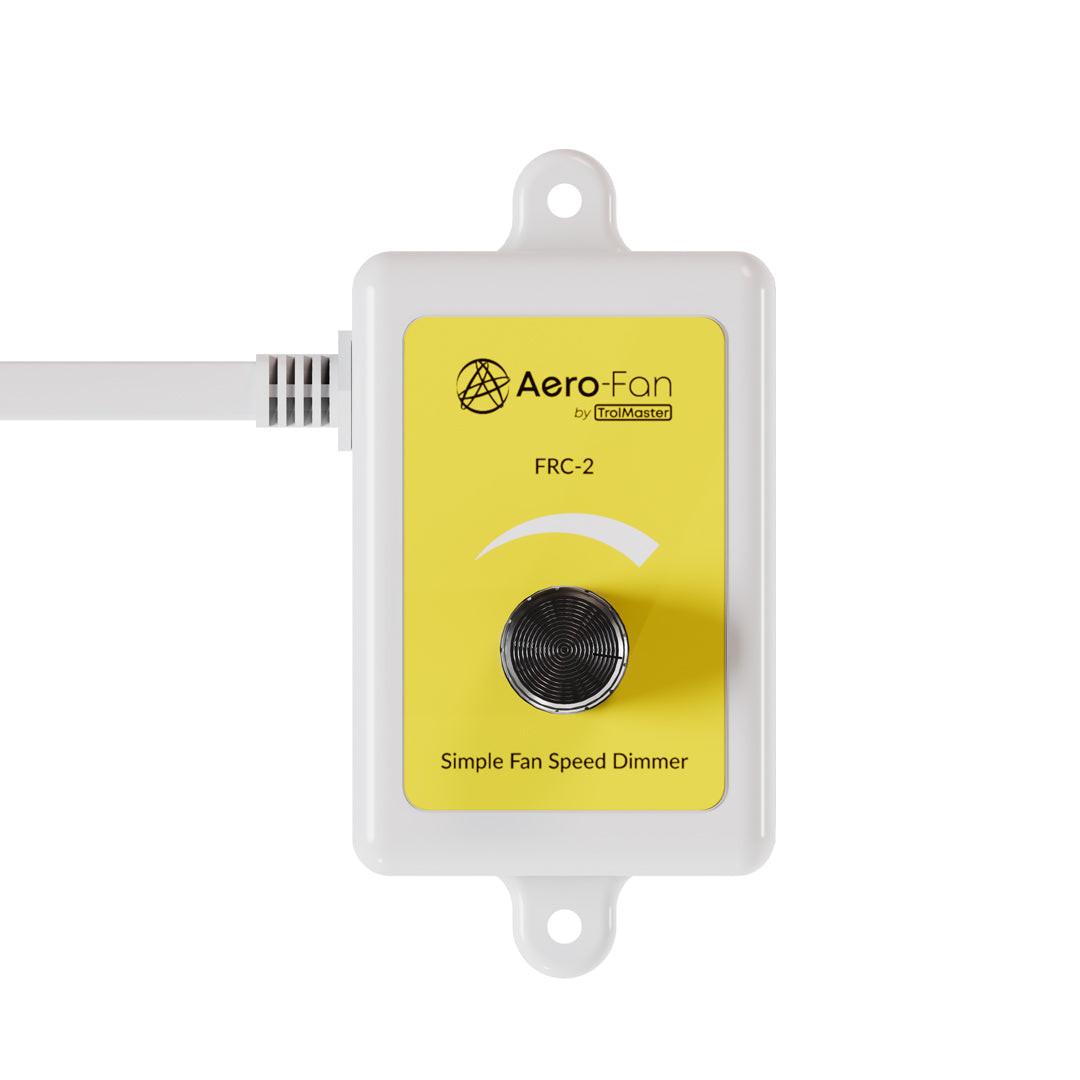
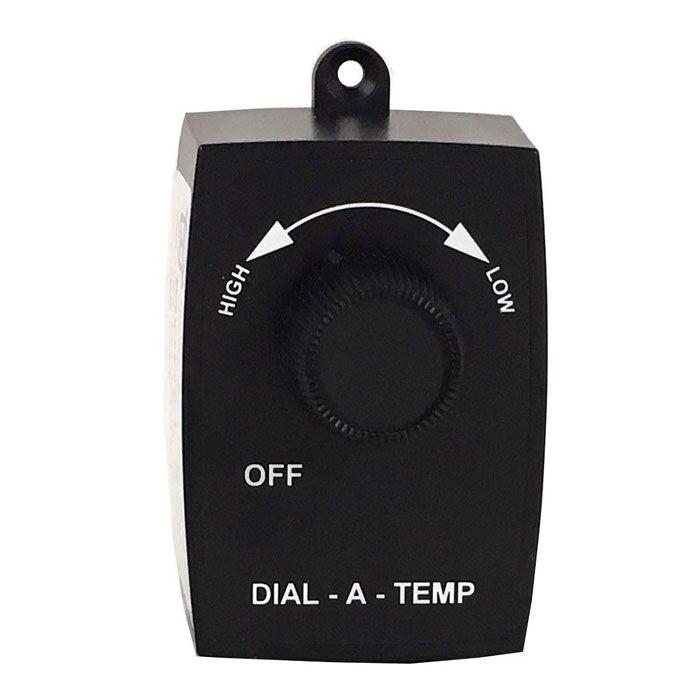
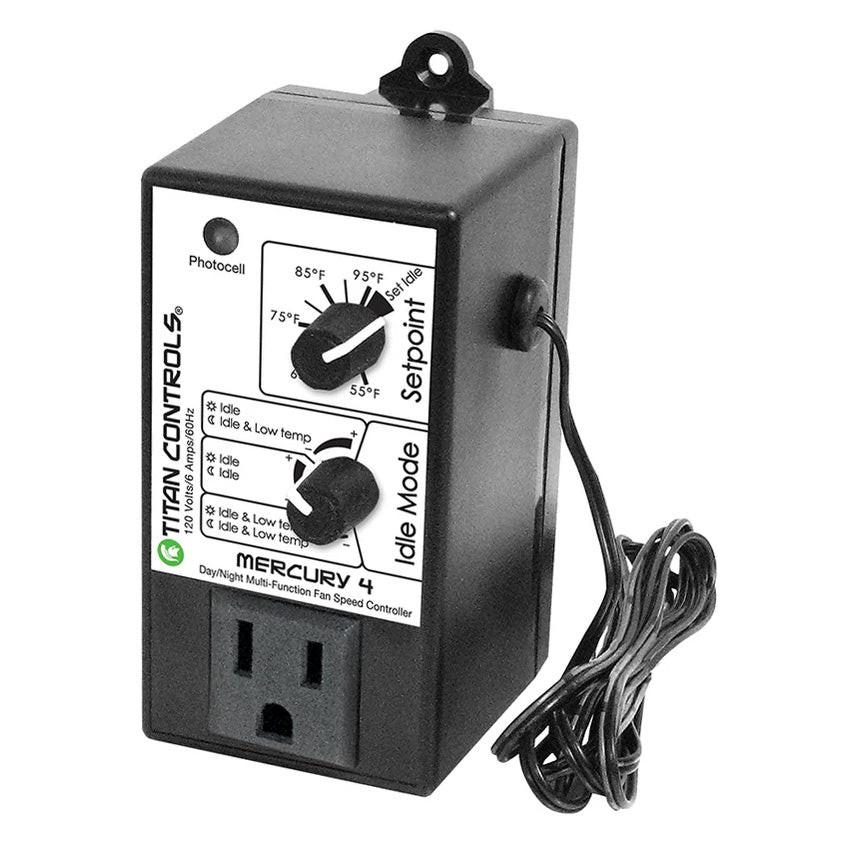
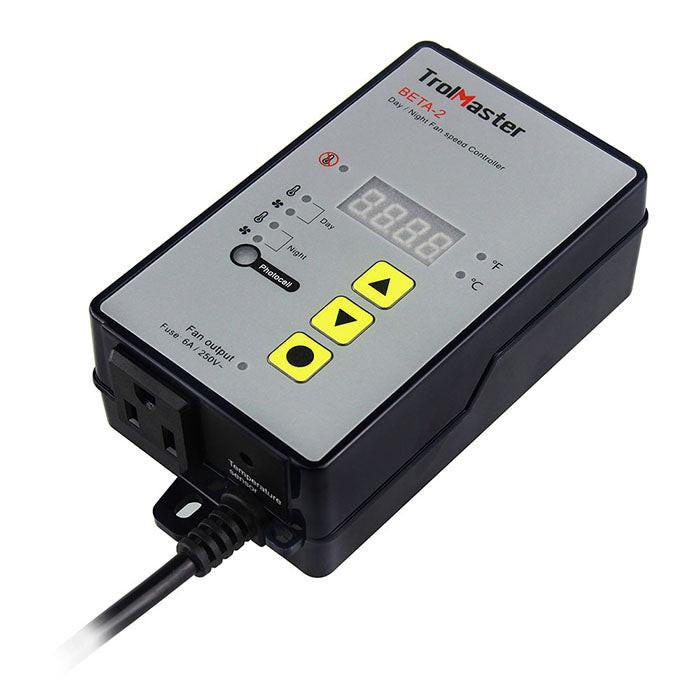
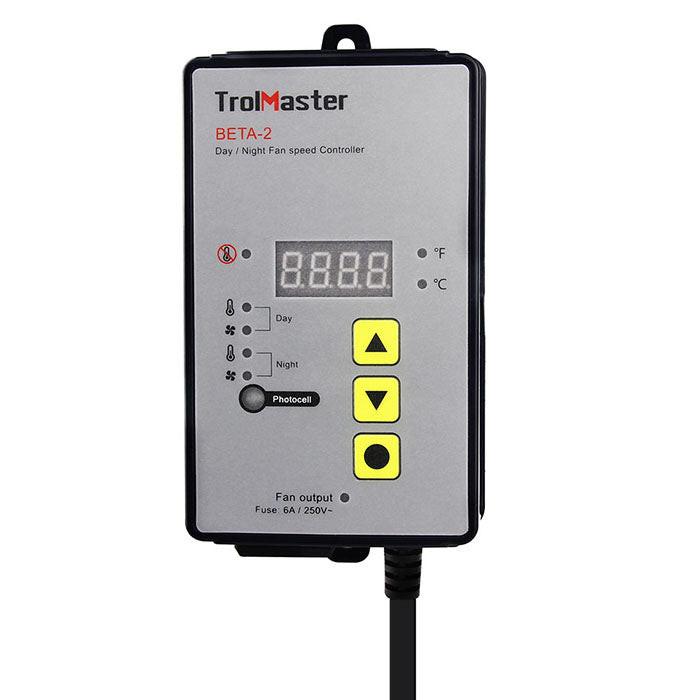
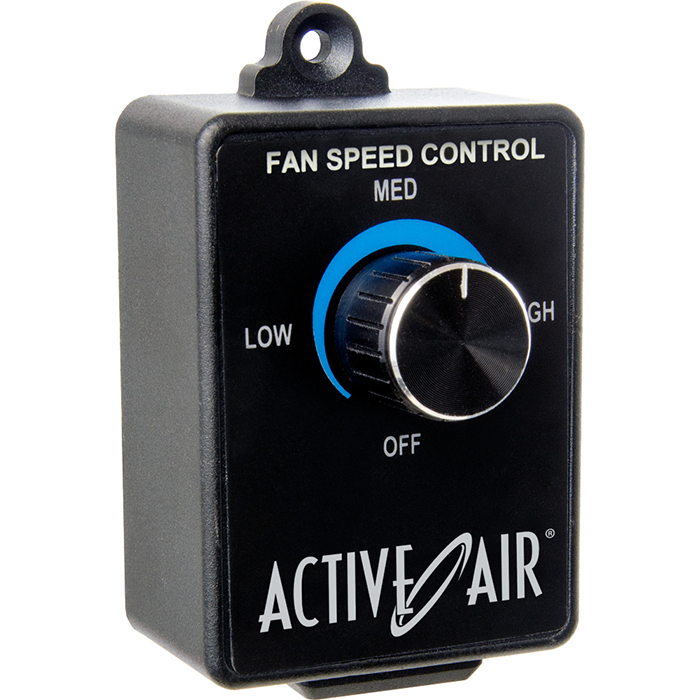
Manual fan speed controllers (dial-type or slide-type) set a fixed speed percentage regardless of conditions -- simple, inexpensive, and reliable for setups where a constant airflow setting is adequate. Temperature-triggered controllers (also called thermostat fan controllers or temperature-speed controllers) automatically increase fan speed when temperature rises above a setpoint and reduce it when temperature falls -- providing dynamic airflow adjustment without manual intervention. For grow rooms with variable heat loads (high-intensity LED or HPS lighting with significant heat output), temperature-triggered control maintains better temperature stability than a fixed speed setting. For complete VPD-based climate automation, a full multi-function environment controller integrates fan speed management alongside temperature, humidity, and CO2 in a single automated system.
Compatibility & Installation
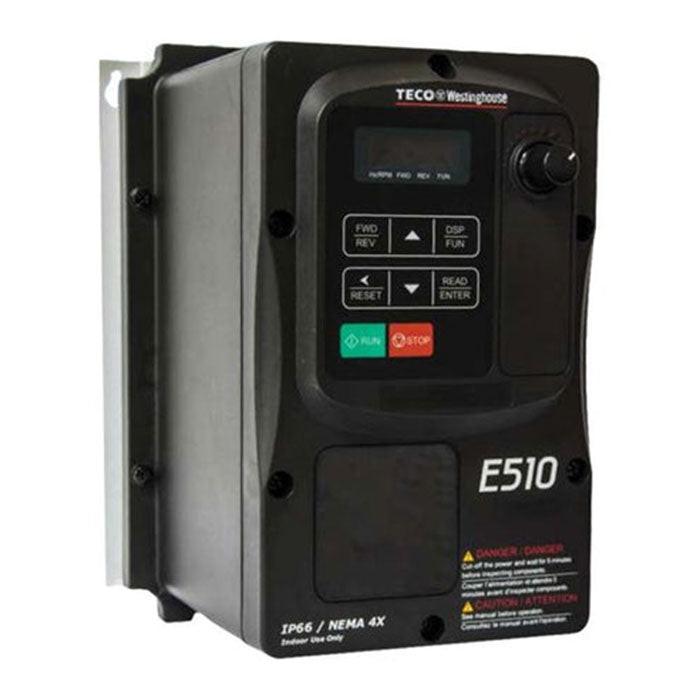
Fan speed controllers must be compatible with the fan type. Standard triac-based speed controllers work with most AC-powered brushed motor fans (the most common type in grow rooms). They are not compatible with EC (electronically commutated) fans -- EC fans use their own variable-speed drive built into the fan motor, controlled by a 0-10V signal rather than a triac dimmer. Check your fan's motor type before purchasing a speed controller -- most budget-priced inline fans use AC motors that are triac-compatible; premium EC fans from Can-Fan and similar brands require 0-10V control input. Fast shipping.
Fan Speed Controllers FAQ
Why would I want to control fan speed in a grow room?
Running your exhaust fan at full speed at all times draws more electricity than necessary and vents CO2-enriched air from the growing space faster than required during low-heat-load periods (lights-off, cooler ambient temps). A speed controller lets you reduce fan speed at night when less ventilation is needed, saving electricity and retaining more CO2. It also allows fine-tuning of negative pressure in the growing space -- some growers prefer slightly positive pressure in propagation areas or more aggressive negative pressure in flowering rooms for odor control. Variable speed also reduces fan noise significantly at lower settings.
Can I use any speed controller with my inline fan?
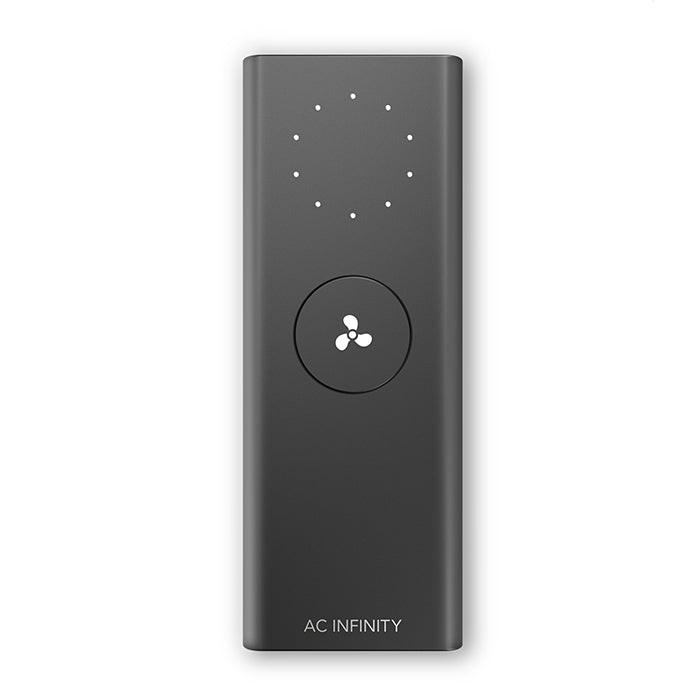
No -- fan speed controller compatibility depends on the fan motor type. Standard AC motor fans (the majority of inline fans in the grow market) are compatible with triac-based speed controllers. EC motor fans (found in premium models from Can-Fan, Systemair, and some AC Infinity models) require a 0-10V analog control signal for speed adjustment -- a standard triac dial controller will not properly control an EC fan and may damage it. Check your specific fan's documentation for its speed control input type before purchasing a controller.
Will running a fan at low speed damage it?
Running standard AC motor fans below their minimum speed rating for extended periods can cause motor heating because the cooling effect of airflow through the motor is reduced. Most quality inline fans specify a minimum speed setting (typically 40-50% of full speed) below which continuous operation is not recommended. For periods when very low airflow is needed (dark period minimum ventilation), a temperature-triggered controller that idles at minimum safe speed and ramps up with temperature is preferable to manually setting a speed below the motor's recommended minimum.
Does fan speed affect carbon filter effectiveness?
Yes -- carbon filters are rated for effective odor removal at a specific maximum airflow (CFM). Running the fan faster than the filter's rated CFM reduces contact time between air and activated carbon, decreasing removal efficiency. Running slower than rated CFM increases contact time, improving removal efficiency -- reduced fan speed generally improves odor scrubbing performance for the same filter. This means fan speed reduction during low-odor periods (veg stage, early cycle) has a doubly positive effect: less electricity consumption and improved odor control at lower airflow rates.
What is the difference between a fan speed controller and a fan timer?
A fan timer switches the fan fully on and off on a schedule -- the fan runs at 100% when on and stops completely when off. A speed controller keeps the fan running continuously at a reduced speed. For most grow room applications, continuous operation at reduced speed is preferable to cycled on/off operation -- continuous airflow maintains more stable temperature and humidity conditions and prevents the condensation events that can occur when air circulation stops completely during the off cycle. Fan timers for grow rooms are most useful for CO2-enriched sealed rooms where the fan intentionally shuts off during CO2 dosing events.