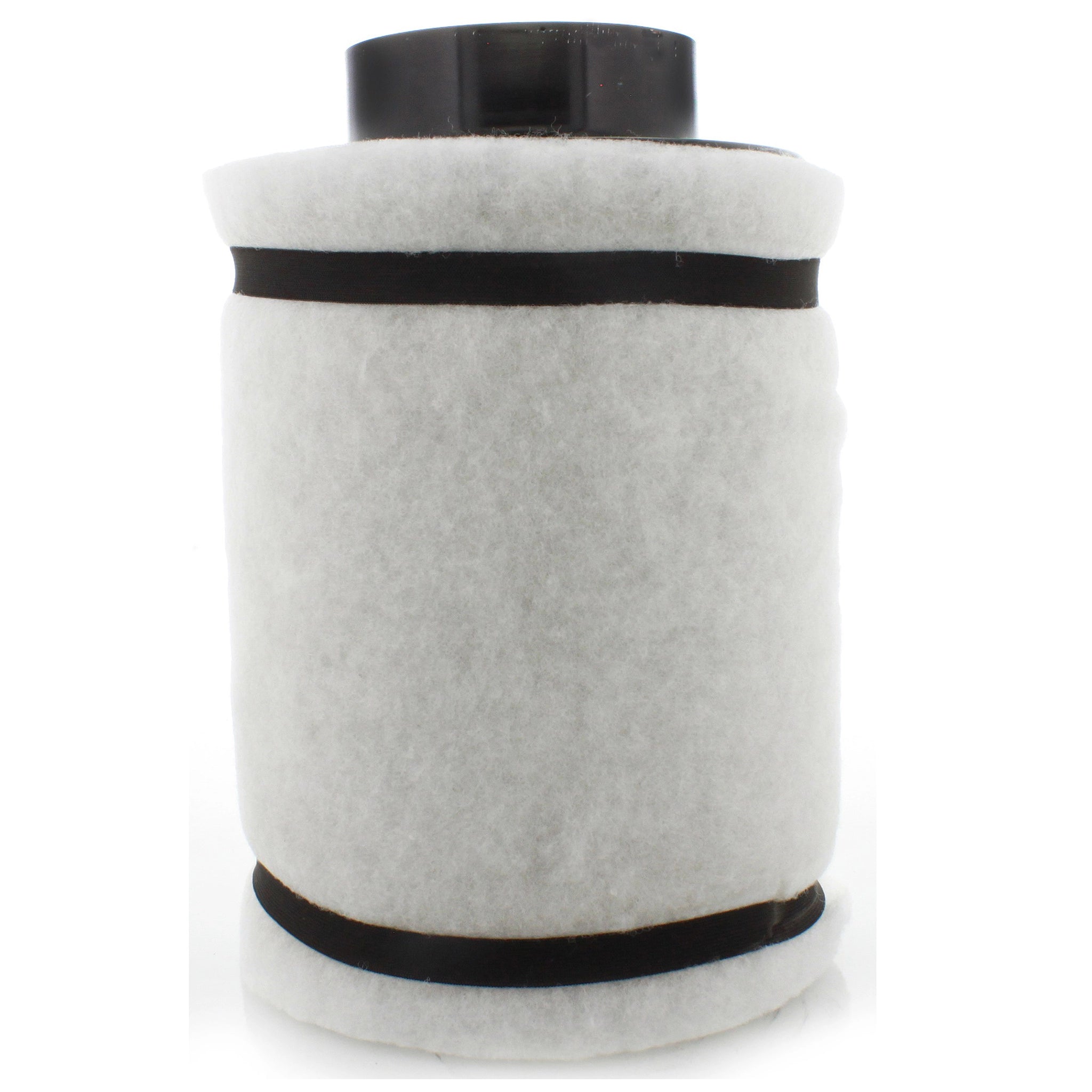
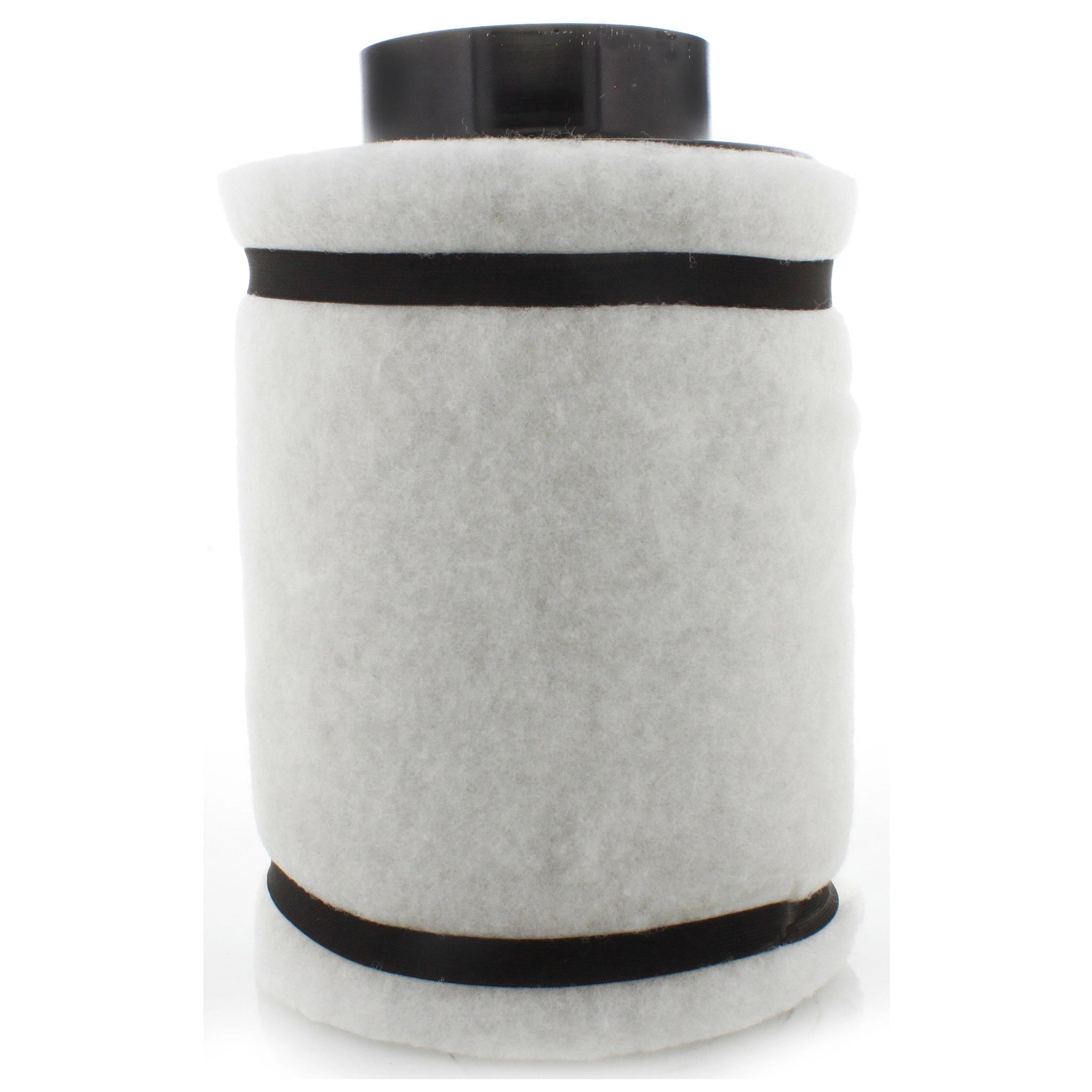
Carbon Filters & Grow Room Exhaust Filters
A carbon filter is the most effective single piece of equipment for managing odors in an indoor growing environment. Activated carbon -- a highly porous form of carbon with an enormous internal surface area -- adsorbs volatile organic compounds (VOCs) from exhaust air as it passes through the filter bed. The result is exhaust air from the grow space that is stripped of the aromatic compounds produced by plants before it enters the living environment. For growers in apartments, homes with shared spaces, or any setting where plant odors are a practical concern, a properly sized carbon filter connected to an inline fan is the standard and most reliable solution.
How Carbon Filters Work
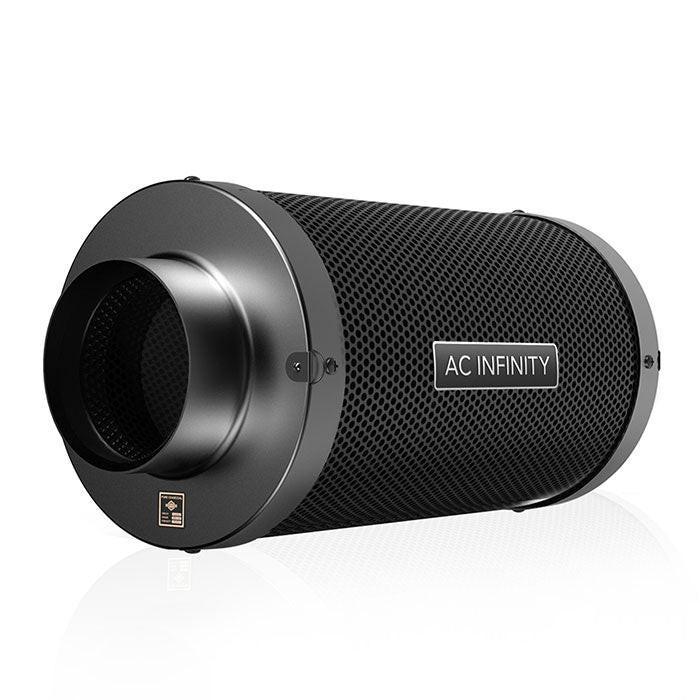
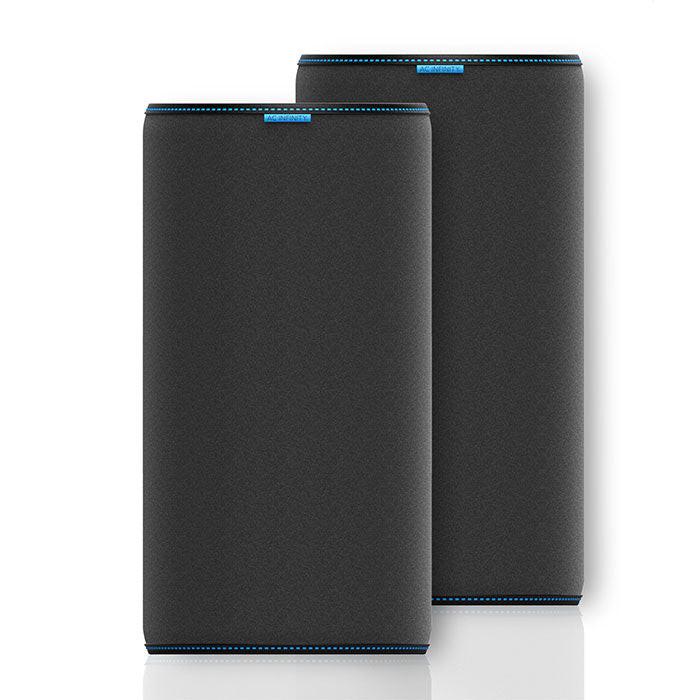
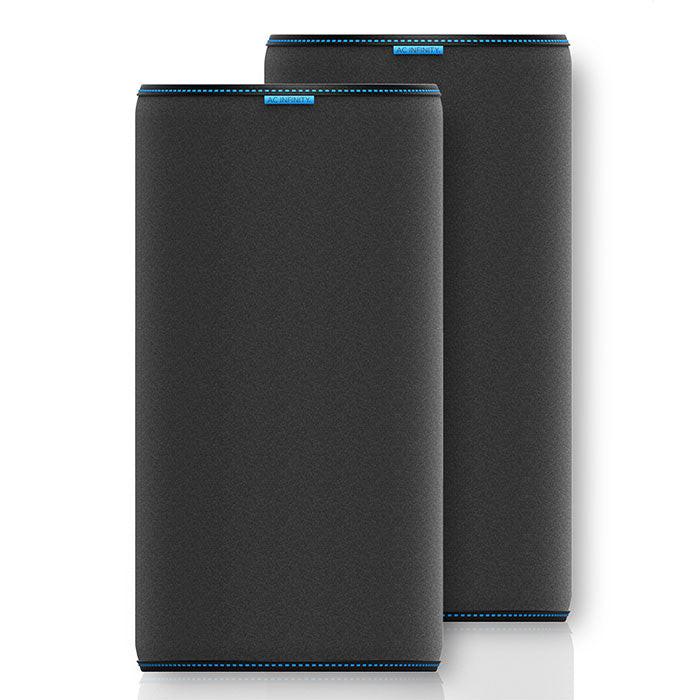
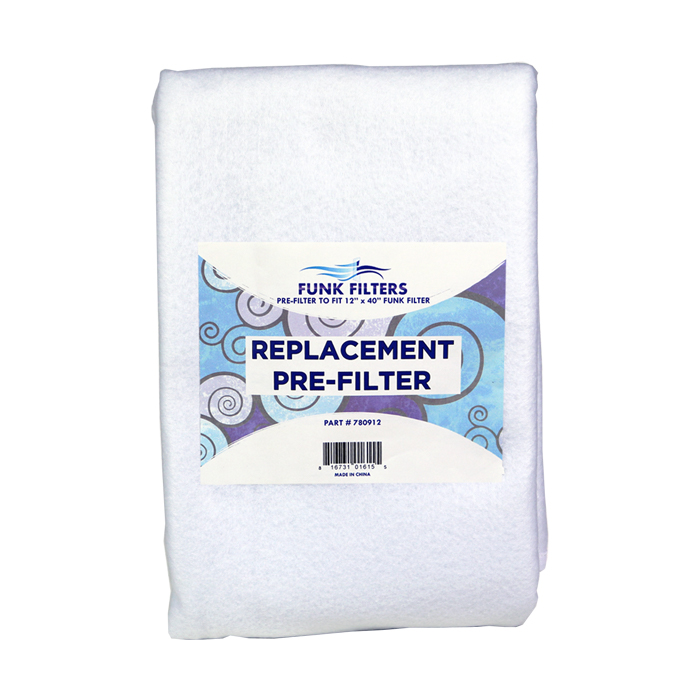
Carbon filters consist of an inner mesh core surrounded by a bed of activated carbon granules, enclosed in an outer mesh shell with a pre-filter sleeve. Air drawn into the filter passes through the pre-filter sleeve (removing particulate and protecting the carbon bed), then through the activated carbon bed where VOC molecules adsorb onto the carbon surface, then out the filter flange into the connected inline fan and ducting. The activated carbon's massive internal surface area -- measured in hundreds to thousands of square meters per gram of carbon -- provides the contact area for this adsorption process. As carbon sites become saturated with adsorbed molecules over time (typically 12-24 months of continuous use), adsorption efficiency drops and odors begin to pass through. At this point the filter should be replaced rather than the carbon reactivated, as DIY reactivation of activated carbon does not reliably restore performance.
Carbon Filter Brands: Can-Lite, Phresh & AC Infinity
Hydrobuilder carries carbon filters from Can-Lite (Australian RC-412 activated carbon, the category standard for consistent quality), Phresh Filter (known for high carbon density and long lifespan), and AC Infinity (good performance-to-price ratio in standard sizes). All are available in 4-inch through 12-inch flange diameters matched to inline fans across the full CFM range. Filter capacity is rated in CFM -- always select a filter rated at or above your inline fan's maximum CFM output. Running a filter below its rated CFM allows air to channel through the carbon bed without full contact, reducing adsorption efficiency and shortening filter lifespan. Browse our complete fan and carbon filter kits for matched bundles with pre-selected compatible fan and filter pairings, or select individual components here for custom configurations.
Sizing Carbon Filters for Your Grow Space
Carbon filter sizing mirrors inline fan sizing: calculate your grow space volume (L x W x H in cubic feet), select a filter rated for that CFM or higher, and confirm the filter flange diameter matches your inline fan. A 4x4x7 ft tent (112 cu ft) with a 4-inch inline fan at 150-170 CFM needs a 4-inch carbon filter rated for at least 150-200 CFM. A 4x8x7 ft tent (224 cu ft) with a 6-inch fan at 350+ CFM needs a 6-inch filter rated for 300-400 CFM. Use our Ventilation & Carbon Filter Sizing Calculator for a precise CFM and filter size recommendation based on your exact dimensions. See our updated grow tent ventilation setup guide for complete installation guidance. Fast shipping.
Carbon Filters FAQ
How long do carbon filters last in a grow room?
Carbon filters last 12-24 months of continuous operation under normal grow room conditions -- moderate humidity, normal temperature, fan running at the filter's rated CFM. Filter life is reduced by: high humidity above 70% RH continuously (humidity reduces activated carbon's adsorption capacity by occupying sites with water molecules), running the fan faster than the filter's rated CFM (channeling reduces contact time and saturates the carbon unevenly), and heavy particulate loading that clogs the pre-filter sleeve. Extend filter life by replacing the pre-filter sleeve every 3-4 months to prevent particulate from reducing airflow through the carbon bed, and by maintaining humidity below 70% at the filter intake.
Should the carbon filter go inside or outside the grow tent?
Inside the tent is standard -- mount the filter to the tent's overhead cross bars using rope ratchets, connect it to the inline fan intake via a short ducting section, and duct the fan exhaust out through a tent port to exterior space. This configuration pulls all tent air through the carbon bed before exhausting, and the slight negative pressure created inside the tent (air is constantly being pulled out) prevents untreated air from leaking through tent seams and zipper gaps. External mounting (filter outside, ducting into tent) can work but requires careful sealing to prevent air bypassing the filter.
What size carbon filter do I need for a 4x4 grow tent?
For a 4x4x7 ft tent with a 4-inch inline fan (150-170 CFM), use a 4-inch carbon filter rated for at least 150-200 CFM. For a 4x4 tent with a 6-inch fan (350+ CFM), use a 6-inch carbon filter rated for 300-400 CFM. The filter's CFM rating must meet or exceed the fan's maximum output -- an undersized filter allows channeling that reduces odor control and shortens filter life. When in doubt, size the filter up rather than down. Use our Ventilation Calculator for a specific recommendation.
Do I need a carbon filter if I use an air purifier?
Carbon filters and air purifiers serve different functions. Carbon filters connected to inline fans remove odors from exhaust air before it leaves the grow space -- addressing the source. In-room air purifiers (UV, HEPA, or activated carbon) treat air within the room itself and can reduce odor buildup inside the grow space, but they do not typically eliminate odors from the exhaust stream leaving the tent or room. For complete odor management -- both within the grow space and in the exhaust -- a carbon filter on the inline exhaust fan is the primary tool. Air purifiers can supplement but generally do not replace an exhaust carbon filter for complete odor control in a ventilated indoor grow.
Why is my carbon filter not working even though it is new?
Several common causes for poor odor control from a new carbon filter: the filter is undersized for your fan's CFM (air channels through without adequate contact with the carbon bed -- verify CFM ratings match); the filter is installed without the pre-filter sleeve (the sleeve is not optional -- without it, air bypasses portions of the carbon bed through the mesh); there are air leaks in your ducting connections that allow untreated air to bypass the filter entirely (seal all connections with duct tape); or humidity is very high at the filter intake, reducing carbon adsorption efficiency. Check each of these before assuming the filter is defective.