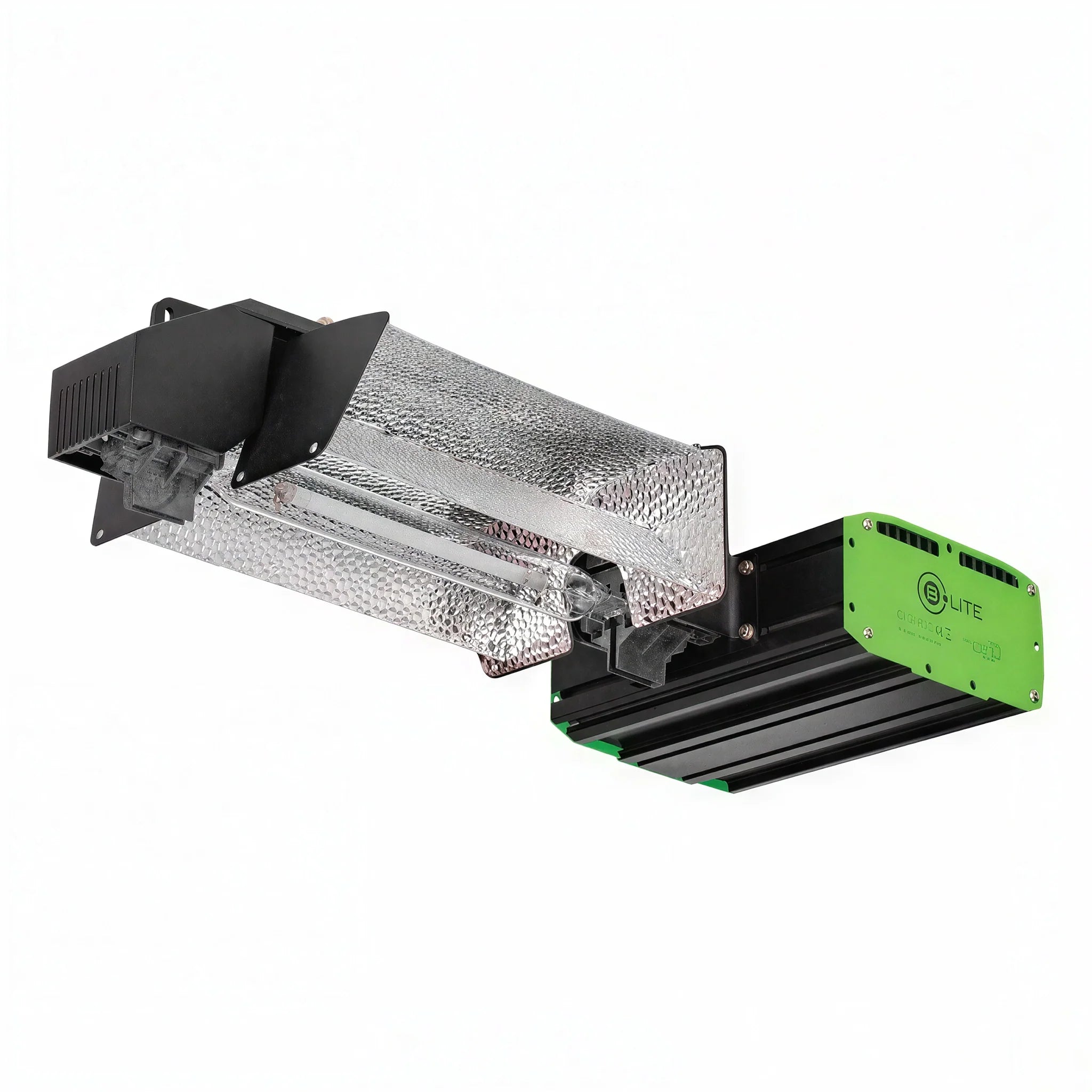
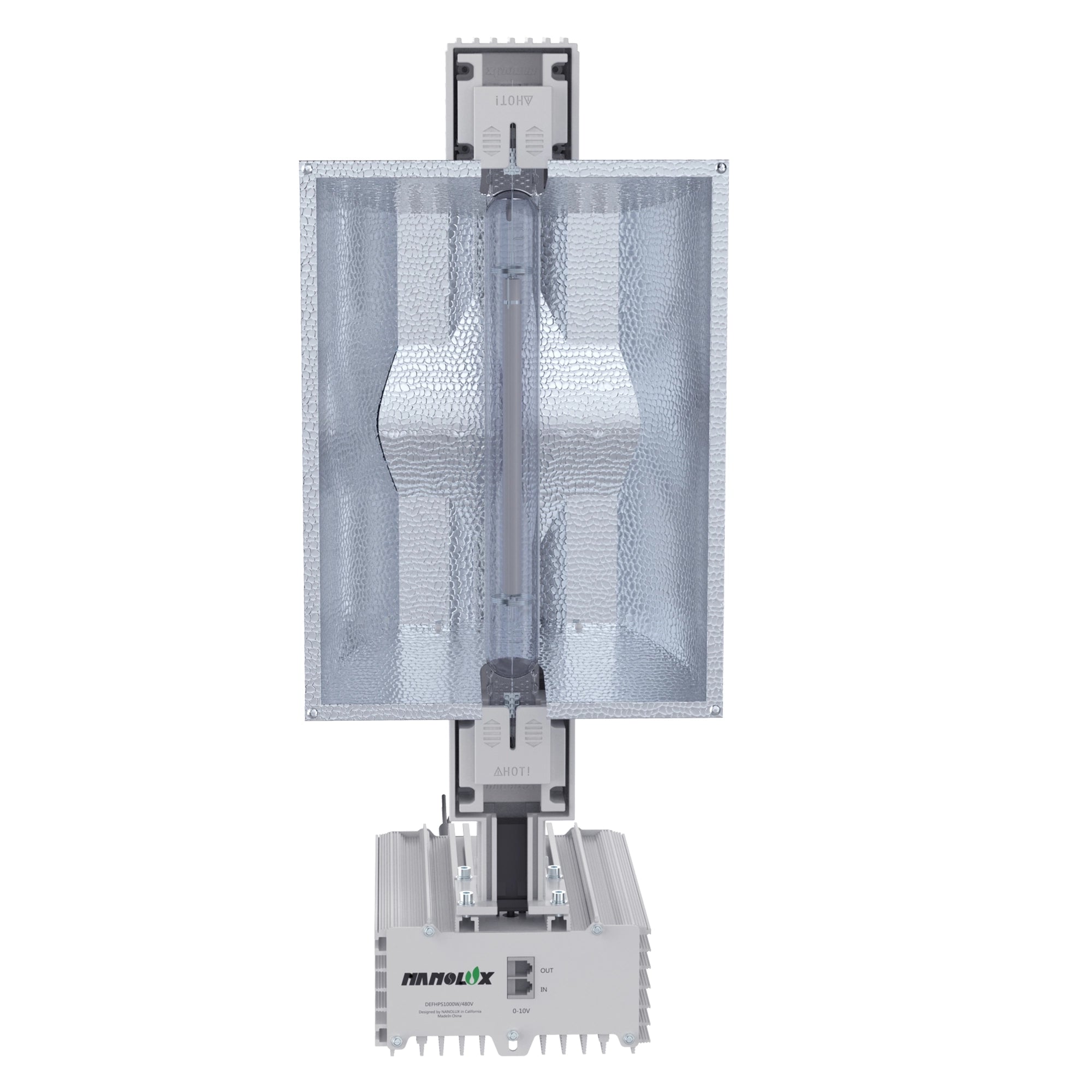
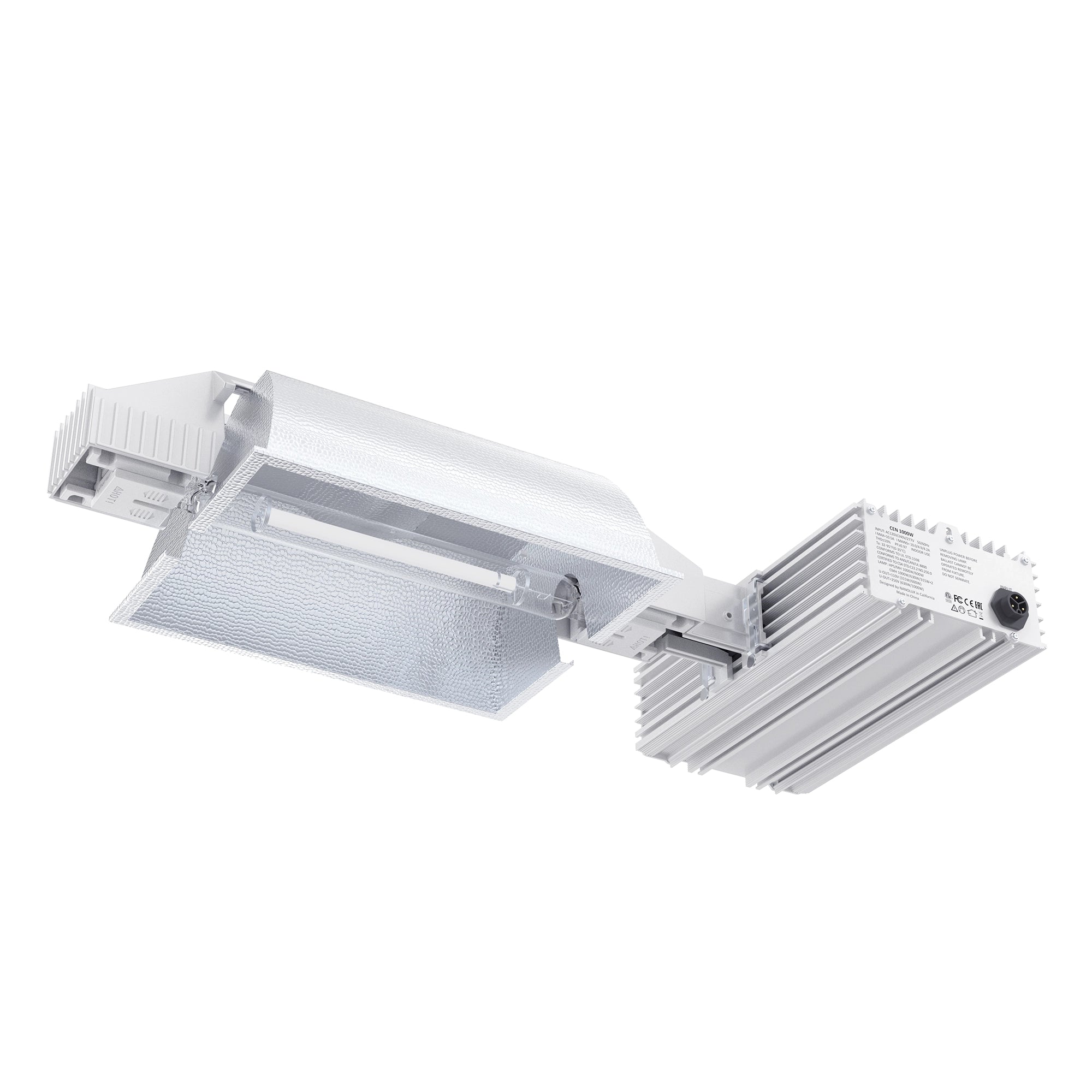
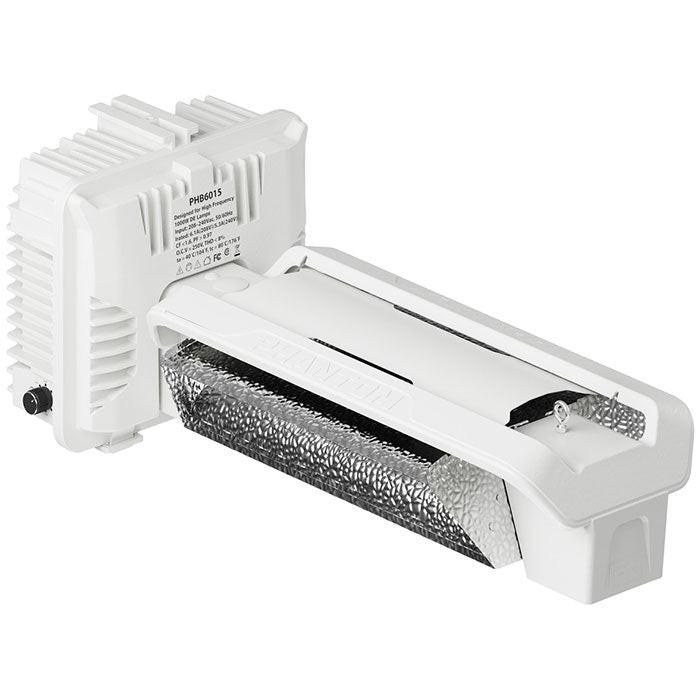
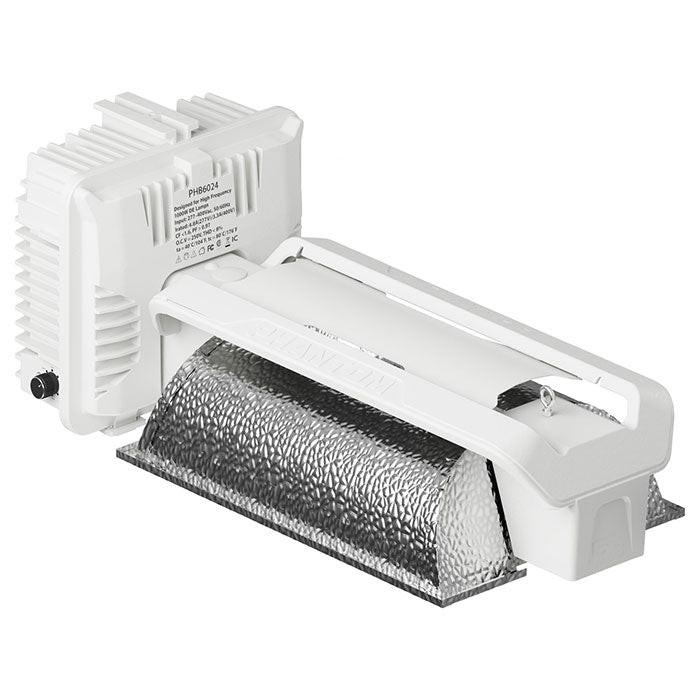
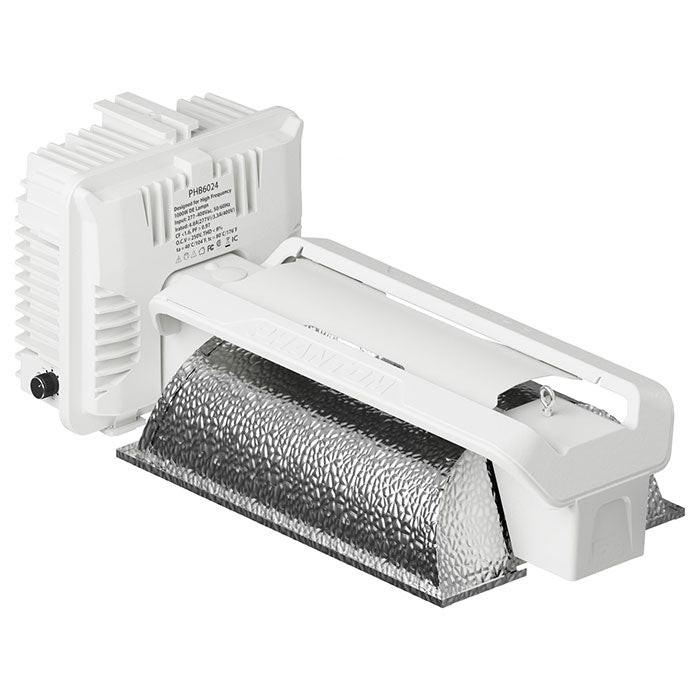
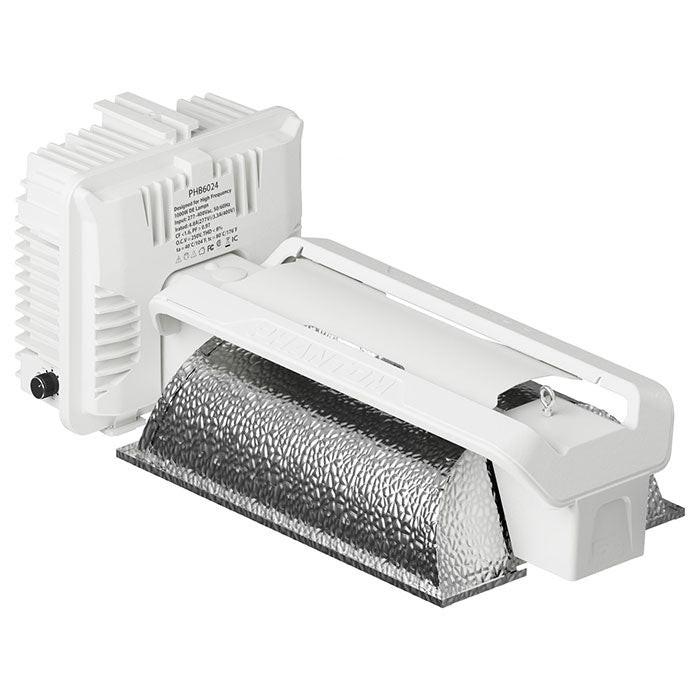
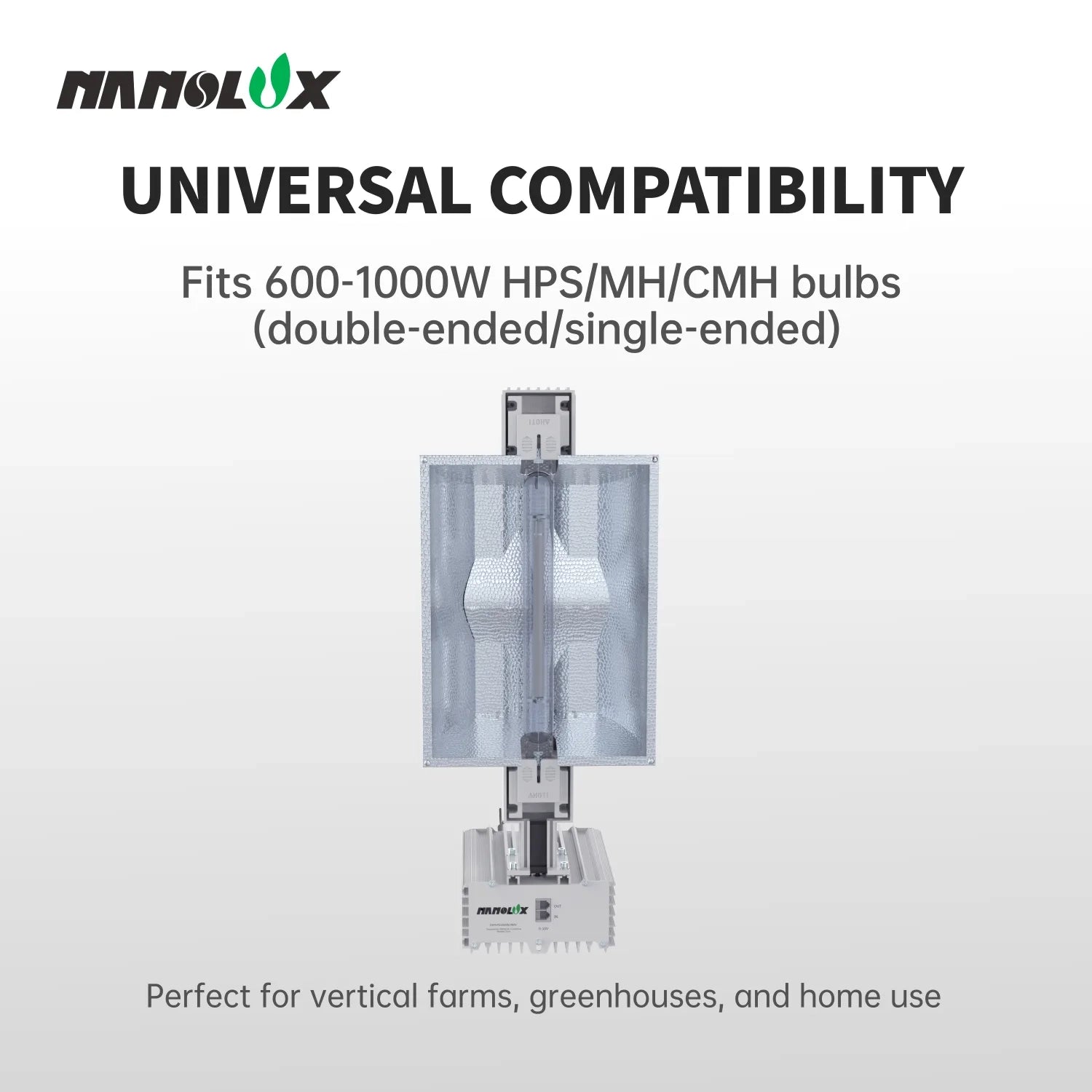
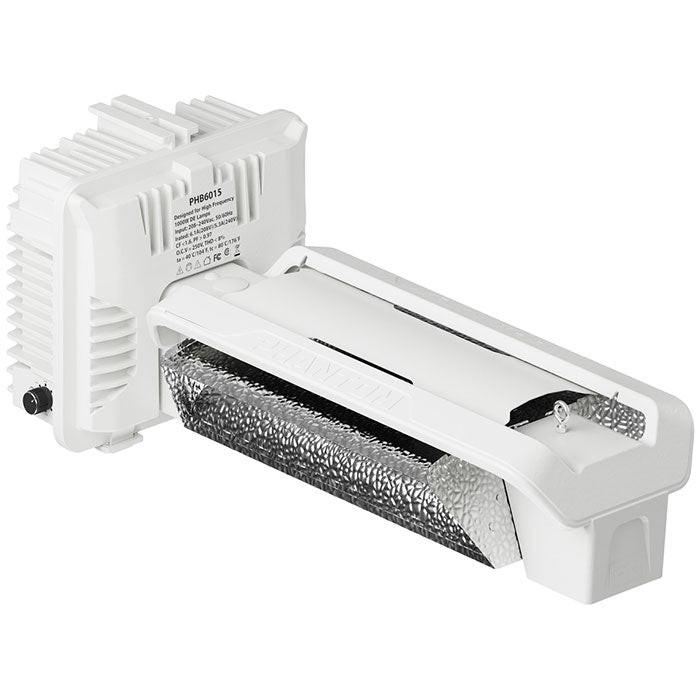
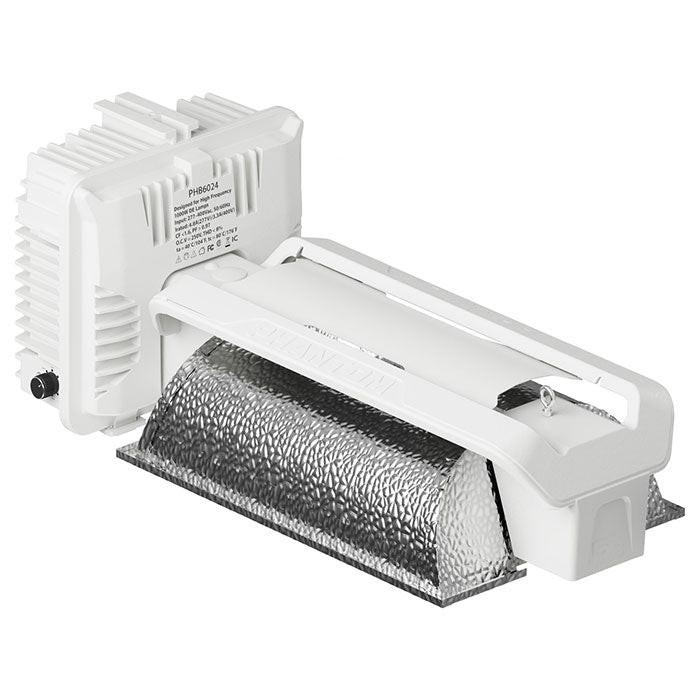
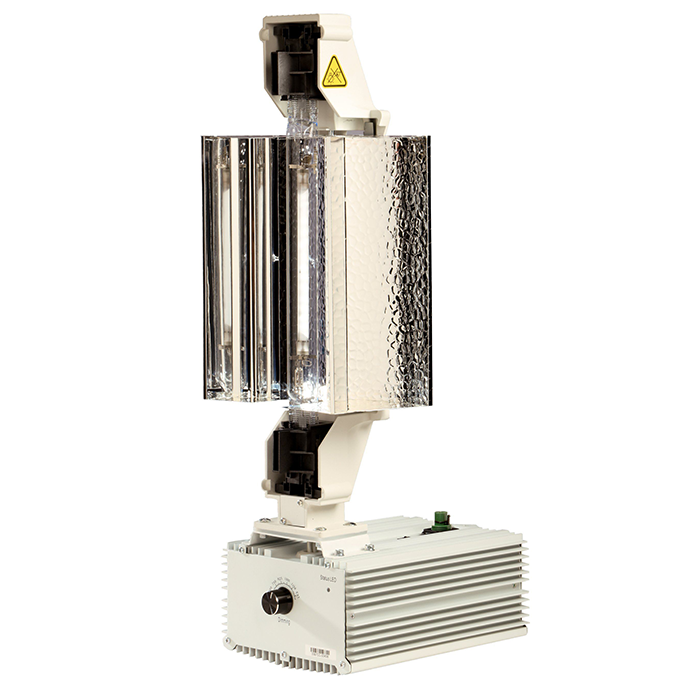
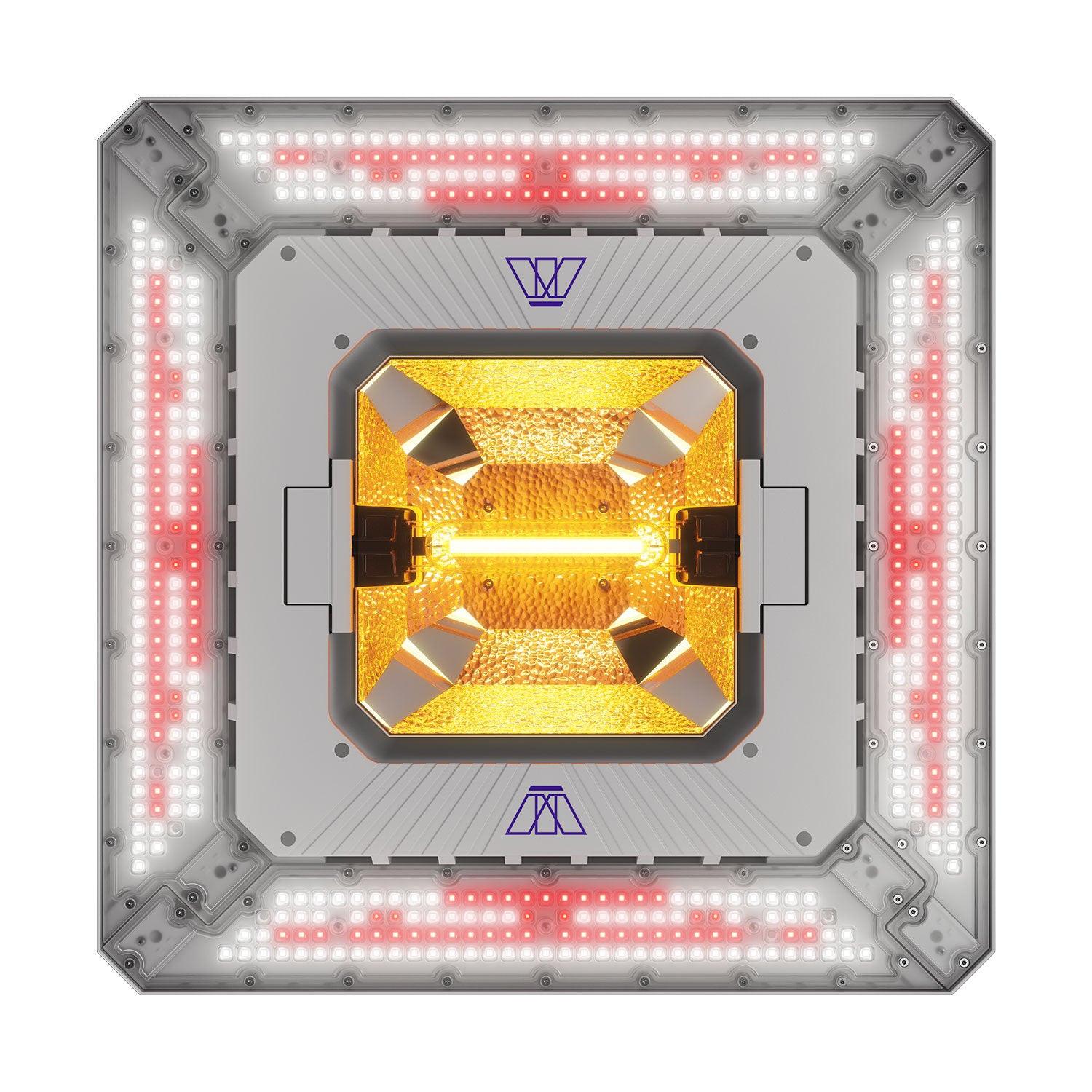
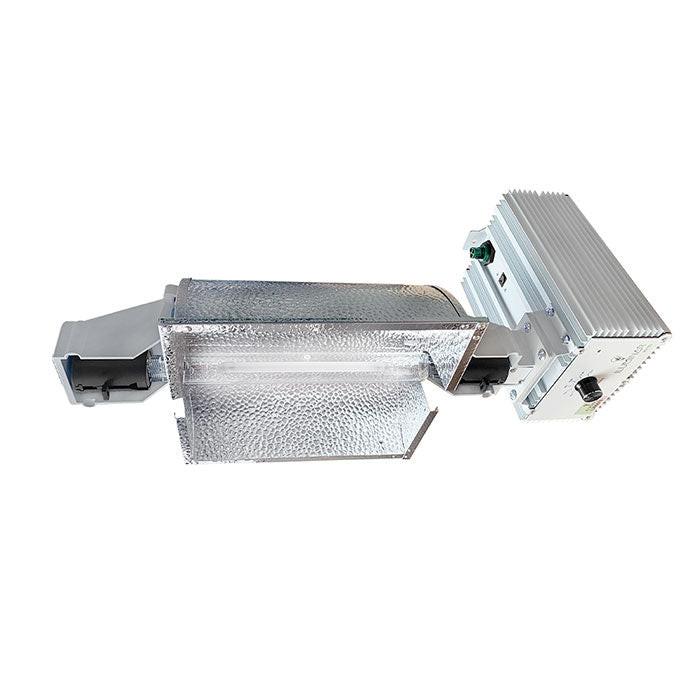
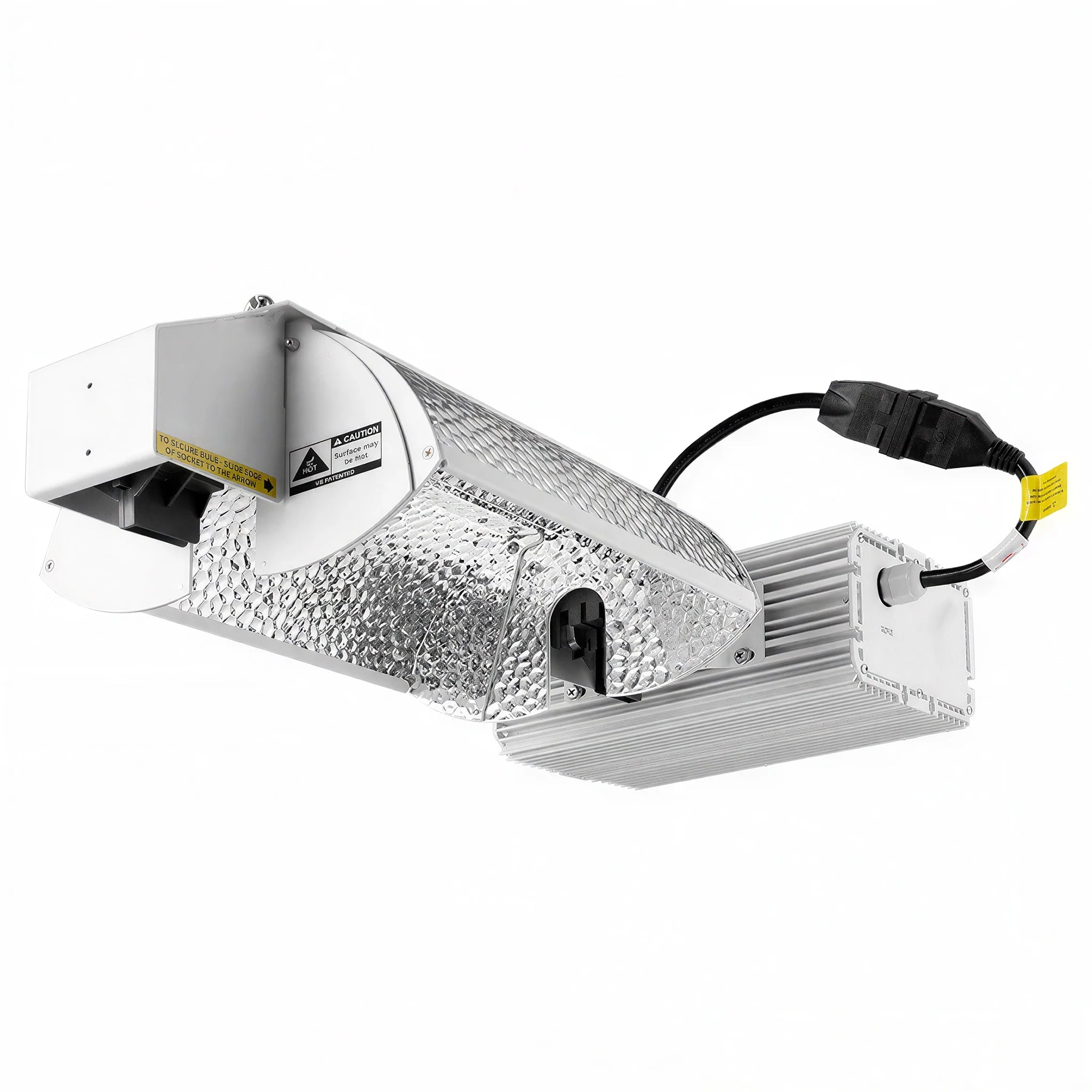
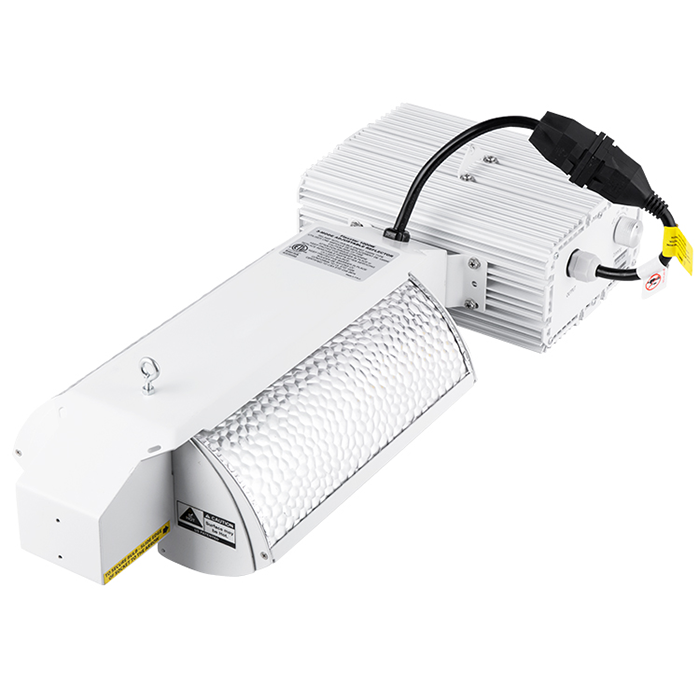
Double-Ended HPS & MH Grow Lights
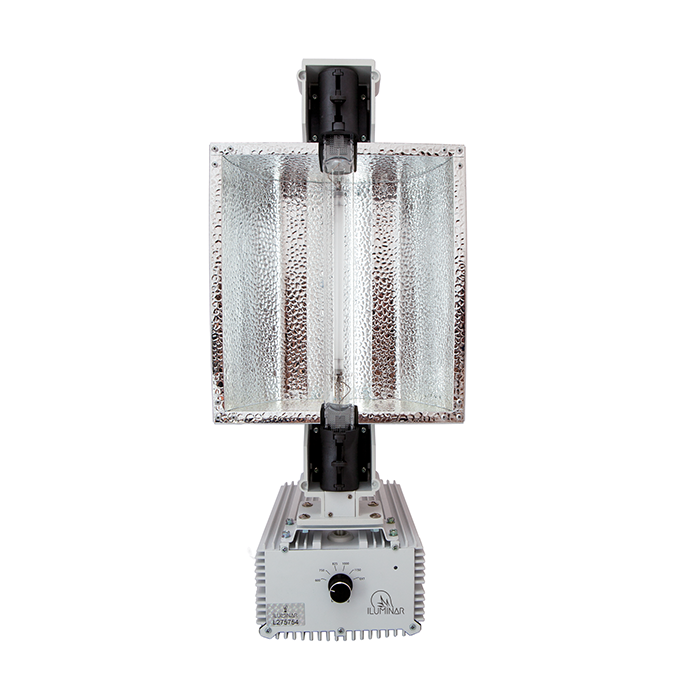
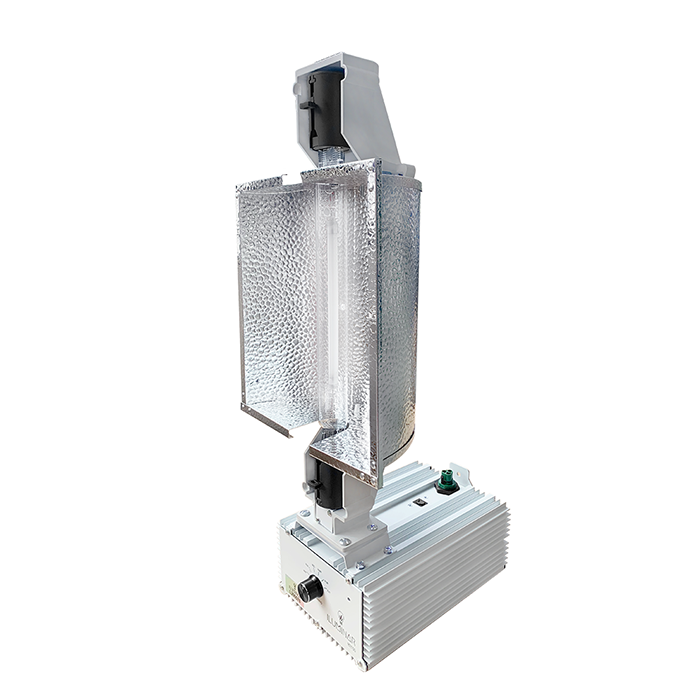
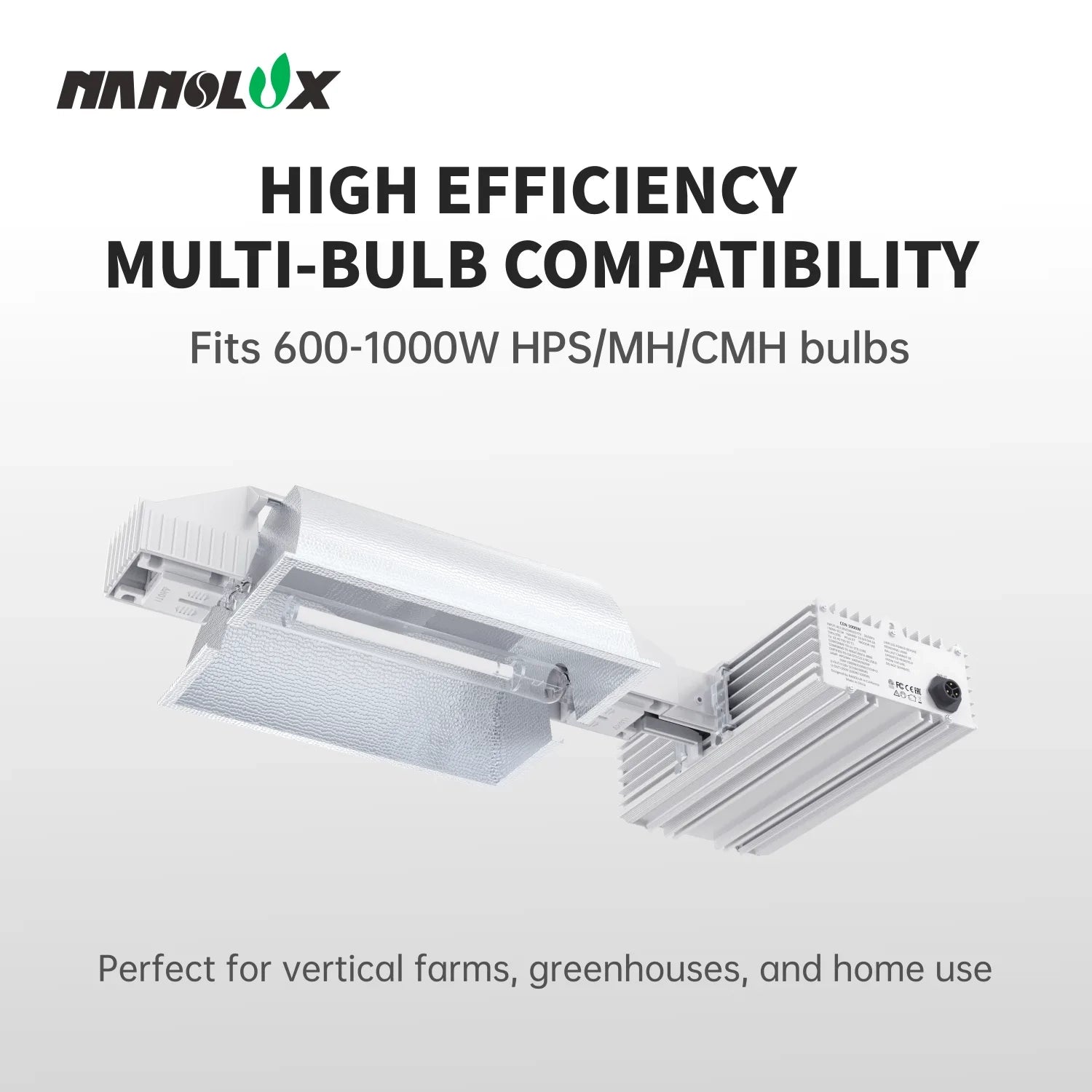
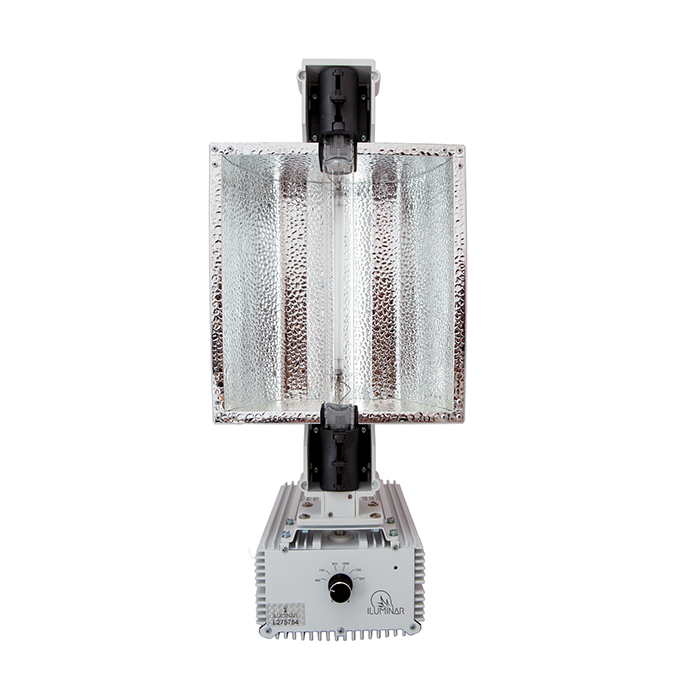
Double-ended (DE) HID grow lights represent the pinnacle of high-intensity discharge lamp technology - producing approximately 30% more light output per watt than single-ended equivalents through a higher-temperature arc tube construction made possible by the two-point connection design. The 1000W DE HPS is the commercial greenhouse production standard that dominated large-scale flowering production for decades before the LED transition began, and remains in widespread use in existing commercial infrastructure worldwide. For growers operating existing DE fixtures or evaluating HID options, the DE format provides the best performance available in the HID category.
DE HPS vs. DE MH: Spectrum for Flowering vs. Vegetative
Double-ended fixtures are available with HPS (high pressure sodium) and MH (metal halide) lamp types. DE HPS produces a red-orange-dominant spectrum optimized for the flowering stage, delivering maximum photon output in the wavelengths most efficiently converted by flowering plants. DE MH produces a blue-dominant spectrum suited to vegetative growth and is sometimes used as a supplemental source alongside HPS in large commercial flowering rooms for spectrum balance. For commercial operations running dedicated veg and flower rooms, DE MH in the veg room and DE HPS in the flower room is a common combination. See our updated SE vs. DE grow lights guide for full technical comparison.
DE Brands: Gavita, Phantom, Iluminar & DimLux
Hydrobuilder carries double-ended grow lights from Gavita (Pro 1000 DE, 1000e DE with E-Series adjustable output), Phantom (DE fixtures and ballasts), Iluminar (DE HPS and CMH fixtures), and DimLux (precision digital DE ballasts for commercial operations). All are qualified brands with verified sales history and commercial adoption. For growers evaluating the LED transition economics - comparing ongoing DE HPS running costs against LED fixture investment - use our Electricity Cost Calculator to model the specific numbers for your electricity rate. Expert support available.
Double-Ended Grow Lights FAQ
Why is DE HPS better than single-ended HPS?
DE HPS lamps connect at both ends, allowing the arc tube to operate at a higher internal temperature. This higher temperature enables a more complete combustion of the sodium chemistry, producing approximately 30% more photon output at identical wattage compared to single-ended HPS. A 1000W DE HPS produces approximately 2,100-2,200 umol/s versus a 1000W SE HPS at 1,600-1,700 umol/s. DE fixtures also maintain their output more consistently over bulb life - SE HPS loses output faster as the bulb ages. The DE format requires a specific double-ended fixture; bulbs and fixtures are not interchangeable between DE and SE.
Should I upgrade from DE HPS to LED?
The economics depend on your electricity rate and how many fixtures you run. A 1000W DE HPS at 2.1 umol/joule is outperformed in photon efficiency by a quality 640-700W LED at 2.9 umol/joule - the LED produces equivalent or greater canopy PPFD at 36% less wattage. In a 10-fixture room, that efficiency gap translates to thousands of dollars in annual electricity savings. Use our Electricity Cost Calculator to calculate the exact payback period for your specific electricity rate and fixture count. For operations where LED capital cost is the constraint, continuing to optimize DE HPS infrastructure while staging a gradual LED transition is a practical approach.