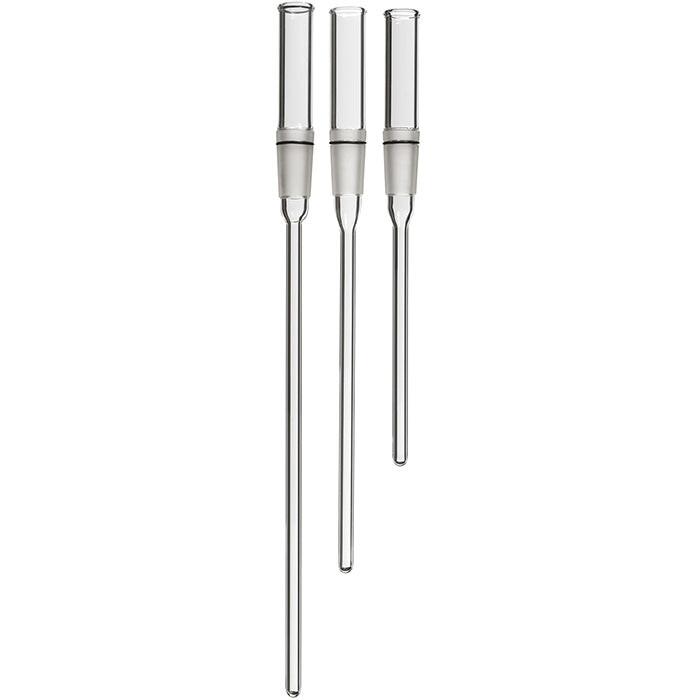
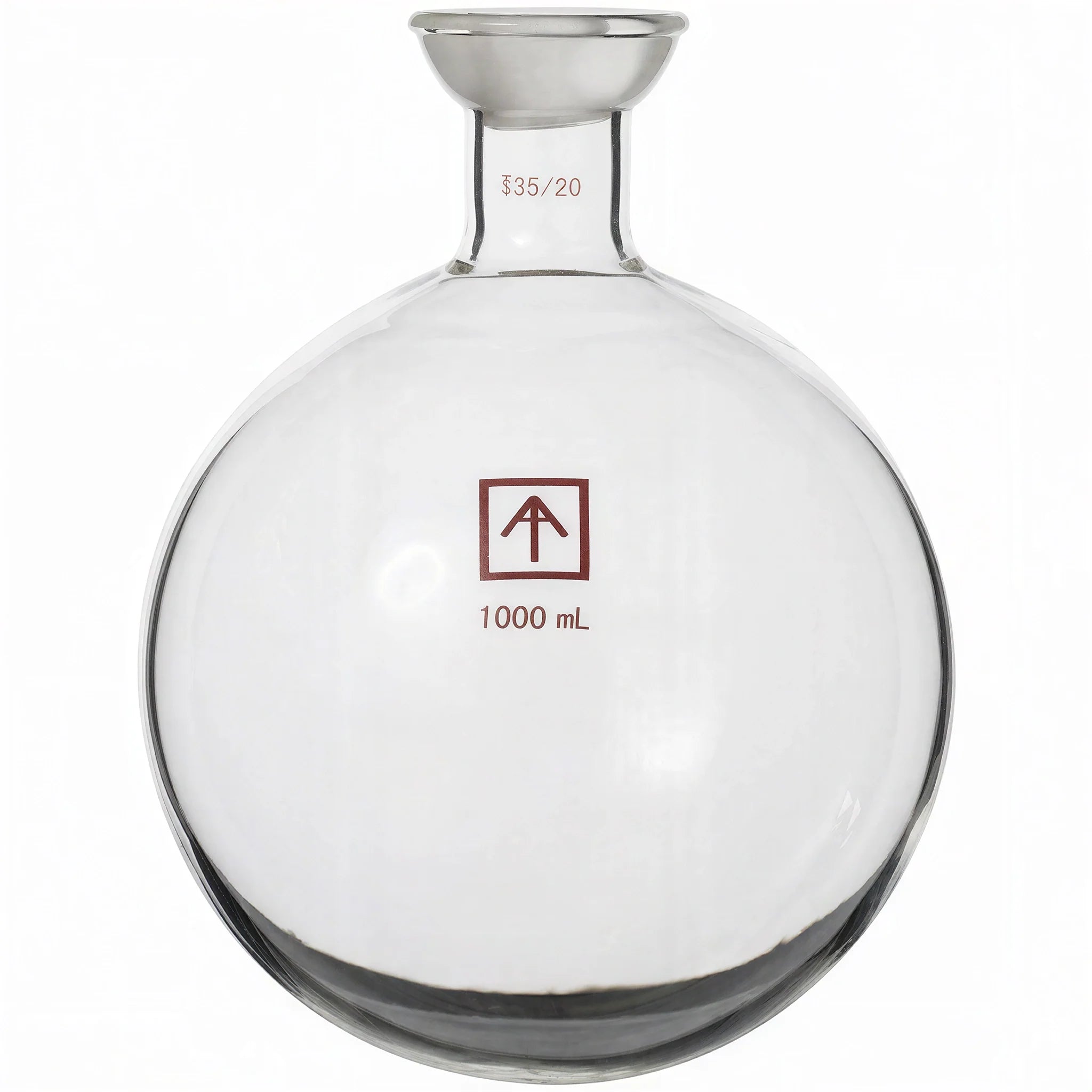
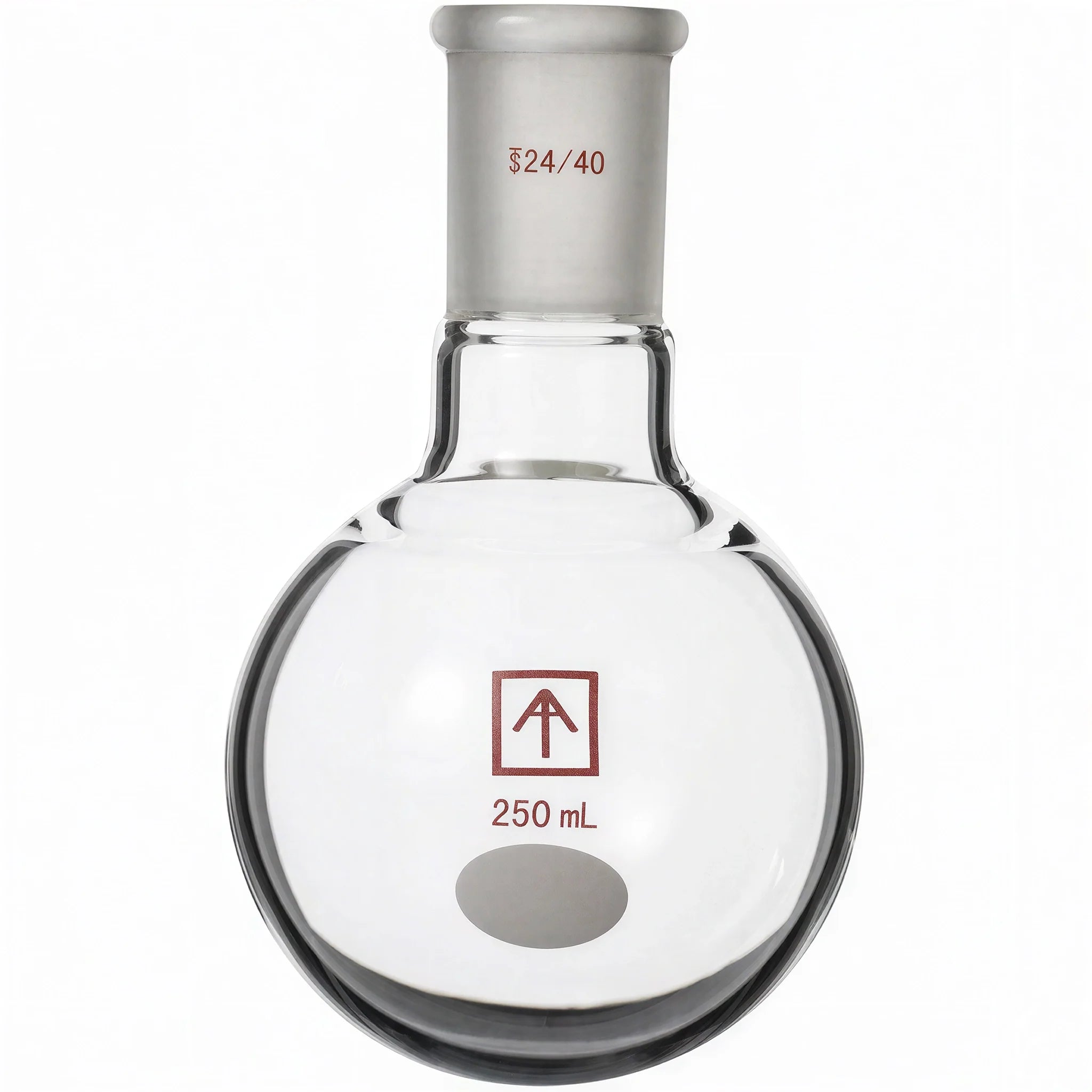
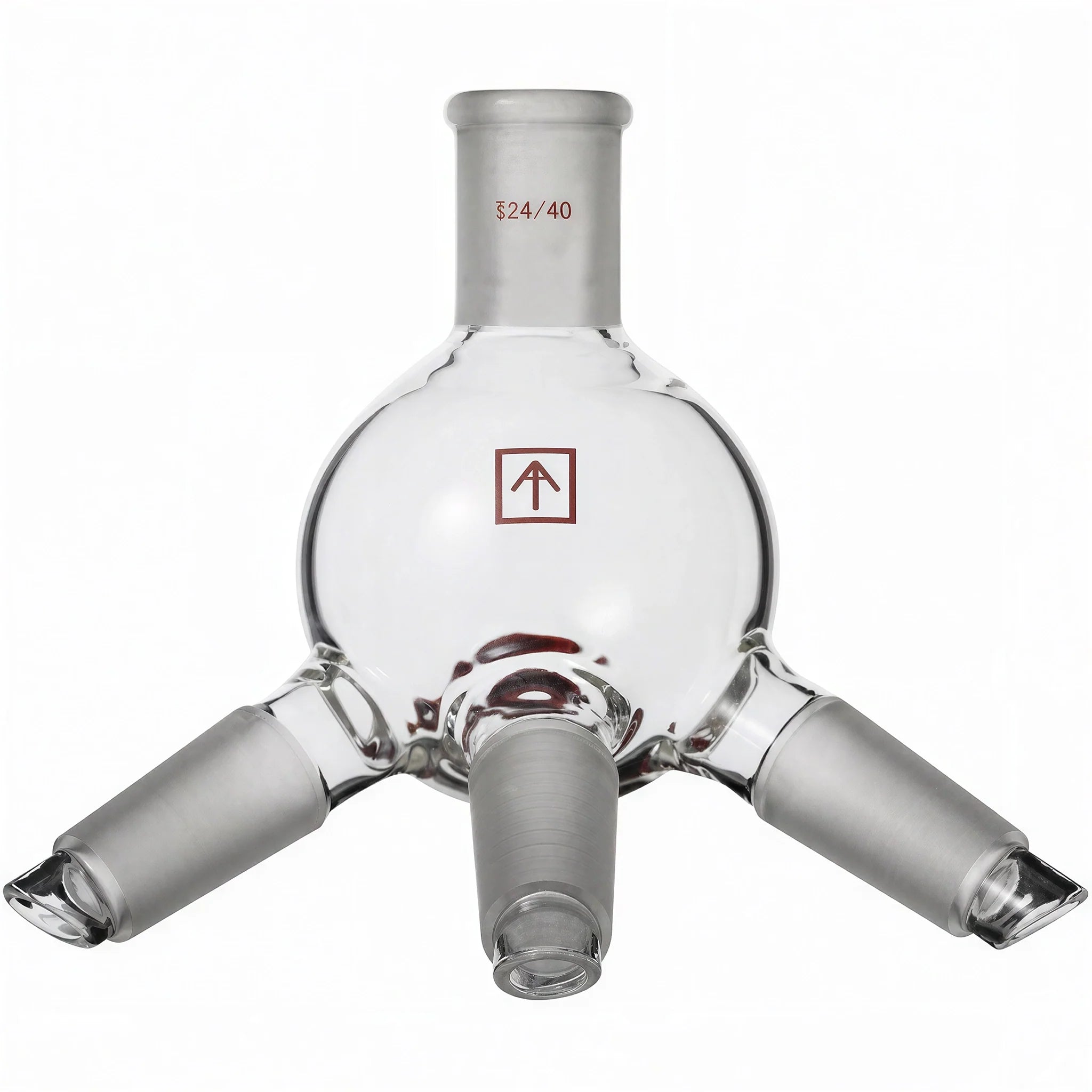
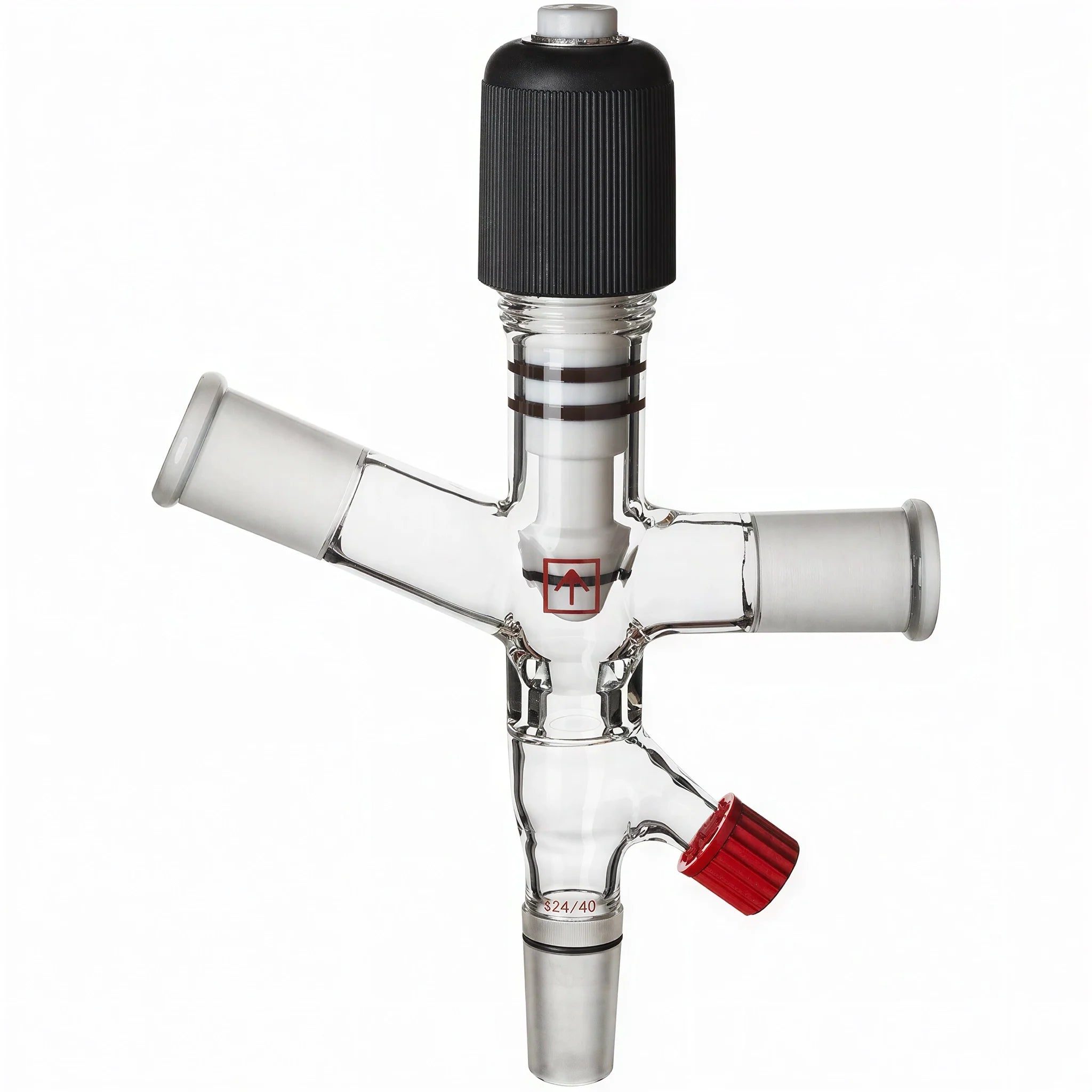
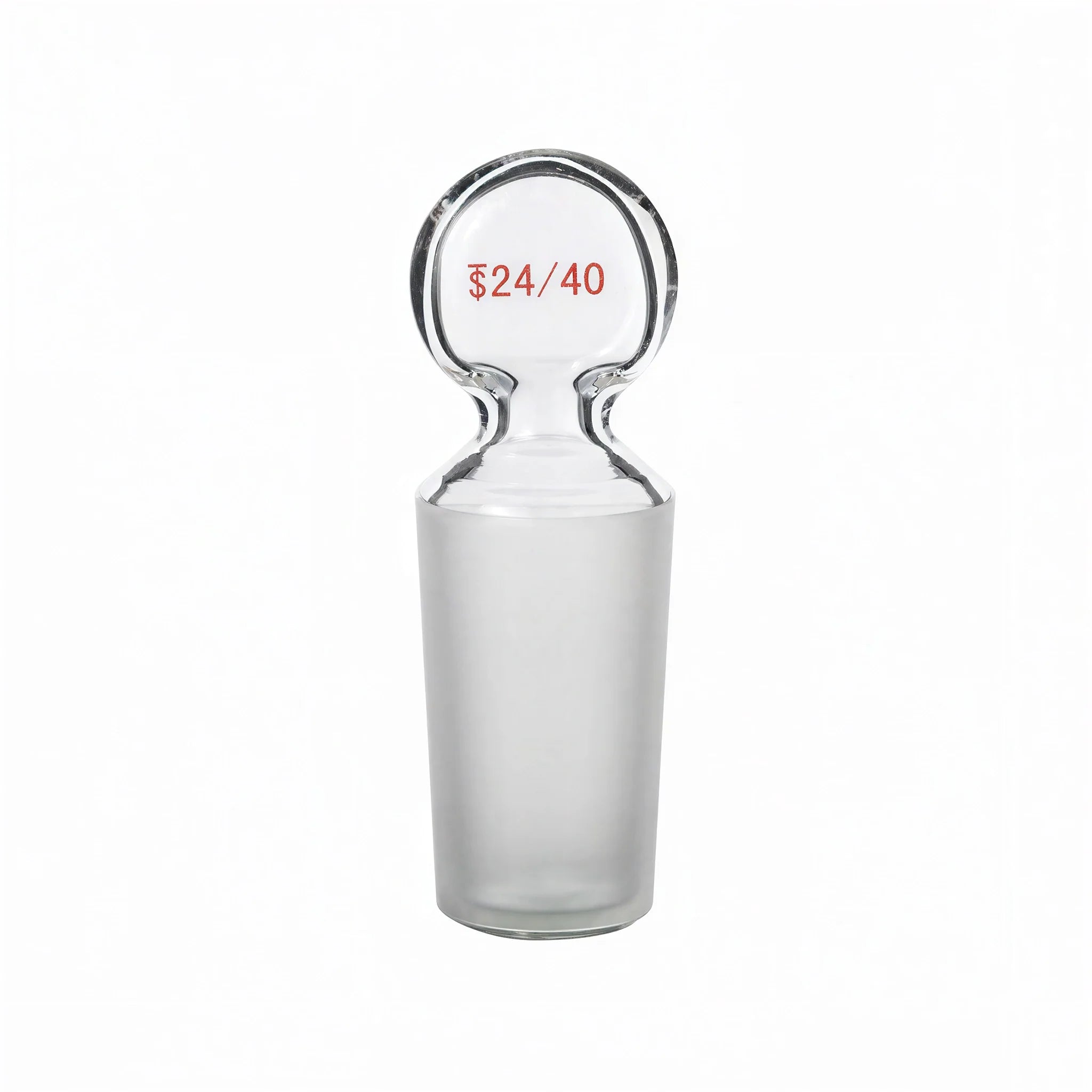
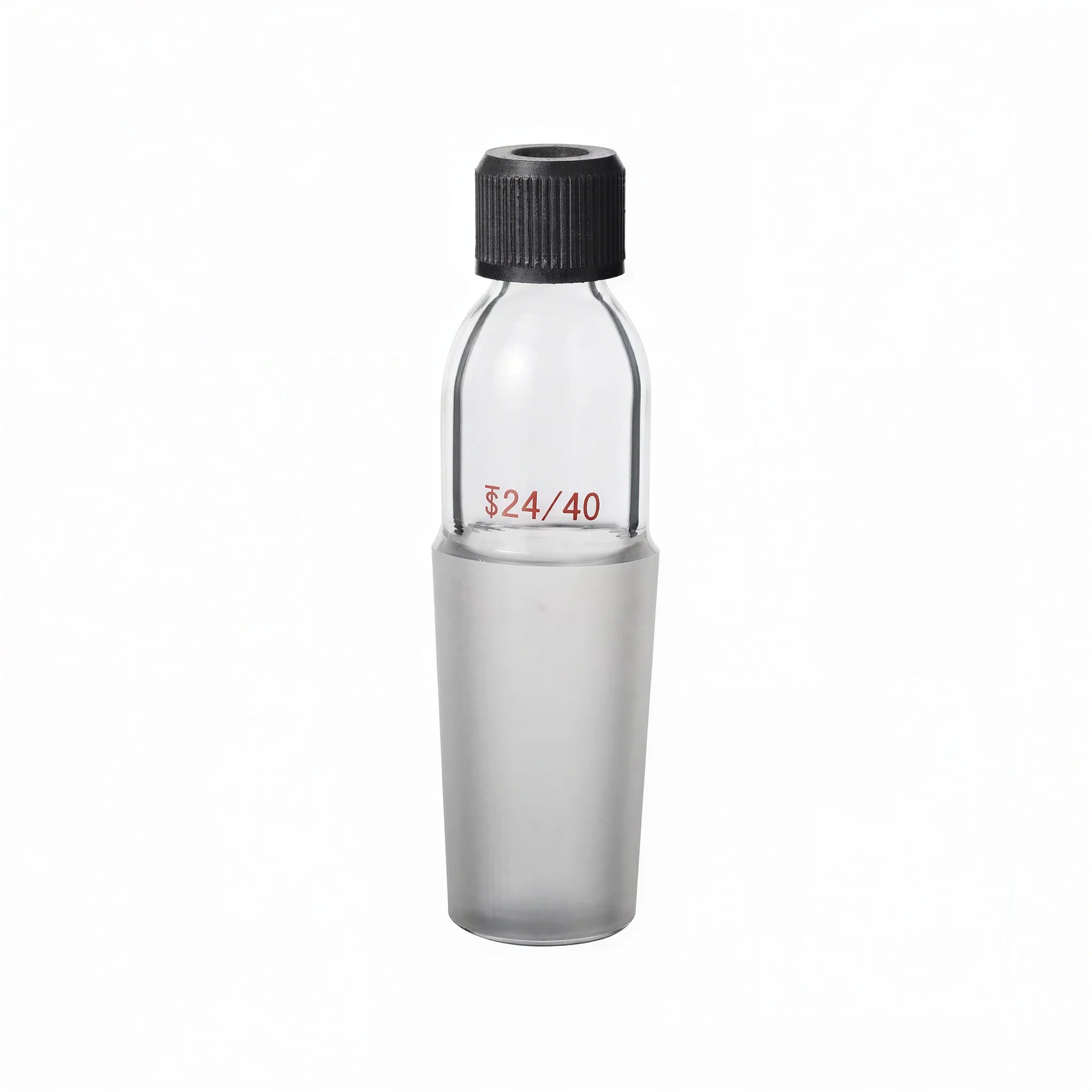
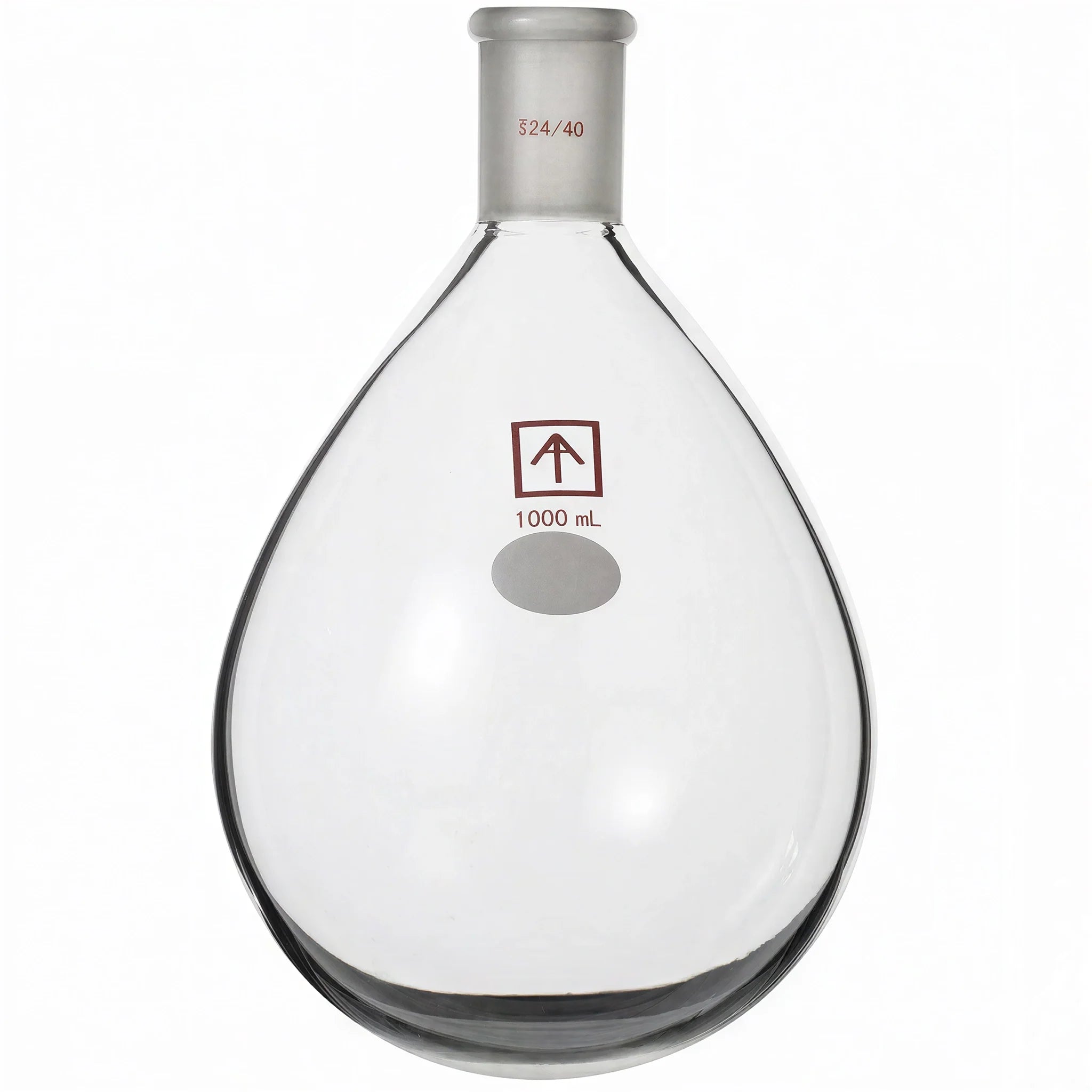
Short Path Distillation Parts & Glassware Accessories
Short path distillation systems require multiple glass components that connect via standard taper joints - and individual components wear, crack, or break through regular laboratory use. Replacement borosilicate glassware, vacuum adapters, Keck clips, septa, stopcocks, and supporting hardware allow maintaining a complete distillation system without replacing the entire apparatus when a single component fails. Quality borosilicate glass components (Pyrex, Kimax, or equivalent) withstand the thermal cycling and vacuum conditions of regular short path distillation use; lower-grade glass can crack from thermal shock or implode under vacuum.
Common Replacement Components
Keck clips (spring-loaded plastic or stainless clips that secure standard taper joint connections) are the most frequently replaced item - they crack from thermal cycling and UV exposure over time. Replace with the correct size for your joint standard (14/23, 24/40, or 29/42 - the two numbers refer to the inner diameter and taper length of the joint). Vacuum-rated rubber septa seal flask openings during distillation - replace when they develop cuts or lose elasticity that prevents a vacuum seal. Receiving flasks and boiling flasks are the most likely to break through handling - having a spare set prevents production stoppage from accidental breakage. Browse our short path distillation collection for complete systems alongside parts.
Vacuum Fittings & Connections
The vacuum integrity of the entire distillation system depends on every connection maintaining a leak-free seal. High-vacuum grease applied to all standard taper joints prevents air leakage at glass-to-glass connections. Vacuum tubing (thick-walled silicone or Tygon tubing rated for vacuum service) connects the distillation head to the vacuum pump - standard thin-wall tubing collapses under vacuum and should never be used in vacuum service applications. Vacuum pump oil changes and inline cold traps protect the pump from solvent vapors drawn through the system. Fast shipping.
Distillation Parts & Accessories FAQ
What are Keck clips used for in distillation?
Keck clips are spring-loaded plastic or stainless steel clips that secure standard taper glass-to-glass joints in laboratory glassware assemblies. They prevent the upper piece from being accidentally lifted off the lower piece during manipulation and maintain joint alignment. They do not provide a vacuum seal - that is the function of the glass-to-glass taper joint contact and vacuum grease. Keck clips are sized to specific joint sizes (14/23, 24/40, 29/42) - the numbers describe the joint inner diameter and taper length. Always use the correct size clip for the joint - undersized clips do not hold; oversized clips fall off.
What joint size is most common for short path distillation?
24/40 is the most common standard taper joint size for personal and small commercial short path distillation setups - it provides good throughput for boiling flasks up to 500 ml and offers the widest accessory and replacement part availability. 29/42 joints accommodate larger flask volumes (500 ml to 2+ liters) for commercial production with higher throughput requirements. All glassware in a system must use the same joint size; mixing sizes requires adapters that add vacuum leak points. When purchasing replacement components, confirm the joint size matches your existing system before ordering.
Do I need vacuum grease on glass joints?
Yes - high-vacuum grease (silicone or hydrocarbon-based grease rated for high vacuum service) applied to standard taper joints is essential for maintaining leak-free vacuum connections. Without grease, glass-to-glass taper joints leak at the high-vacuum levels required for effective short path distillation (50-500 microns Hg). Apply a thin, even film of vacuum grease around the tapered male joint, insert into the female socket, and rotate slightly to distribute the grease evenly. Reapply when the joint shows dry spots or when vacuum leak testing indicates air ingress at that connection.
What vacuum tubing should I use between the distillation head and pump?
Use thick-walled vacuum-rated tubing - silicone vacuum tubing or Tygon vacuum tubing rated for the operating vacuum level. Standard thin-walled silicone tubing, fish tank air tubing, and general-purpose flexible tubing collapse under the sub-atmospheric pressure of vacuum service, blocking gas flow and potentially damaging the system. Vacuum-rated tubing has wall thickness sufficient to maintain its circular cross-section under full vacuum without collapsing. Size the tubing ID to match the vacuum port fittings on the distillation head and vacuum pump without reducers that restrict gas conductance.
How do I detect vacuum leaks in a distillation setup?
Three practical leak detection methods: (1) Vacuum hold test - isolate the system from the pump, note the vacuum gauge reading, and check again after 5-10 minutes; a vacuum that holds steady has no significant leaks, a vacuum that rises (approaches atmospheric) has a leak. (2) High-vacuum grease application - apply fresh grease to all joints before testing; if the vacuum hold improves, a previously dry joint was the leak source. (3) Acoustic detection - with the system under vacuum and quiet, listen for the hissing of air ingress at connections. Most leaks in glass distillation systems occur at standard taper joints, septa, and vacuum tubing connections.