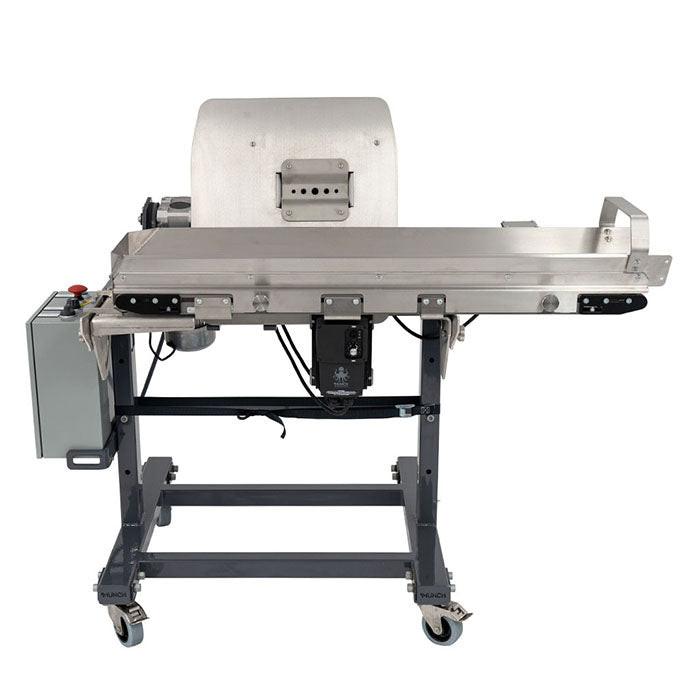
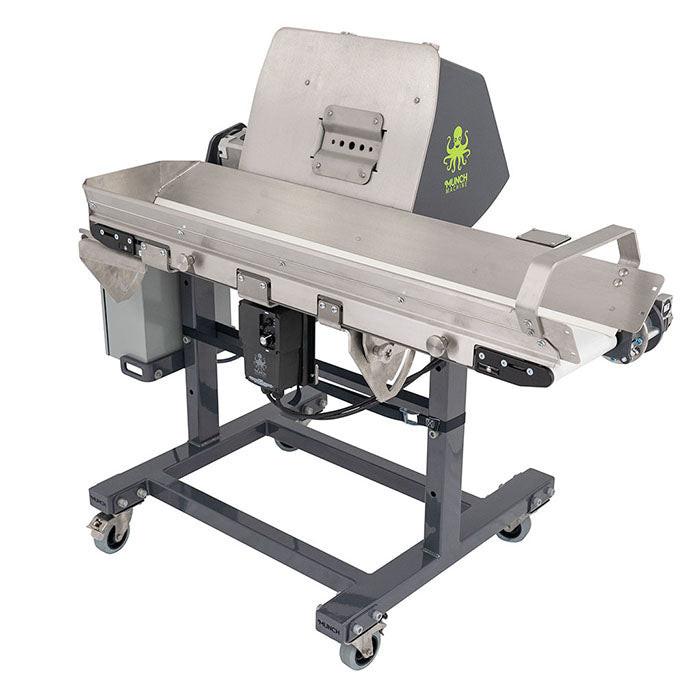
Bucking Machines & De-Stemmers for Harvest Processing
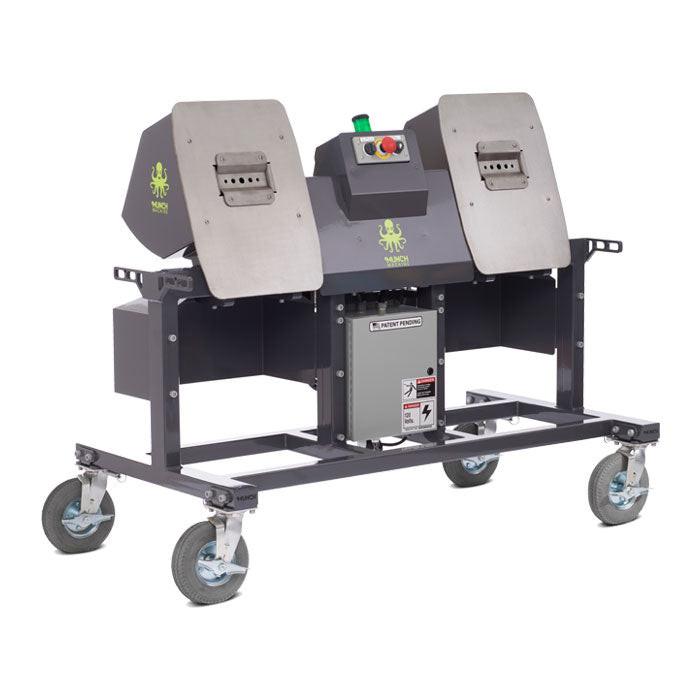
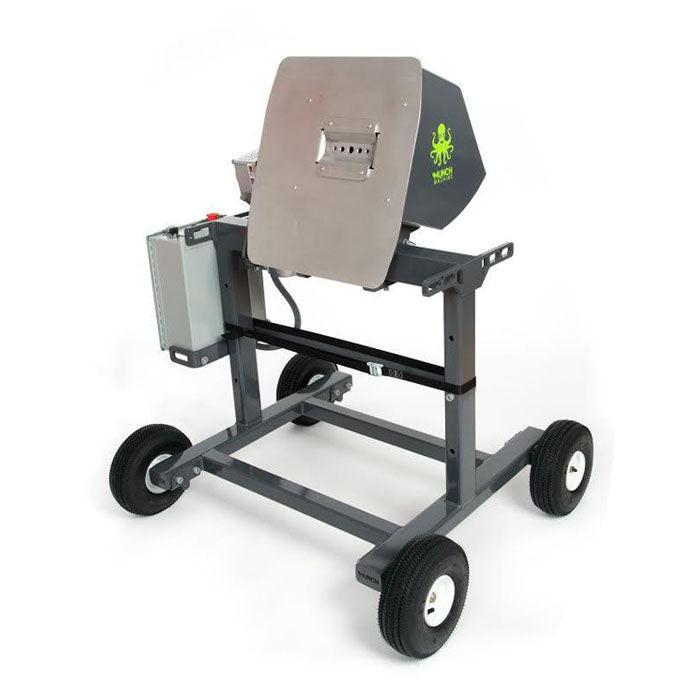
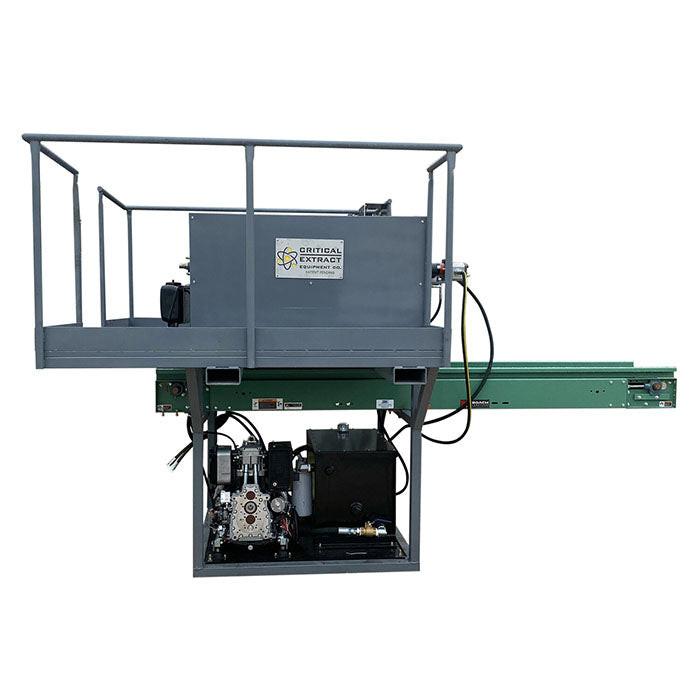
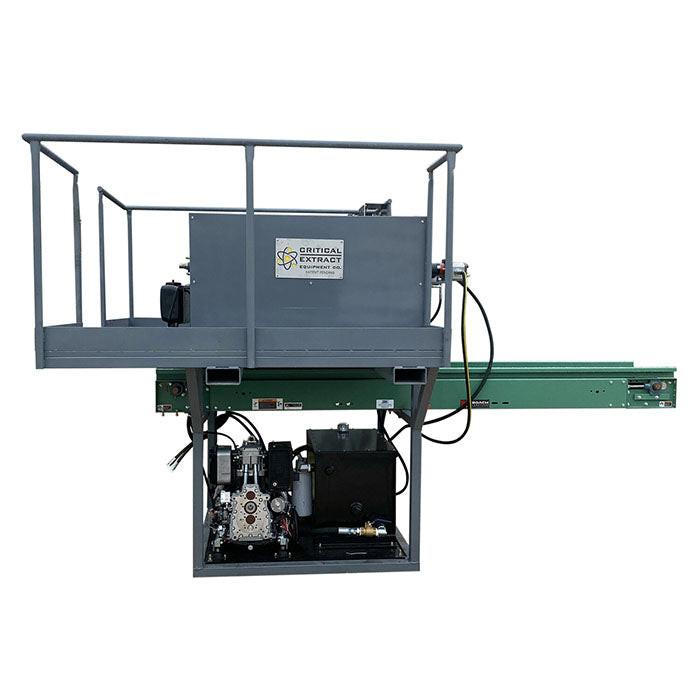
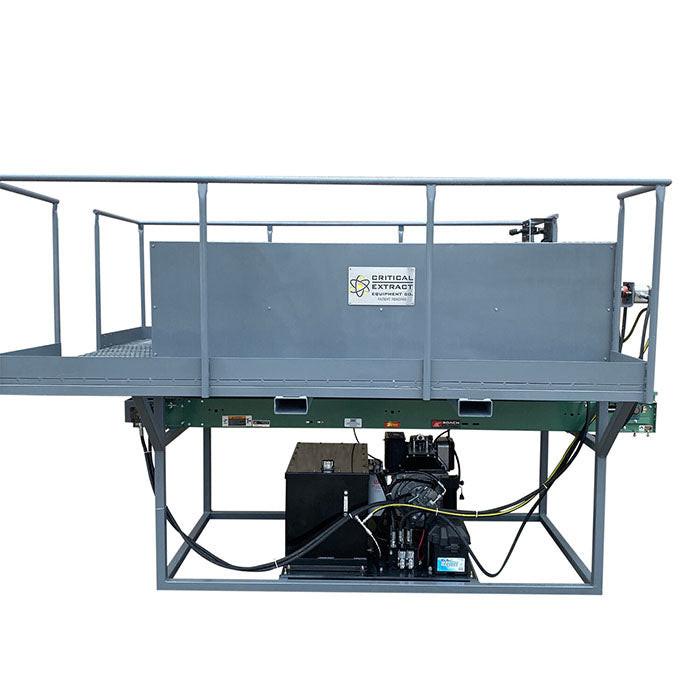
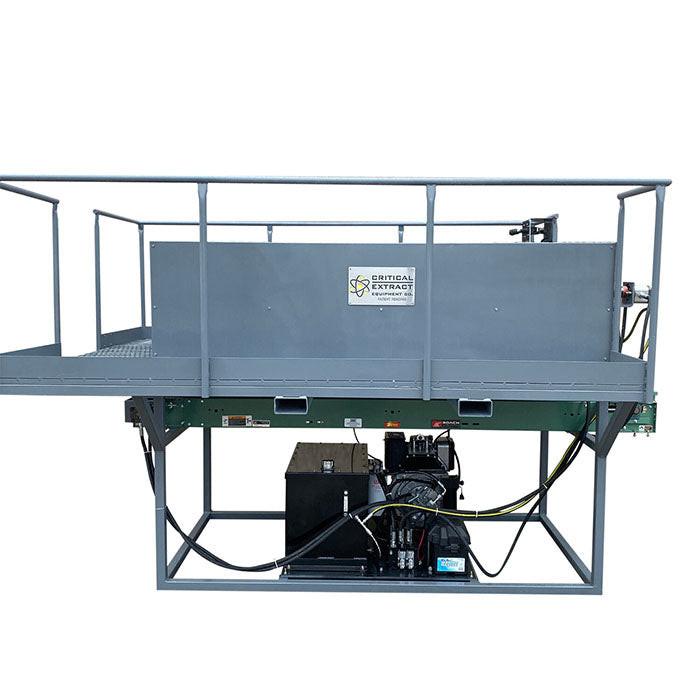
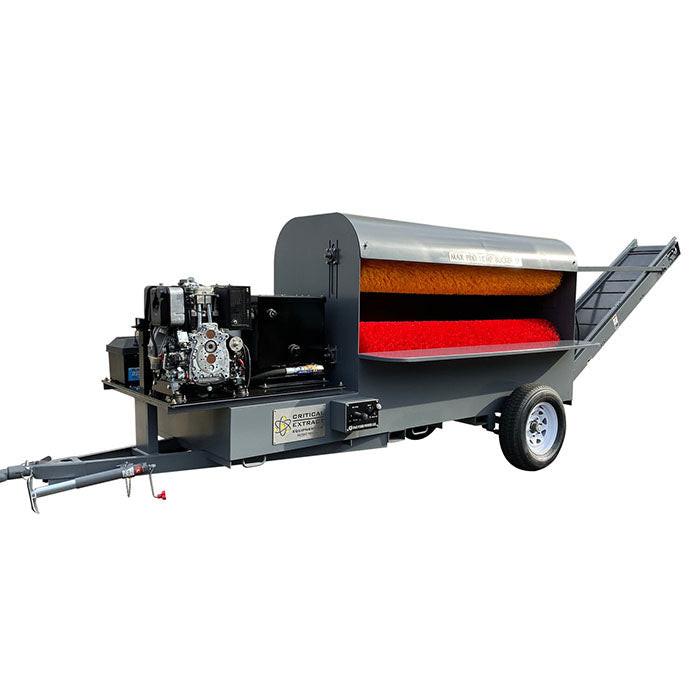
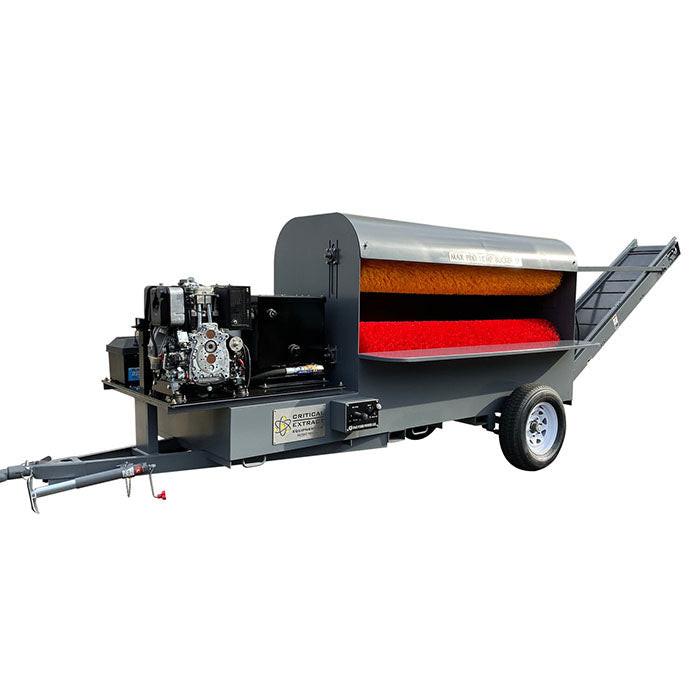
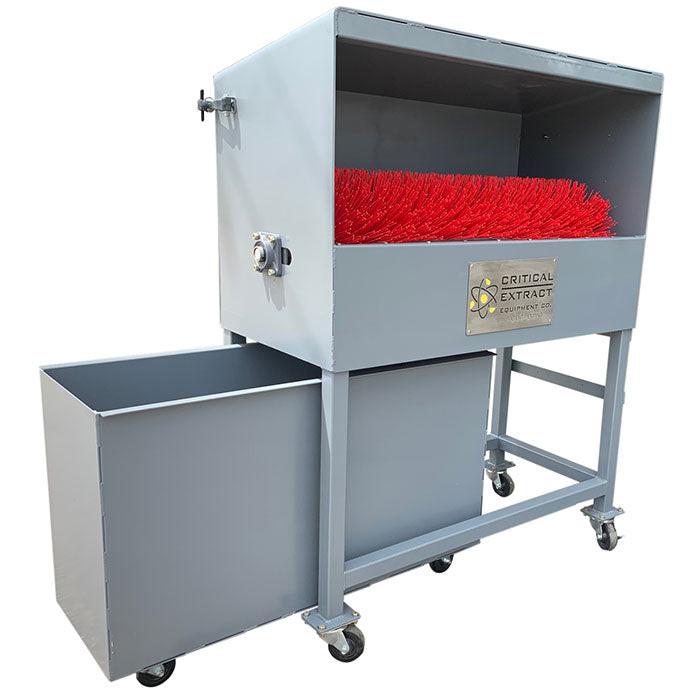
Bucking machines (also called de-stemmers or buckers) are the first step in an efficient post-harvest processing line. They mechanically separate harvested plant material -- flowers, buds, and small branches -- from the main stem in a single pass, eliminating the most labor-intensive manual step before trimming begins. Without a bucker in the workflow, processing teams spend significant time manually pulling material from stems by hand before trimming can start. For any operation processing more than a few pounds per harvest, a dedicated bucking machine reduces labor hours substantially and allows trimming machines and hand trim crews to work on clean, de-stemmed material from the start.
How Bucking Machines Work
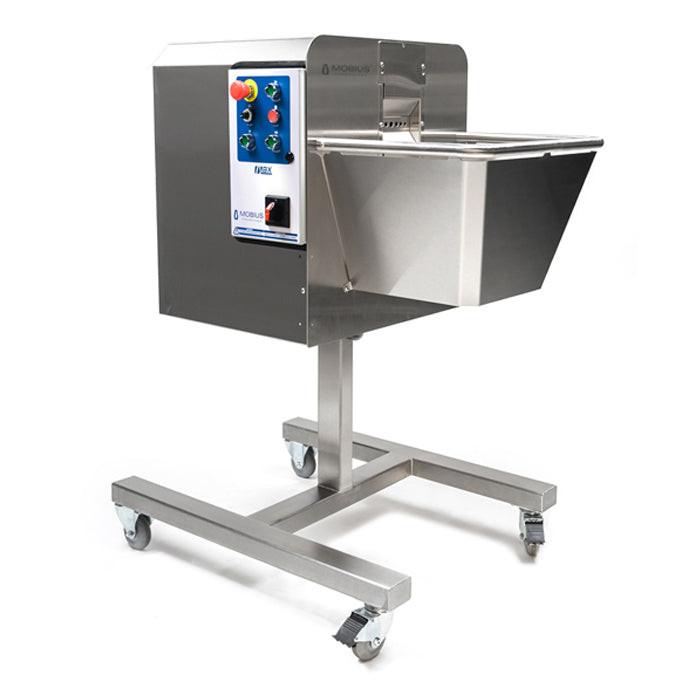
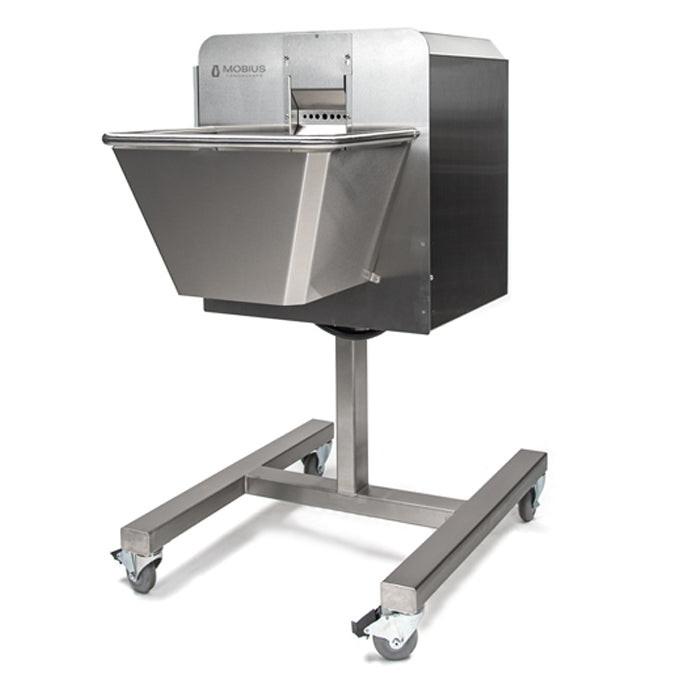
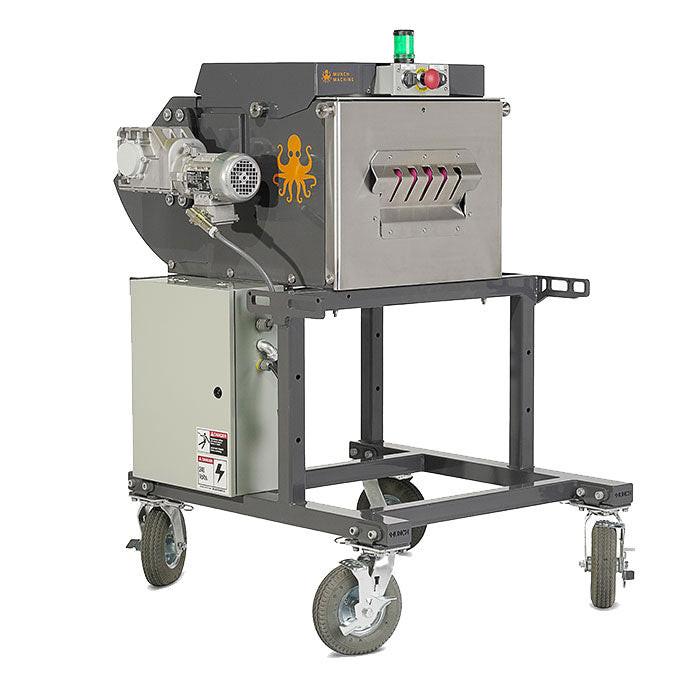
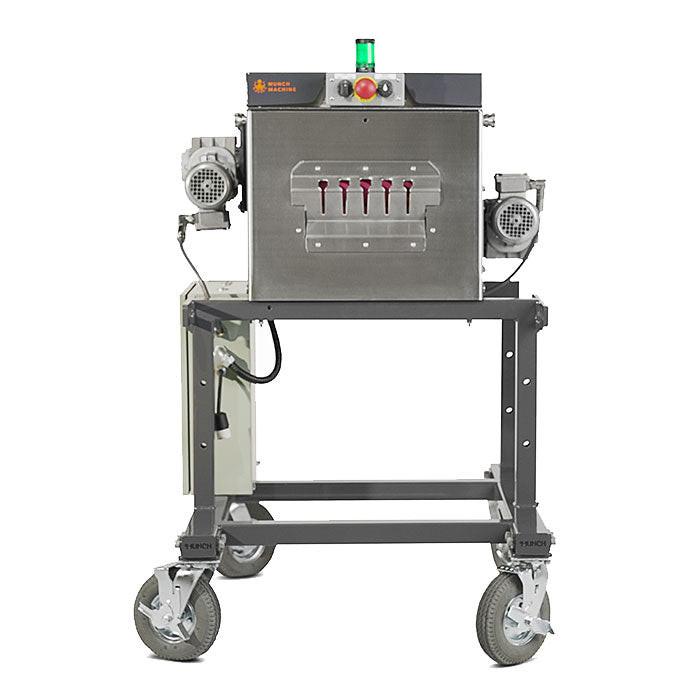
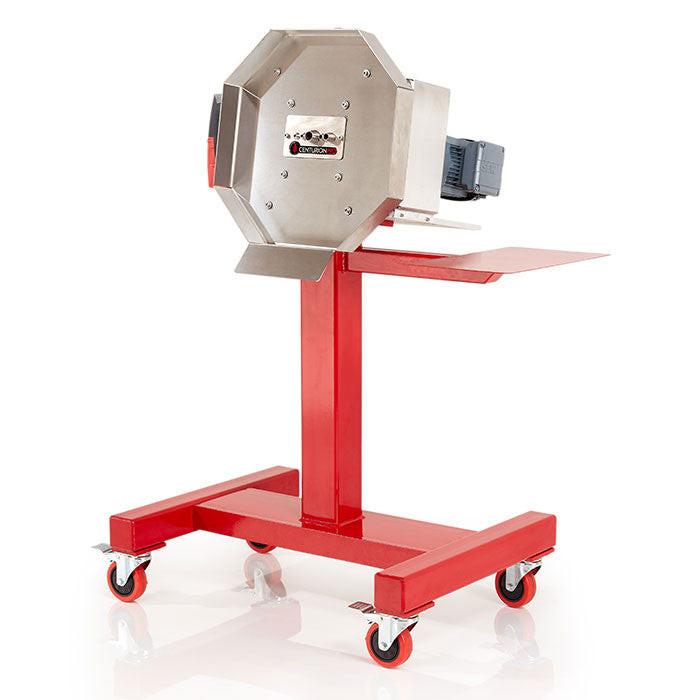
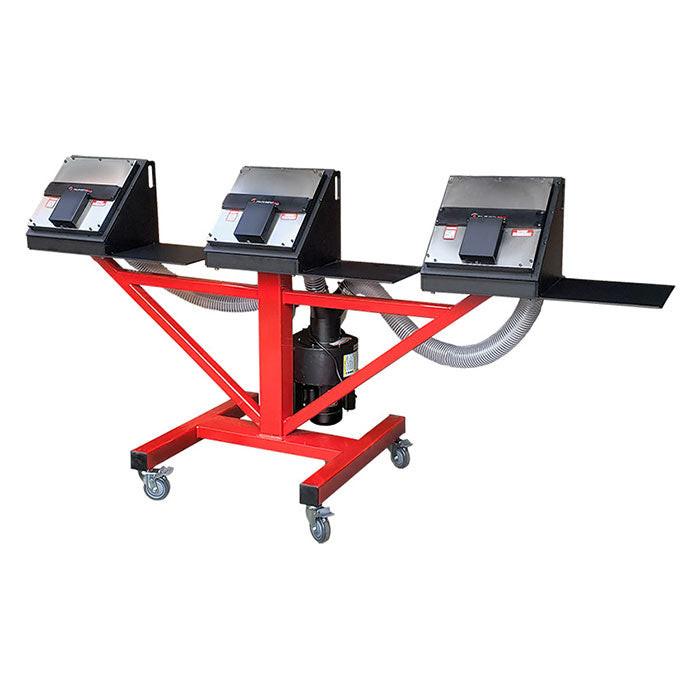
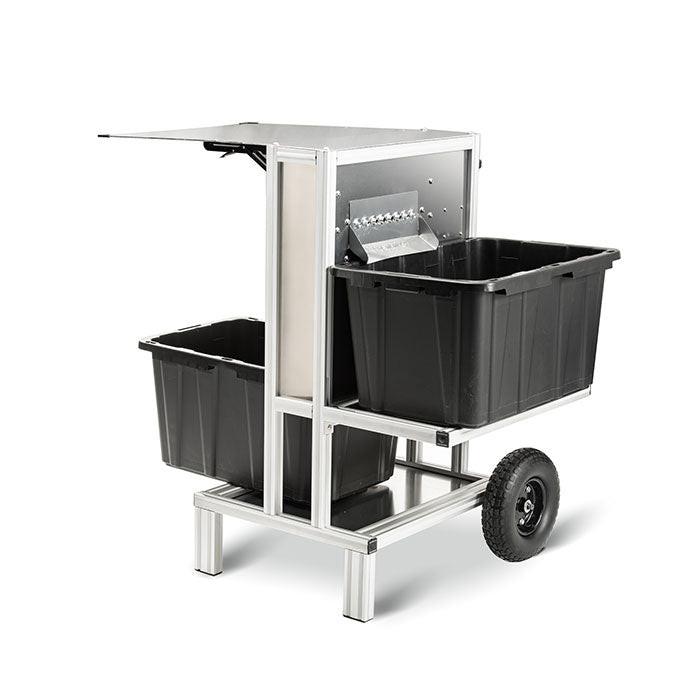
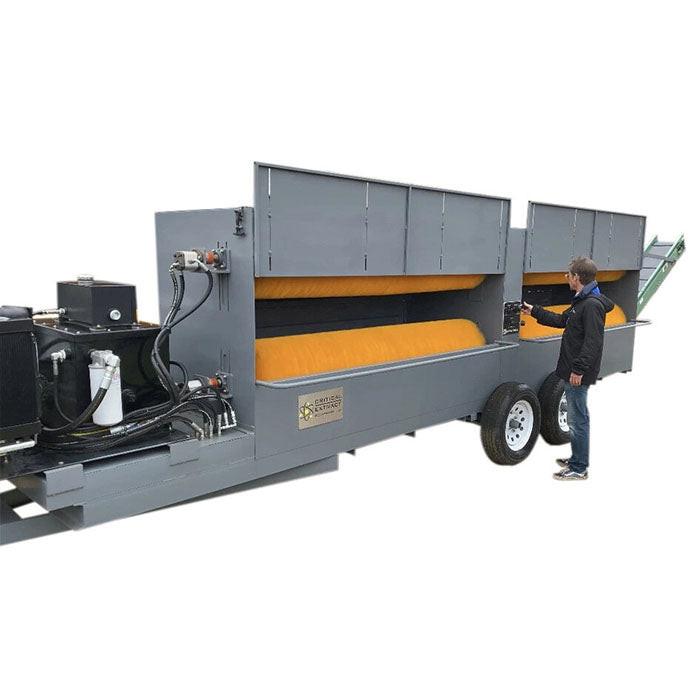
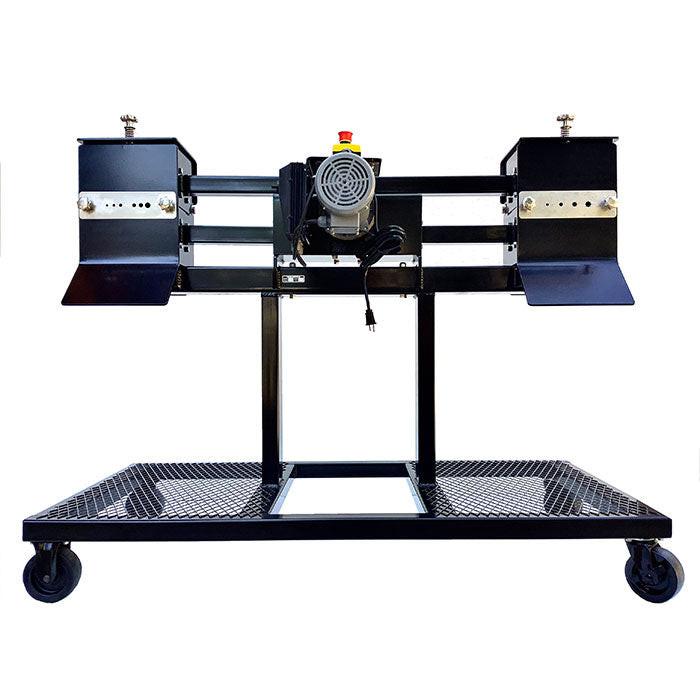
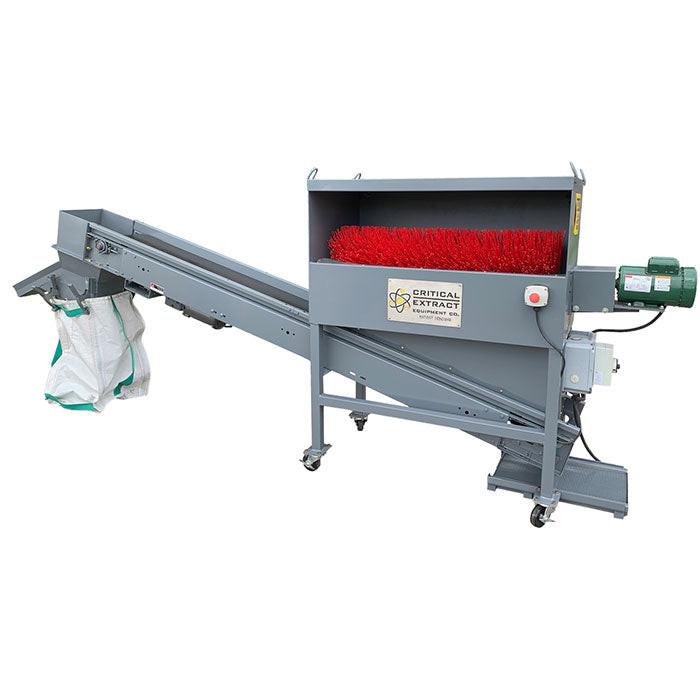
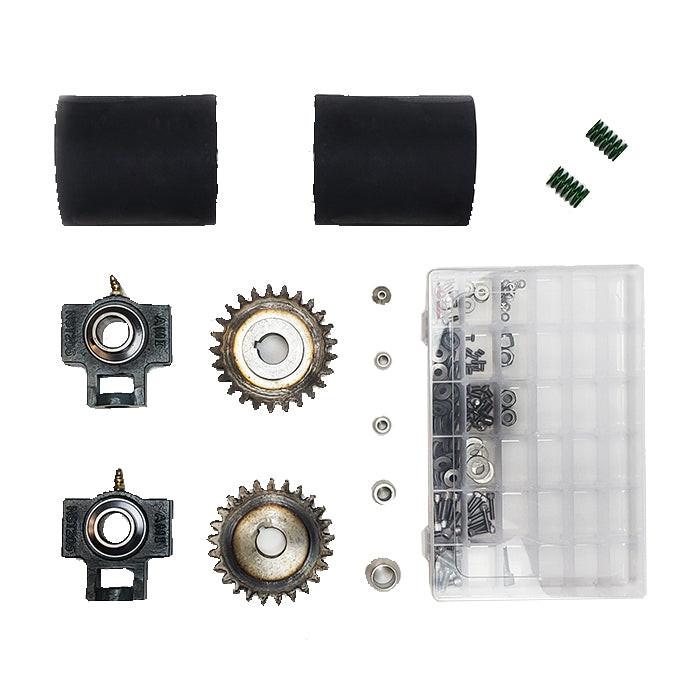
Bucking machines use a series of counter-rotating rollers or a comb-and-pull mechanism to grip the stem and strip plant material into a collection container below. The operator feeds whole branches or stalks into the machine's feed slot; rollers pull the stem through while fingers or comb tines catch and hold buds and flower clusters, separating them cleanly from the stem. Processing speed varies by model: small manual buckers handle 30-50 lbs per hour; mid-scale electric models process 100-200 lbs per hour; commercial electric buckers with multiple operator feed stations handle 500+ lbs per hour in multi-person operation. See our updated guide to choosing the right bucker for your harvest for a detailed model comparison by volume and operation type.
Bucking Machine Brands: CenturionPro & Mobius
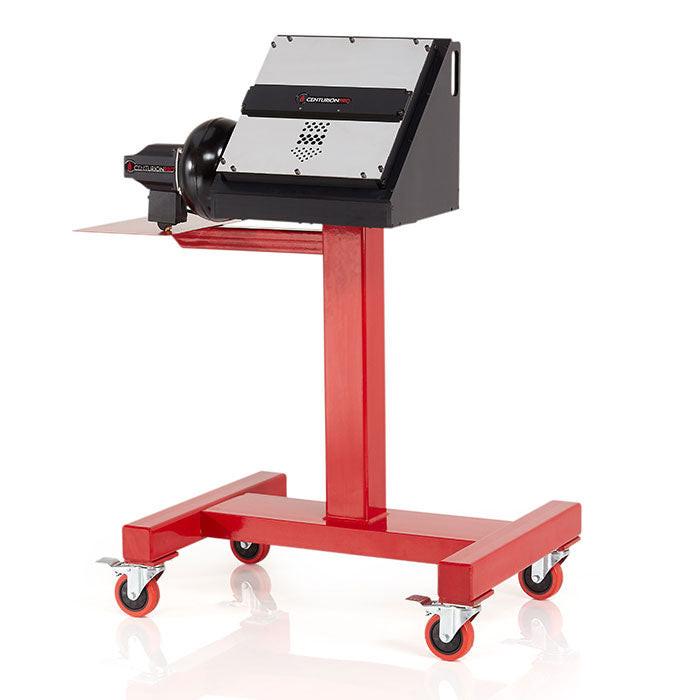
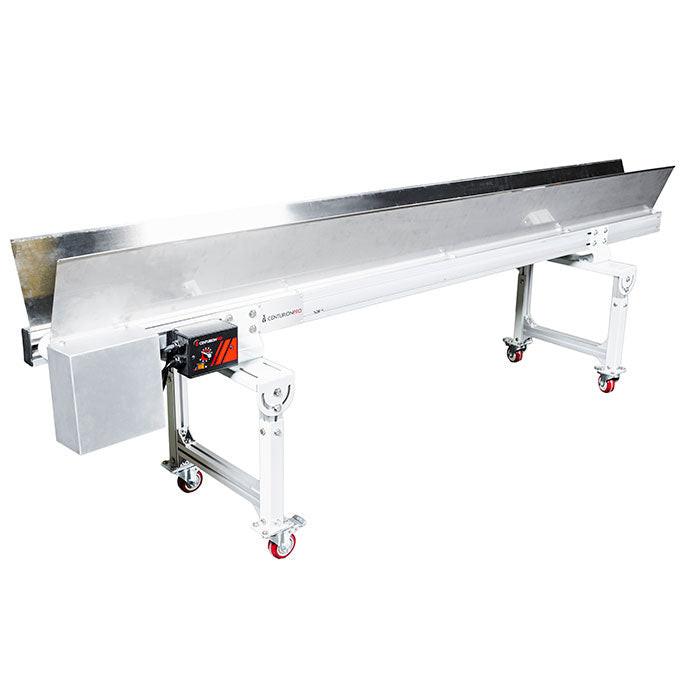
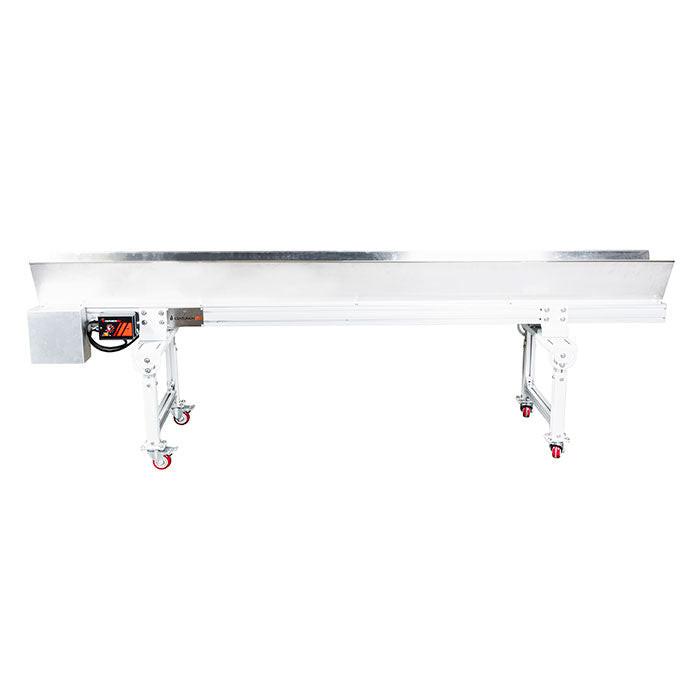
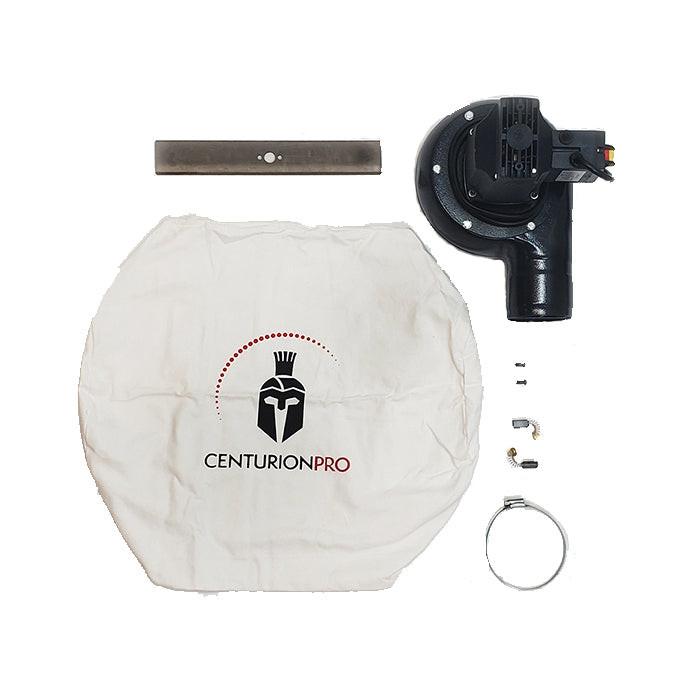
Hydrobuilder carries bucking machines from CenturionPro and Mobius -- both qualified brands with verified sales history and commercial adoption in production harvesting operations. CenturionPro's bucking machine line includes models designed to pair directly with their trimming machines for a complete integrated processing workflow -- the same brand across the full processing line simplifies feed rate matching and service. Mobius buckers are designed for high-throughput commercial operations and integrate with the Mobius M108S trimmer platform. Both brands offer food-grade construction, easy cleaning, and durable roller assemblies rated for continuous multi-shift operation.
Where Bucking Fits in the Processing Line
A complete post-harvest processing workflow runs in sequence: bucking machine first (strip material from stems), then trimming machine or hand scissors for leaf removal, then drying racks for the drying phase. For commercial operations, the bucker's throughput rate must match or exceed the trimmer's feed rate -- a bucker that cannot keep up creates a bottleneck that limits the trimmer's effective output. CenturionPro and Mobius both publish matched pair configurations that balance bucker and trimmer throughput for their commercial product lines. After trimming and drying, the complete harvest workflow continues through curing -- see our updated beginner's guide to harvest, drying and curing for the full post-processing path. For large-scale facilities integrating automated harvest processing, our harvest automation guide covers full-line configuration options.
Bucker vs. Manual De-Stemming: When to Invest
Manual de-stemming by hand is adequate for very small hobby harvests where processing takes less than an hour. Once your processing volume reaches the point where de-stemming occupies a significant portion of processing labor time, a bucking machine pays back quickly. At $0.50-1.00 per hour for machine depreciation and electricity versus $15-25+ per hour in labor cost, the break-even point for a commercial electric bucker is typically 10-30 hours of processing volume -- achievable within 2-4 harvest cycles for mid-scale operations. For large commercial facilities, buckers are a requirement rather than an option. For commercial facility configurations and pricing, contact our team at 888-815-9763 or visit our commercial accounts page.
Pair a bucking machine with a trimming machine for a complete automated processing line, add hand trimming scissors for finishing work, equip your workspace with a trim tray, and plan your drying setup with drying racks. For larger commercial operations, browse commercial trimming machines. Expert support available.
Bucking Machines FAQ
What does a bucking machine do?
A bucking machine (de-stemmer) mechanically separates harvested flowers and plant material from the main stem in a single automated pass. The operator feeds whole branches or stalks into the machine; counter-rotating rollers or comb mechanisms grip the stem and pull it through while retaining the plant material, which falls into a collection bin. This replaces the manual step of hand-stripping material from stems before trimming -- typically the most labor-intensive part of the post-harvest workflow. A bucking machine handles this at 3-10x the throughput of manual hand-stripping with more consistent results. For guidance on selecting the right model for your volume, read our bucker selection guide.
When do I need a bucking machine vs. just trimming by hand?
For hobby growers processing small harvests occasionally, manual de-stemming by hand is manageable. Once processing volume grows to the point where de-stemming creates a workflow bottleneck -- or where it occupies more than 1-2 hours of labor per harvest -- a bucking machine becomes cost-effective. At commercial scale (100+ lbs per processing cycle), a bucker is essentially required: without it, manual de-stemming cannot supply enough clean material to keep trimming machines running at capacity, creating a processing bottleneck that limits the economic return on the trimmer investment.
What is the difference between wet and dry bucking?
Bucking (de-stemming) can be performed on either fresh-harvested (wet) plant material immediately after cutting, or on dried material after the drying phase. Wet bucking at harvest is the most common approach in commercial operations -- fresh material separates from stems cleanly with less mechanical force, and whole-plant drying after bucking requires less physical space than hanging whole plants with all stems intact. Dry bucking is sometimes preferred when whole-plant hanging is used for the drying method, or when processing schedules require batching dry material. The choice between wet and dry processing at every step is covered in our wet vs. dry trimming guide.
How fast do bucking machines process material?
Processing speed varies significantly by model. Manual hand-fed buckers: 30-75 lbs per hour with a single operator. Small electric buckers: 75-200 lbs per hour with one operator feeding and one managing collection. Commercial electric buckers with multiple feed stations: 300-800+ lbs per hour in multi-operator configurations. For context, matching bucker throughput to your trimmer's feed capacity is the key sizing exercise -- a bucker that bottlenecks the trimmer negates the trimmer's speed advantage. CenturionPro and Mobius publish matched pair specifications for their full product lines. Contact our commercial team at 888-815-9763 for specific model recommendations based on your harvest volume and schedule.