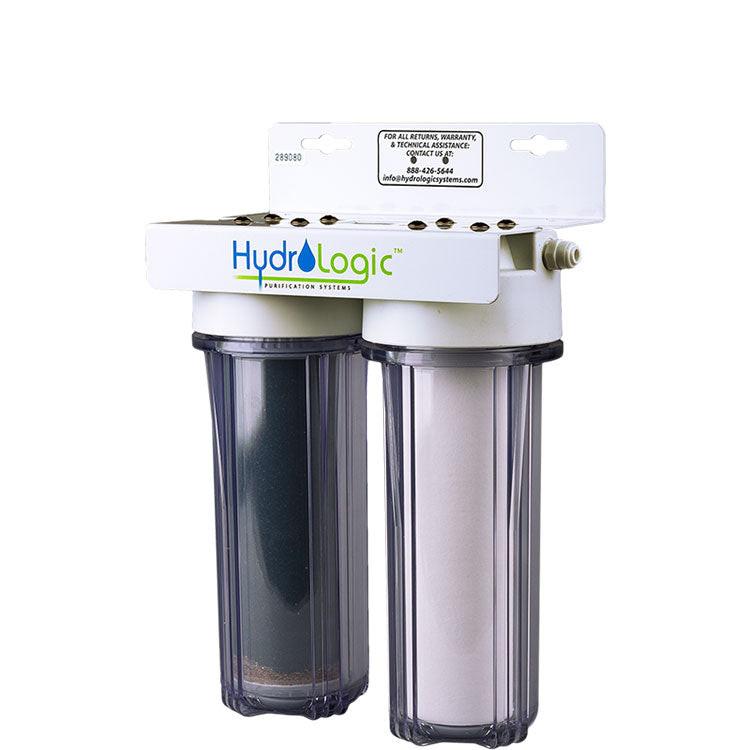
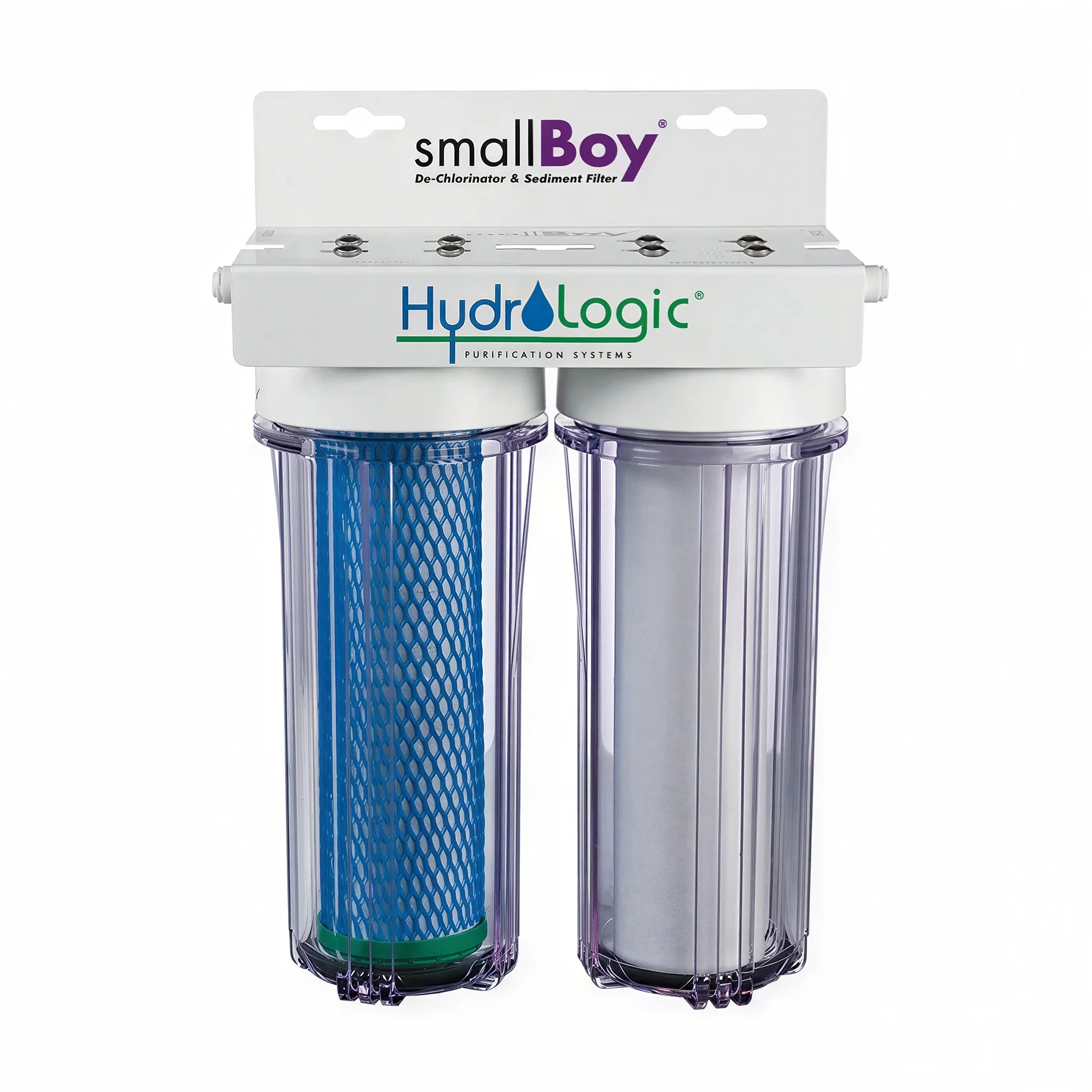
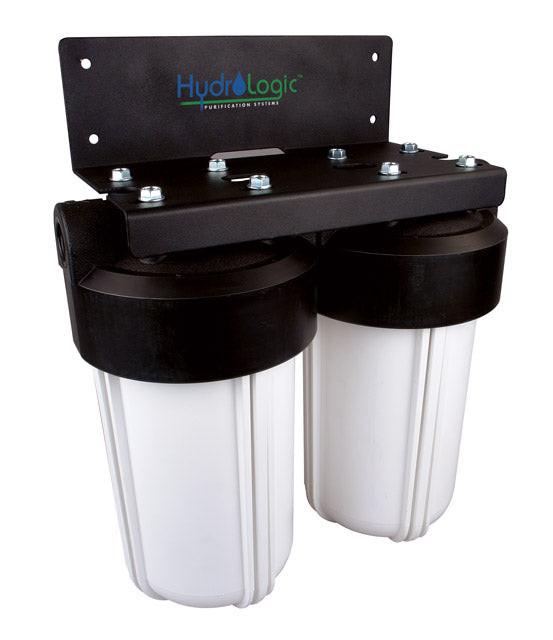
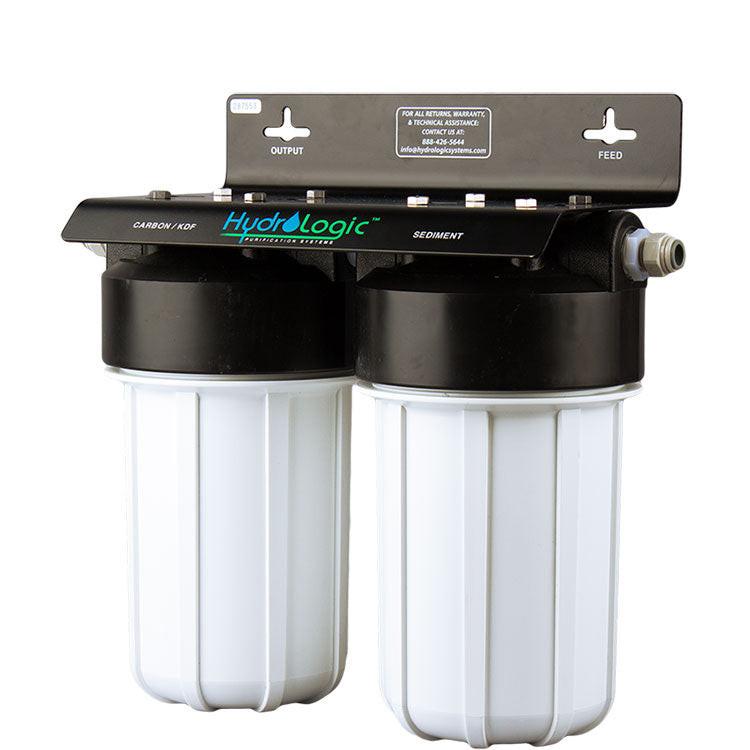
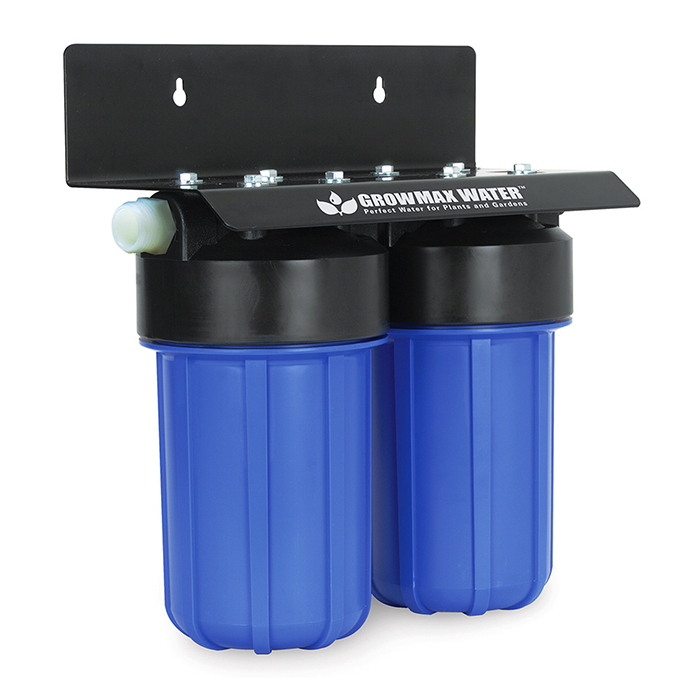
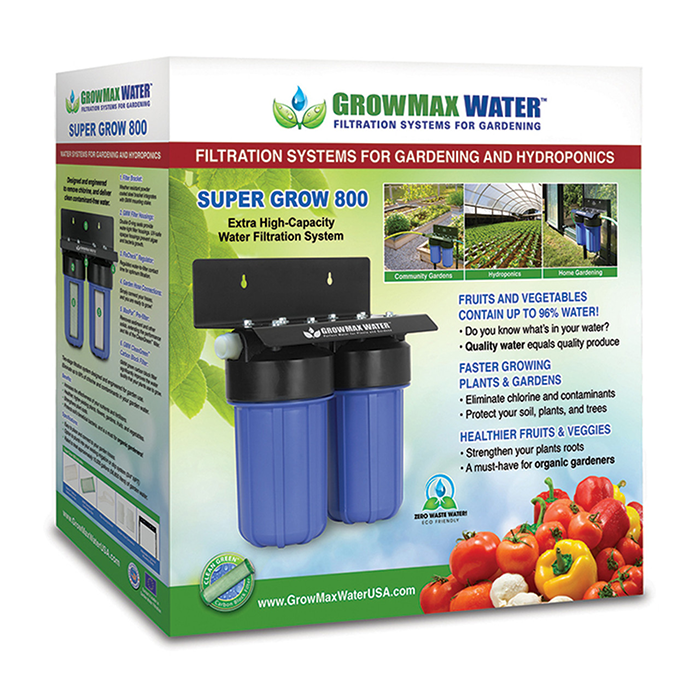
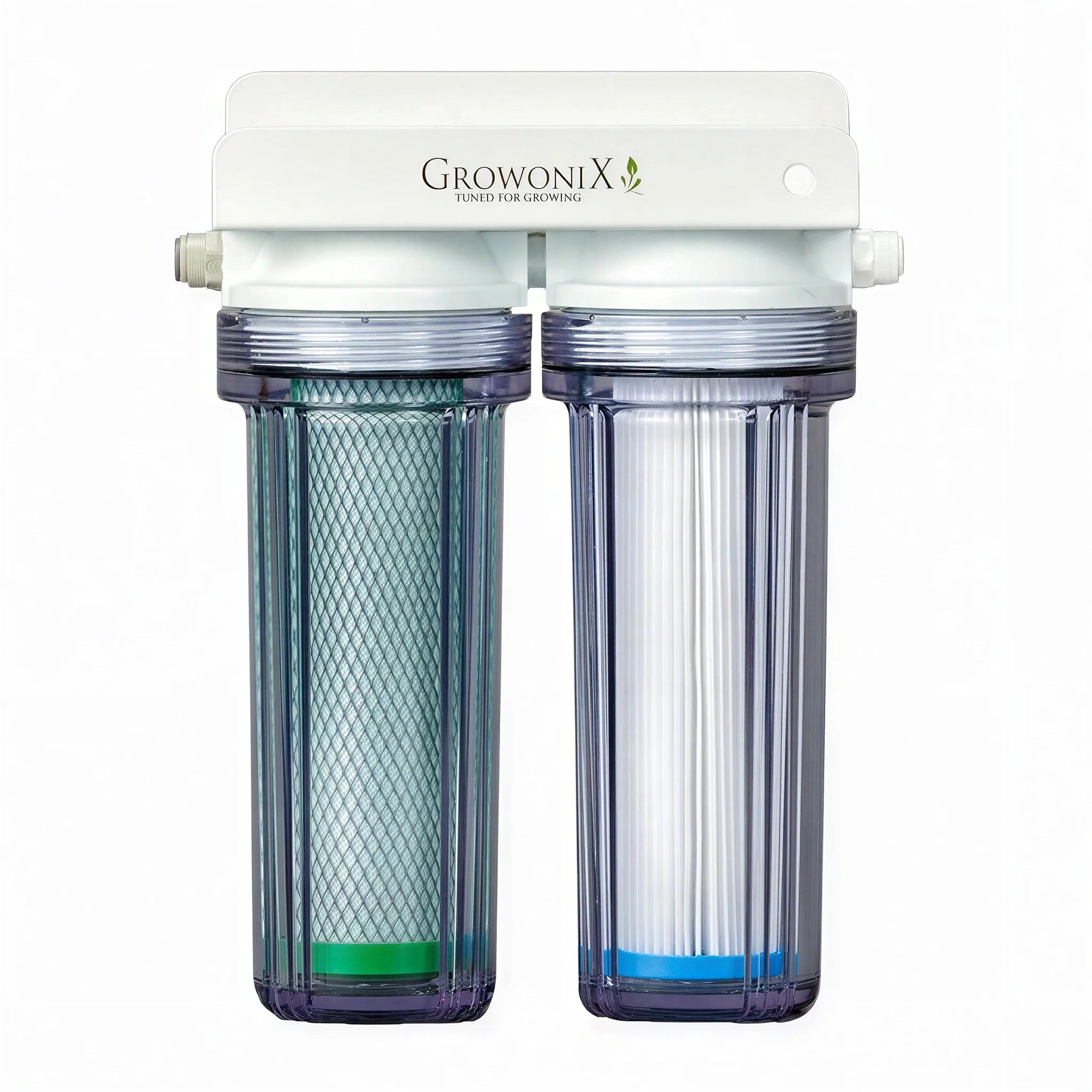
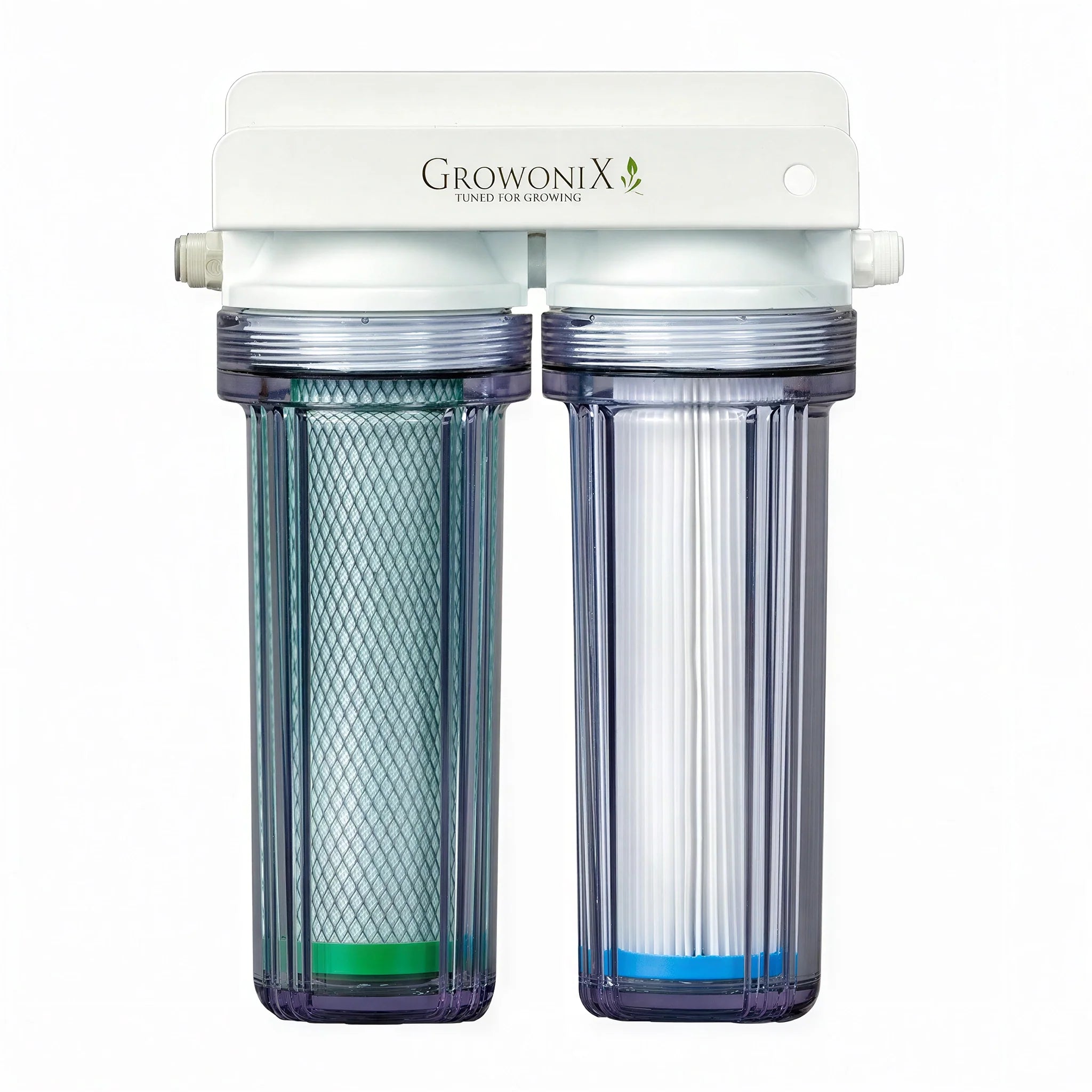
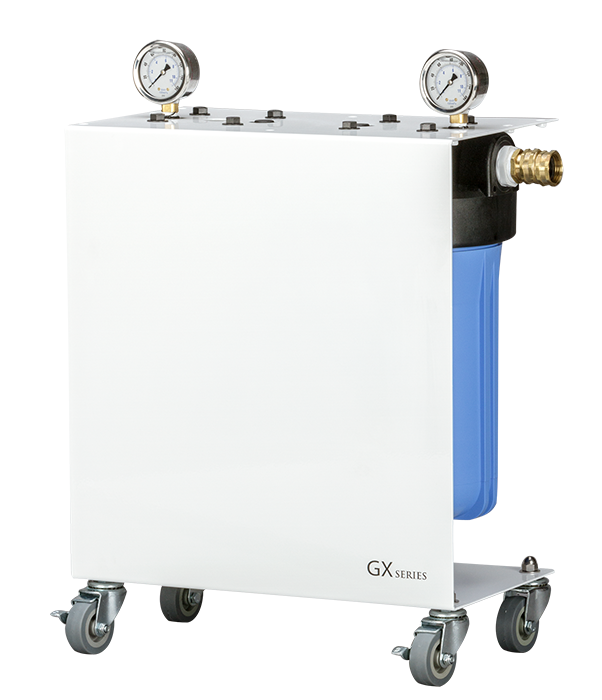
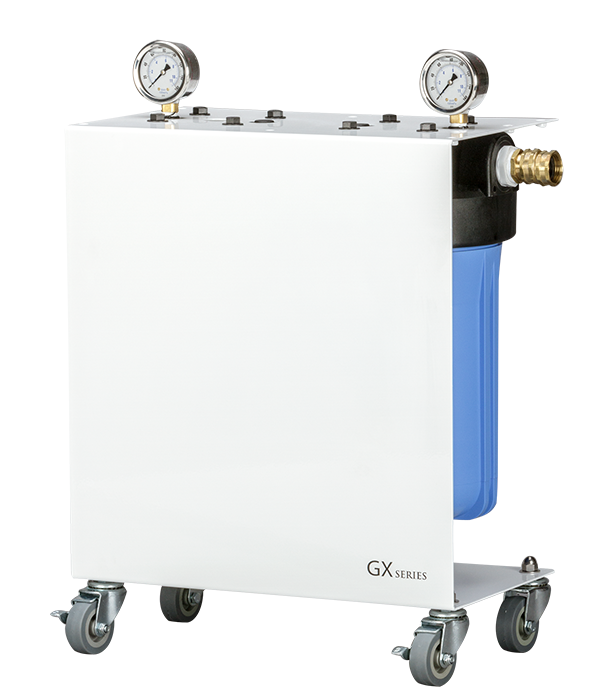
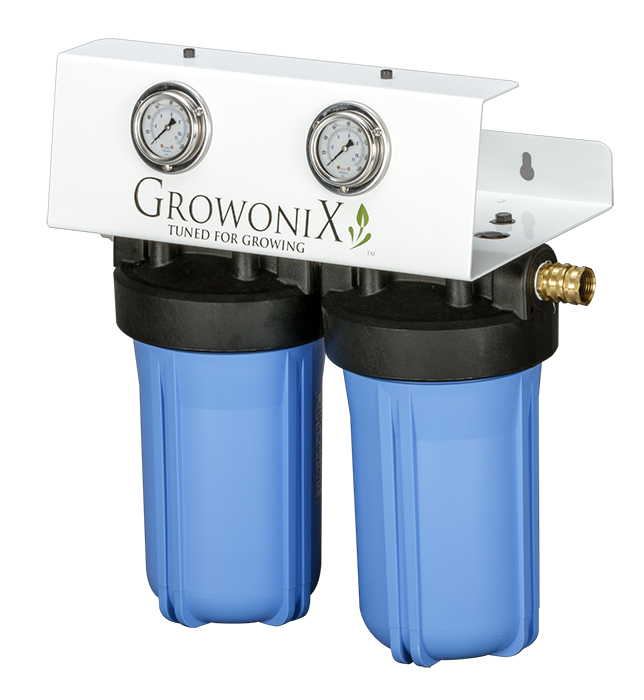
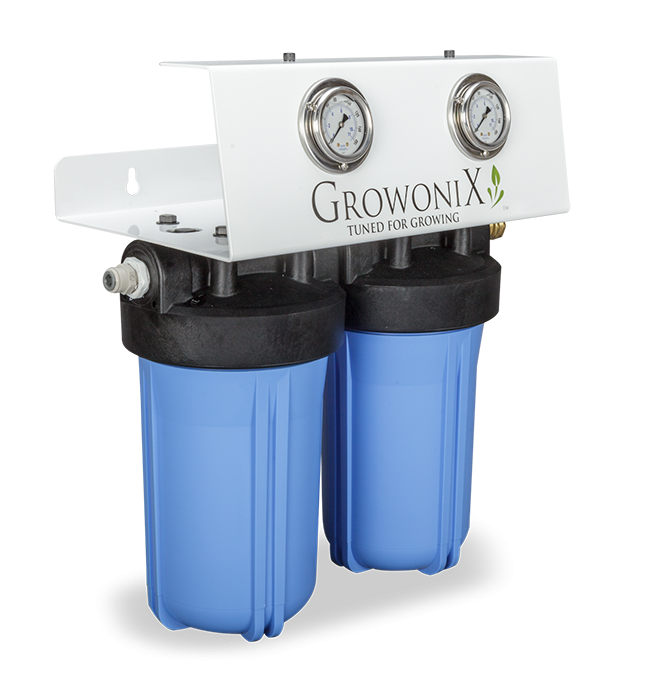
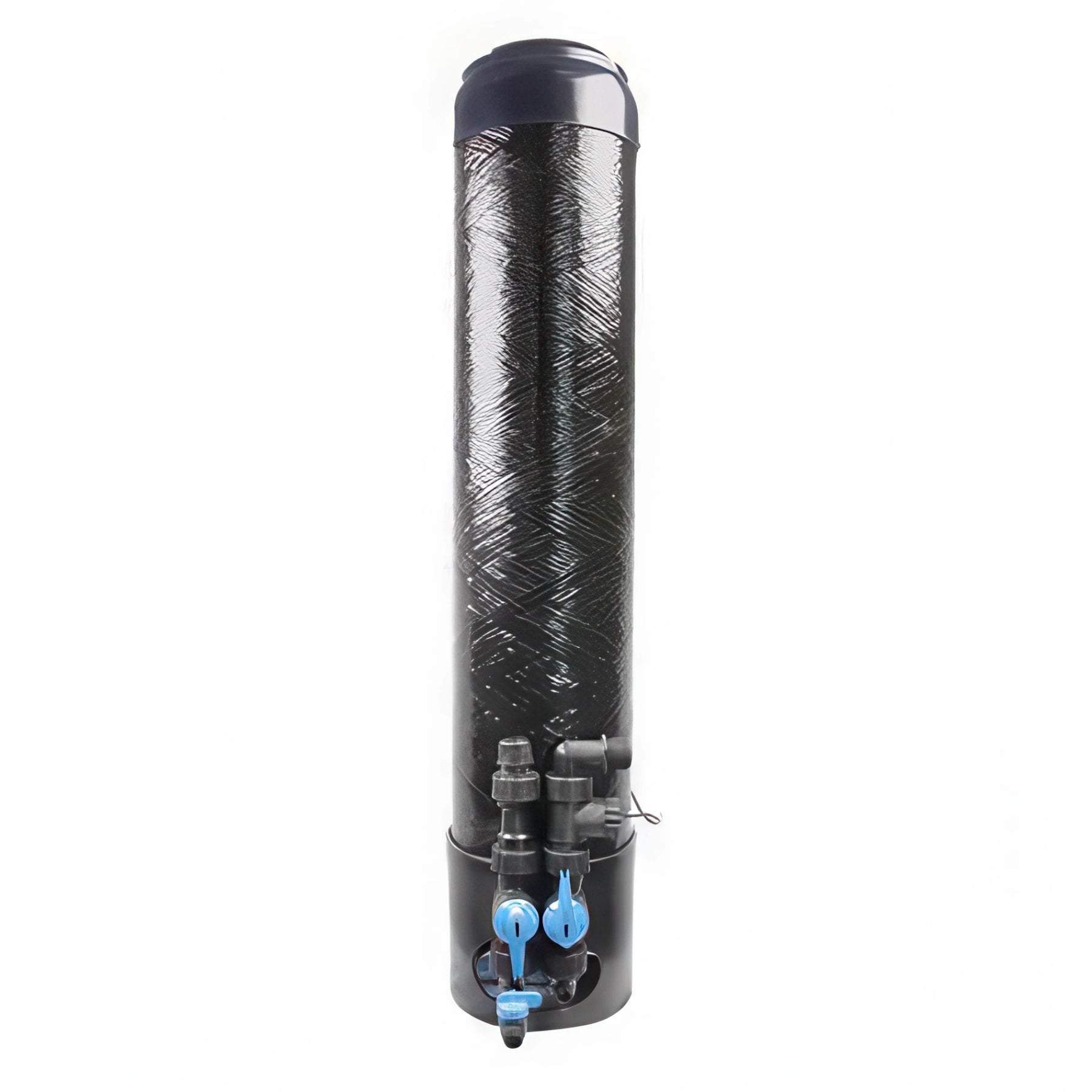
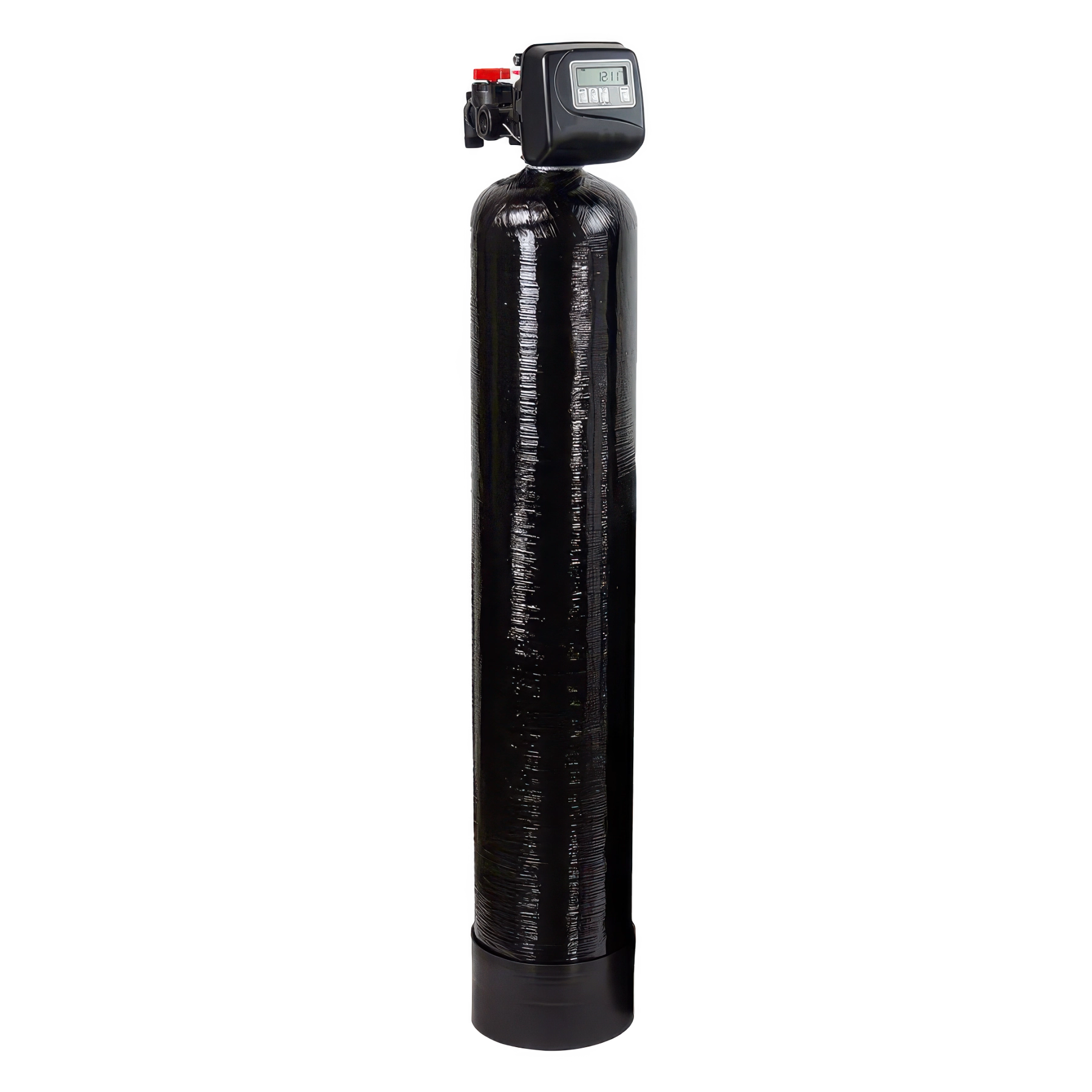
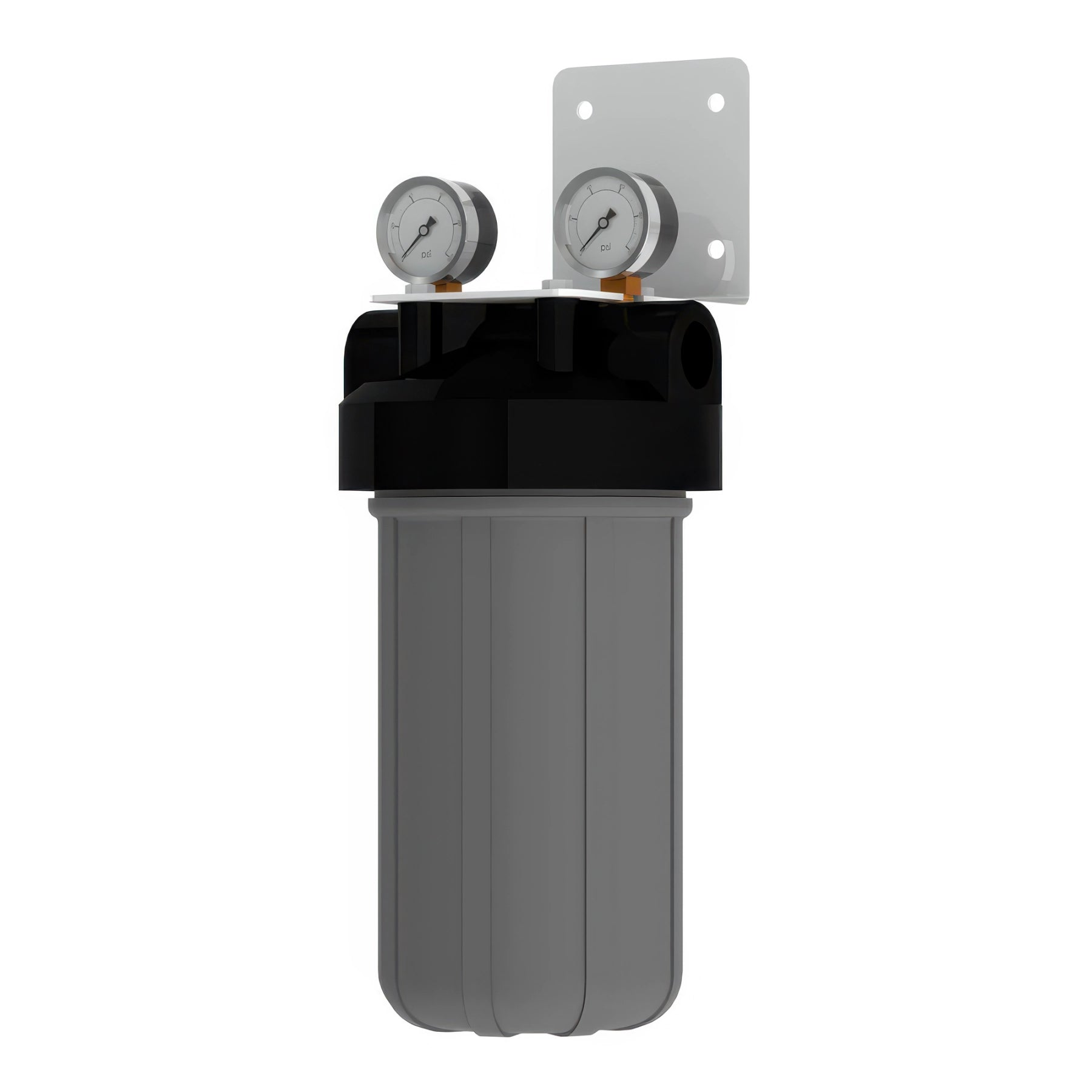
Dechlorinators & Sediment Water Filters for Growing
Municipal tap water contains chlorine or chloramine disinfectants that kill bacteria in the water supply -- but also kill the beneficial microorganisms in living soil programs and can inhibit the growth of beneficial bacteria applied to hydroponic root zones. Before using tap water in organic growing programs with beneficial biology, or before any RO filtration system, removing chlorine and sediment through inline pre-filtration protects both your growing program and your RO membrane investment. Sediment pre-filtration also removes particulate that clogs drip emitters and fouls irrigation components over time.
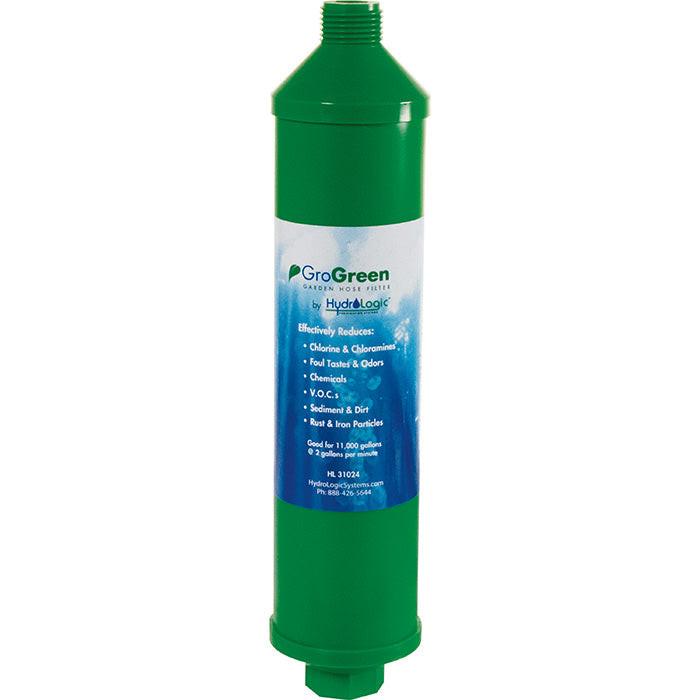
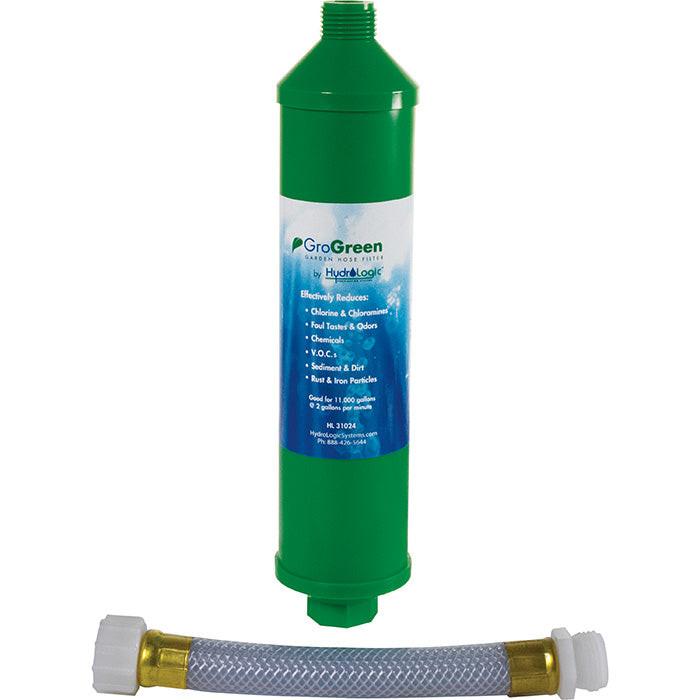
Carbon Block Dechlorination Filters
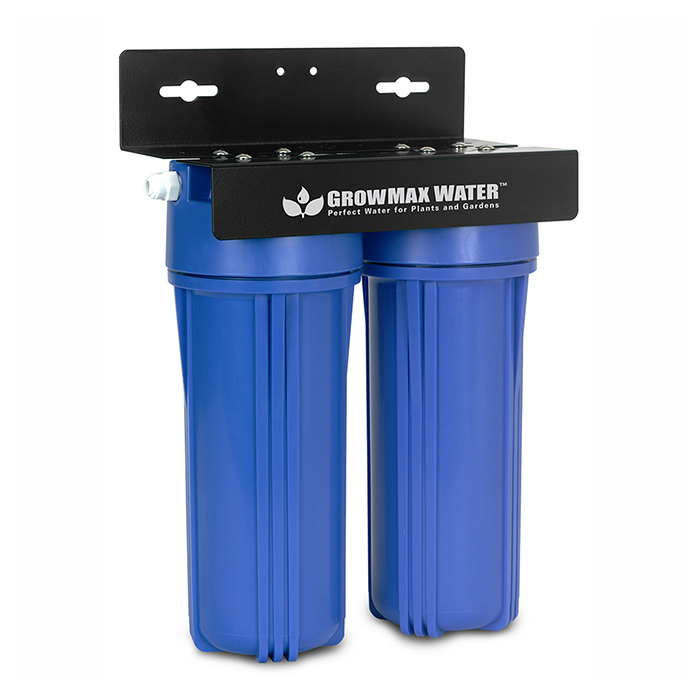
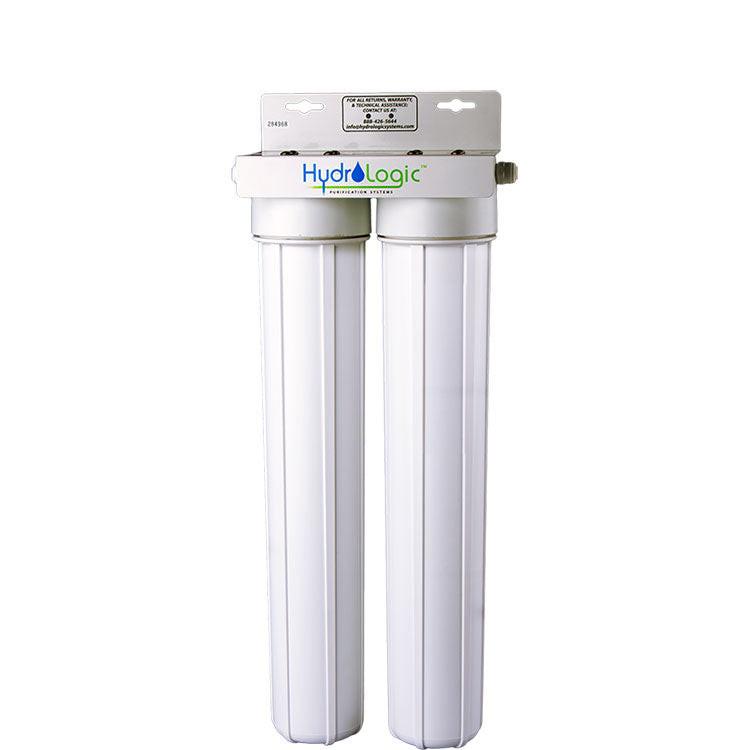
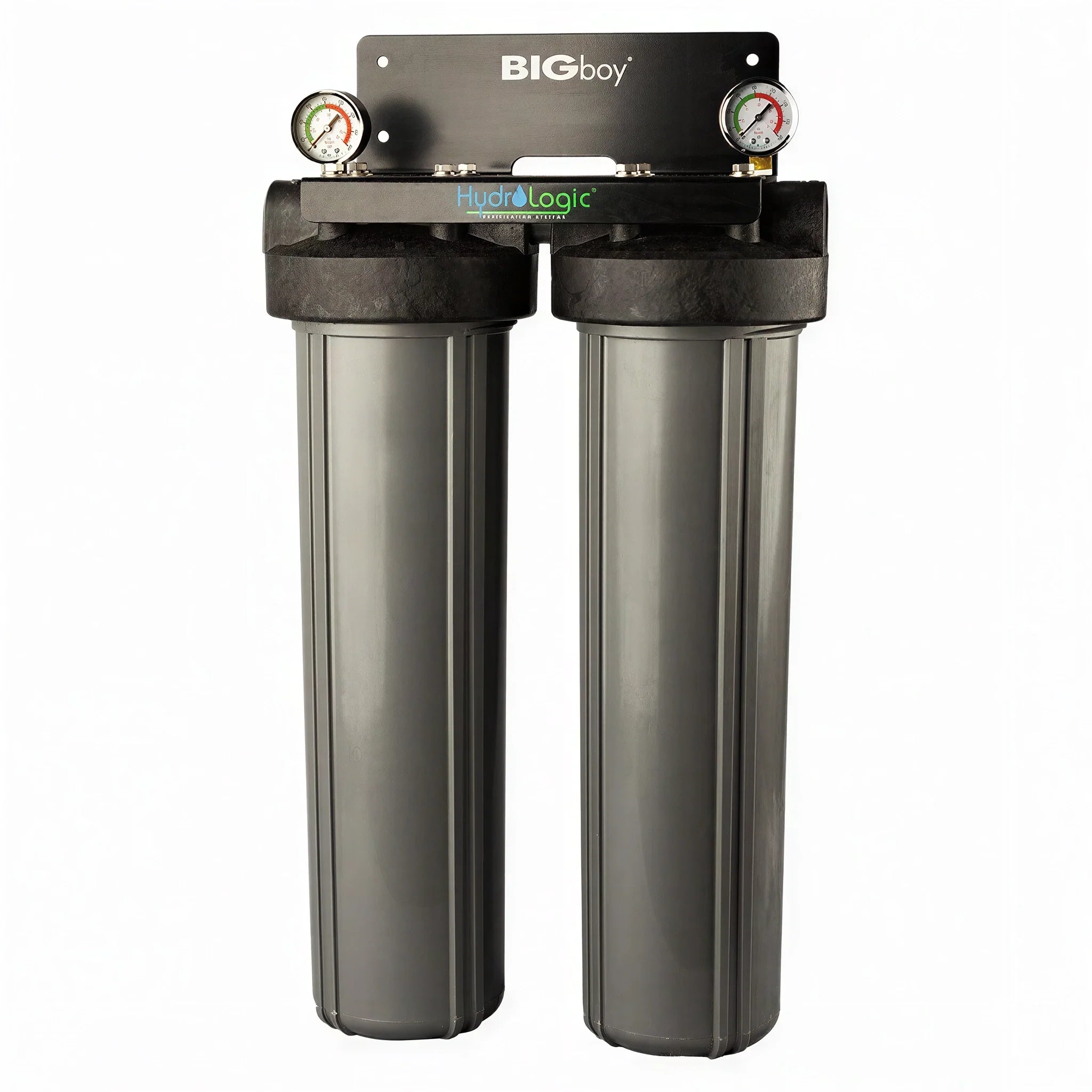
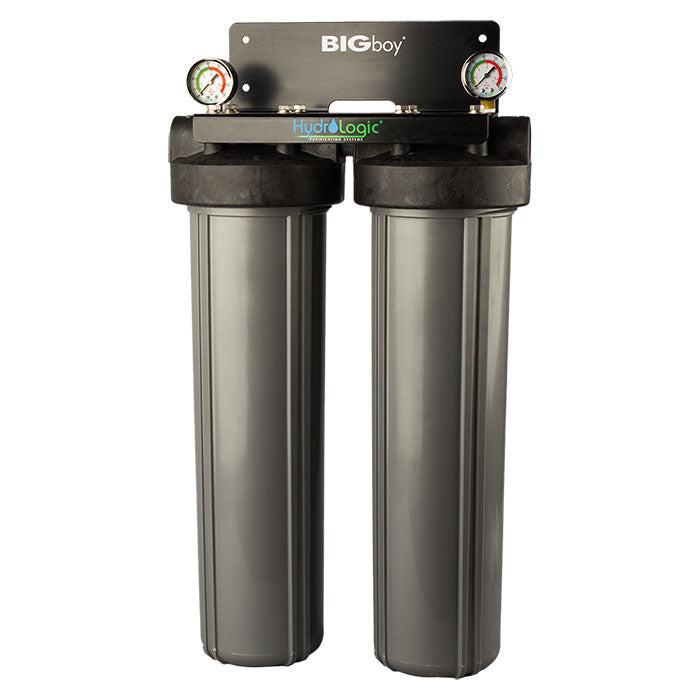
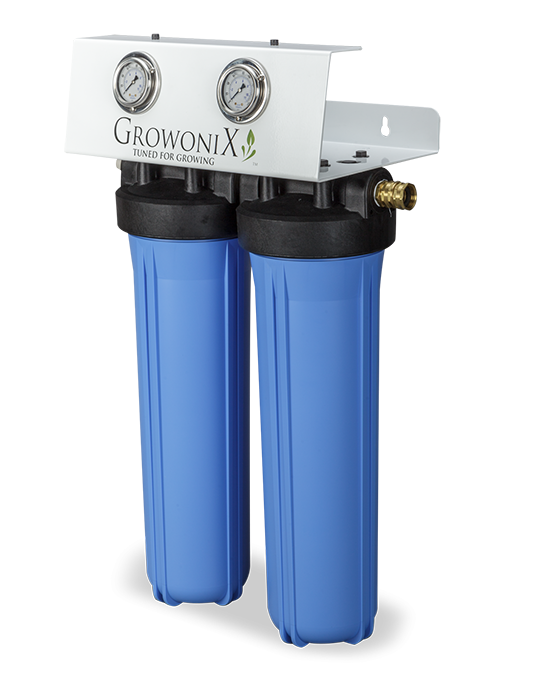
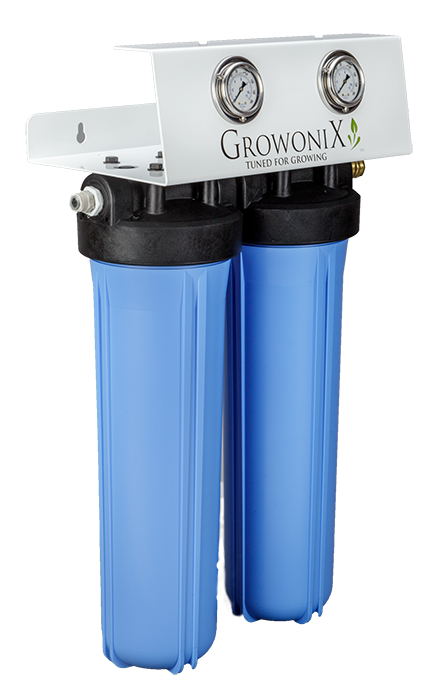
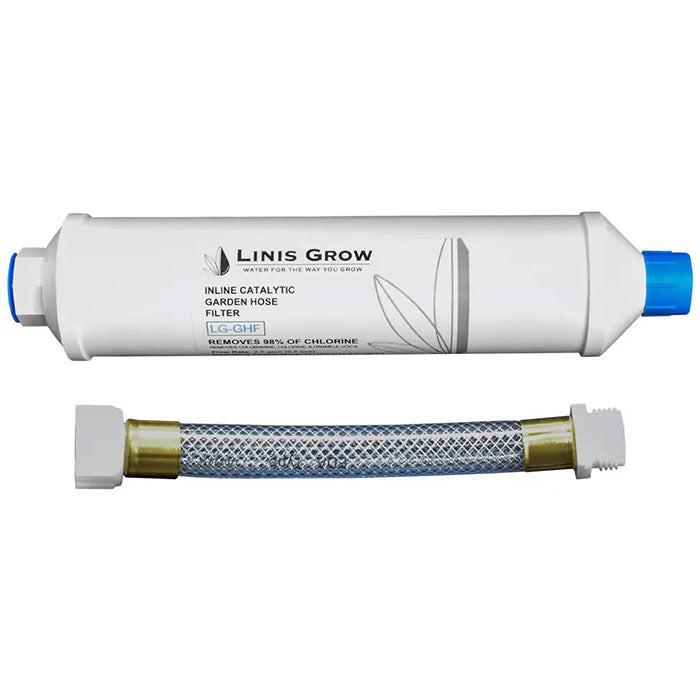
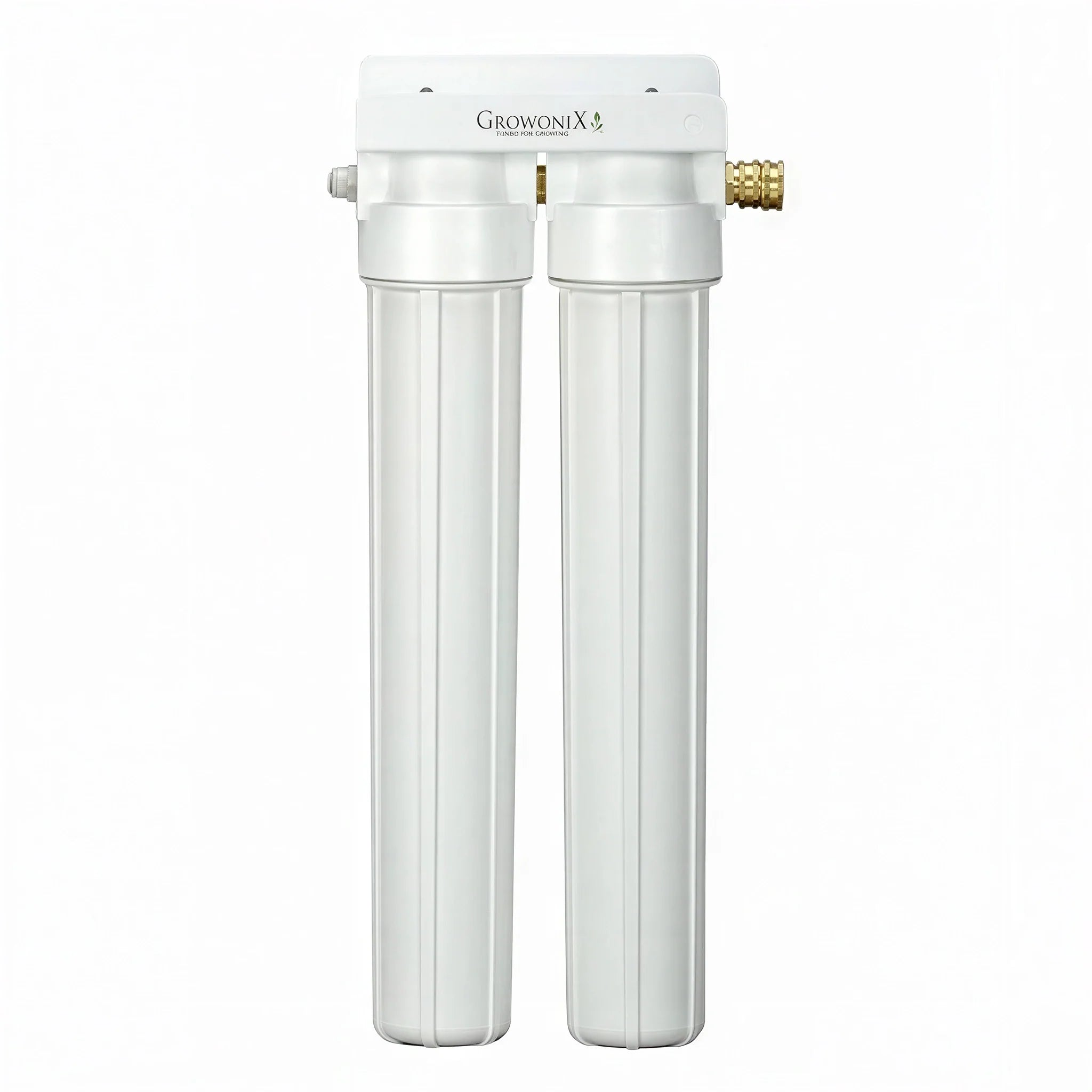
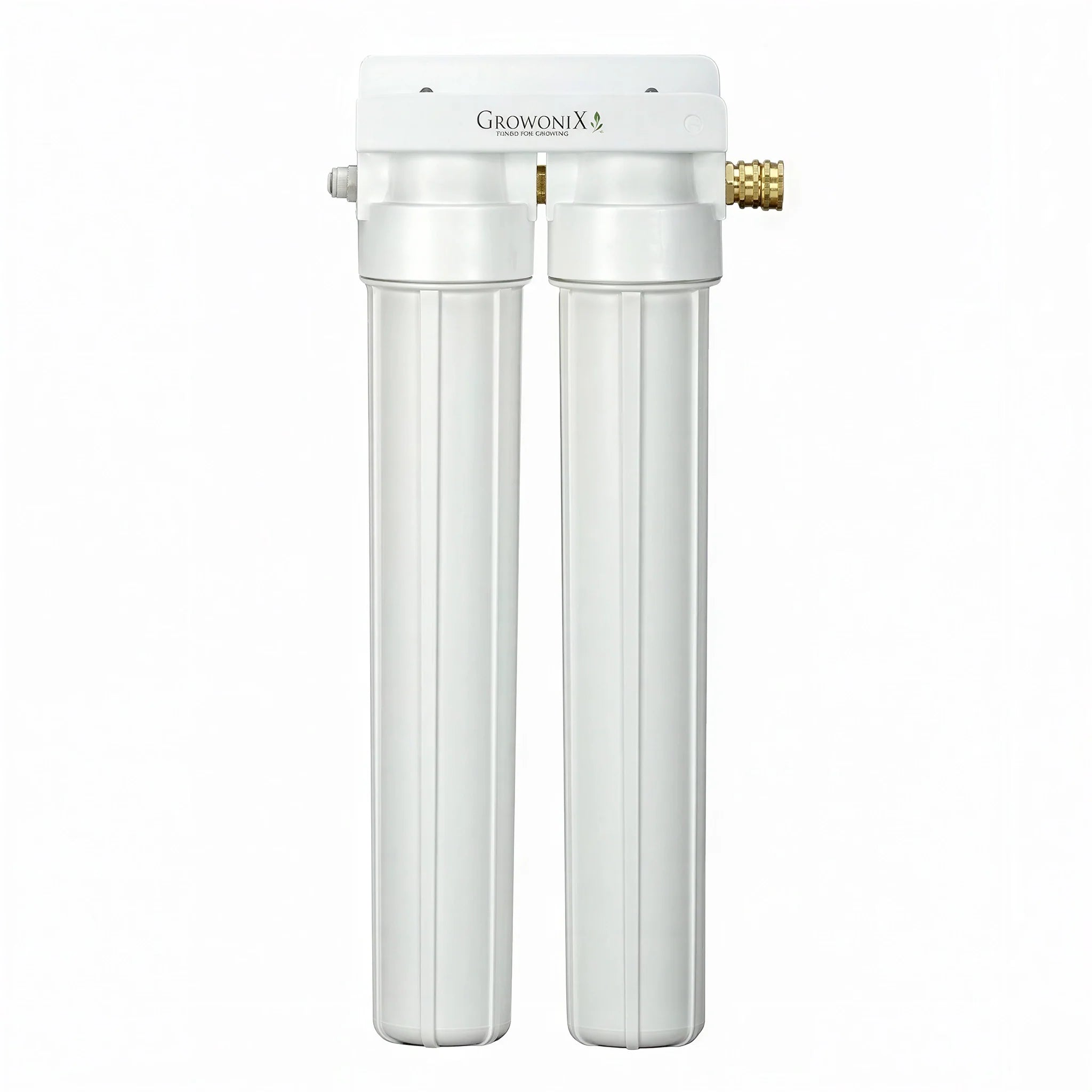
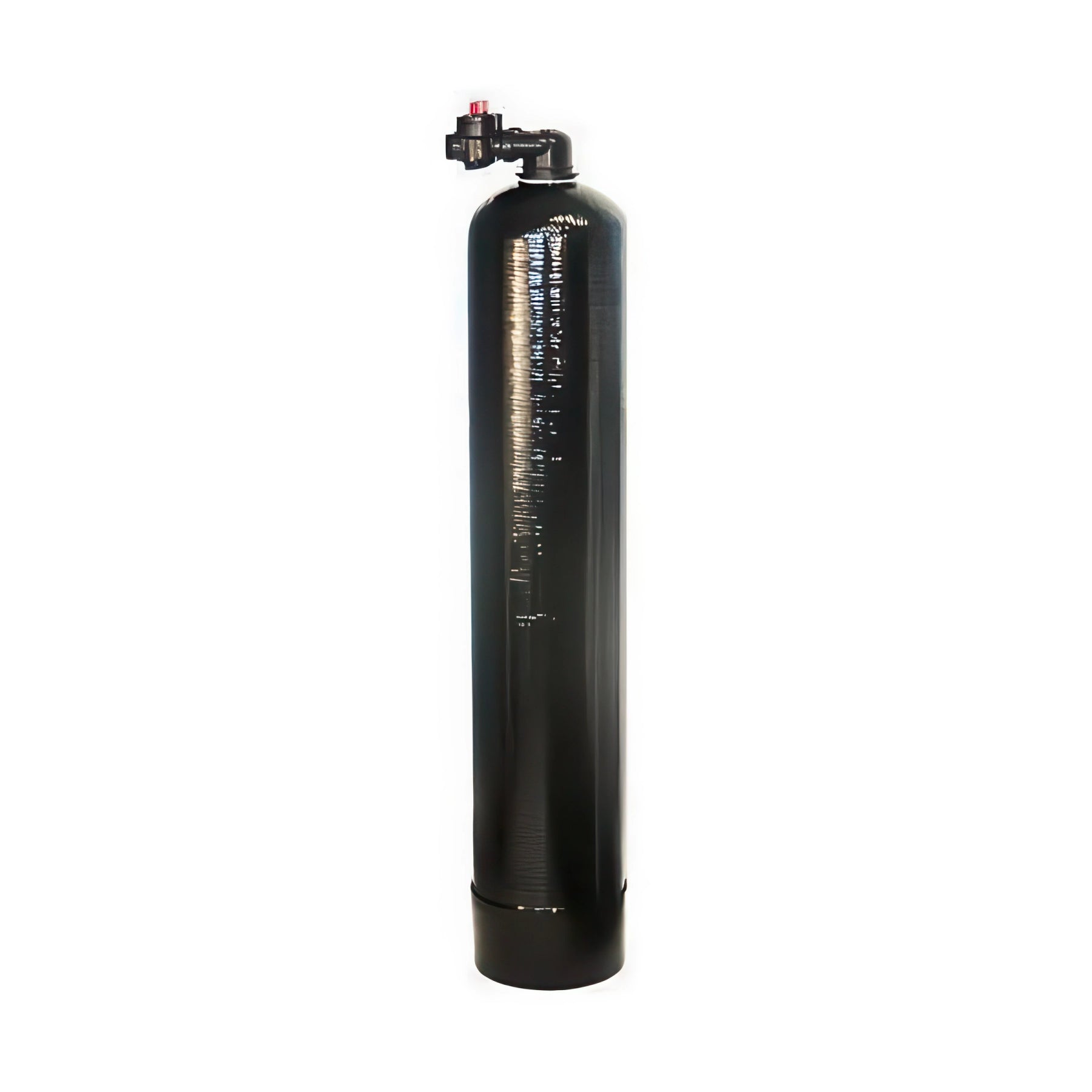
Activated carbon block filters are the standard for chlorine and chloramine removal -- the same filtration stage used as the pre-filter in RO systems. At 5-10 micron carbon block rating, these filters remove 99%+ of chlorine and chloramines, as well as organic compounds, pesticides, and volatile organic chemicals that affect water taste and plant health. Inline carbon block filter housings connect to your water supply line and require no electricity -- water pressure drives flow through the filter. Replace carbon block cartridges every 6-12 months (or per manufacturer's usage guidelines based on gallons filtered) to maintain dechlorination effectiveness. For complete RO water filtration, browse our reverse osmosis water filter collection.
Sediment Pre-Filters
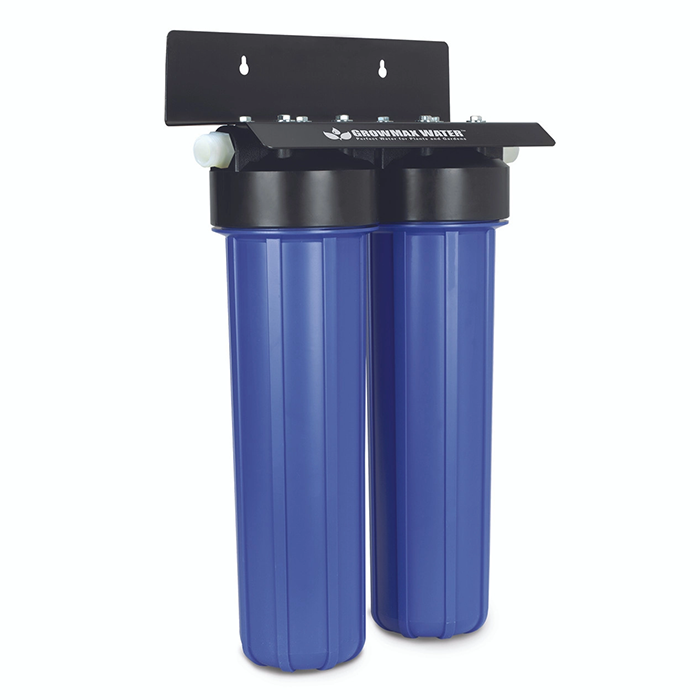
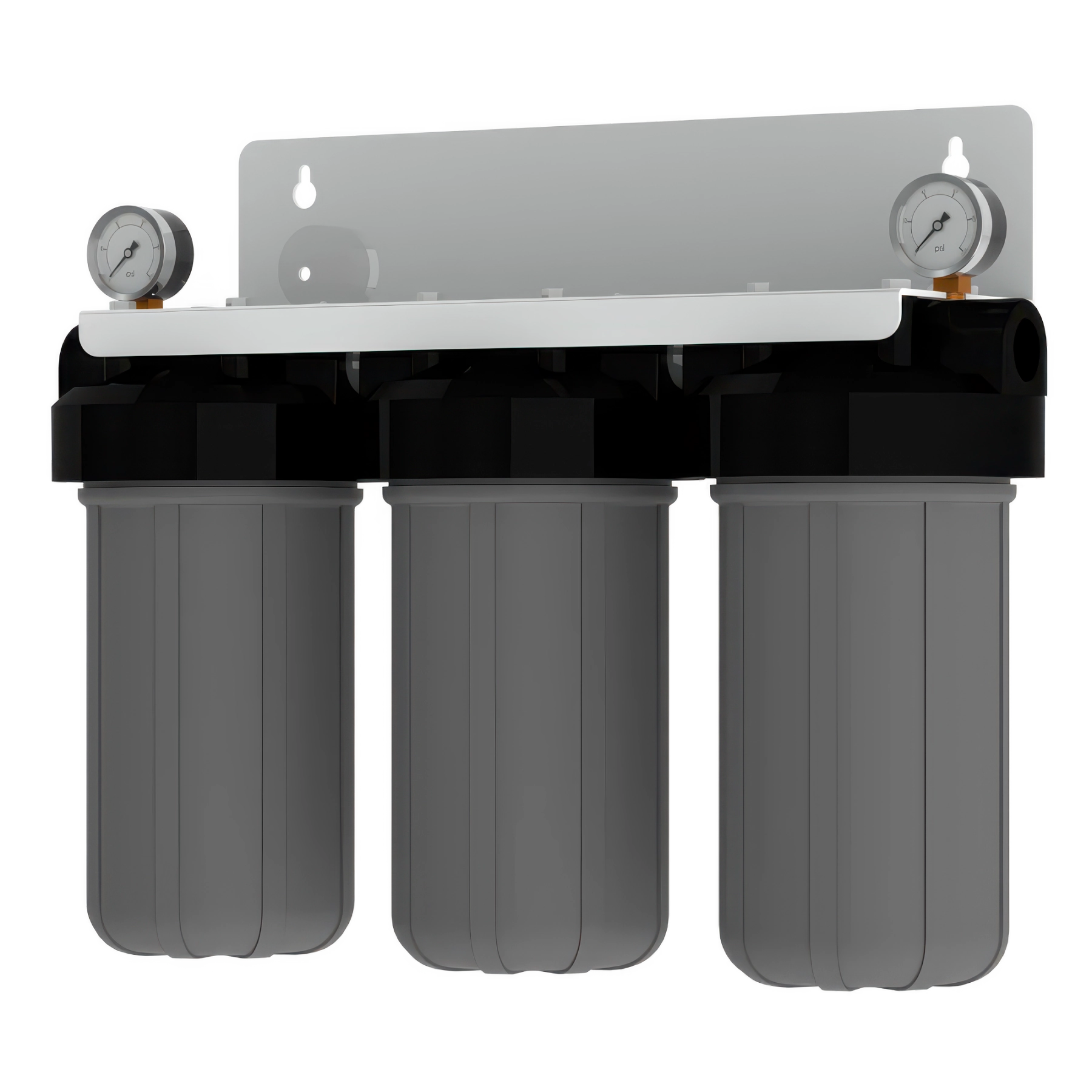
Sediment filters (1-5 micron polypropylene cartridges) remove sand, silt, rust particles, and other physical particulate from water before it reaches more sensitive downstream filtration or irrigation components. In drip irrigation systems, particulate as small as 0.3mm can clog pressure-compensating drip emitters -- a quality sediment pre-filter at the system head prevents this. Sediment filters should be the first stage in any multi-stage water treatment system, installed before carbon block and RO membrane stages to protect the downstream components from premature clogging. Fast shipping.
Dechlorinators & Water Filters FAQ
Does tap water chlorine actually harm plants?
For most synthetic hydroponic nutrient programs, chlorinated tap water at normal municipal concentrations (0.5-4 ppm free chlorine) does not directly harm plants -- the chlorine dissipates quickly from aerated nutrient solution. The more significant concern is for living soil and organic programs where you are intentionally cultivating beneficial bacteria and fungi: municipal disinfectants kill these organisms. For organic grows, kombucha-style beneficial organism inoculants, and any program where soil microbial health is a goal, removing chlorine and chloramine before use is important. Chloramine (used by some municipalities) does not dissipate with aeration and requires carbon filtration to remove.
What is the difference between chlorine and chloramine?
Both are water disinfectants, but with different chemistry and removal methods. Chlorine (free chlorine, Cl2) dissipates naturally from water left open to air for 24+ hours -- letting a bucket of tap water sit overnight is a simple dechlorination method for small-scale organic grows. Chloramine (chlorine combined with ammonia, NH2Cl) is increasingly used by municipalities because it is more stable and doesn't dissipate with aeration. Chloramine requires carbon filtration for effective removal -- a standard activated carbon block filter removes both chlorine and chloramine. Check with your local water utility to know which disinfectant your tap water uses.
Do I need a sediment filter if I use RO filtration?
Yes -- a sediment pre-filter should always precede an RO membrane in a complete water treatment system. Suspended particulate that passes the sediment stage can foul the RO membrane, reducing its efficiency and shortening its service life from 2-3 years to months. The sediment pre-filter protects the RO membrane as its primary purpose. Most RO filter systems include a sediment pre-filter as the first stage; standalone sediment filter housings are used when adding pre-filtration to an existing system or protecting irrigation system components.
How often should I replace dechlorinator filter cartridges?
Carbon block dechlorinator cartridges should be replaced every 6-12 months depending on flow volume and incoming water quality. High-sediment water (visible turbidity, rural well water) shortens carbon cartridge life by loading the carbon surface with physical particulate -- in these cases, add a sediment pre-filter before the carbon stage to extend carbon cartridge life. In RO systems, the carbon pre-filter protects the RO membrane from chloramine damage -- replace it on schedule without waiting for visible reduction in flow rate, as chloramine passage through a spent carbon filter is not visually detectable.
Can I just let tap water sit overnight to remove chlorine?
Yes for free chlorine -- leaving water in an open bucket for 24 hours allows chlorine gas to off-gas naturally. Aeration (an air stone and air pump) speeds this up to 1-4 hours. However, this method does not remove chloramine, which is chemically stable and does not off-gas. It also does not remove sediment, heavy metals, or dissolved organic compounds that affect water quality. For organic programs in areas using chloramine (check with your water utility), carbon block filtration is required. For small-scale organic grows in chlorine-only water supply areas, the overnight sit is a simple and effective dechlorination method.