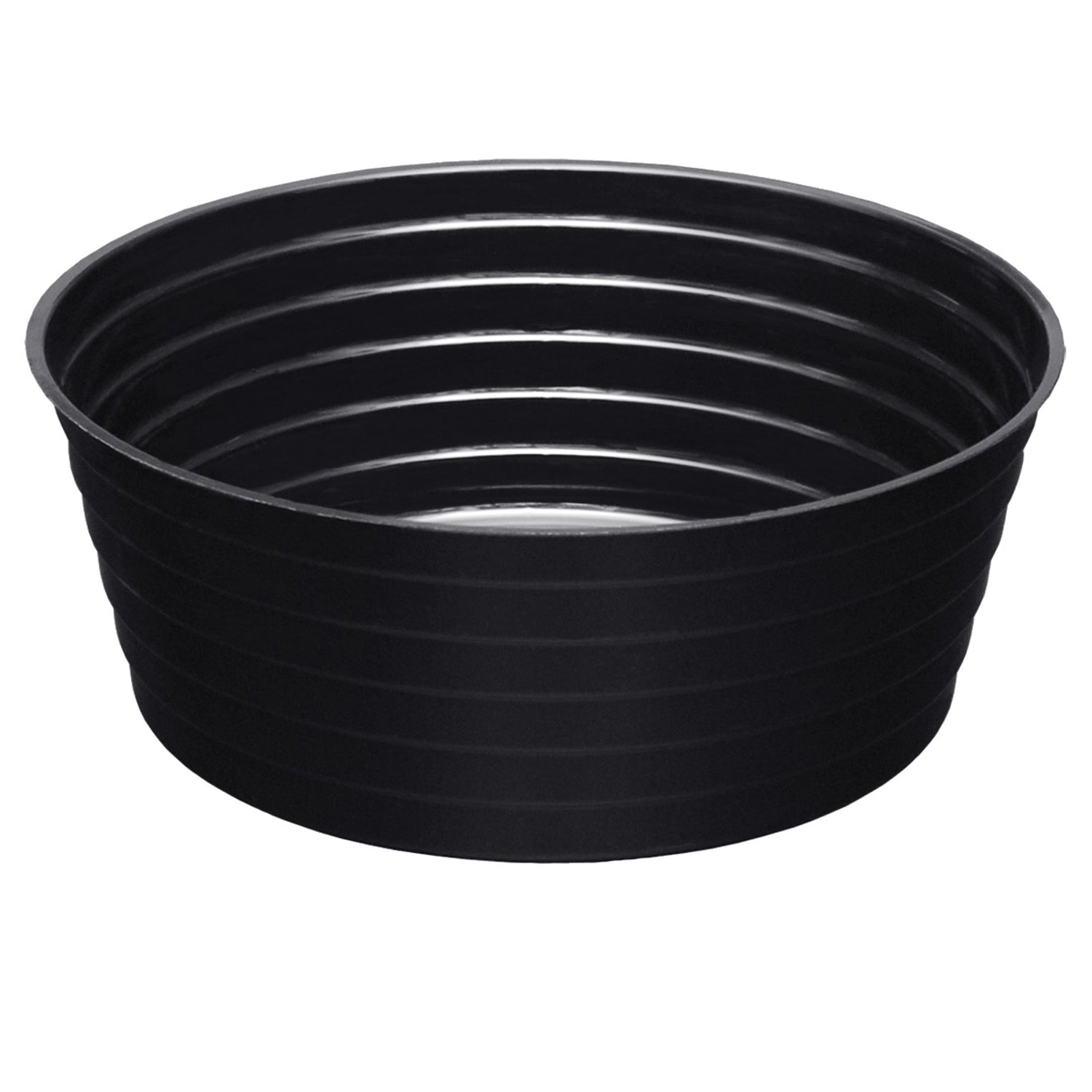
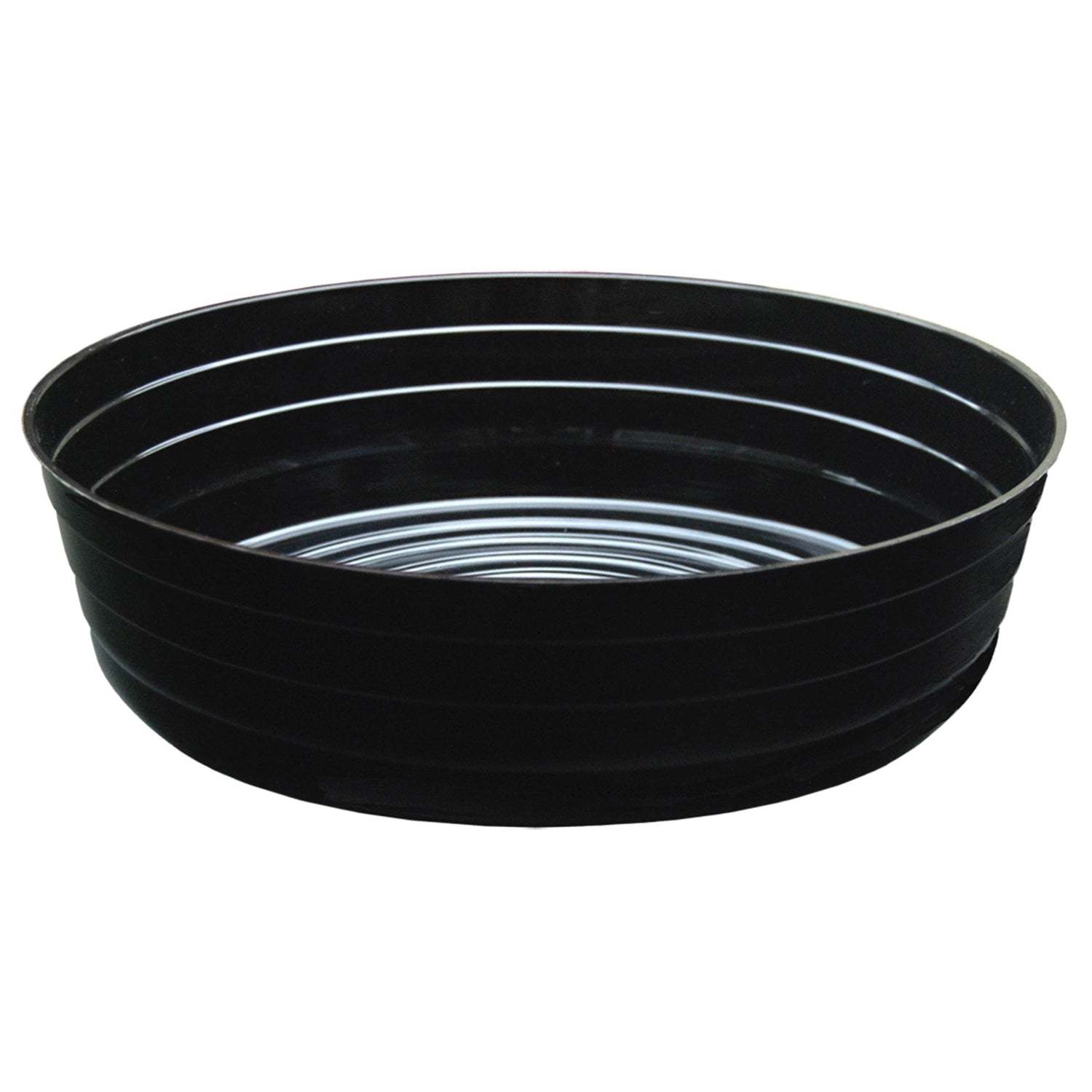
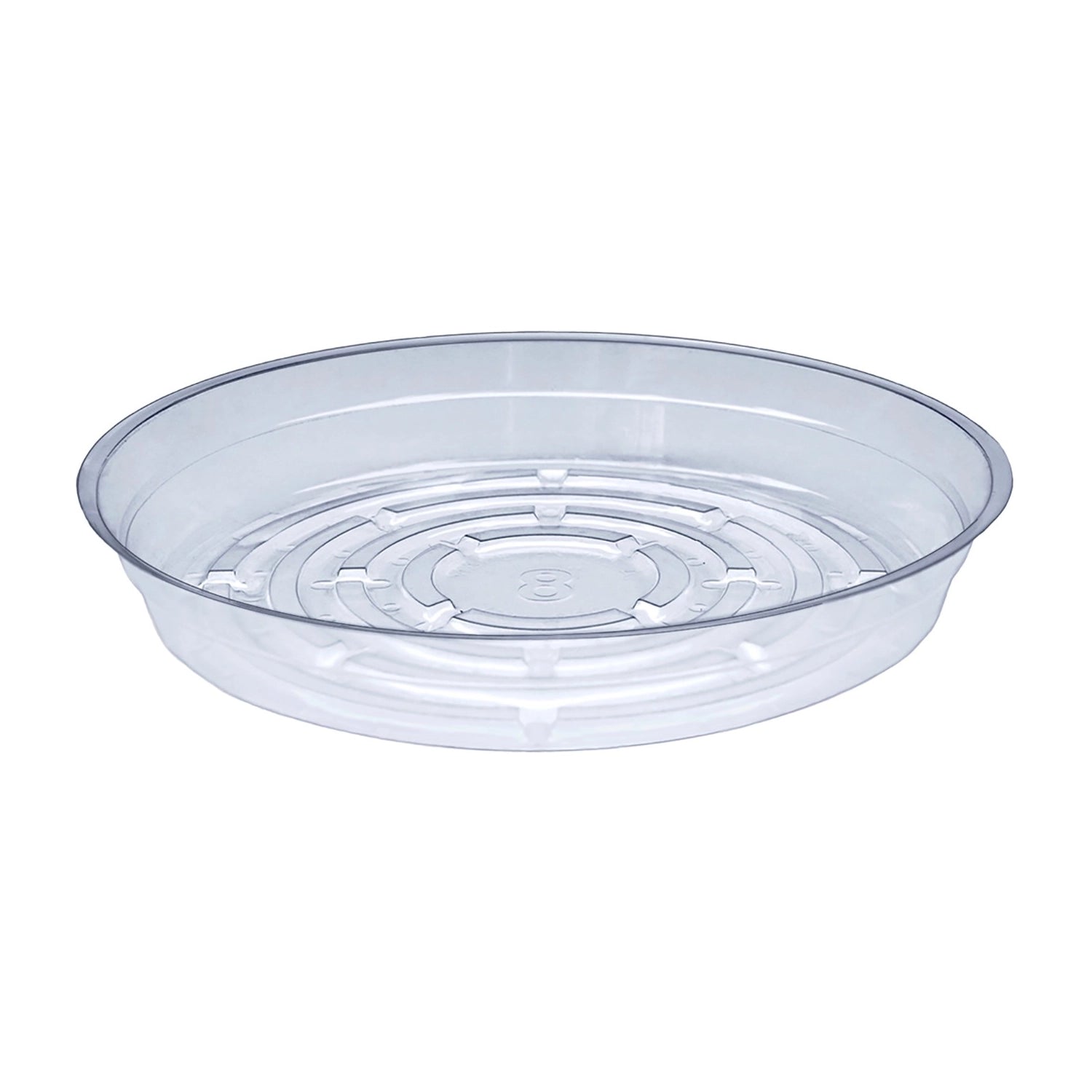
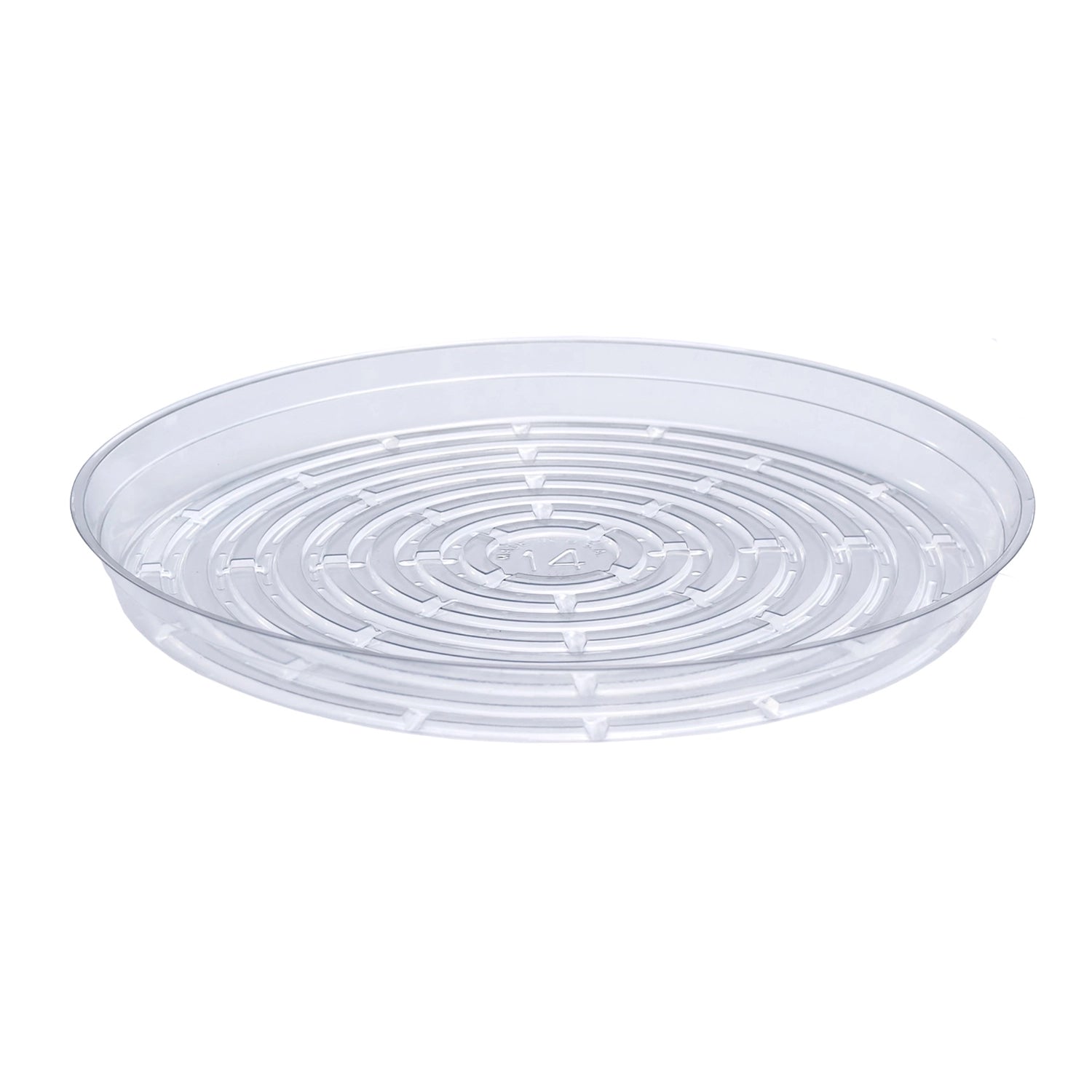
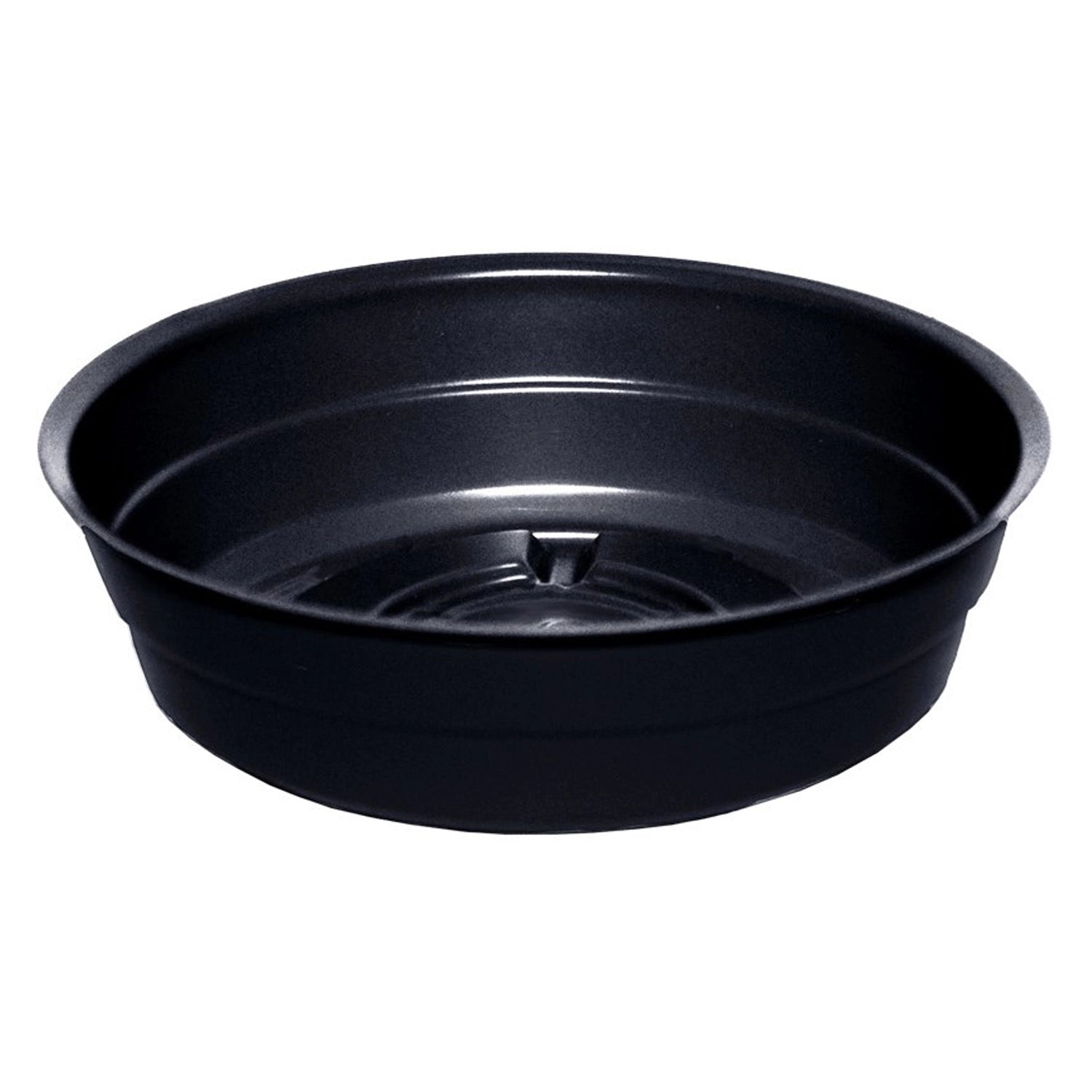
Curtis Wagner Plastics Growing Containers & Propagation Trays
Curtis Wagner Plastics is a commercial horticulture plastics manufacturer producing propagation trays, growing containers, and greenhouse-use plastic products for professional nursery and indoor growing operations. Their product range includes injection-molded and thermoformed plastic trays, flats, and containers designed for the physical demands of commercial production -- repeated wash cycles, UV exposure, greenhouse temperature cycles, and the mechanical handling of commercial transplant and propagation operations.
Commercial Horticulture Plastics
Commercial propagation trays and flats from Curtis Wagner are used in nursery, greenhouse, and indoor growing operations for seed starting, plug production, and transplant staging. Unlike consumer-grade trays that degrade quickly under commercial use conditions, professional-grade plastics are engineered for durability across multiple crop cycles. Heavy-gauge flats resist warping under full tray loads and commercial irrigation pressure, and are designed to stack safely for storage and transport.
Applications
Curtis Wagner products support the physical infrastructure of commercial propagation programs alongside consumables like IHORT starter plugs and propagation media. For a complete propagation setup, browse propagation rack systems and cloning and propagation supplies. Commercial accounts available -- call 888-815-9763 for volume pricing.
Curtis Wagner Plastics FAQ
What is the difference between commercial and consumer-grade propagation trays?
Consumer-grade propagation trays sold at garden centers are typically thin-walled thermoformed plastic that is lightweight but brittle -- they crack with rough handling and warp under full tray loads or repeated washing. Commercial-grade trays from manufacturers like Curtis Wagner use heavier wall thickness and more durable plastic formulations designed to survive the mechanical handling of production environments: stacking under full loads, commercial irrigation pressure, repeated hot wash cycles, and temperature cycling in unheated storage areas. For operations running multi-cycle propagation programs where trays are reused across many crops, commercial-grade trays have a significantly lower per-cycle cost despite the higher initial price.
Can propagation trays be sanitized and reused?
Yes. Commercial propagation trays are designed for multi-cycle reuse with proper sanitation between crops. Scrub trays with a stiff brush and cleaning solution to remove media residue and root debris. Sanitize with a diluted hypochlorous acid solution or bleach solution (1:10 bleach to water), allow contact time of 5-10 minutes, then rinse thoroughly with clean water and allow to dry before reuse. Inspect trays for cracks and warping after cleaning -- damaged trays should be removed from the rotation to prevent structural failures during use.
What size propagation trays are standard in commercial horticulture?
The 10x20 inch propagation flat is the universal standard in North American commercial horticulture -- this size fits most propagation dome systems, bench widths, and rack configurations. Within the 10x20 flat, cell count varies by plug size: 50-cell, 72-cell, 98-cell, 104-cell, 128-cell, and 200-cell inserts are the most common formats. Smaller cell counts (50-72) are used for larger plugs and cuttings; larger cell counts (128-200) are for seed starting where many plants are started in a small footprint. Choose cell size based on your propagation media size and the age at which you transplant.