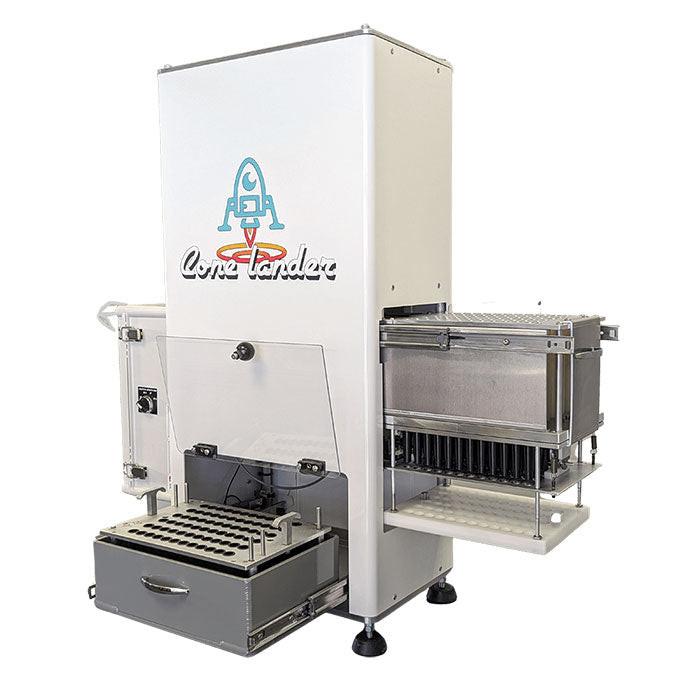
Pre-Roll Cone Filling Machines & Systems
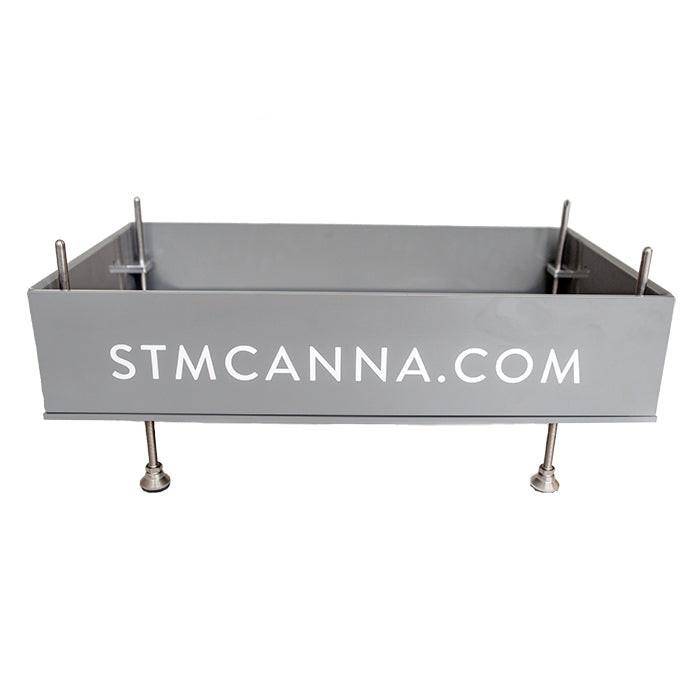
Cone filling systems are devices designed to fill pre-formed paper cones with ground botanical material consistently, quickly, and with even packing throughout the cone length. The simplest format is a manual multi-cone tray that fills 20-100 cones simultaneously through gravity distribution and manual tamping; more advanced systems use vibration, compression, or electric actuation to automate the filling and packing steps. For commercial pre-roll production where output consistency and throughput matter, a dedicated cone filling system replaces hand-filling with a faster, more repeatable process.
Manual Filling Trays
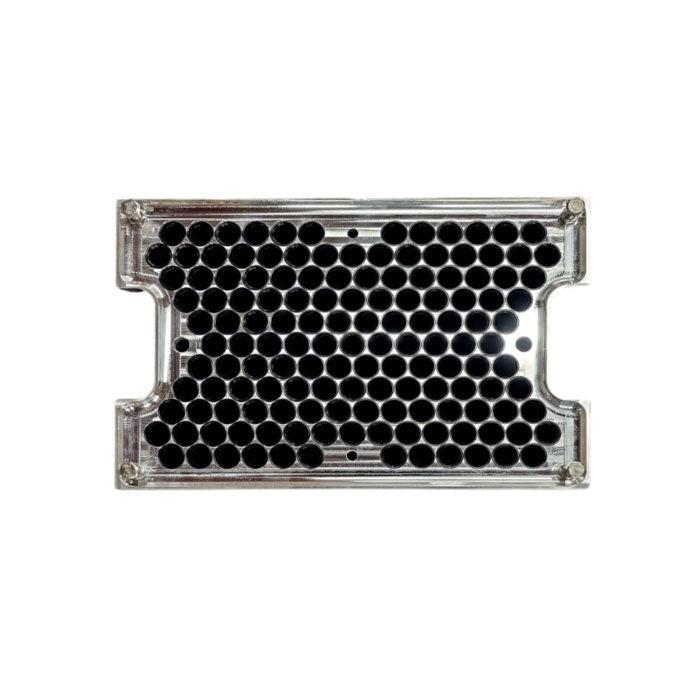
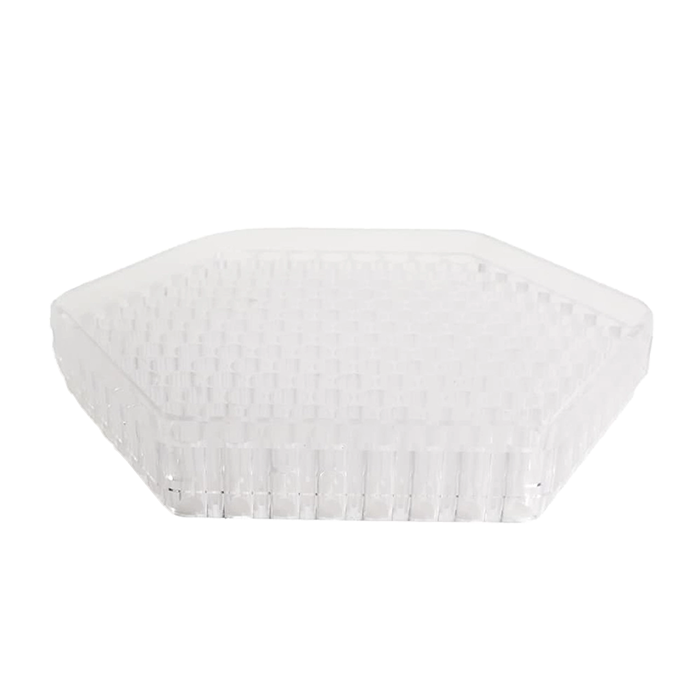
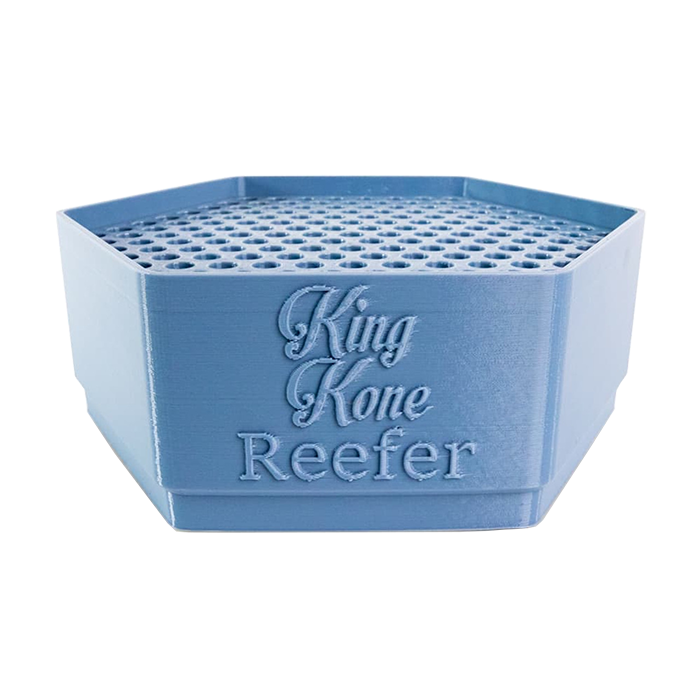
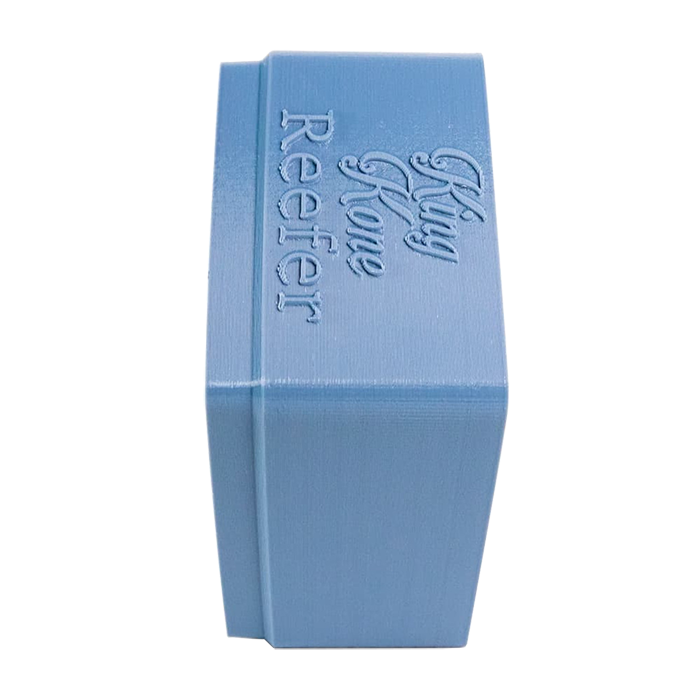
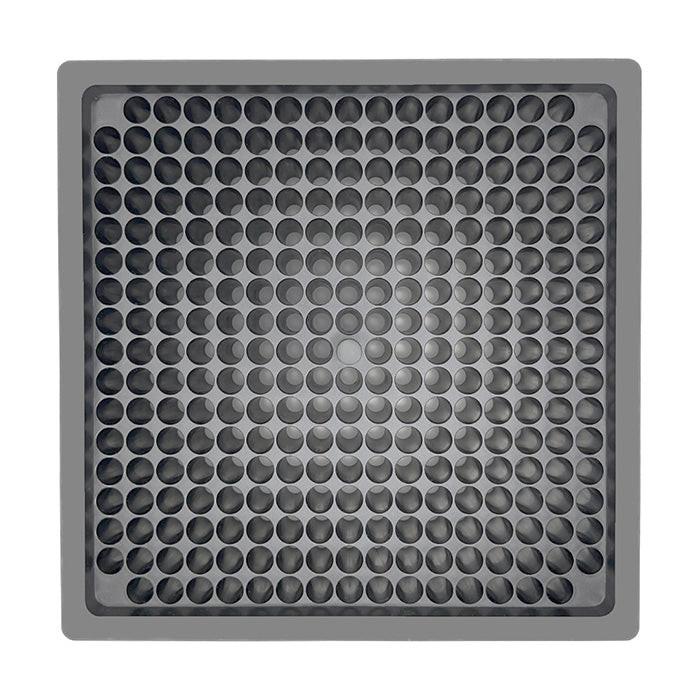
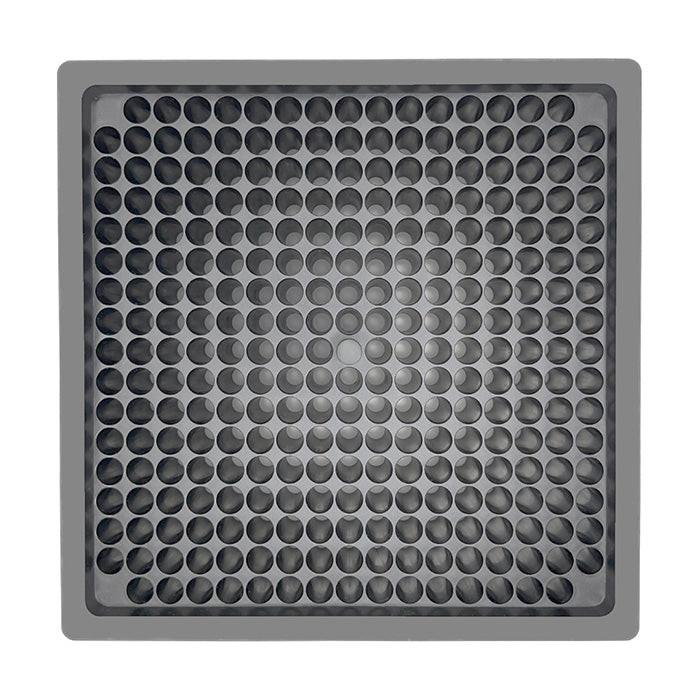
Manual cone filling trays (20-cone, 84-cone, and 100-cone formats) hold a set of pre-formed cones upright in a tray, allow ground material to be spread across the open tops, and use a card or scraper to distribute material into all cones simultaneously. A shaker plate or tapping motion settles the material, and a tamping tool or included packer compresses it to final density. The process fills all cones in the tray in a single cycle -- typically 8-15 minutes for an experienced operator per 100-cone batch. Manual trays are low cost, simple to clean, and produce good consistency when technique is consistent. For small commercial operations producing up to a few hundred units per day, a quality manual tray is a practical and cost-effective choice.
Electric Cone Filling Machines
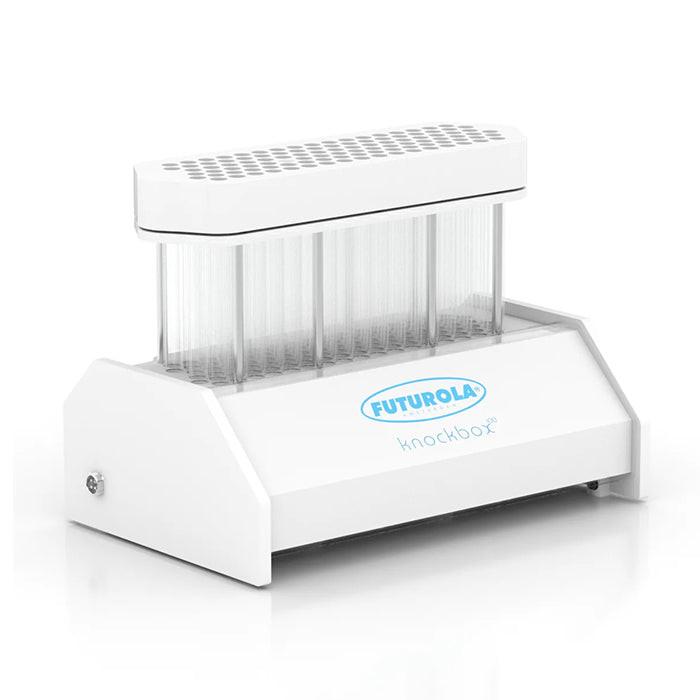
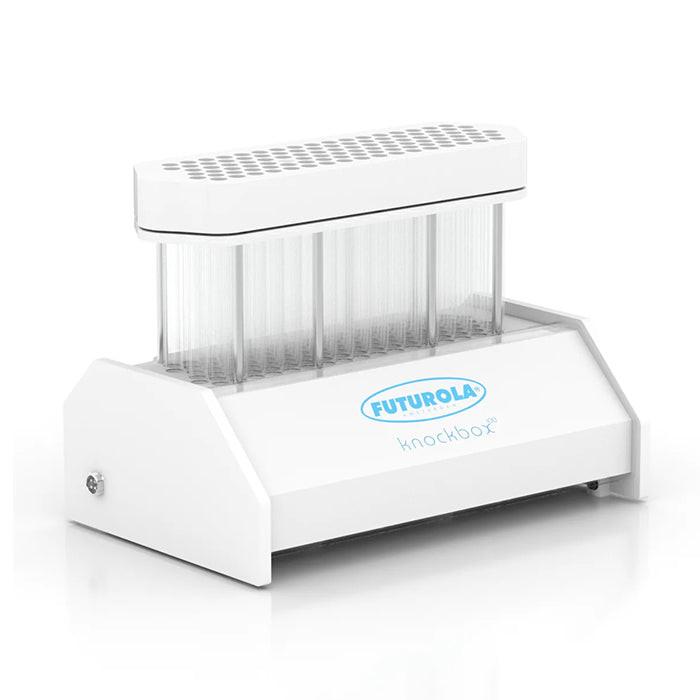
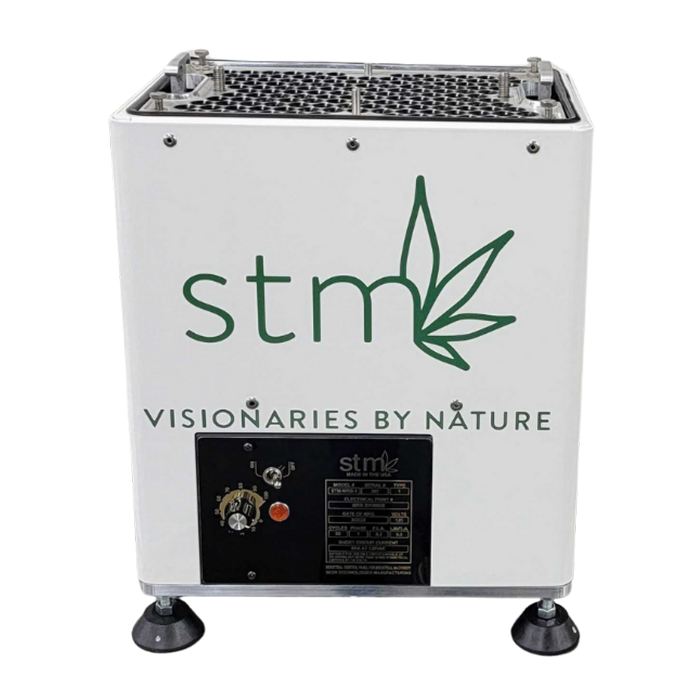
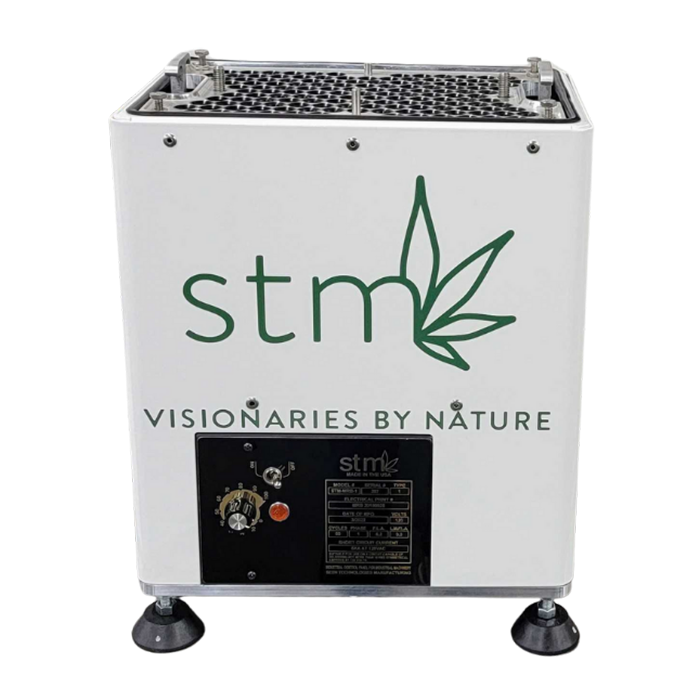
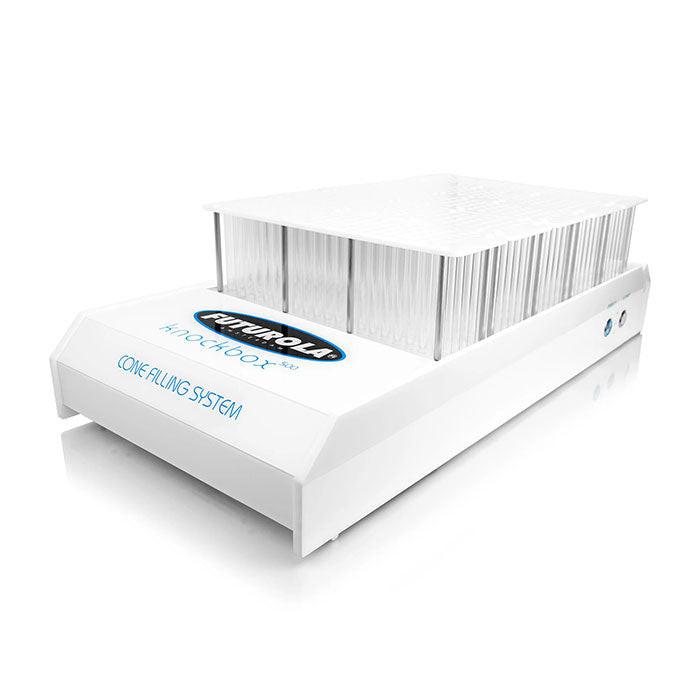
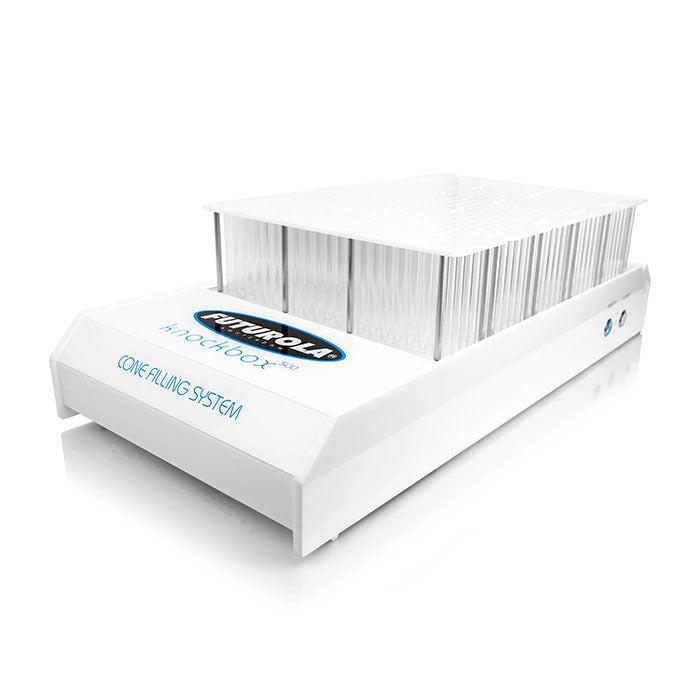
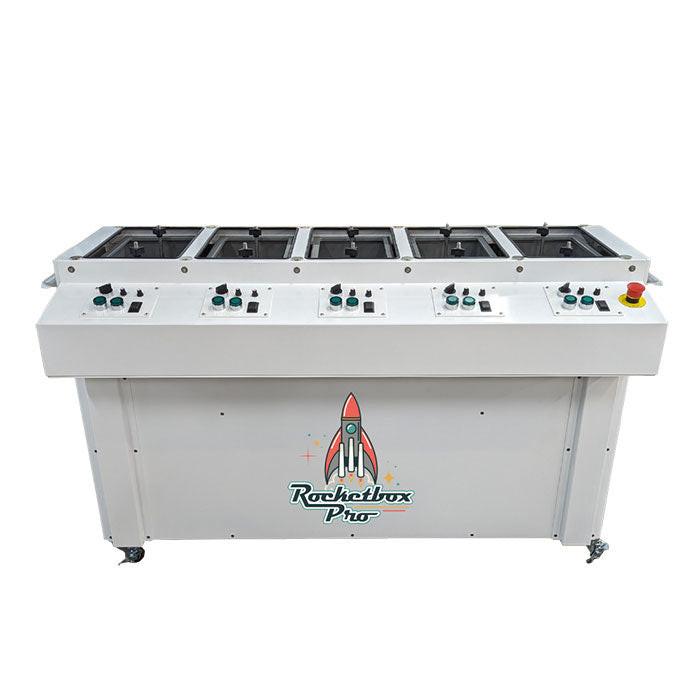
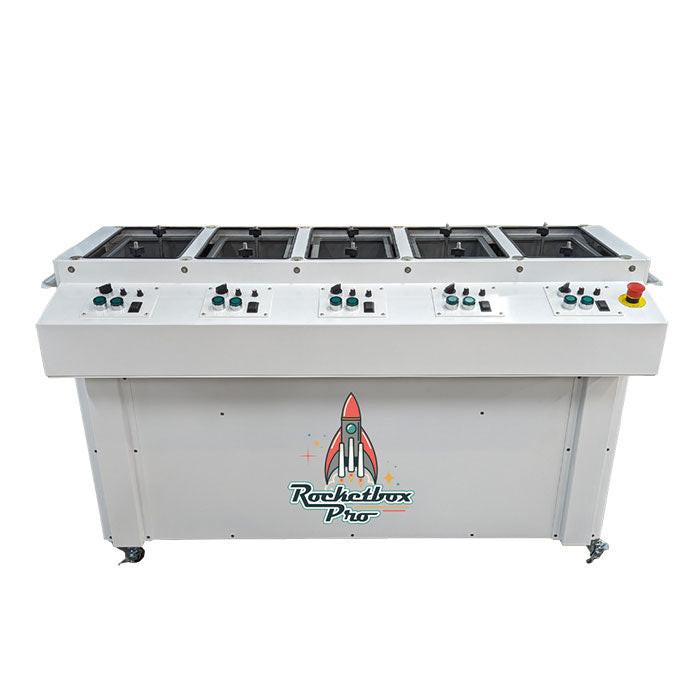
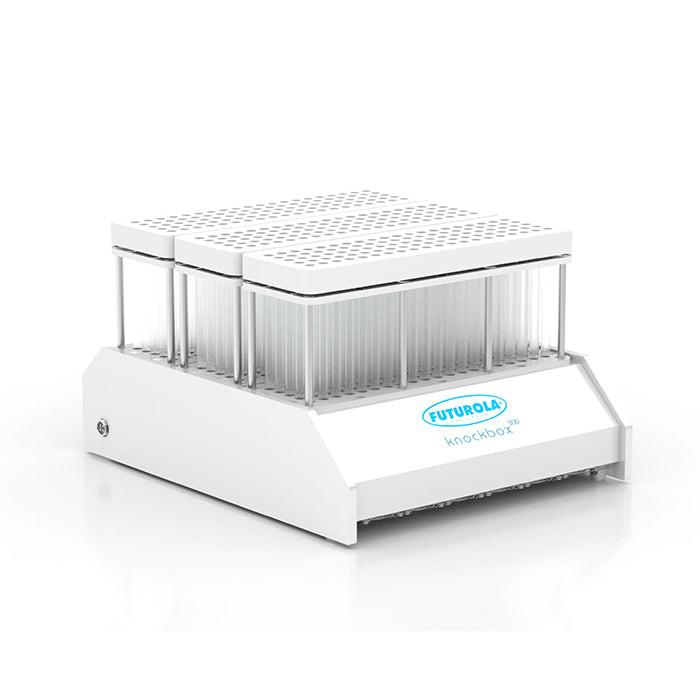
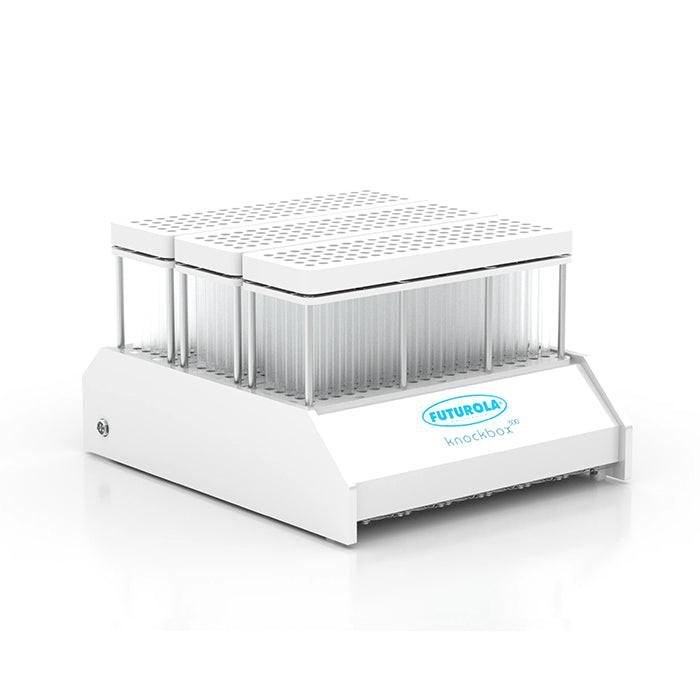
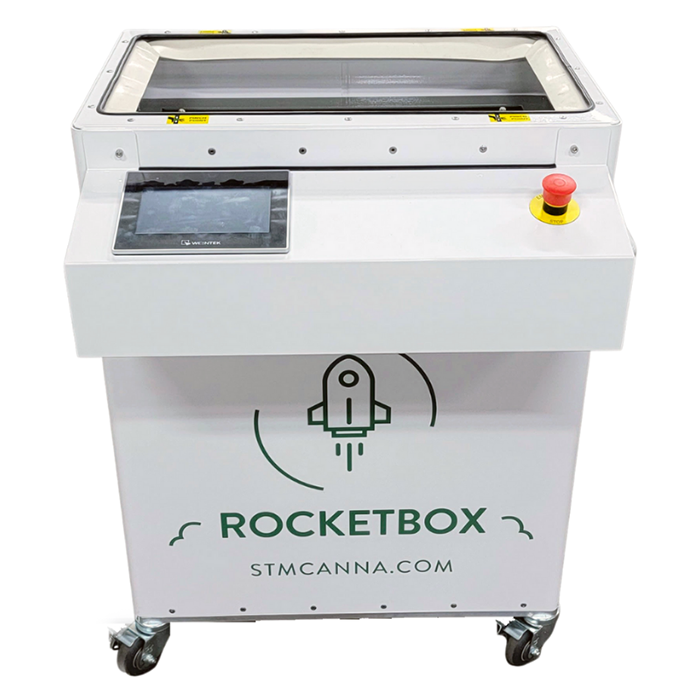
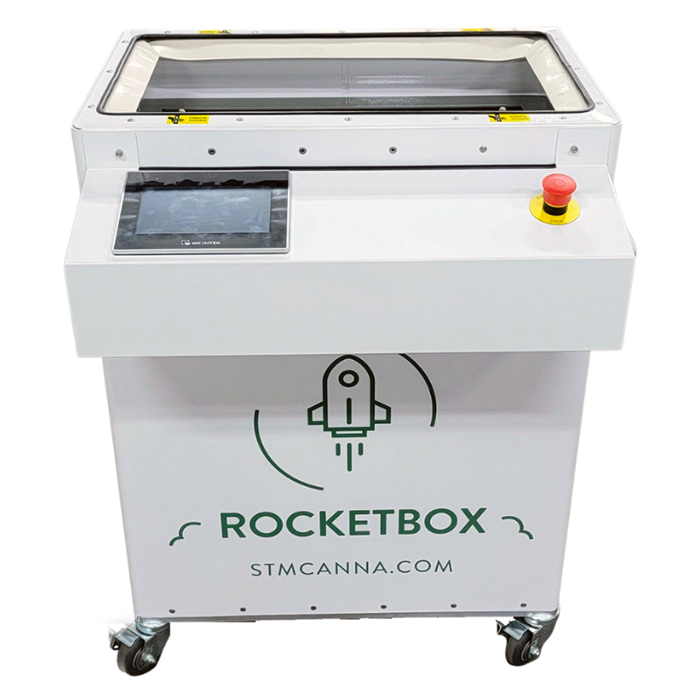
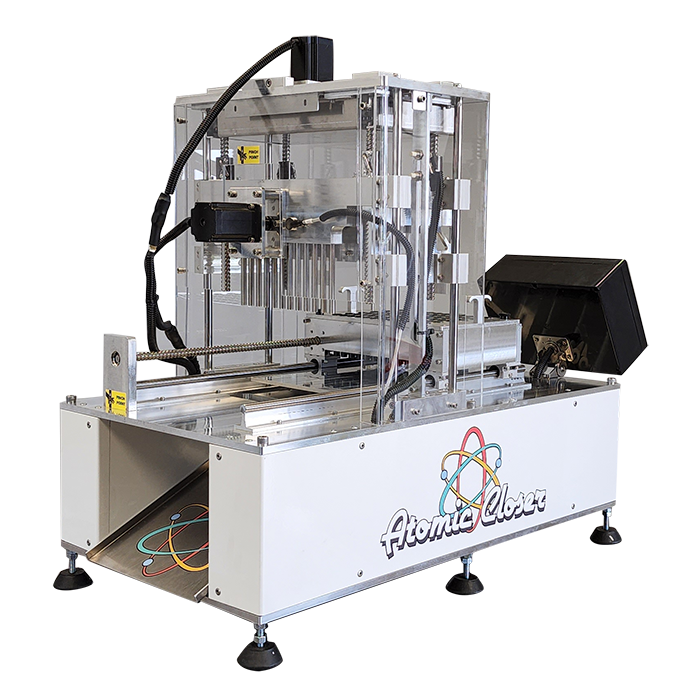
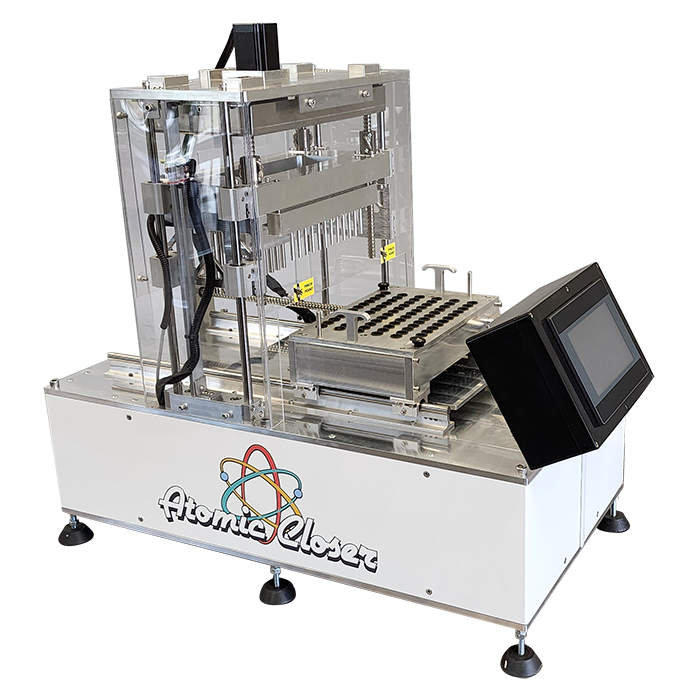
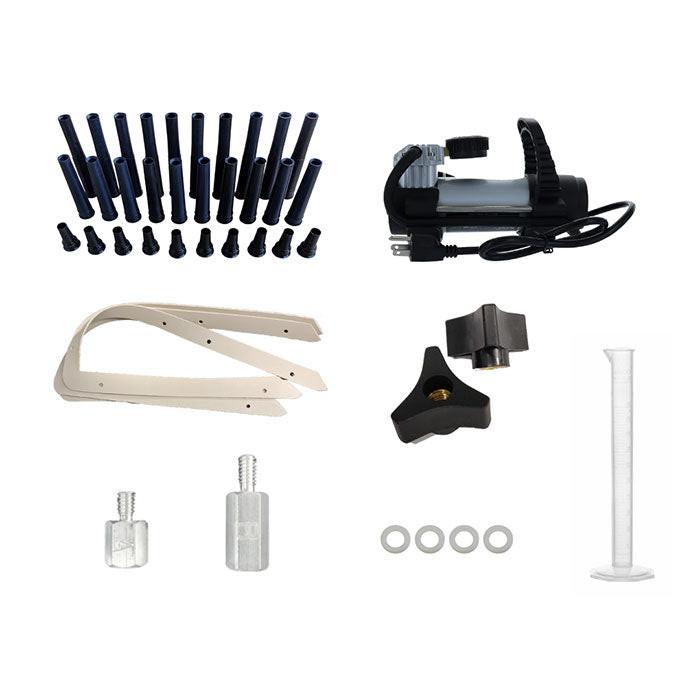
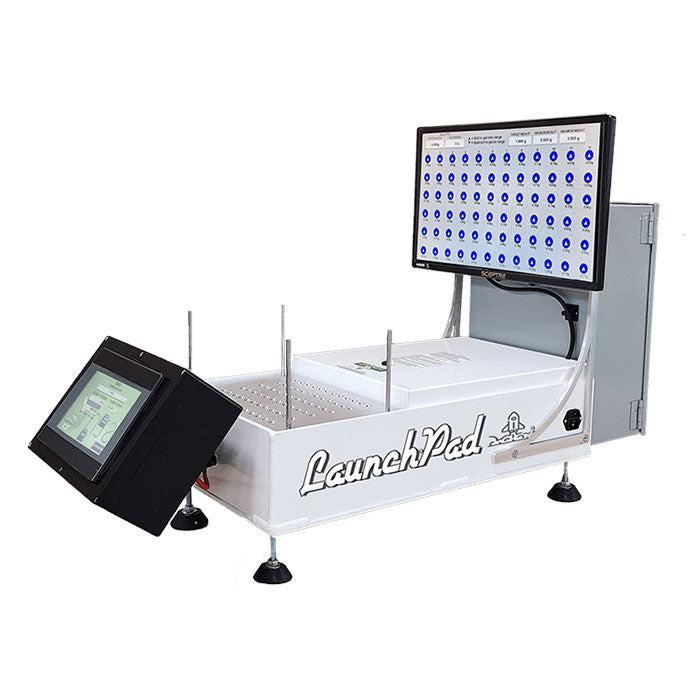
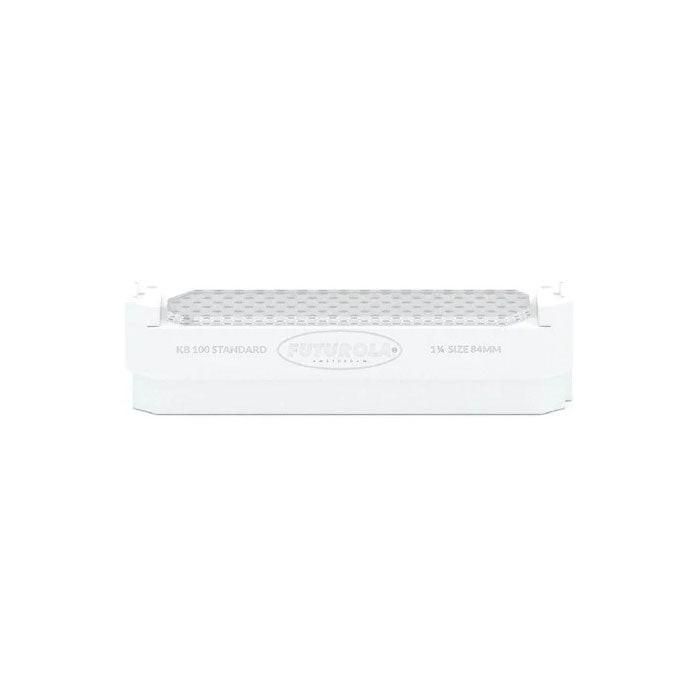
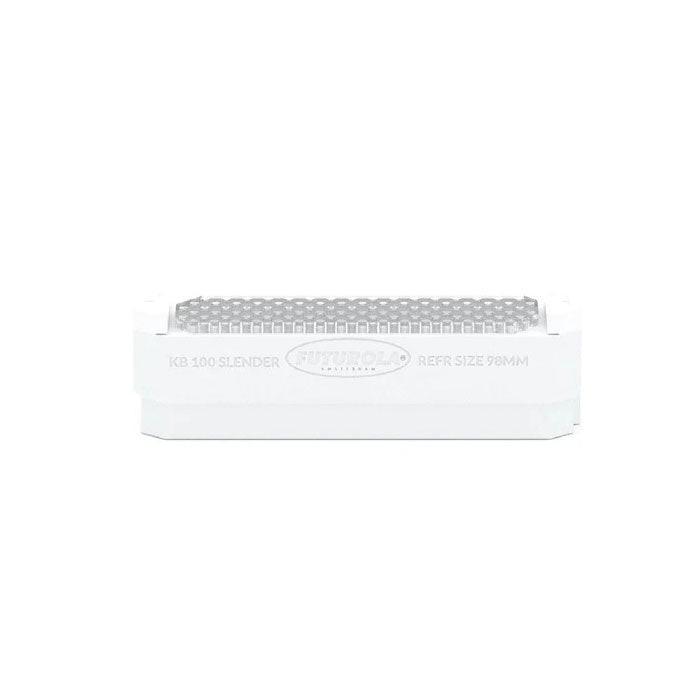
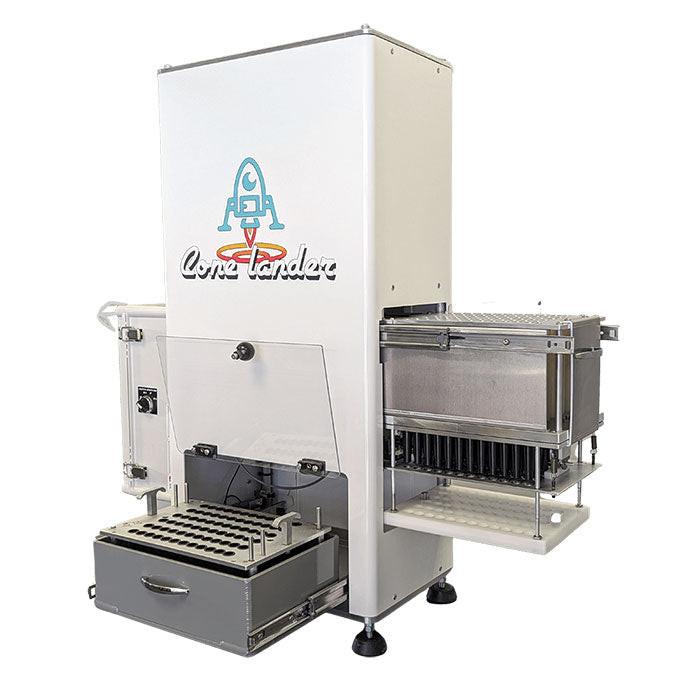
Electric cone filling machines (Futurola Knockbox and similar) use vibration or motorized tamping to fill and settle material into cones more quickly and consistently than manual tapping. Higher-end commercial systems integrate the filling, packing, and twisting steps into a single workflow, significantly reducing per-unit labor time. See our full pre-roll machines collection for all filling equipment alongside the full production workflow. Fast shipping.
Cone Filling Systems FAQ
What size cone filling tray should I get?
Match tray size to your typical production batch. 20-cone trays suit personal and small hobby production -- one cycle produces a small personal-scale batch quickly. 84 and 100-cone trays suit small commercial production where 100+ units per cycle is needed. The cycle time difference between 20-cone and 100-cone trays is not proportional to the count -- filling a 100-cone tray takes only slightly longer than a 20-cone tray because the distributing and settling steps happen simultaneously across all cones. At any production volume above 50 per session, the 100-cone tray format is more efficient per unit.
What cone size do filling trays accommodate?
Cone filling trays are made for specific cone sizes -- the most common sizes are 1-1/4, king size, and 98mm. Verify that the tray size matches the pre-formed cones you plan to use. Some trays accommodate only one cone size; others have inserts that adapt the tray to multiple sizes. The cone filter tip diameter also varies between brands -- trays are typically designed for standard-diameter filter tips and may not hold non-standard filter tip sizes properly.
How do I get consistent packing density with a filling tray?
Consistent density requires: consistent grind particle size (pre-grind all material to the same consistency before filling), consistent fill amount per cone (a measured scoop per tray load helps), consistent tapping or vibration during settling (same number of taps per cycle), and consistent tamping pressure. Variables in any of these steps produce density variation between cones in the same tray. Experienced operators develop a consistent physical routine -- same number of taps, same tamping force, same scraping motion -- that produces very consistent output. Vibration-assisted trays reduce tap variation by standardizing the settling step.
What is the difference between filling trays and cone filling machines?
Filling trays are passive tools -- the operator provides all the mechanical energy through spreading, tapping, and tamping. They are low cost and work for any volume where 100 cones per 10-15 minutes meets throughput needs. Cone filling machines provide powered assistance (vibration, motorized tamping, or full automation) that increases throughput, reduces physical labor, and improves consistency. Electric filling machines in the Futurola Knockbox class produce 100+ filled cones in 1-2 minutes with minimal operator effort. At production volumes above 500 units per shift, the labor and consistency advantages of electric machines are significant.
Do I need a specific grinder for cone filling?
Yes -- cone filling works best with material ground to a specific medium consistency. Too fine: material packs too tightly, restricts draw, and may burn unevenly. Too coarse: material does not settle evenly into the cone and may leave voids or fall out from the open tip. Most filling equipment manufacturers specify a recommended grind consistency. For manual trays, a quality multi-chamber grinder produces consistent medium grind with a medium-mesh screen. For high-volume production, a commercial electric grinder with adjustable output particle size produces the most consistent and highest-throughput grinding for filling line use.