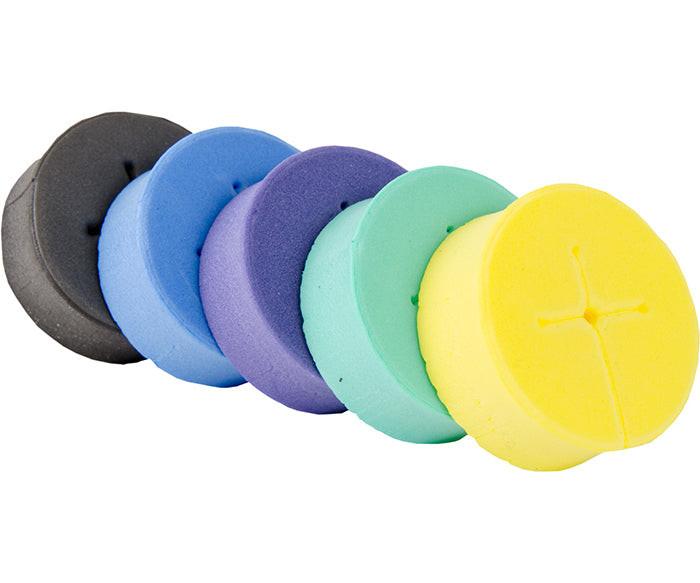
Cloning Collars & Neoprene Inserts for Aeroponic Cloners
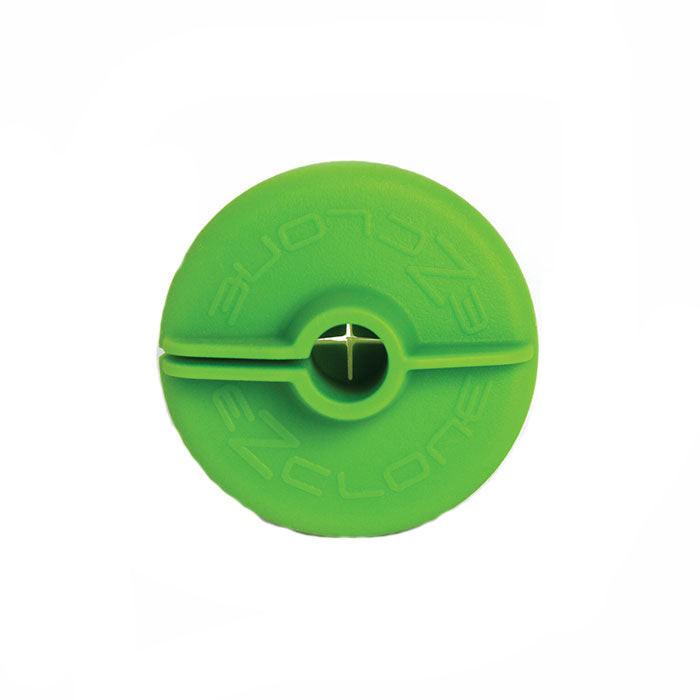
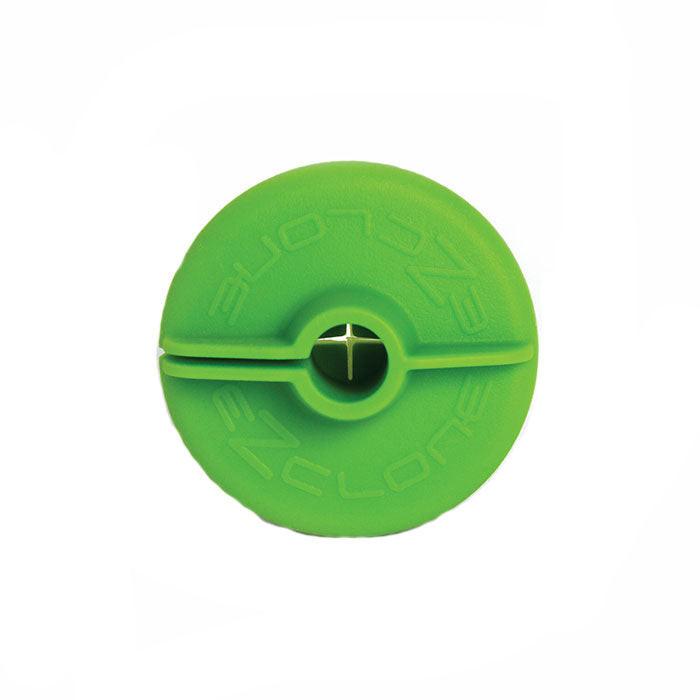
Cloning collars and neoprene inserts are the small but essential components that hold plant cuttings in place in aeroponic cloning machines and hydroponic net pot systems. A cloning collar is a soft, compressible foam or neoprene disc that fits into the site opening of a cloning machine or net pot lid -- the cutting's stem passes through a center hole or slit in the collar, which holds the stem securely in the correct position for root initiation while the aeroponic misting system sprays the exposed stem base. Without collars, cuttings would fall through the site openings or sit at the wrong angle for optimal root development.
Neoprene Cloning Collar Sizes & Formats
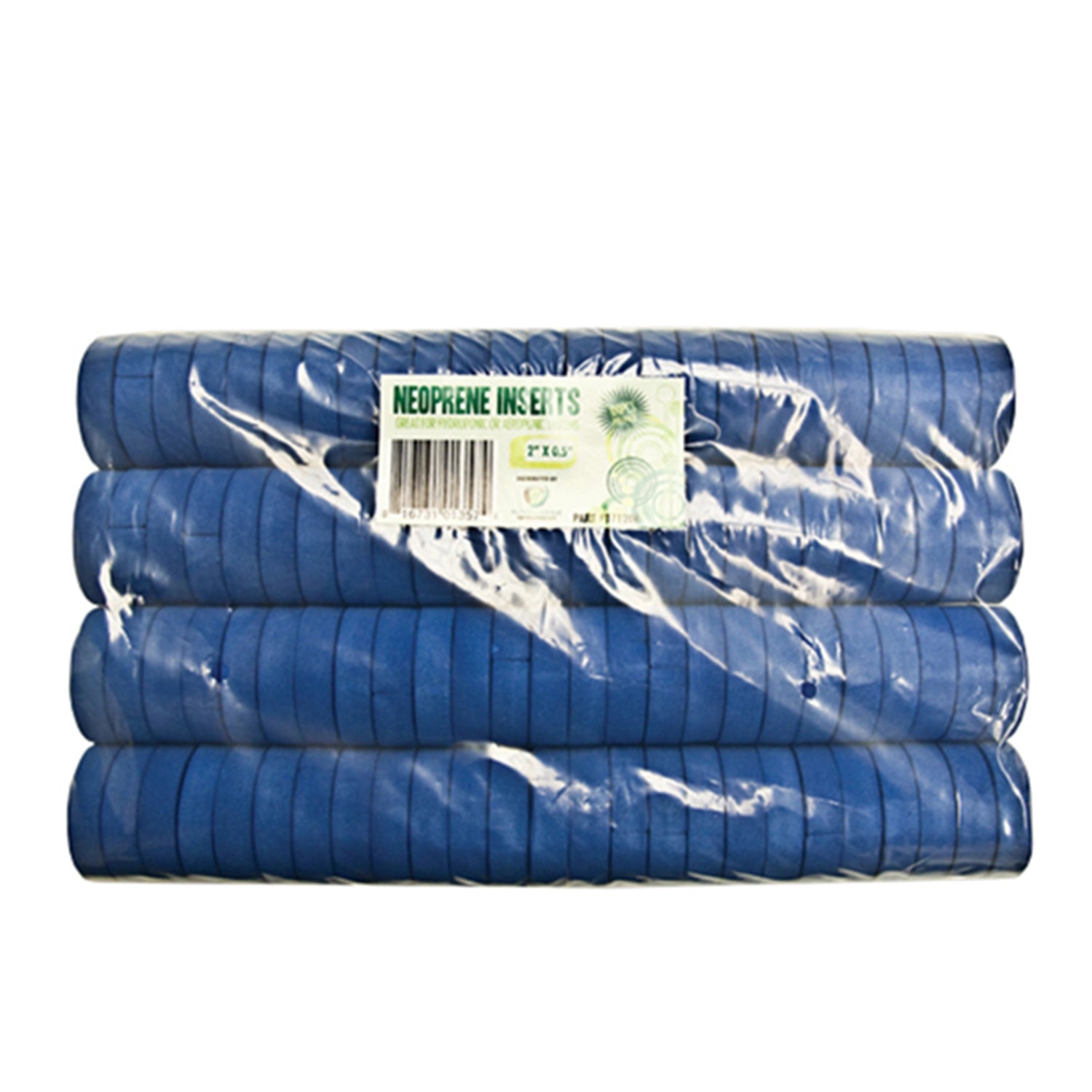
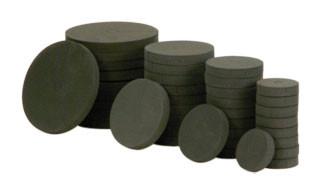
Neoprene cloning collars are the standard format for aeroponic cloning machines -- they are sold in standard sizes that match the site openings of popular cloners. The most common size is 1-inch (fits 1-inch site openings standard in most 20-site and 24-site cloning machines), with 2-inch collars used in larger-site cloners. Collars come as solid discs with a pre-cut center slit that accepts stem diameters from small (1/8 inch) to large (3/8 inch) cuttings by stretching. Some growers prefer split (two-piece) collars for easy insertion and removal without pulling the cutting through the full collar each time. Collars are reusable with proper cleaning between cycles -- rinse with clean water, disinfect with dilute bleach or hydrogen peroxide solution, and rinse again before reuse.
Collars for Net Pots & Other Applications
Beyond aeroponic cloners, neoprene inserts are also used in DWC net pot lids to support plant stems, in NFT channel openings to hold small plants in position, and in any hydroponic application where a plant stem needs gentle structural support at a fixed point. For complete cloning setups, pair with aeroponic cloning machines, rooting hormone, and starter plugs. Fast shipping.
Cloning Collars FAQ
What size cloning collar do I need?
Most standard aeroponic cloning machines use 1-inch site openings requiring 1-inch neoprene collars. Check your specific cloning machine's site opening diameter before purchasing -- machines vary between 1-inch and 2-inch depending on the model and manufacturer. Most hobby cloners (TurboKlone, Clone King, PowerCloner) use 1-inch sites. Larger commercial cloners may use 2-inch sites for larger stem diameters. When in doubt, check the cloning machine's product documentation for compatible collar sizes.
How do I insert a cutting into a cloning collar?
Make your cutting at a 45-degree angle below a node, remove all but the top 1-2 sets of leaves, apply rooting hormone to the cut stem end, then gently push the stem through the collar's center slit from the bottom of the collar upward. The collar should grip the stem gently -- tight enough to hold the cutting in position without cutting off the stem's vascular tissue. Position the cutting so the stem end sits 1/2 to 1 inch below the collar bottom and the foliage sits above the collar, keeping the cut end in the mist spray zone of the aeroponic cloner.
Can cloning collars be reused?
Yes -- neoprene cloning collars can be reused multiple times with proper cleaning. After each cloning cycle: remove any root material from the collar, rinse with clean water, soak in a 1:10 bleach solution or hydrogen peroxide solution for 10-15 minutes to disinfect, rinse thoroughly with clean water, and allow to dry before reuse. Replace collars that have torn, compressed significantly, or show visible residue buildup that cleaning cannot remove -- degraded collars provide inconsistent stem support that can affect rooting success.
Do I still need rooting hormone when using an aeroponic cloner?
Rooting hormone (IBA gel or powder) is beneficial but not always required in high-performance aeroponic cloners. The misting environment in a quality aeroponic cloner provides strong root initiation conditions -- some growers report adequate rooting without hormone application. That said, rooting hormone application consistently improves rooting speed and success rate in most growers' experience, particularly for harder-to-root plant varieties. Applying gel or powder rooting hormone to the cut stem end before inserting into the collar is the standard practice and has no downside -- it takes seconds and improves outcomes.
What is the difference between foam and neoprene cloning collars?
Most cloning collars are made from neoprene -- a synthetic rubber that is flexible, compressible, water-resistant, and reusable. Some collars are made from open-cell foam -- softer, less durable, and typically single-use or limited reuse. Neoprene is the standard for quality cloning collars because of its durability, consistent compression (it springs back to shape after compressing around a stem), and easy cleaning for reuse. Foam collars are typically lower cost and more appropriate for one-time propagation setups or growers who prefer to use fresh collars every cycle.