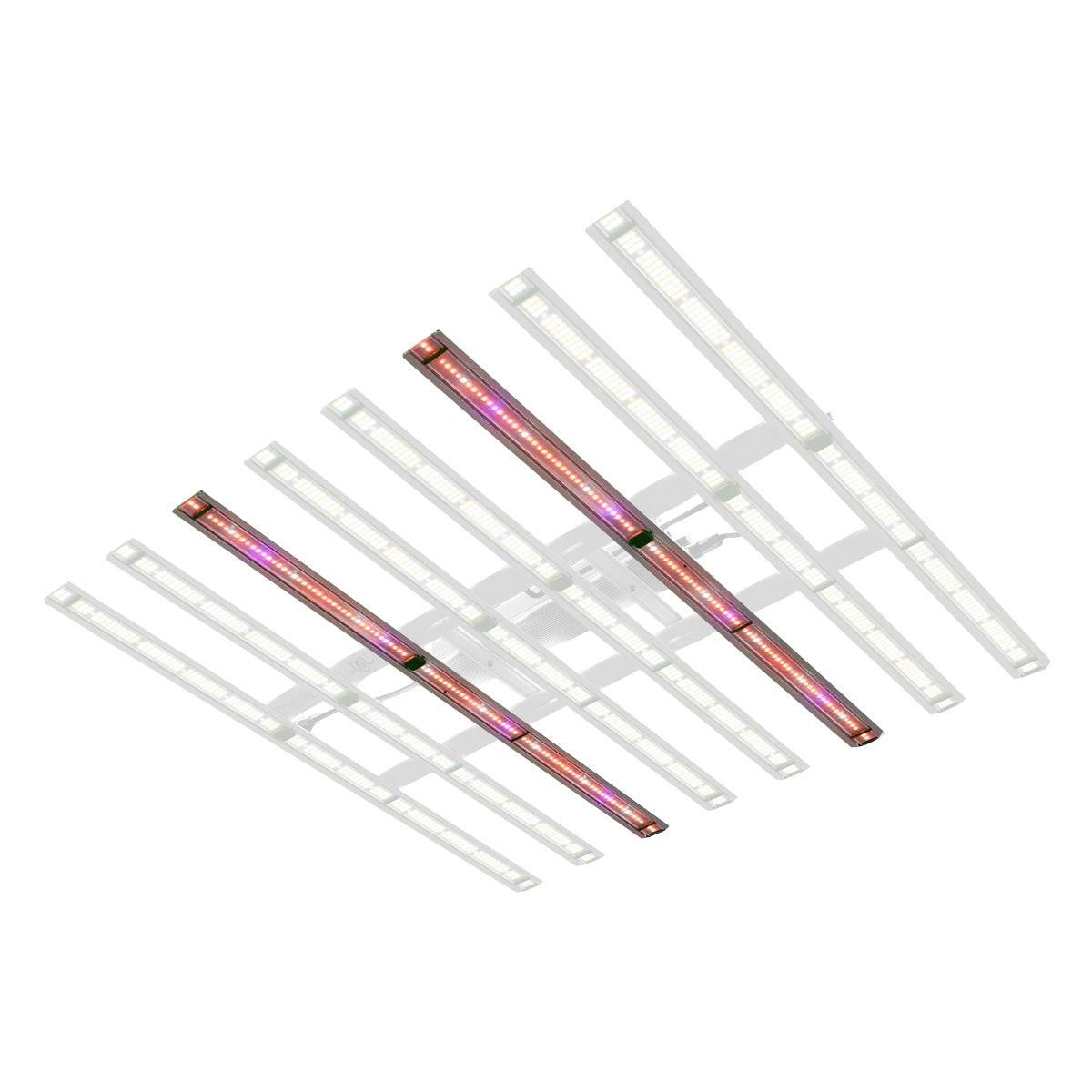
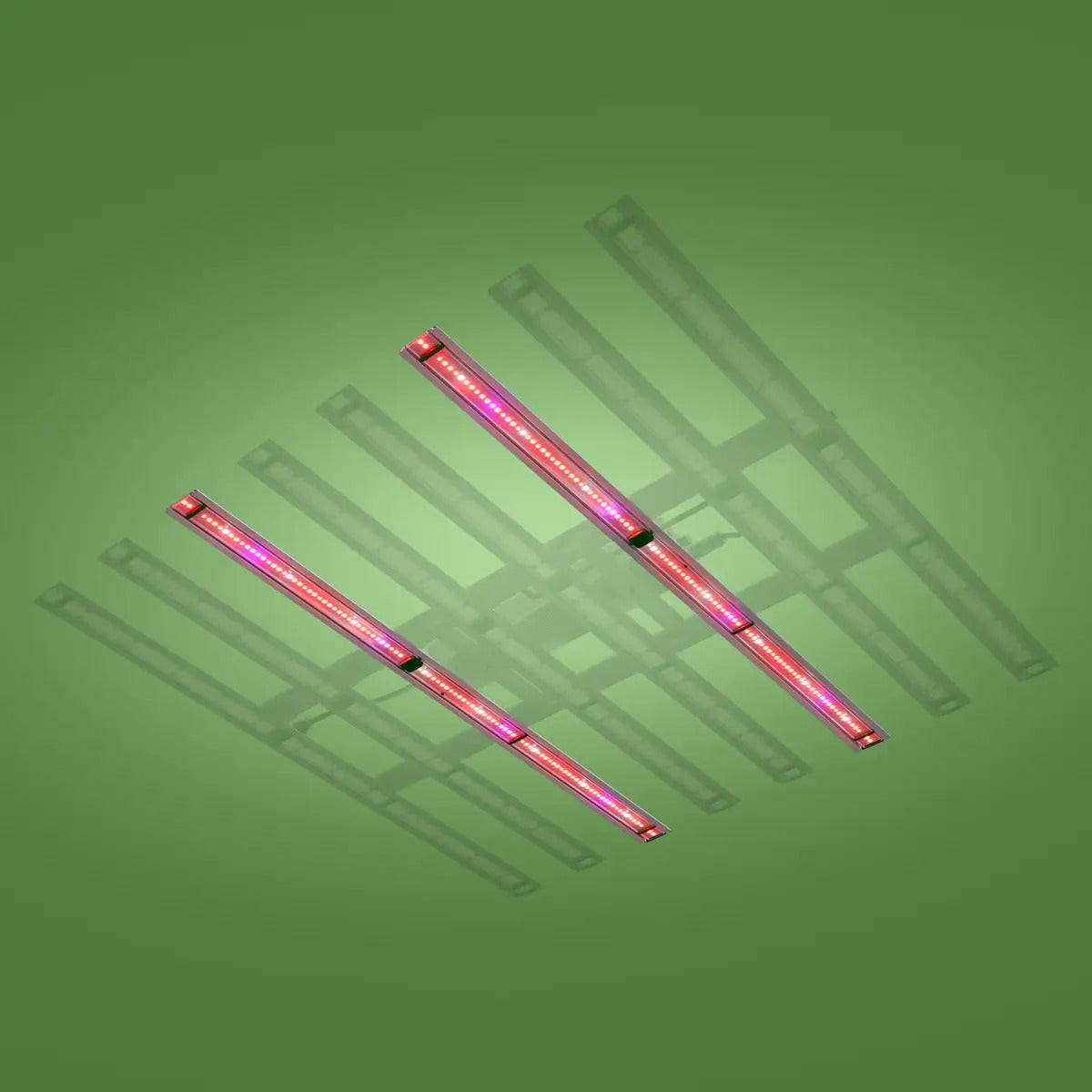
Bloom Spectrum LED Grow Lights for Flowering
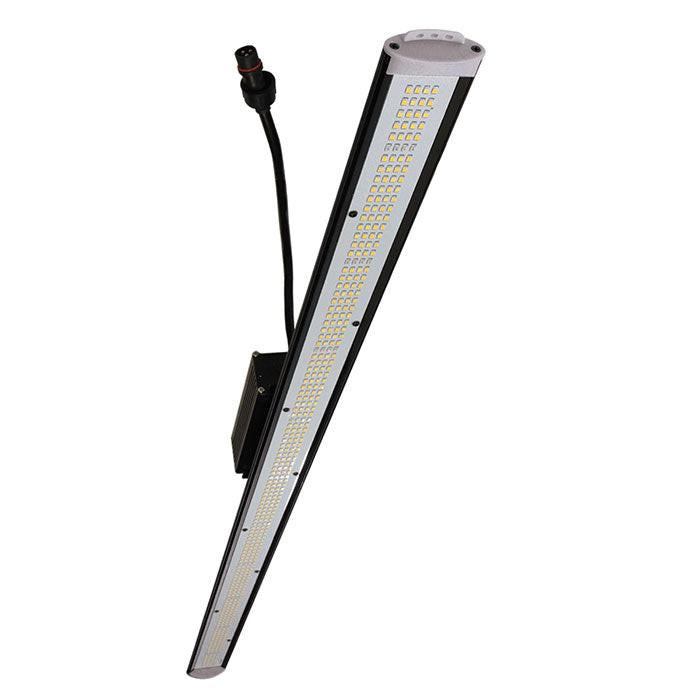
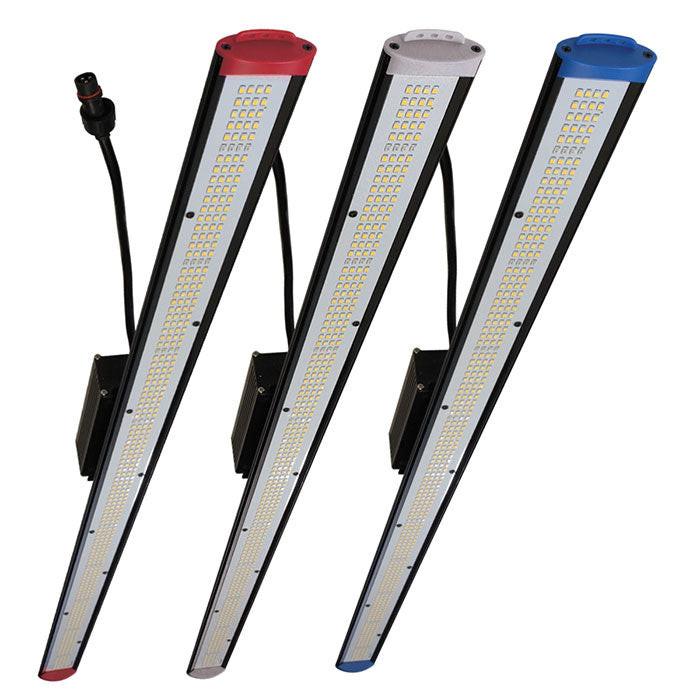
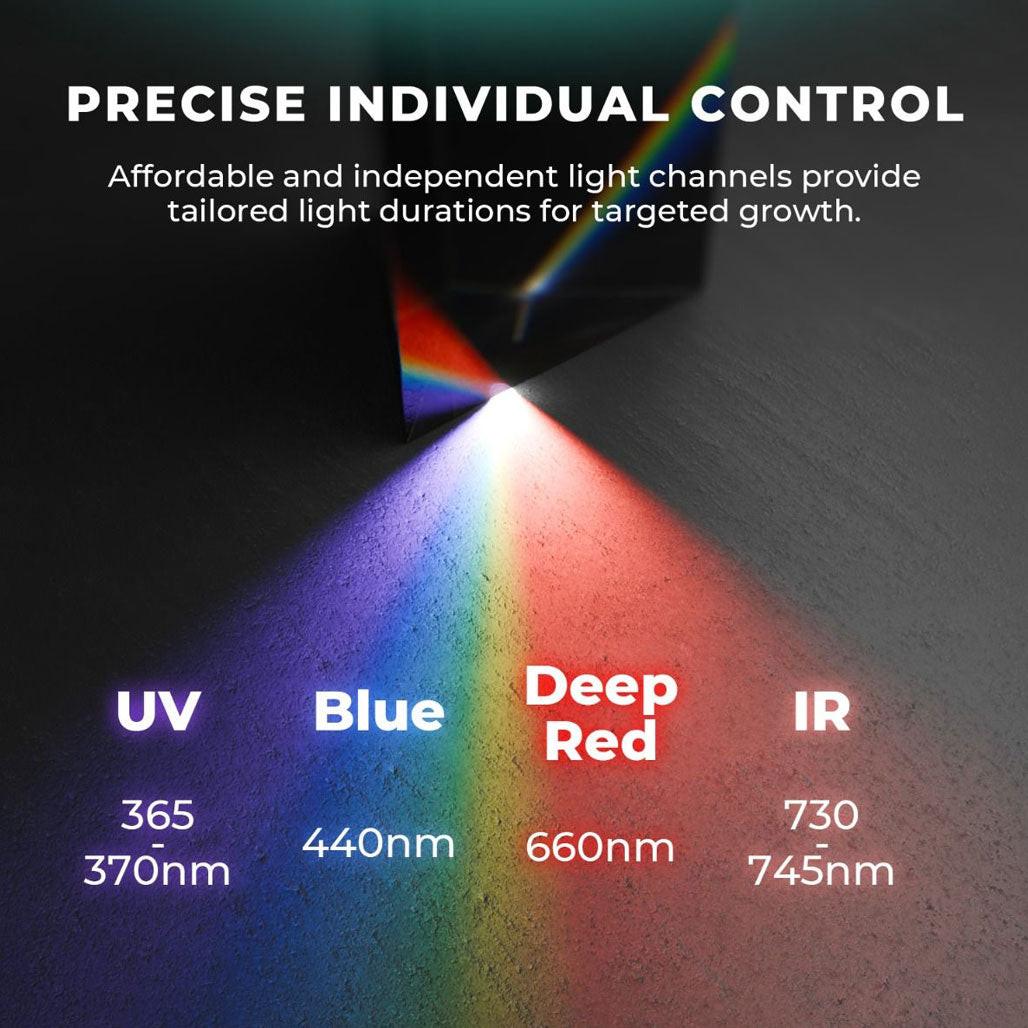
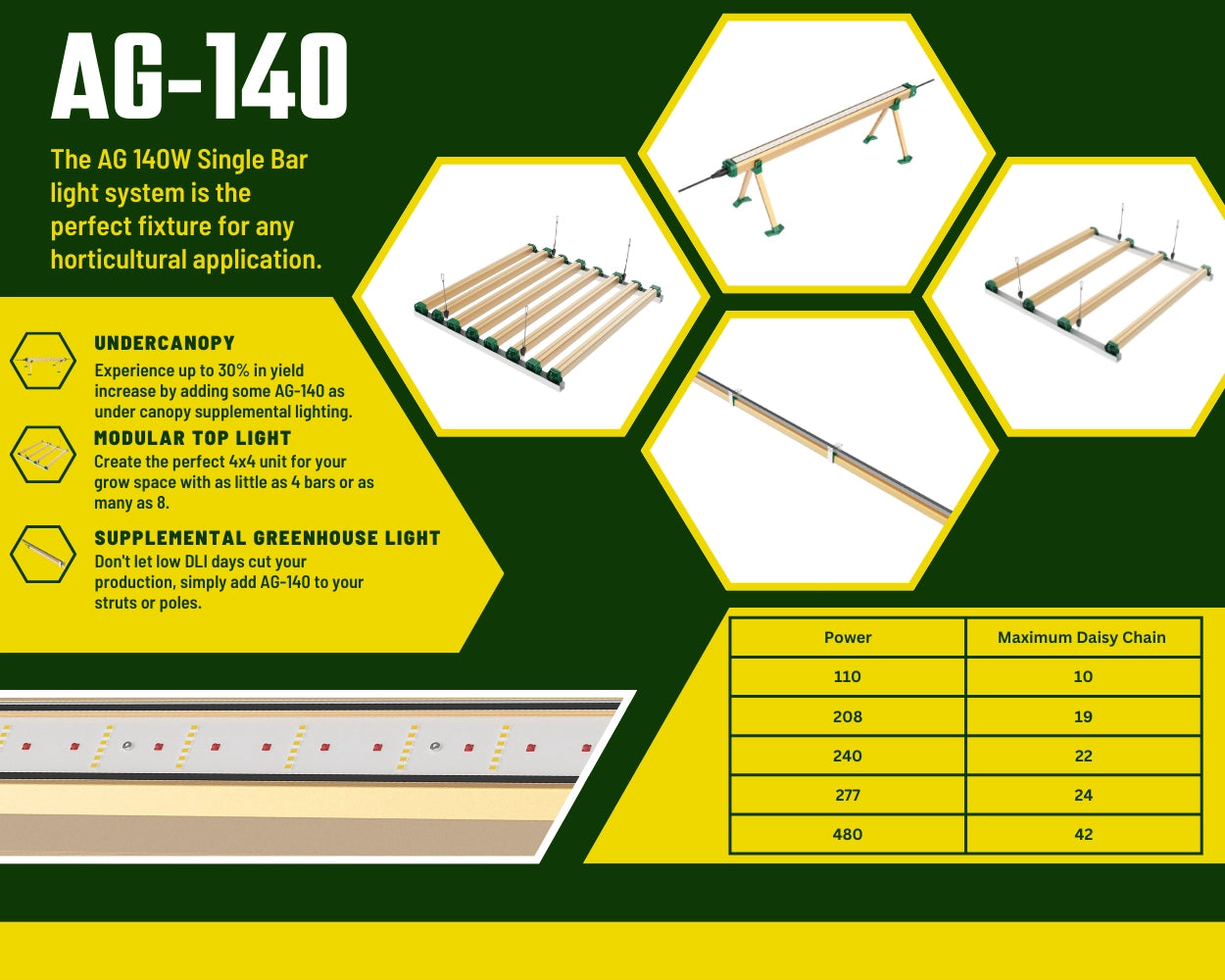
Bloom spectrum LED grow lights emphasize the red and far-red wavelengths (620-700nm and 700-750nm) that drive flowering, fruiting, and reproductive development in most common crops. While modern full-spectrum LED grow lights provide a balanced spectrum suitable for all growth stages, some growers and commercial operations use dedicated bloom spectrum fixtures to supplement existing full-spectrum lighting during the flowering phase -- adding targeted red energy at the specific wavelengths most efficiently used during flowering without the blue wavelengths that contribute to vegetative growth patterns. Bloom spectrum LEDs are also used as supplemental under-canopy lighting to reach lower bud sites that full-spectrum overhead fixtures cannot adequately illuminate.
Bloom Spectrum vs. Full Spectrum for Flowering
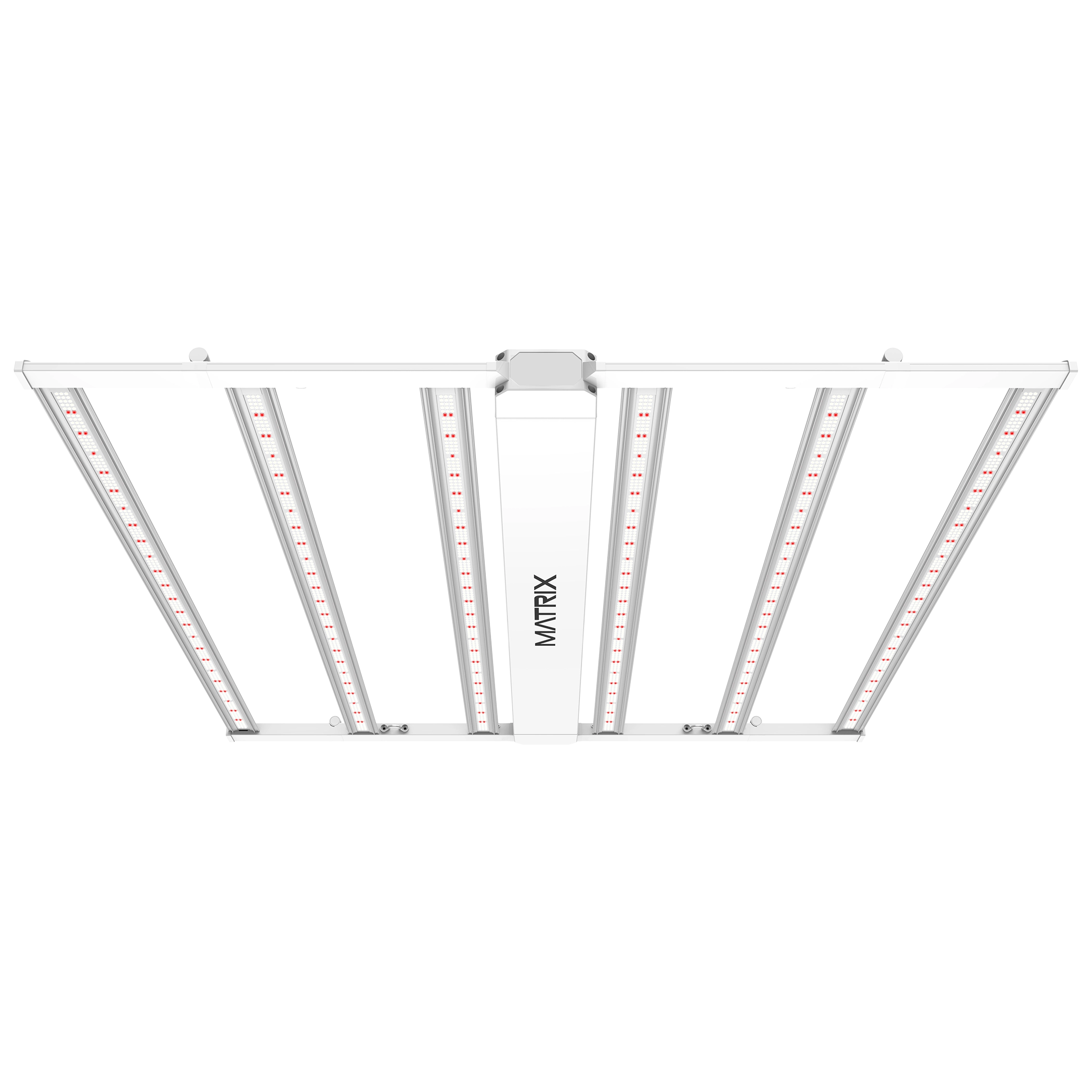
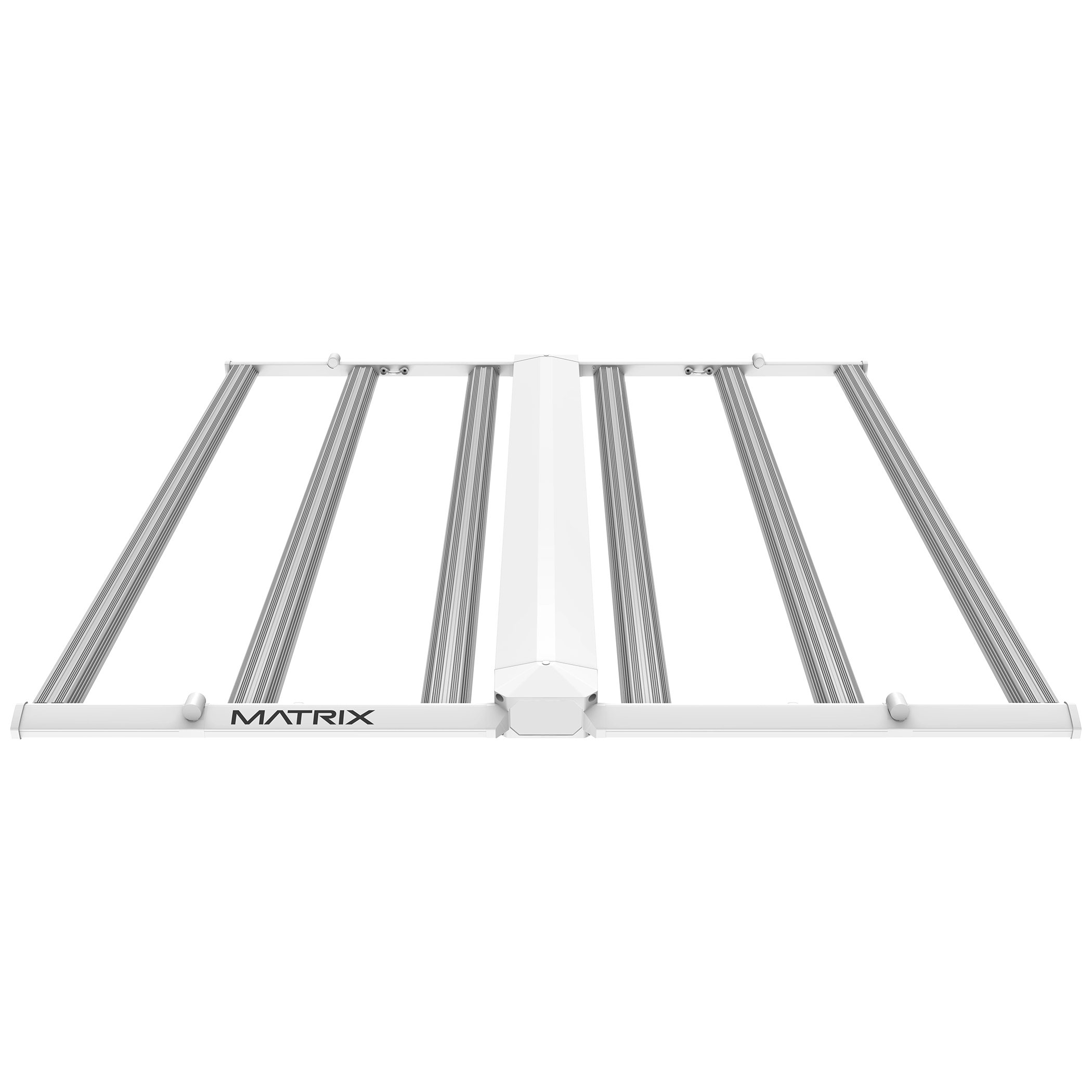
Modern high-efficiency full-spectrum LED bar arrays (Samsung LM301H, LM301B diodes) already include strong red and far-red output alongside blue -- they are optimized for flowering performance throughout the spectrum and produce excellent flowering results without separate bloom supplementation. Dedicated bloom spectrum LEDs provide value primarily in two scenarios: as supplemental fixtures added during flowering to increase red-dominant light intensity beyond what the primary fixture provides, and as replacements for older blue-heavy LED panels that under-deliver on red wavelengths for flowering. For growers with current-generation full-spectrum LED bars, adding bloom spectrum supplementation is a refinement rather than a necessity. Browse our complete LED grow lights collection for all spectrum options.
Far-Red & the Emerson Effect
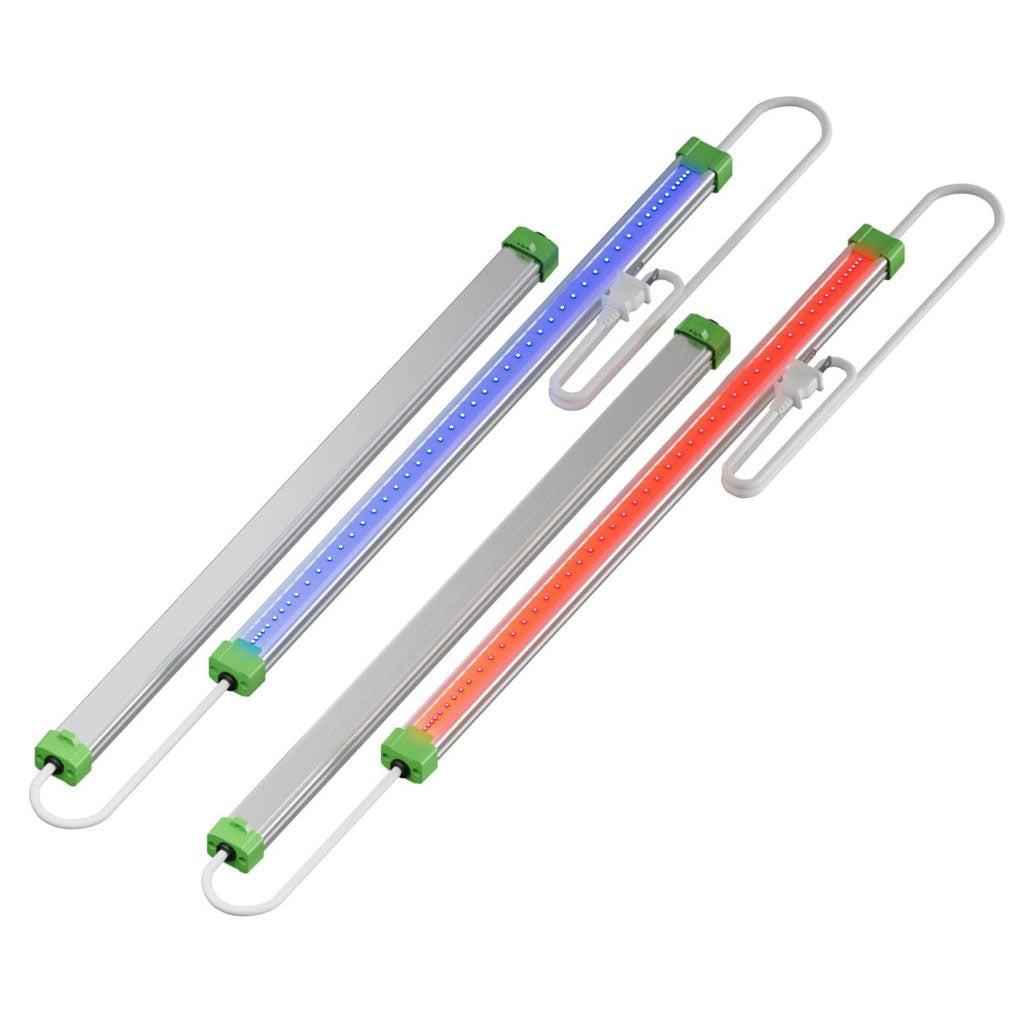
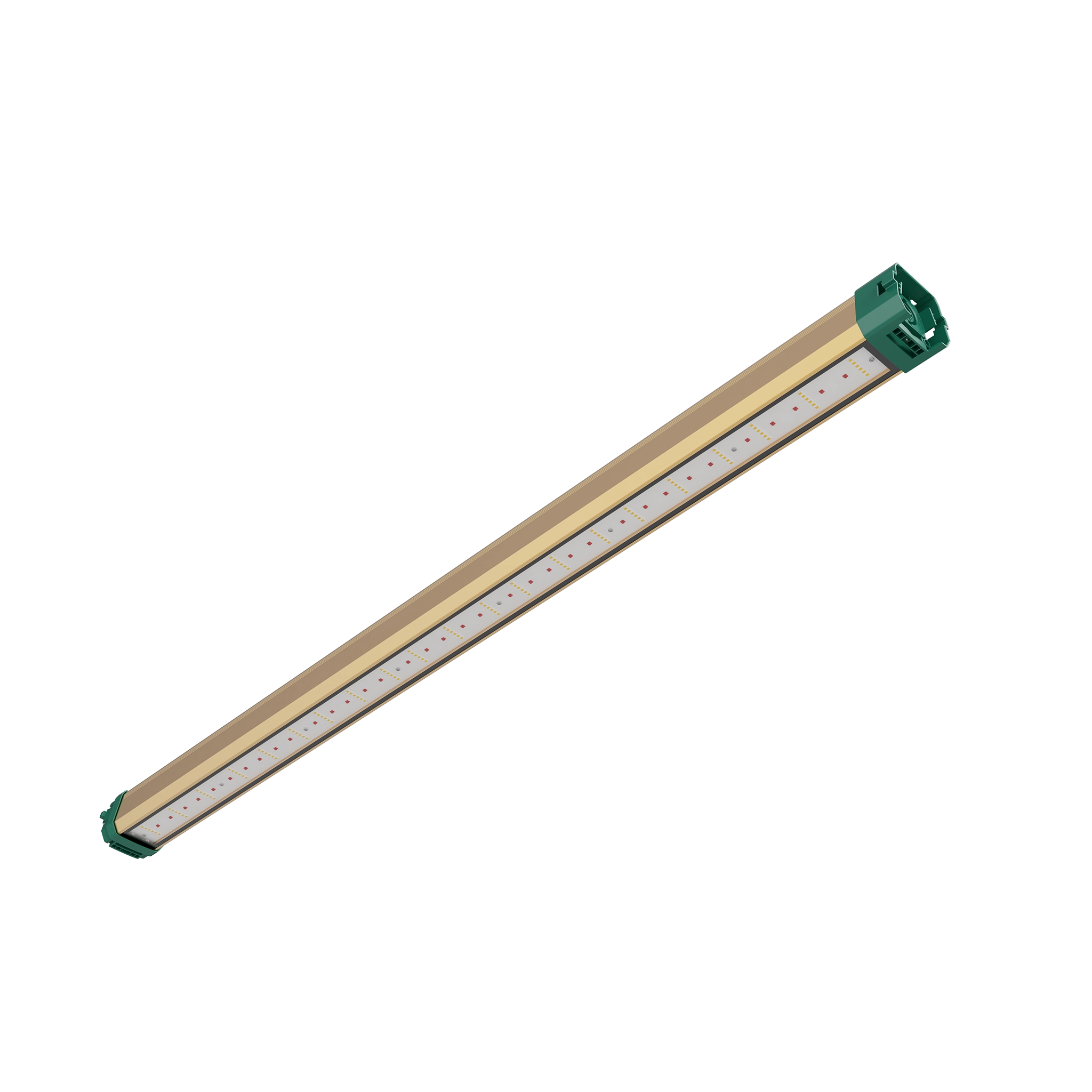
Far-red light (700-750nm, particularly 730nm) works synergistically with red (660nm) to drive photosynthesis more efficiently than either wavelength alone -- a phenomenon called the Emerson effect. Far-red also accelerates the phytochrome transition at lights-off, effectively extending the photosynthetic day. Some bloom spectrum LED fixtures specifically target this far-red range alongside red to maximize flowering photosynthetic efficiency. For end-of-day far-red supplementation programs (running far-red only for 15-30 minutes after lights-off), dedicated far-red LED bars provide a targeted tool for this specific application. Expert support available.
Bloom Spectrum LED FAQ
What wavelengths are in bloom spectrum LED grow lights?
Bloom spectrum LED fixtures emphasize red (620-680nm, with 660nm being the most photosynthetically active red wavelength) and far-red (700-750nm, with 730nm being the standard for Emerson effect supplementation). Blue content (400-500nm) is typically reduced or eliminated compared to full-spectrum or veg-spectrum fixtures, since blue wavelengths promote vegetative growth patterns (tight internodes, compact structure) that are less desirable during the flowering phase when longer internodes and larger bud site development are preferred.
Should I switch to a bloom spectrum LED for flowering?
If you are running modern full-spectrum LED bar arrays with LM301H or equivalent diodes, you already have strong red and far-red output appropriate for flowering -- switching to a dedicated bloom spectrum fixture is unlikely to produce meaningful improvement. If you are running older LED panels with disproportionately heavy blue output and weak red, replacing or supplementing with bloom-spectrum LEDs would address the spectral imbalance. The simplest approach for most growers: use a quality full-spectrum LED bar rated for your canopy footprint throughout the full cycle -- modern full-spectrum designs are well-balanced for both veg and flowering without dedicated stage-specific fixtures.
What is the Emerson effect and does it matter for growing?
The Emerson effect is the synergistic increase in photosynthesis rate when both red (660nm) and far-red (700-730nm) light are present simultaneously, compared to either wavelength alone. The quantum yield of photosynthesis is higher with combined red + far-red than the sum of each wavelength independently. In practical growing terms, LED fixtures that include meaningful far-red output (730nm) alongside 660nm red can drive slightly higher photosynthesis rates per photon than red-only fixtures. Modern full-spectrum LED arrays include far-red content; dedicated bloom spectrum fixtures may include more targeted far-red for end-of-day supplementation programs.
Can I use bloom spectrum LEDs for the full grow cycle?
Bloom spectrum LEDs (red and far-red dominant, low blue) are not well-suited for the full grow cycle. During vegetative growth, blue light (400-500nm) drives compact internodal development, healthy leaf expansion, and the structural development that supports a productive flowering plant. Running only bloom spectrum (low-blue) LEDs from seedling through veg tends to produce stretchy, elongated plants with large internodal spacing before the flowering phase. Bloom spectrum LEDs are best used as supplemental or stage-specific fixtures during flowering, not as the sole light source from propagation through harvest.
How much bloom spectrum supplementation do I need for my grow?
Supplemental bloom spectrum LED intensity depends on your existing primary fixture and target PPFD. A useful guideline: add supplemental bloom spectrum at 10-20% of your primary fixture's PPFD output at canopy level -- enough to shift the spectral balance toward red without creating significant PPFD imbalance. For under-canopy bloom supplementation (lighting lower bud sites), 100-200 umol/m2/s from low-mounted red LED strips is meaningful supplementation for canopy areas receiving limited overhead light penetration. Use a PAR meter to verify total canopy PPFD with supplemental fixtures active to confirm you are adding meaningful photons rather than just adding heat and electricity cost.