ARBICO Organics -- Beneficial Insects & Biological Pest Control
ARBICO Organics has been a leader in biological and organic pest management since 1979, building one of the most comprehensive catalogs of beneficial insects, microbial controls, and OMRI-listed pest management products available to growers. Their approach centers on integrated pest management (IPM) -- using living biological controls and plant-safe organic treatments to manage pest pressure sustainably, rather than relying exclusively on synthetic pesticide rotations that drive resistance development over time.
Beneficial Insects for Biological Pest Control
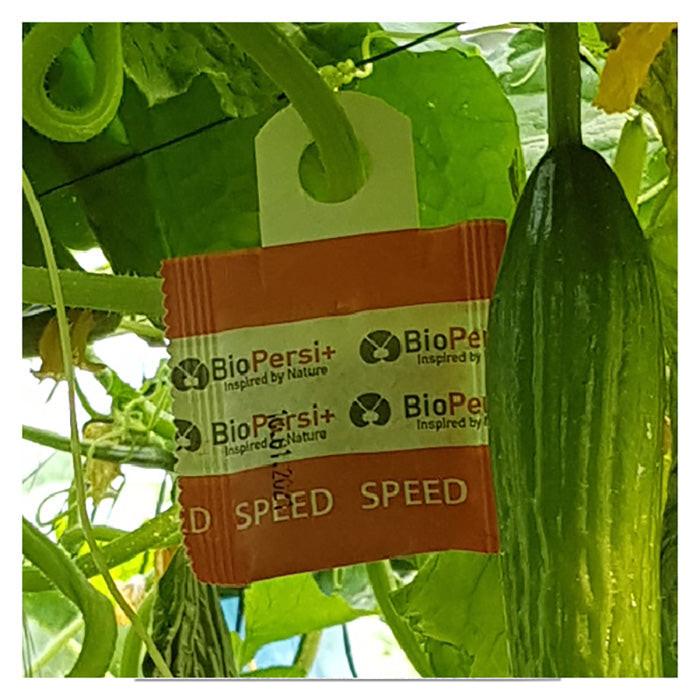
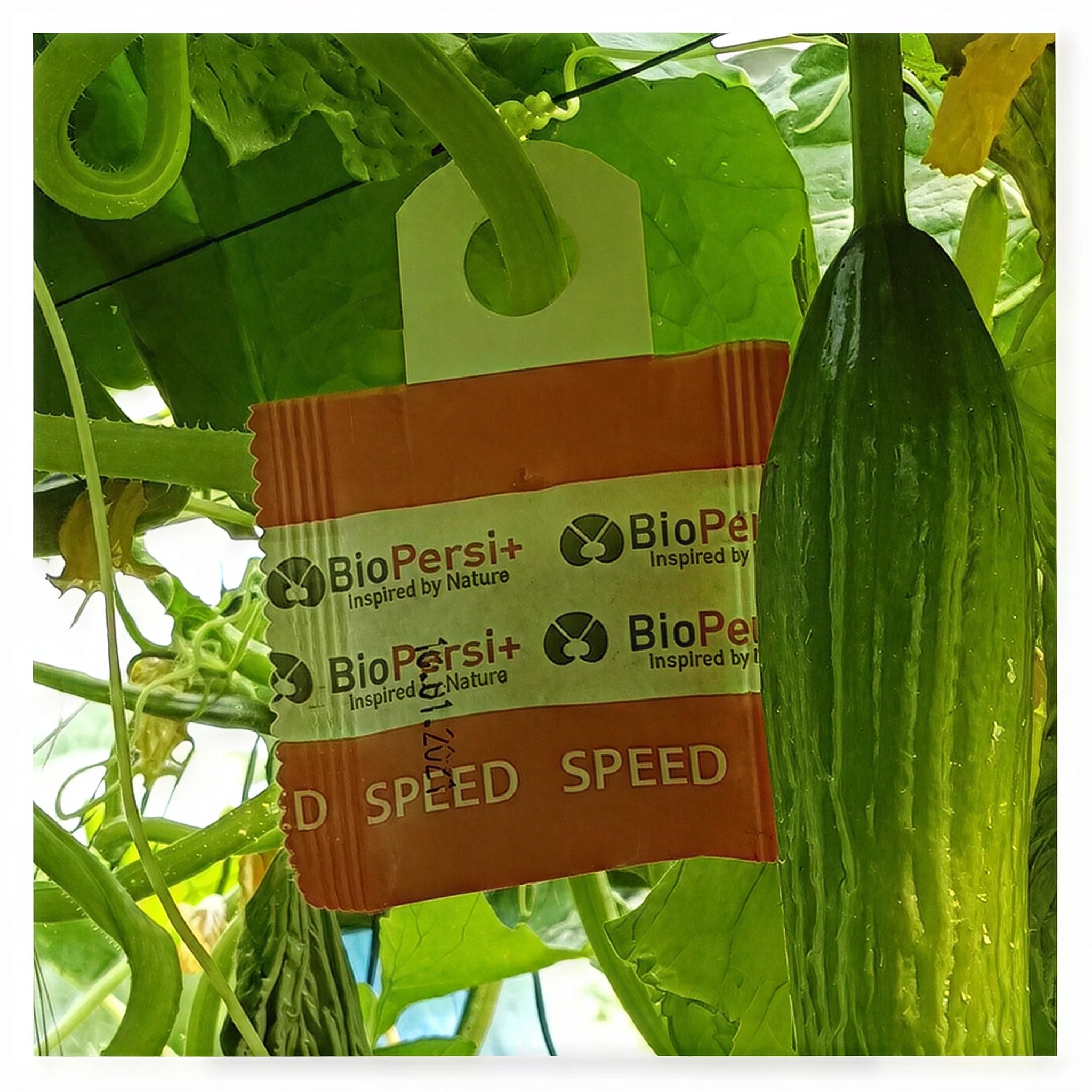
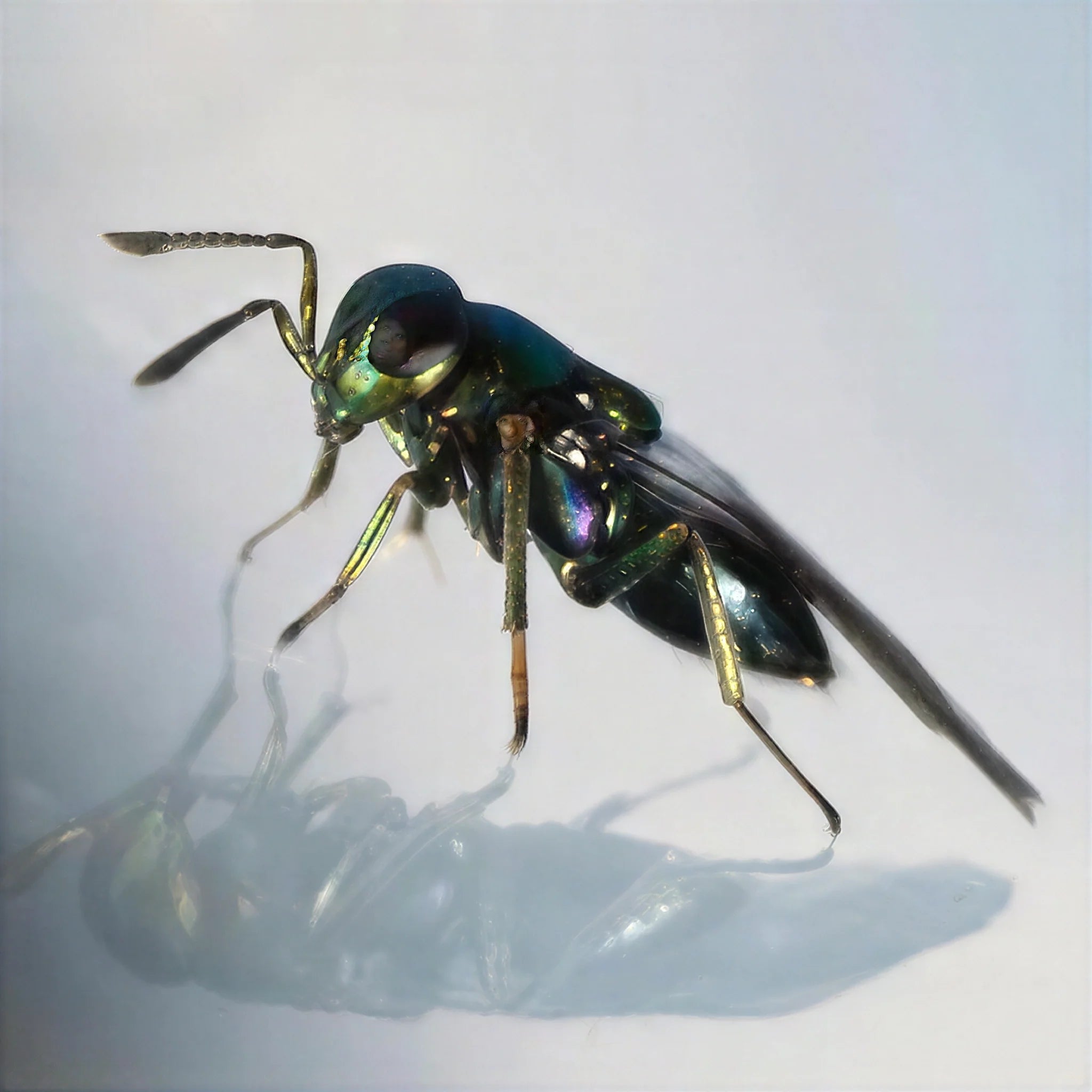
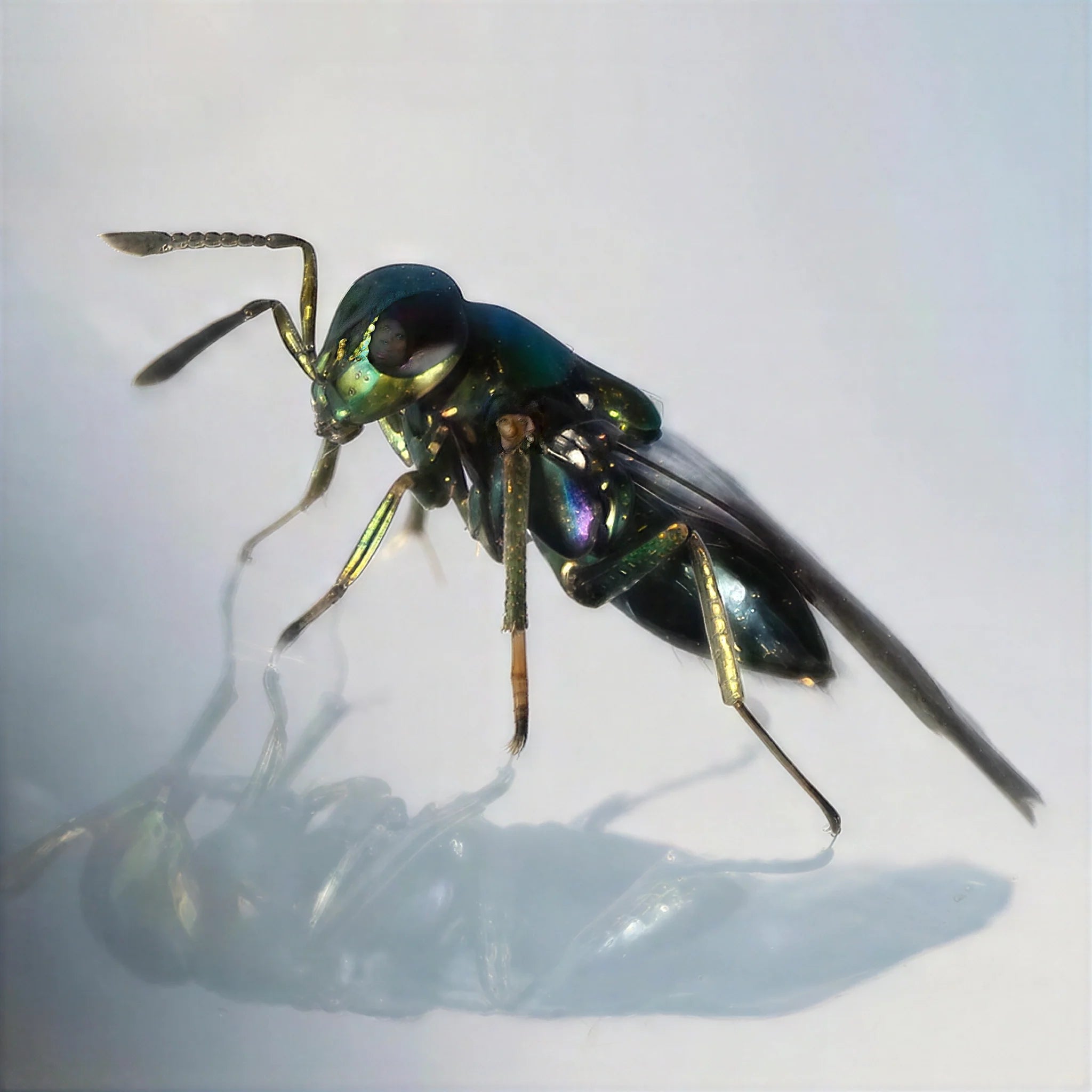
ARBICO Organics is best known for its beneficial insect program -- predatory insects and mites that feed on specific pest species. Key beneficial insect options include Amblyseius cucumeris and Amblyseius swirskii (predatory mites for thrips larvae and broad mite control), Phytoseiulus persimilis and Neoseiulus californicus (spider mite predators), Stratiolaelaps scimitus (soil predatory mite for fungus gnat larvae and other soil pests), Aphidoletes aphidimyza and Aphidius colemani (aphid parasitoids), Dalotia coriaria (rove beetle, general soil predator), and Trichogramma wasps (for moth and butterfly larvae egg parasitism). These are live organisms with specific shipping requirements -- ARBICO ships beneficial insects on a scheduled basis with cold pack protection and detailed release instructions for each species.
Microbial & Biological Controls
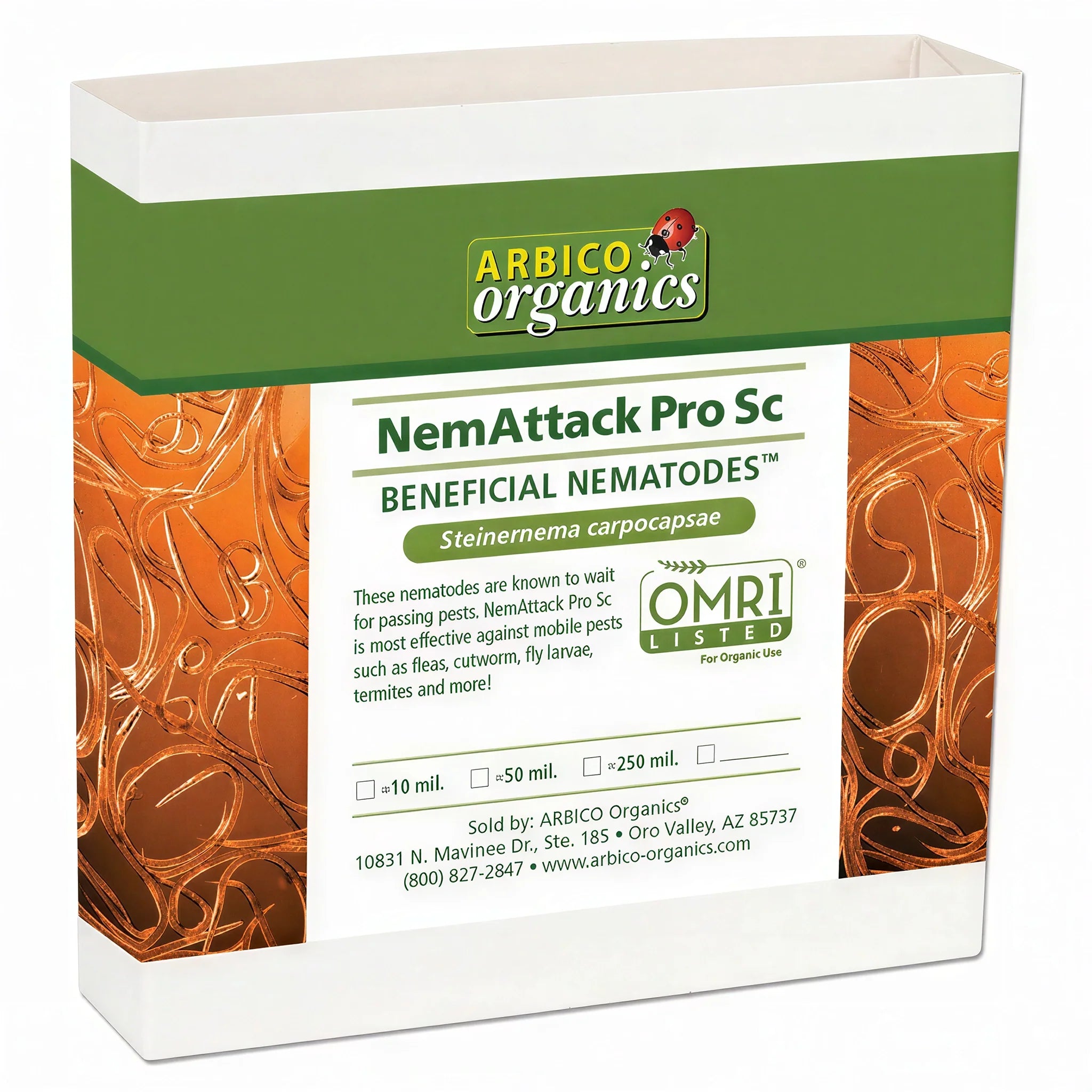
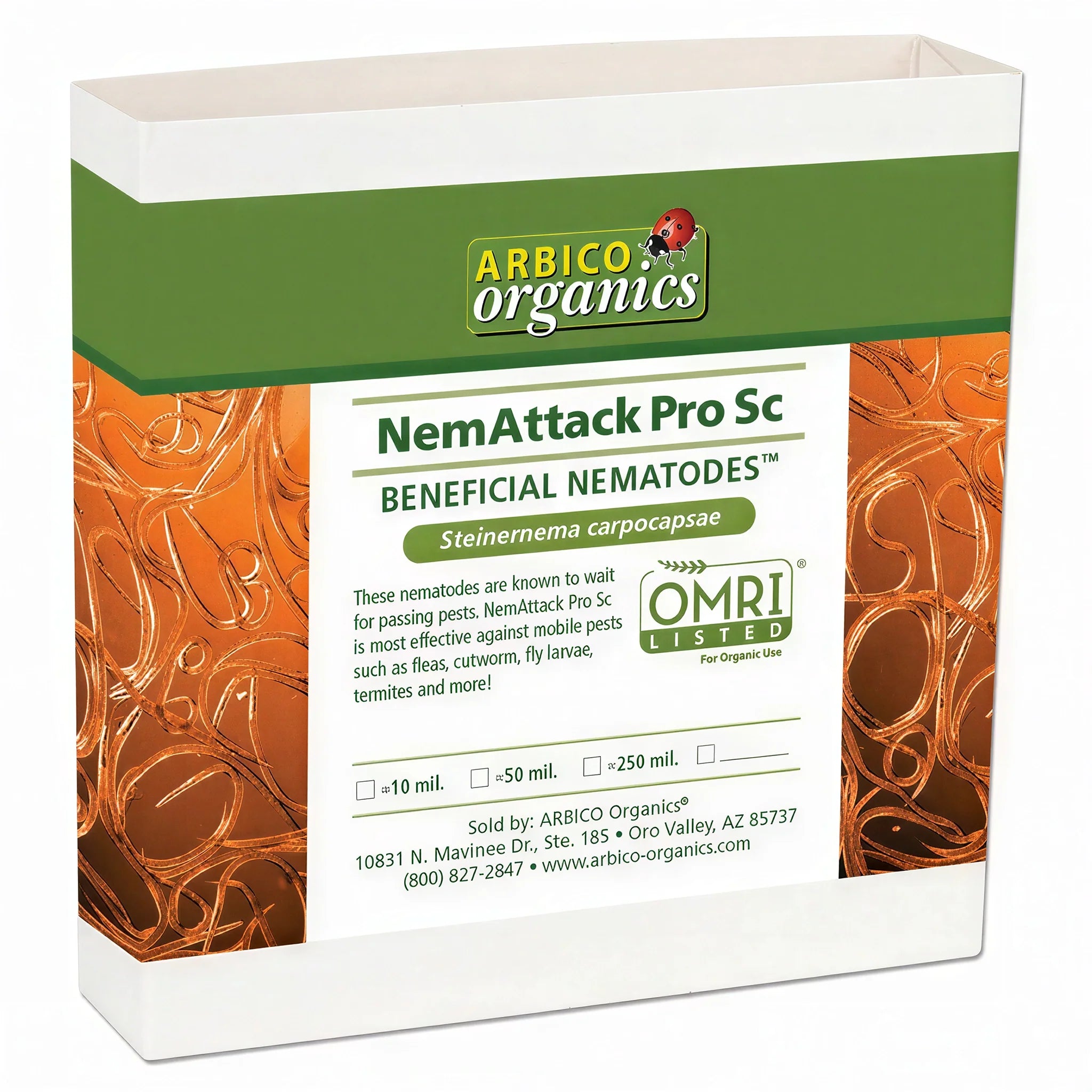
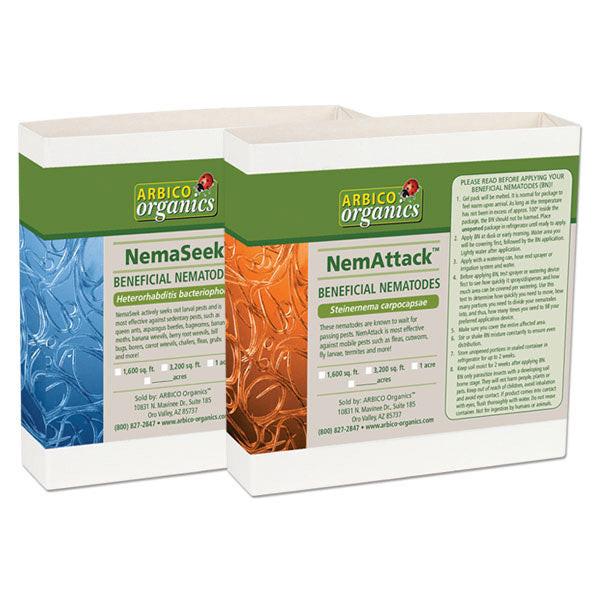
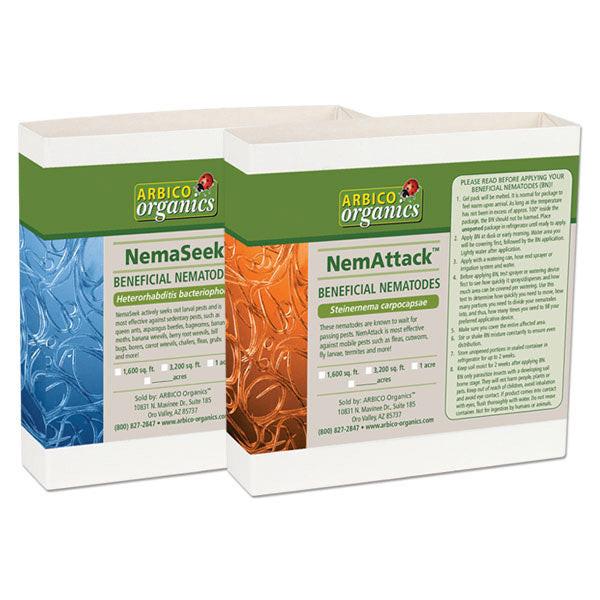
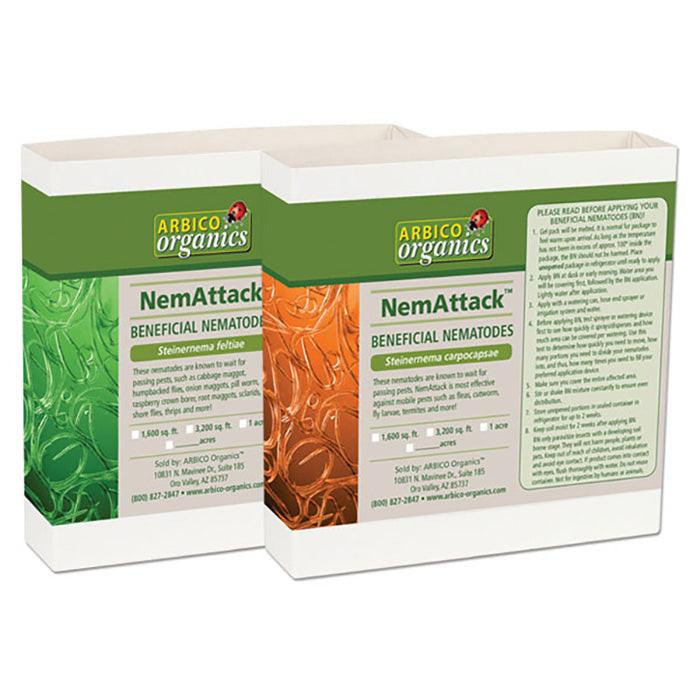
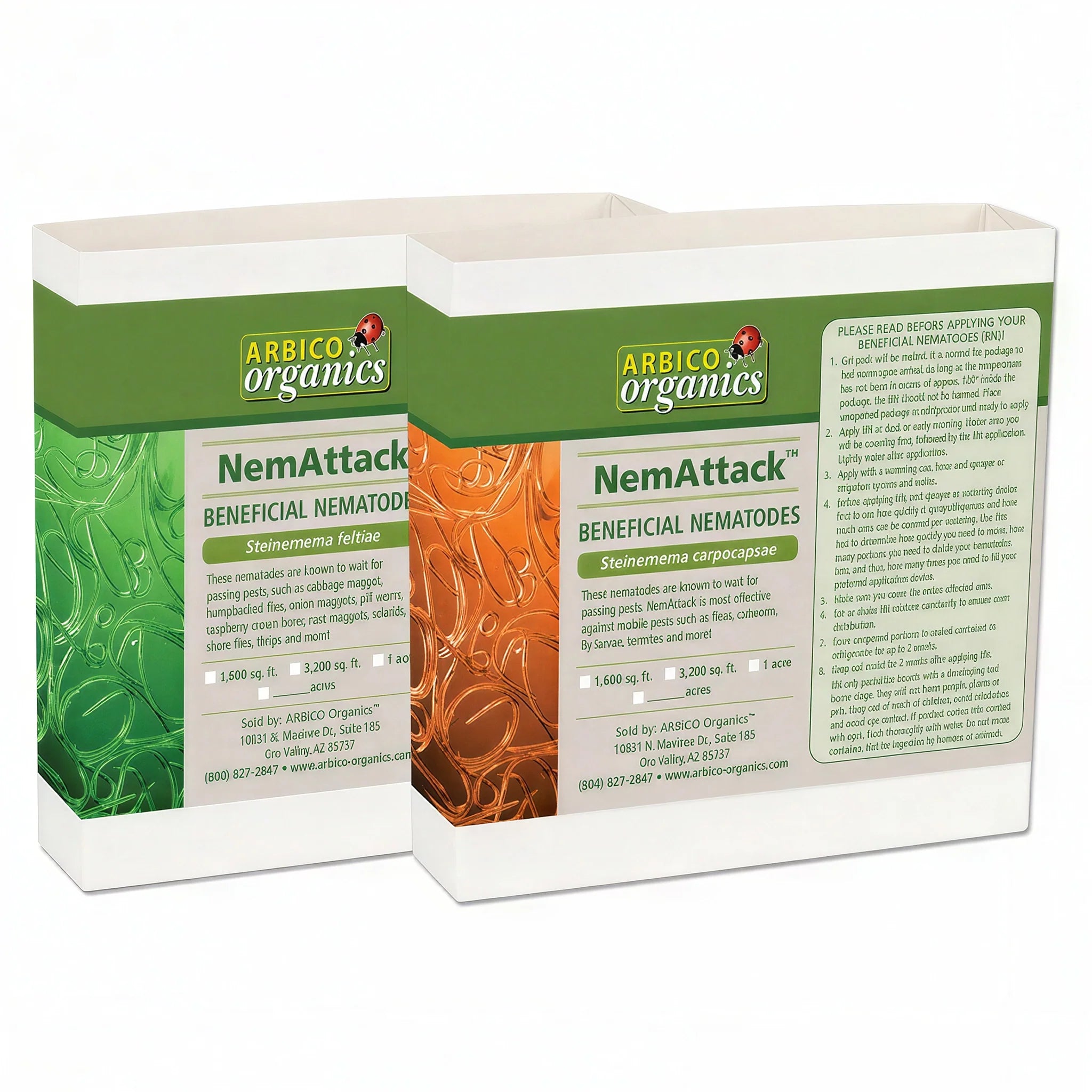
Beyond living insects, ARBICO carries a comprehensive range of microbial pest management products. Bacillus thuringiensis (Bt) products target caterpillar larvae through ingestion -- safe for beneficial insects, humans, and the environment while highly effective against susceptible pest species. Beauveria bassiana (Botanigard and equivalent products) is an entomopathogenic fungus that infects and kills a broad spectrum of piercing/sucking insects including thrips, whiteflies, and aphids on contact. Steinernema and Heterorhabditis nematodes are microscopic predatory roundworms applied as a soil drench -- highly effective against fungus gnat larvae, shore flies, root aphids, and other soil-dwelling pest stages.
OMRI-Listed Products for Organic Programs
ARBICO Organics specializes in OMRI-listed (Organic Materials Review Institute) products -- inputs verified for use in certified organic production programs. Their product lineup includes insecticidal soaps, pyrethrin-based concentrates, neem oil formulations, potassium bicarbonate fungicides, and beneficial nematode and microbial products all carrying OMRI listing. For commercial organic operations, CEA vegetable programs, and growers building IPM programs that minimize synthetic inputs, ARBICO's catalog provides verified organic solutions across every pest and disease category. See our updated integrated pest management (IPM) guide for a full IPM program framework and product selection guidance.
Building an IPM Program with ARBICO Products
An effective IPM program combines preventive releases of beneficial insects on a scheduled basis with monitoring and targeted interventions for pest outbreaks. ARBICO recommends regular preventive releases (weekly to bi-weekly depending on pest pressure) rather than reactive releases after pest populations are established -- beneficial insects work far more effectively against low to moderate pest populations than against heavy established infestations. For grow room IPM, a typical starting program includes: Stratiolaelaps scimitus (soil) on initial setup and monthly thereafter; Amblyseius cucumeris or swirskii sachets hung throughout the canopy for ongoing thrips suppression; targeted foliar applications of Bt, Beauveria, or insecticidal soap when monitoring confirms active pest activity. Our cultivation experts can help design a program for your specific crop and environment -- call 888-815-9763.
Browse the complete ARBICO Organics collection, explore all pest control and garden care products, and read our updated neem oil guide and insecticidal soap guide for targeted pest control techniques. Free shipping.
ARBICO Organics FAQ
What are beneficial insects and how do they control pests?
Beneficial insects are predatory or parasitic insects and mites that feed on pest species in your grow environment. Rather than applying a pesticide that kills both pests and beneficials, you introduce natural predators that seek out and consume specific pest populations. Common examples: Phytoseiulus persimilis predatory mites hunt and consume spider mites; Stratiolaelaps scimitus soil mites feed on fungus gnat larvae in growing media; Aphidius colemani wasps parasitize aphid colonies. Biological controls are most effective when introduced preventively before pest populations establish -- a few predatory mites released weekly keeps spider mite populations from reaching damaging levels, while releasing them into an established infestation is far less effective.
When should I release beneficial insects?
Release beneficial insects preventively -- ideally before any pest pressure is visible, or at the earliest sign of pest activity. Do not wait until populations are established. For a typical indoor grow, release beneficial soil mites (Stratiolaelaps scimitus) when transplanting to address fungus gnat larvae from the start. Hang Amblyseius cucumeris slow-release sachets throughout the canopy from early vegetative growth through flowering for continuous thrips suppression. Check with ARBICO's release rate guidelines or our cultivation team at 888-815-9763 for the specific beneficial insects appropriate for your target pests, crop size, and grow room conditions.
Are ARBICO Organics products safe for use in commercial organic growing?
Yes. ARBICO Organics specializes in OMRI-listed products -- independently verified by the Organic Materials Review Institute as compliant with National Organic Program (NOP) standards. Their beneficial insect products, microbial controls, insecticidal soaps, pyrethrin products, Bt formulations, and nematode products carry OMRI listing where applicable. For commercial certified organic operations, always verify that specific products carry current OMRI listing and are approved by your certifying agency -- product formulations and certification status can change. ARBICO's website lists OMRI status for each product in their catalog.
How do I get rid of fungus gnats with ARBICO products?
The most effective fungus gnat control uses multiple complementary approaches targeting different life stages. For larvae in growing media: Stratiolaelaps scimitus (predatory soil mite) releases directly into growing media; Steinernema feltiae beneficial nematodes applied as a drench target larvae in the soil column; Bacillus thuringiensis var. israelensis (Bti, in products like Gnatrol) applied as a drench kills larvae on contact with their gut. For adult gnats: yellow sticky traps monitor adult populations; Beauveria bassiana foliar/surface applications can knock down adults landing in the grow space. Addressing moisture management (avoid overwatering, reduce wet-dry cycle time) is the most important non-biological control -- fungus gnats require consistently moist media to complete their lifecycle.
Can I use ARBICO beneficial insects in a sealed grow room?
Yes -- sealed grow rooms and grow tents are actually ideal environments for beneficial insects because the controlled environment keeps them within the growing space and in constant contact with target pests. Avoid foliar pesticide sprays (even organic ones) for at least 48-72 hours before releasing beneficial insects, as many sprays kill beneficial insects as effectively as target pests. After an outbreak requiring a foliar treatment, wait the appropriate re-entry interval before re-releasing beneficial insects. Beneficial insect sachets (slow-release breeding colonies) are particularly well-suited to enclosed environments because they continuously produce new adults directly within the canopy over 4-6 weeks.