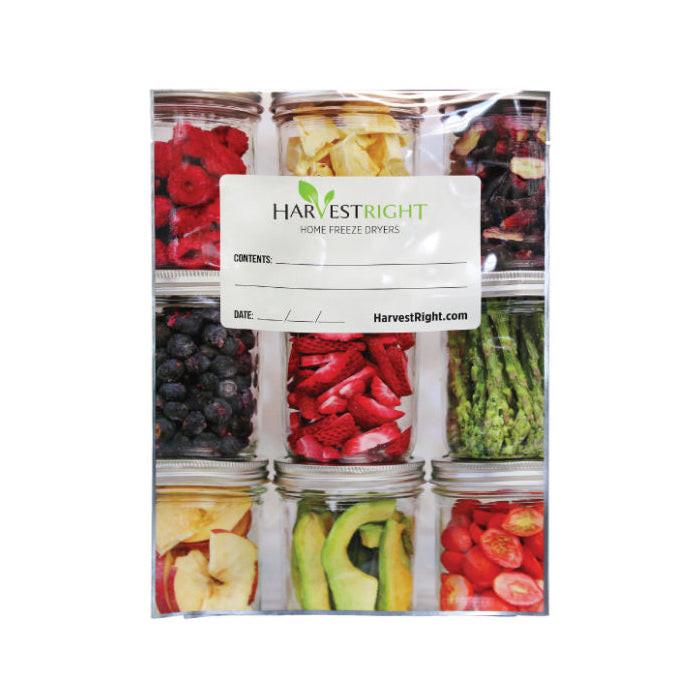
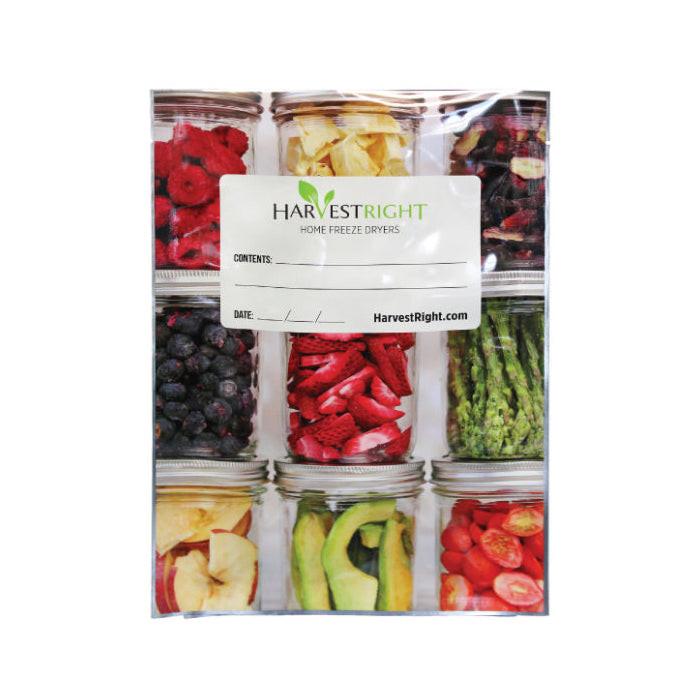
Vacuum Sealers & Vacuum Seal Bags for Harvest Storage
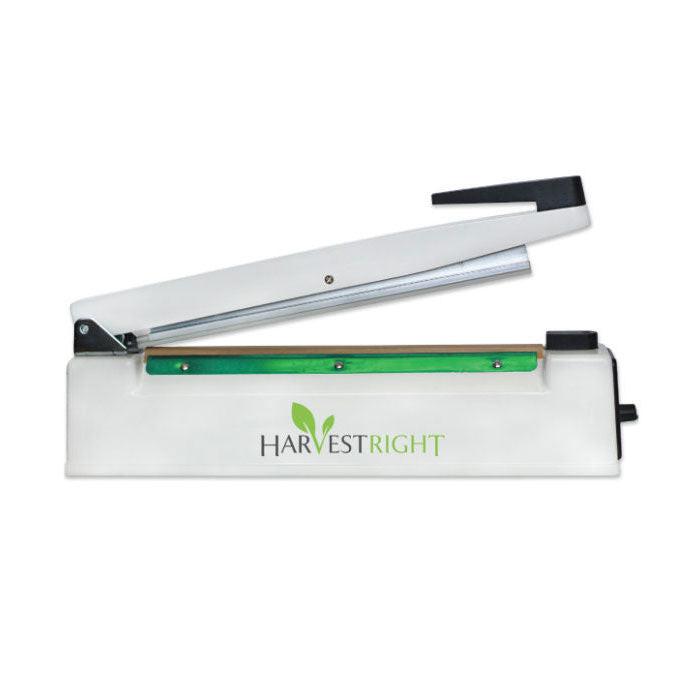
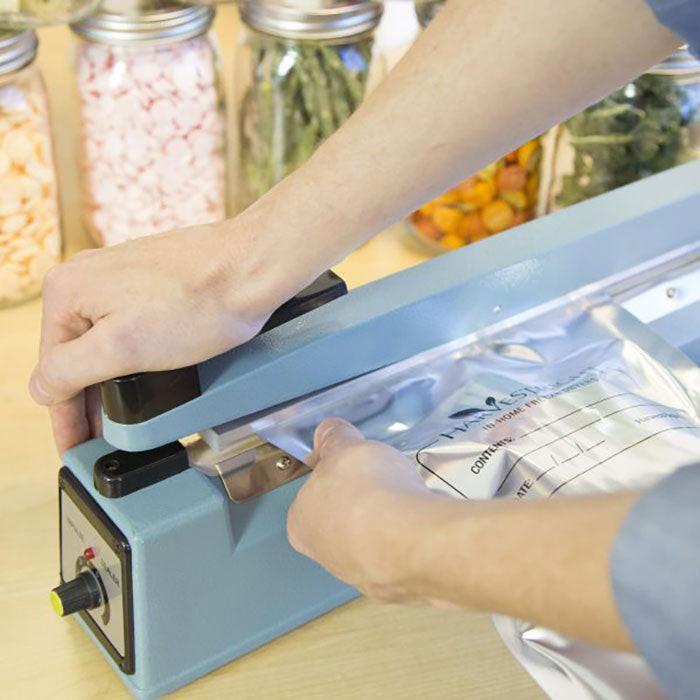
Vacuum sealers remove air from a storage bag before heat-sealing the opening, creating an airtight, oxygen-free environment around the stored material. Removing oxygen is the single most effective step for extending the storage life of dried botanical material beyond what airtight-but-not-vacuum-sealed containers provide -- oxygen drives the oxidation reactions that degrade aromatic compounds and overall quality over time. Vacuum-sealed material stored in a cool, dark location retains quality for 12-24+ months compared to 6-12 months for properly sealed but non-vacuum storage.
Countertop Vacuum Sealers
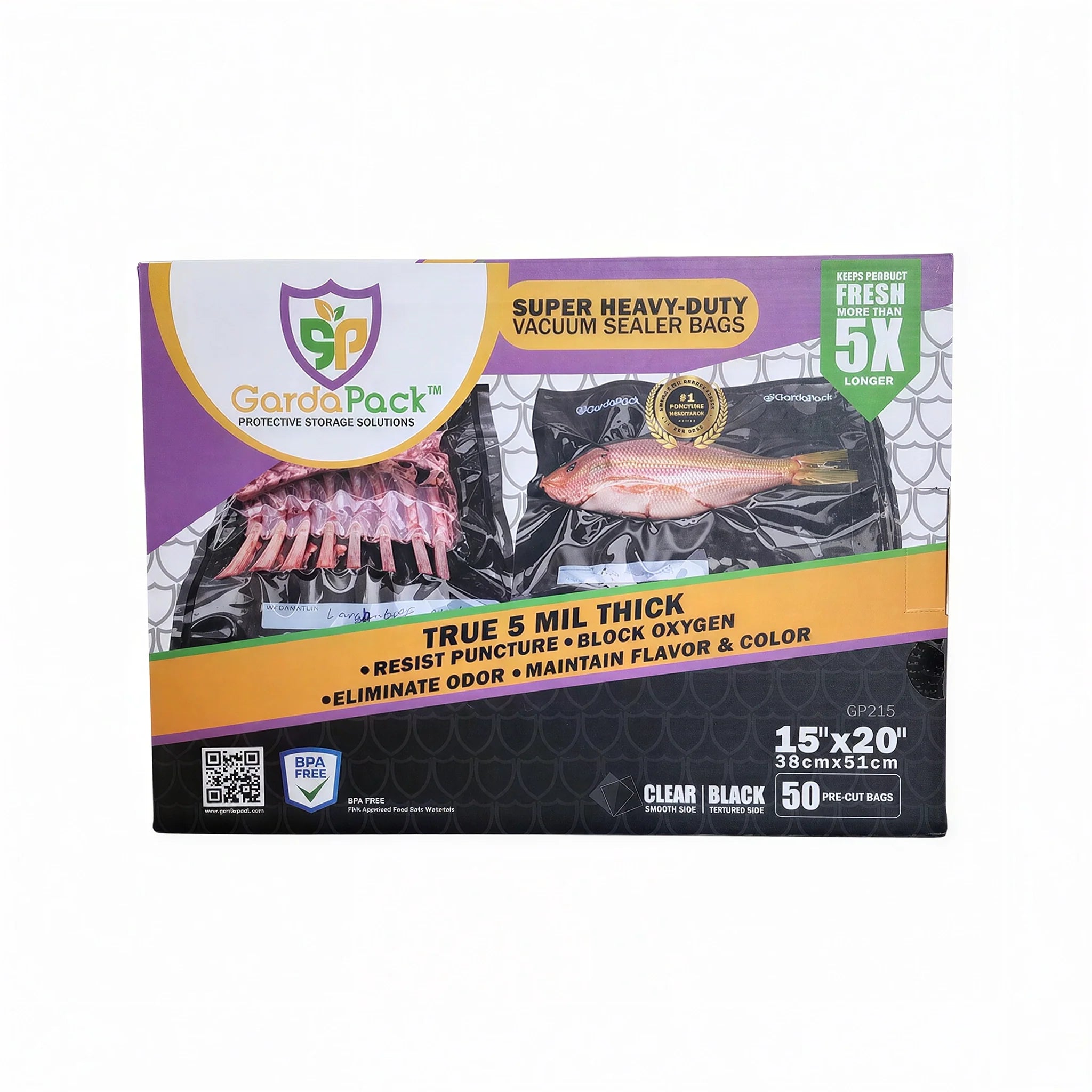
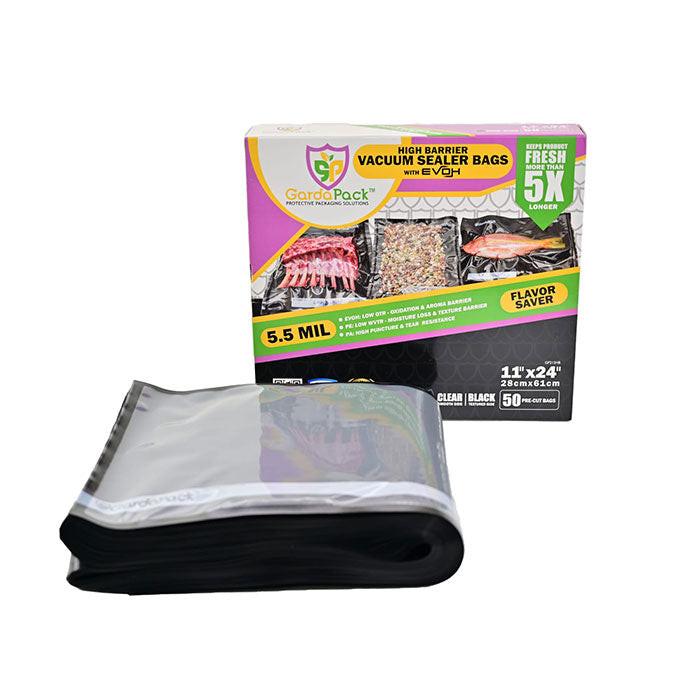
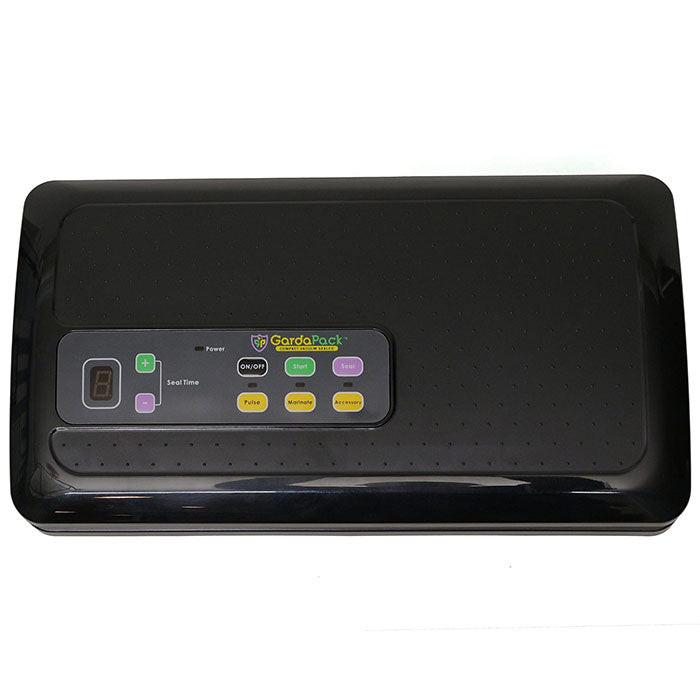
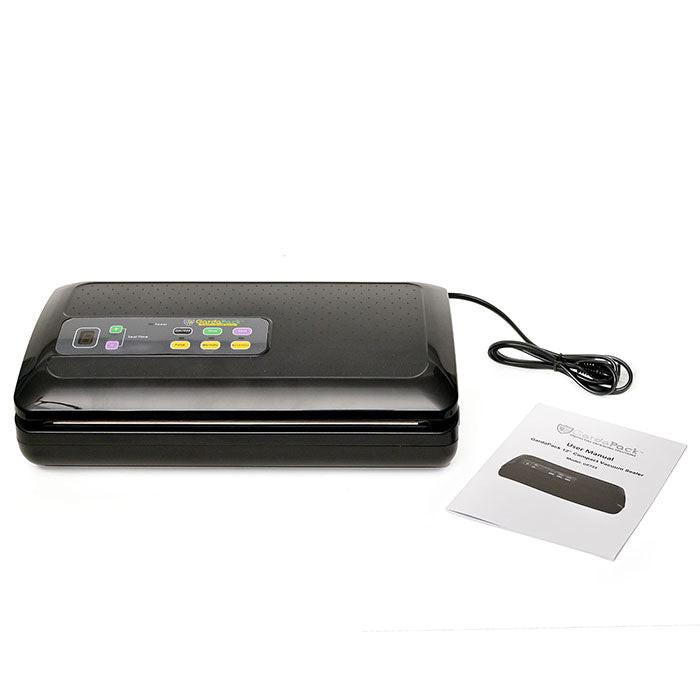
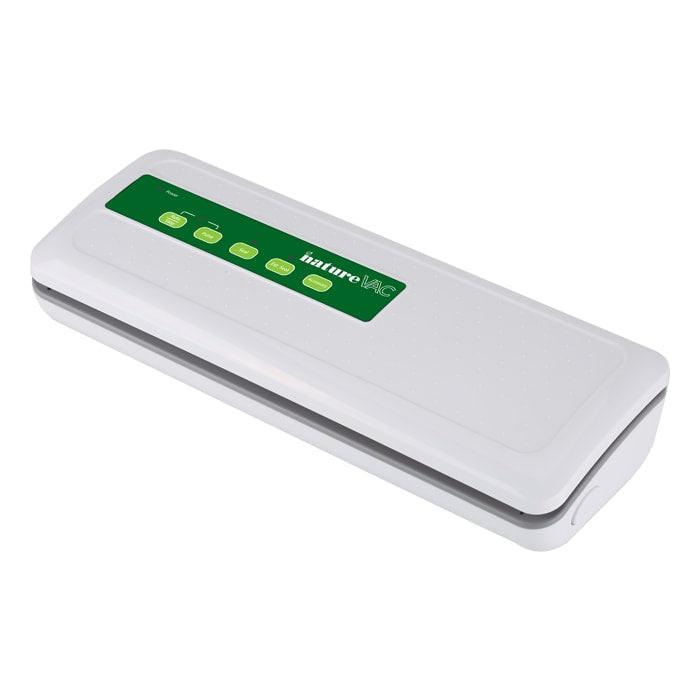
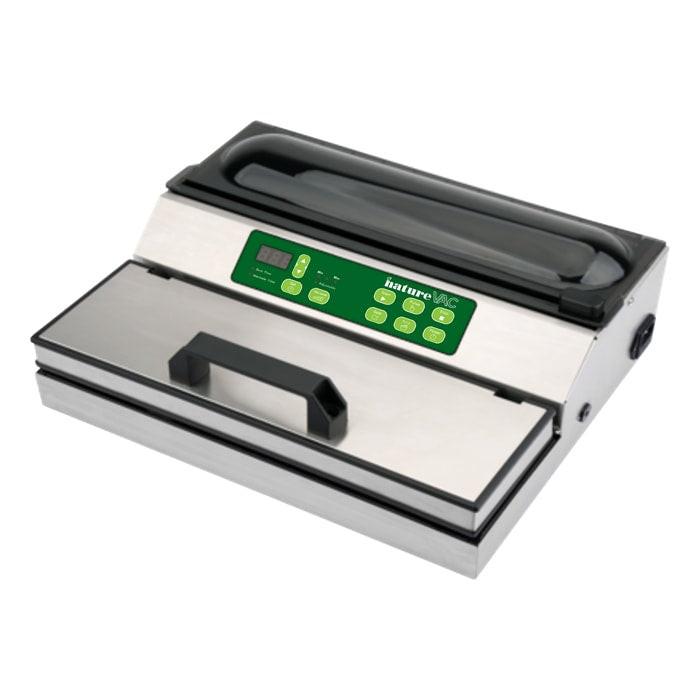
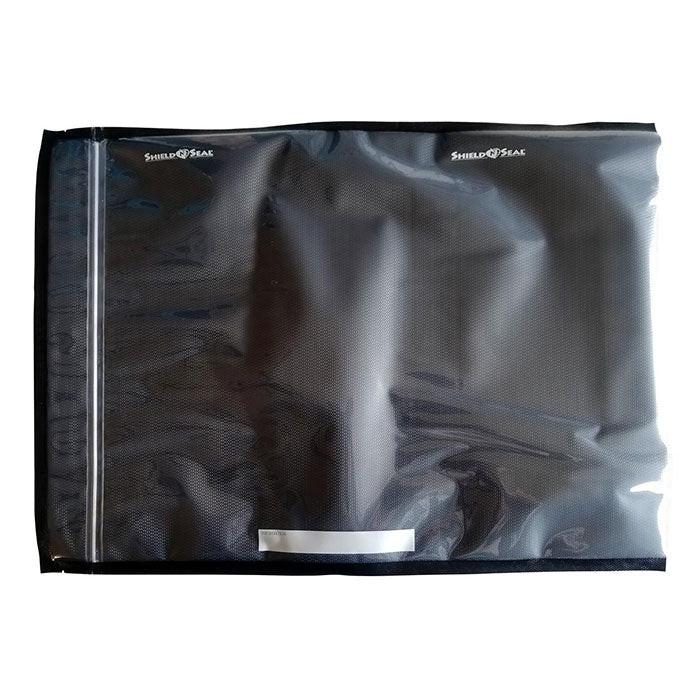
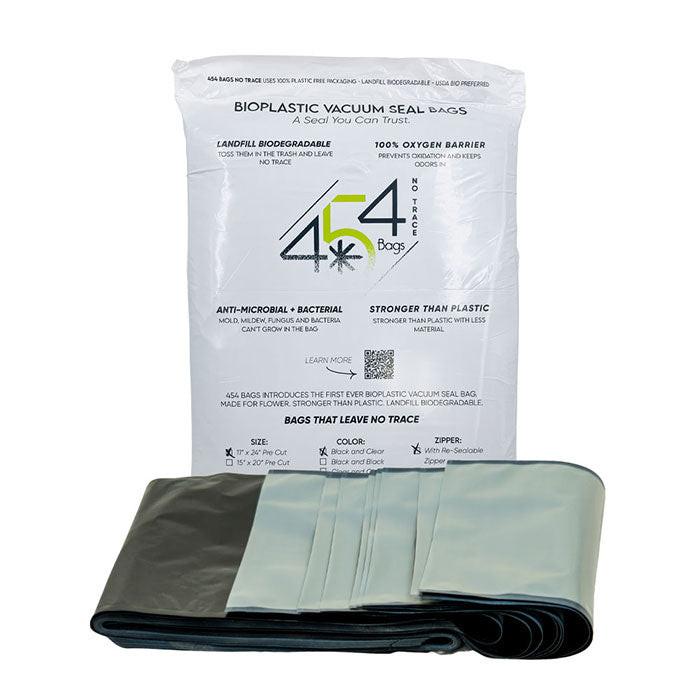
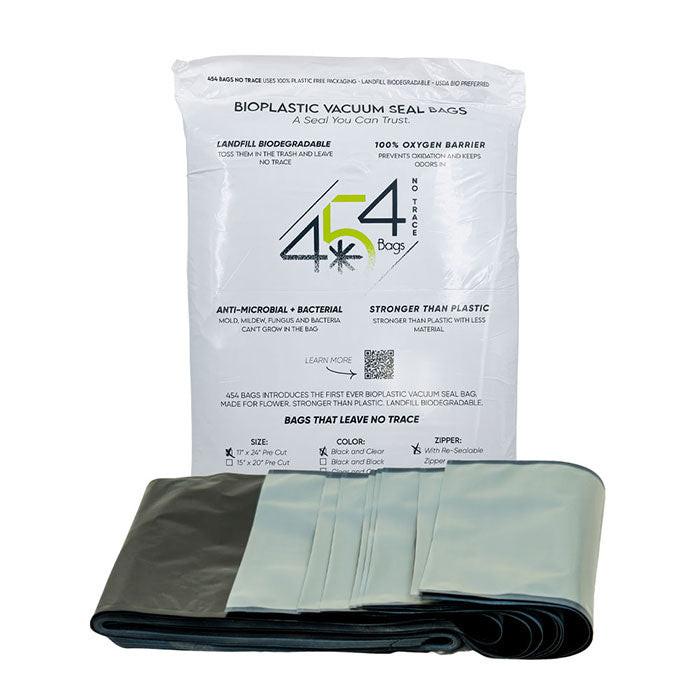
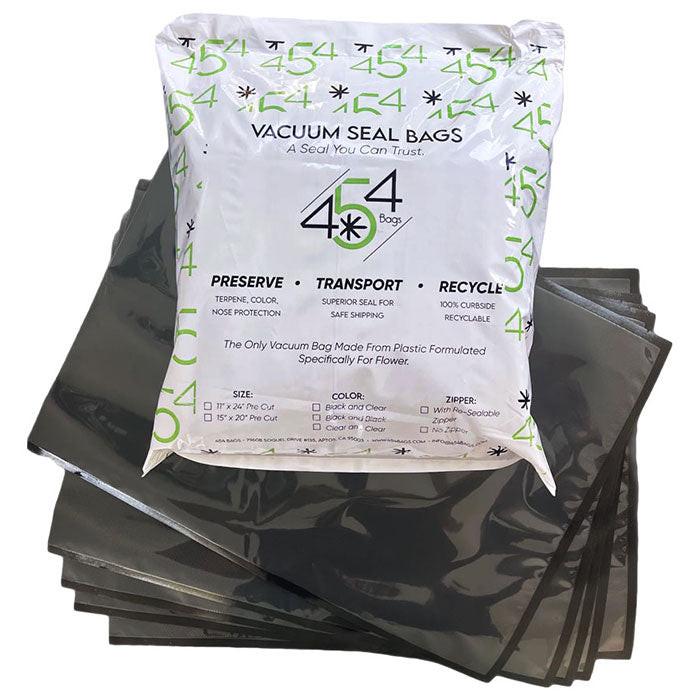
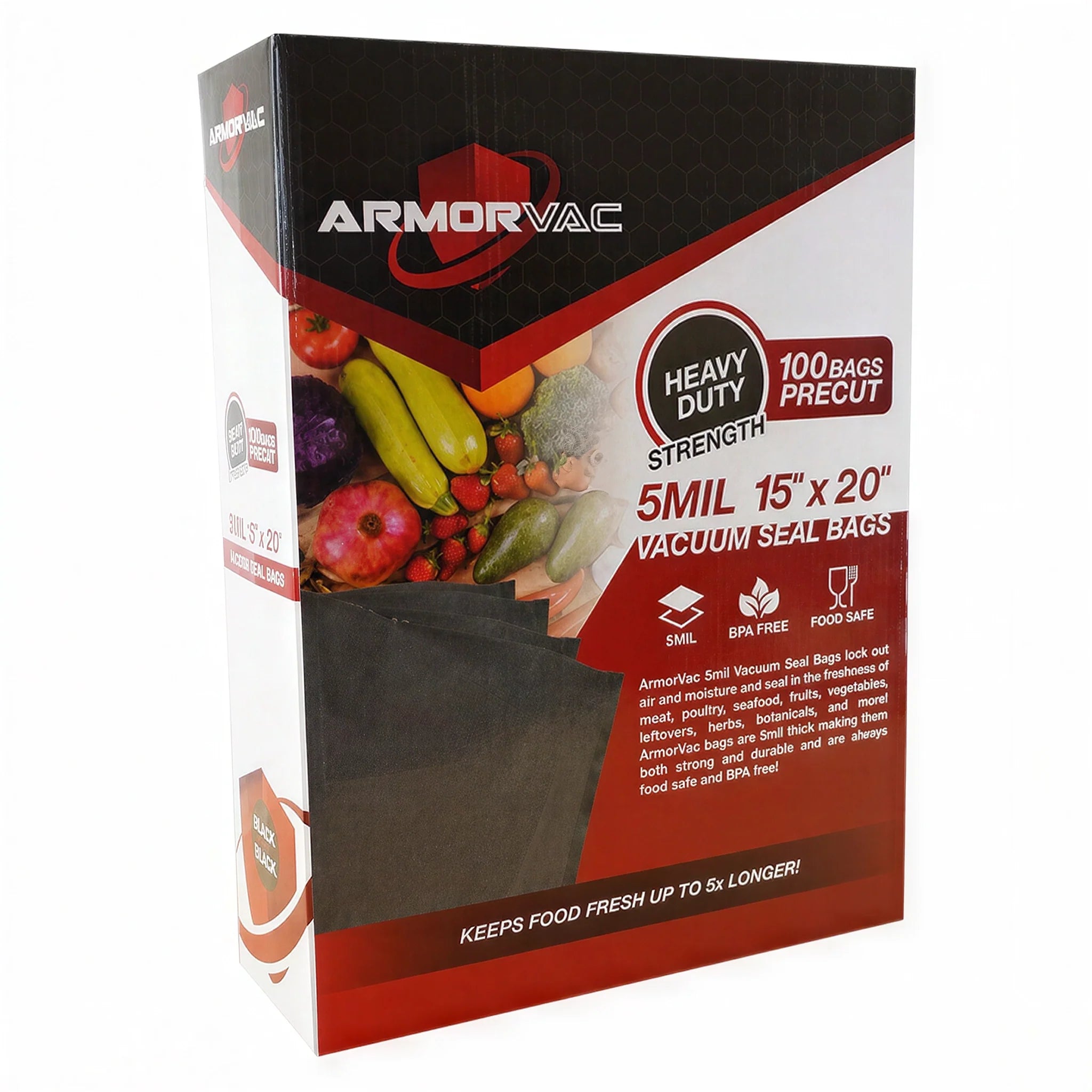
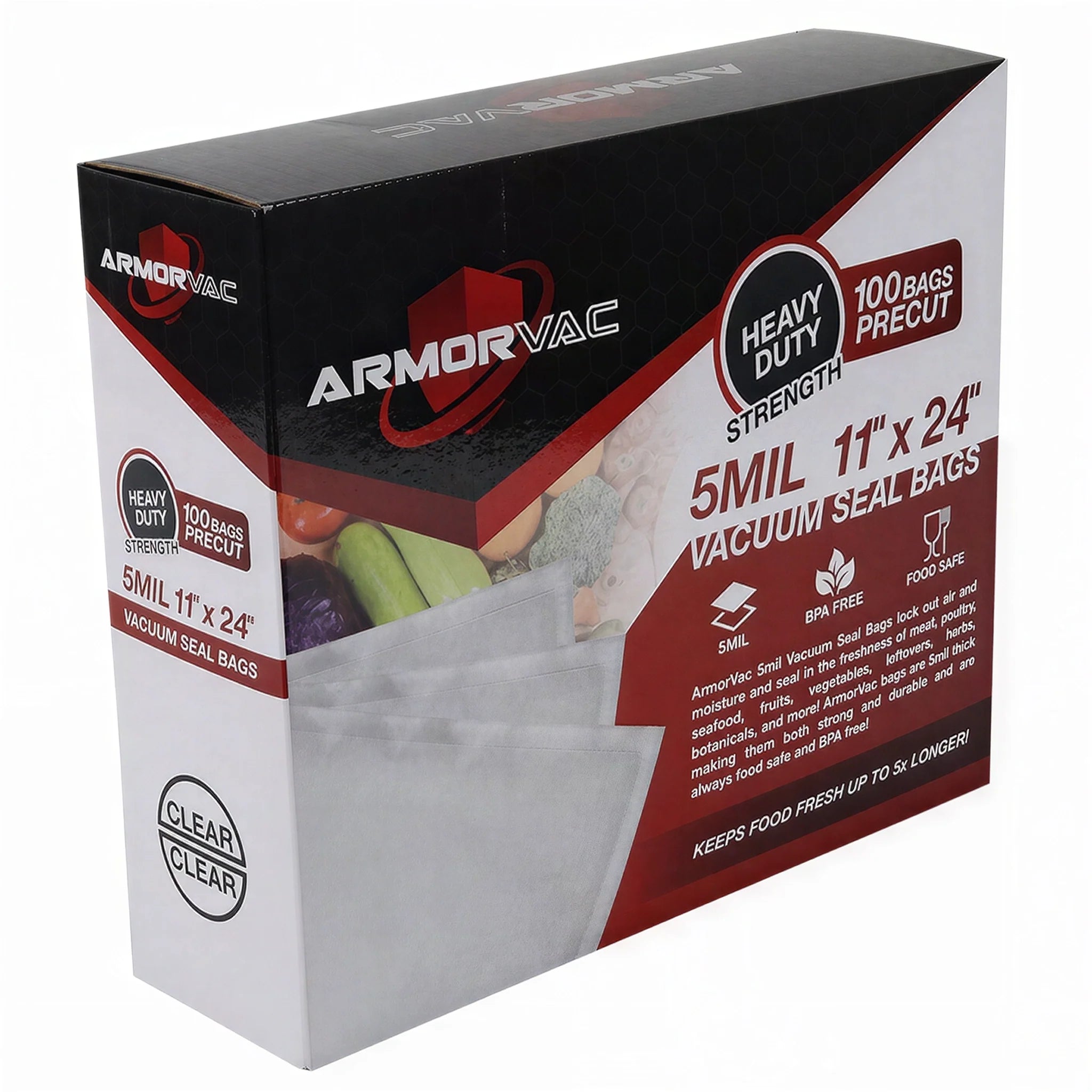
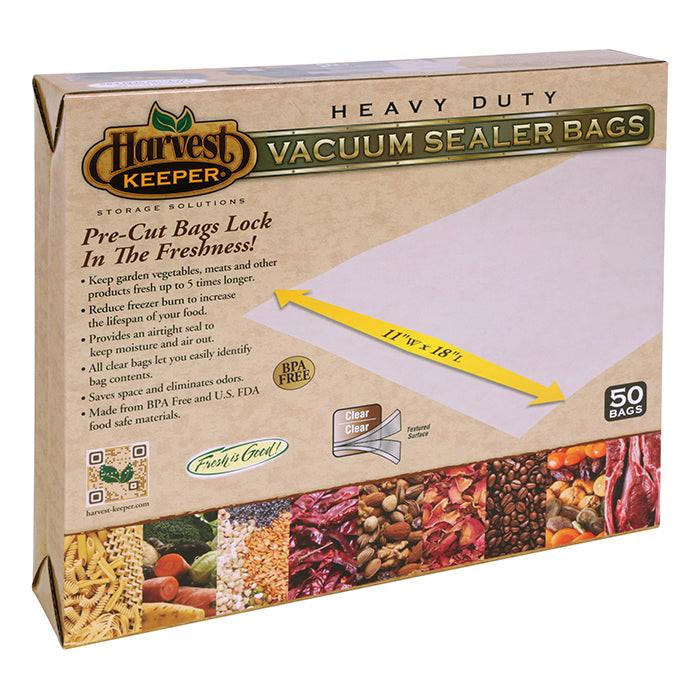
Standard countertop vacuum sealers (FoodSaver and similar) use a suction pump to evacuate air from a bag placed across the sealer's sealing strip, then apply heat to weld the bag closed in one operation. They work with either pre-cut bags (sealed on three sides with one open end for loading) or roll stock material that is cut and sealed to custom lengths. Vacuum sealer bags are made from multilayer nylon-polyethylene film that maintains the vacuum seal without oxygen permeation over the storage period. For botanical material storage, use bags made for food vacuum sealers -- the multilayer film provides much better oxygen barrier properties than single-layer plastic bags. Browse our full harvest storage bags collection for all storage formats.
Mylar Bags with Vacuum Sealing
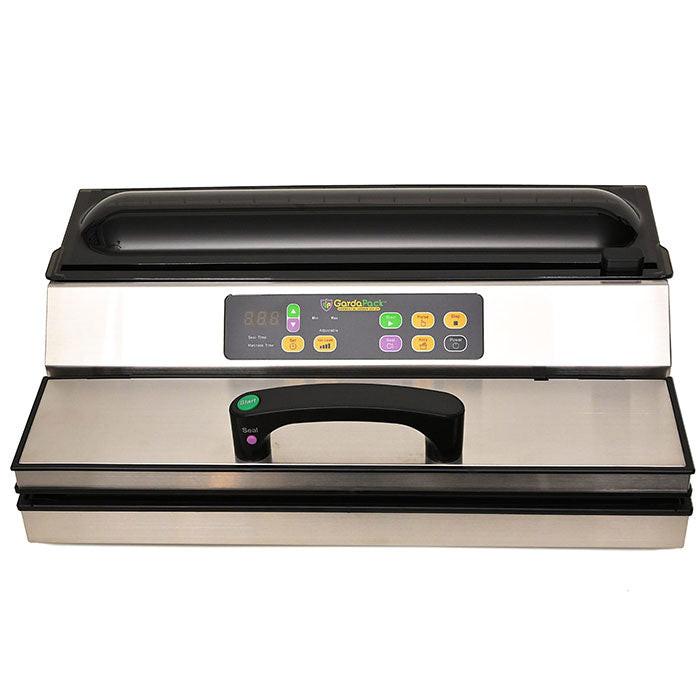
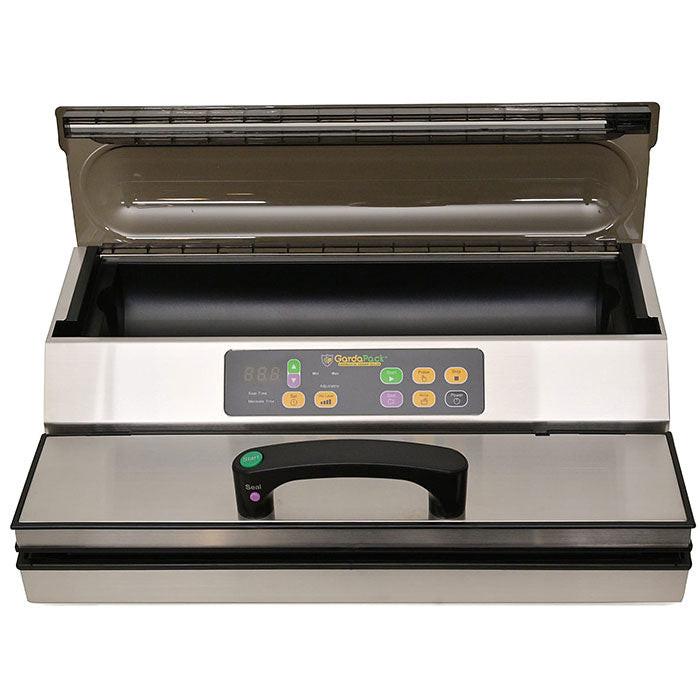
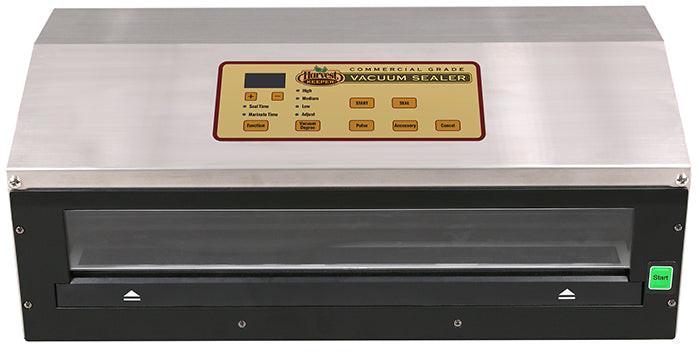
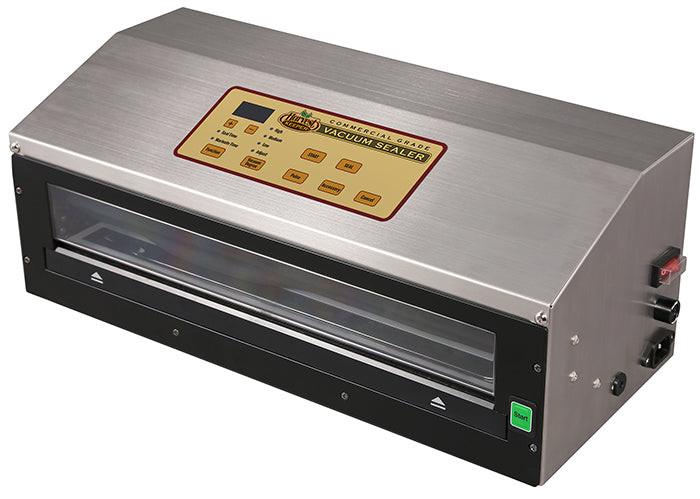
For maximum long-term storage performance, combine vacuum sealing with mylar bag material rather than standard nylon vacuum bags. Mylar (metallized polyester) provides a superior oxygen and moisture vapor barrier compared to nylon-polyethylene film. Mylar bags with vacuum-sealable openings (either compatible with standard countertop sealers or with integrated zip closures designed for hand-pump or chamber vacuum sealers) provide the best available passive storage environment for dried botanical material. Chamber vacuum sealers (commercial format) pull vacuum on the entire chamber rather than just the bag interior, allowing liquid-containing bags and pouches to be sealed that standard edge sealers cannot handle without liquid being drawn into the sealing mechanism. Fast shipping.
Vacuum Sealers FAQ
Does vacuum sealing extend storage life for dried botanical material?
Yes significantly. Oxygen drives the oxidation reactions that degrade aromatic compounds, cannabinoids, terpenes, and other quality-determining compounds in dried botanical material. Removing oxygen through vacuum sealing dramatically slows these reactions. Properly dried and cured material vacuum-sealed in oxygen-barrier bags and stored in a cool, dark location typically retains quality for 12-24+ months. The same material in a well-sealed but non-vacuum glass jar retains quality for 6-12 months. Vacuum sealing is the most effective single step for long-term quality preservation of already-dried and cured material.
Can I vacuum seal fresh or recently dried material?
Only vacuum seal material that is fully dried and cured. Fresh or insufficiently dried material retains moisture inside the sealed bag -- without air exchange to carry away moisture, the sealed environment quickly becomes a high-humidity anaerobic space that promotes mold and bacterial growth. Material is ready for vacuum sealing when it is fully cured (typically 2-4 weeks of jar curing at 58-62% RH) and passes the snap test (small stems snap cleanly rather than bending). When in doubt, err toward more curing time before vacuum sealing.
What type of vacuum sealer bags should I use?
Use multilayer nylon-polyethylene vacuum sealer bags rated for the vacuum sealer brand you are using -- most standard edge sealers (FoodSaver, Weston) work with bags made to their sealing strip dimensions and film thickness. For maximum oxygen barrier: use mylar bags with vacuum-sealable openings rather than standard nylon vacuum bags. Mylar's metallized film provides 10-100x lower oxygen transmission rate than nylon film. Standard single-layer plastic storage bags (zipper freezer bags) are not appropriate for long-term botanical storage -- they do not maintain vacuum and allow slow oxygen permeation through the bag walls.
What is the difference between an edge vacuum sealer and a chamber sealer?
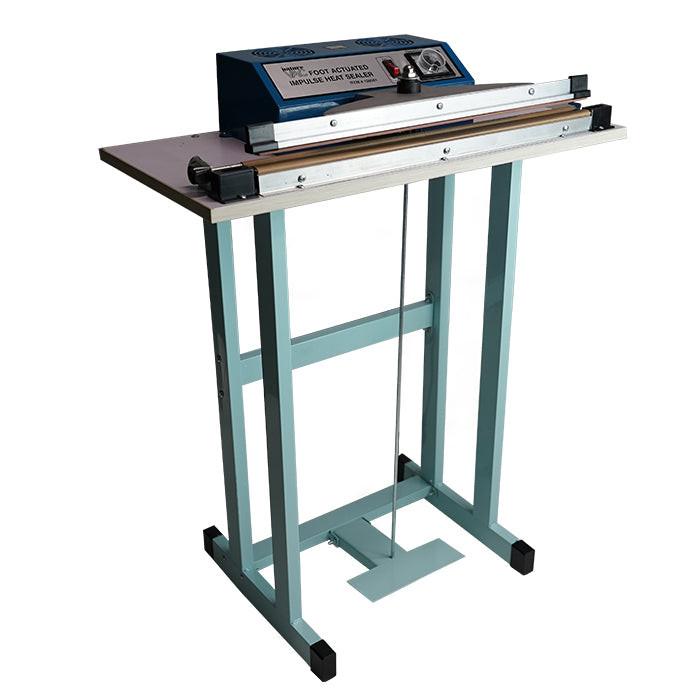
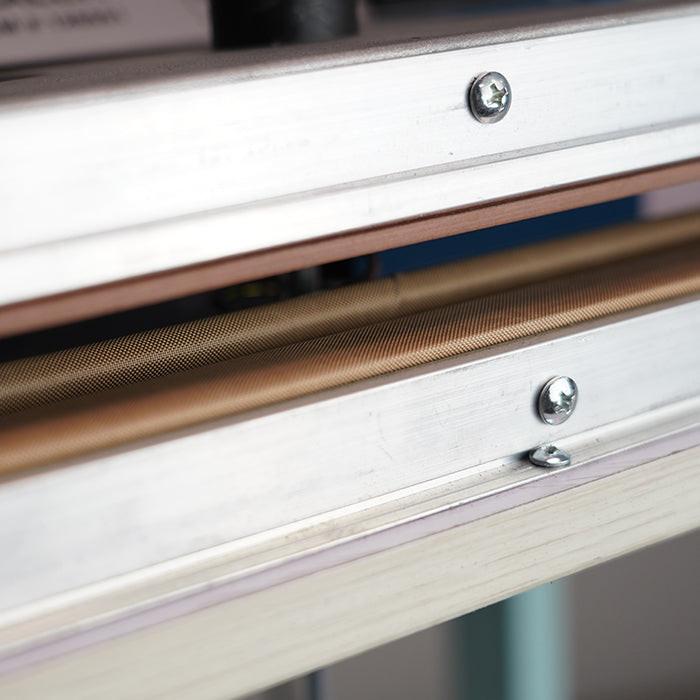
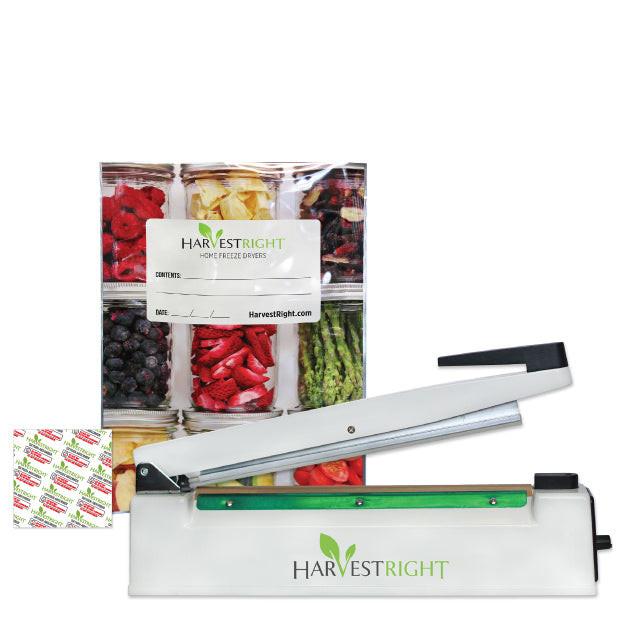
Edge sealers (standard home-use format) clamp the open end of the bag across a heating strip, pull vacuum by suction from inside the bag, and heat-seal the opening. They work well for solid materials but pull liquids toward the seal -- liquid contents get drawn into the sealing area and compromise the seal. Chamber sealers evacuate the entire sealed chamber, then seal the bag opening -- the bag interior and the chamber reach the same pressure simultaneously, so liquids stay in the bag without being drawn to the seal. Chamber sealers are the commercial standard for packaging any product with moisture or liquid content; edge sealers work well for dry solid botanical material.
How do I store vacuum-sealed botanical material?
After sealing: store in a cool (below 70 degrees F, ideally 55-65 degrees F), dark location away from light, heat, and humidity fluctuations. A basement, wine cellar, or climate-controlled interior closet suits these requirements. Avoid refrigerators for long-term storage -- frequent temperature cycling when the door opens creates condensation risk inside bags that are not perfectly water-vapor-impermeable. Freezers work for very long-term archival storage (12+ months) in vacuum-sealed mylar bags -- the cold temperature nearly eliminates chemical degradation reactions, and the vacuum prevents freezer burn. Allow frozen material to come fully to room temperature inside the sealed bag before opening to prevent condensation from forming on the material.