Trimming Scissors & Harvest Shears for Indoor Growers
Hand trimming scissors are the most precise tool available for post-harvest finishing work on flowering plants. Unlike machine trimming, hand scissors allow the trimmer to follow the contour of each individual flower head, preserving structure and appearance while selectively removing fan leaves and unwanted leaf material. For small to medium-scale growers where quality of the final product matters as much as processing speed, high-quality spring-loaded trimming scissors are the foundation of an efficient hand-trimming workflow. They are also the essential finishing tool after any machine trimming pass -- catching the detail work that automated trimmers cannot replicate.
Types of Trimming Scissors
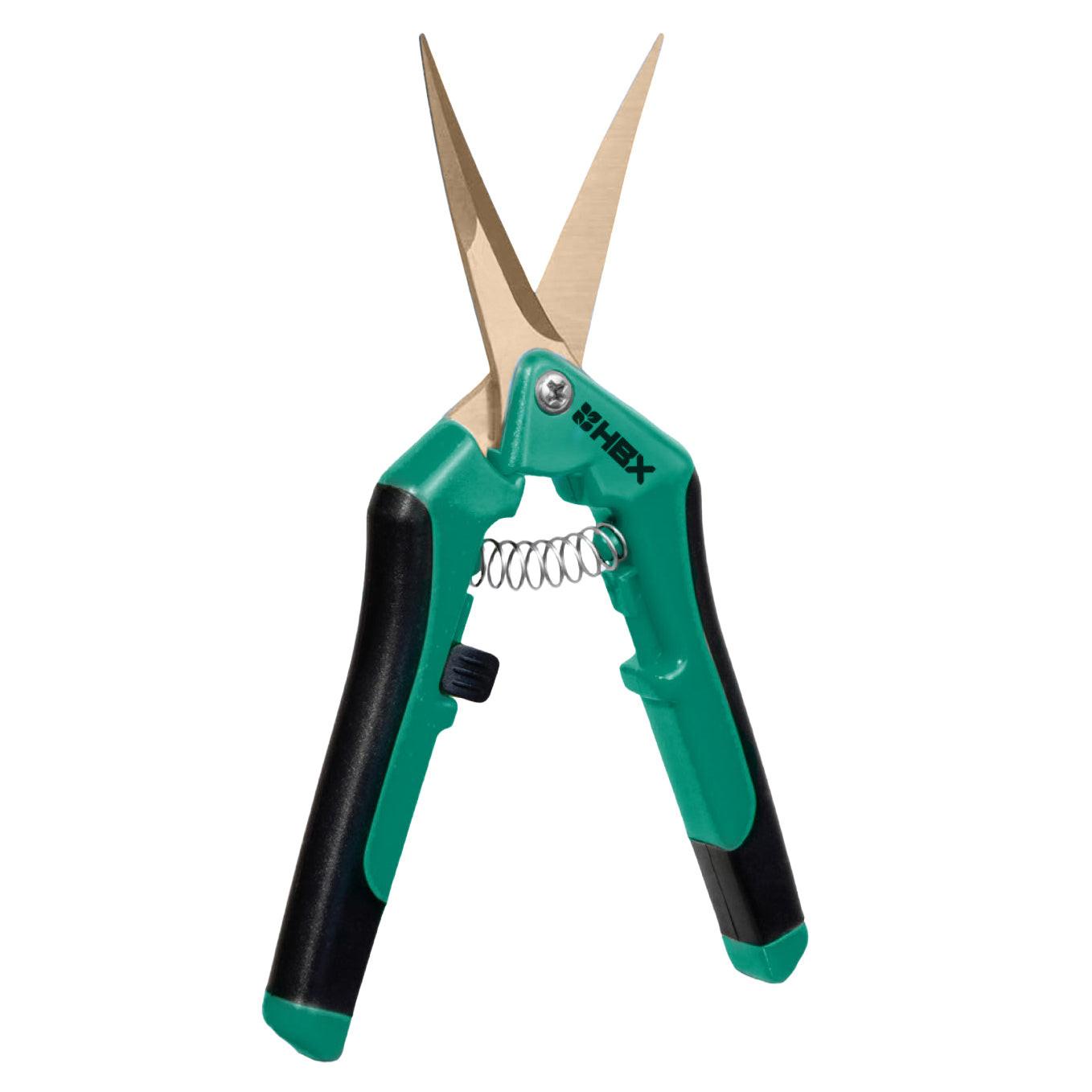
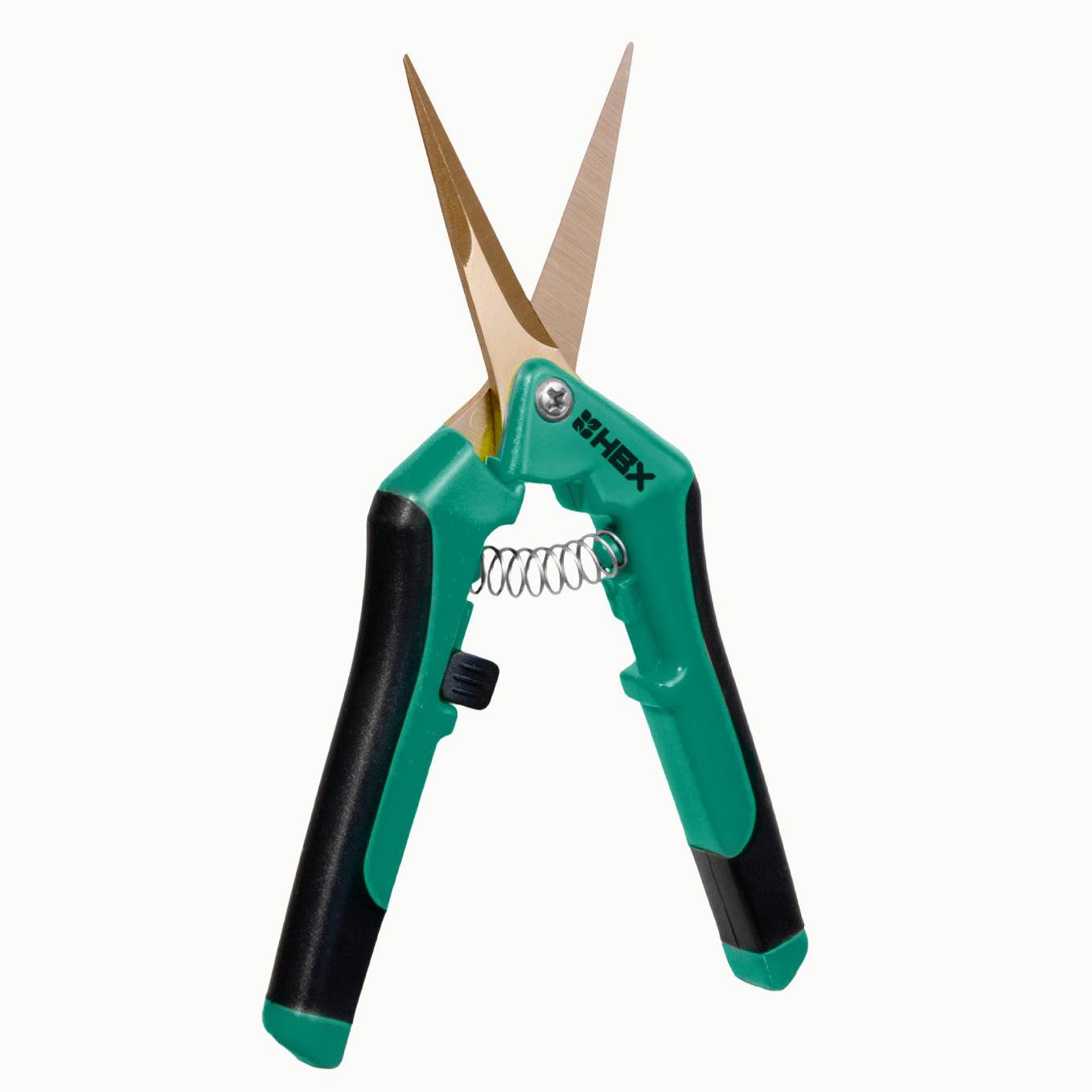
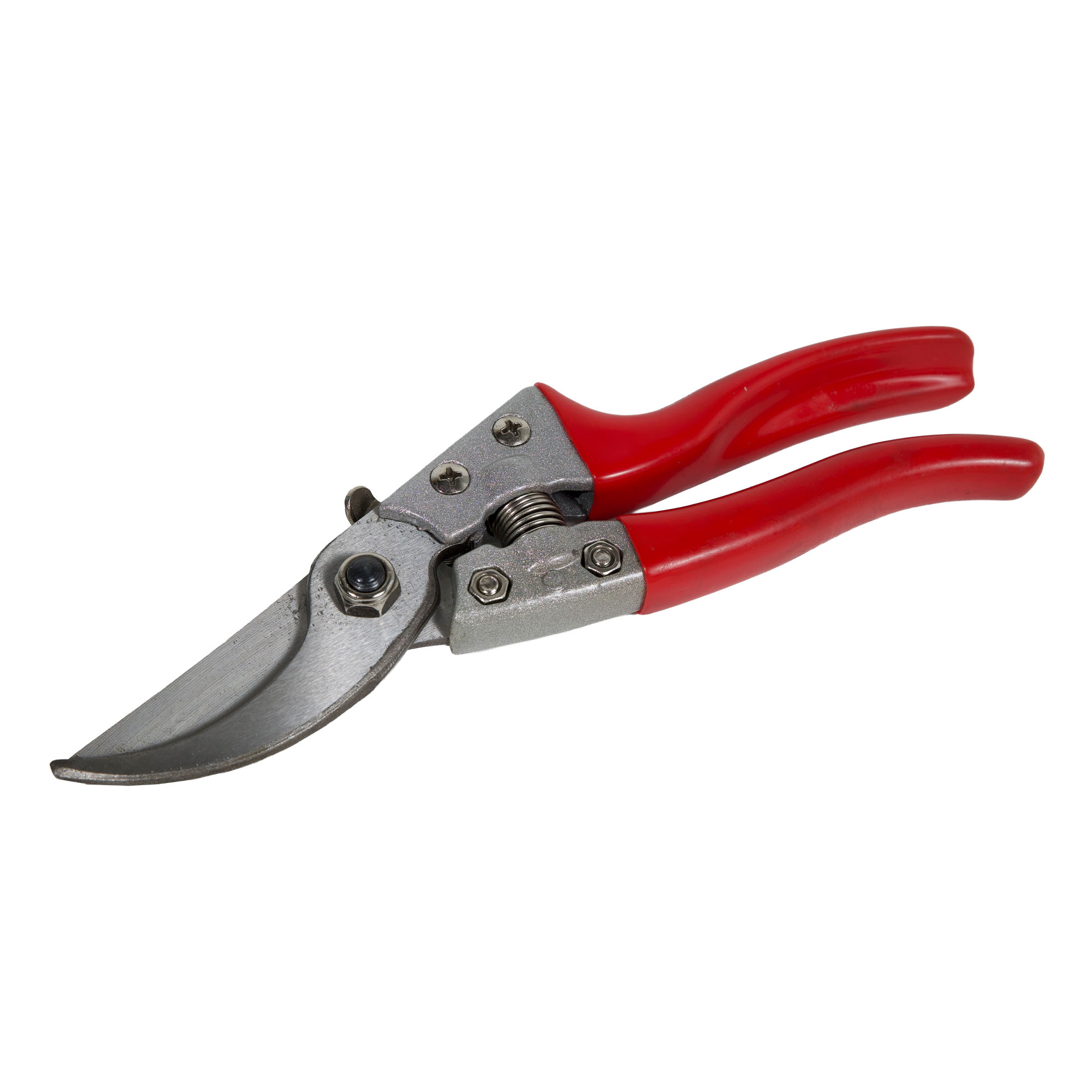
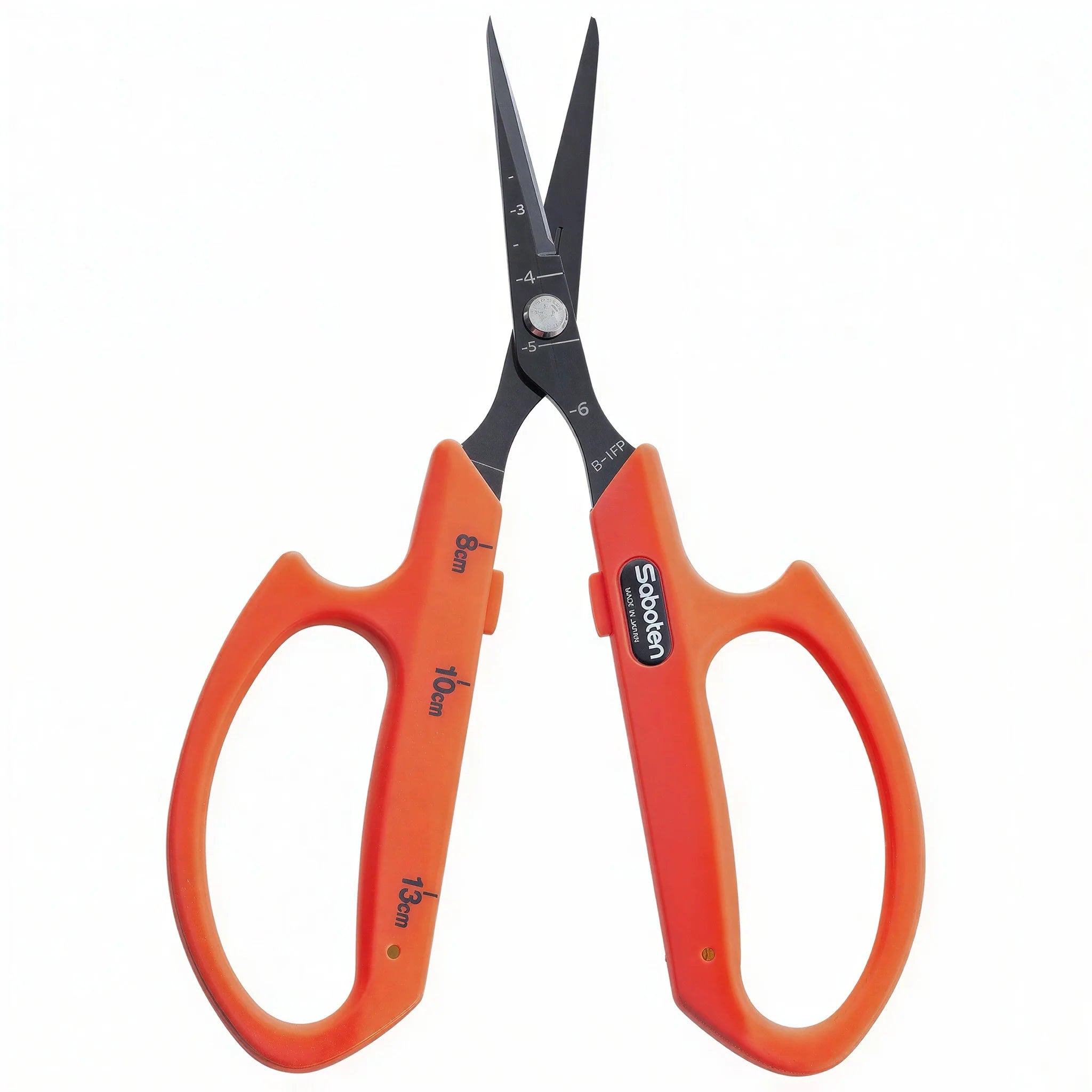
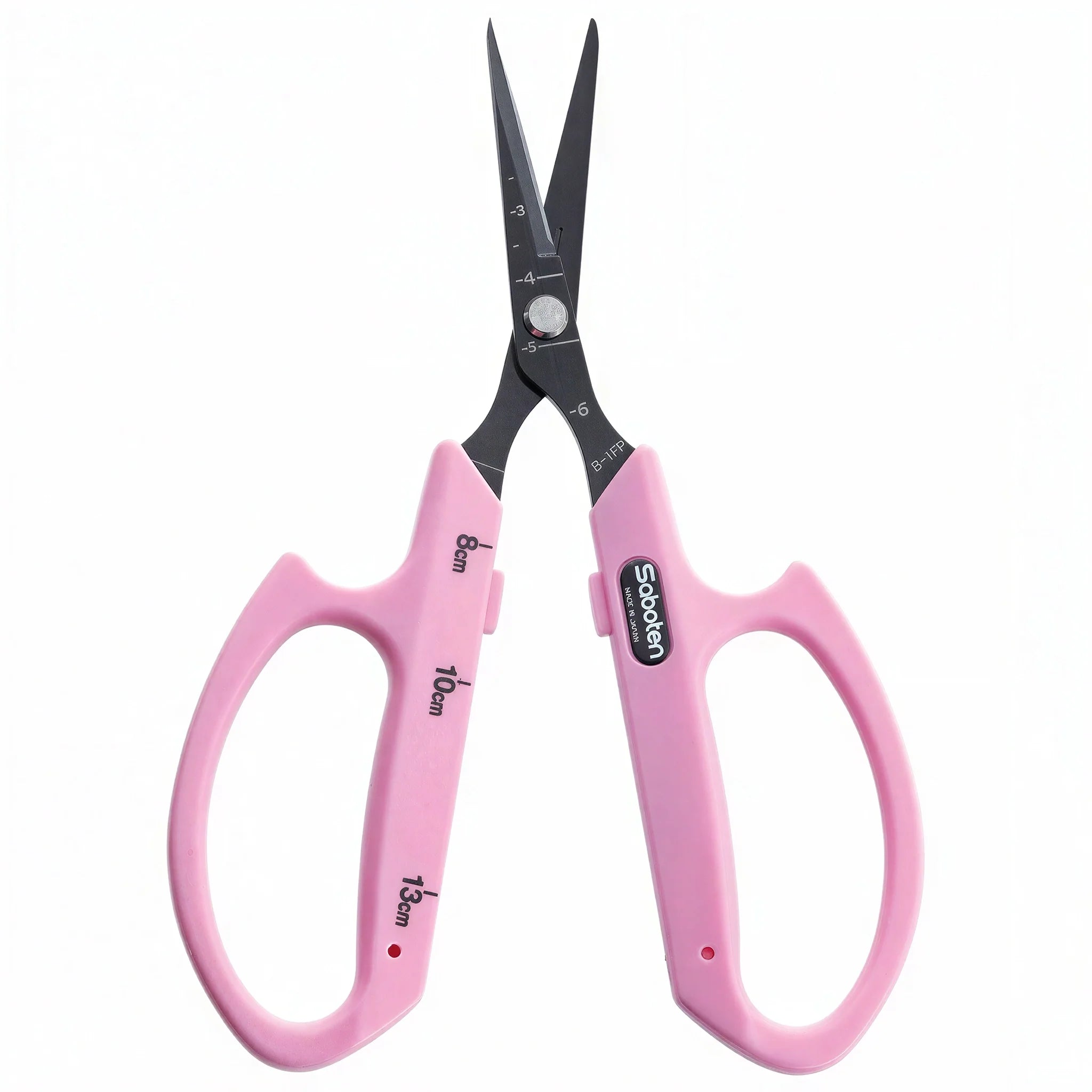
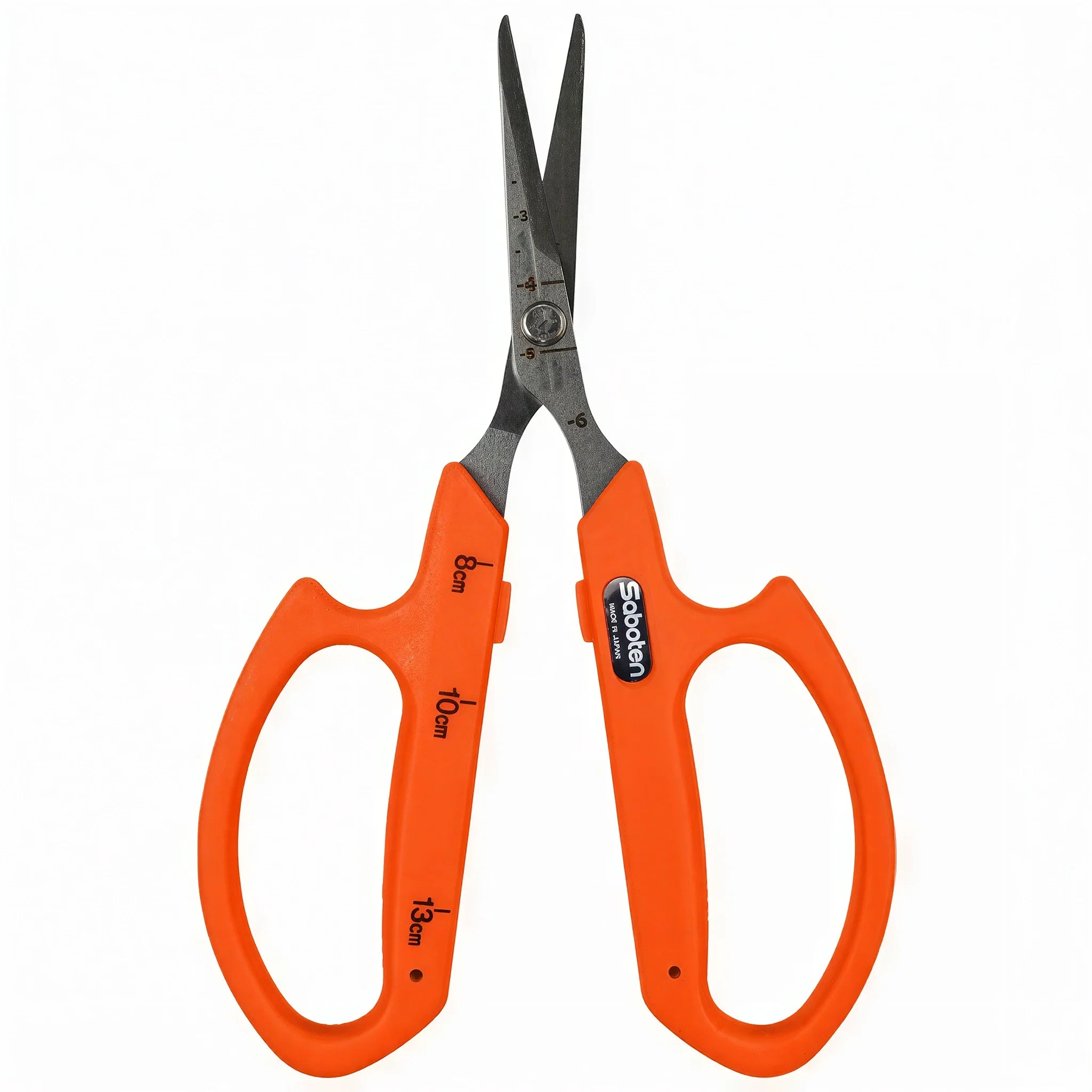
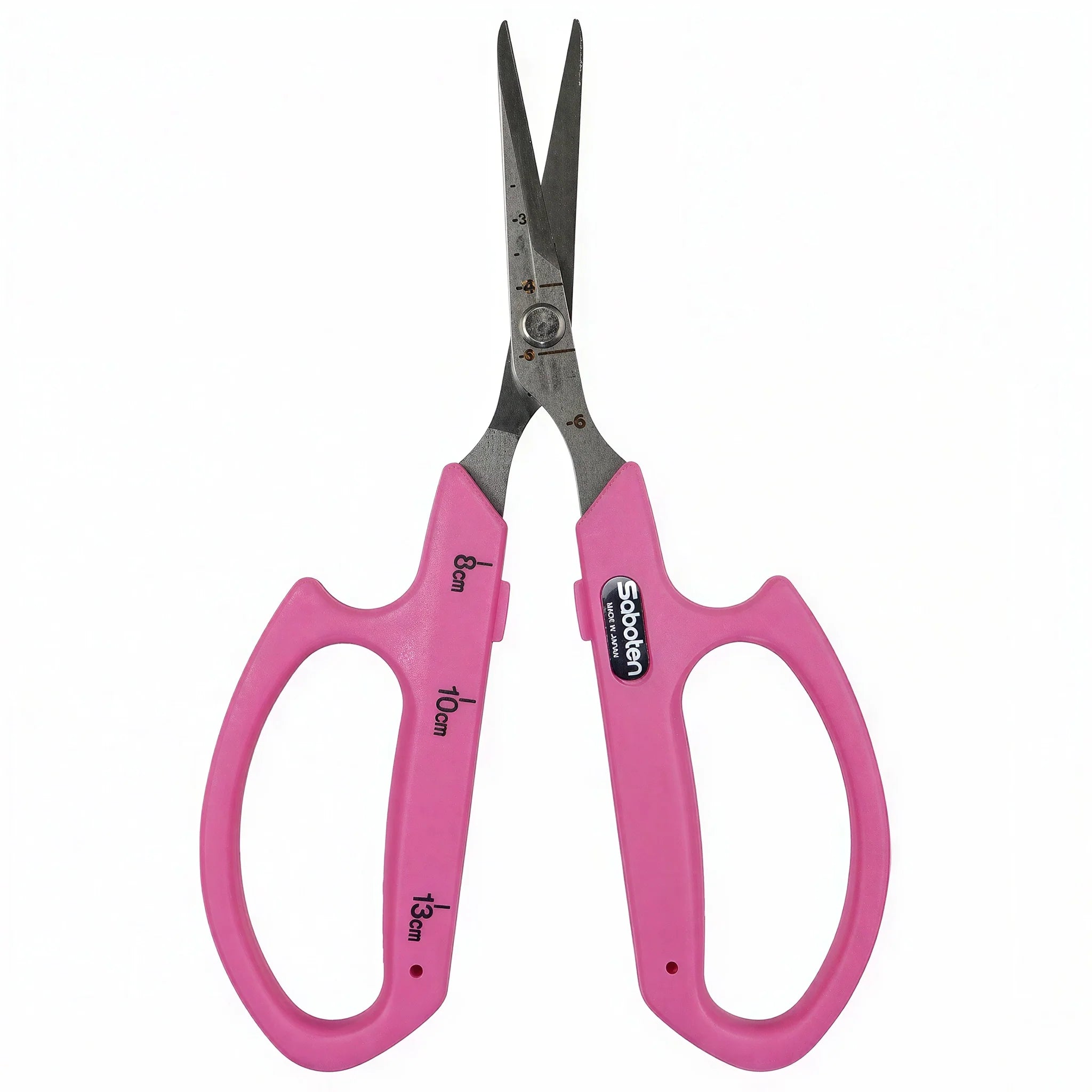
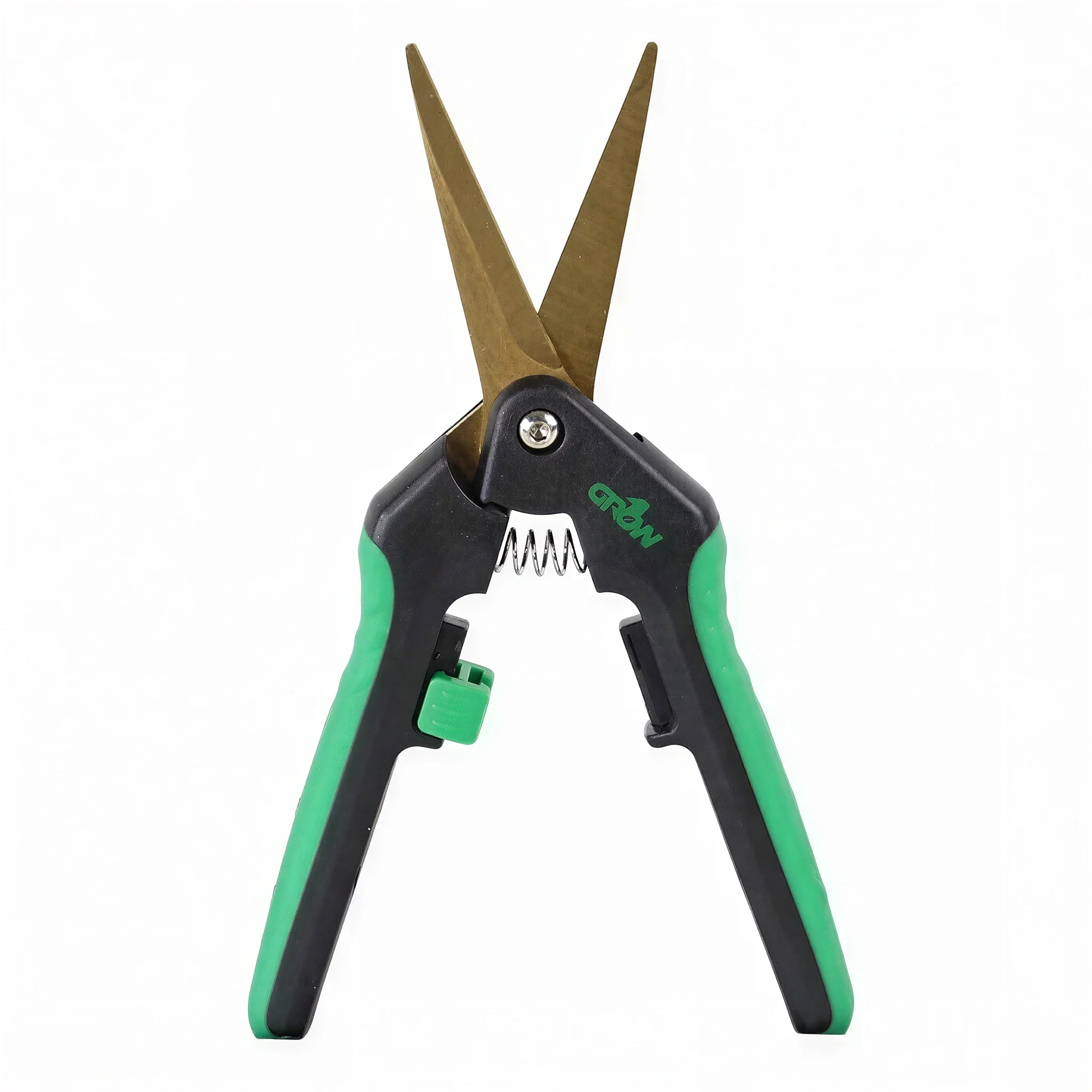
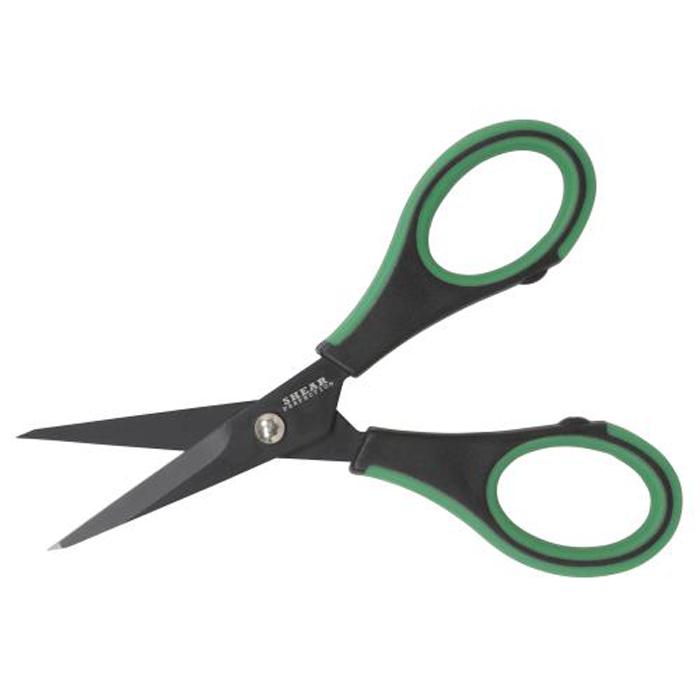
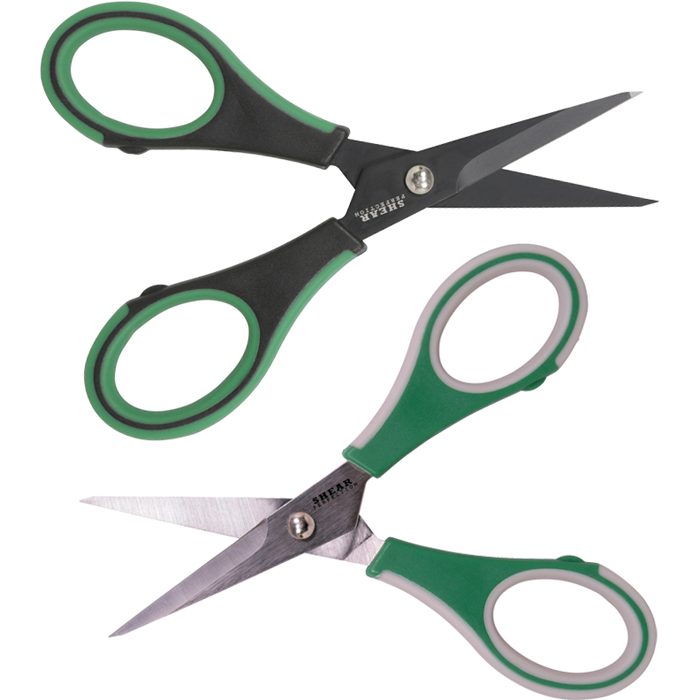
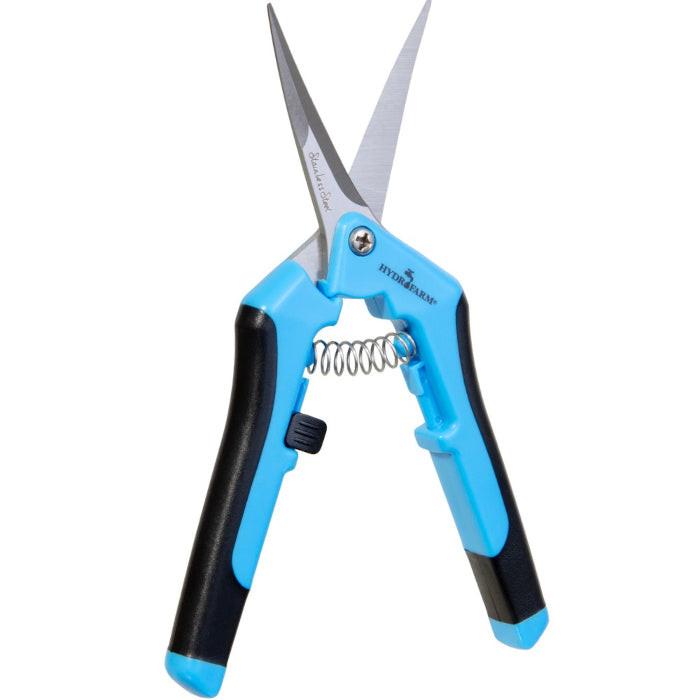
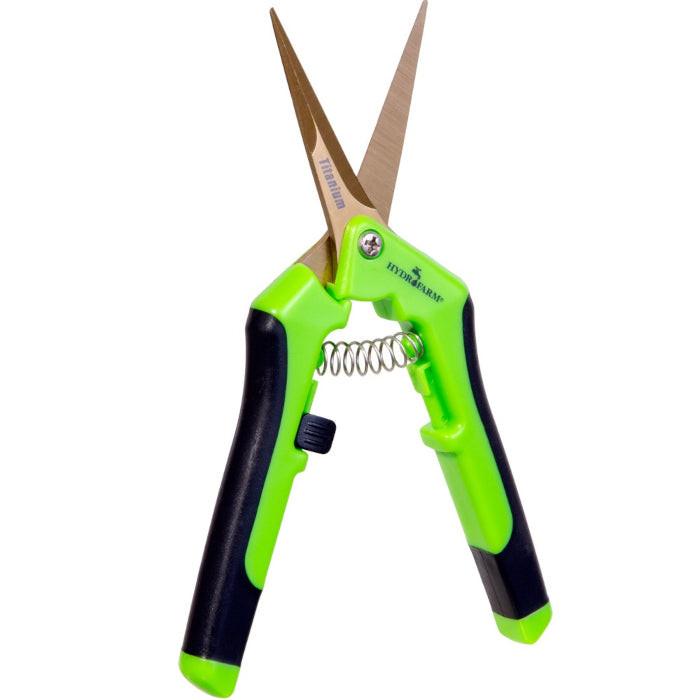
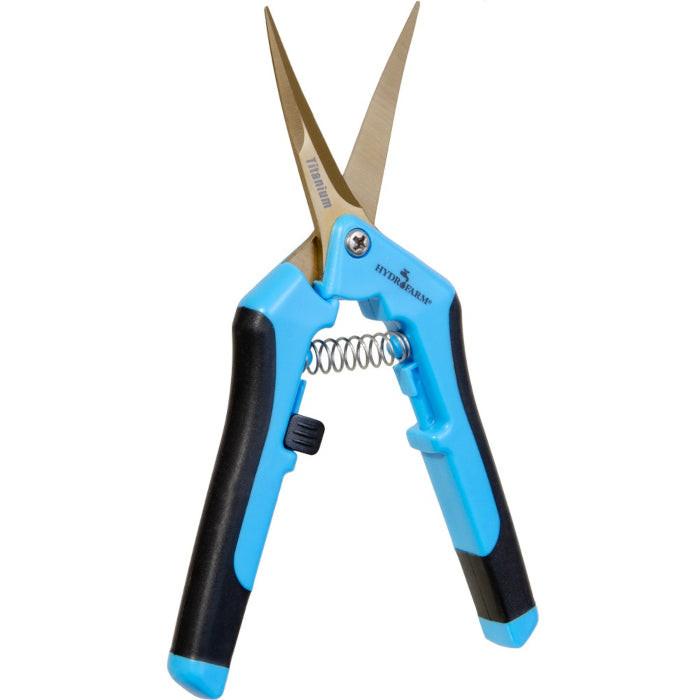
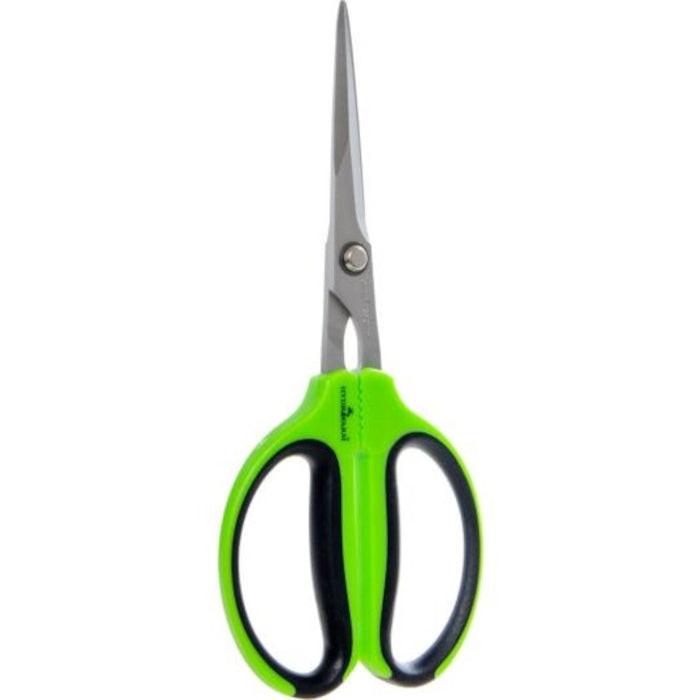
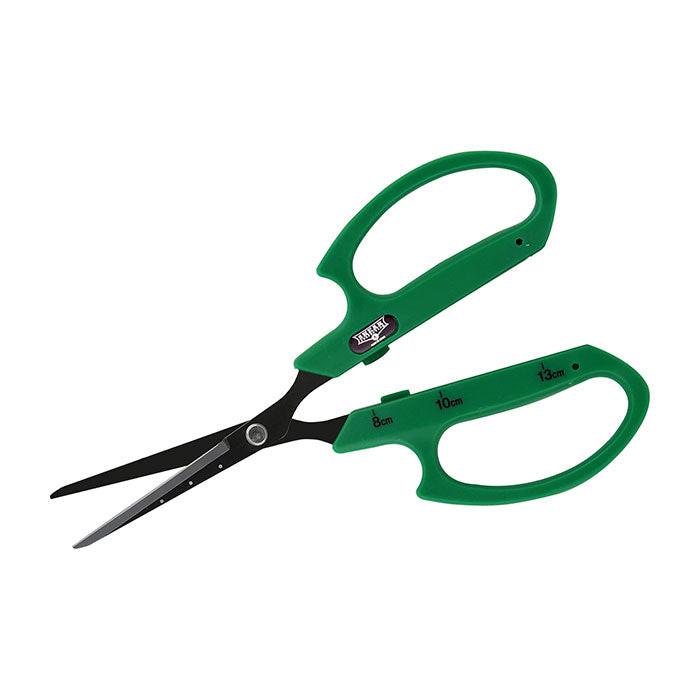
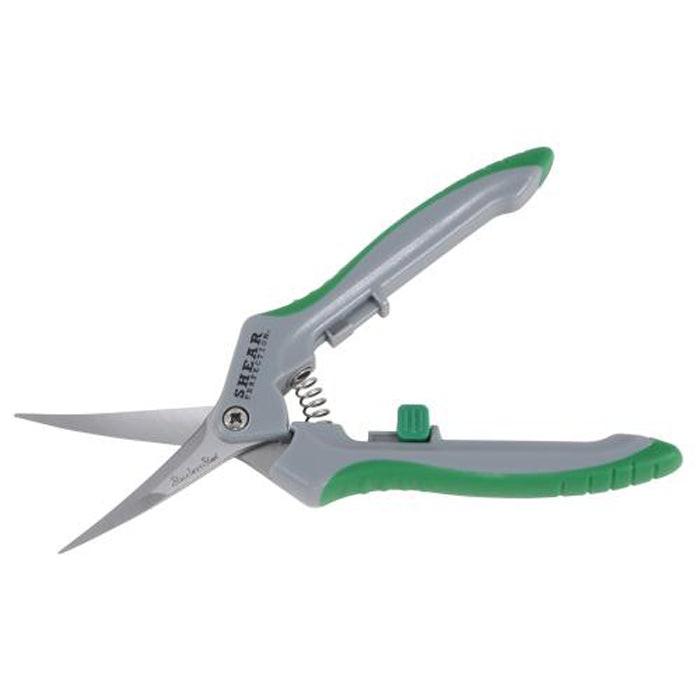
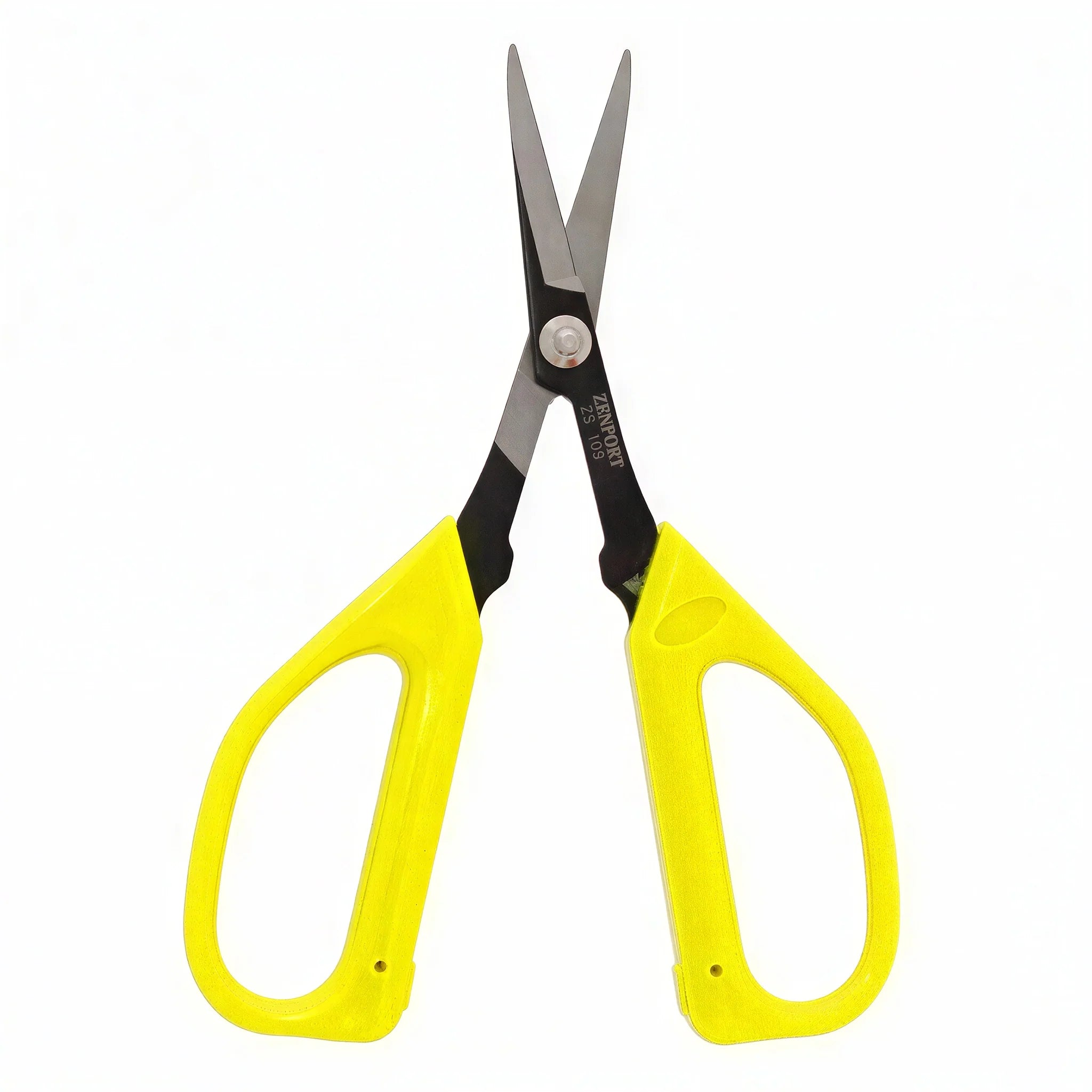
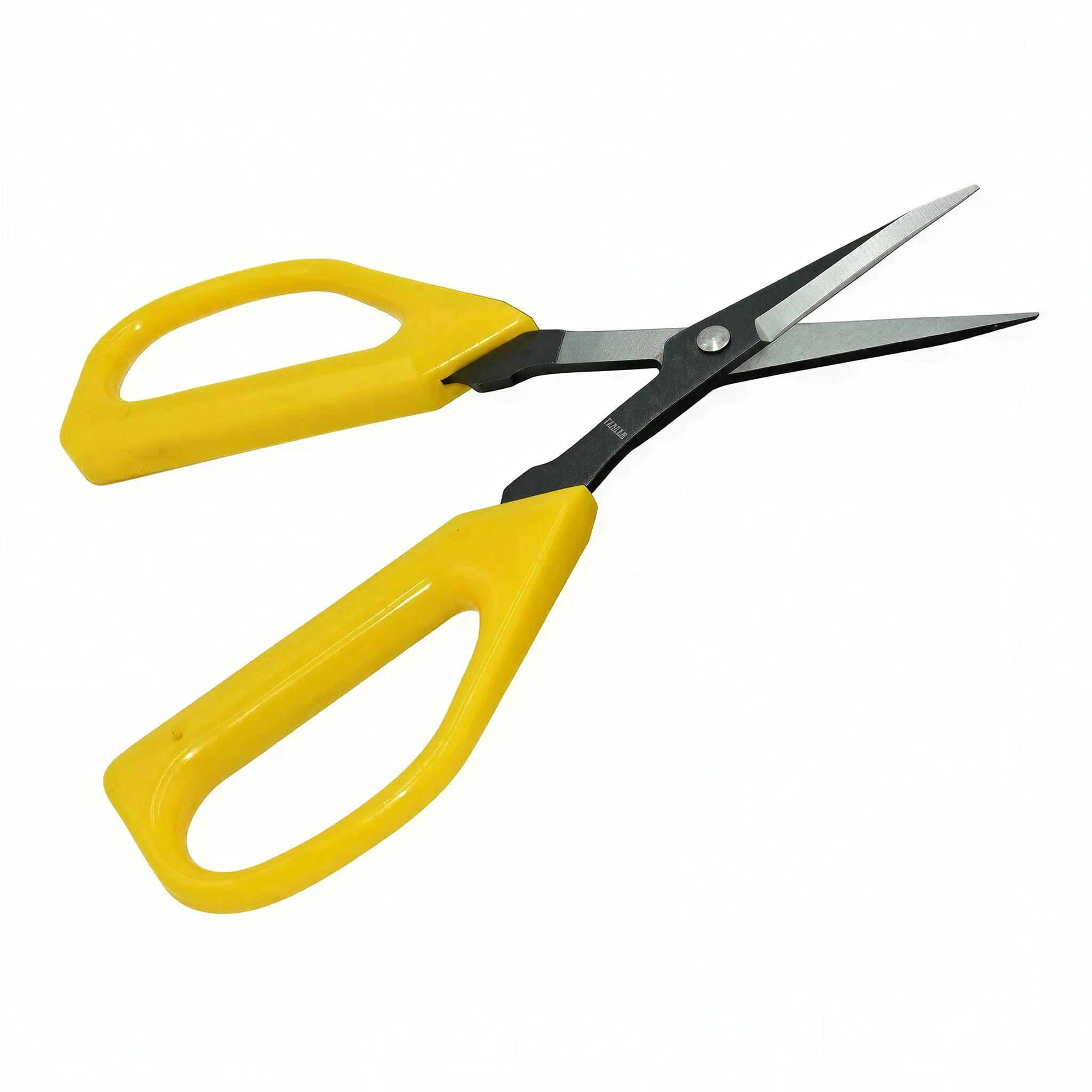
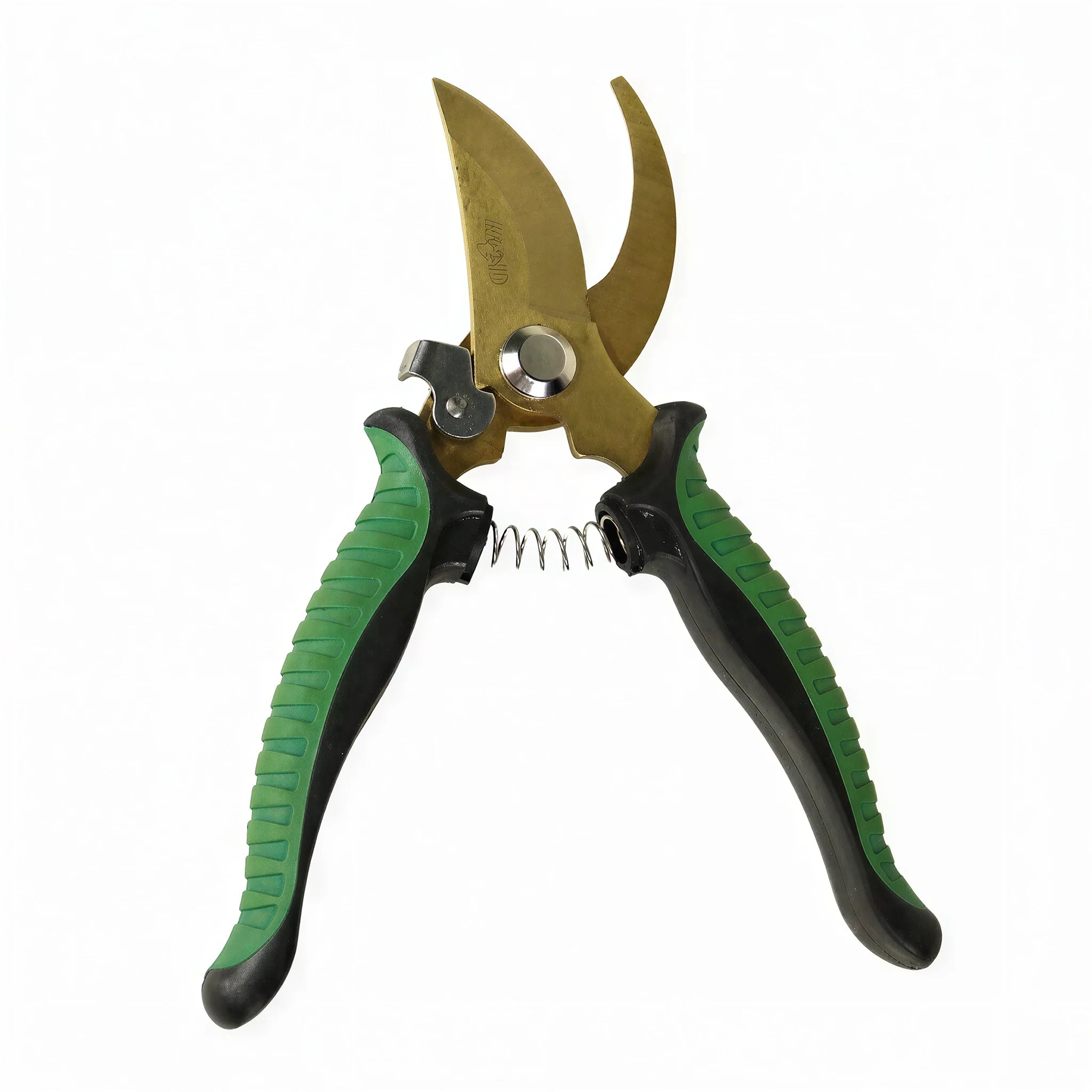
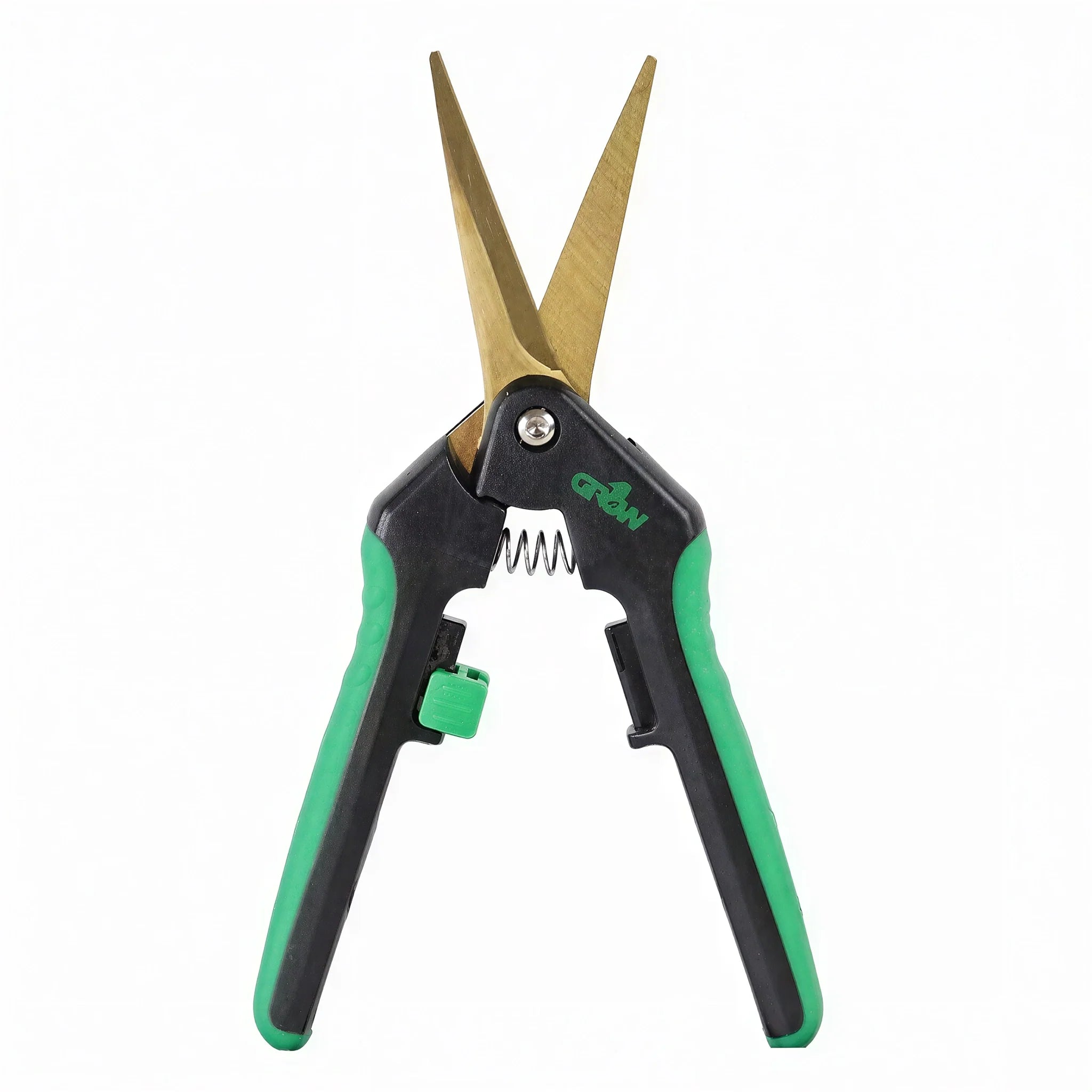
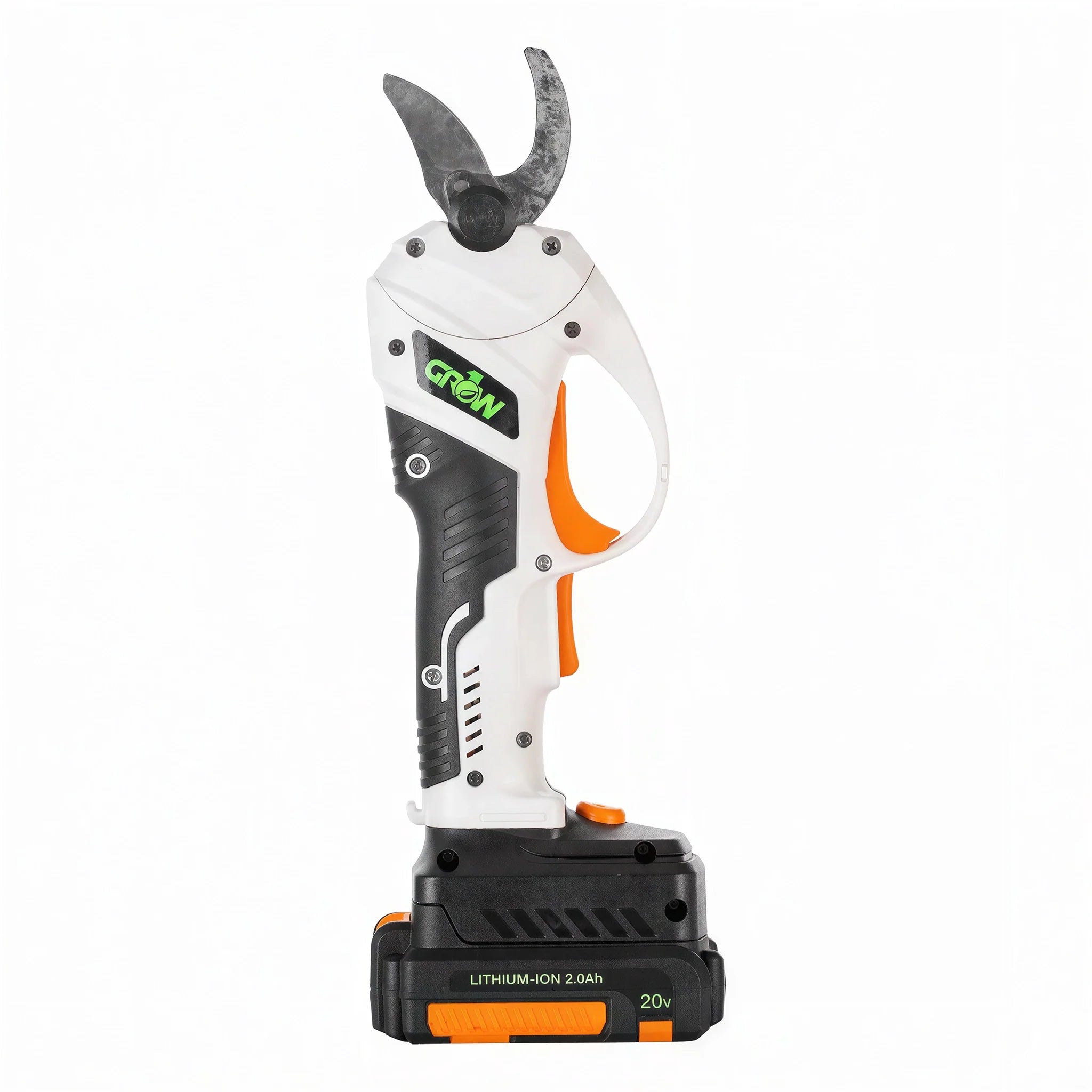
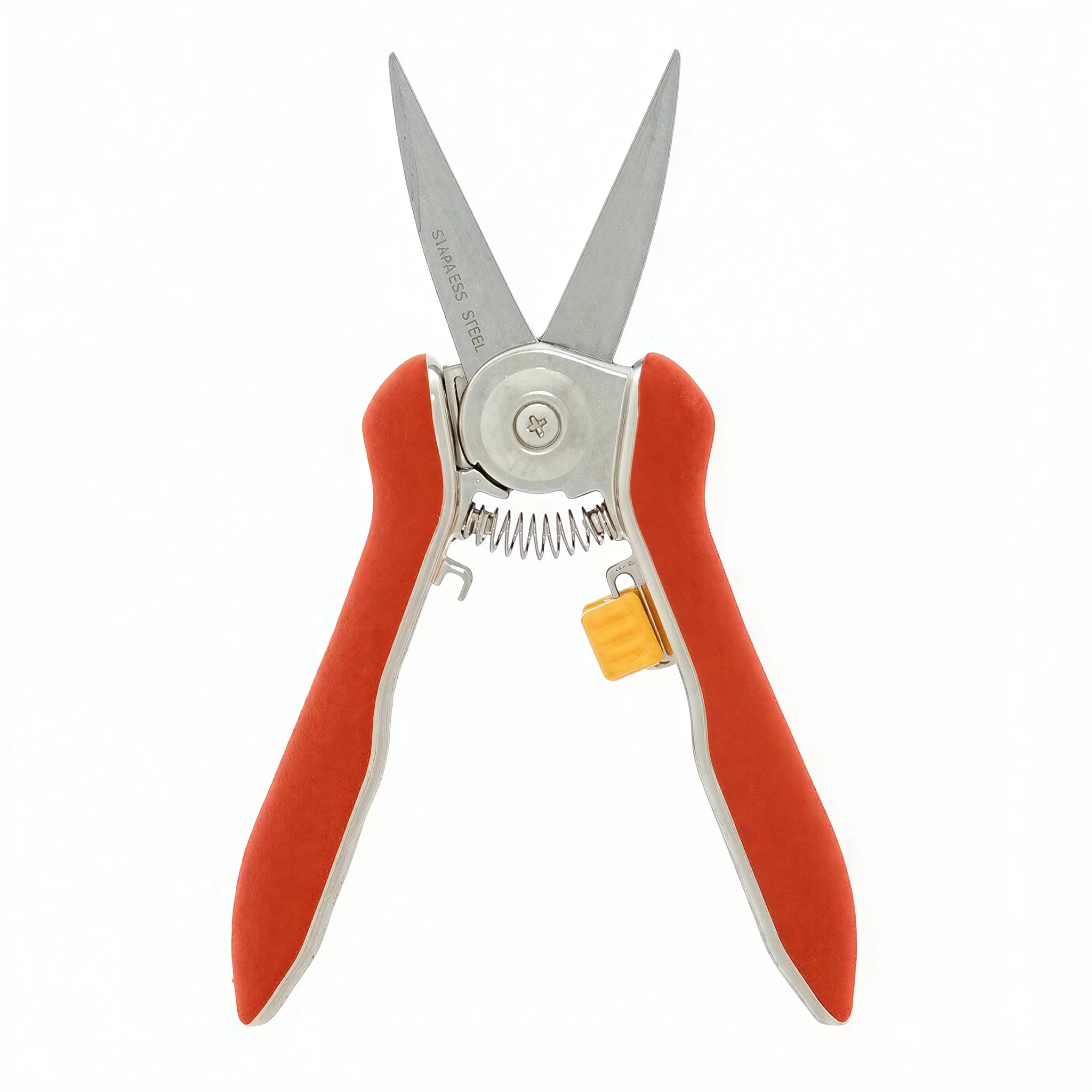
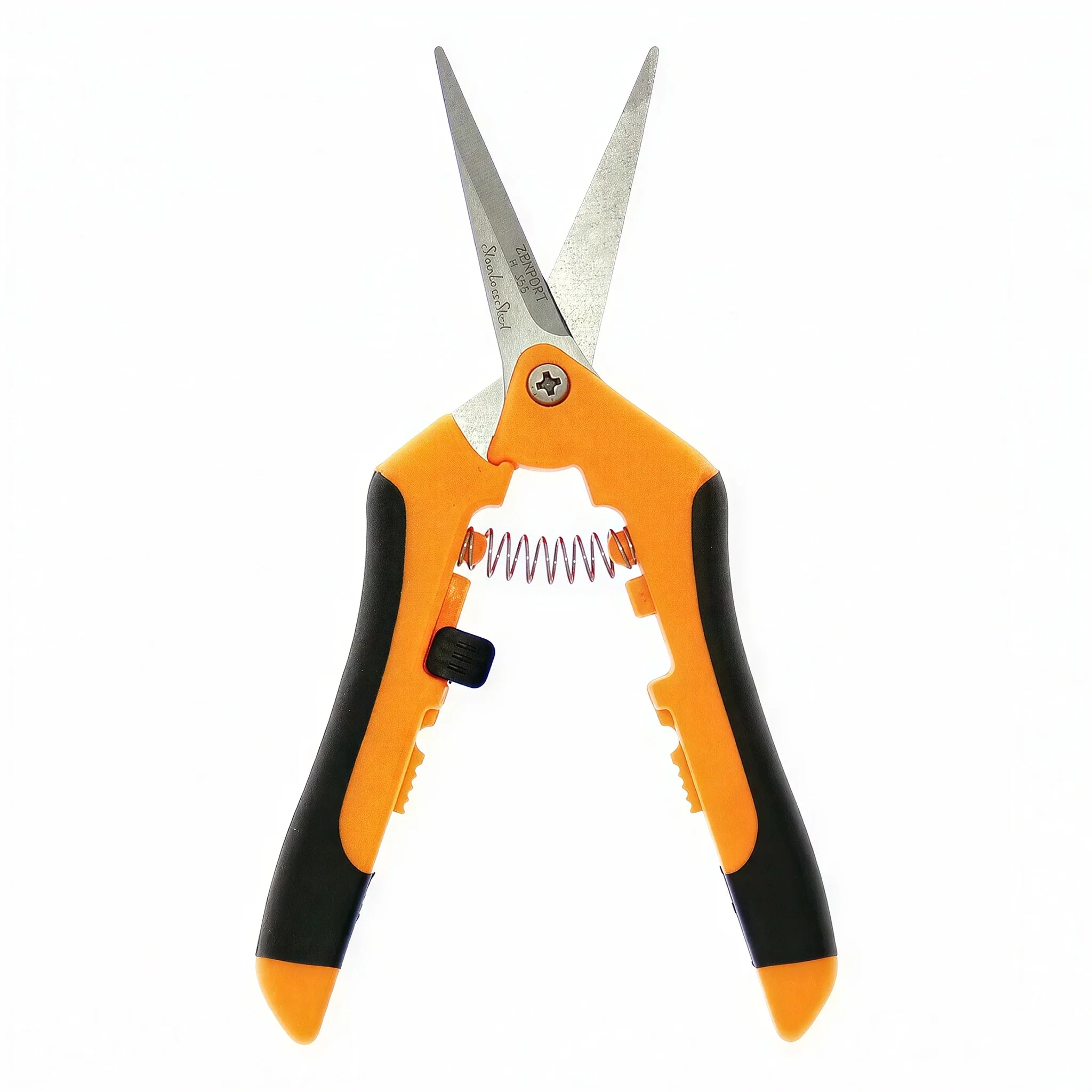
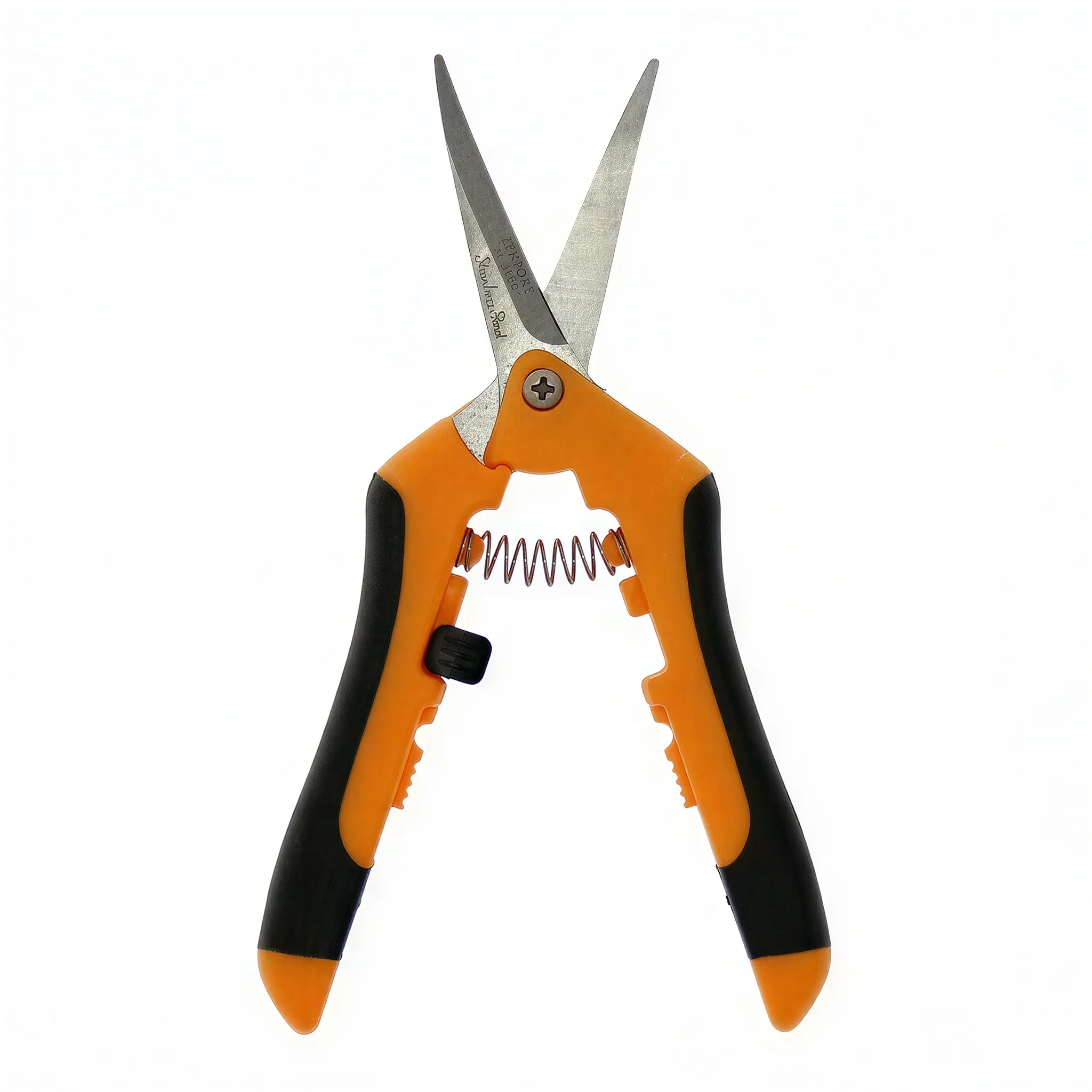
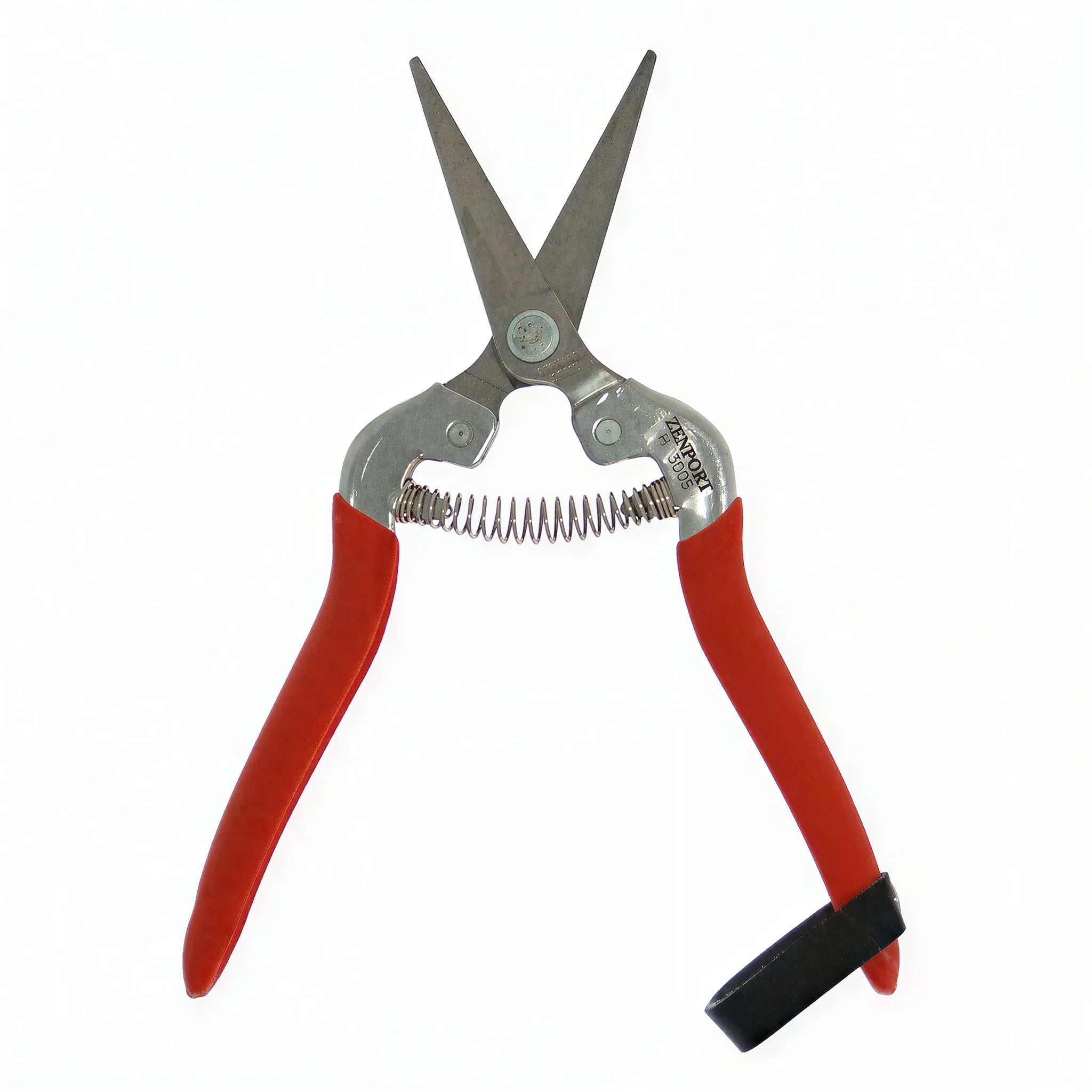
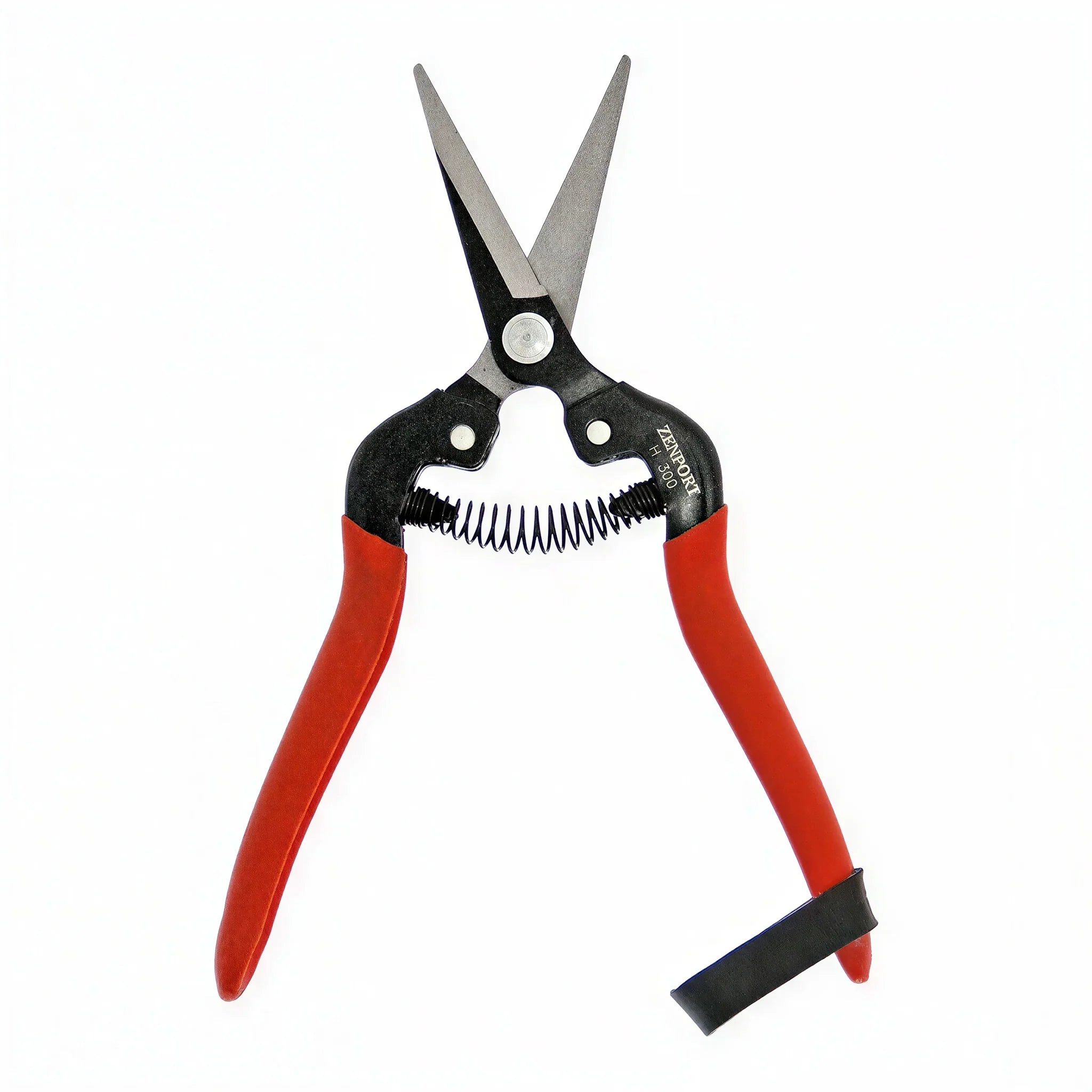
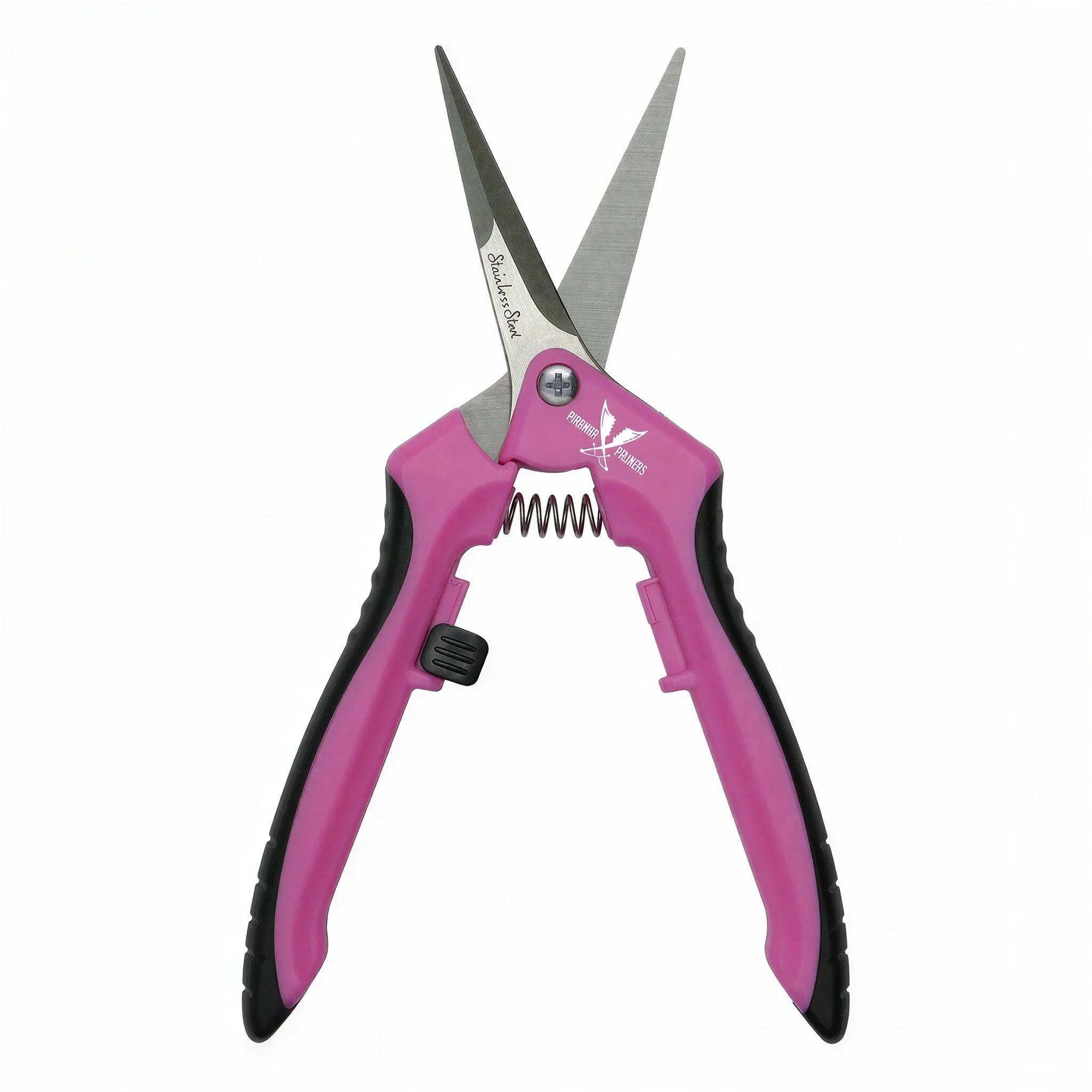
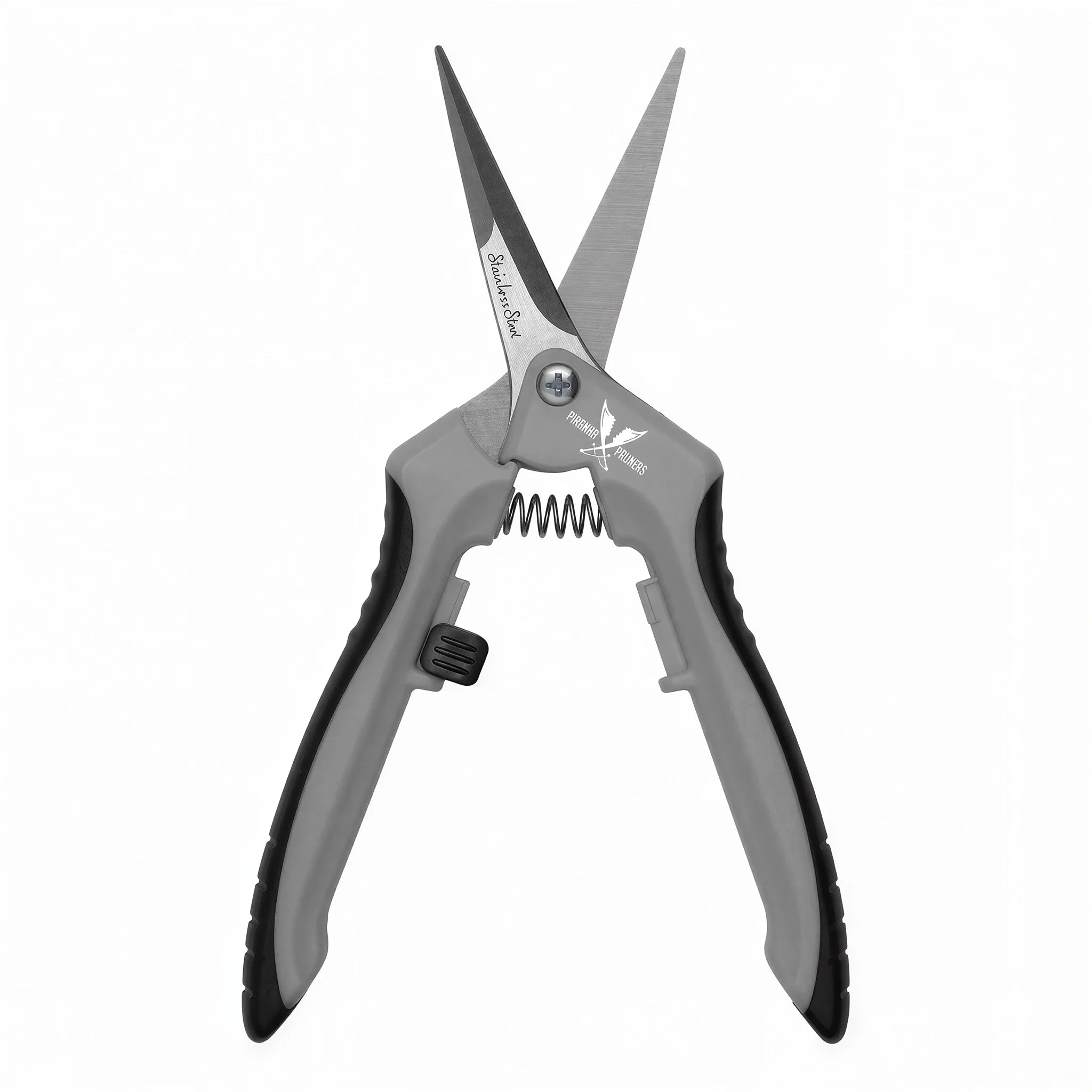
Trimming scissors and shears come in several blade configurations suited to different tasks and hand sizes. Straight-blade scissors provide maximum control for detail finishing work -- removing individual leaves and cleaning up tight areas between flower clusters where curved blades would be awkward. Curved-blade scissors allow a scooping motion along the contour of dense flower heads, covering more surface area per cut on larger flower clusters. Long-blade harvest shears (similar to bonsai pruning shears) are used for larger diameter stem cuts -- removing whole branches, cutting down plants, and initial rough trim before detail work begins. Spring-loaded designs return the blade to open position after each cut, dramatically reducing hand fatigue during long trimming sessions. Most professional hand trimmers use a combination of straight and curved scissors depending on the stage and density of the work.
Chikamasa Trimming Scissors
Chikamasa is the benchmark brand for professional hand trimming scissors, manufactured in Japan with high-carbon steel blades and precision spring mechanisms. Their T-500SRF (fluorine-coated, spring-loaded, curved blade) is one of the most widely used professional trimming scissors in the industry -- the fluorine coating prevents resin and sap buildup on the blade, dramatically extending the useful cutting time between cleanings. Chikamasa also produces straight-blade versions (T-500SF) and long-blade harvest shears for initial processing work. Both the coated and non-coated models hold a working edge significantly longer than imported scissors in the same price range.
The Complete Harvest Processing Workflow
Hand scissors fit into the broader harvest processing line as the precision finishing step. A complete workflow for any significant harvest volume runs: de-stemming with a bucking machine to strip material from main stems first; rough trimming of large fan leaves with scissors or a trimming machine; detail hand-finishing with trimming scissors for presentation quality; then drying on drying racks and curing. A quality trim tray or trim bin keeps your workspace organized and collects trim material during hand-scissor work. For growers doing all hand-trimming without a machine, the trim tray with a built-in screen is the most ergonomic setup for extended sessions. See our essential trimming accessories guide for a complete list of tools that support an efficient hand-trim workflow, and our beginner's guide to harvest, drying and curing for the full post-harvest process from cut to cure.
Wet vs. Dry Trimming With Scissors
The timing of your hand trimming -- immediately after harvest (wet) or after drying (dry) -- affects both the technique and the result. Wet trimming on freshly cut material is faster: leaves are still hydrated and stand out from the flower surface, making them easy to identify and cut. Dry trimming after the drying phase is slower -- dried leaves curl and adhere more closely to dried flower surfaces -- but many growers prefer the result and the slower drying that comes from leaving leaves on during the drying phase. Read our updated wet vs. dry trimming guide for a detailed comparison of both approaches with guidance on which suits your workflow, drying setup, and quality goals.
Scissor Care & Cleaning
Resin and sap accumulate on blade surfaces during trimming and progressively degrade cutting performance as buildup increases. Clean trimming scissors after each session -- or during long sessions as needed. Isopropyl alcohol (90%+ concentration) dissolves most plant resin; let scissors soak for a few minutes, then wipe clean with a cloth or paper towel. For heavy buildup, orange-based cleaners or scissor-specific cleaning solutions break down stubborn residue without damaging blade coatings or spring mechanisms. Dry scissors completely before storing to prevent rust on non-stainless steel models. Sharpen scissors annually or when blade performance declines noticeably -- a sharp scissor requires significantly less hand force per cut, reducing fatigue over long sessions.
Browse trim bins and trays, explore the full trimming machines collection for automated trimming options, view bucking machines for the pre-trim de-stemming step, and see drying racks for post-trim drying. Fast shipping.
Trimming Scissors FAQ
What are the best trimming scissors for hand-trimming?
Chikamasa T-500SRF spring-loaded curved scissors (fluorine-coated) are the professional standard for hand trimming work -- Japanese high-carbon steel blades, spring-loaded return, and fluorine coating that resists resin and sap buildup for extended working sessions between cleanings. For detail work and tight finishing, a straight-blade model (Chikamasa T-500SF) complements the curved blade for different angles and areas. For initial harvest work including stem cutting and rough removal, a pair of longer-blade pruning shears handles the heavier cuts before detail scissors take over. Our essential trimming accessories guide covers the full toolkit beyond scissors alone.
What is the difference between straight and curved trimming scissors?
Straight-blade scissors provide the most precise control for detail finishing -- reaching into tight spaces between flower clusters and making clean cuts on individual leaf petioles. They are preferred for the final finishing pass where appearance matters most. Curved-blade scissors allow a scooping motion along the surface of rounded flower heads, covering more area per cut on larger, rounder buds. Most hand trimmers use both: curved blades for efficient rough trimming of fan leaf removal and overall shaping, straight blades for the final detail pass. The fluorine-coated Chikamasa models are available in both styles and are well worth the price difference over non-coated scissors given the reduced cleaning frequency during long sessions.
Should I trim wet or dry?
Wet trimming immediately after harvest gives you the fastest, cleanest hand scissor work -- leaves are hydrated and stand out clearly from the flower surface, making removal quick and easy. Dry trimming after drying is slower but lets you dry with leaves intact, which many growers believe preserves more aromatic character. Both produce excellent results with the right technique. For a detailed breakdown of the tradeoffs and guidance on which suits your specific workflow, see our updated wet vs. dry trimming guide.
How do I clean trimming scissors?
Soak the blade area in 90%+ isopropyl alcohol for 2-5 minutes, then wipe clean with a cloth or paper towel. For heavy buildup, repeat the soak or use an orange-based cleaner. Wipe dry and allow to air dry completely before storing to prevent rust. During a long trimming session, keep a small container of isopropyl alcohol handy and wipe blades every 30-60 minutes to prevent buildup from compounding. The fluorine coating on Chikamasa coated models significantly slows buildup accumulation, reducing cleaning frequency during active trimming sessions.
How do I prevent hand fatigue when trimming?
Spring-loaded scissors are the most important factor -- non-spring models require the trimmer to actively open the blade after every cut, which compounds rapidly over hours of work. Take breaks every 30-45 minutes, stretch fingers and wrists, and rotate tasks to give specific muscle groups rest. Keep scissors clean and sharp -- a sharp, clean blade requires significantly less force per cut than a dull or resin-loaded blade. A good trim bin that keeps work material at an ergonomic height also reduces total body fatigue over long sessions. For growers trimming significant volumes on a regular schedule, a trimming machine handles the bulk processing so scissors handle only the final finishing pass.