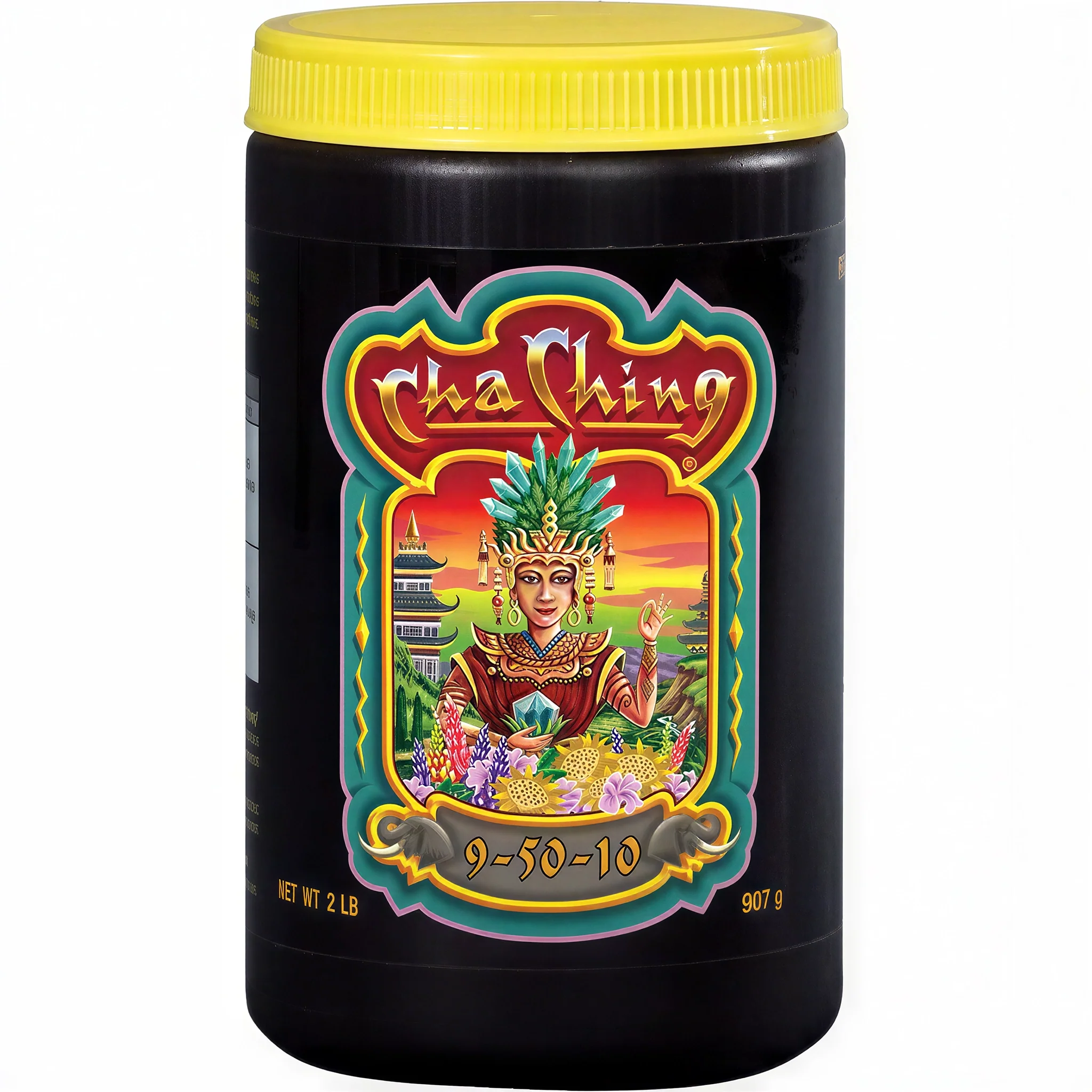
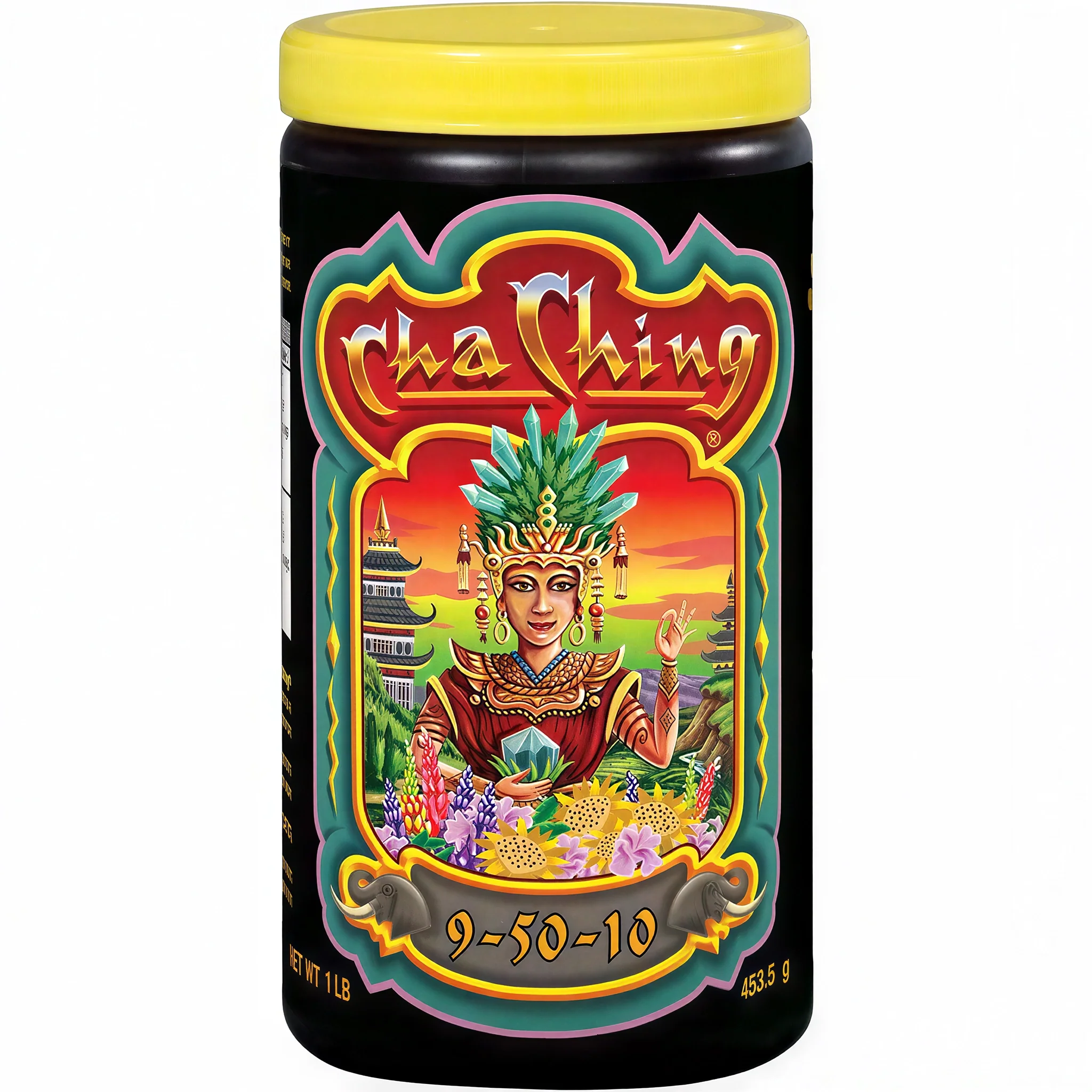
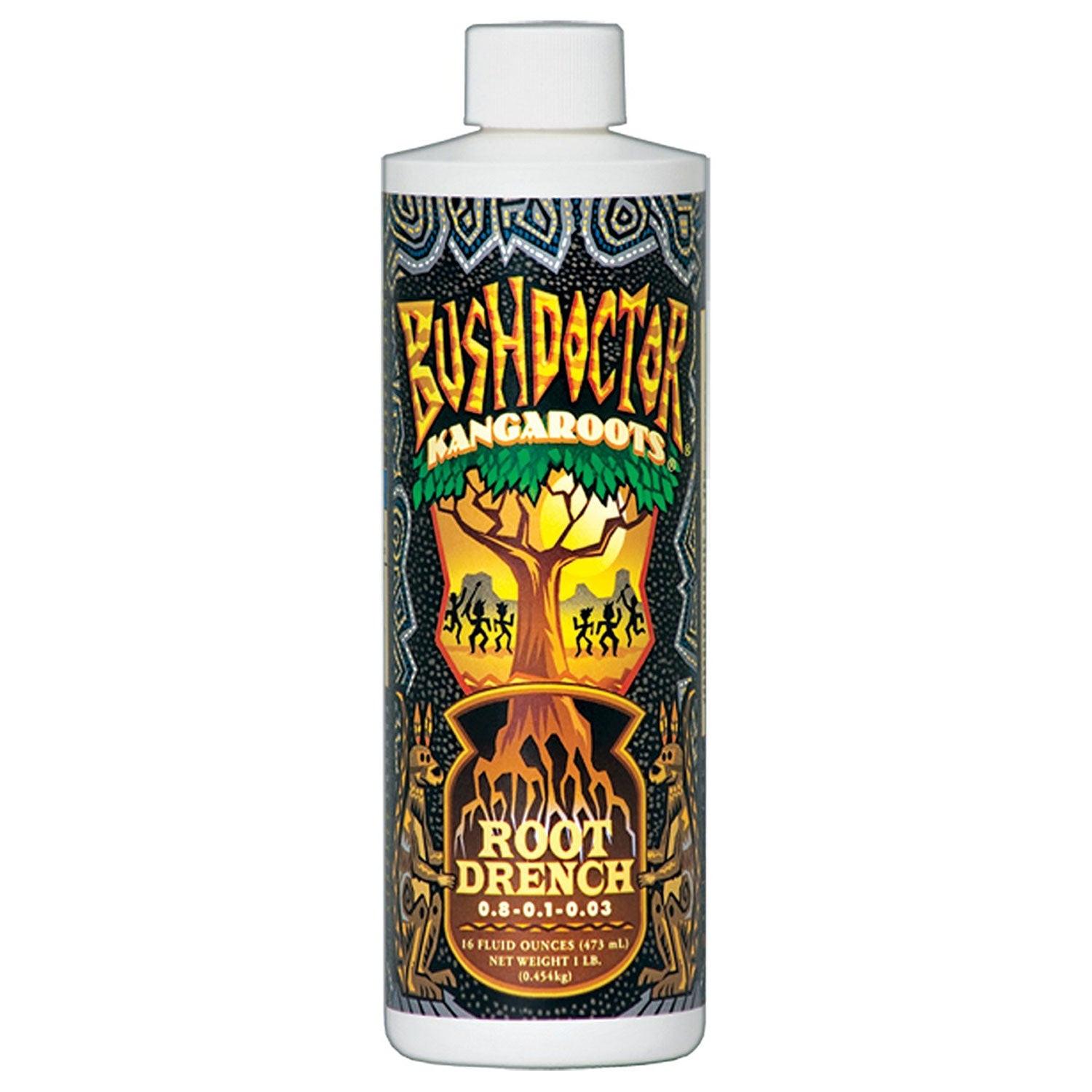
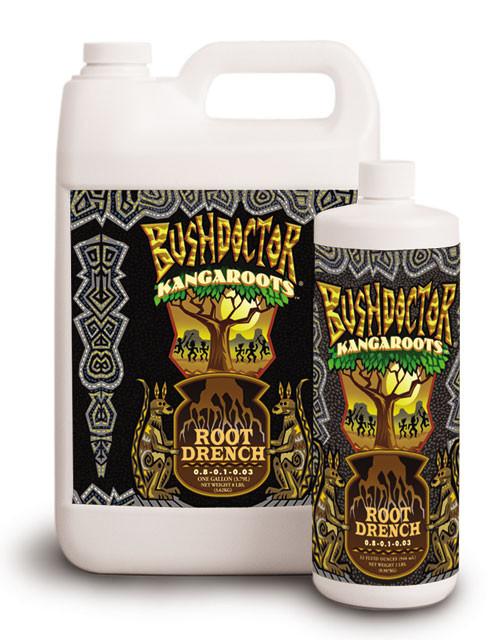
Growing in soil presents different opportunities and challenges from a nutrient perspective than hydroponics, and thus it is important to implement specific nutrients for this endeavor. Organic matter and soil organic matter play a crucial role in nutrient retention and cycling, acting as reservoirs for key nutrients and improving soil structure and water retention.
Bacteria in the soil help decompose organic matter and convert nutrients into forms plants can use, supporting nutrient cycling and soil fertility. Soil water is essential for transporting nutrients to plant roots, enabling the uptake of vital elements through processes like mass flow and diffusion. Atmospheric nitrogen is converted into plant-available forms through natural processes such as nitrogen fixation, contributing to soil nitrogen and supporting plant growth. Conducting a soil test helps determine the nutrient and pH status of your soil, guiding proper fertilization and ensuring optimal plant health.
What plant nutrients do plants get from soil?
The three most important macronutrients for plants are nitrogen, phosphorus, and potassium, commonly referred to as N-P-K. In addition, plants require secondary nutrients such as calcium, magnesium, and sulfur to support structural growth, enzyme function, and root development. While these nutrients may be present in soil, their availability depends heavily on factors such as soil pH, organic matter content, microbial activity, and cation exchange capacity (CEC). Because availability is not always guaranteedβespecially in container soils and soilless mixesβsupplemental feeding is often required to maintain consistent plant nutrition.
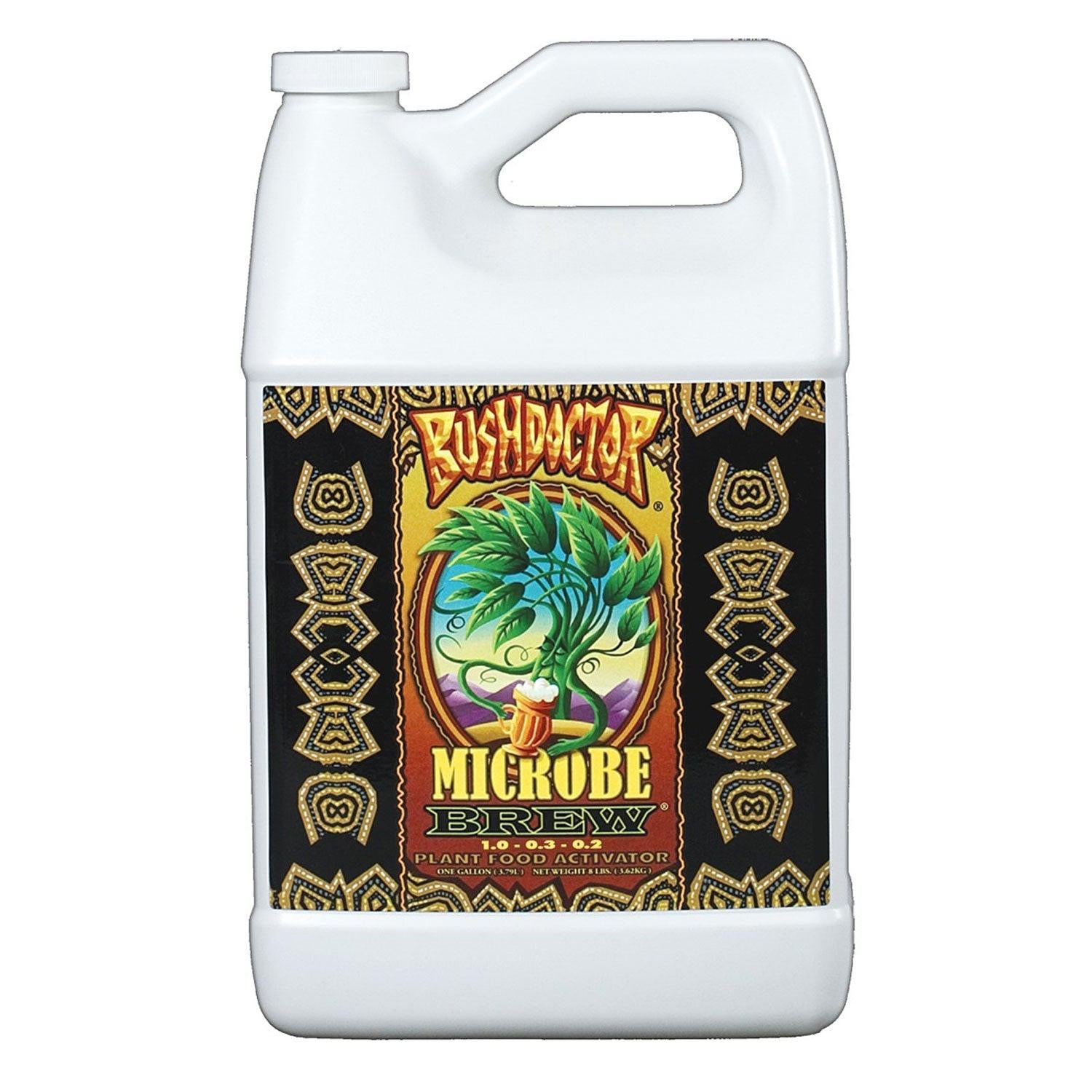
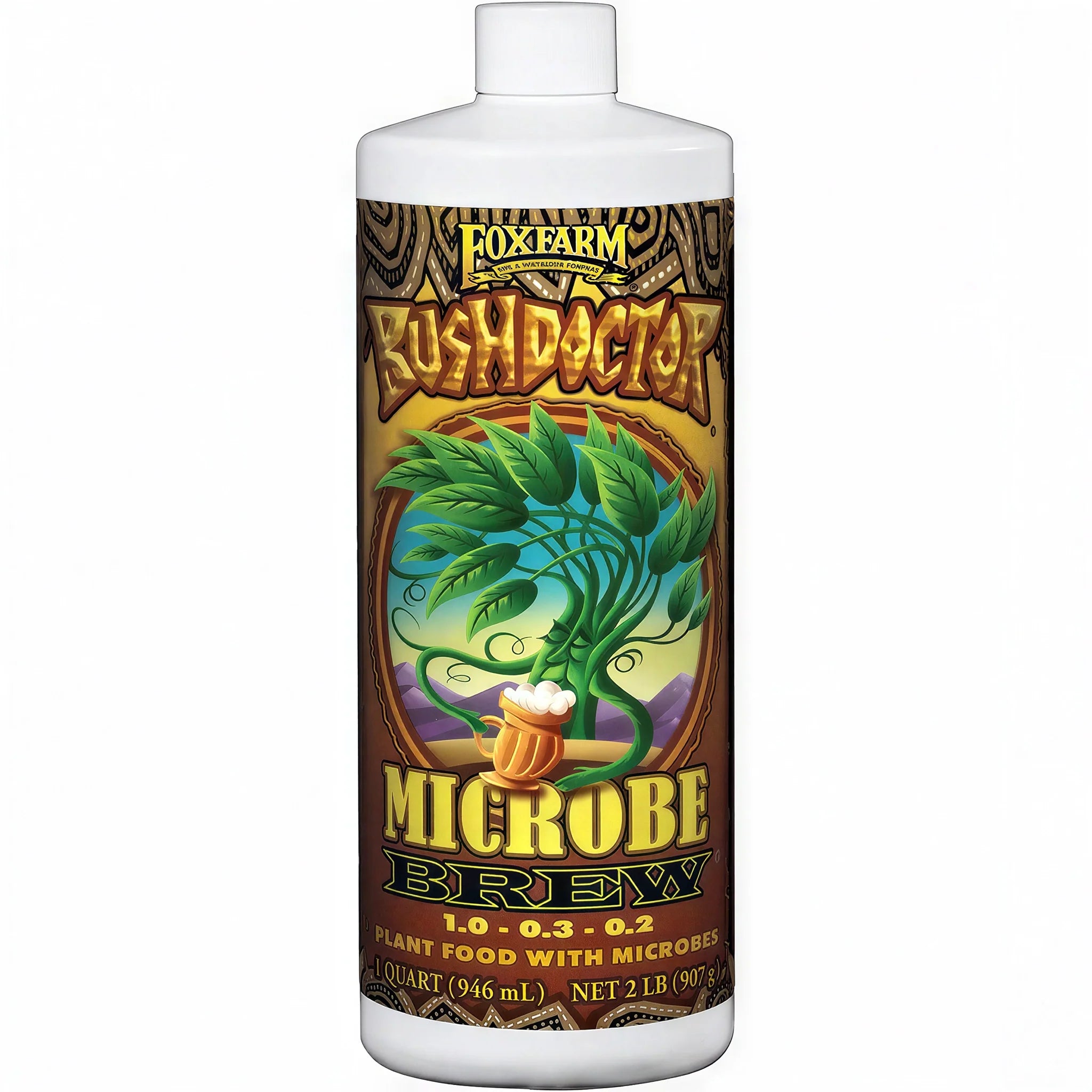
Plant roots absorb nutrients dissolved in soil water through various mechanisms such as diffusion, mass flow, and root interception. If you use a nutrient-rich potting soil, like Fox Farm Happy Frog, your plant will have access to nutrition early on. Crop residues can also be incorporated into soil to add organic matter and nutrients. But as you water the soil and your plants eat, these nutrients start to vanish, and before you know it, your plant has developed a deficiency.
Good drainage is important for preventing root disease and nutrient imbalances, while soil compaction can limit root growth and nutrient uptake. In container-based growsβespecially when using lightly amended soils or soilless potting mixesβplants will gradually deplete available nutrients. As a result, many growers begin supplementing with liquid nutrients during vegetative growth and continue through flowering to maintain consistent nutrition and prevent deficiencies.
What are immobile plant nutrients?
Nutrient mobility refers to a nutrientβs ability to move within the plant after it has been absorbedβnot its movement in the soil. When a nutrient is immobile or low-mobility, the plant cannot redistribute it from older tissue to new growth. As a result, deficiencies of immobile nutrients typically appear first in new leaves or growing tips. Mobile nutrients, on the other hand, can be relocated within the plant, so deficiencies usually show up in older leaves first.
Nitrogen, phosphorus, potassium, magnesium, chloride, and molybdenum are considered mobile nutrients. Calcium and boron are immobile, while nutrients such as iron, zinc, copper, and manganese are generally low-mobility. Sulfur is often considered moderately mobile, meaning deficiency symptoms may appear in newer growth depending on plant species and growing conditions. Understanding nutrient mobility helps growers accurately diagnose deficiencies and apply the correct corrective measures.
What are the best nutrients for soil grown plants?
When selecting soil nutrients for vegetables or other crops, itβs important to focus on product quality, formulation, and proper use. Well-designed nutrient lines support consistent plant growth, while poor formulation or misuse can lead to nutrient lockout, salt buildup, or uneven performance throughout the grow cycle.
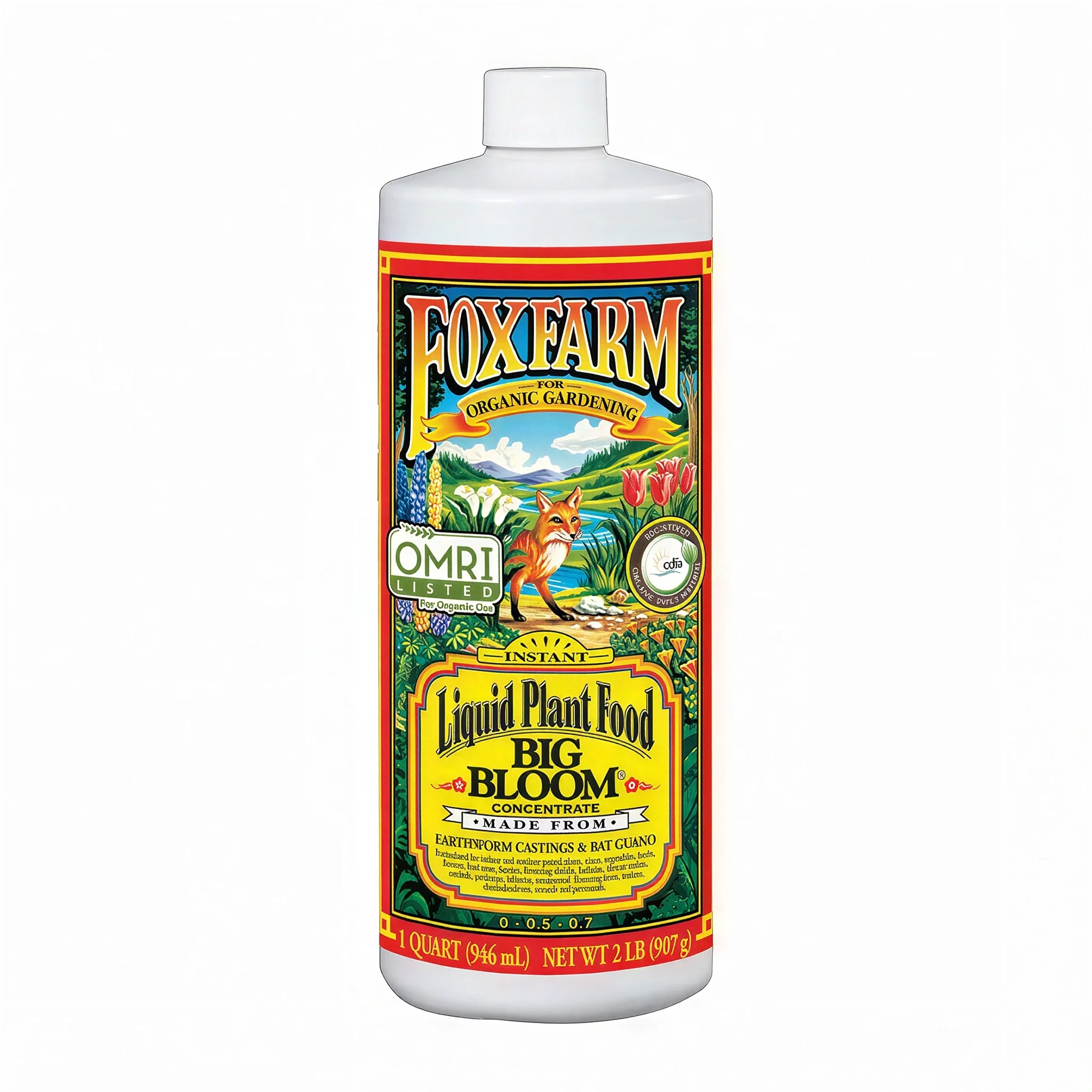
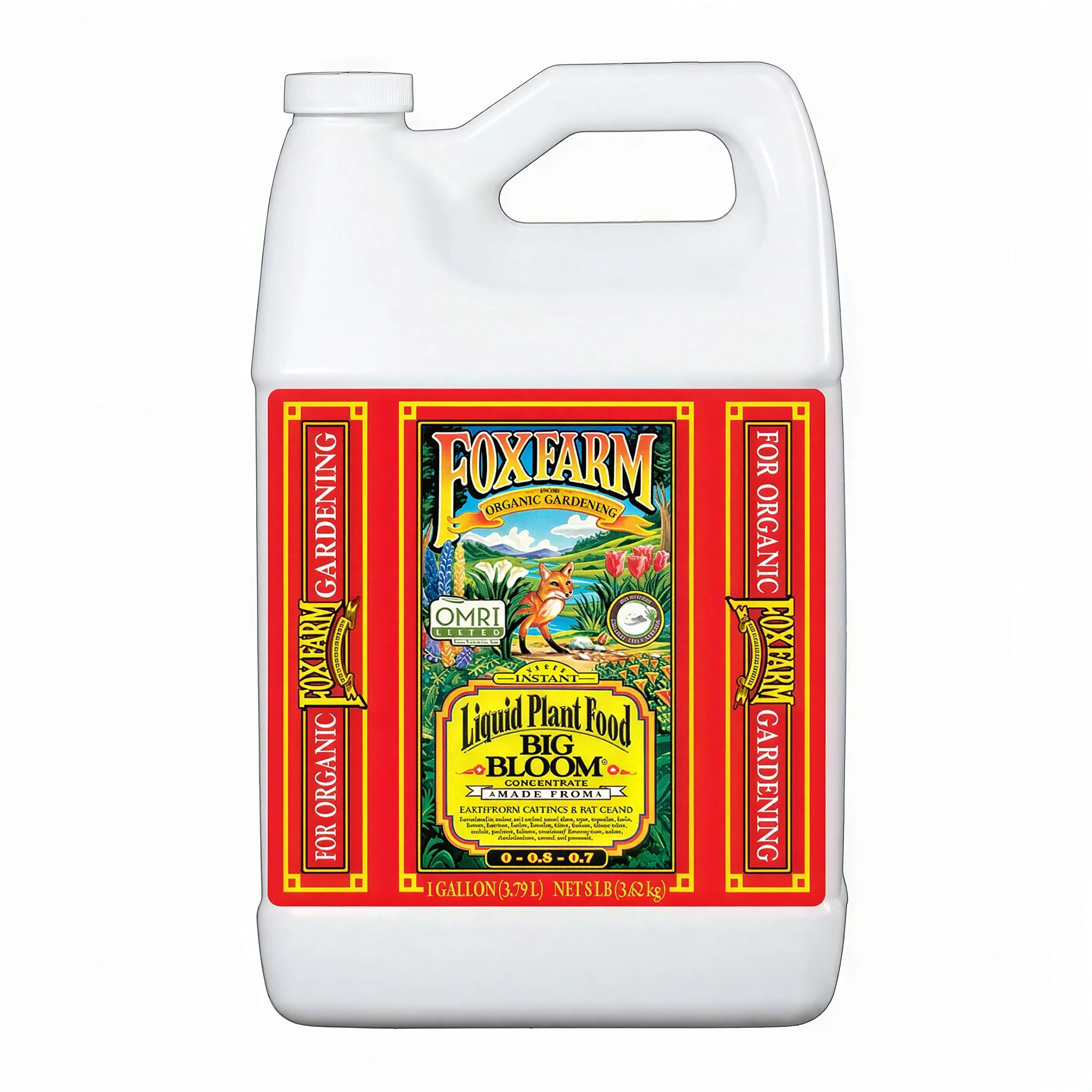
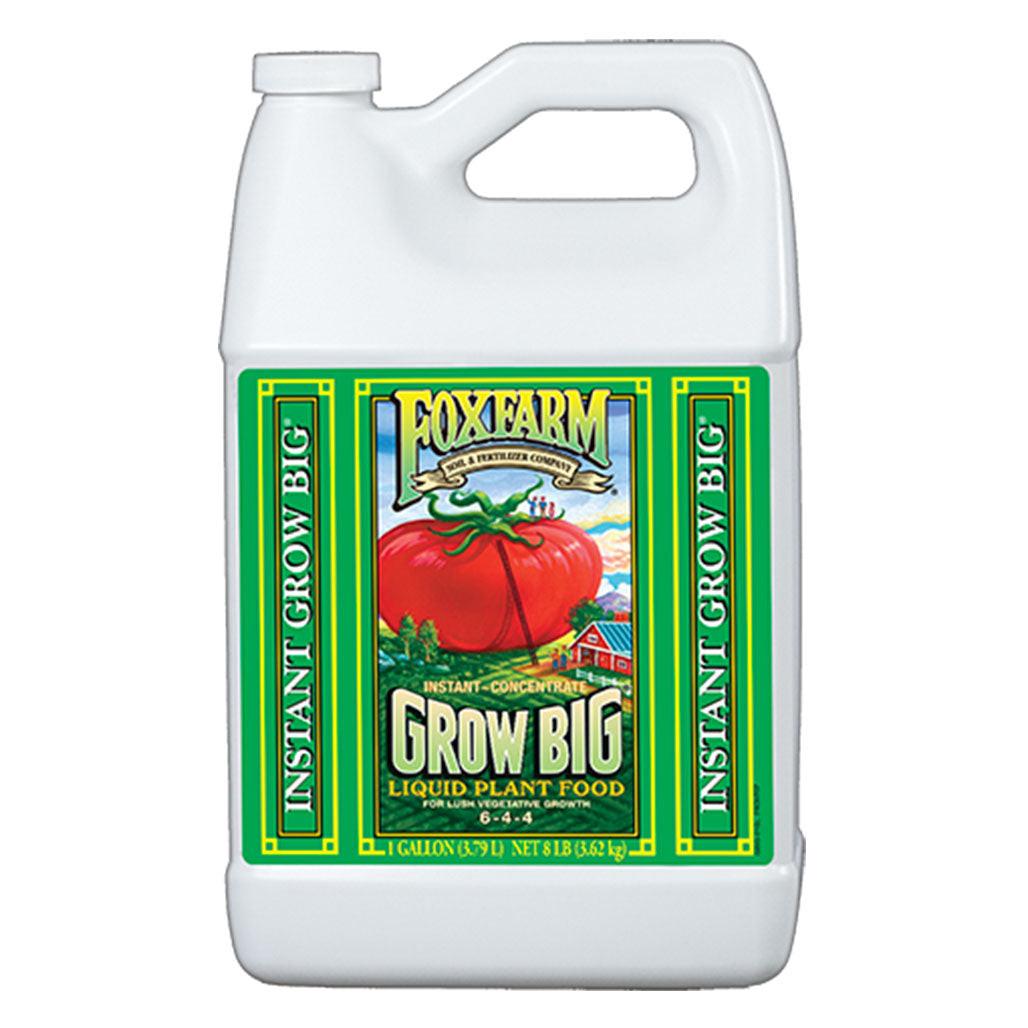
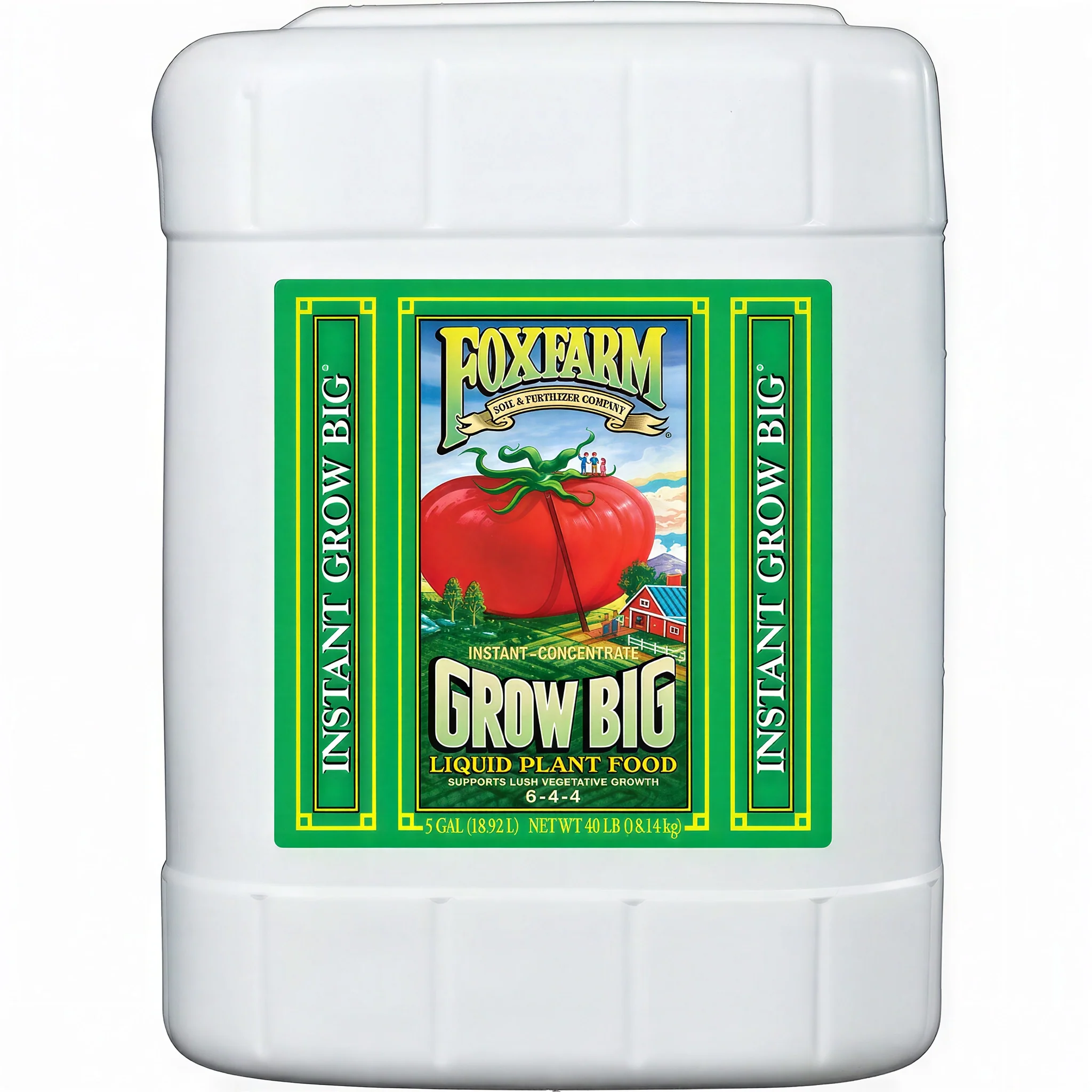
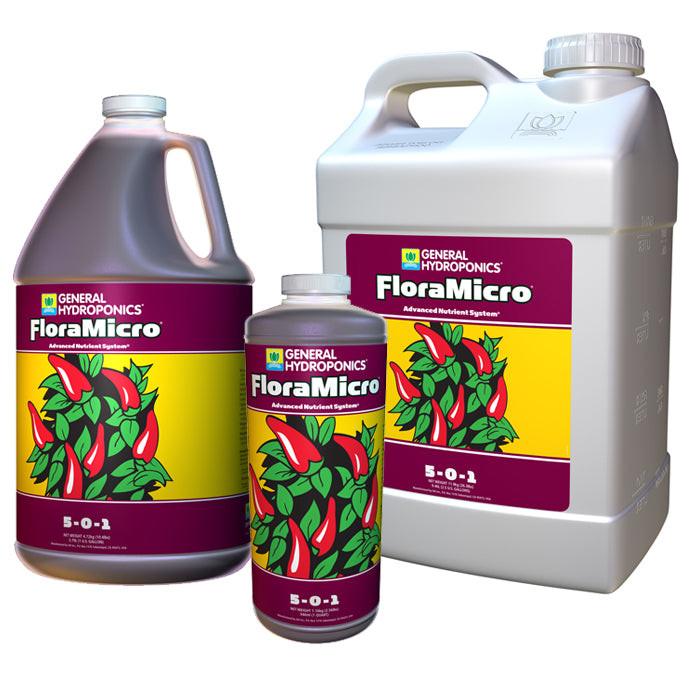
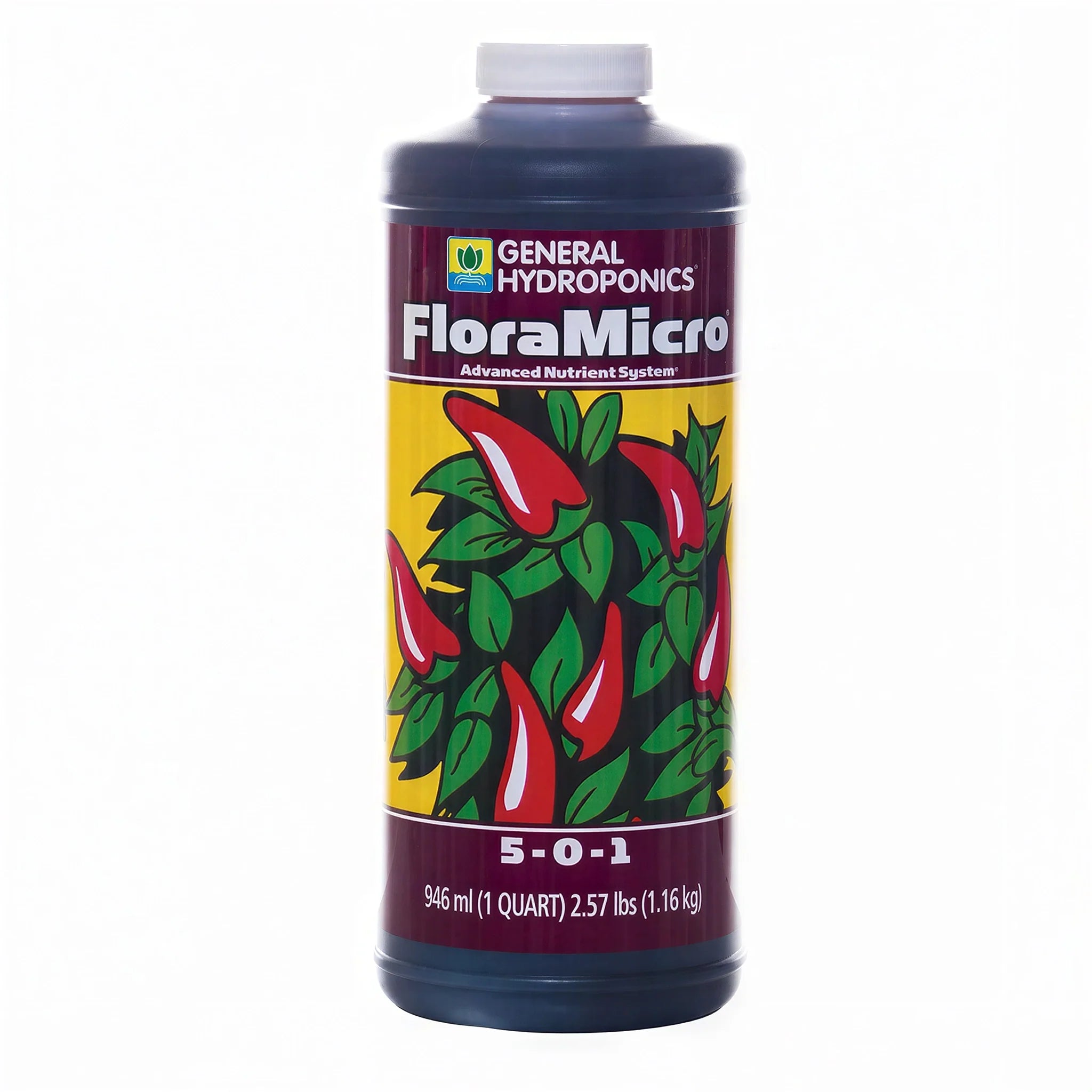
Luckily, here at Hydrobuilder we carry the best selection of soil-plant nutrients from the top brands, such as Botanicare, Fox Farm, General Hydroponics, General Organics, Earth Juice, Emerald Harvest, and more. Plus, youβll get to experience our world-class customer service and our unbeatable prices.
If you want to learn more about the best plant nutrients, check out our year-end review!
Role of Trace Elements
When it comes to growing healthy plants, trace elementsβalso known as micronutrientsβare just as essential as the primary macronutrients. These include iron, manganese, zinc, copper, boron, and molybdenum, and while plants only need them in small quantities, their impact on plant growth and development is significant. Trace elements are vital for enzyme activity, chlorophyll production, hormone regulation, and overall plant metabolism, making them indispensable for robust root growth and vibrant foliage.
In soilless potting mix, ensuring a balanced supply of trace elements is especially important. Unlike traditional garden soil, soilless mixes such as those based on organic coco coir or peat moss may not naturally contain all the micronutrients plants need. Thatβs why many high-quality soilless mixes are formulated with a blend of organic and inorganic materials, including perlite, vermiculite, and even coarse sand, to improve drainage, retain moisture, and provide nutrients. These ingredients help create the ideal growing medium for container plants, supporting healthy root development and preventing issues like root rot.
Trace elements play a crucial role in supporting plant health in soilless systems. For example, iron is necessary for chlorophyll synthesis, which keeps leaves green and photosynthesis running smoothly. Zinc helps regulate plant growth hormones, while boron is key for cell wall strength and reproductive development. Without adequate trace elements, plants can suffer from stunted growth, poor flowering, and increased susceptibility to disease.
Soilless potting mixes can be customized to address specific challenges, such as very acid soils or areas where certain nutrients are in short supply. For instance, sulfur deficiency can be a concern in some soilless mixes, leading to yellowing leaves and reduced vigor. By incorporating slow release fertilizer and conducting regular soil tests, growers can ensure their nutrient supply remains balanced throughout the growing season. This approach helps prevent excess nitrogen buildup, which can cause nutrient imbalances and root problems.
Maintaining proper soil pH is especially important, as nutrient availability is strongly influenced by pH. In most soil-based and soilless potting mixes, a pH range of approximately 6.2β6.8 supports optimal nutrient uptake for many crops.
Proper drainage and soil texture are also critical in soilless mixes. Ingredients like orchid bark and rice hulls can be added to improve aeration and prevent excess water retention, reducing the risk of root rot. A well-balanced soilless mix supports healthy root growth, retains moisture, and provides the full spectrum of nutrients plants need to thrive.
At HydroBuilder.com, we offer a wide selection of soilless potting mixes and amendments, including organic coco coir, peat moss, and custom blends designed for optimal nutrient supply and moisture retention. Whether youβre growing container plants, starting seeds, or cultivating specialty crops, our expert team can help you choose the right mix and supplements to ensure your plants receive all the essential trace elements and other nutrients they need for vigorous growth.
By understanding the role of trace elements and how to balance them in your soilless potting mix, you can create the perfect environment for healthy plantsβfree from harmful chemicals and tailored to your specific growing needs. Explore our curated selection of soilless mixes, fertilizers, and growing media at HydroBuilder.com, and give your plants the best chance to reach their full potential.
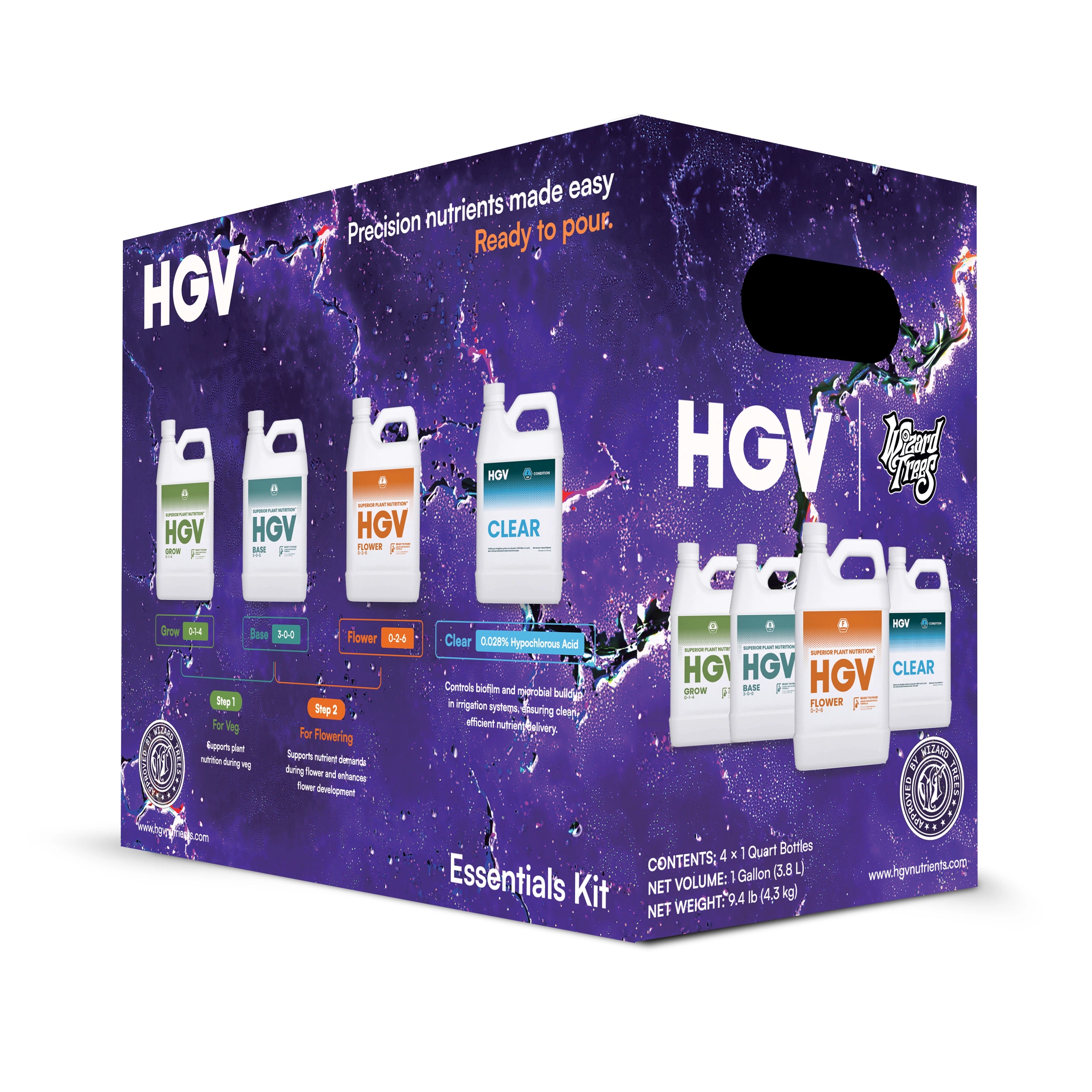
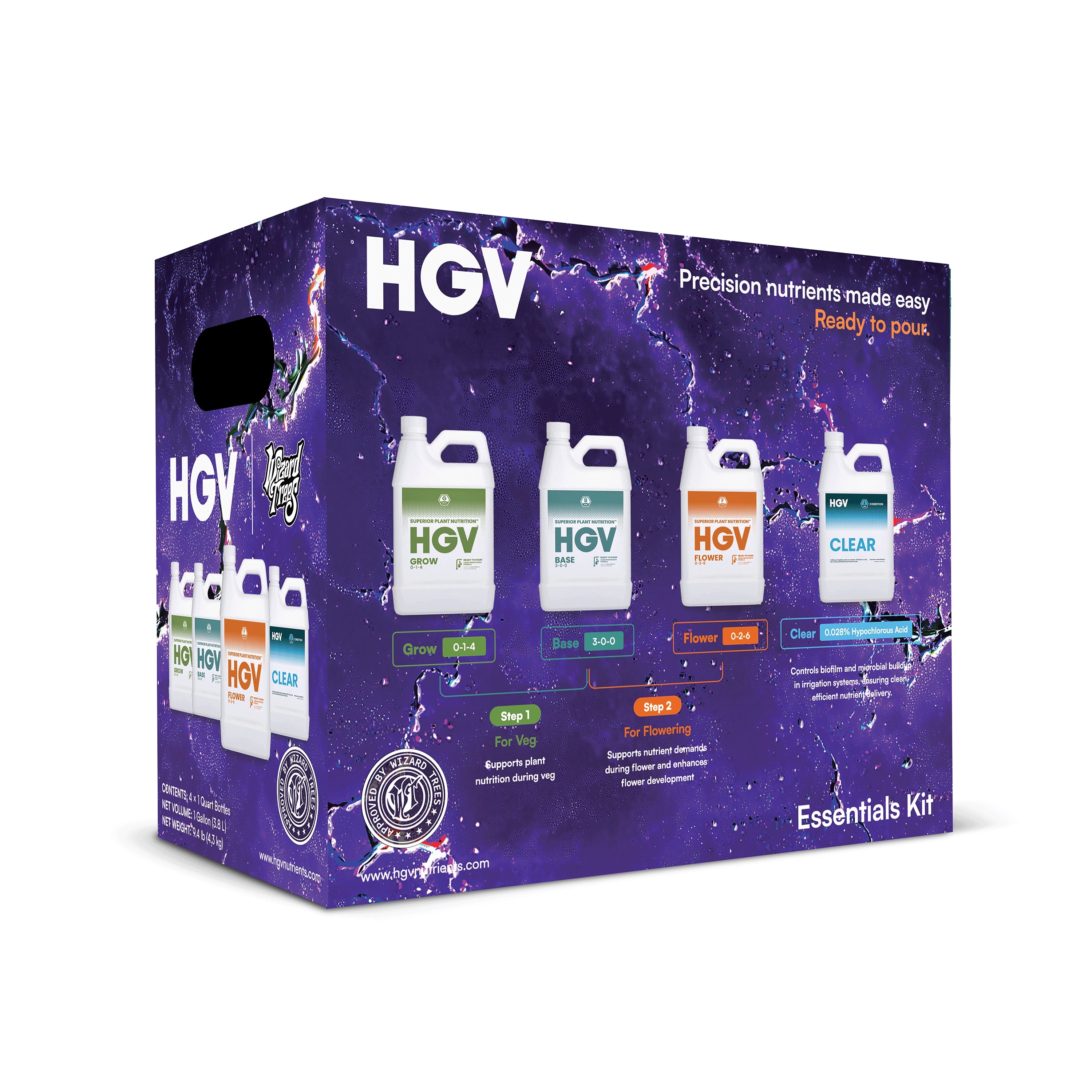
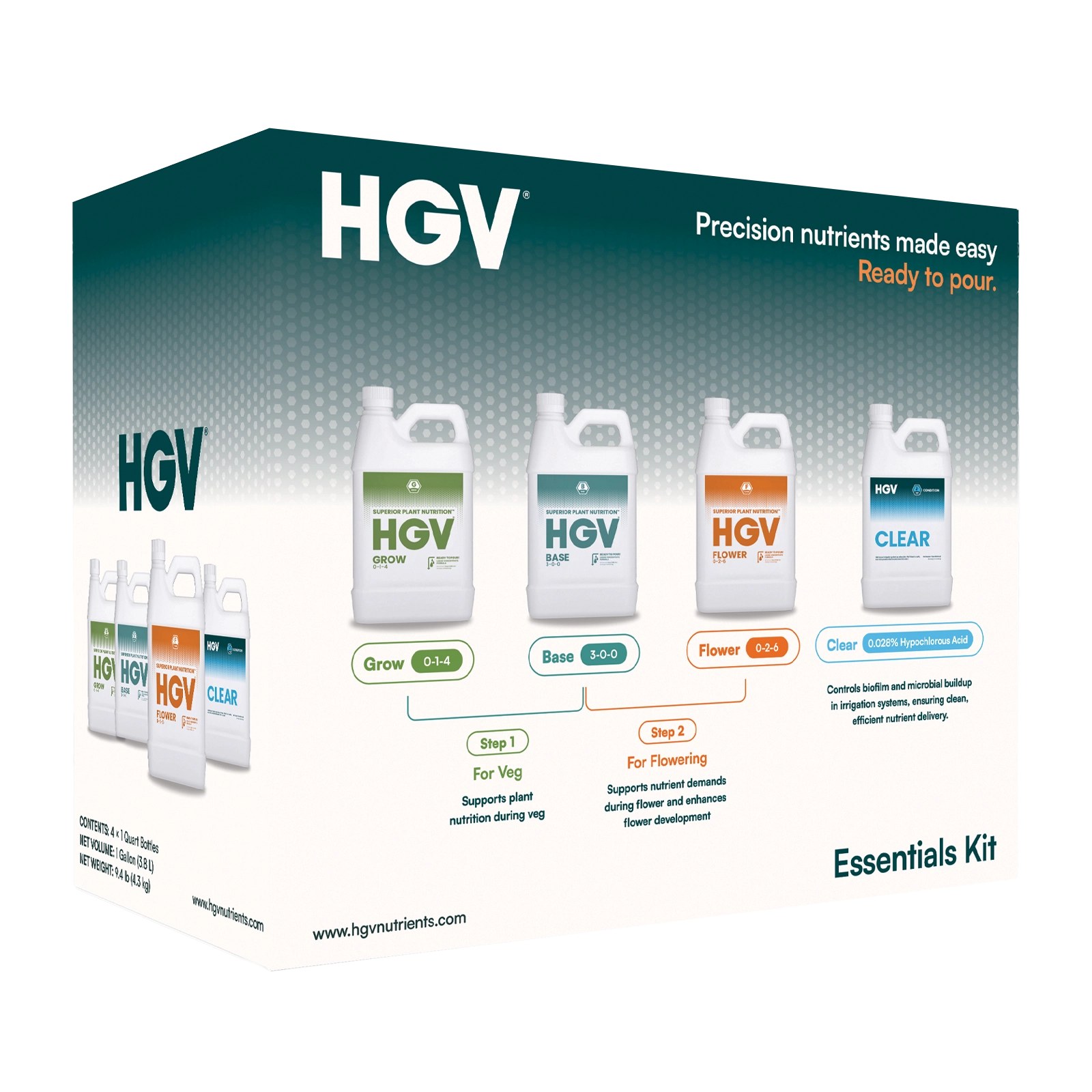
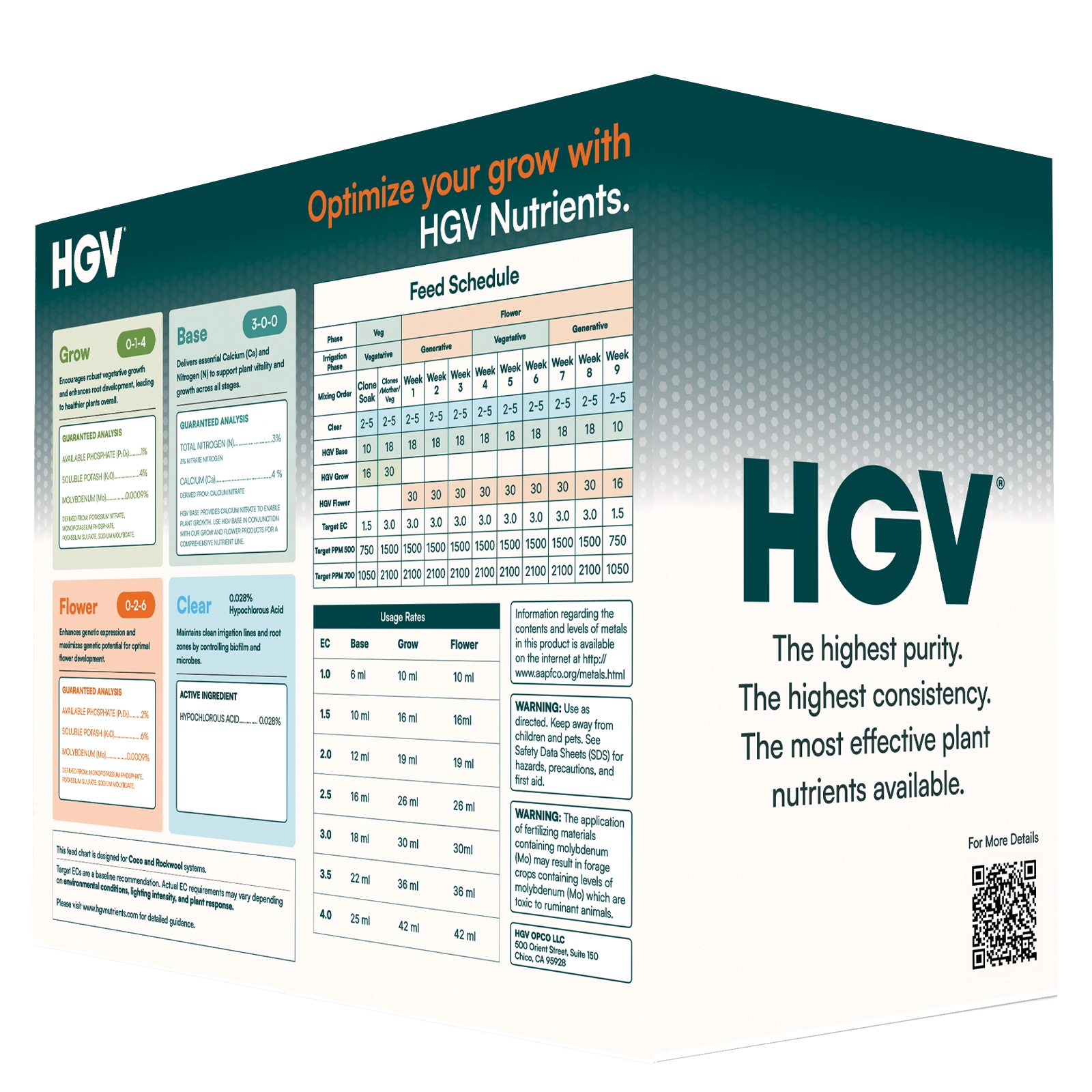
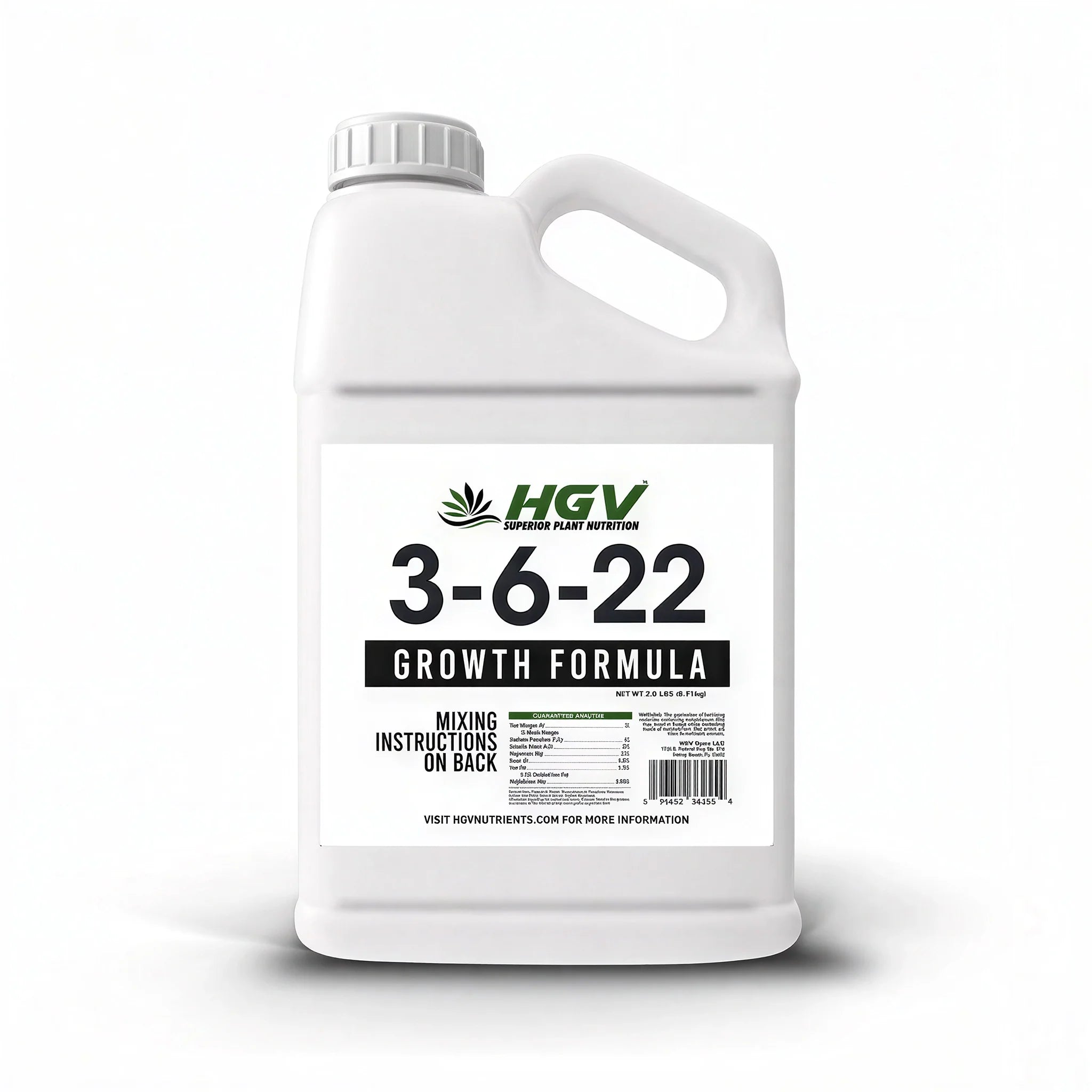
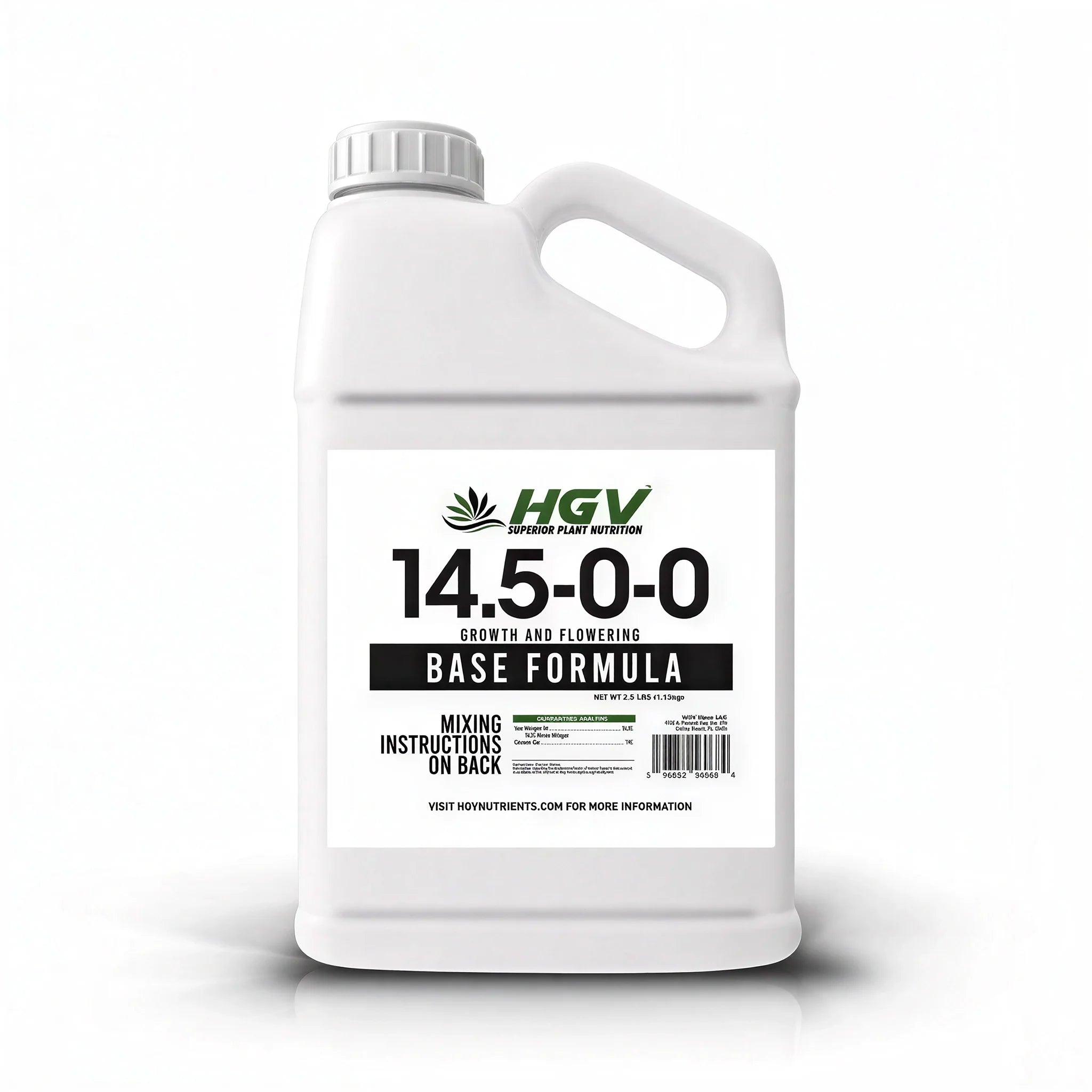
What is our recommended nutrient line for both soil or hydroponic gardens? HGV Nutrients!
Why is HGV Nutrients the top-selling and #1 recommended nutrient brand on Hydrobuilder.com?
Better quality, higher yields, and lower cost are just a few of the reasons to make the switch from your current line. Learn more about making the switch to HGV Nutrients here!
While you are in our learning center, check out our article on plant nutrition for a comprehensive understanding of why your plants neet nutrients, regardless of soil vs hydroponics. If you still have questions, give one of our experienced growers a call today at 888-815-9763!