Bloom & Flowering Nutrients
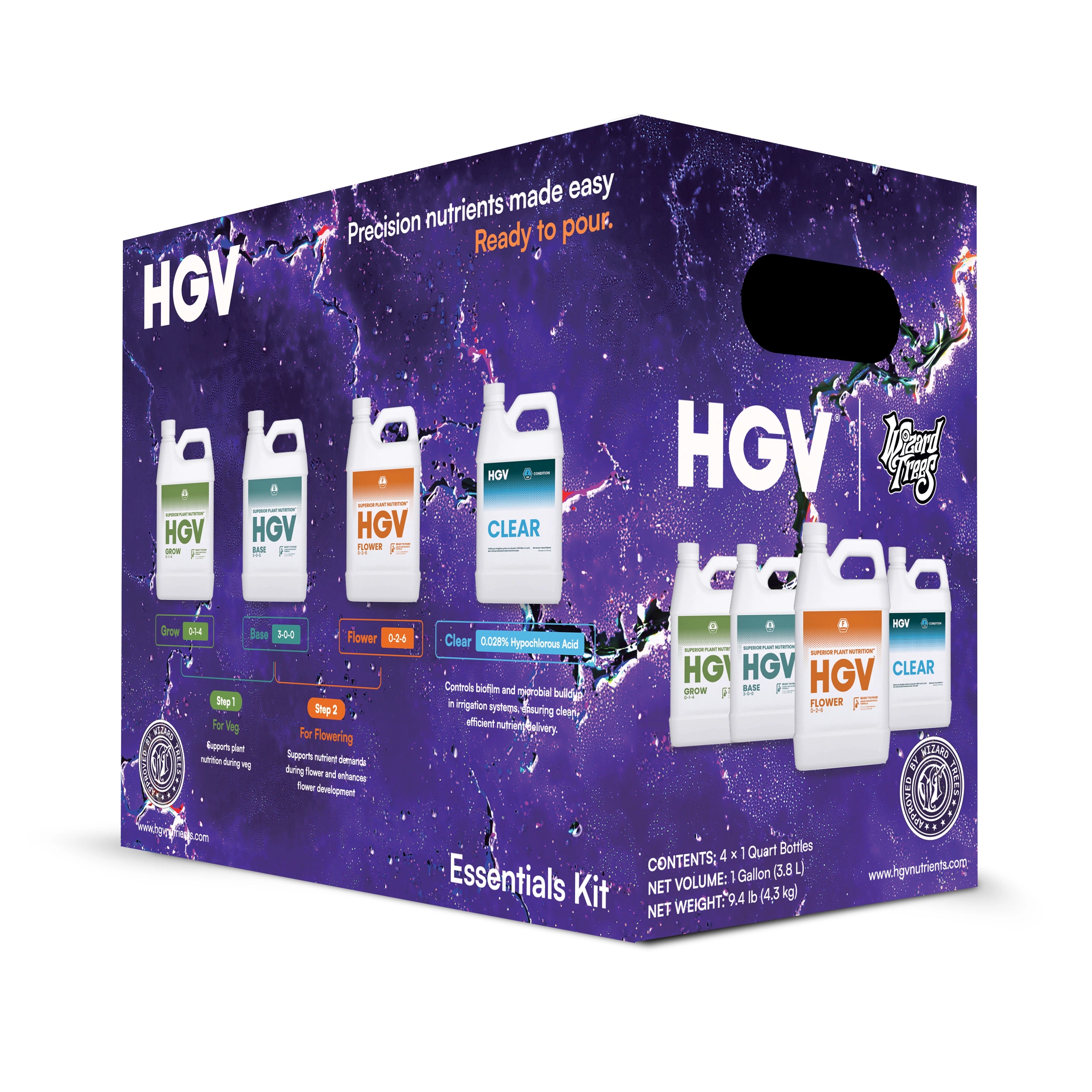
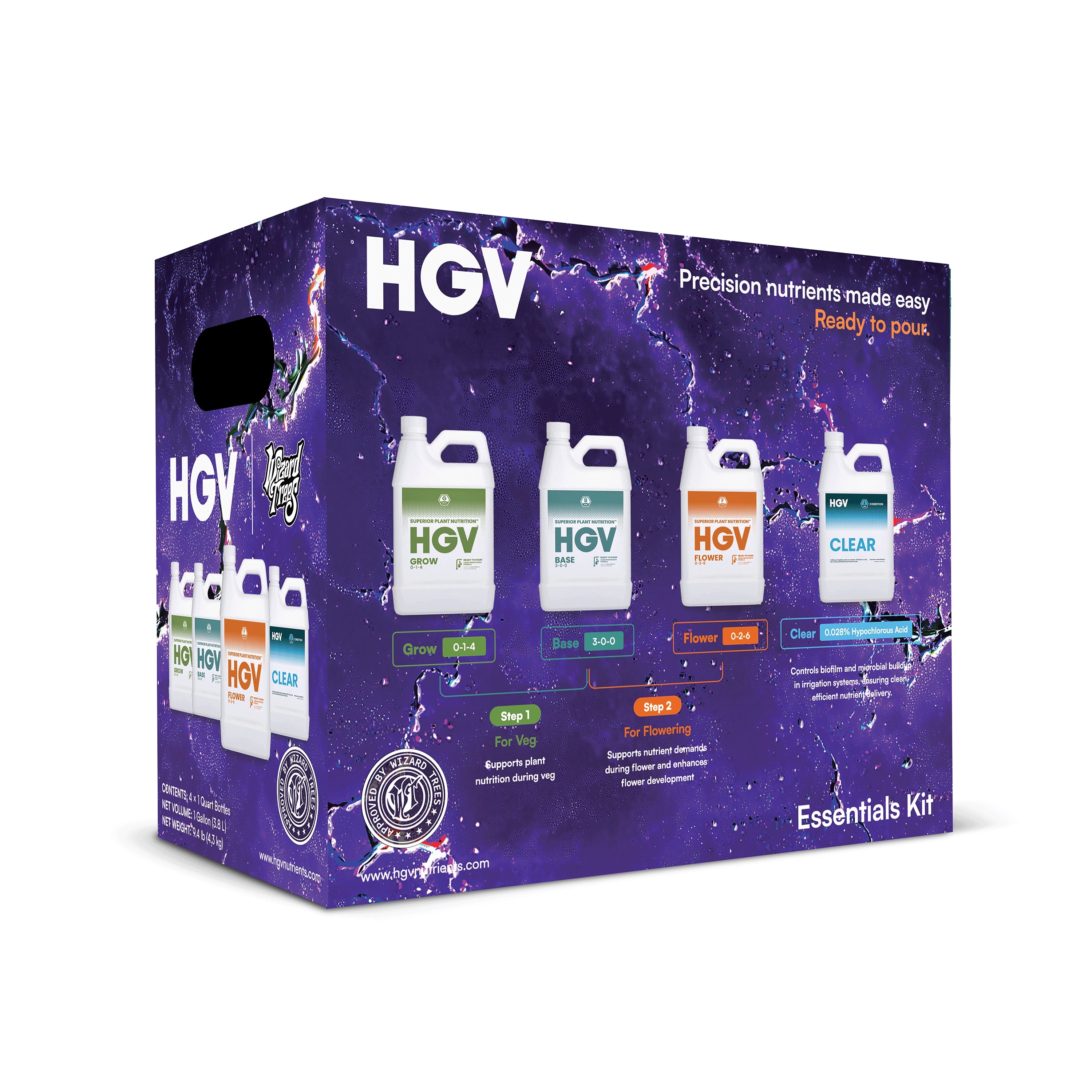
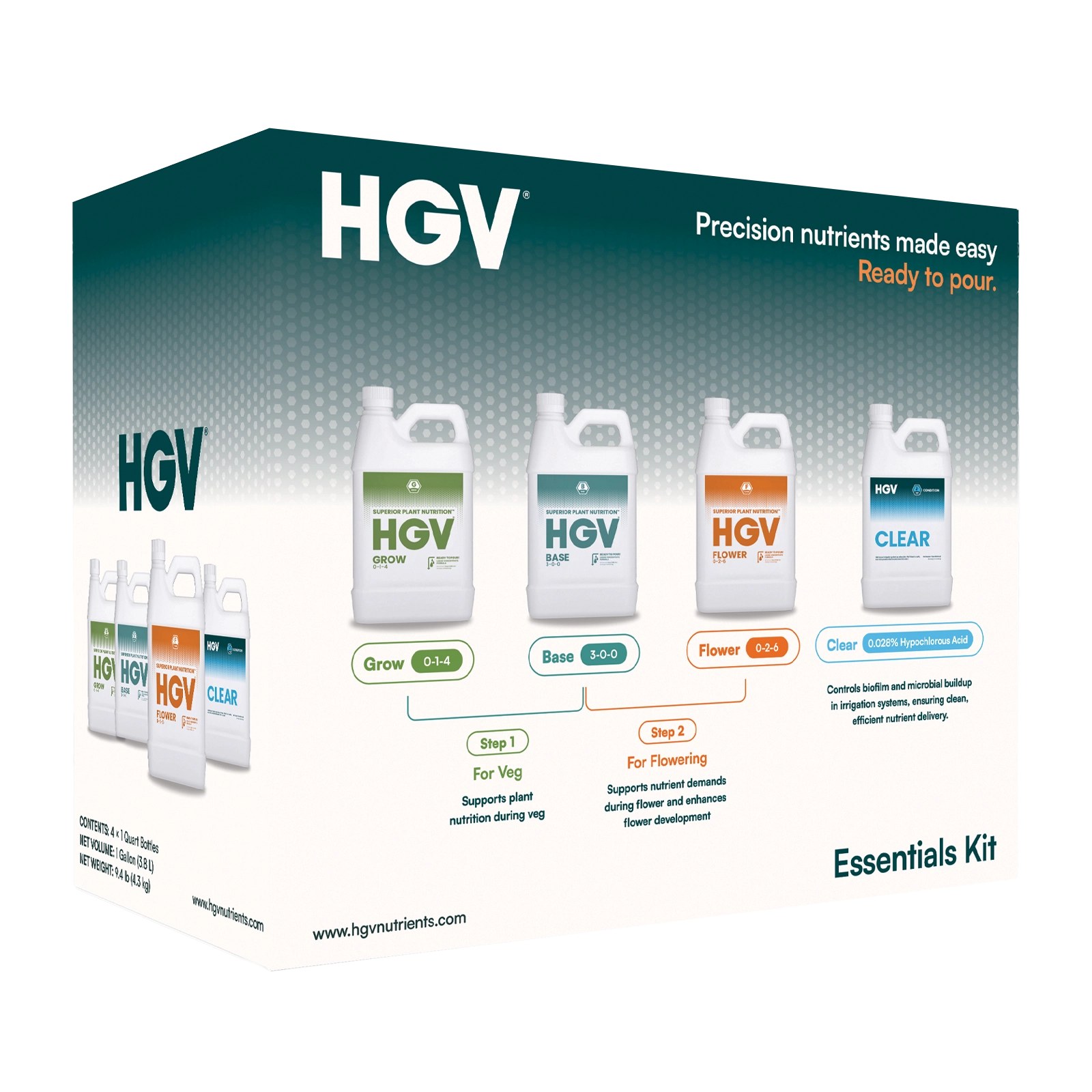
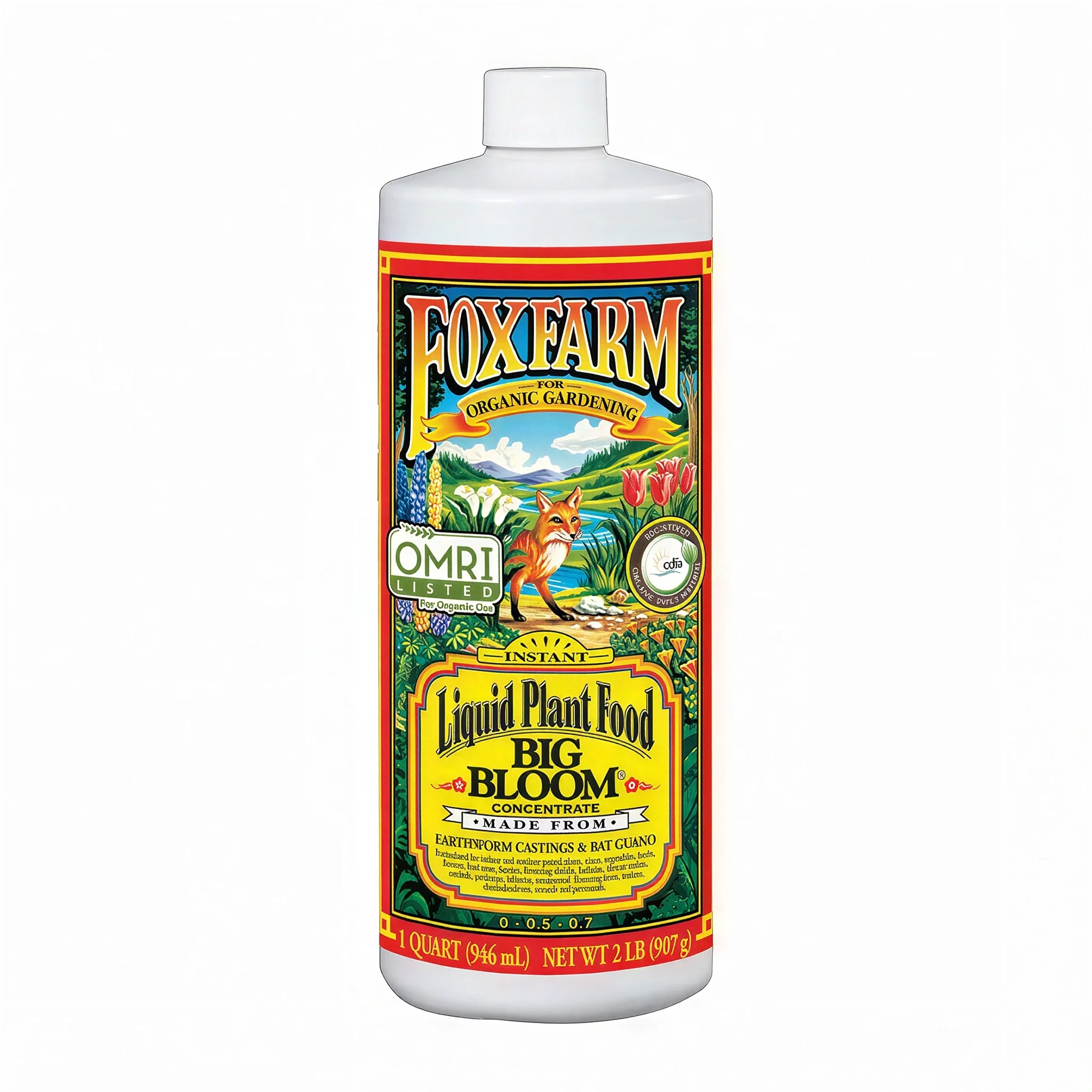
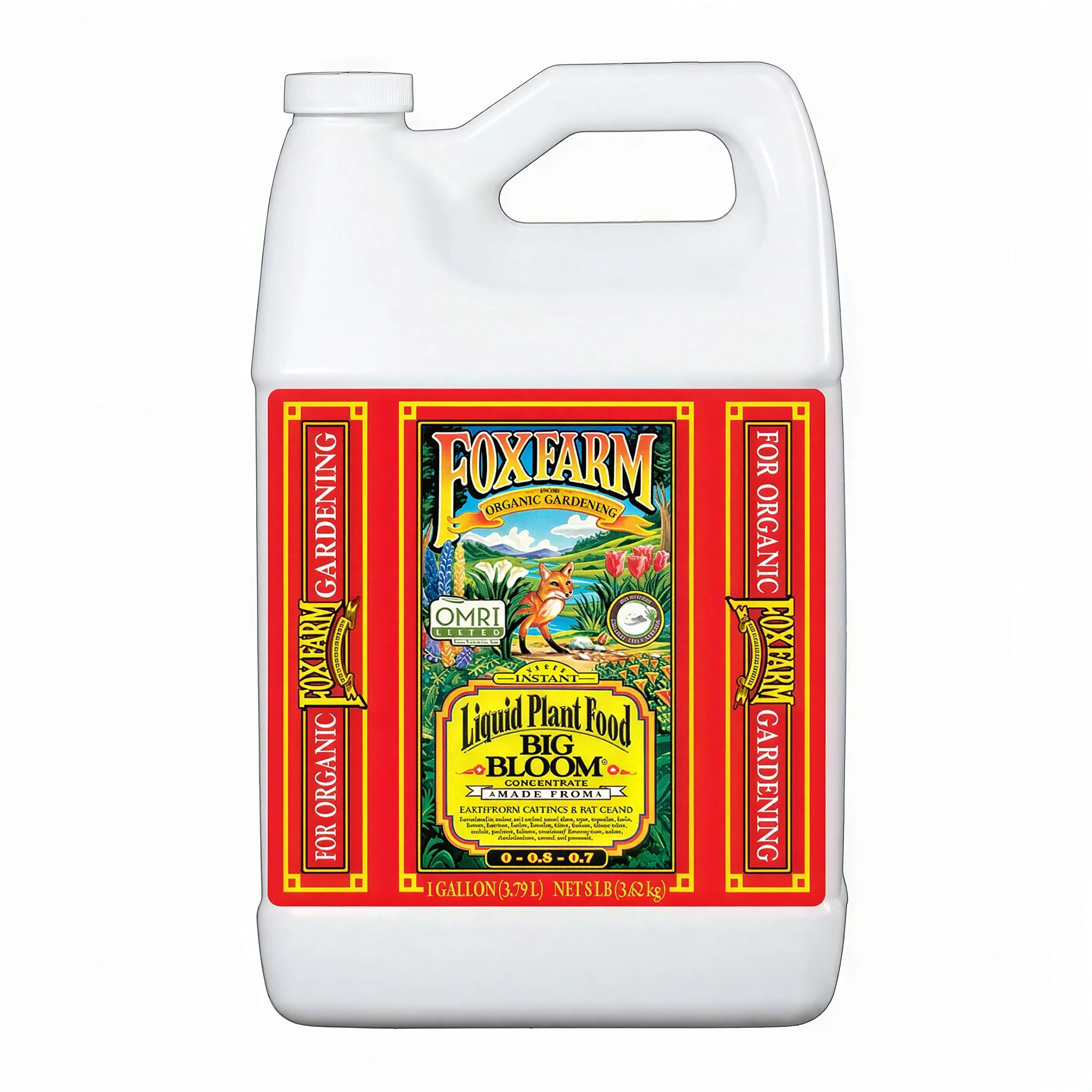
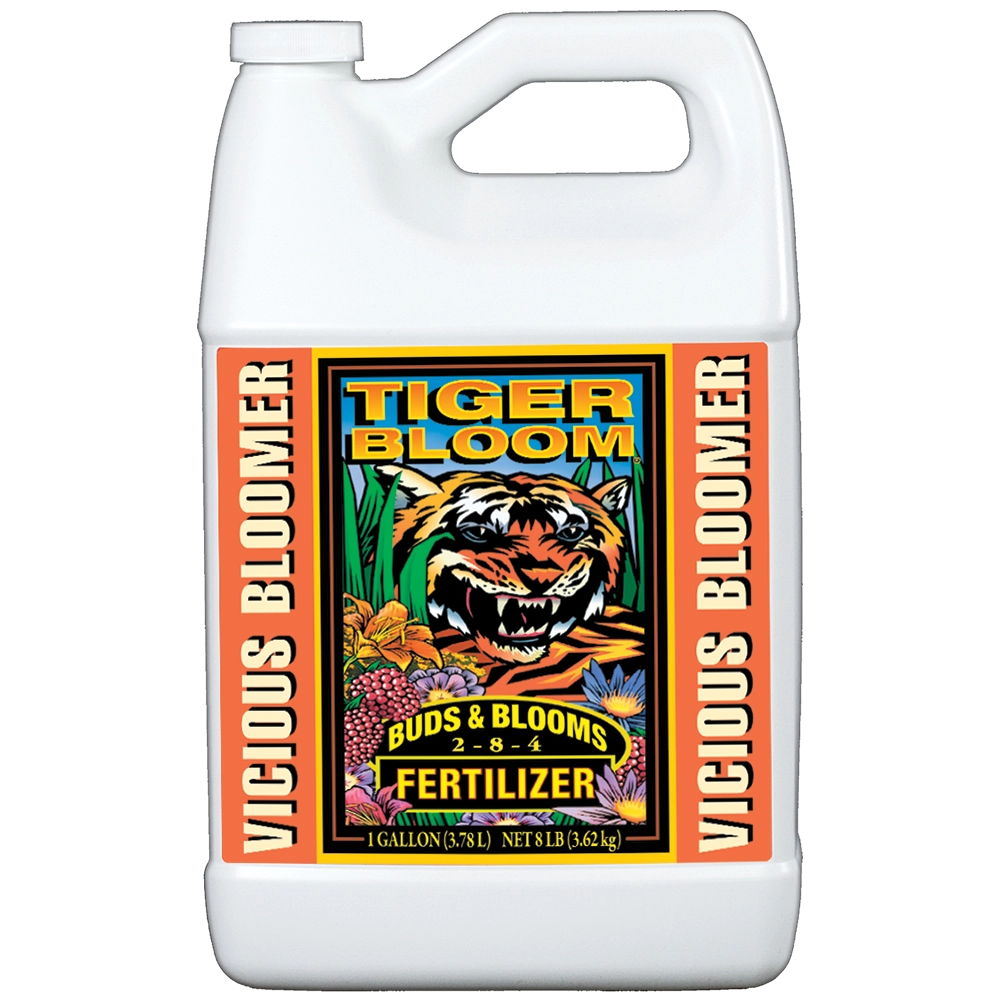
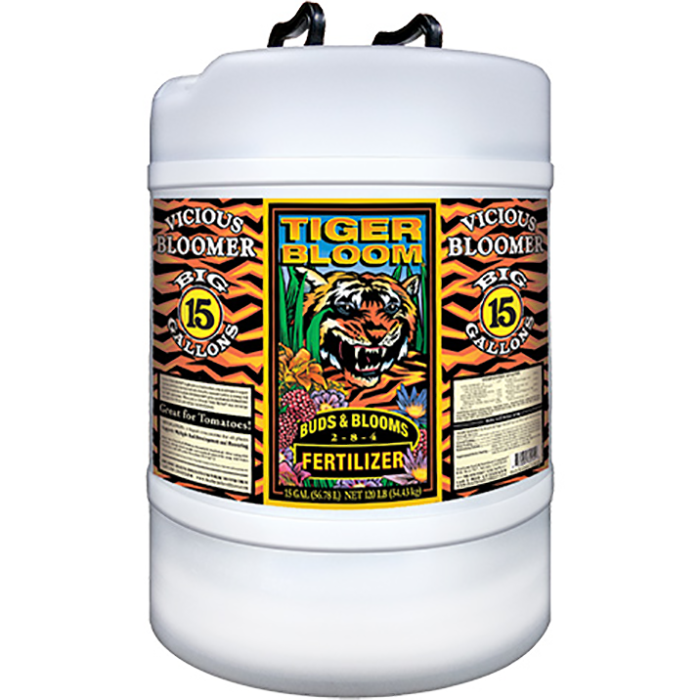
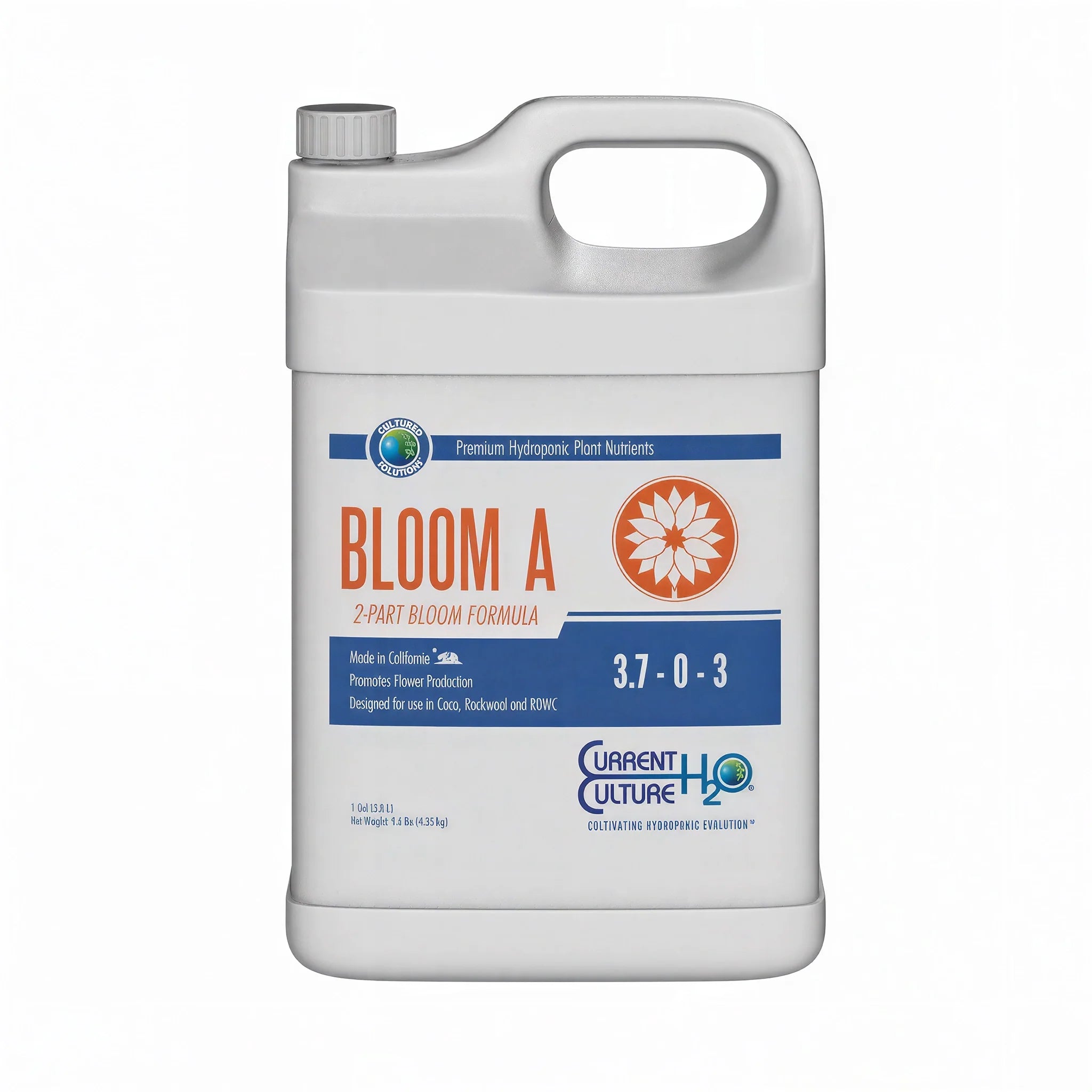
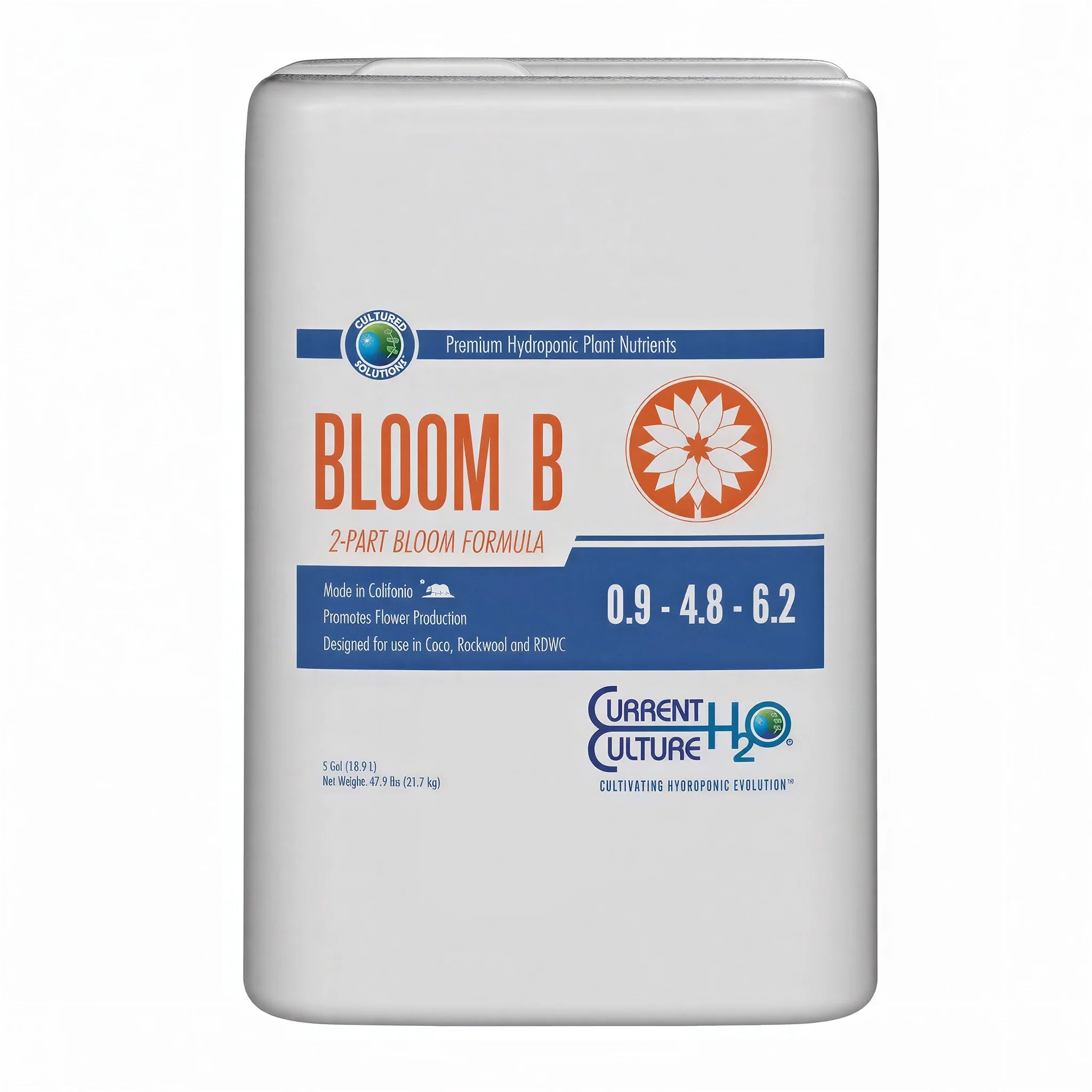
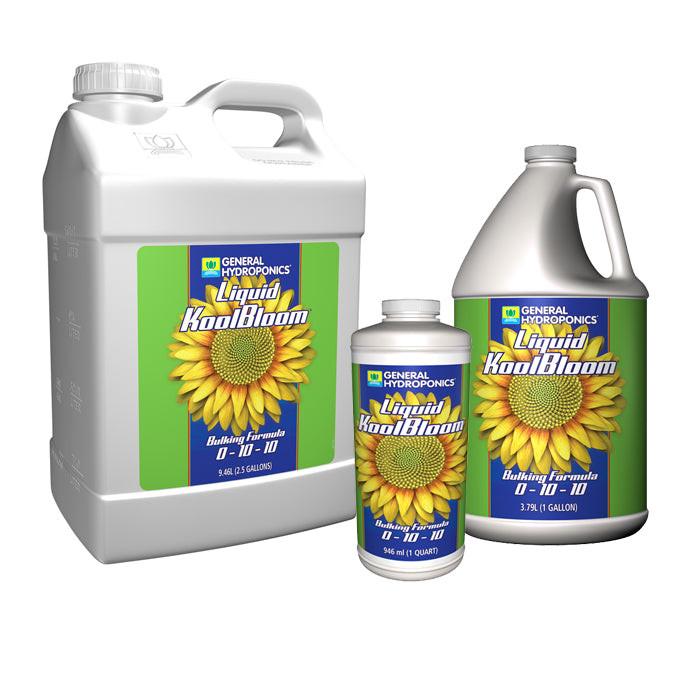
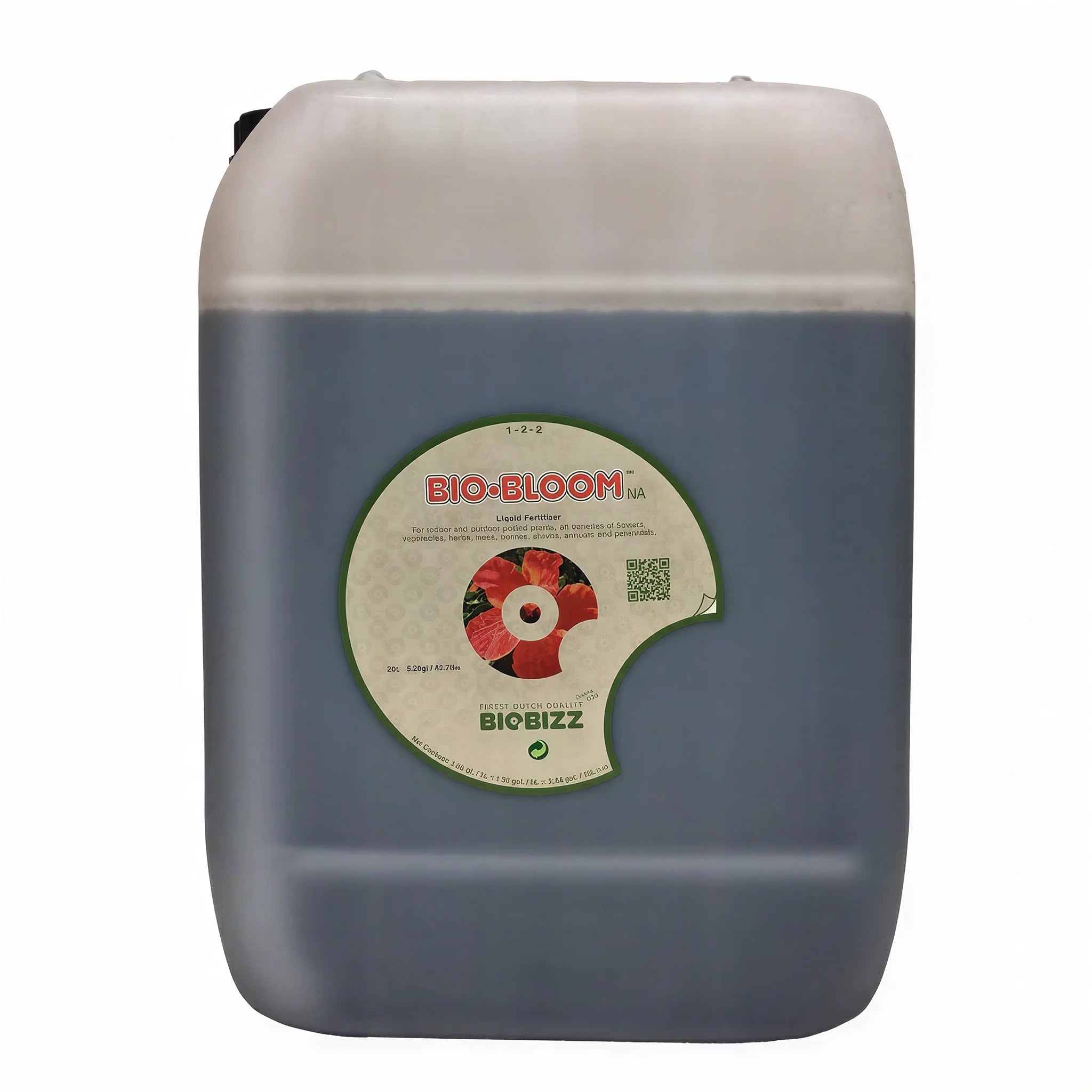
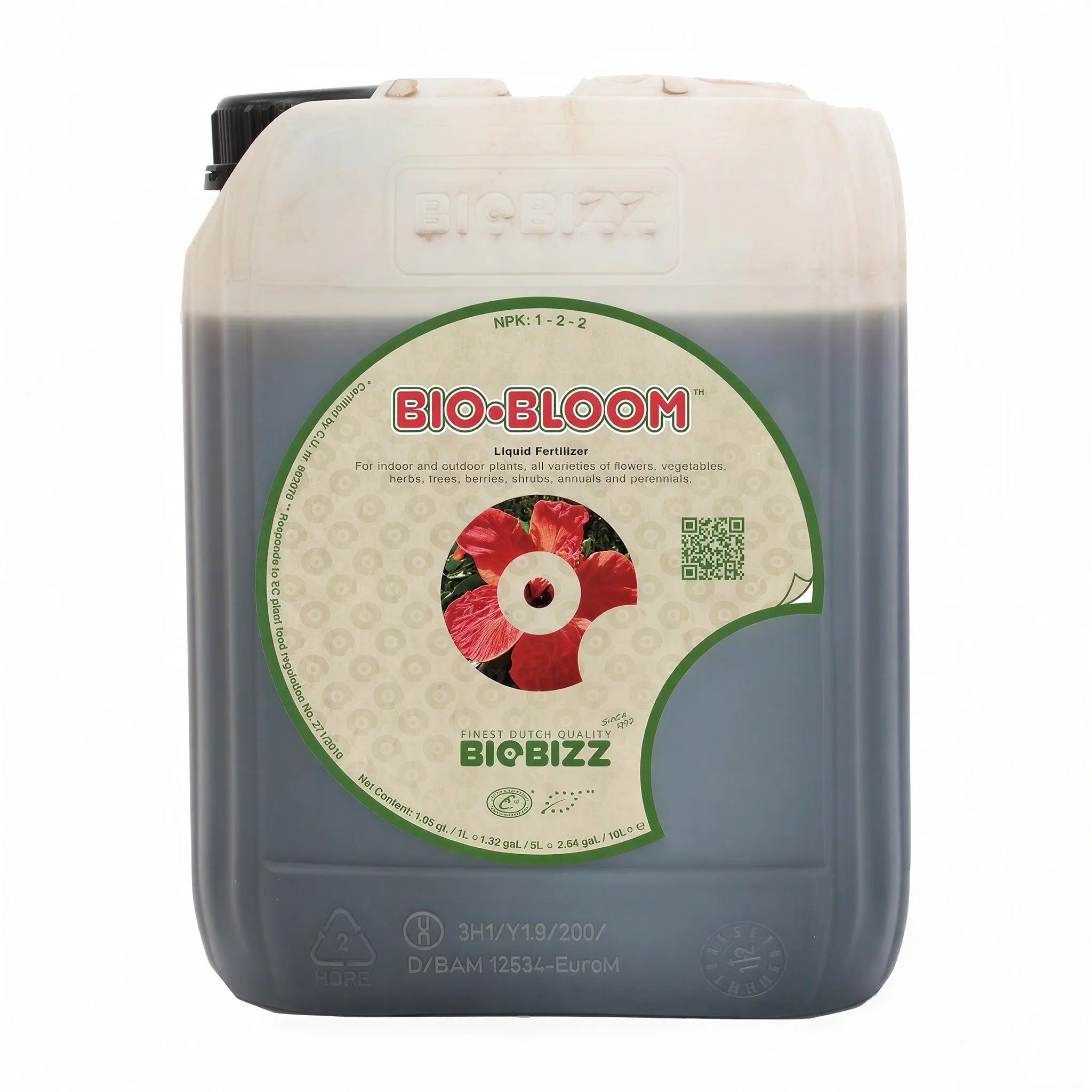
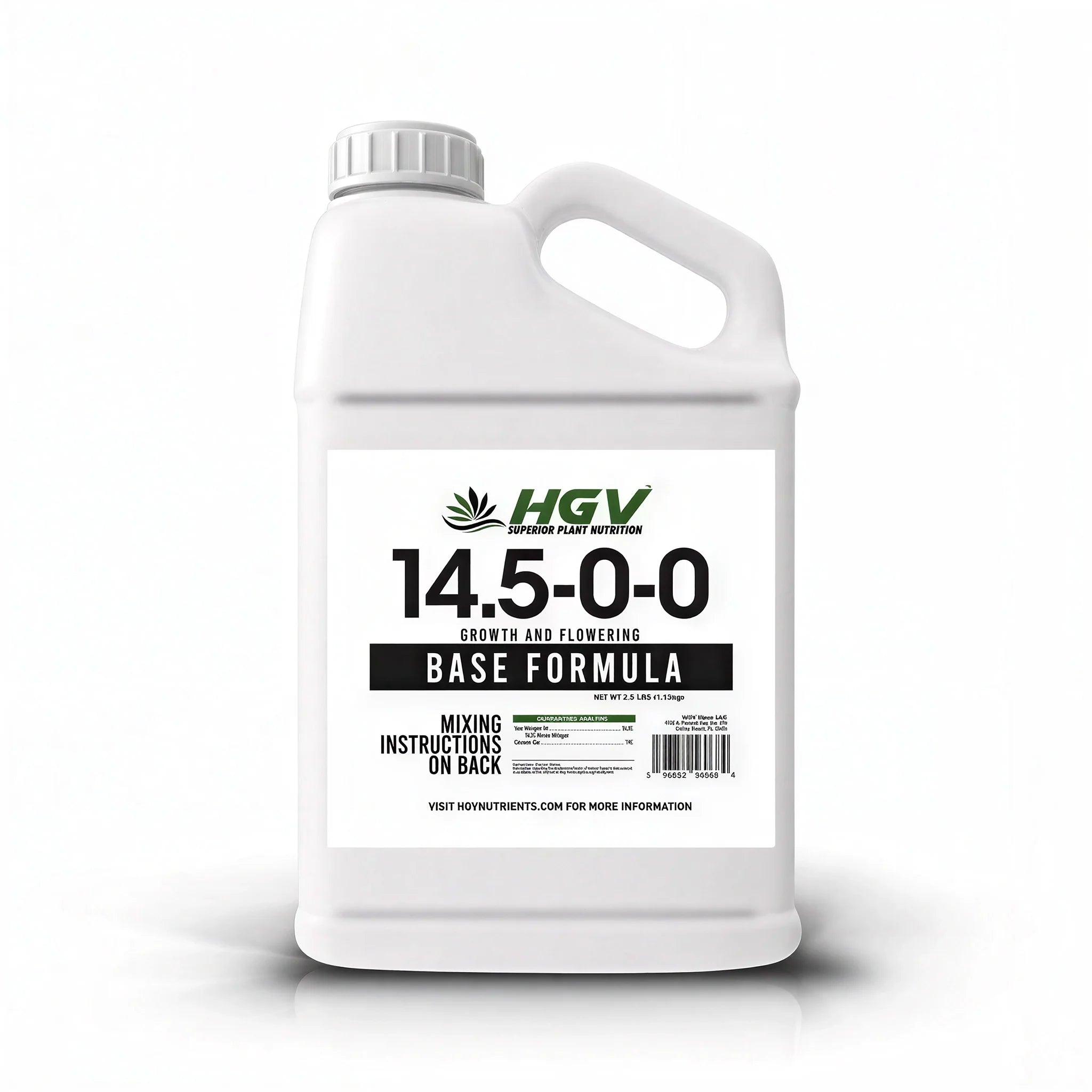
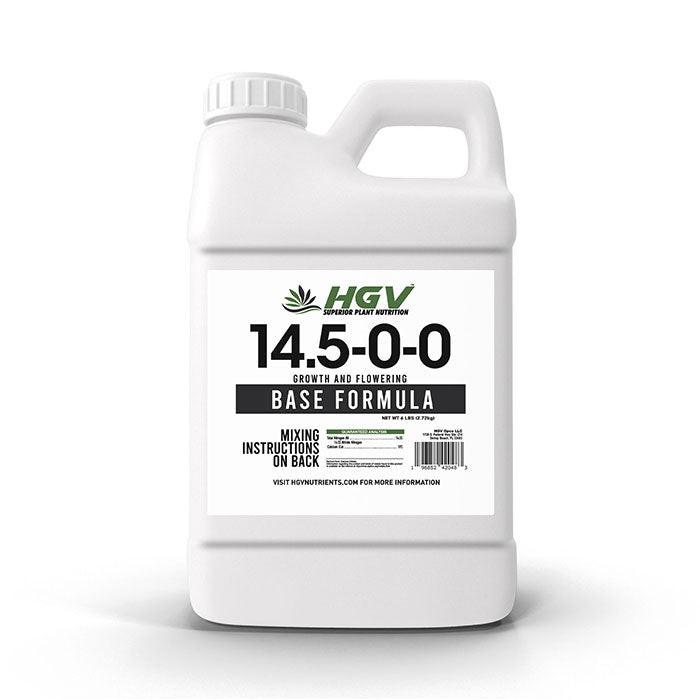
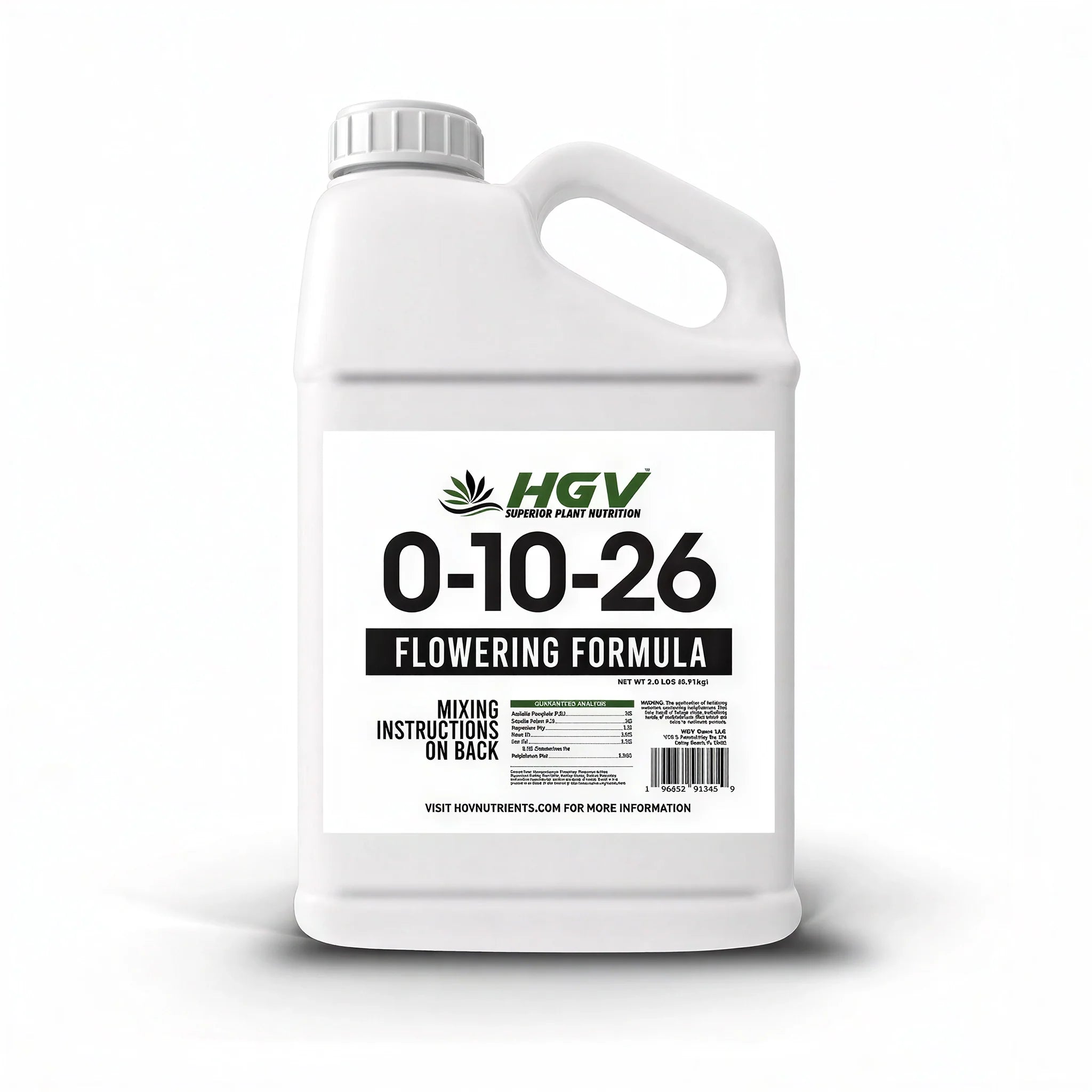
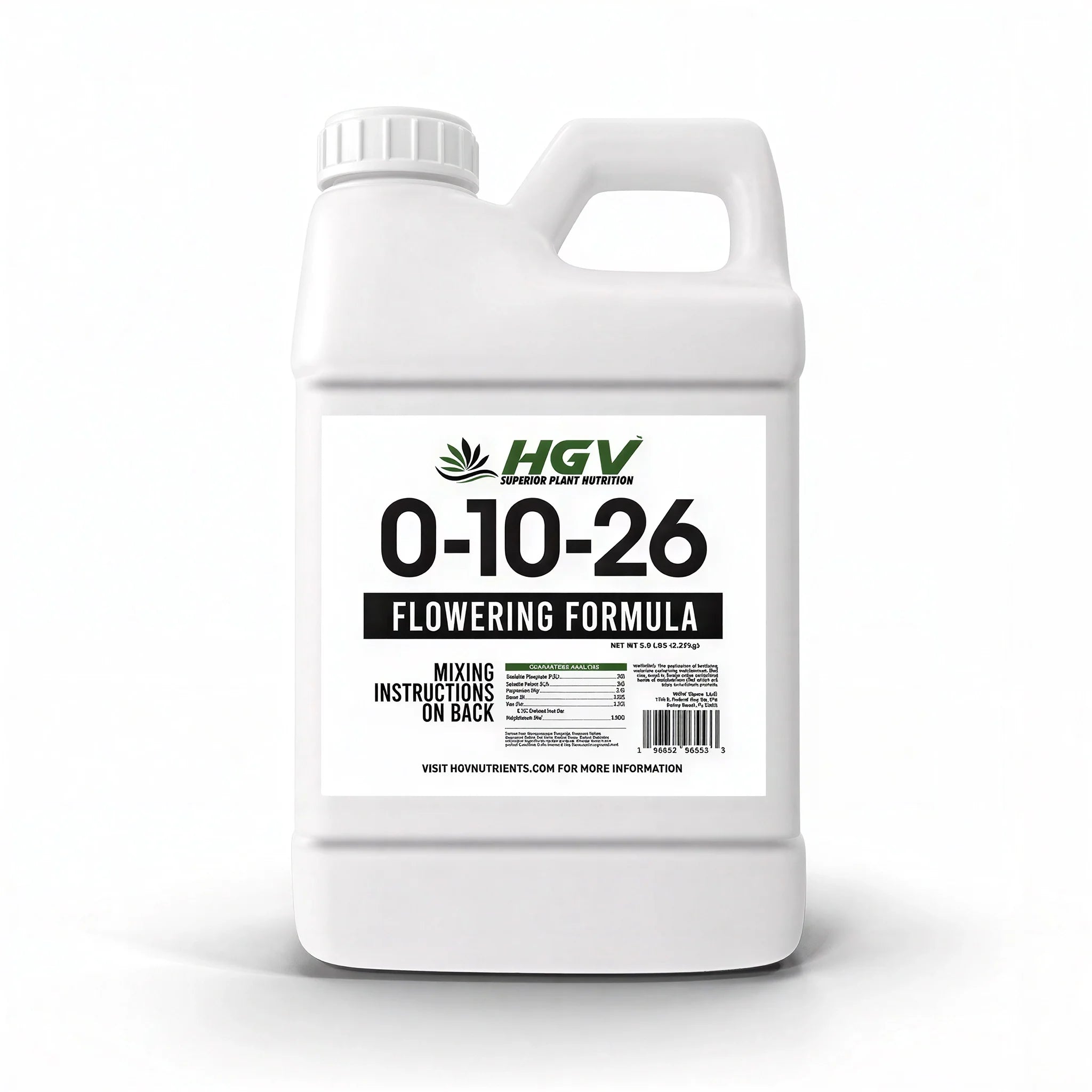
Bloom-stage nutrients are formulated for the reproductive phase of plant growth -- when nitrogen demand decreases relative to vegetative growth and phosphorus, potassium, and the secondary nutrients that support flower development become the primary feeding priorities. A well-designed bloom nutrient formula shifts the NPK ratio toward P and K, provides the calcium and magnesium that remain critical throughout flowering, and may include flowering-phase additives (carbohydrates, amino acids, bloom boosters) that support the metabolic demands of active bud development. HGV, Athena, General Hydroponics, and Advanced Nutrients are the top-selling bloom-stage nutrient brands at Hydrobuilder.
Base Bloom Nutrients vs. Boosters
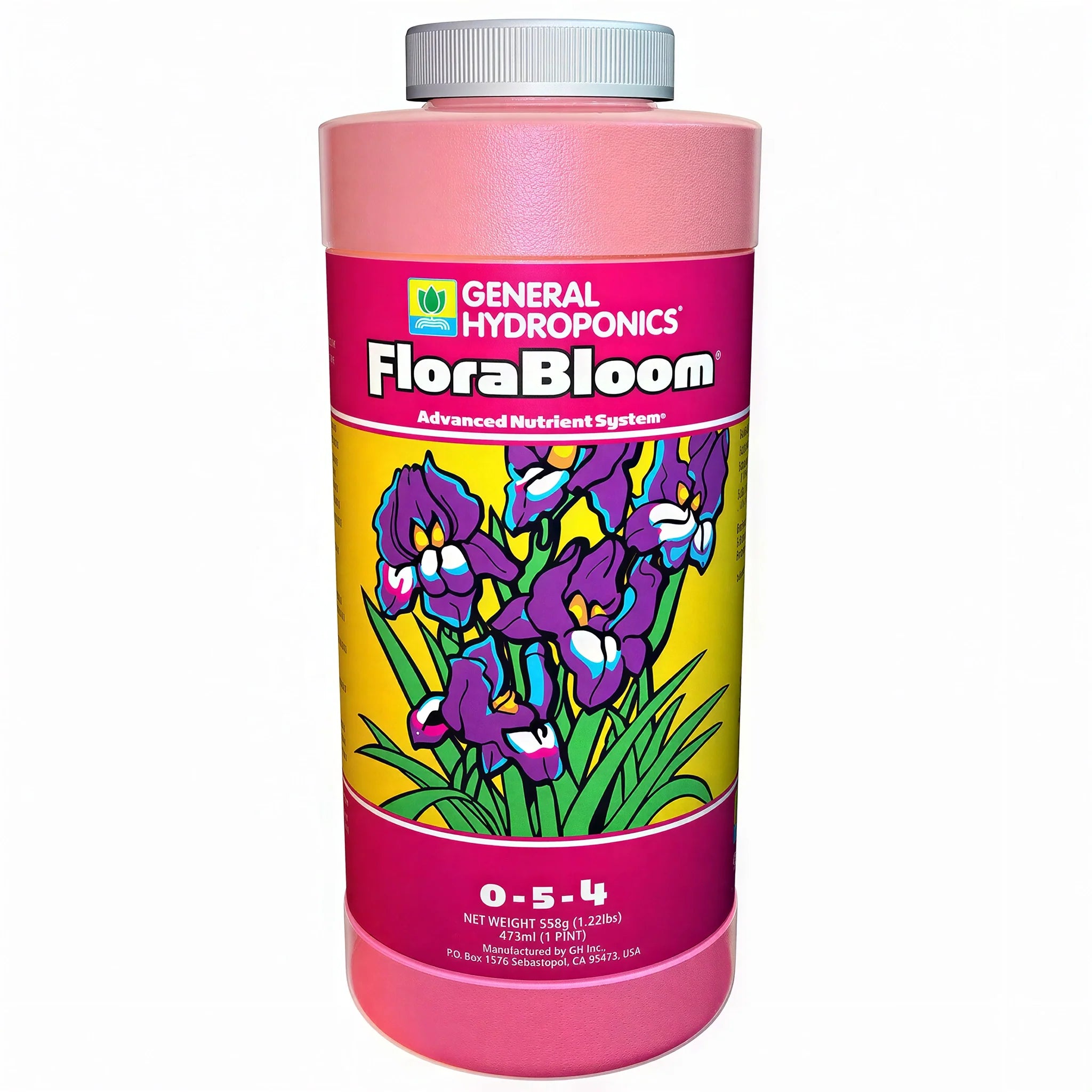
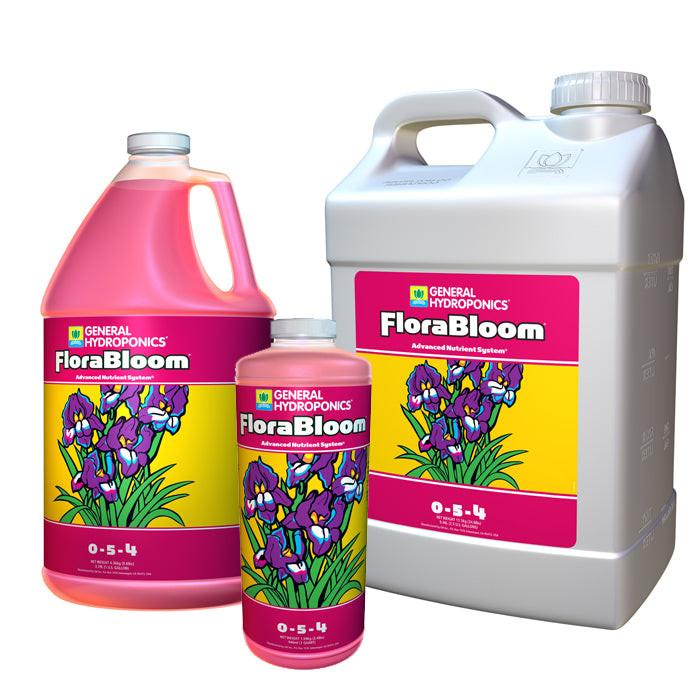
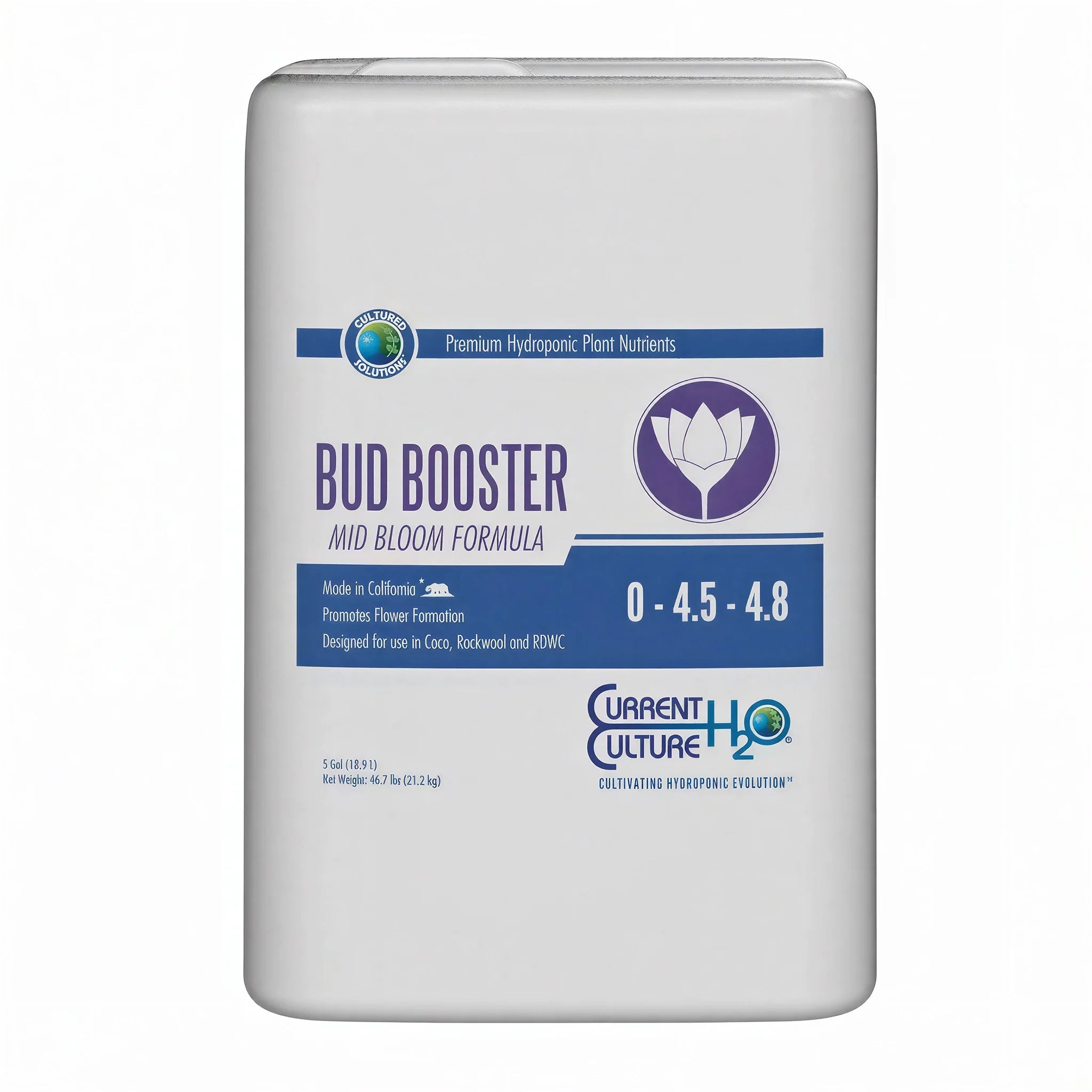
A base bloom nutrient (HGV Flower, Athena Bloom, General Hydroponics FloraBloom) provides the complete macronutrient and micronutrient profile needed for flowering at a set dilution rate. Bloom boosters and additives (phosphorus-specific boosters, carbohydrate supplements, amino acid products) are added to the base program at lower rates to support specific aspects of the flowering process. Many programs use one base bloom formula supplemented by 1-2 targeted additives rather than a large stack of individual products. Using more products does not automatically produce better results -- following the brand's documented feeding chart for your base nutrient line is a more reliable approach than arbitrarily combining products from multiple brands.
Feeding Charts and Program Selection
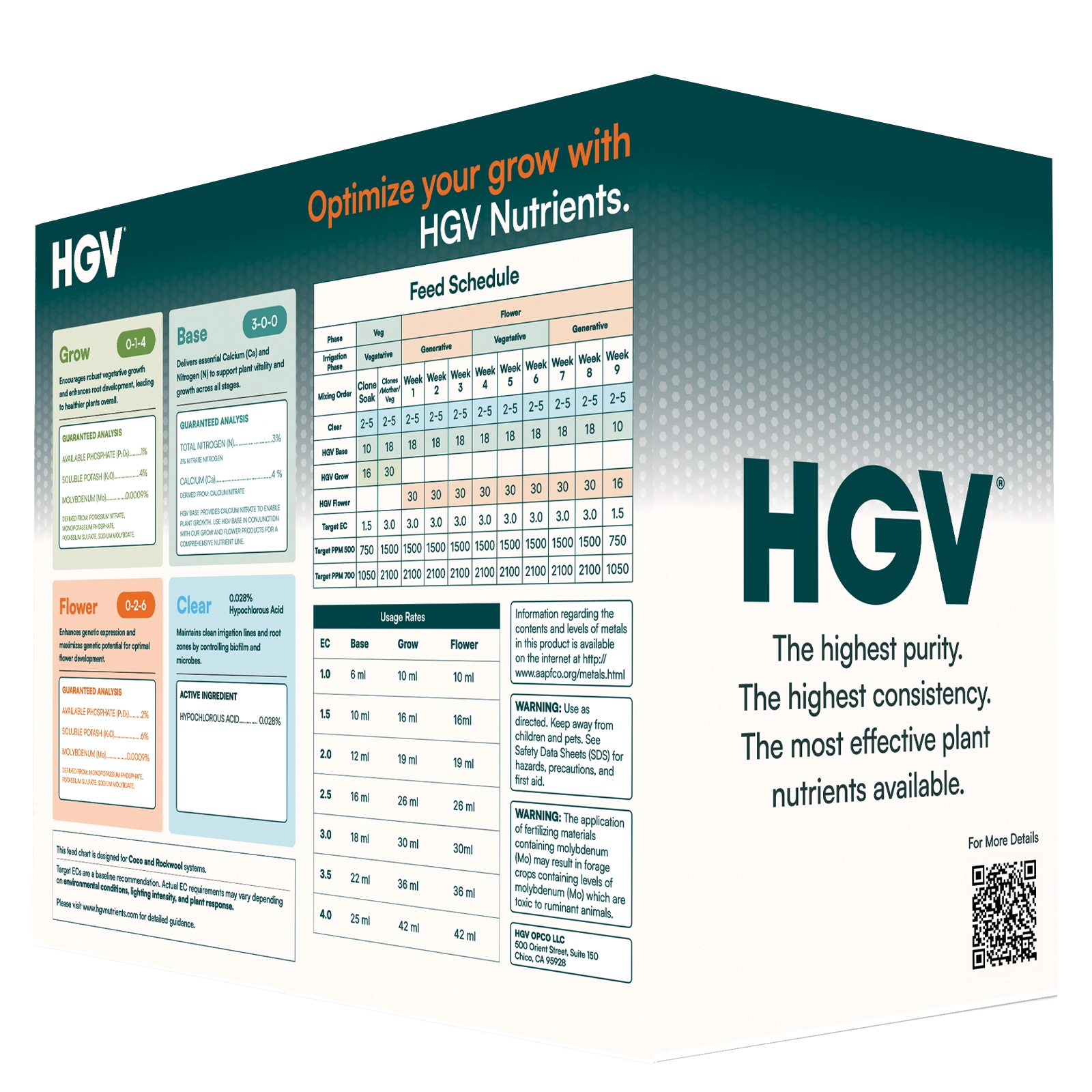
Most nutrient brands provide crop-specific feeding charts for their bloom-stage products. Use the chart for your base nutrient system as the starting point; adjust rates based on observed plant response, EC/pH measurements, and runoff analysis. Browse all nutrients, veg-stage nutrients, or see complete nutrient packages. Fast shipping.
Bloom Nutrients FAQ
When should I switch from veg nutrients to bloom nutrients?
Switch from vegetative to bloom nutrients at the transition to the reproductive stage -- when you change the light schedule to 12/12 for photoperiod crops, or at the appropriate week for autoflowering or long-day crops. The first 1-2 weeks after the transition (the "stretch" or early flowering phase) still benefit from moderate nitrogen, so many programs use a transitional blend or reduce veg nutrients gradually rather than switching abruptly. By week 3-4 of flowering, most programs are running full bloom formula with reduced or eliminated nitrogen from the vegetative phase. Follow the feeding chart for your specific base nutrient program -- bloom timing recommendations vary significantly between brands.
What NPK ratio should bloom nutrients have?
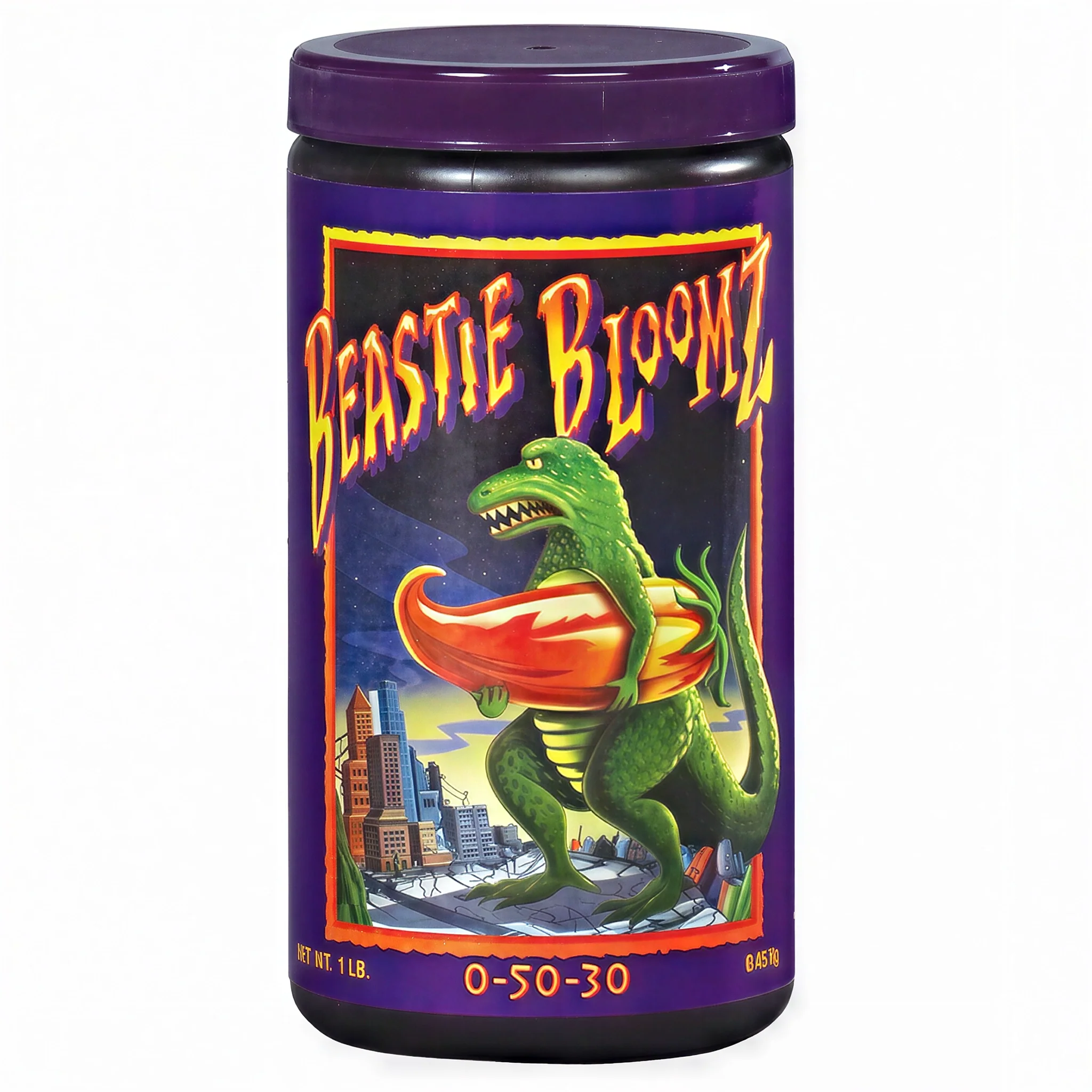
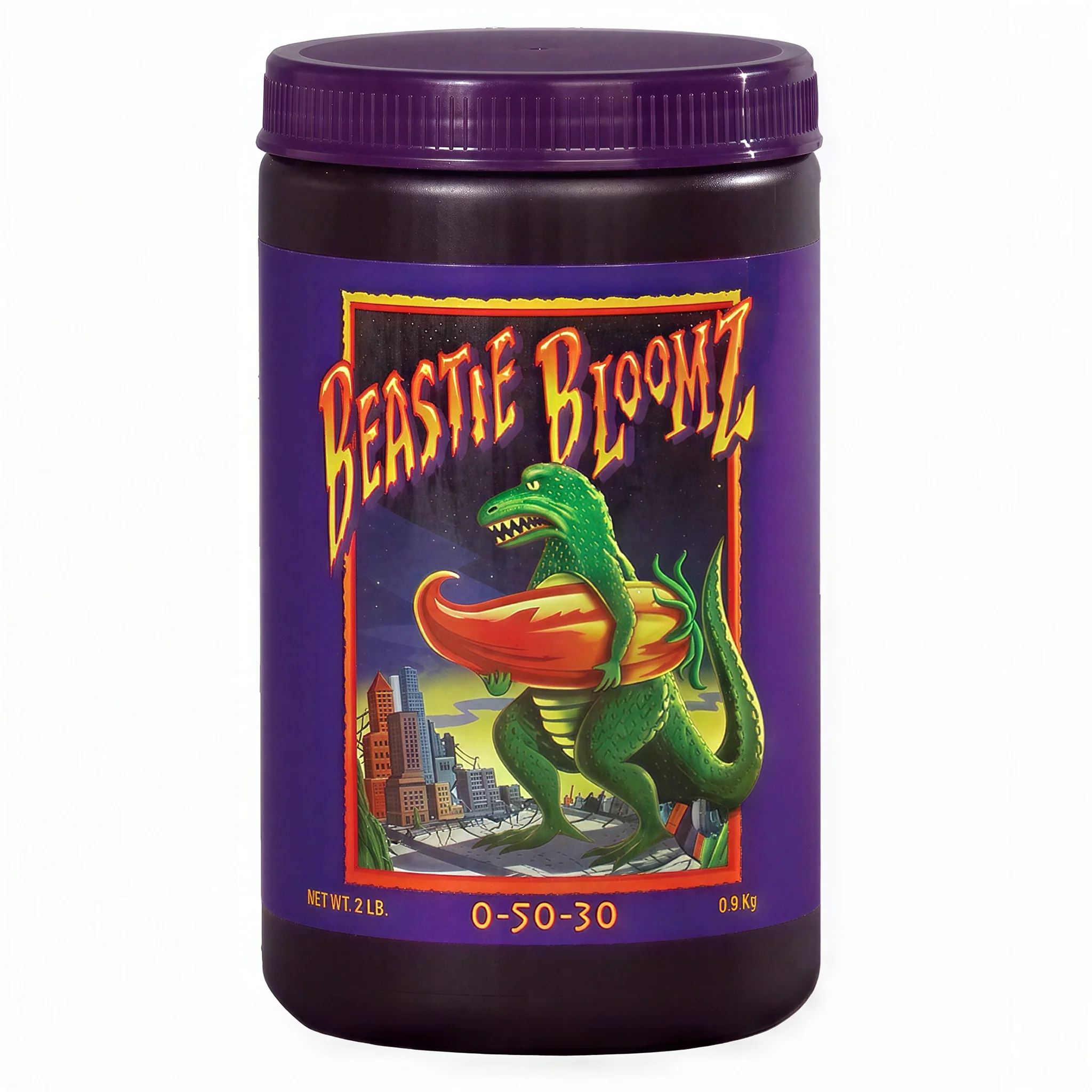
Bloom nutrients are typically formulated with lower nitrogen and higher phosphorus and potassium than vegetative formulas. A common bloom-stage NPK range is 1-3-2 to 2-6-5 (N-P-K). Phosphorus supports energy transfer and root/flower development; potassium supports overall plant health, water transport, and is involved in many enzymatic processes during fruit and flower production. High-phosphorus bloom boosters (NPK of 0-10-0 or 0-50-30) are used as targeted supplements to the base program during peak flowering rather than as standalone nutrition. Very high phosphorus supplementation beyond what the plant can use does not improve results and can lock out other nutrients by altering solution balance.
What is the best bloom nutrient for coco coir?
For coco coir, bloom nutrients should be formulated for soilless or hydroponic growing media -- not for soil. Coco requires ongoing Cal-Mag supplementation regardless of base nutrient brand because coco naturally binds calcium and magnesium ions. Athena Bloom and Athena Core, General Hydroponics FloraBloom (used with FloraMicro as the base), HGV Flower, and Canna Coco are all well-documented for coco programs. Verify that your chosen bloom formula includes adequate calcium and magnesium for coco growing, or plan to supplement with a dedicated Cal-Mag product. EC monitoring and pH management (target 5.8-6.3 in coco) are critical in any coco bloom program.