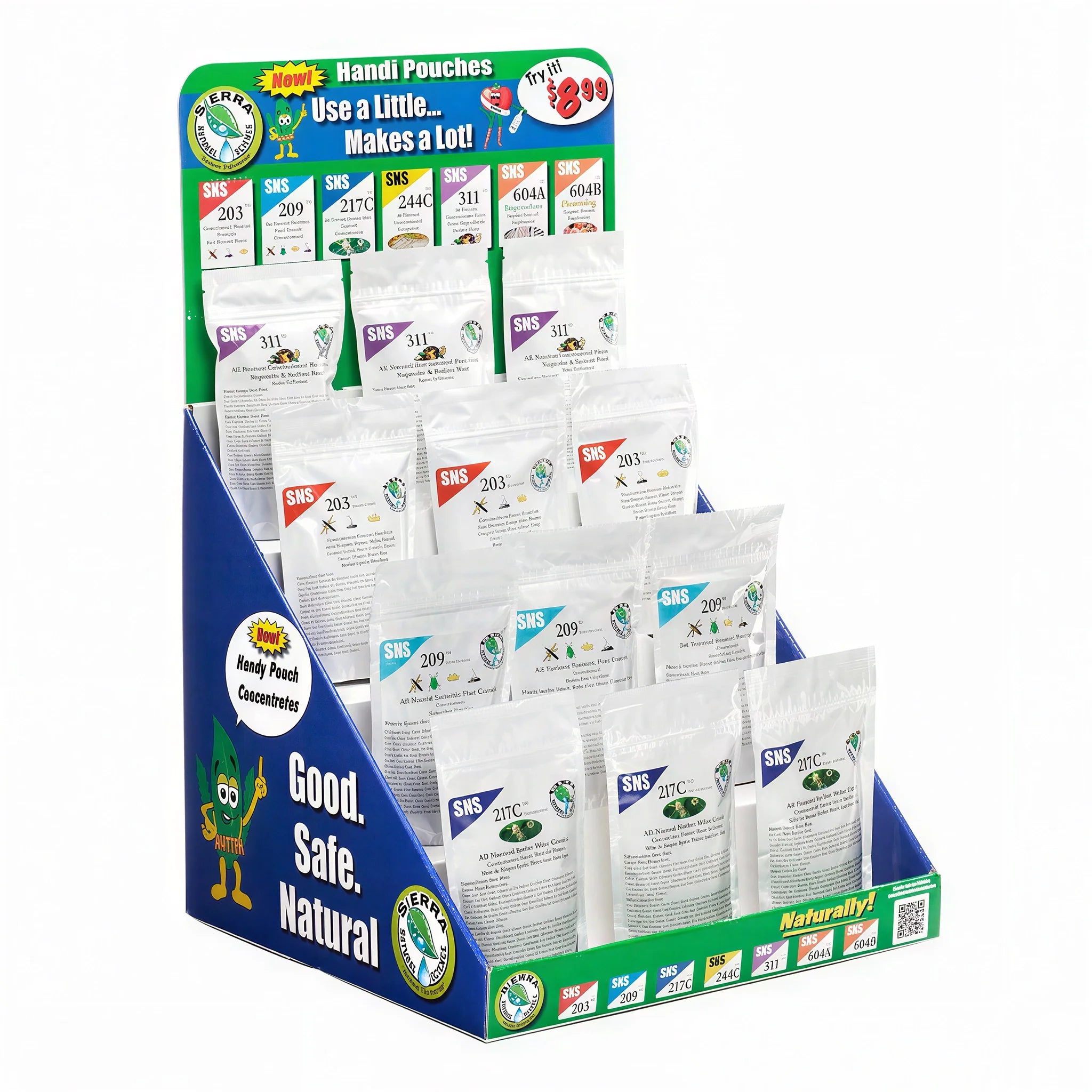
Neem Oil & Plant Washes for Pest & Disease Control
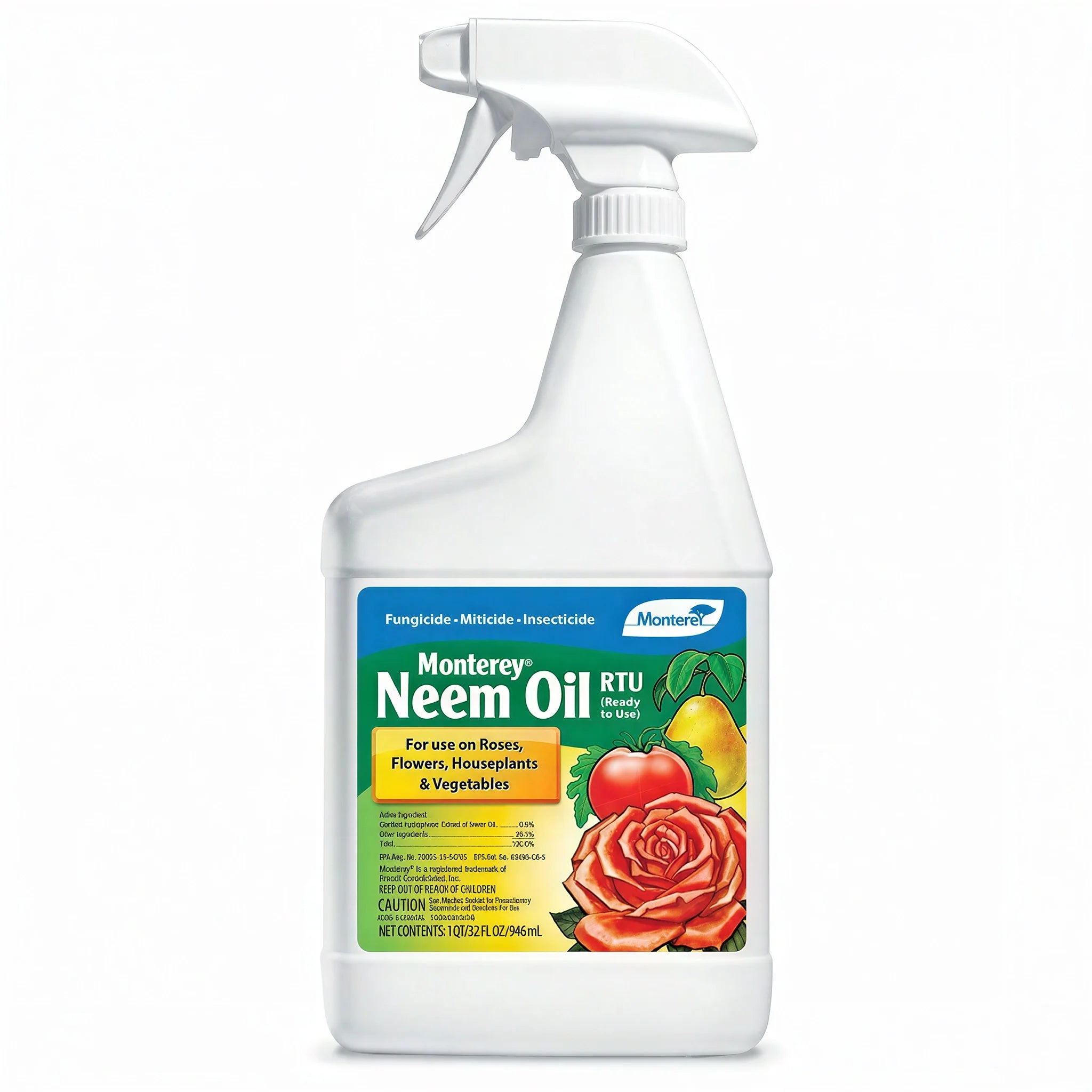
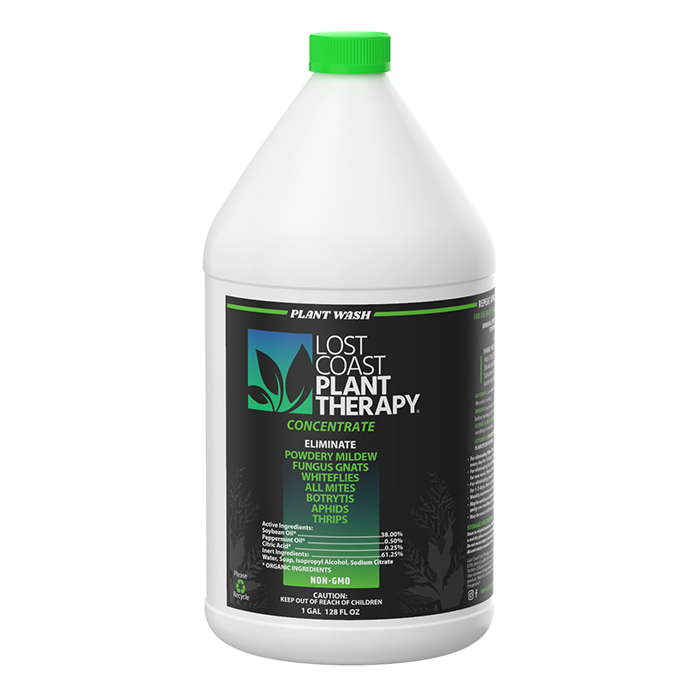
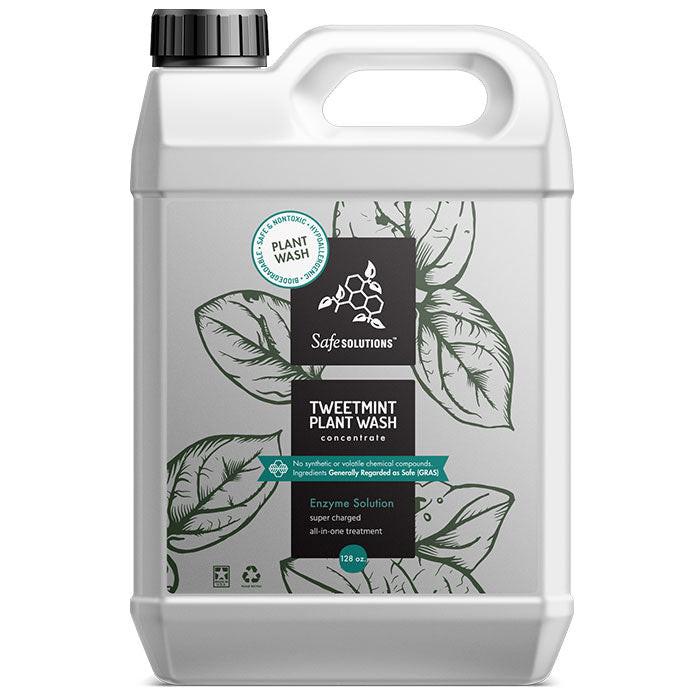
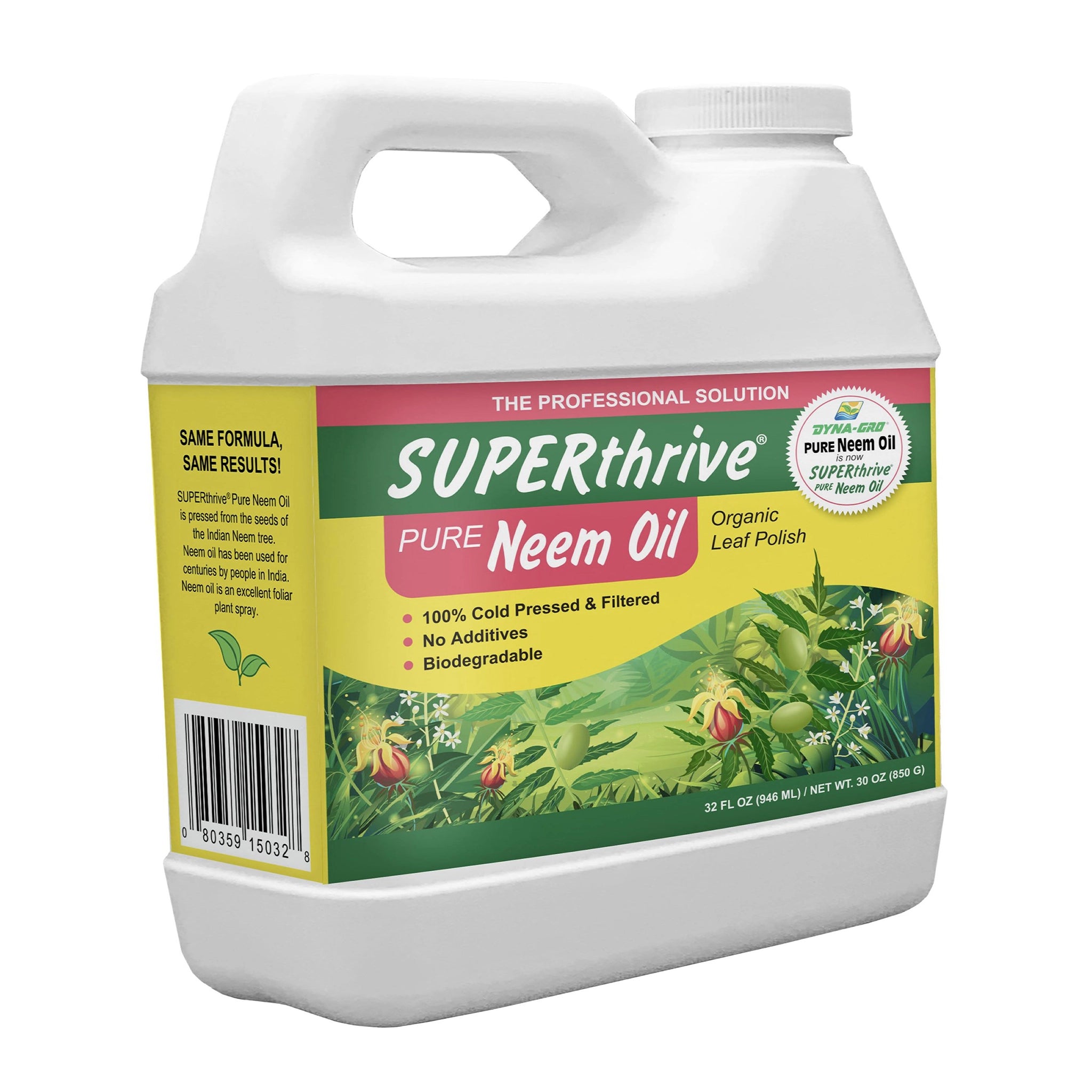
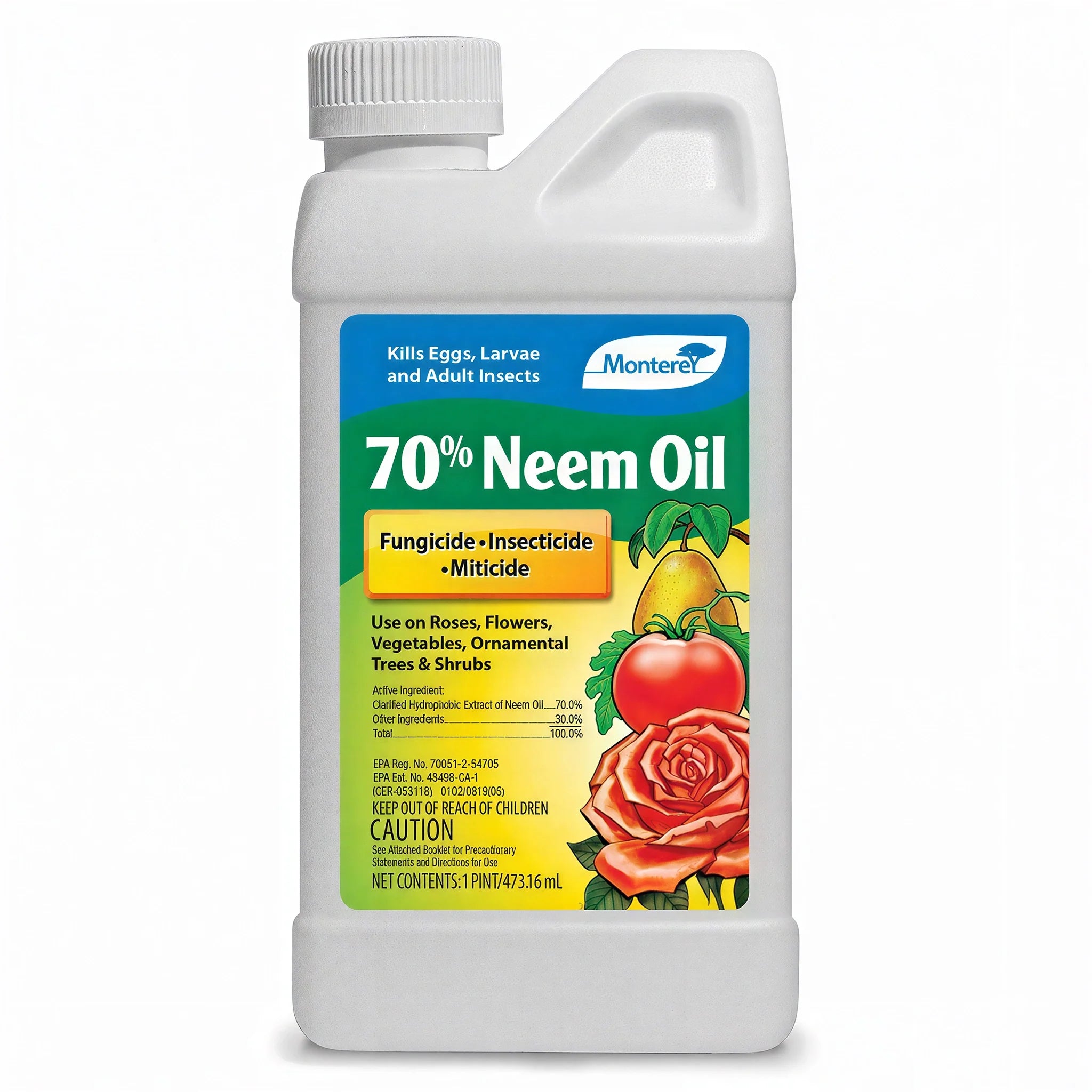
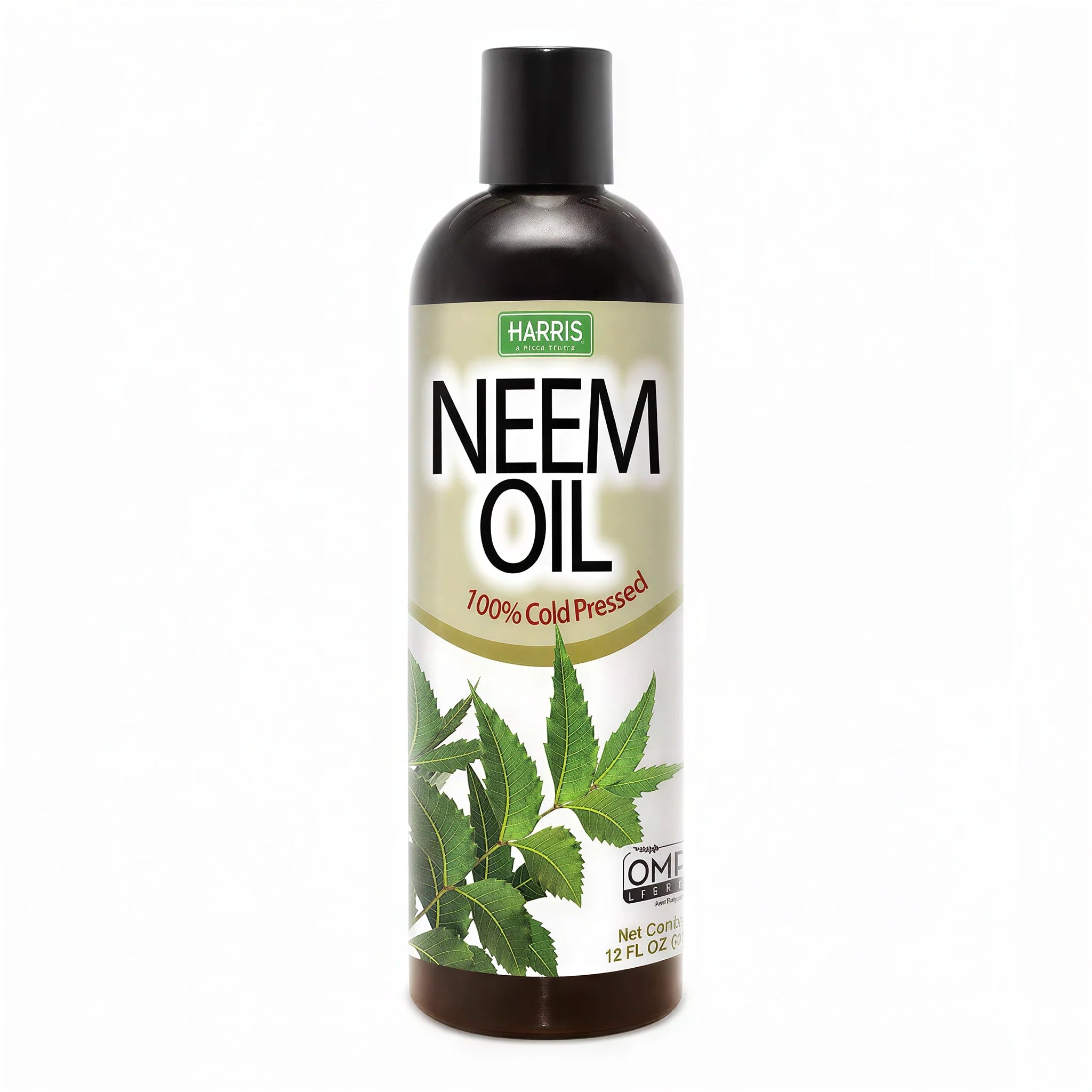
Neem oil and plant wash products are among the most versatile tools in organic pest and disease management -- they provide multi-mode activity against a broad range of pests and fungal diseases with a favorable safety profile for edible crops, beneficial insects (when applied correctly), and the grower. Cold-pressed neem oil contains azadirachtin, a naturally occurring insect growth regulator that disrupts molting and reproduction in susceptible insects, alongside other limonoids with direct insecticidal and antifungal activity. Plant wash formulations use neem oil, potassium soap, and surfactants to clean and protect plant surfaces while delivering the active compounds to pest-affected tissue.
Pest Control Applications
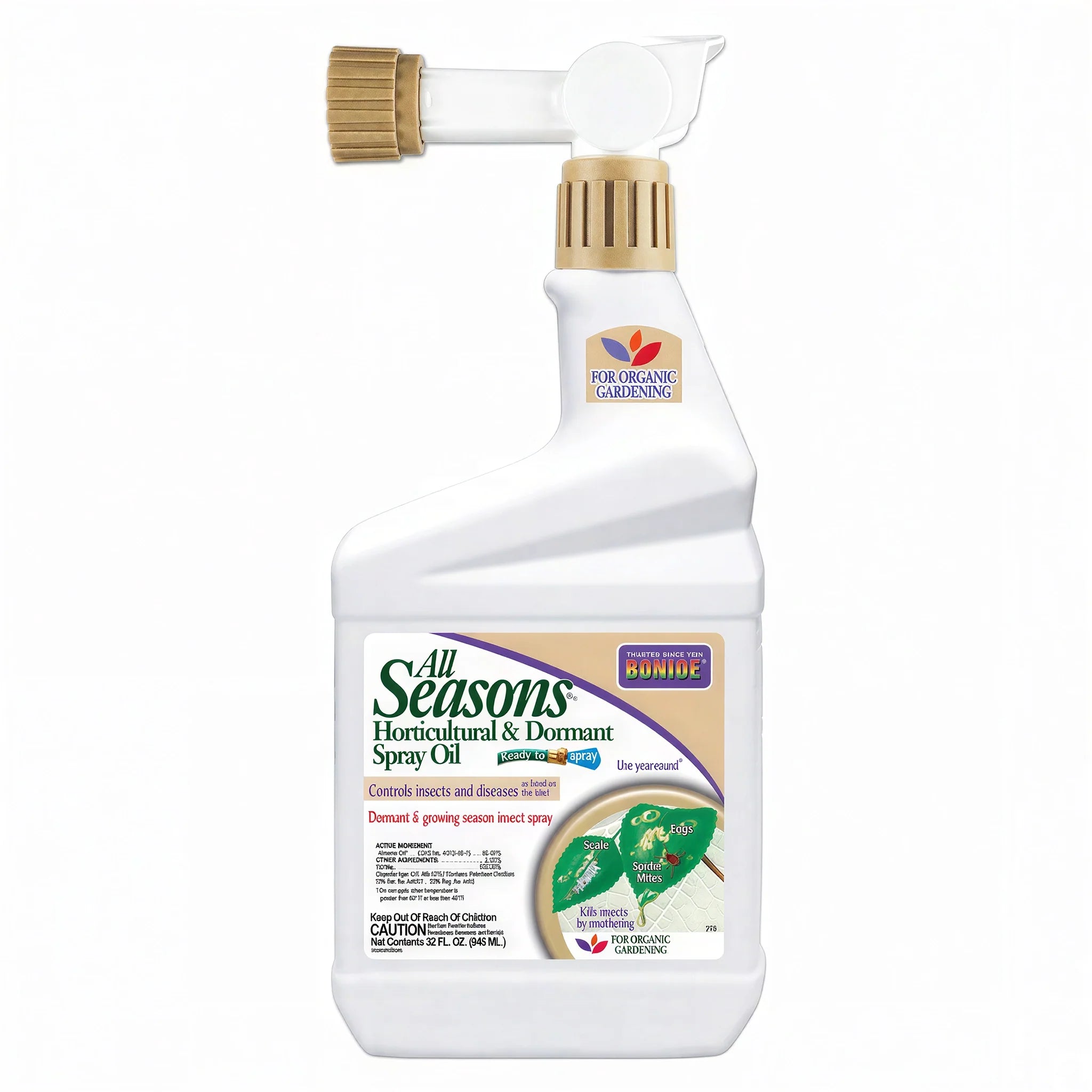
Azadirachtin disrupts the endocrine system of insects during molting -- nymphs and larvae exposed to azadirachtin cannot complete their molt, interrupting the life cycle rather than providing instant knockdown. This slow-acting mechanism is most effective as a preventive treatment and in early-infestation situations rather than for rapid suppression of heavy infestations. Neem oil also has direct contact insecticidal activity against soft-bodied insects (aphids, spider mites, whitefly nymphs) through suffocation -- the oil coats the insect body and blocks spiracles. Soil drench applications of azadirachtin target fungus gnat larvae at the substrate level. For faster pest knockdown alongside neem oil programs, see our insecticides and miticides collection.
Fungal Disease Management
Neem oil's antifungal compounds (primarily nimbidiol and gedunin) are effective against powdery mildew, botrytis, downy mildew, and other foliar fungal diseases through surface application. For powdery mildew management, weekly preventive neem oil sprays reduce new colony establishment on treated surfaces. Neem oil works best as a preventive and early-treatment tool for fungal disease -- it does not penetrate deep into established fungal infections once they have colonized substantial leaf tissue. Combine with sulfur treatments for the most comprehensive preventive fungal disease program. Fast shipping.
Neem Oil FAQ
What is the difference between neem oil and azadirachtin?
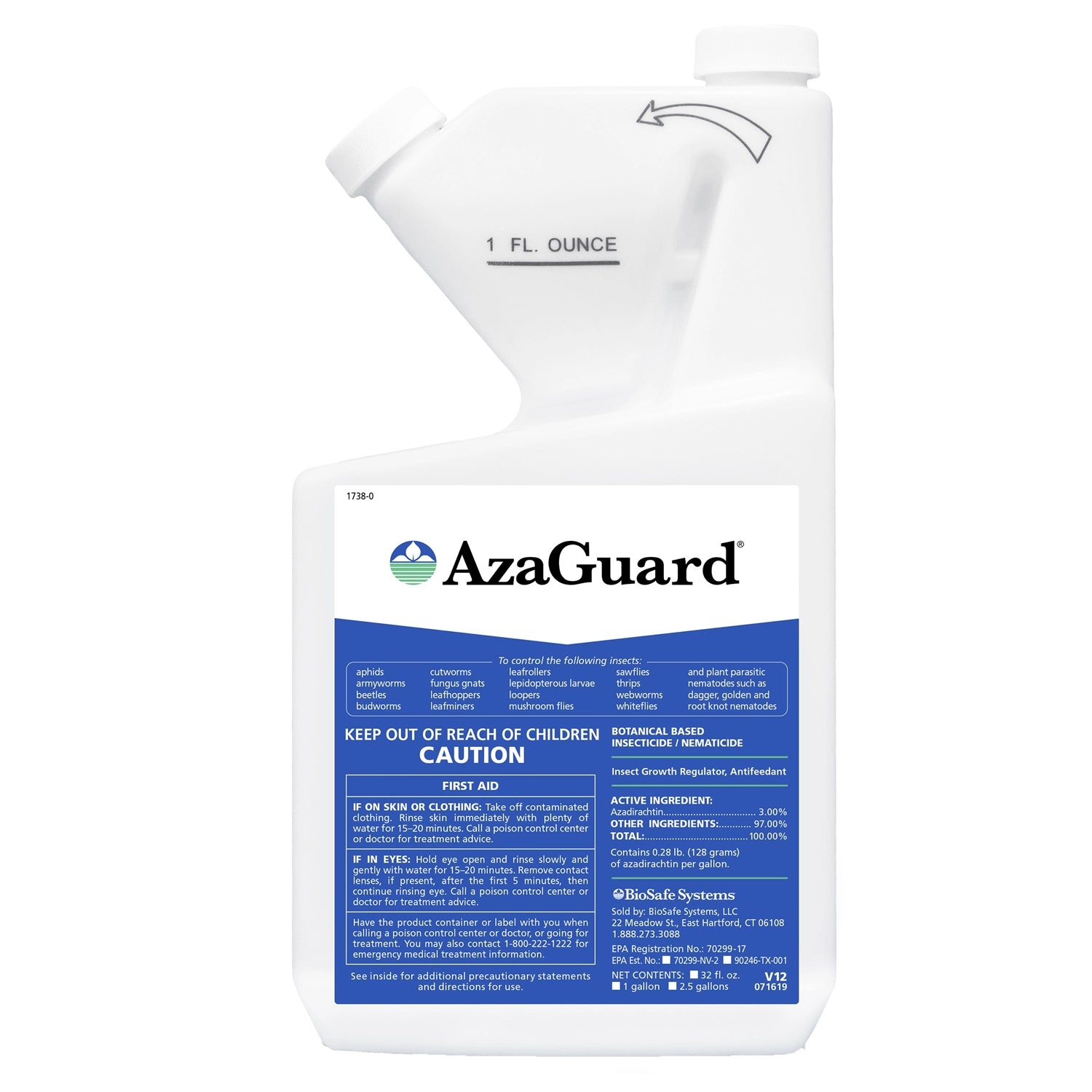
Neem oil is the crude cold-pressed or solvent-extracted oil from neem tree seeds -- it contains azadirachtin alongside many other biologically active compounds (nimbidiol, gedunin, salannin, and others). Azadirachtin is the primary insect-active compound in neem oil and is available in concentrated extracted form (Azatin, Neemix, and similar products) that delivers a standardized dose of the active ingredient independent of natural variation in crude neem oil. Crude neem oil has both azadirachtin-based and direct oil-based pest activity; concentrated azadirachtin products have more consistent and predictable insect growth regulator activity at lower application rates.
How do I mix neem oil for foliar spray application?
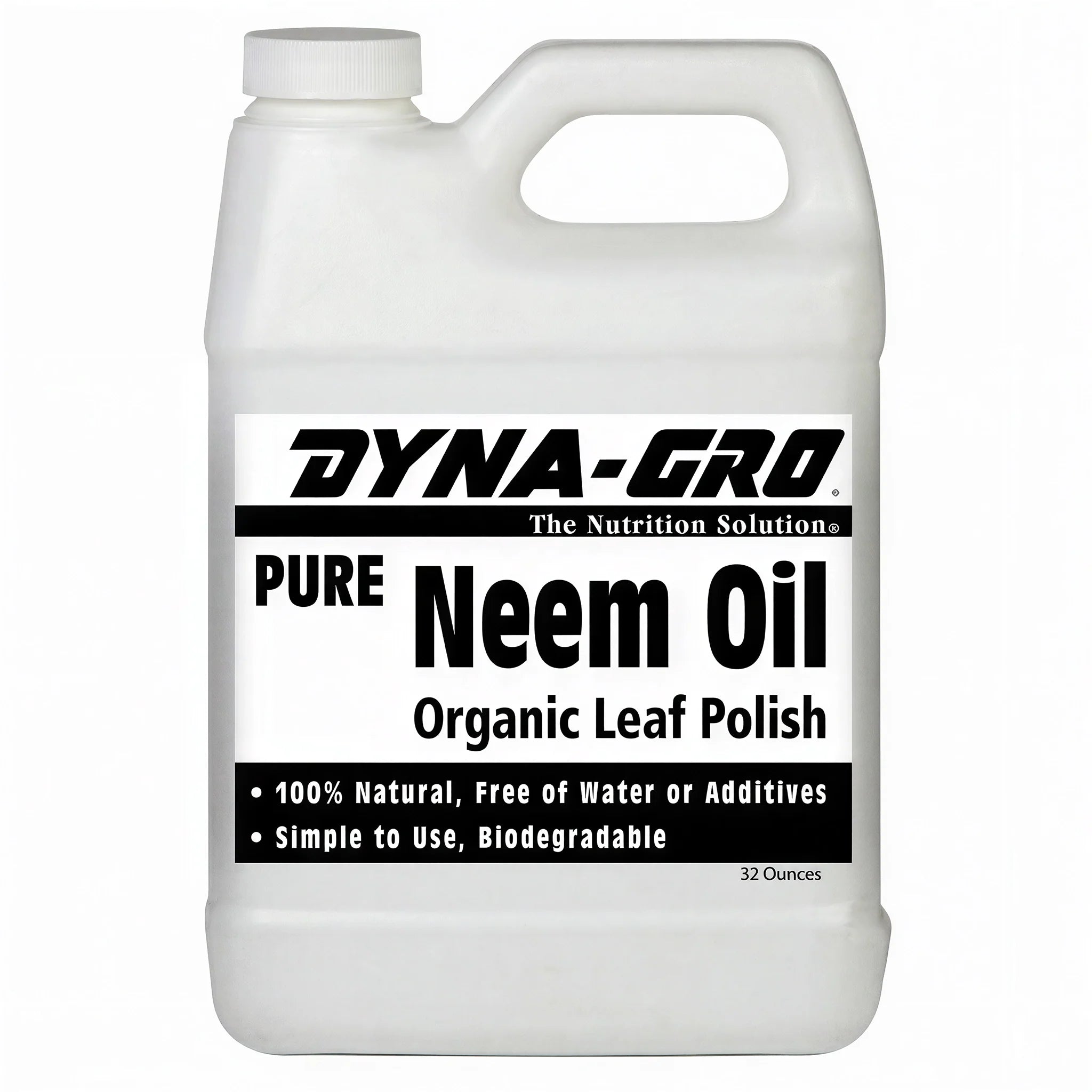
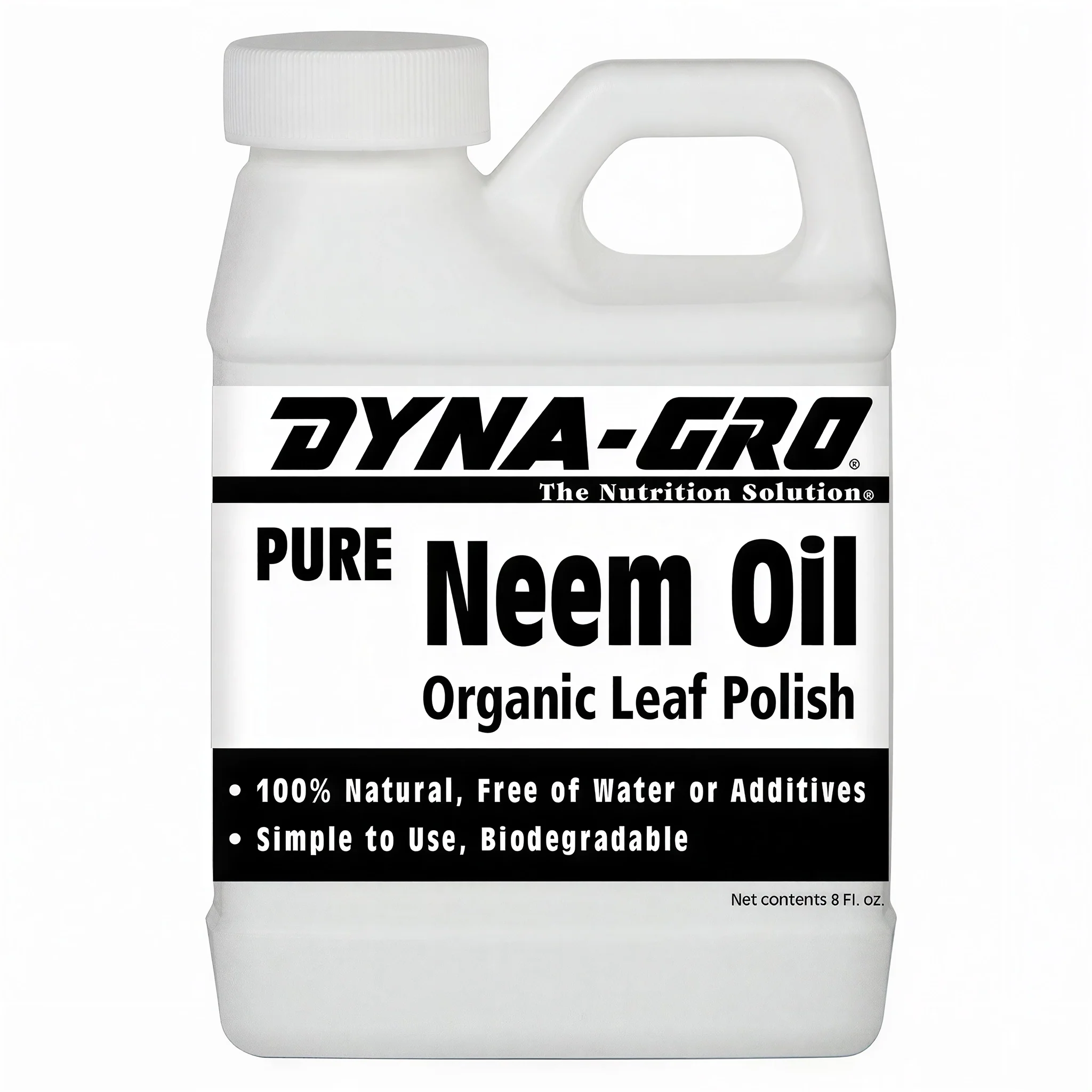
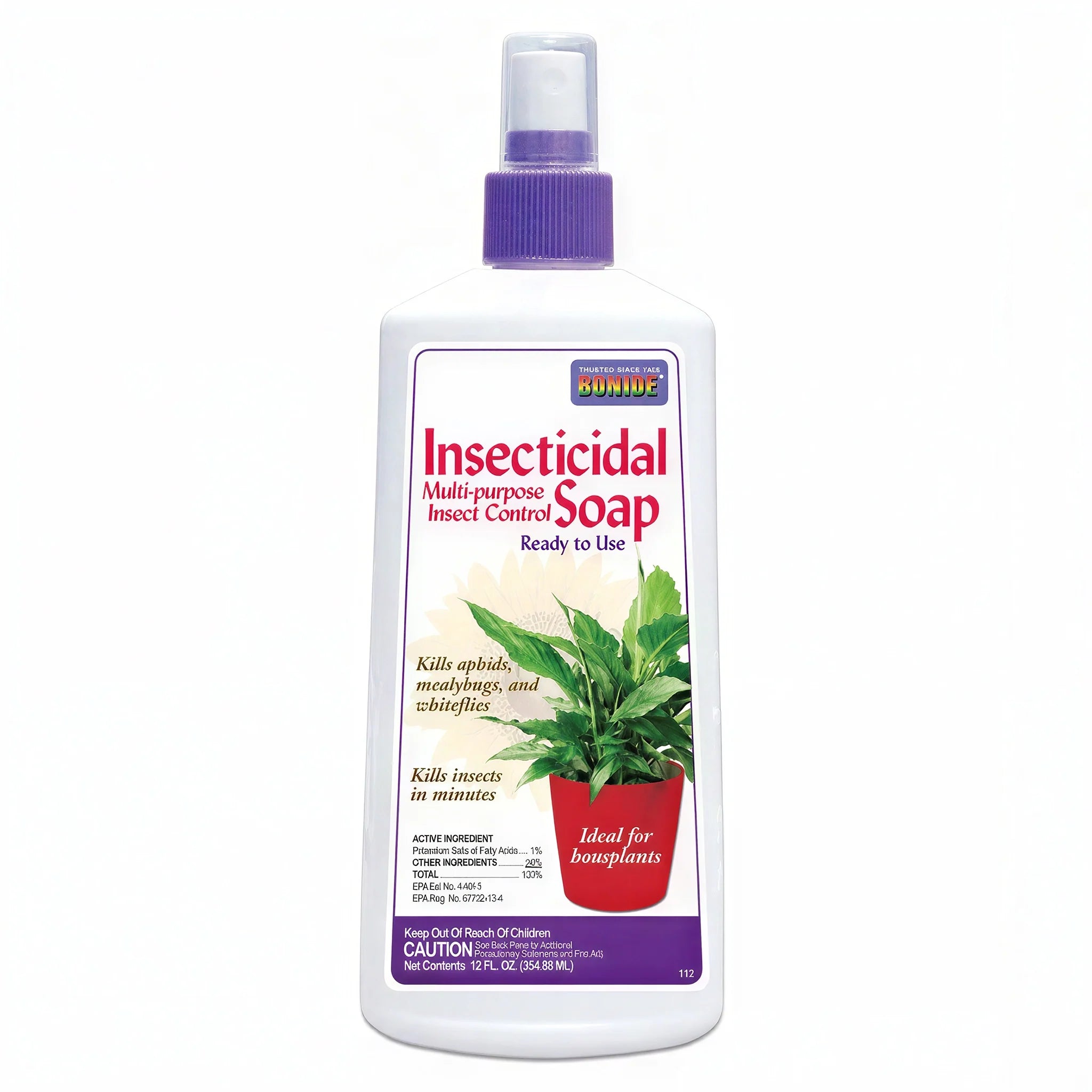
Cold-pressed neem oil does not mix directly with water -- it requires an emulsifier (typically insecticidal soap or a commercial neem oil emulsifier) to stay suspended in the spray solution. Standard mixing: combine 1-2 tablespoons of neem oil with 1 teaspoon of mild liquid soap (castile soap or insecticidal soap), mix thoroughly into a small amount of warm water to pre-emulsify, then add to the spray container and fill to volume. Apply at 1-2% neem oil concentration (1-2 tablespoons per quart) for most pest and disease applications. Always test on a small area of plant tissue 24 hours before full application to verify no phytotoxicity.
Can neem oil harm beneficial insects?
Neem oil has lower impact on beneficial insects than most conventional insecticides when applied correctly, but it is not risk-free. Direct wet spray contact with beneficial insects can be lethal -- apply during the dark period or early morning before beneficial insects are active, and allow sprays to dry before lights-on. Azadirachtin is most active on immature insect stages; adult beneficial insects are less susceptible but not immune. Predatory mites living on leaf surfaces are at greater risk from foliar neem sprays than soil-dwelling beneficials (Hypoaspis miles). After neem oil applications, wait 24-48 hours before releasing new beneficials to allow residues to dry and partially degrade.
Does neem oil control powdery mildew?
Yes -- neem oil provides effective preventive and early-treatment activity against powdery mildew through its antifungal oil compounds. Weekly preventive sprays to the upper and lower leaf surfaces reduce new colony establishment on treated tissue. For established powdery mildew colonies (visible white powder patches): neem oil can slow progression and reduce sporulation, but it does not fully eliminate established infections. Combine with physical removal of heavily infected tissue and improved air circulation to address established infections. Potassium bicarbonate spray (a separate organic fungicide) provides more rapid knockdown of established powdery mildew colonies than neem oil alone.
How often should I apply neem oil?
For pest management: apply every 7-10 days as part of a preventive IPM program, or every 5-7 days when treating active pest pressure. Neem oil residues degrade relatively quickly -- UV light, heat, and water accelerate breakdown, so multiple applications are needed to maintain coverage. For disease prevention: weekly applications provide good continuous protection against powdery mildew and other foliar diseases. Avoid applications within 2 weeks of harvest for edible crops -- verify the specific product's pre-harvest interval on the label. Do not apply in high heat (above 90 degrees F) or in direct strong light -- apply during the dark period or in the morning before lights reach full intensity.