UV Spectrum LED Grow Lights for Indoor Growing
Ultraviolet (UV) light -- encompassing UVA (315-400nm) and UVB (280-315nm) wavelengths -- sits just below the visible spectrum and outside the standard photosynthetically active radiation (PAR) range of 400-700nm. Despite not driving primary photosynthesis, UV exposure triggers a range of plant stress responses and secondary metabolite production that can measurably affect the quality characteristics of harvested plant material. UV supplementation is most commonly applied during the final 2-4 weeks of the flowering cycle, when the dose-dependent stress response drives the largest quality improvements. Most standard full-spectrum LED grow lights include minimal UV content; dedicated UV supplement bars and UV-equipped fixtures deliver meaningful UV doses to the canopy.
How UV Light Affects Plants
Plants exposed to UV radiation activate photoprotective stress responses -- producing flavonoids, anthocyanins, and in some species, secondary compounds associated with aroma and quality characteristics. The specific response varies significantly by crop variety and UV dose (intensity x duration x wavelength distribution). UVA (315-400nm) is more commonly included in commercial grow light spectra and triggers a gentler stress response with more consistent quality improvement across varieties. UVB (280-315nm) is more potent per photon but can cause photobleaching and tissue damage at excess doses -- typically applied in lower intensities and shorter daily durations than UVA. The most impactful UV supplementation research shows consistent effects when applied 2-6 hours per day during the final weeks of flowering. See our updated UV light for plants guide for a full breakdown of research findings and application guidance.
UV Supplement Bars vs. UV-Equipped Fixtures
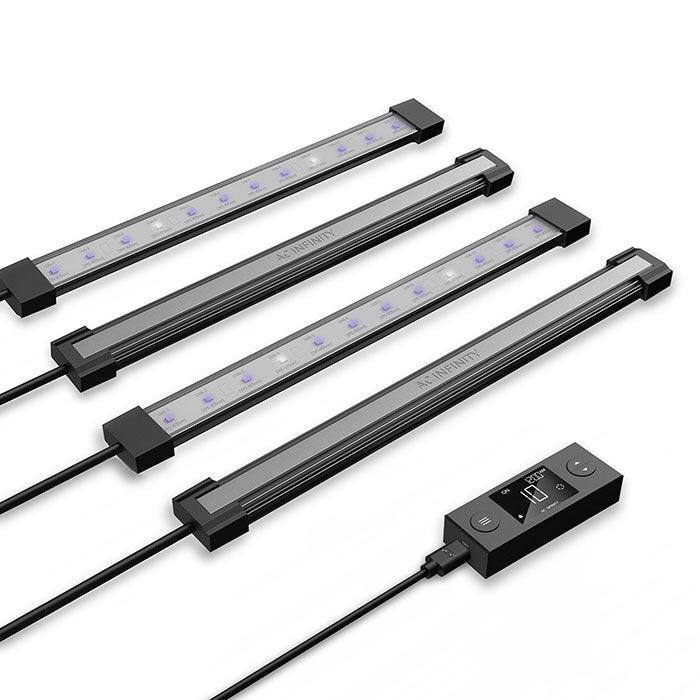
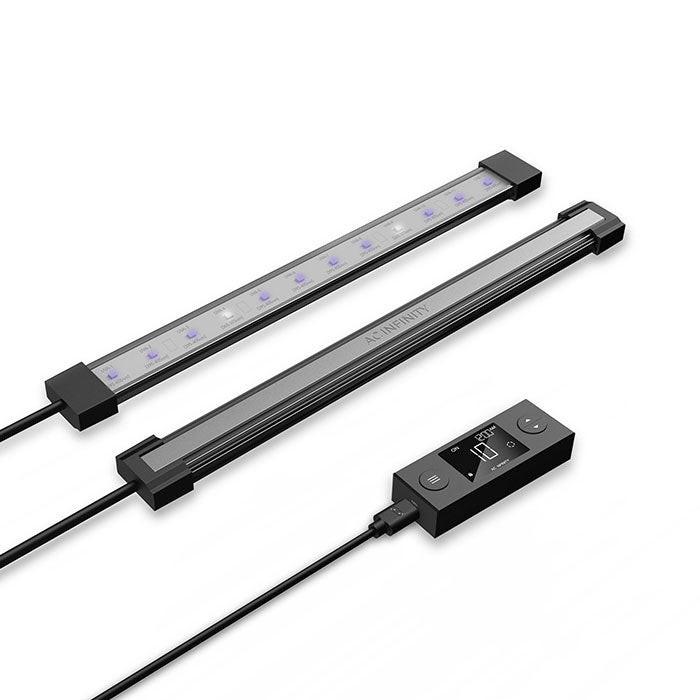
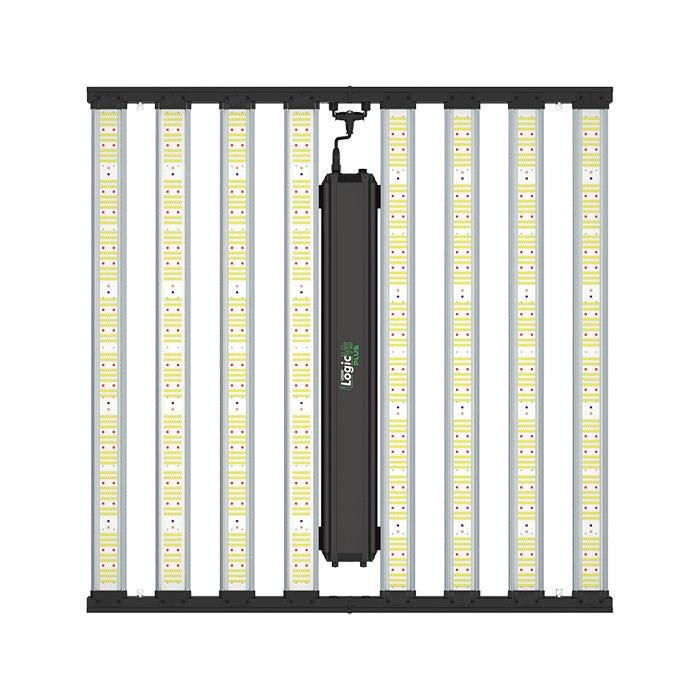
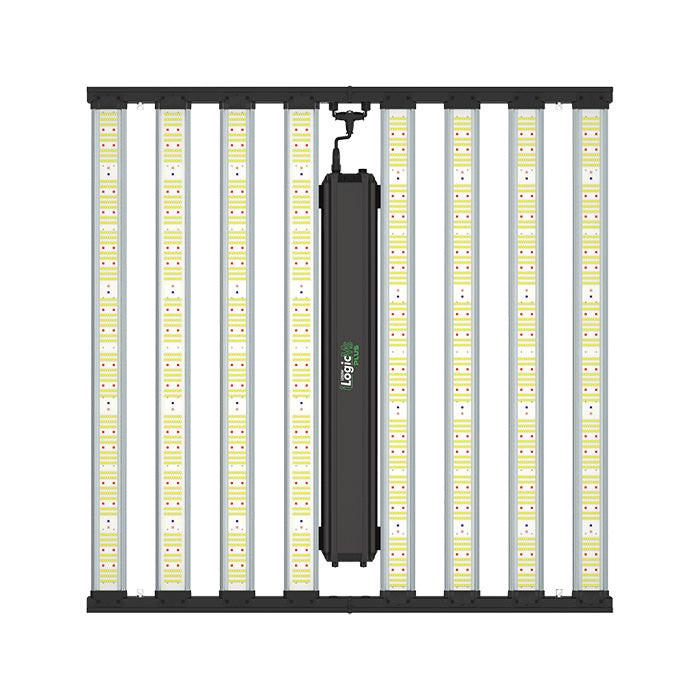
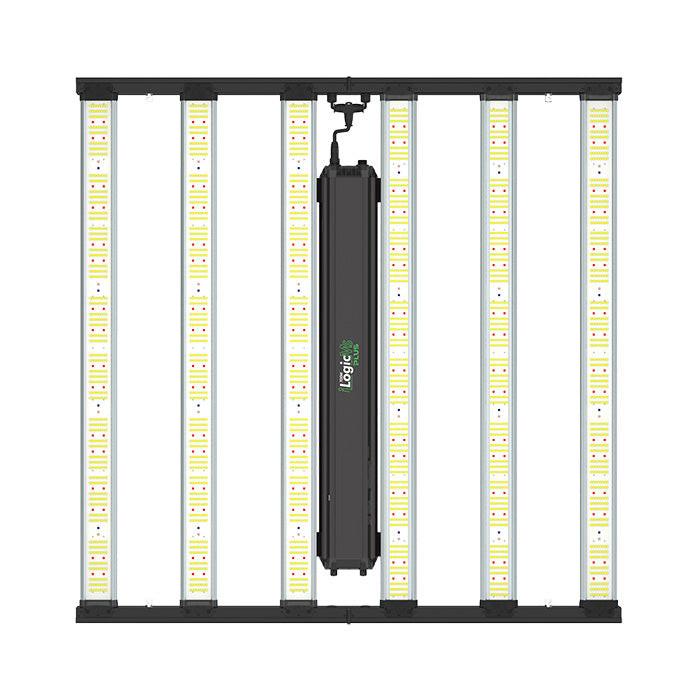
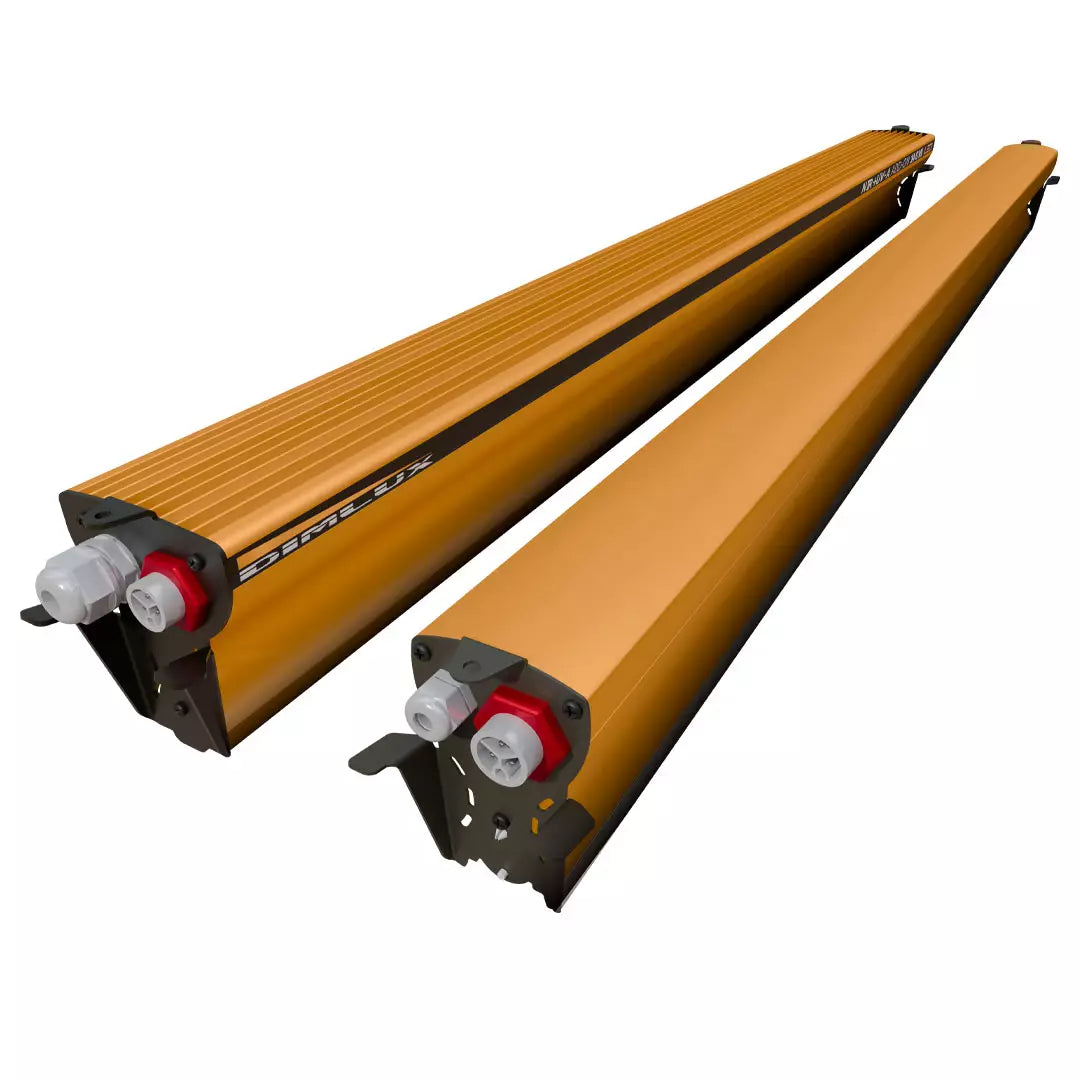
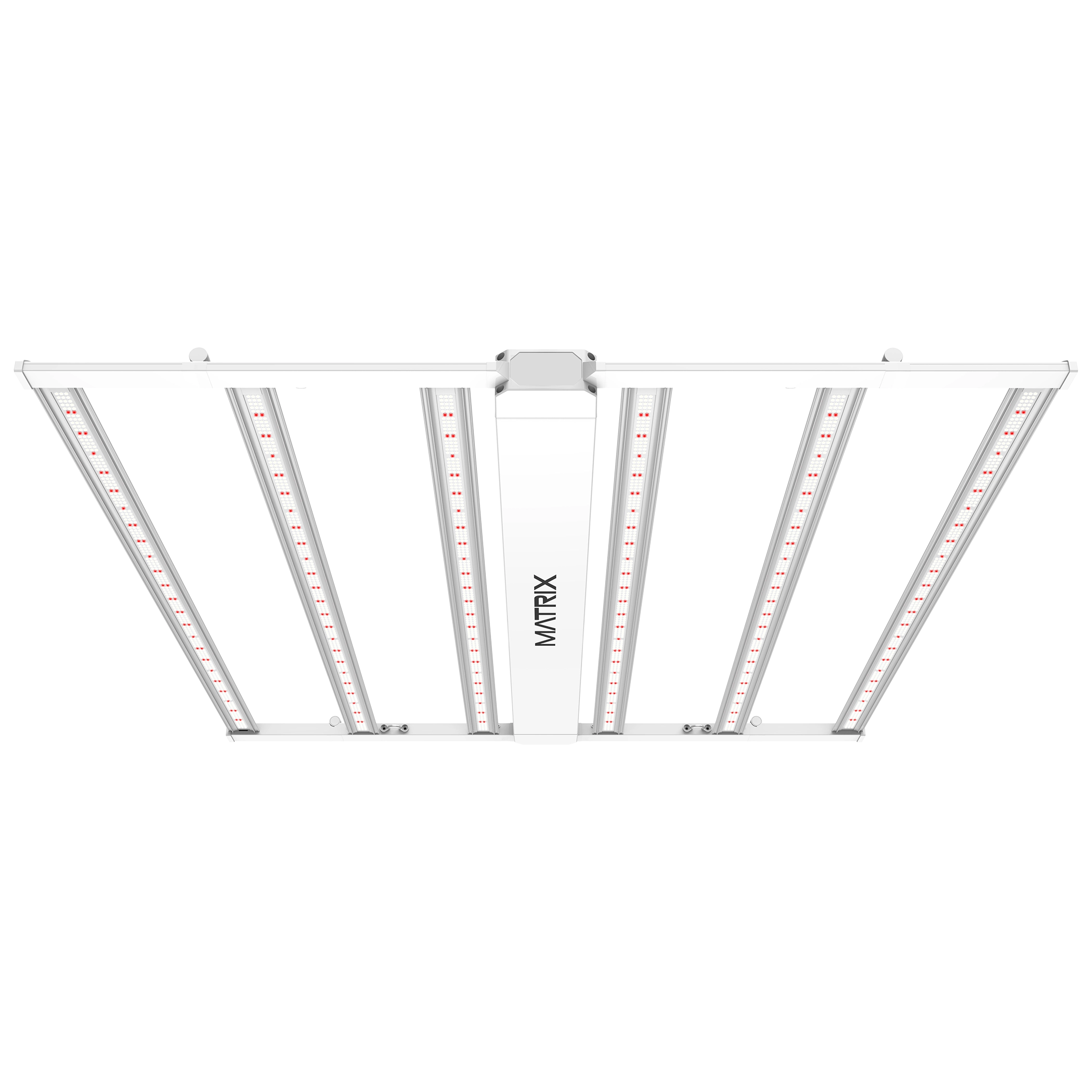
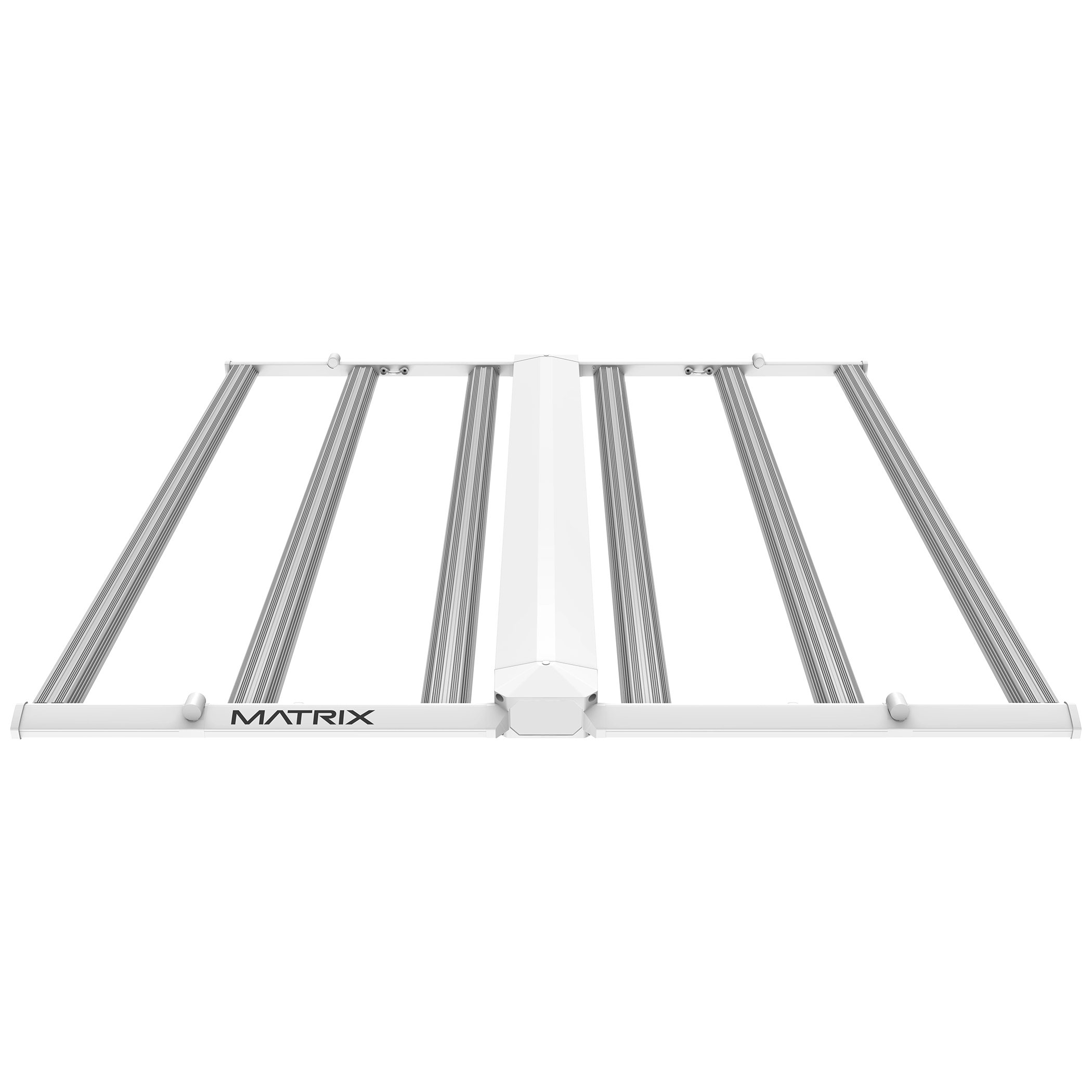
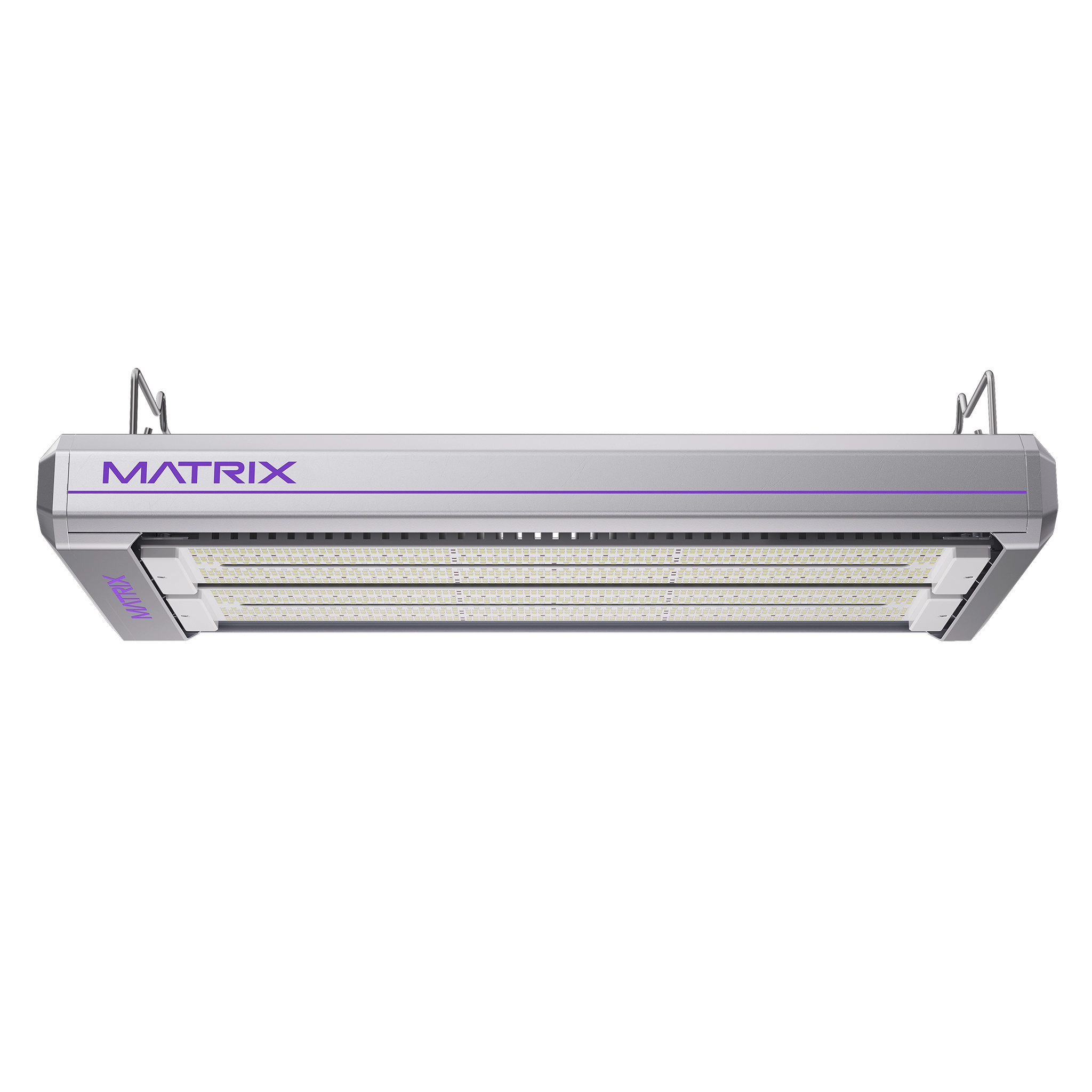
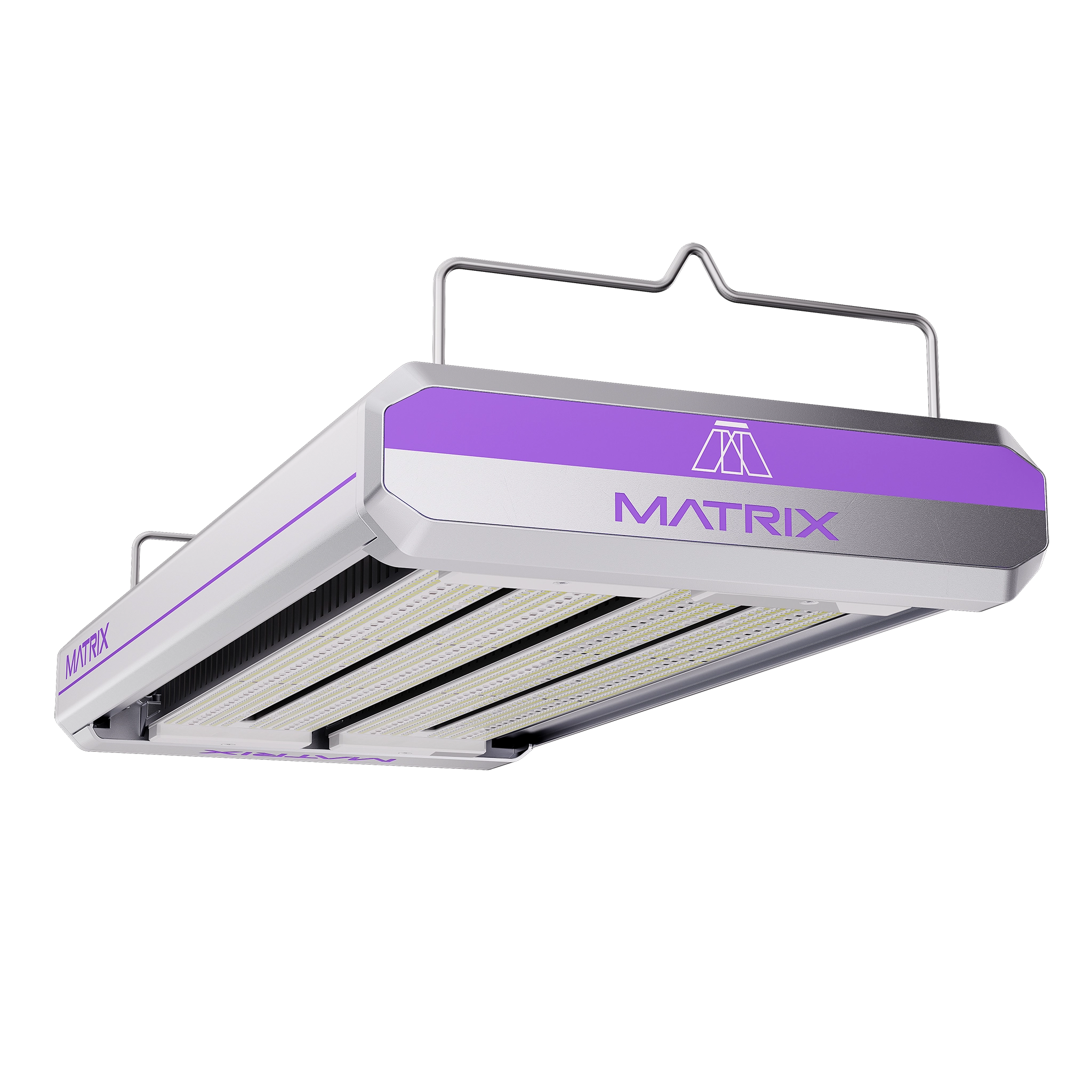
UV supplement bars are standalone LED bars containing UV-specific diodes, designed to hang alongside your existing primary LED grow lights and add UV exposure during targeted periods (often connected to a separate timer running 2-4 hours per day during the light period). They provide flexibility -- UV can be added to any existing fixture without replacing it. UV-equipped full-spectrum fixtures integrate UV diodes within the primary fixture, often on a separate dimmable channel that can be activated and adjusted independently from the main white-light output. Some commercial bar arrays from qualified brands include built-in UV channels as a separate controllable input -- the most integrated approach but requiring a compatible controller for independent UV channel management. Expert support available.
UV Spectrum LED Grow Lights FAQ
Do UV grow lights actually improve plant quality?
Yes, with crop-variety-dependent results. Research consistently shows that UV exposure during the final flowering stage increases production of UV-protective secondary metabolites -- flavonoids, anthocyanins, and variety-specific secondary compounds. The magnitude of improvement varies by crop variety, UV dose (intensity x duration), and which specific quality metrics matter for your crop. For vegetable crops, UV can enhance nutritional density and color development. For flowering crops, UV is primarily applied to influence secondary metabolite production. Apply for 2-6 hours per day during the final 2-4 weeks of flowering for the best results documented in available research.
Is UV light safe for growers?
UV-B radiation is harmful to human skin and eyes with sufficient exposure -- the same mechanism that causes sunburn. UV supplement bars and UV-equipped fixtures should not be operated in occupied grow spaces without appropriate protective eyewear rated for UV protection. Most grow room UV supplementation is conducted during unoccupied periods or with UV-rated protective glasses. UV-A (315-400nm) is less hazardous than UV-B at the intensities used in grow room applications, but protective eyewear is still strongly recommended whenever UV-emitting fixtures are operating. Browse our grow room glasses and eyewear collection for UV-rated protective options.
When in the growing cycle should I use UV supplementation?
UV supplementation is most commonly applied during the final 2-4 weeks of the flowering stage -- the period when secondary metabolite production is most responsive to UV-induced stress. Applying UV during vegetative growth or early flowering can trigger morphological changes (shorter internodal spacing, thicker leaves) and stress responses that may not align with growth goals at those stages. Some growers apply brief UV doses during late vegetative growth to harden plants before the more intensive UV program during late flower. Start with 1-2 hours per day and increase gradually if plants show no adverse stress symptoms (bleaching, leaf tip burn, or excessive leaf curling).