Trim Bins & Trim Trays for Harvest Processing
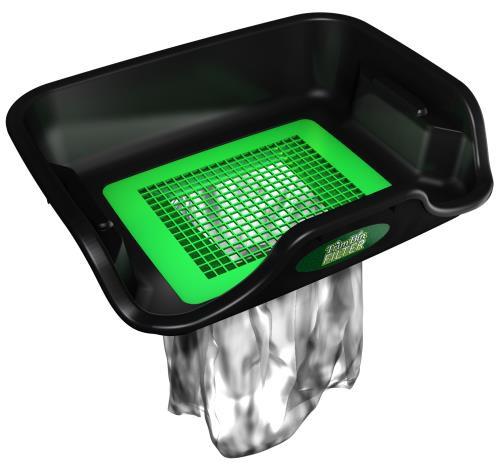
Trim bins and trim trays are the organizational workstation for any hand-trimming operation -- providing a contained surface for trimming work, a collection area for trimmed plant material, and in many designs, a fine-mesh screen that allows small particles to fall through for separate collection. For any grower doing regular hand trimming with scissors, a quality trim tray transforms the workflow from managing loose material on an improvised surface to a clean, contained, ergonomic setup that reduces mess and speeds up processing. For machine trimming operations, trim trays serve as the collection and staging point for material before and after the trimmer pass.
Trim Bin Types: Silkscreen, Stainless & Collapsible
Silkscreen trim bins are the most widely used format for hand trimming -- a bowl or tray with a stretched fine mesh screen (typically 150-220 micron) across the bottom. Trim material is worked over the screen surface; fine particles fall through to a collection tray below. Stainless steel trim bowls provide a cleanable, non-reactive surface that does not absorb residue and withstands cleaning solvents -- preferred for hygienic commercial processing environments. Collapsible trim trays fold flat for storage and are well-suited to hobby growers who set up and break down their trim workspace between sessions. Pair with trimming scissors for a complete hand-trimming workstation, and see our full trimming machines collection for automated trimming options at higher volumes.
Sizing & Material Quality
For hobby hand-trimming sessions: a standard 16-20 inch diameter trim bin provides adequate workspace for processing 1-4 oz per session. For longer sessions or larger volumes: a wider tray (24+ inches) reduces the frequency of clearing and restaging material. Stainless steel construction is preferred for longevity and cleanability in any commercial or semi-commercial application. Plastic trim bins are adequate for hobby use but degrade faster with repeated solvent cleaning and can harbor residue in scratches over time. Fast shipping.
Trim Bins & Trim Trays FAQ
What is a trim bin and why do I need one?
A trim bin provides a contained, organized workstation for hand-trimming harvested plant material. Rather than working on a flat table where plant material and trim scatter freely, a trim bin keeps material contained within the bowl or tray walls, allows fine particles to fall through the screen for separate collection, and provides an ergonomic raised surface for scissor work. For any grower doing regular hand trimming, a trim bin reduces mess, speeds up collection, and makes cleanup significantly easier after each session.
What mesh size should a trim bin screen be?
150-220 micron mesh is the standard range for trim bins. This mesh size passes fine particles while retaining the trimmed plant material being worked over the surface. Finer mesh (100-150 micron) passes less material but may require more frequent cleaning as the screen clogs faster. Coarser mesh (220+ micron) passes more material but catches less of the fine particulate fraction that falls through during trimming. For standard hand-trimming sessions, 150-190 micron screens provide the best balance.
Can I use a trim bin with a trimming machine?
Yes -- trim bins work well as collection and staging surfaces alongside trimming machines. Use the tray to load material before feeding into the machine, collect machine-trimmed output for inspection and sorting, and stage material for the hand-finishing pass with scissors that follows most machine trimming sessions. For operations using a CenturionPro, Triminator, or Twister machine, a trim bin keeps the workflow organized between the machine output and the final hand-finish step.
How do I clean a trim bin?
For silkscreen trim bins: soak the screen in 90%+ isopropyl alcohol for 5-10 minutes to dissolve resin and plant residue, then rinse with warm water and allow to dry completely before the next use. For stainless steel bowls: wipe with isopropyl alcohol, rinse, and dry. For plastic trim bins: isopropyl alcohol cleaning is effective but repeated solvent exposure gradually degrades plastic surfaces -- replace plastic bins when visible residue buildup is no longer cleanable. Keep a small brush for removing dry particulate from screen mesh before soaking.
What other equipment do I need alongside a trim bin?
A complete hand-trimming workstation includes: trim bin for containment and collection, quality trimming scissors (curved blade for rough trimming, straight blade for detail work -- see our trimming scissors collection), isopropyl alcohol in a small container for cleaning scissors during the session, and nitrile gloves. After trimming, move material to drying racks for the drying phase. For our full guide to the trimming toolkit, see the essential trimming accessories guide in our Learning Center.