Harvest Trimming Machines, Tools & Post-Harvest Supplies
The post-harvest workflow from cut plant to final cured product involves several distinct processing stages -- each requiring specific tools matched to the scale of the operation and the quality standards of the final product. Having the right equipment for each stage improves processing speed, reduces labor cost, protects product quality, and makes harvest day manageable rather than overwhelming. Hydrobuilder carries the full range of post-harvest processing tools from personal-scale manual scissors through commercial drum trimmers and complete workflow supply packages.
Trimming Equipment by Scale
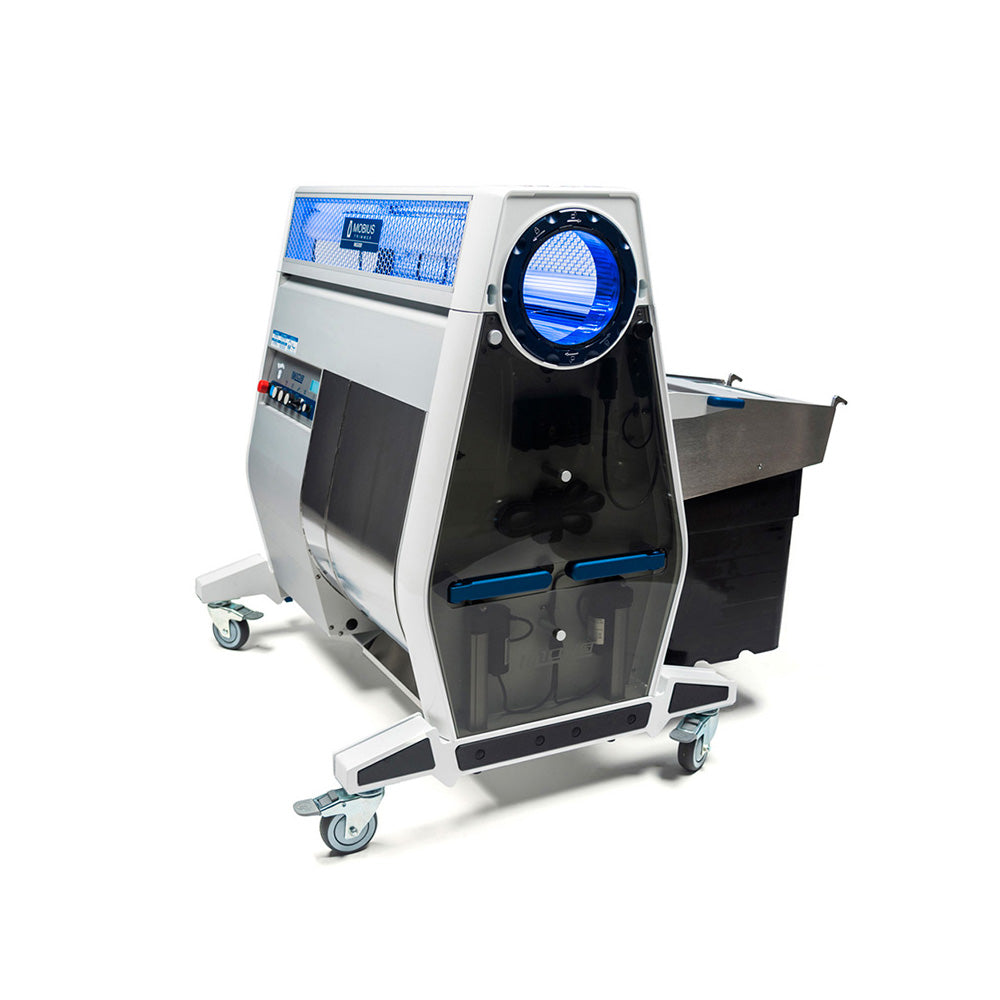
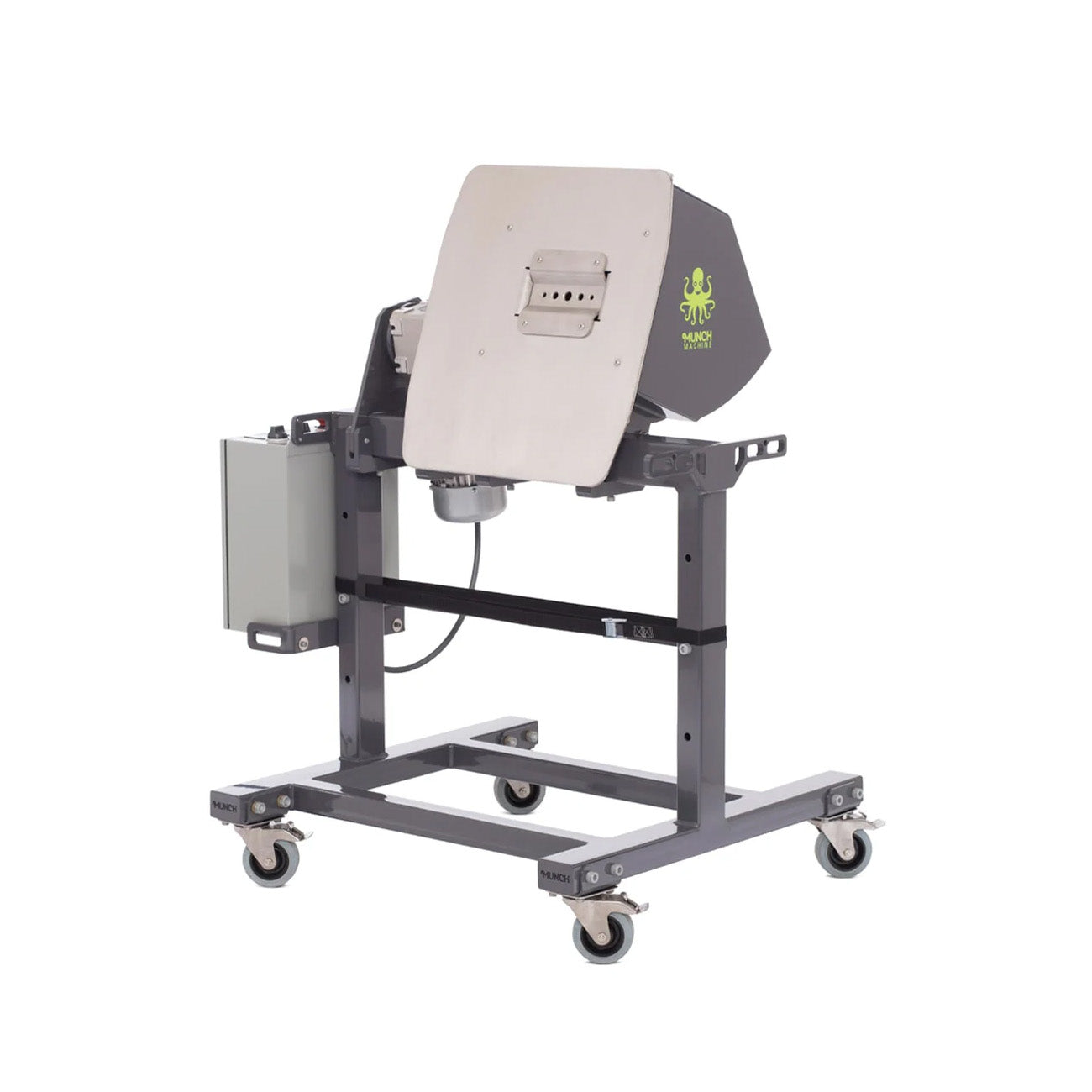
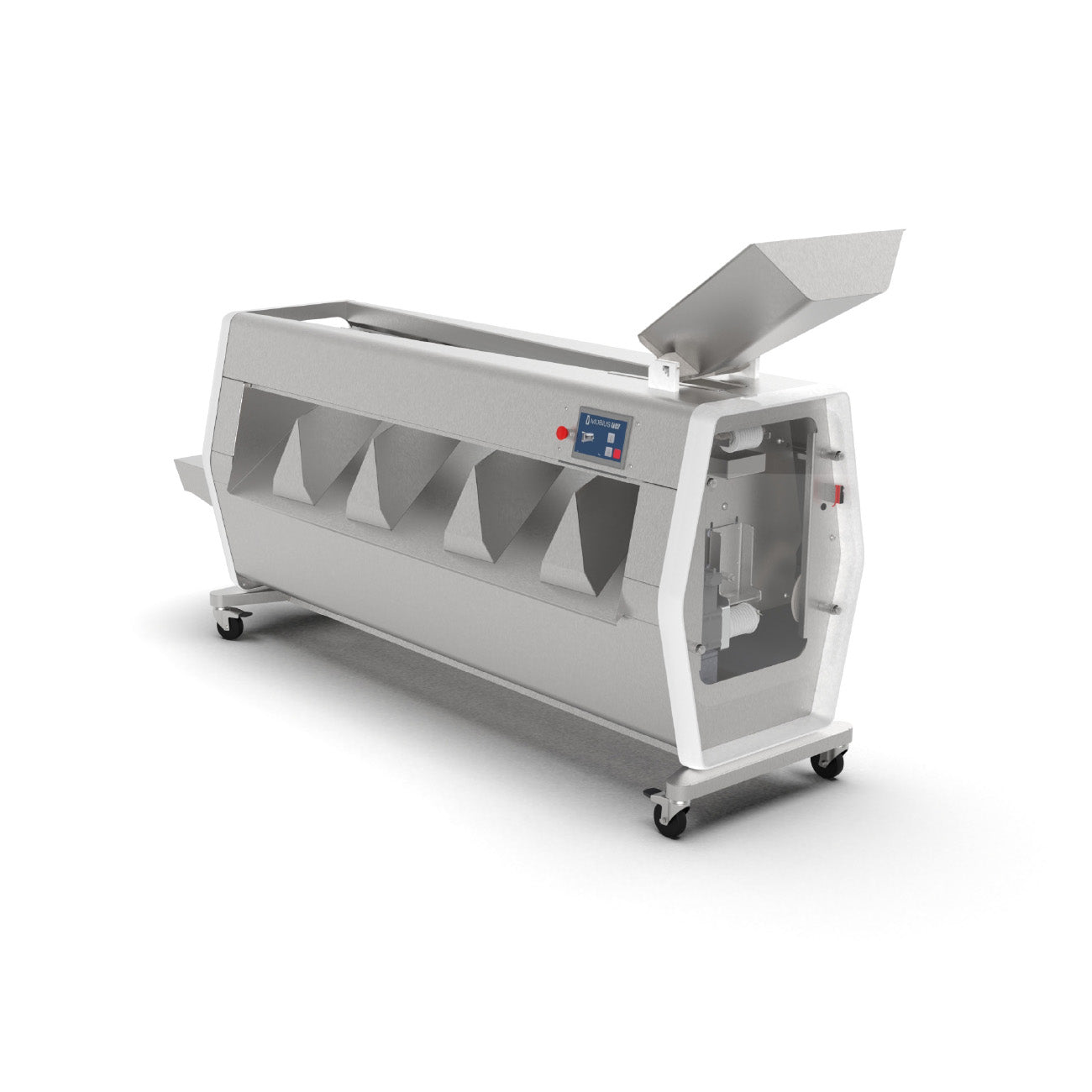
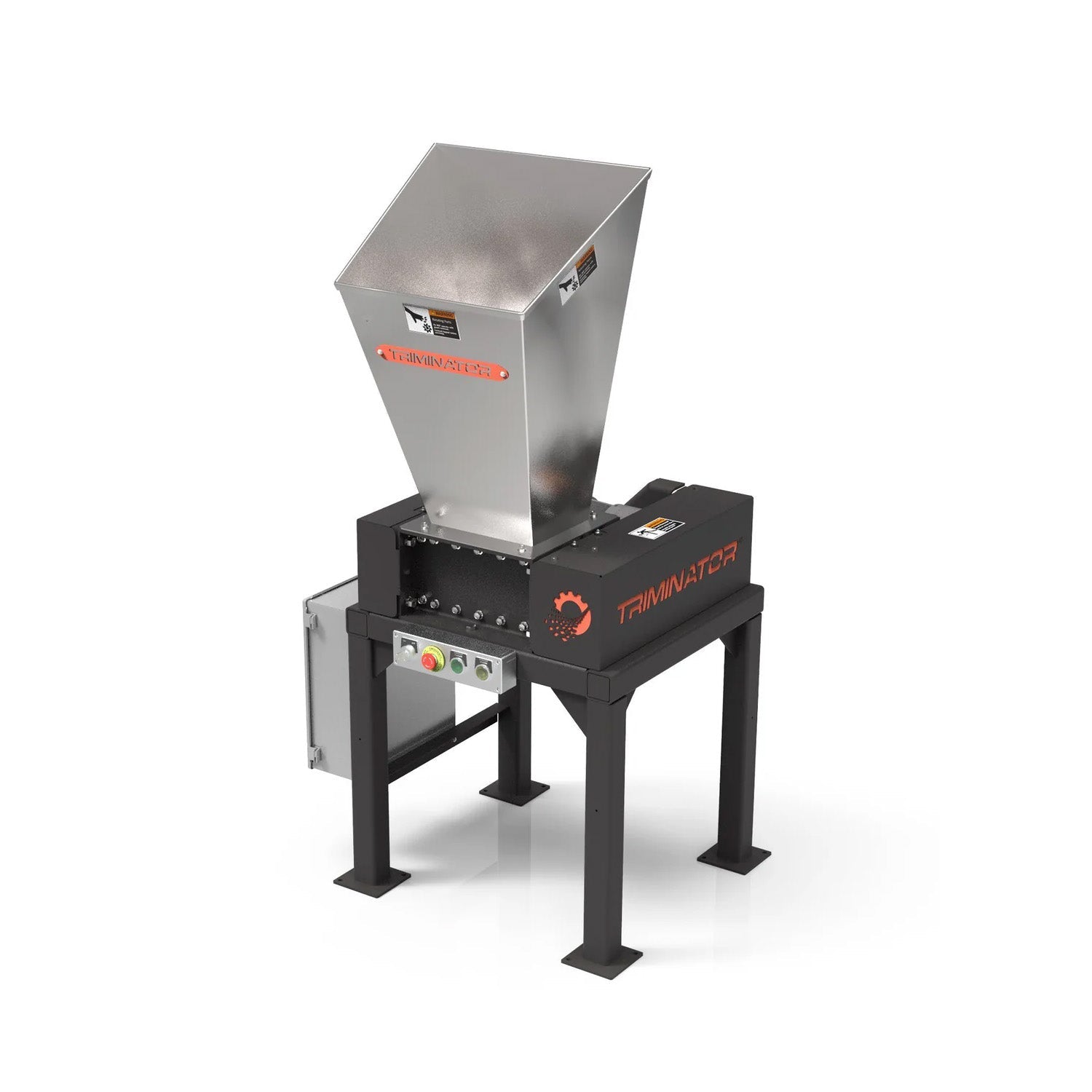
Personal scale (under 4 oz per harvest): quality trimming scissors -- curved blade models like Chikamasa are the ergonomic standard -- produce the finest cut quality at low throughput. Small scale (4 oz to 1 lb): a bowl trimmer (16-19 inch) provides 3-5x faster processing than hand scissors with good quality. Mid scale (1-5 lbs per session): a tabletop electric trimmer (Twister T2, Triminator Dry) processes 1-3 lbs per hour continuously. Commercial scale (5+ lbs): commercial drum trimmers or stand-up machines process 5-30+ lbs per hour. Match the machine to your volume -- an undersized machine creates a harvest day bottleneck; an oversized machine is unnecessary capital expense for the volume processed.
Supporting Supplies for the Full Workflow
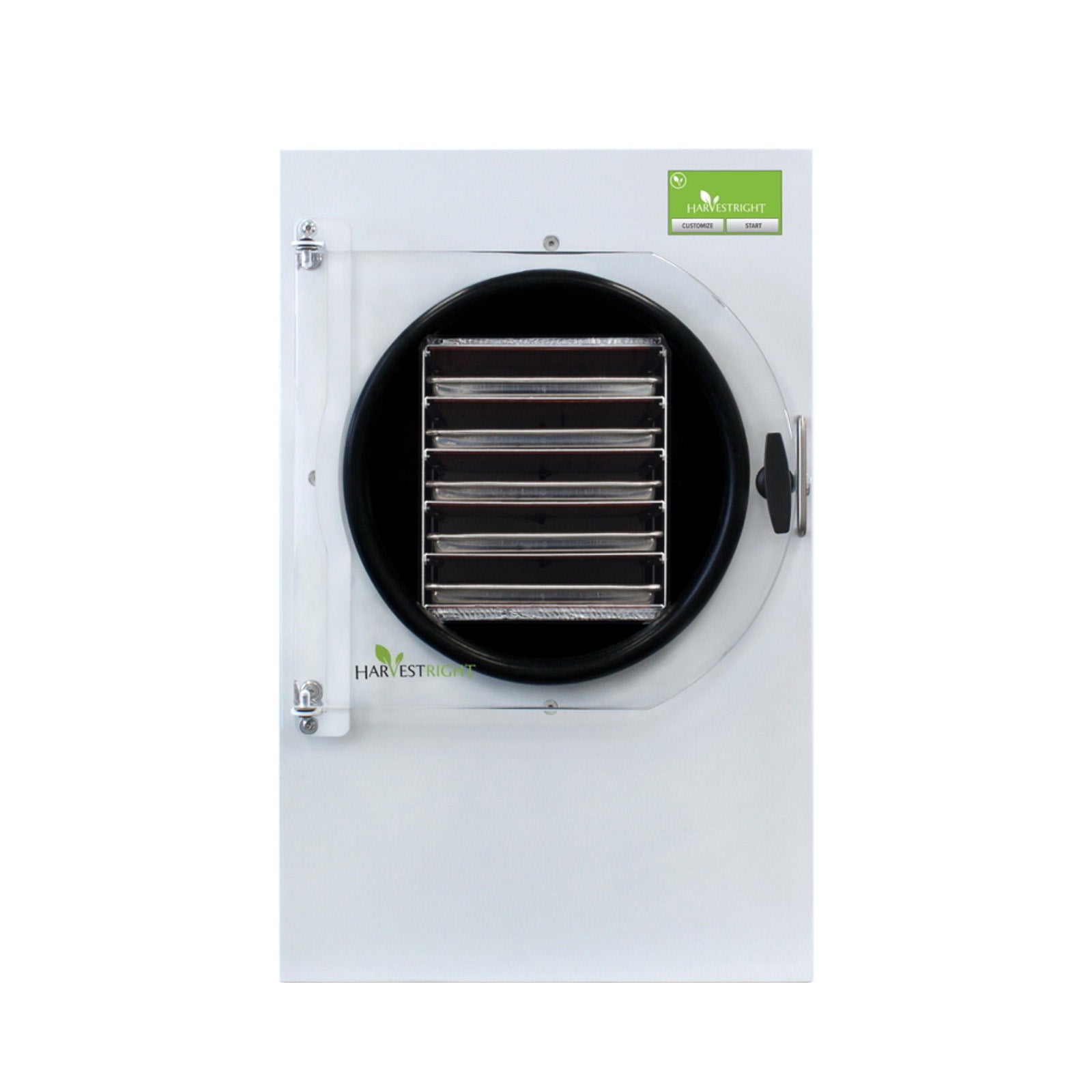
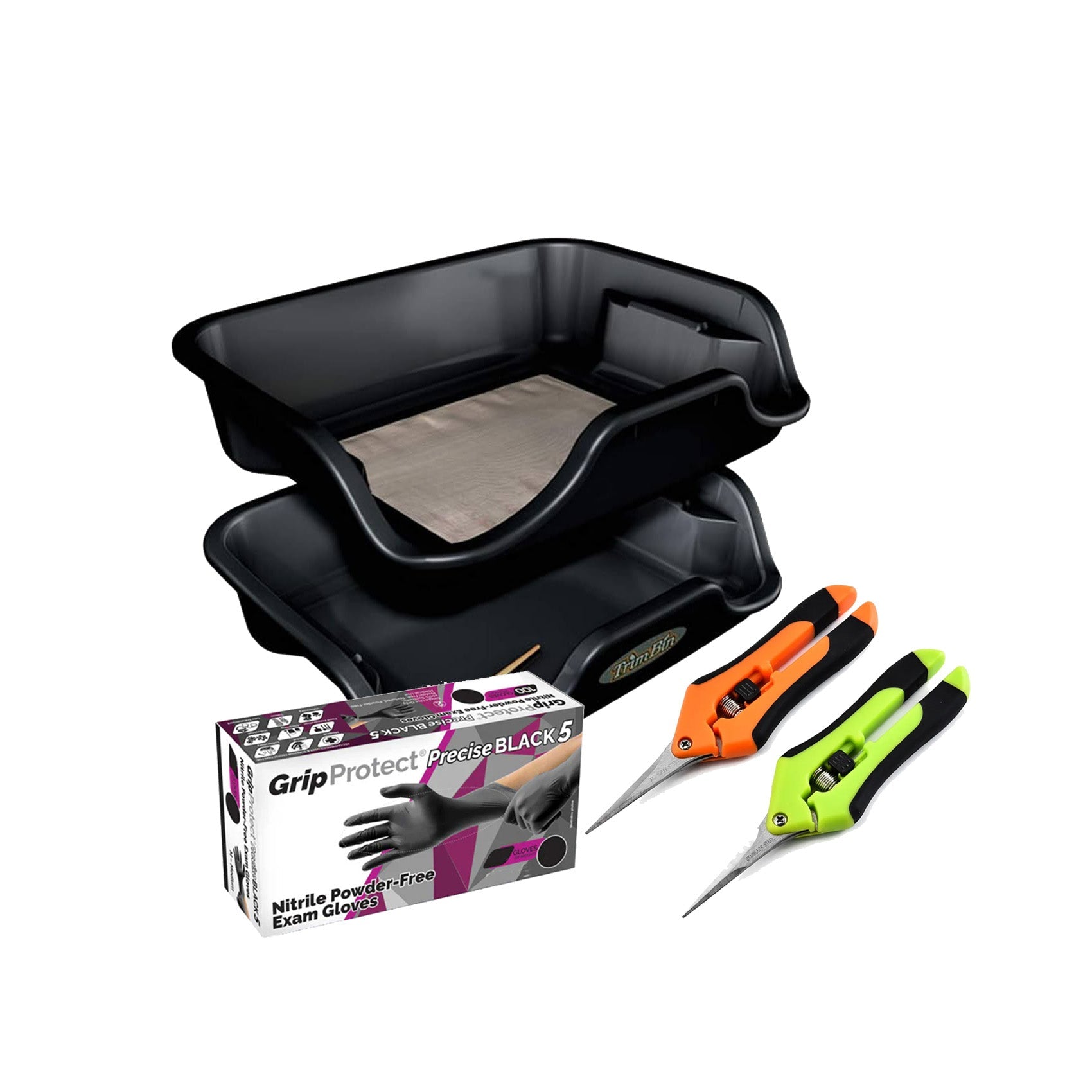
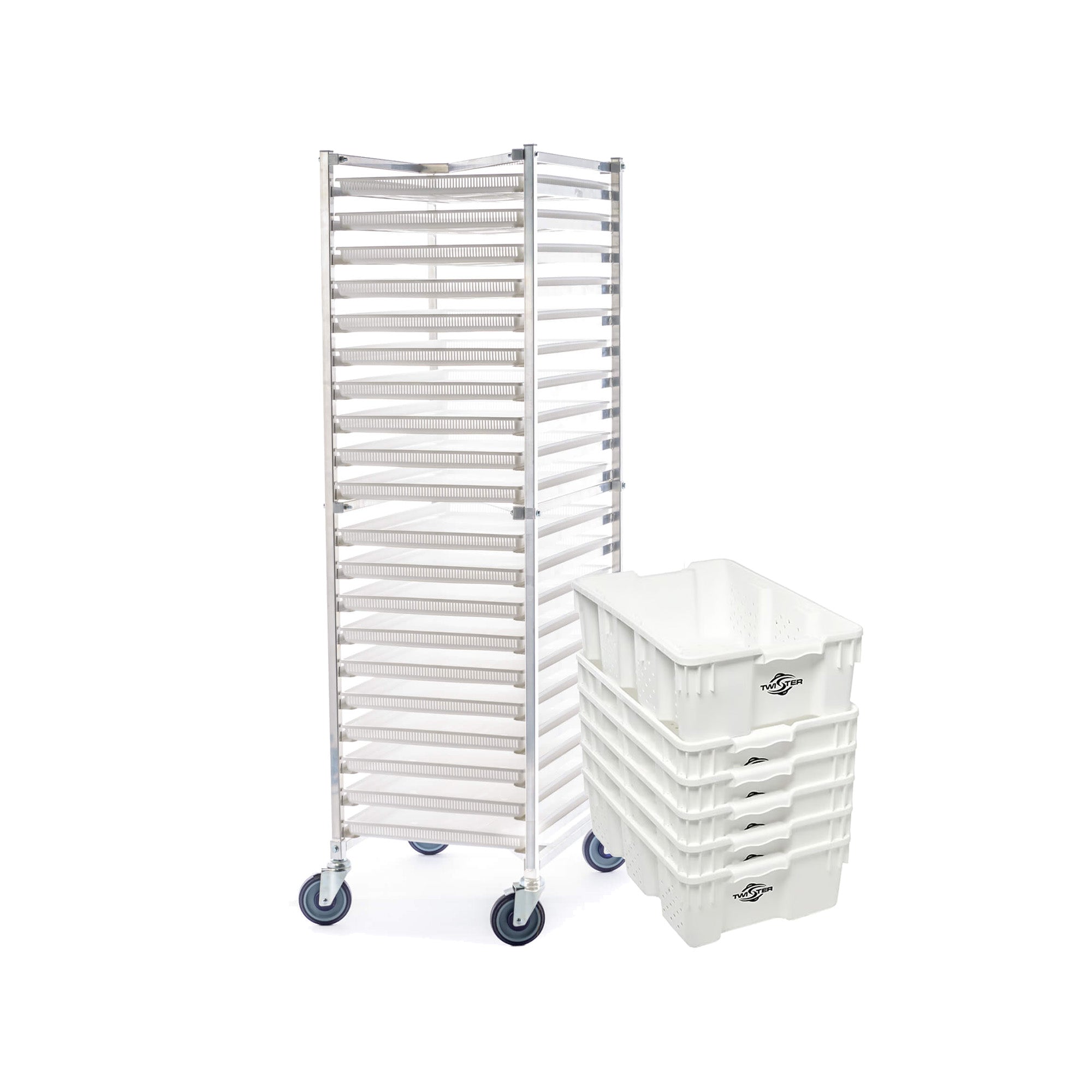
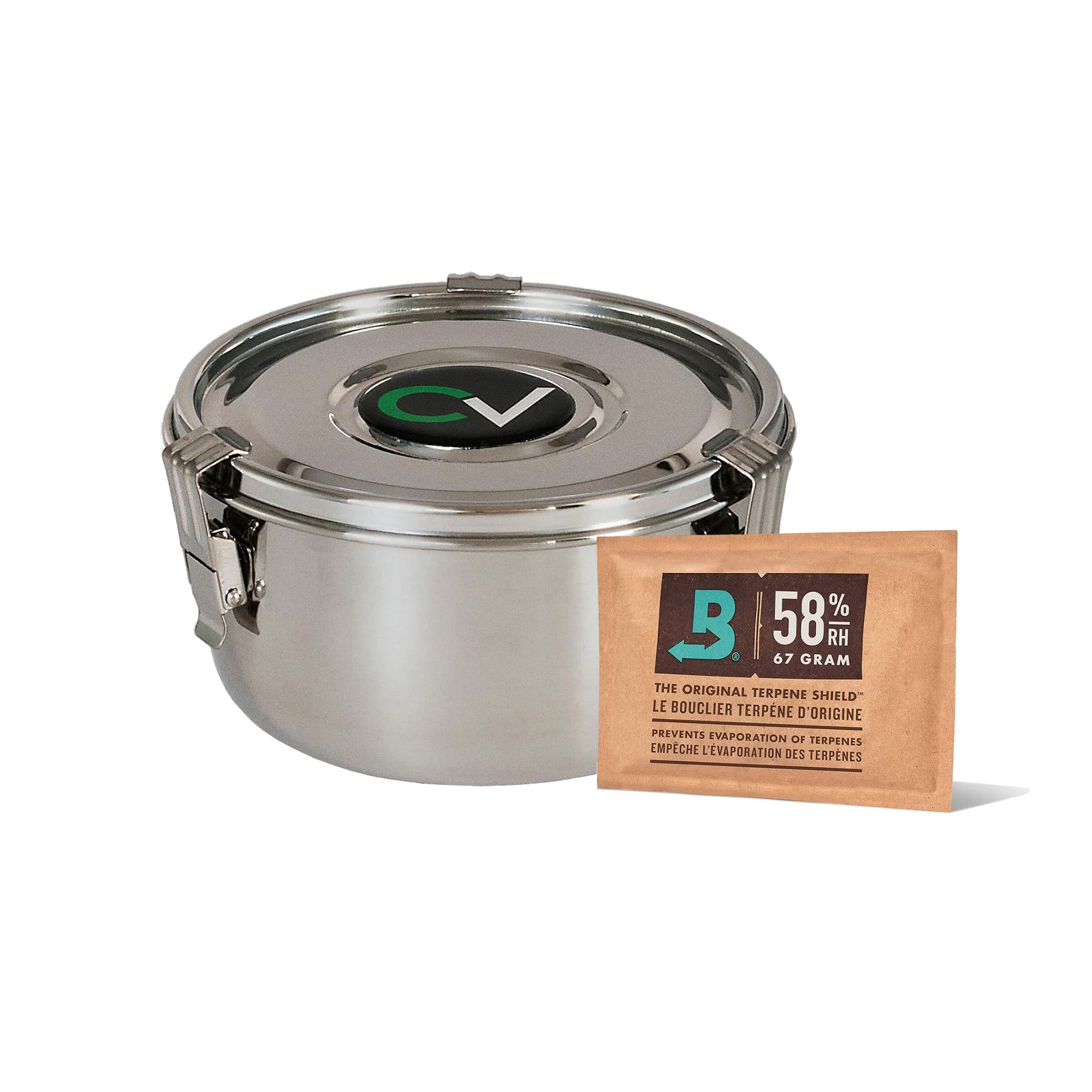
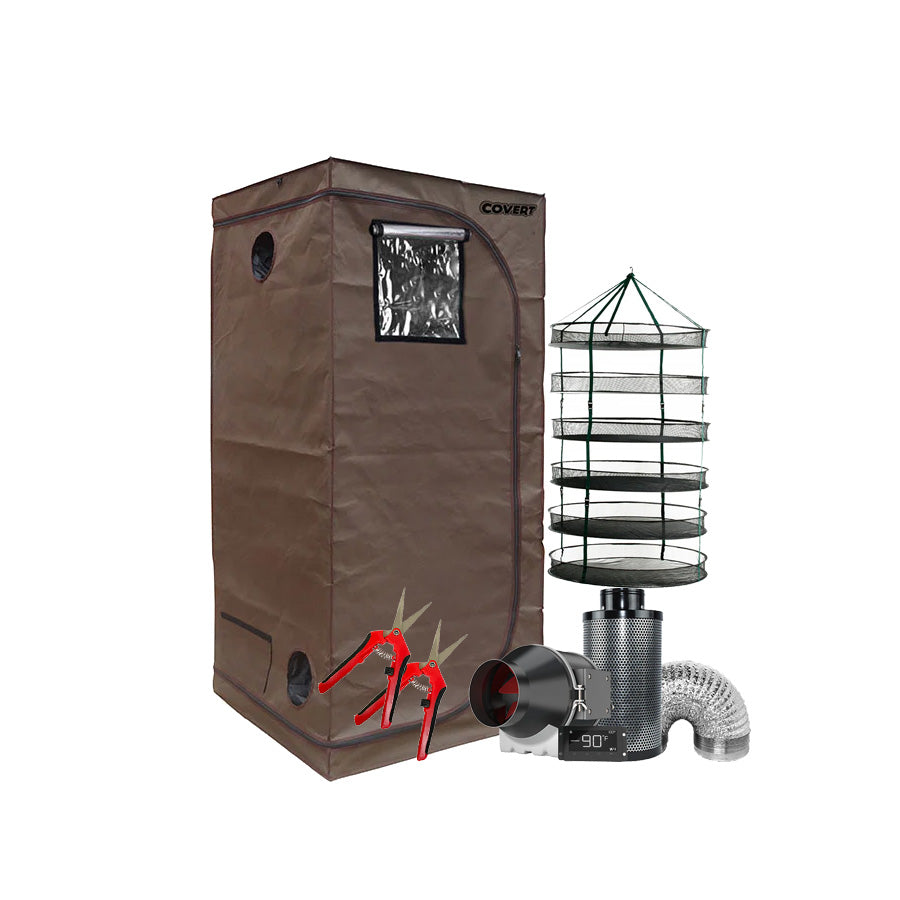
Trim trays and trim bins catch falling material and allow collecting the fine trim that drops during processing. Drying racks with multiple tiers provide efficient drying space after trimming. Storage bags and curing containers complete the workflow from trimmed product through cure and final storage. For complete harvest packages that bundle trimming, drying, and storage supplies in a single purchase, browse our harvest kits collection. Fast shipping.
Harvest Trimming FAQ
What post-harvest equipment do I need for a first harvest?
For a first personal-scale harvest: a pair of quality trimming scissors, a small trim tray to catch material below your work area, a multi-tier drying rack sized for your harvest volume, and mason jars with humidity packs for curing. This basic setup covers all four post-harvest stages (trim, dry, cure, store) at minimal investment. For harvests above 1-2 oz, a bowl trimmer adds significant time savings over hand trimming alone. For larger harvests, see the scale guide in the main article above.
Should I trim before or after drying?
Wet trimming (before drying) is faster -- fresh leaves are easy to cut and the trimming machine or scissors cut cleanly. The plant dries more quickly after wet trimming because more leaf surface area is removed. Dry trimming (after drying) produces a slower, more even dry and many growers feel it better preserves aromatic compounds during the drying phase, since the intact leaf covering provides some protection during the slower dry. Dry trimming is more labor-intensive because dried leaves curl and are harder to remove. Both produce excellent results -- the choice comes down to workflow timing and personal preference.
How long does trimming take for different harvest sizes?
Hand trimming: approximately 1-2 hours per ounce of wet-trimmed material for careful work, faster for rough trimming. A 4 oz harvest takes 4-8 hours by hand -- manageable for one person. At 1 lb (16 oz), hand trimming becomes a multi-day project. A bowl trimmer processes 2-4 oz per 5-minute cycle -- a 1 lb harvest in 30-40 minutes of active processing. A tabletop electric trimmer at 1-2 lbs per hour processes 1 lb in 45-60 minutes. For commercial harvests above 5 lbs, a commercial drum trimmer dramatically reduces the bottleneck.
What is the best trimming machine for the money?
The best value depends on your scale. For occasional 1-2 lb harvests: a quality 19-inch bowl trimmer (Twister brand or equivalent) offers good quality at moderate cost. For regular 1-4 lb harvests: a tabletop Triminator Dry or Twister T2 -- slightly higher investment but continuous throughput rather than repeated bowl cycles. For commercial 5+ lb harvests: Mobius M108S, Twister T4, or CenturionPro at the appropriate throughput tier. Do not undersize based on current volume if you expect production to scale -- upgrading machines midway costs more than buying the right size initially.
How do I get the best quality finish from a trimming machine?
Machine trimming produces a good base trim but rarely matches the precision of careful hand finishing on premium product. For best quality from a machine: trim slightly early (wet material at peak moisture) rather than over-dried material that crumbles; run material through in small batches rather than overfilling the drum or bowl; and do a hand-finishing pass on premium product after the machine removes the bulk leaf material. Clean blades and screens between batches -- resin-coated blades tear rather than cut cleanly. Adjust drum speed to the minimum that produces adequate trim -- slower speed reduces mechanical stress on the material.