Synthetic & Mineral Nutrients for Hydroponics & Soil
Synthetic (mineral or inorganic) nutrients are chemically manufactured plant fertilizers in which nutrient elements are provided as immediately plant-available ionic compounds - no biological breakdown required for uptake. In contrast to organic nutrient sources that rely on soil microbial activity to convert organic matter into plant-available forms, synthetic nutrients deliver nitrogen as nitrate or ammonium ions, phosphorus as phosphate, and other elements in forms that plant roots absorb directly. This immediate availability makes synthetic nutrients the standard choice for hydroponic growing, where there is no soil biology to mediate organic nutrient conversion, and for any growing program where precise, predictable EC management is the priority.
Synthetic vs. Organic Nutrients
The synthetic vs. organic nutrient debate is largely a question of growing medium, scale, and priorities. In hydroponic systems - coco coir, rockwool, DWC, NFT - synthetic nutrients are the only practical approach: there is no soil microbial ecosystem to break down organic matter, and organic nutrient inputs can foul recirculating systems with particulate and organic load that reduces dissolved oxygen and clogs emitters. In soil and living soil programs, organic nutrient sources feed the soil biology that makes nutrients available indirectly - a more forgiving, buffered approach where the soil absorbs errors that would directly affect plants in a hydroponic program. Most commercial CEA operations use synthetic mineral nutrients for their precision, consistency, and compatibility with automated fertigation systems.
Major Synthetic Nutrient Programs
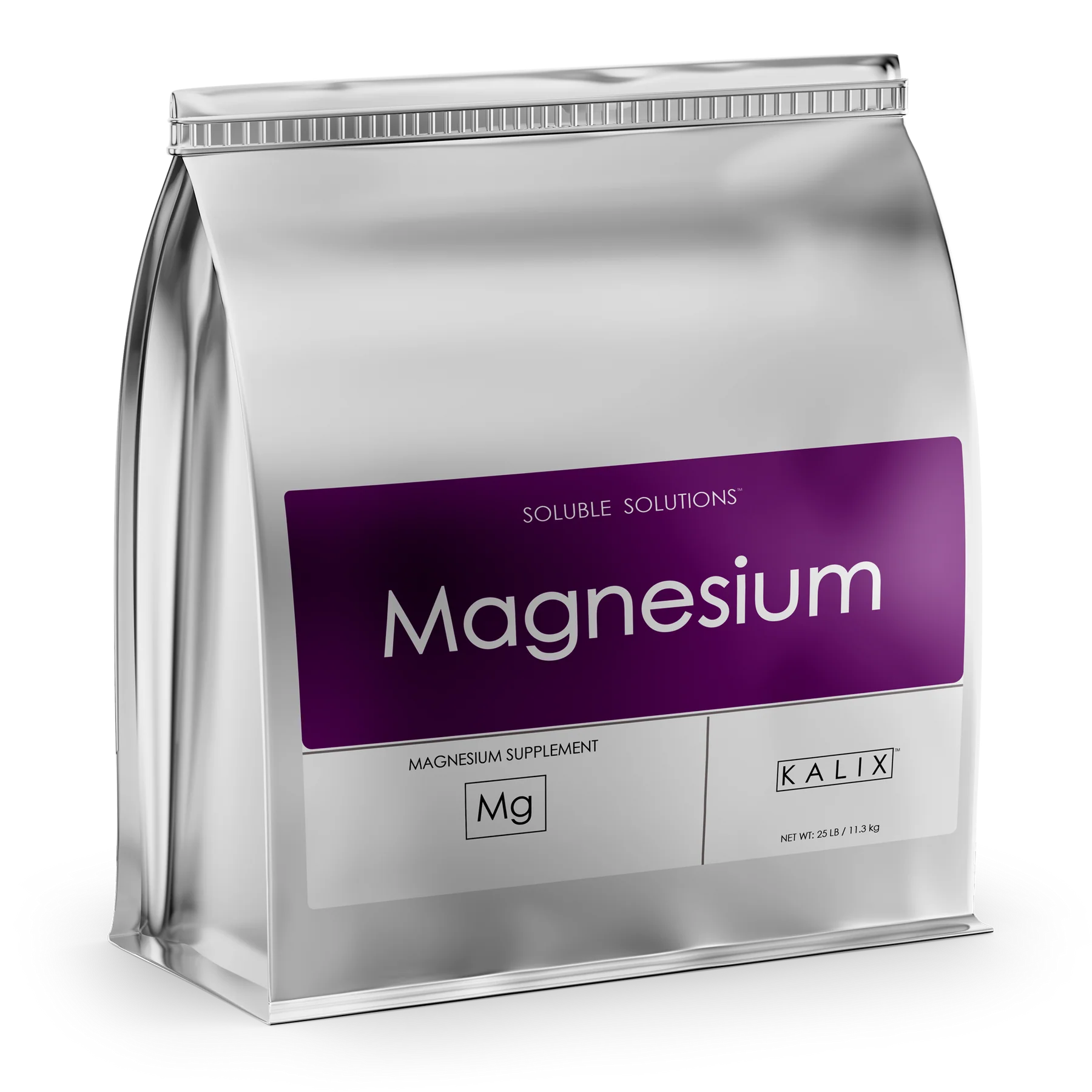
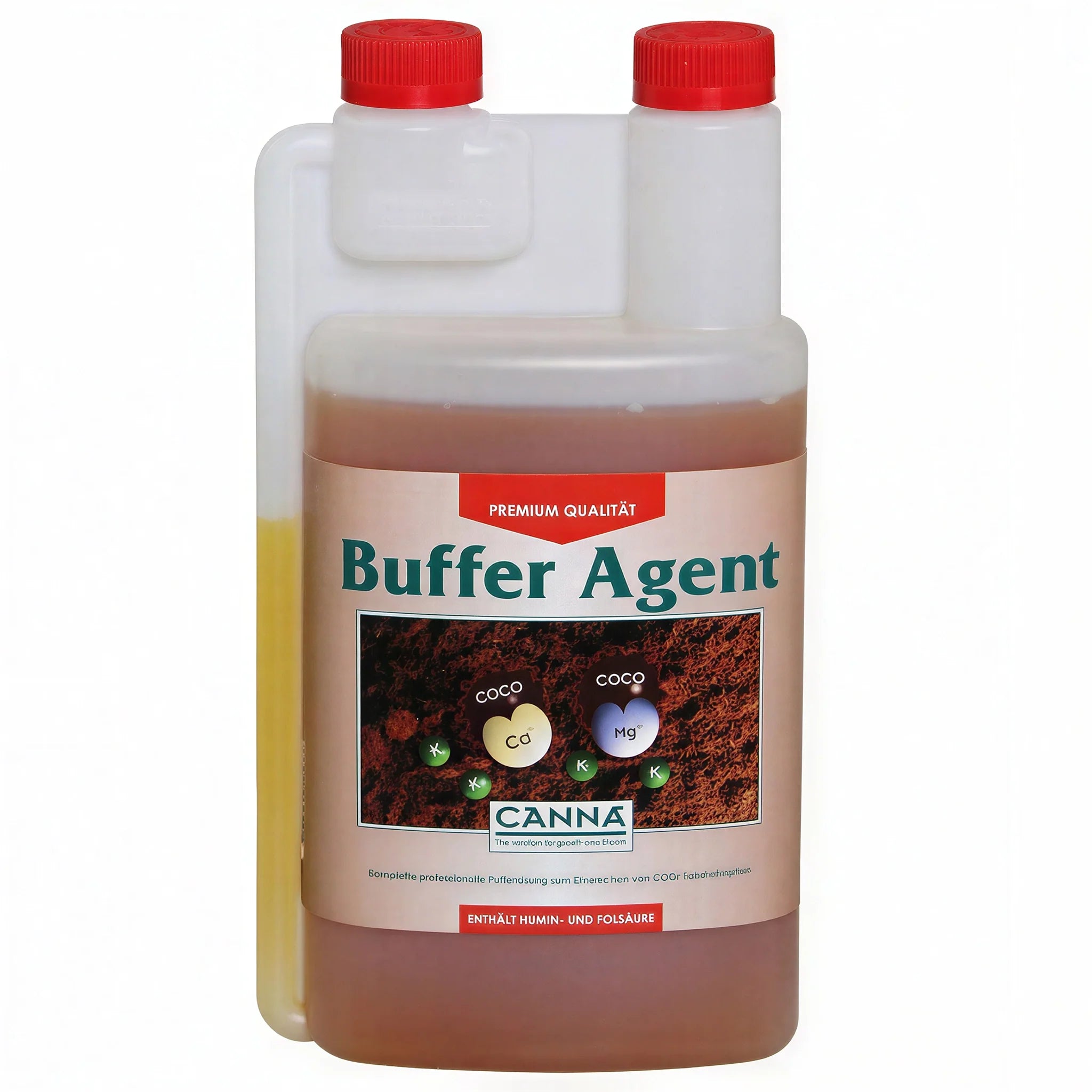
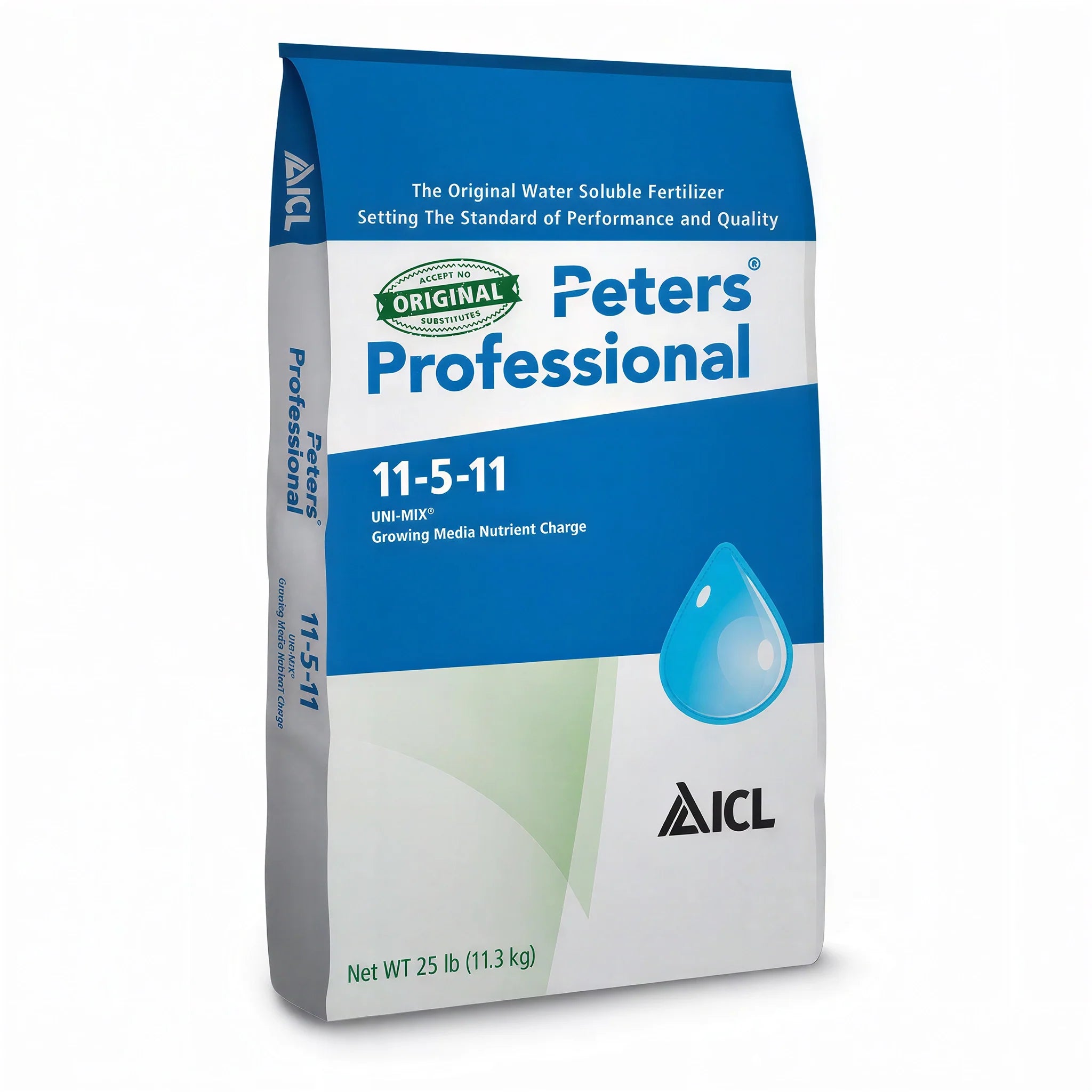
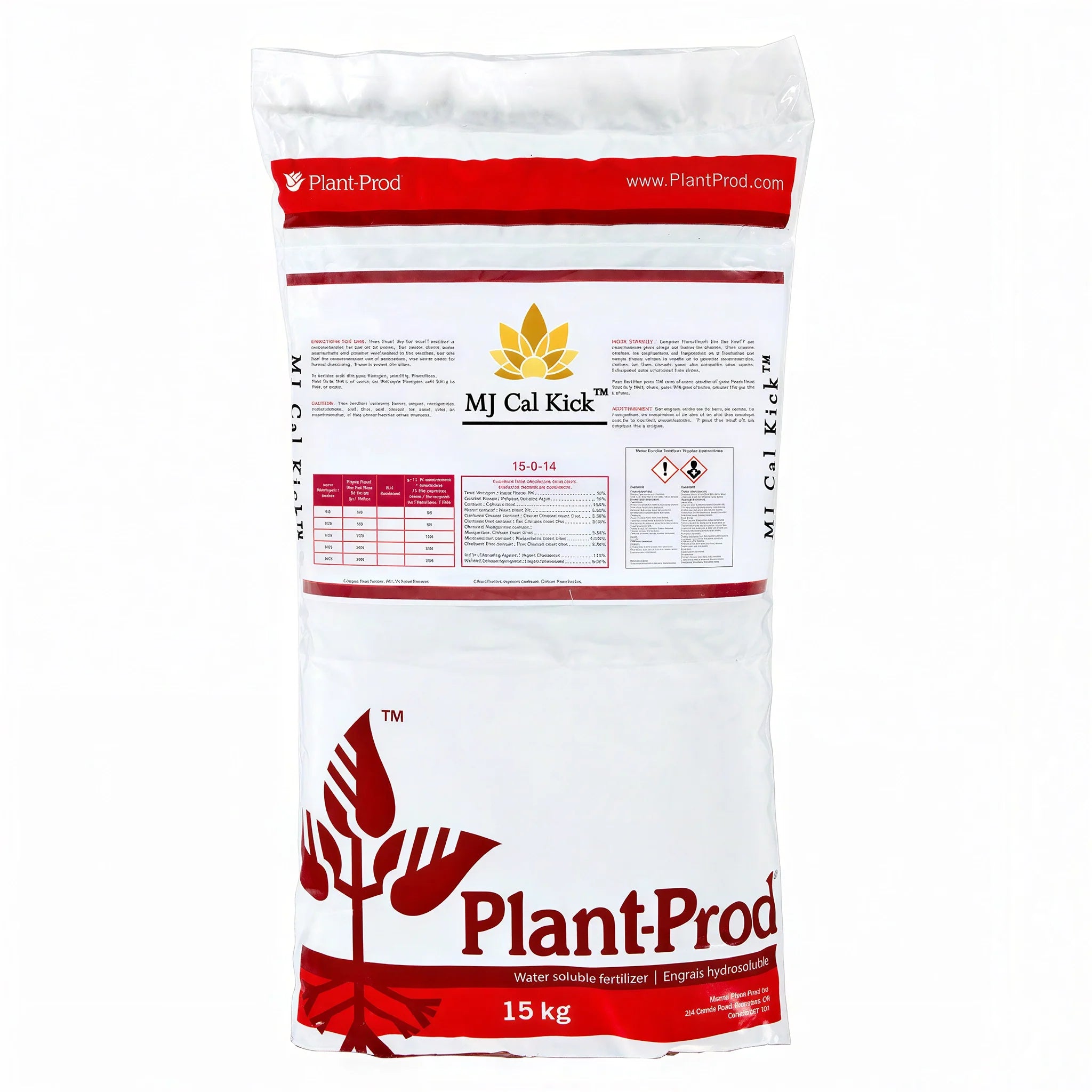
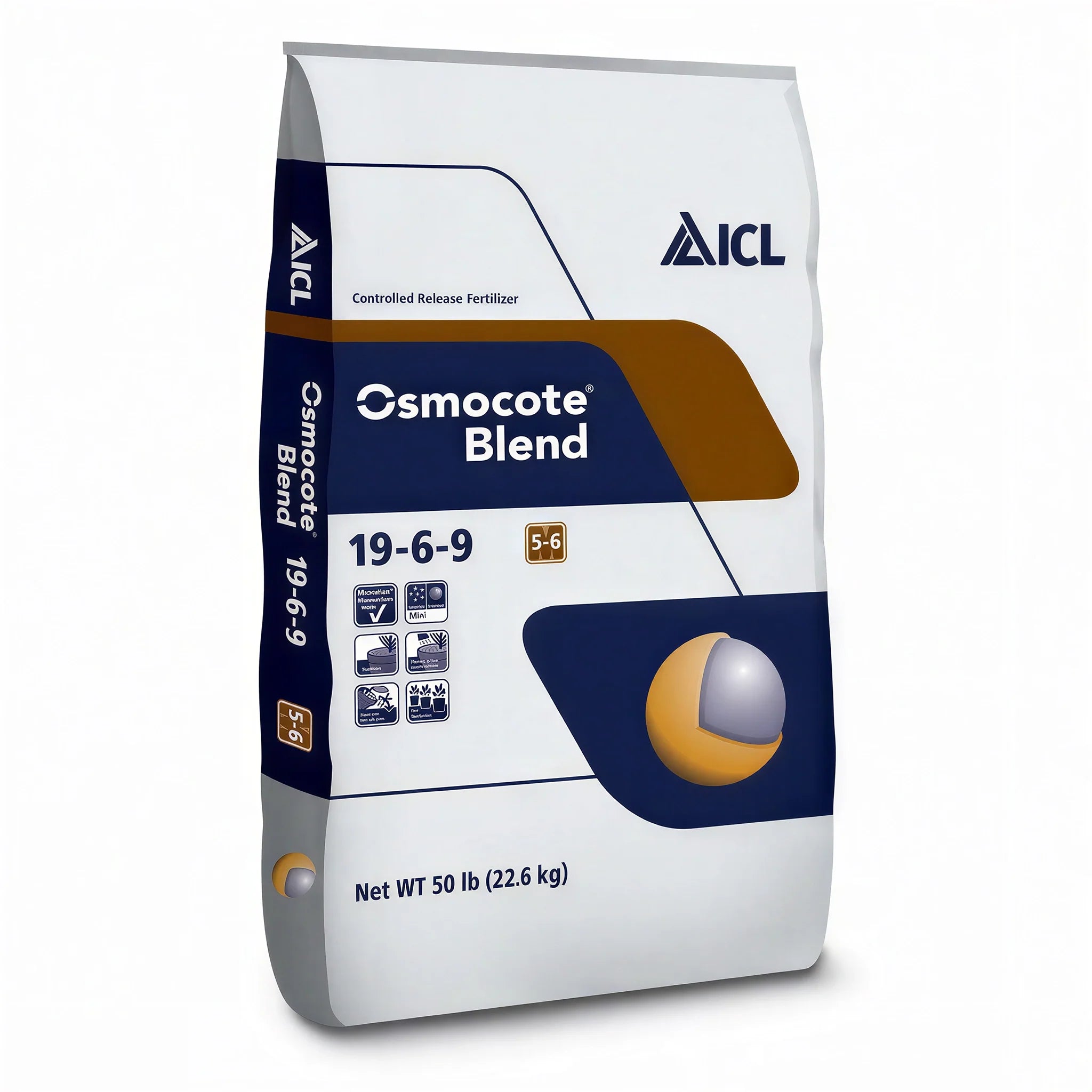
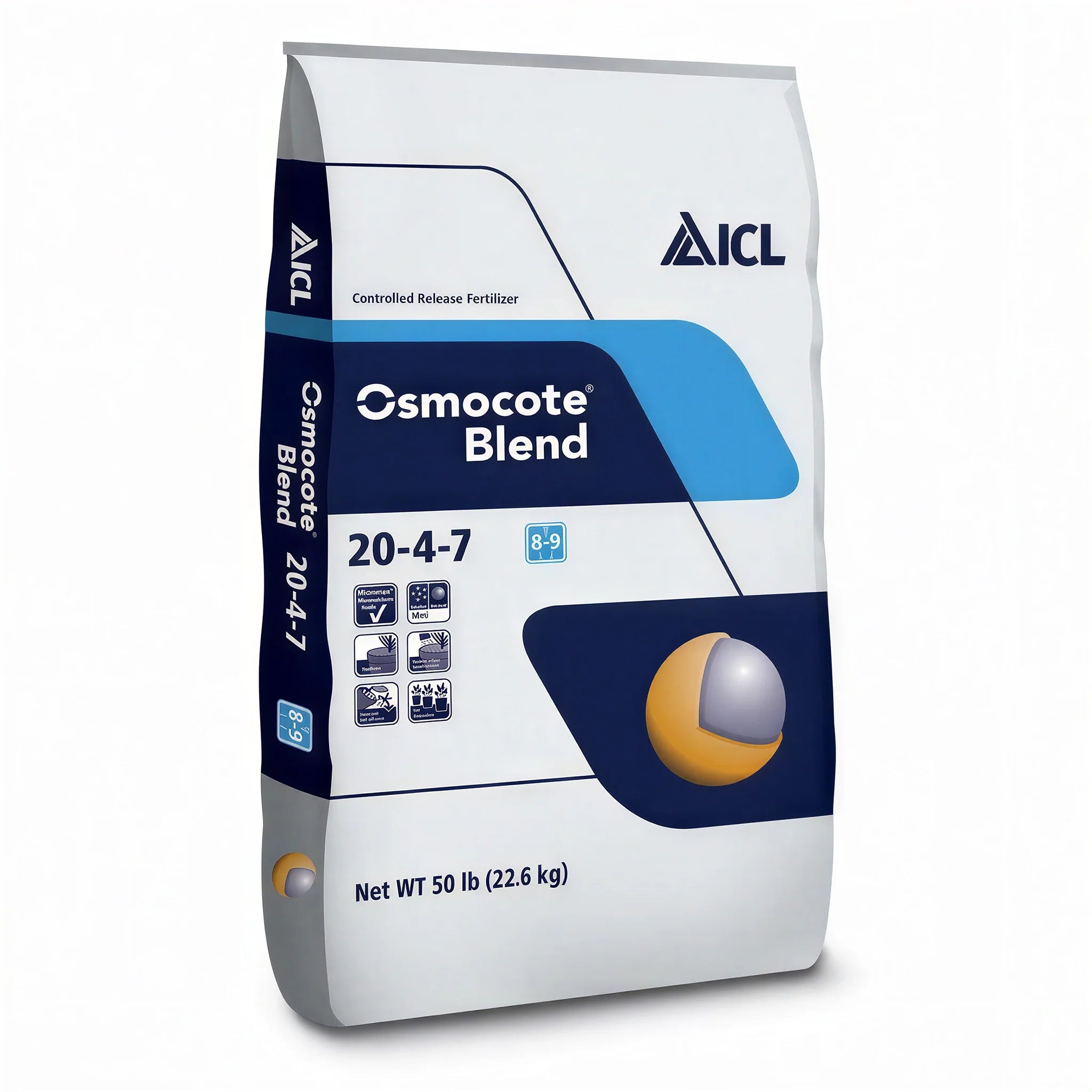
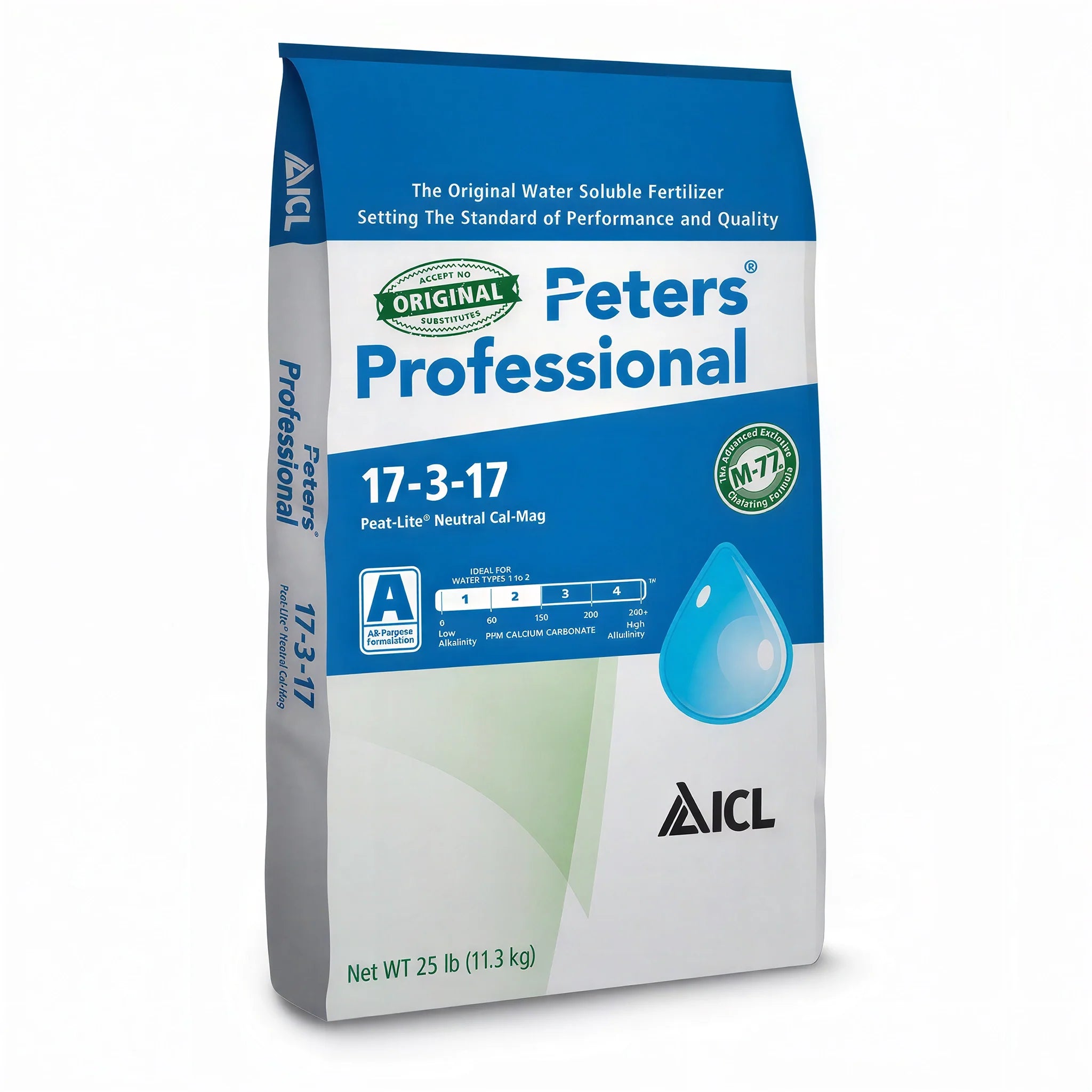
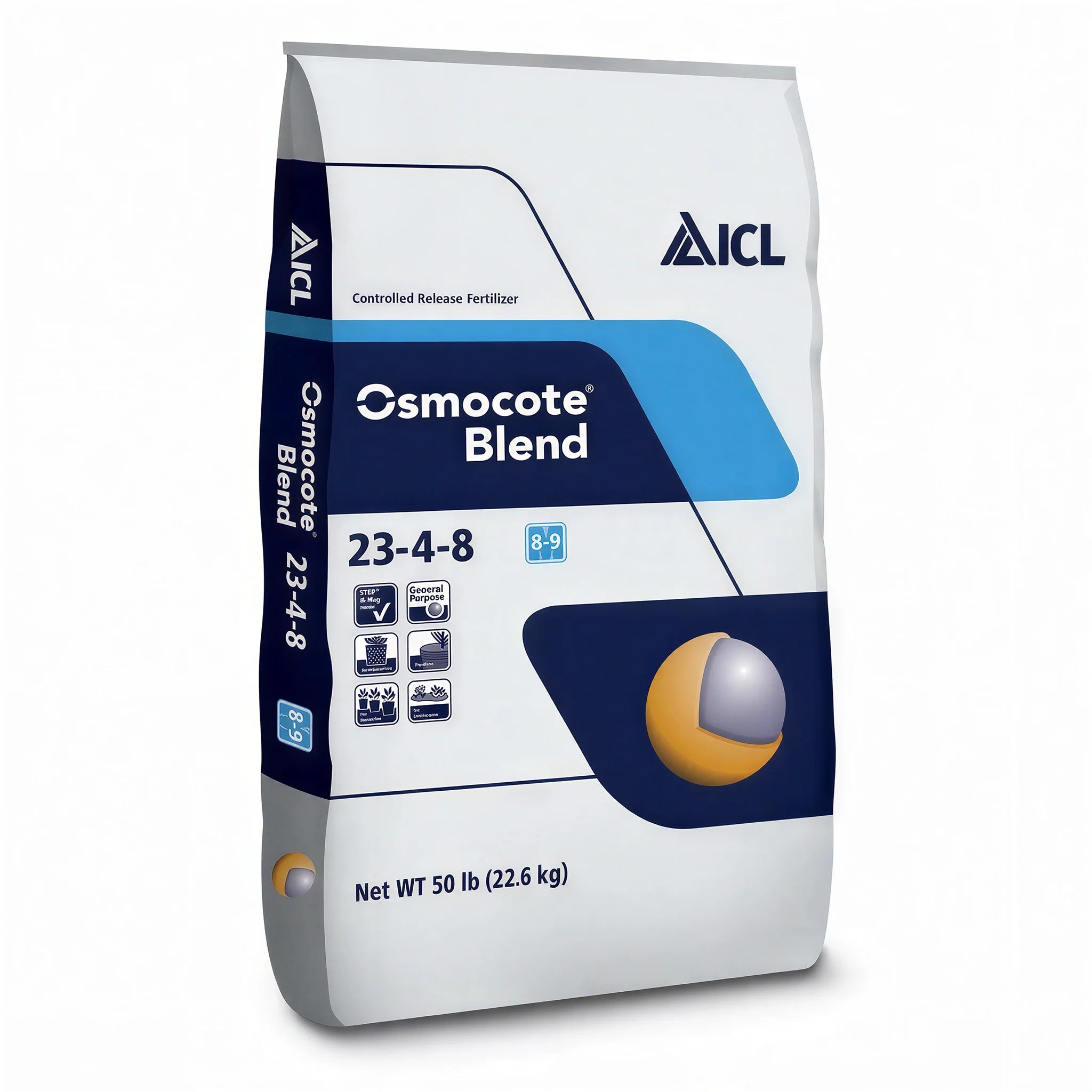
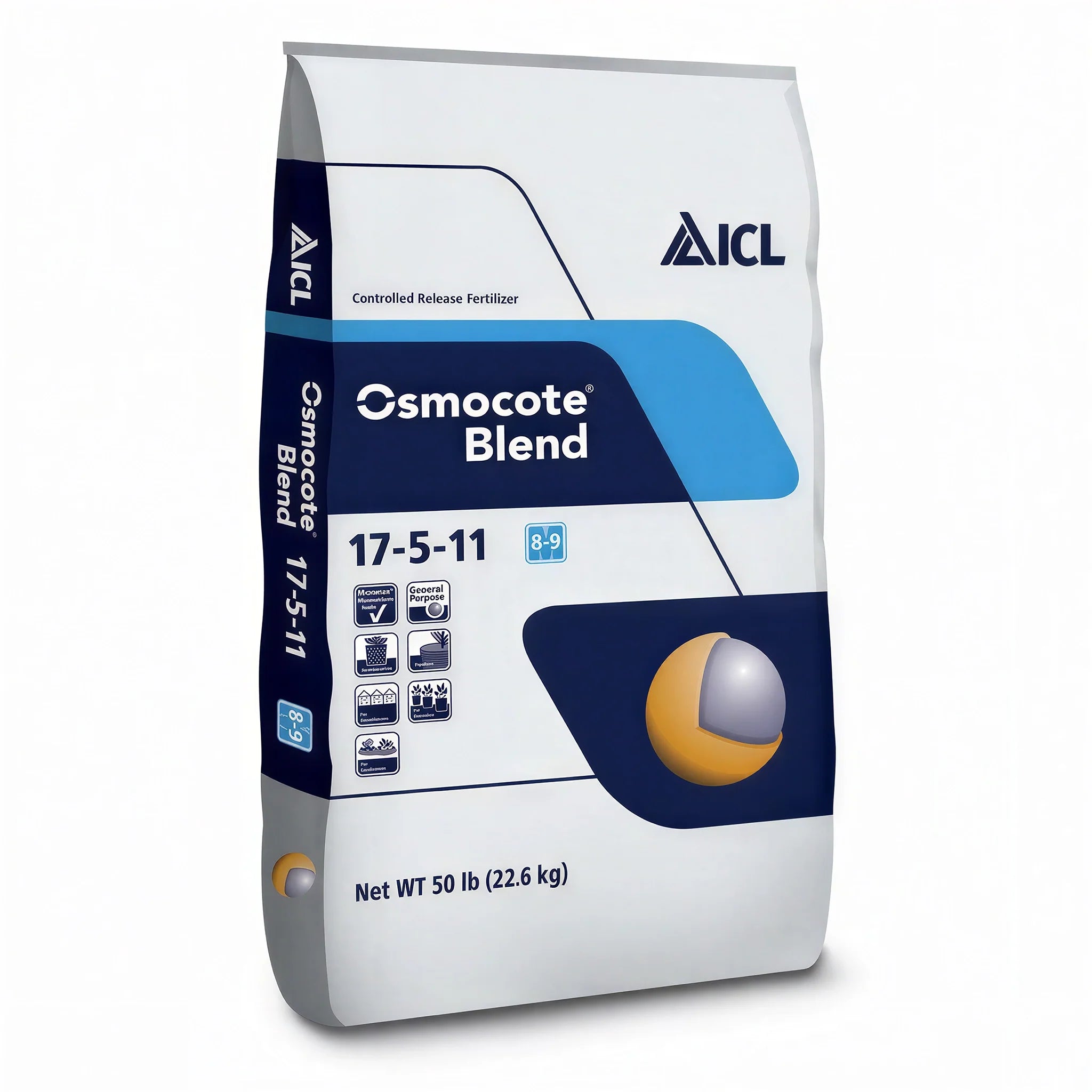
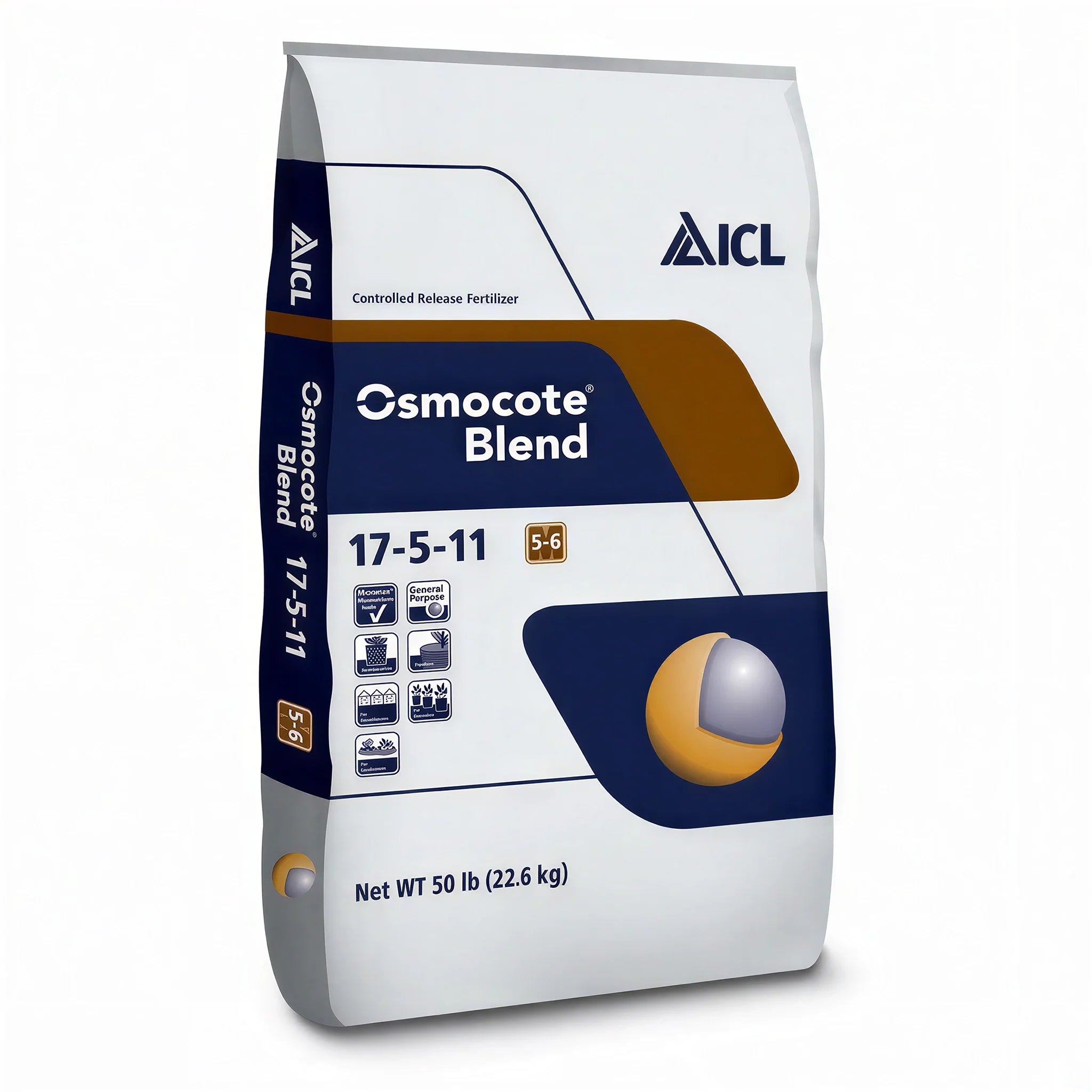
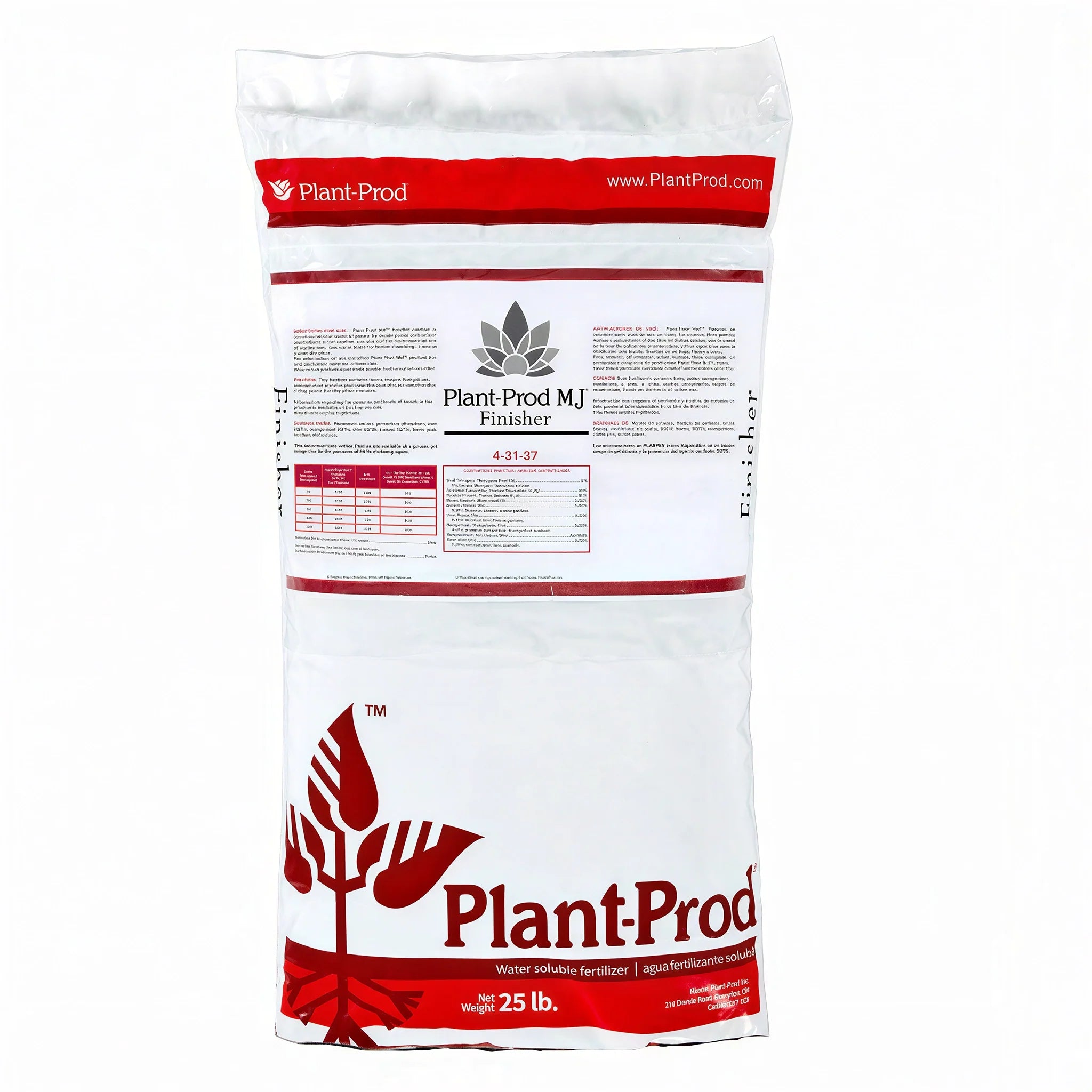
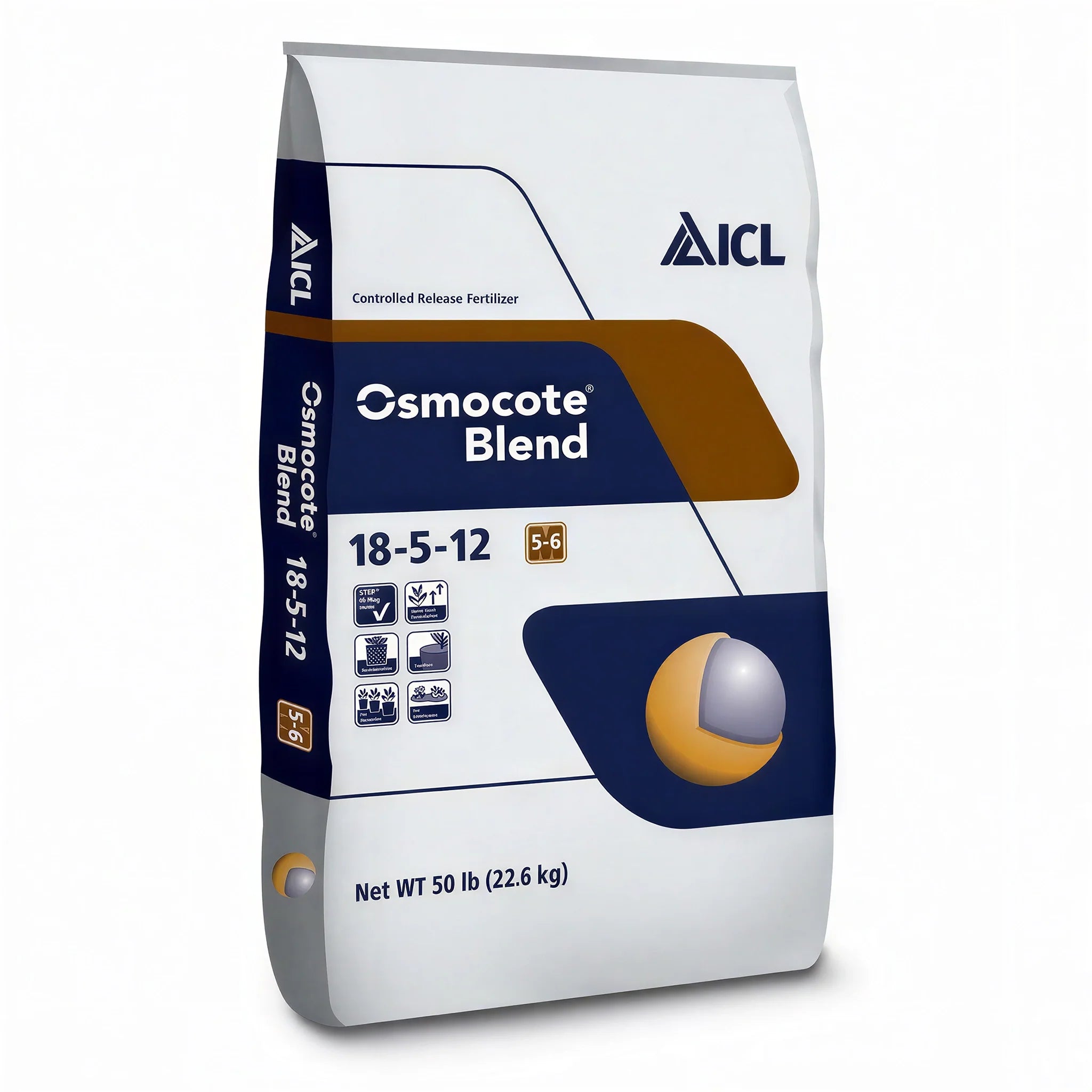
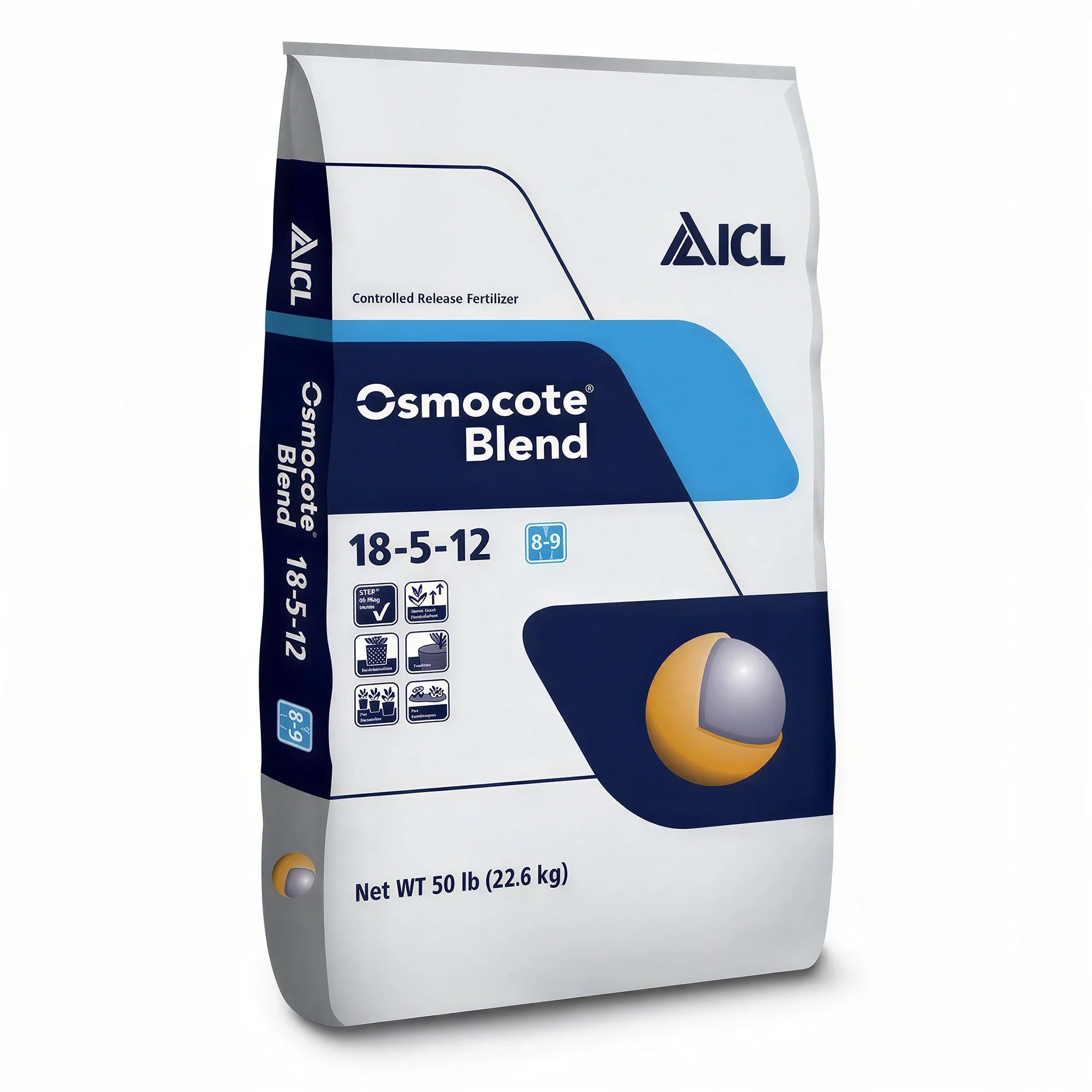
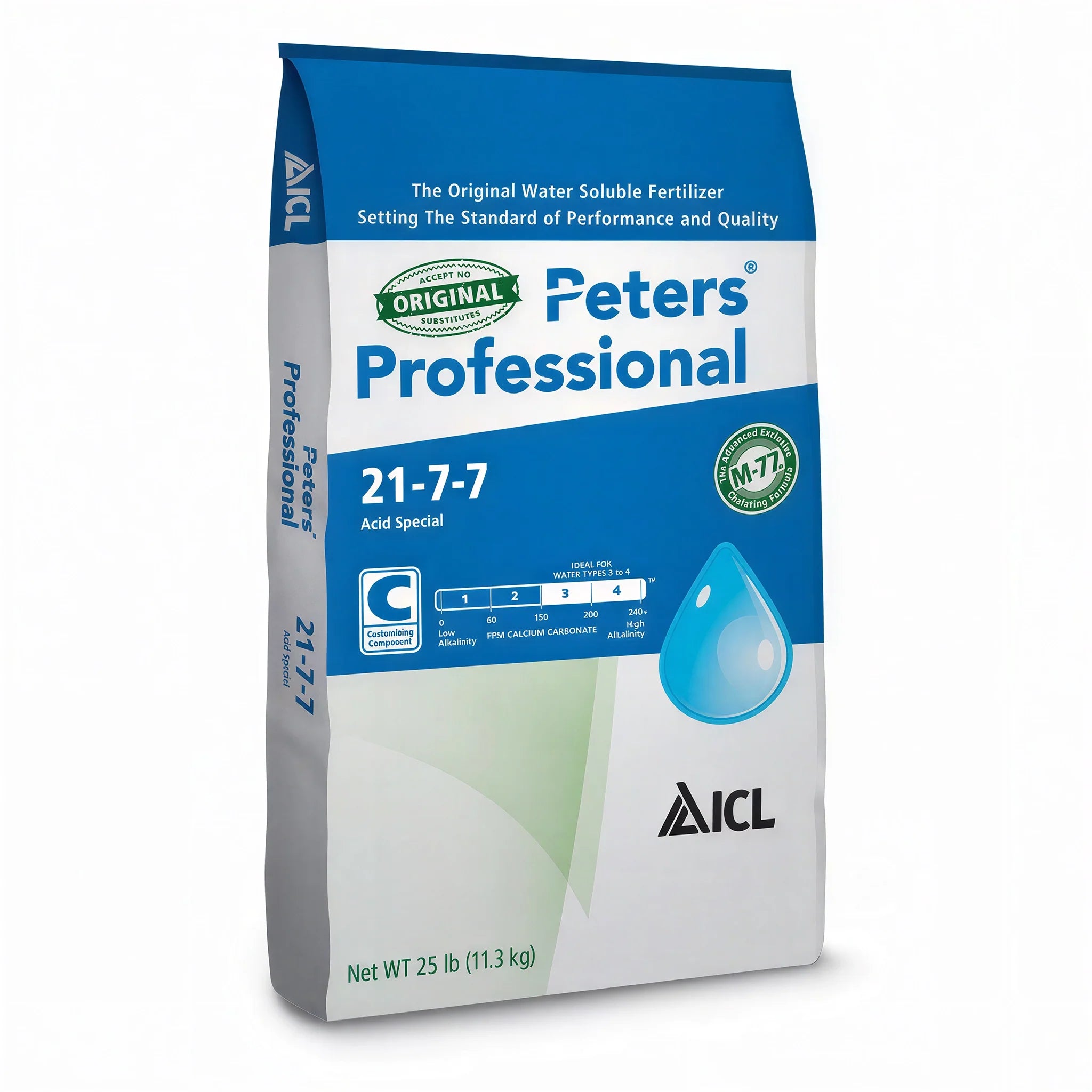
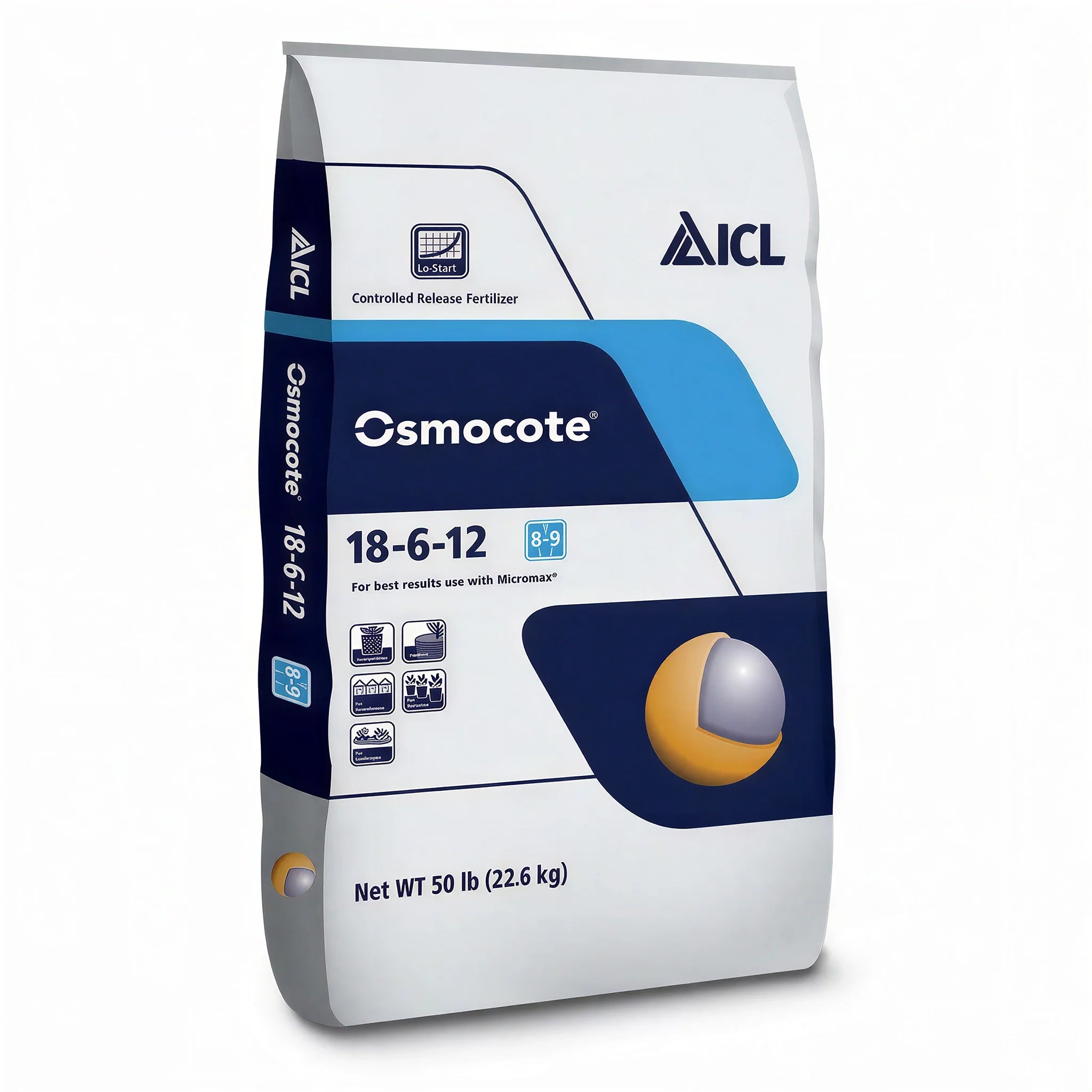
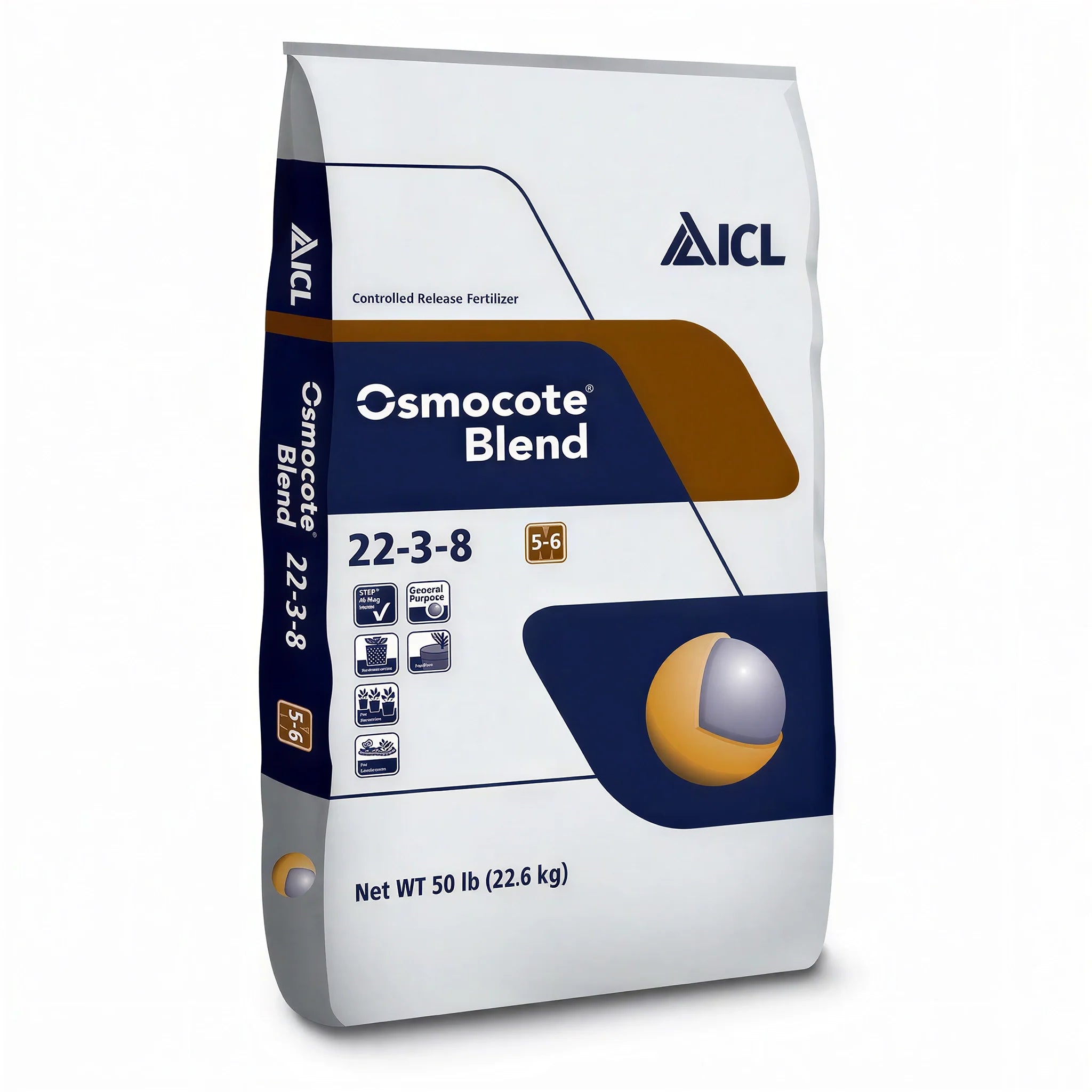
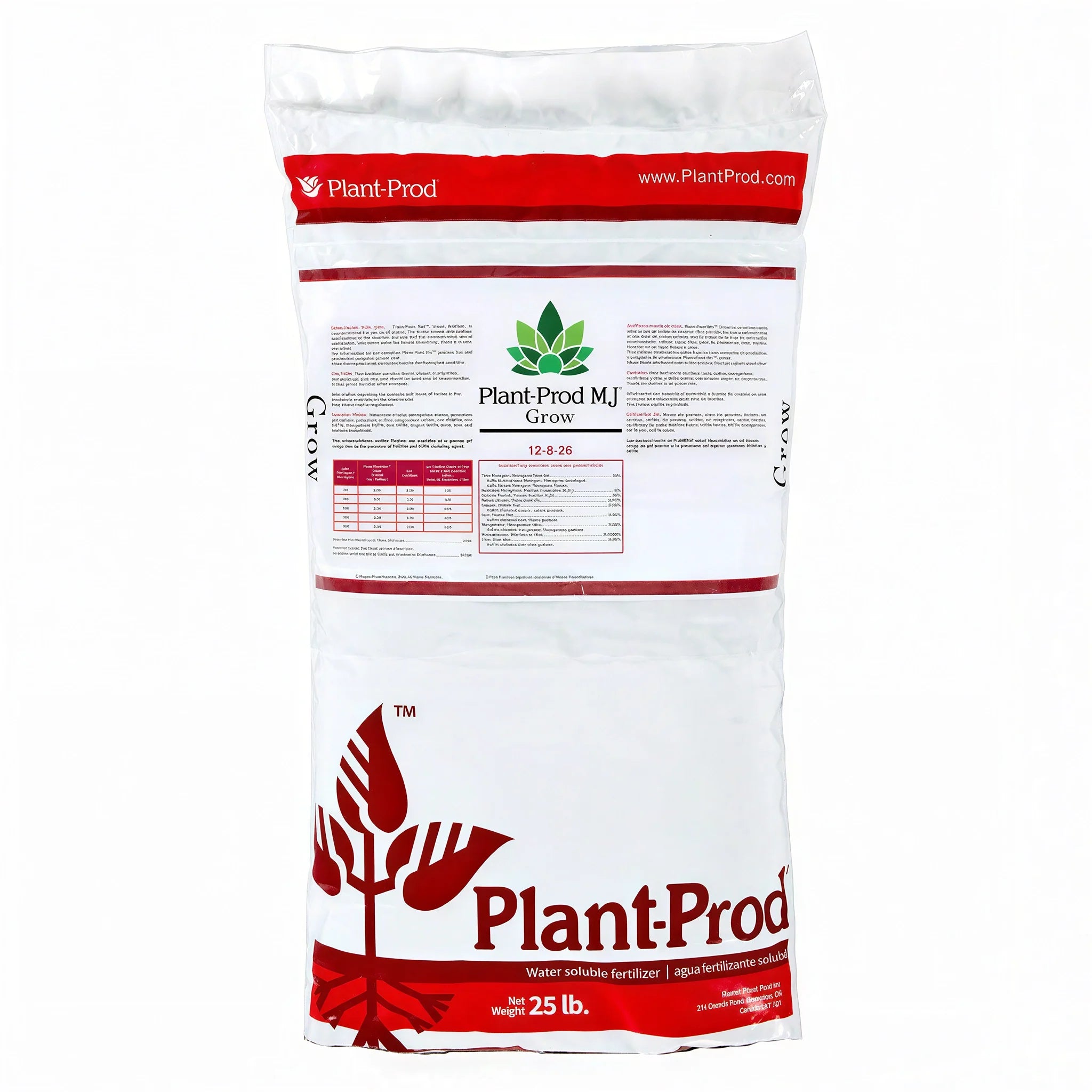
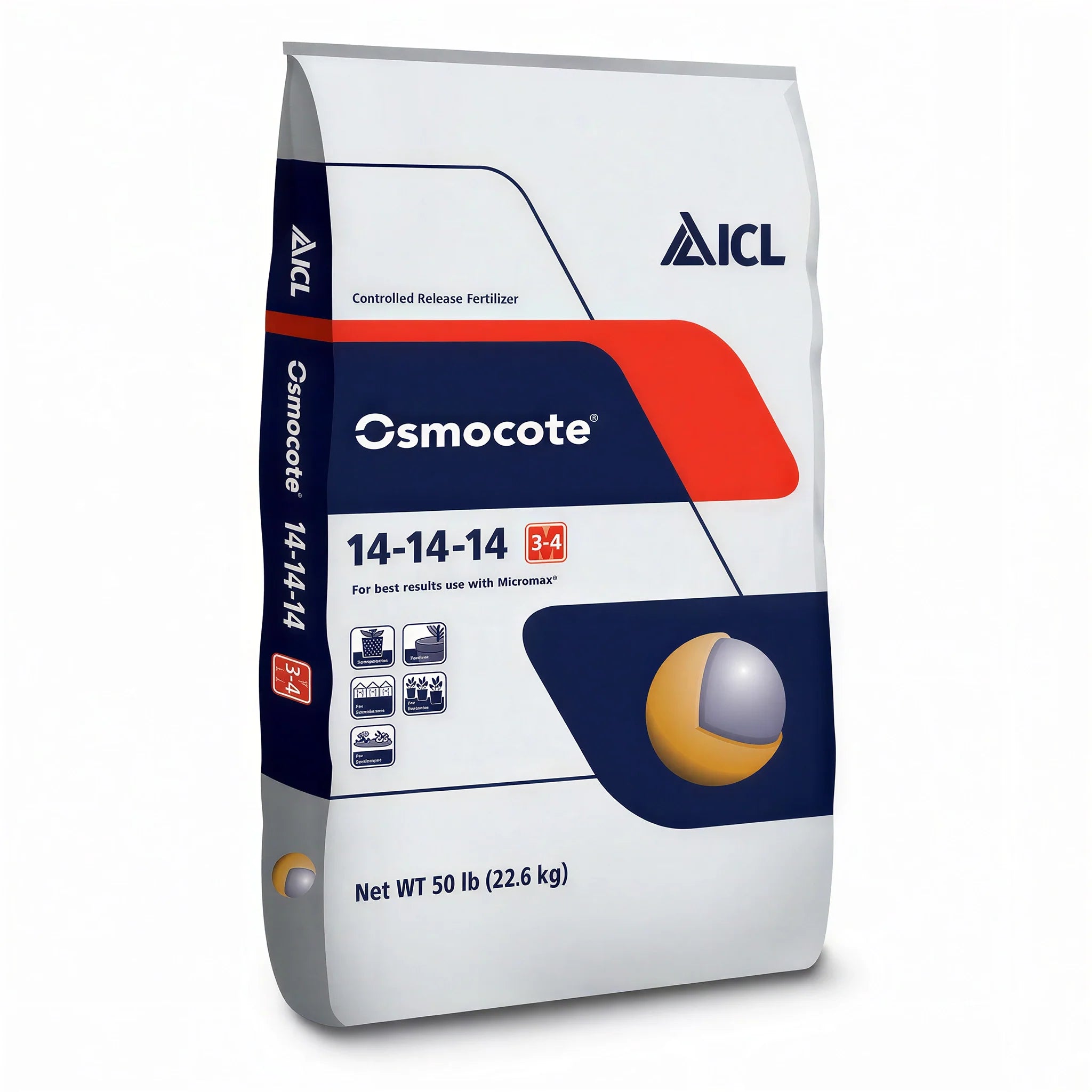
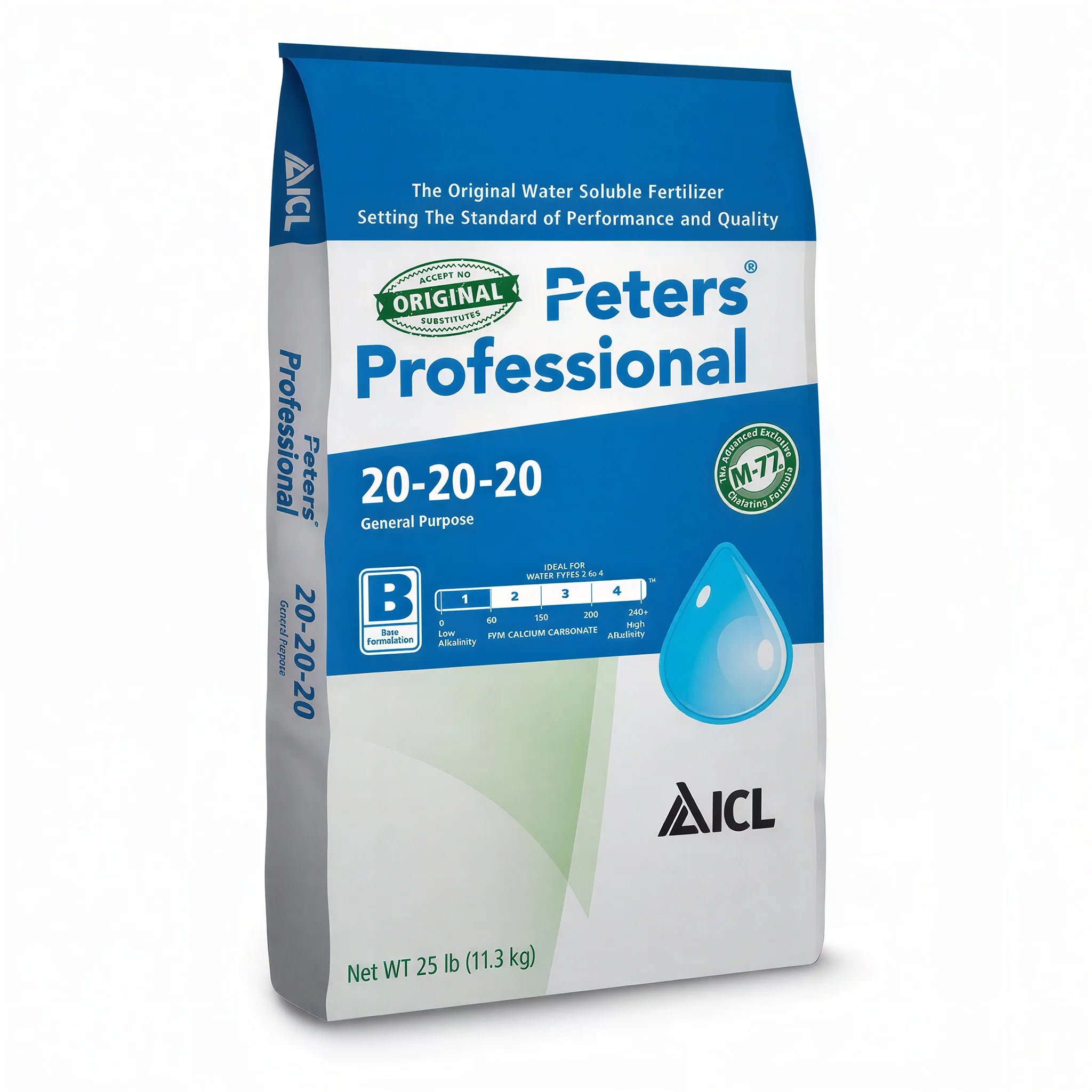
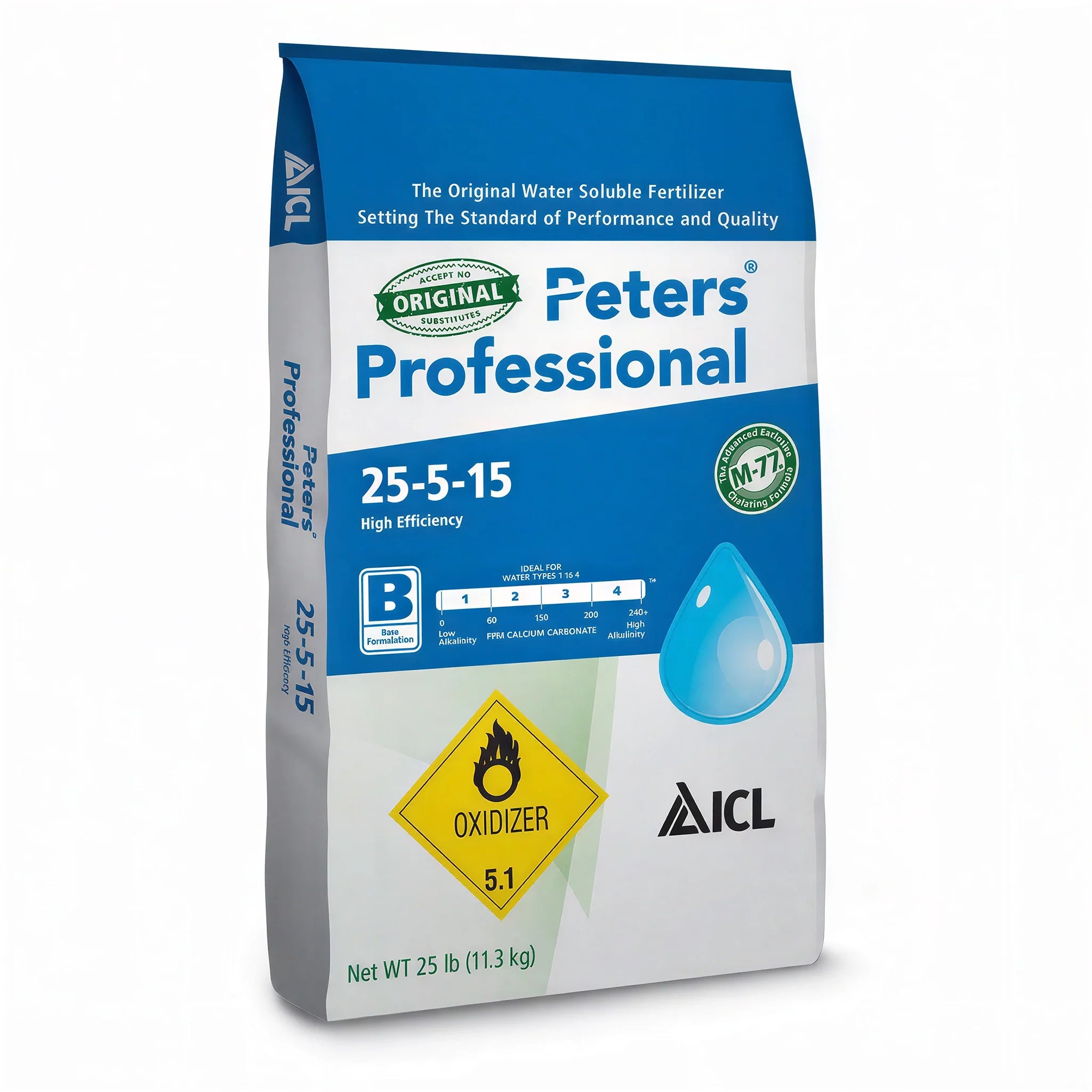
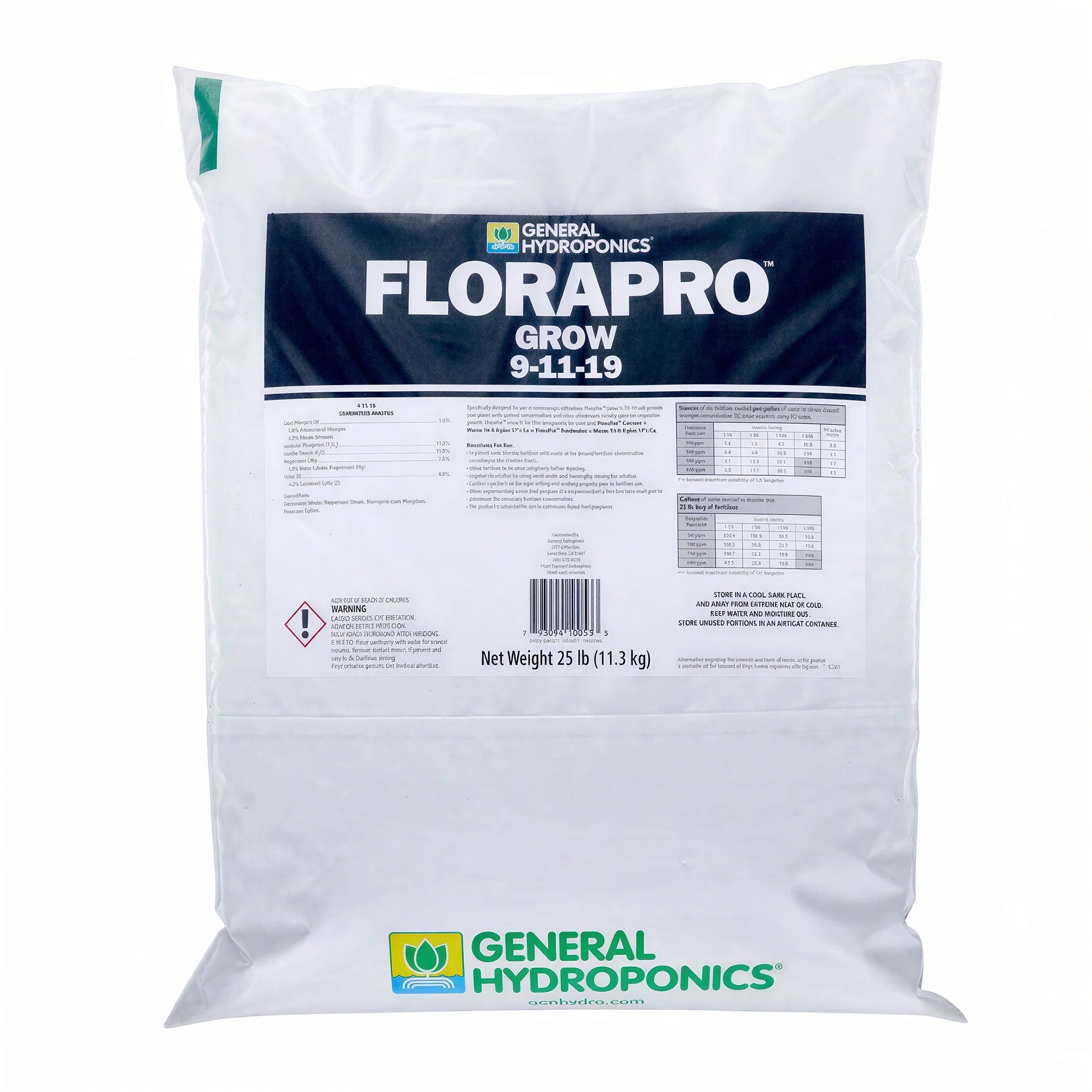
The most widely used synthetic nutrient programs at Hydrobuilder include General Hydroponics FloraSeries (three-part liquid, the most documented hobby hydroponic program), Athena Nutrients (Blended Line liquid and Pro Line dry concentrates for commercial programs), Advanced Nutrients pH Perfect line (proprietary pH buffering chemistry), and dry soluble formulas from the water-soluble fertilizer category for commercial large-scale mixing. All are plant-mineral formulations providing defined, measurable NPK and micronutrient content in every application. Fast shipping.
Synthetic Nutrients FAQ
What is the difference between synthetic and organic nutrients?
Synthetic nutrients provide plant-available mineral ions directly - no biological conversion required. Plants absorb nitrate, phosphate, and other elements immediately in their ionic form. Organic nutrients (compost, guano, fish meal) contain nutrients in organic molecular form that soil microorganisms must break down into plant-available ions before plants can use them. Synthetic nutrients are the standard for hydroponics where no soil biology exists; organic sources are used in soil and living soil programs where the microbial ecosystem drives the nutrient cycle.
Are synthetic nutrients safe for edible crops?
Yes - synthetic mineral nutrients are widely used in commercial vegetable, herb, and fruit production worldwide. The nutrients that plants absorb are mineral ions regardless of whether they came from a synthetic or organic source - a nitrate ion from a synthetic fertilizer is chemically identical to a nitrate ion derived from organic decomposition. Commercial greenhouse tomato, cucumber, lettuce, and herb production universally uses synthetic hydroponic nutrients. Organic certification prohibits synthetic fertilizer inputs, but from a food safety standpoint, properly managed synthetic nutrient programs produce safe edible crops.
Can I switch from synthetic to organic nutrients mid-cycle?
In soil programs, yes - you can transition between synthetic and organic nutrient sources mid-cycle with some adjustment period as the soil biology adapts. In hydroponic systems, do not mix synthetic and organic nutrient programs in the same recirculating reservoir - organic inputs create biological load that fouls hydroponic systems. If transitioning a hydroponic program from synthetic to organic-compatible, flush the system completely and switch growing media if needed before starting an organic program.
Do I need different synthetic nutrients for veg and flowering?
Most complete synthetic nutrient programs provide separate vegetative and flowering formulas - different NPK ratios that favor nitrogen-heavy growth during vegetative phases and phosphorus/potassium-heavy development during flowering. Three-part programs like GH FloraSeries adjust the ratio by changing mixing proportions of FloraGro, FloraBloom, and FloraMicro across stages. Two-part programs like Athena Blended Line use Grow and Bloom products separately. One-part programs like GH MaxiSeries have separate MaxiGro (vegetative) and MaxiBloom (flowering) products. Always switch to a flowering formula when initiating the flowering light cycle.
What EC should I target with synthetic hydroponic nutrients?
Target EC varies by growth stage. Seedlings: 0.5-1.0 mS/cm. Early vegetative: 1.2-1.8 mS/cm. Late vegetative: 1.8-2.2 mS/cm. Early flowering: 2.0-2.5 mS/cm. Peak flowering: 2.2-3.0 mS/cm depending on variety and environment. Pre-harvest flush: 0.0-0.5 mS/cm. Always follow your specific nutrient program's feeding schedule as a starting point and adjust based on plant response and EC meter readings - individual variety requirements and environmental conditions affect optimal EC targets.