Soil pH Test Kits & Meters
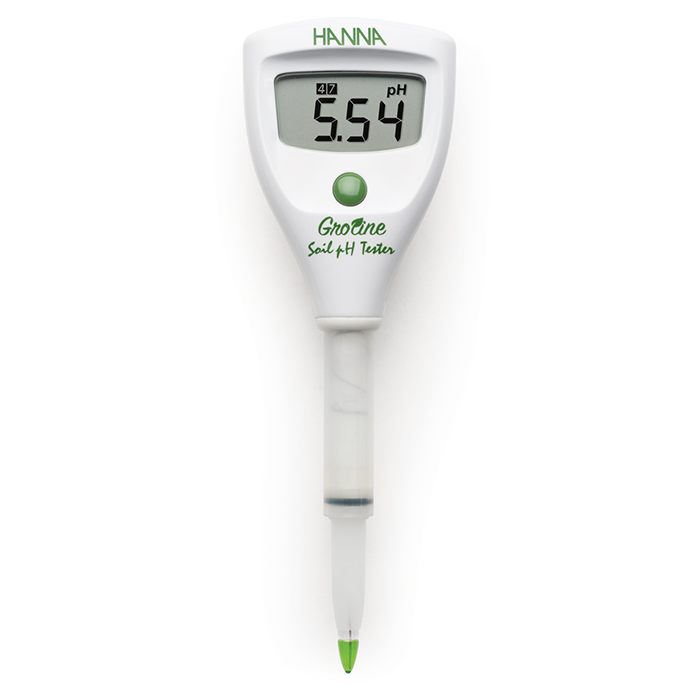
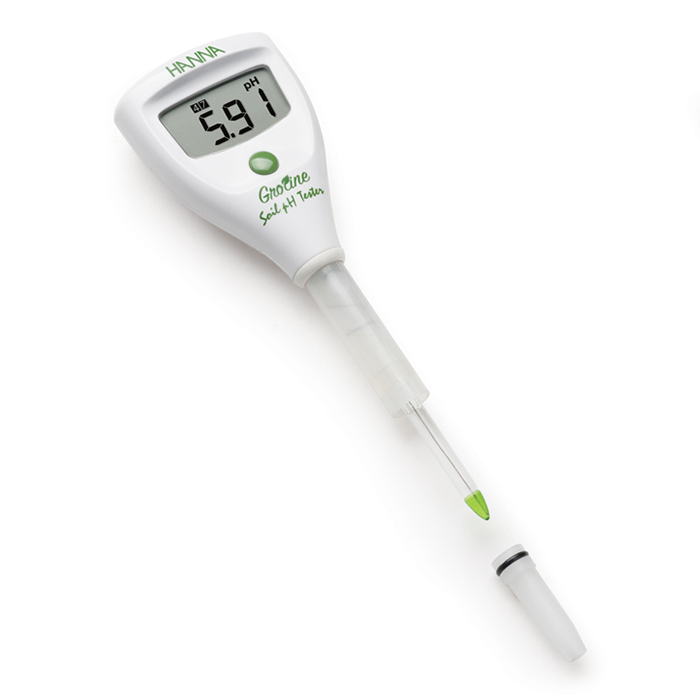
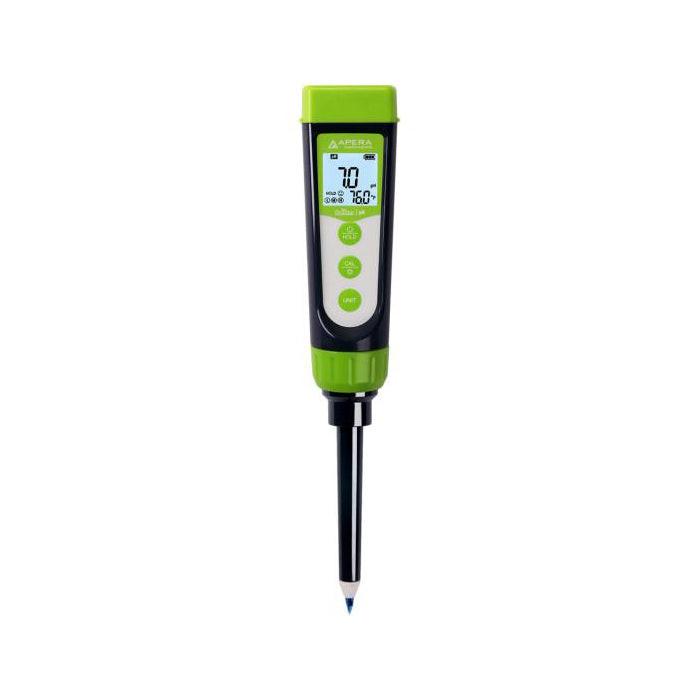
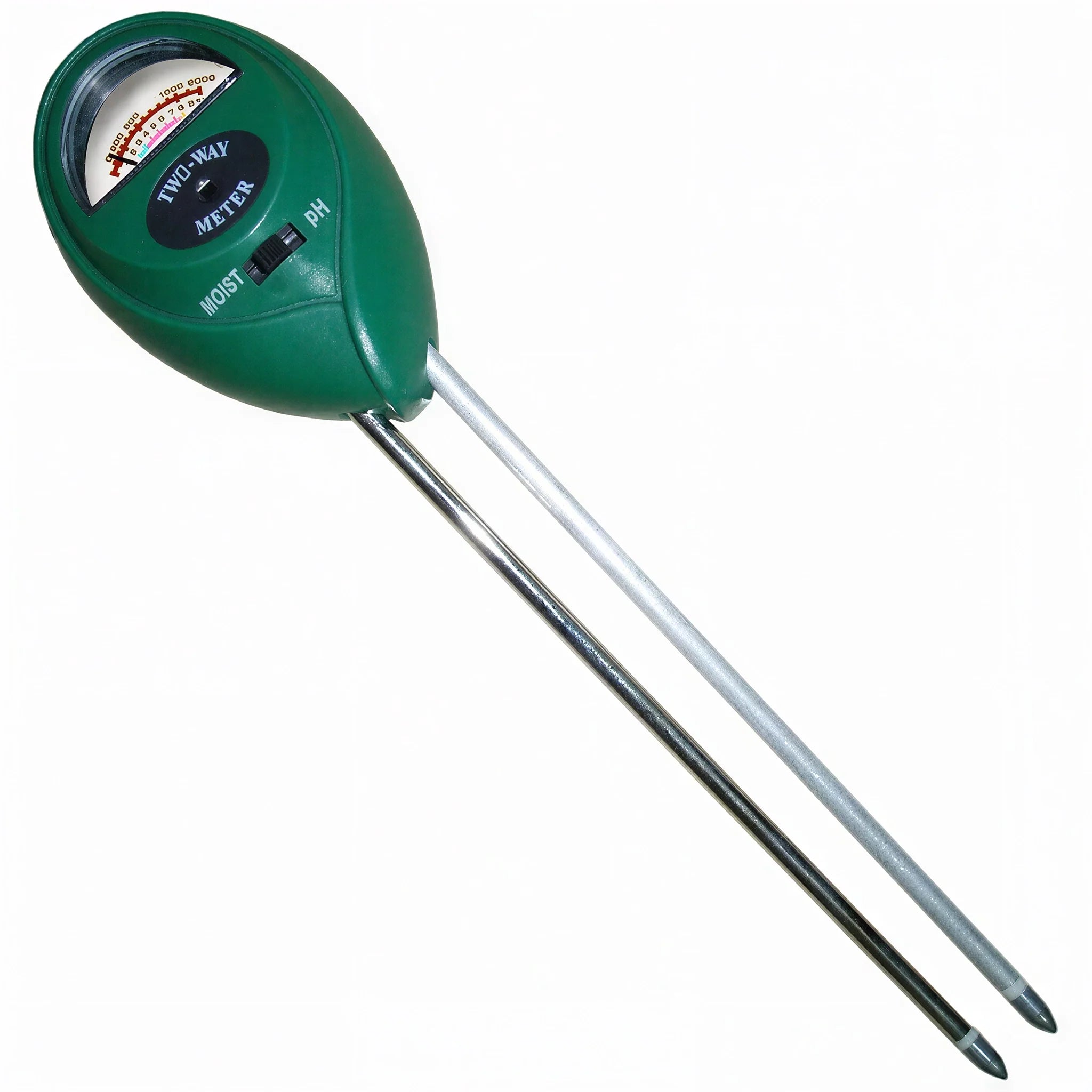
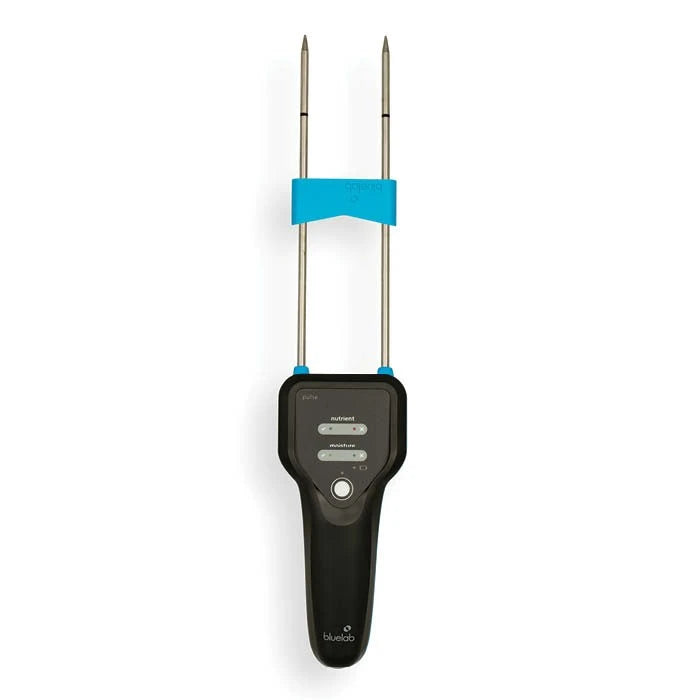
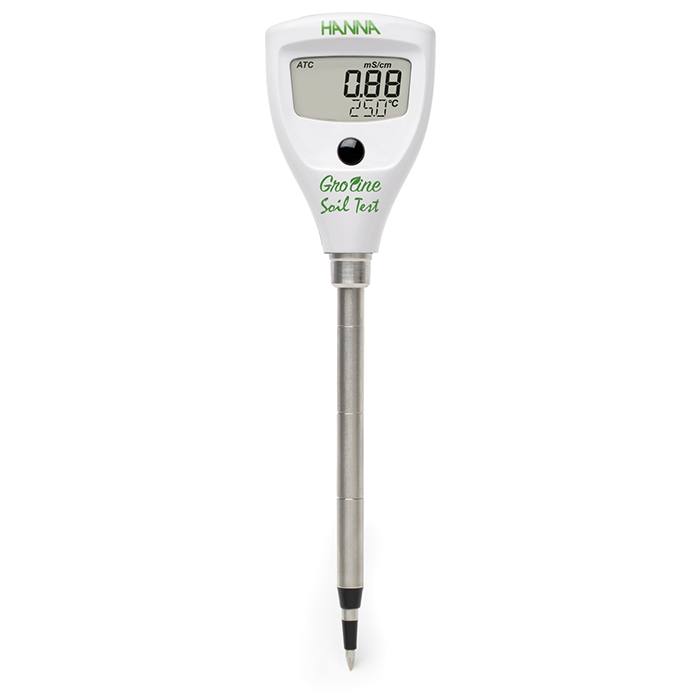
Measuring pH in soil and soilless growing media requires tools suited to solid or semi-solid substrates rather than the liquid solutions used in hydroponic reservoir testing. Soil pH measurement options range from simple colorimetric test kits (General Hydroponics pH Test Indicator, liquid test kit drops) through probe-based analog meters (Luster Leaf Rapitest, Active Air 2-Way Meter) to professional digital meters with substrate-compatible probes (Bluelab Multimedia pH Meter, Milwaukee digital testers). Selection depends on required accuracy, frequency of testing, and growing method.
Liquid Test Kits vs. Digital Meters
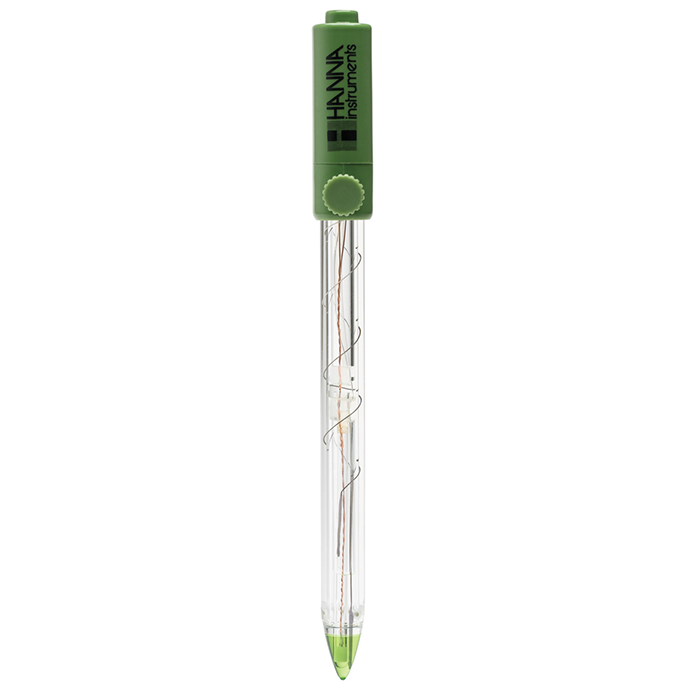
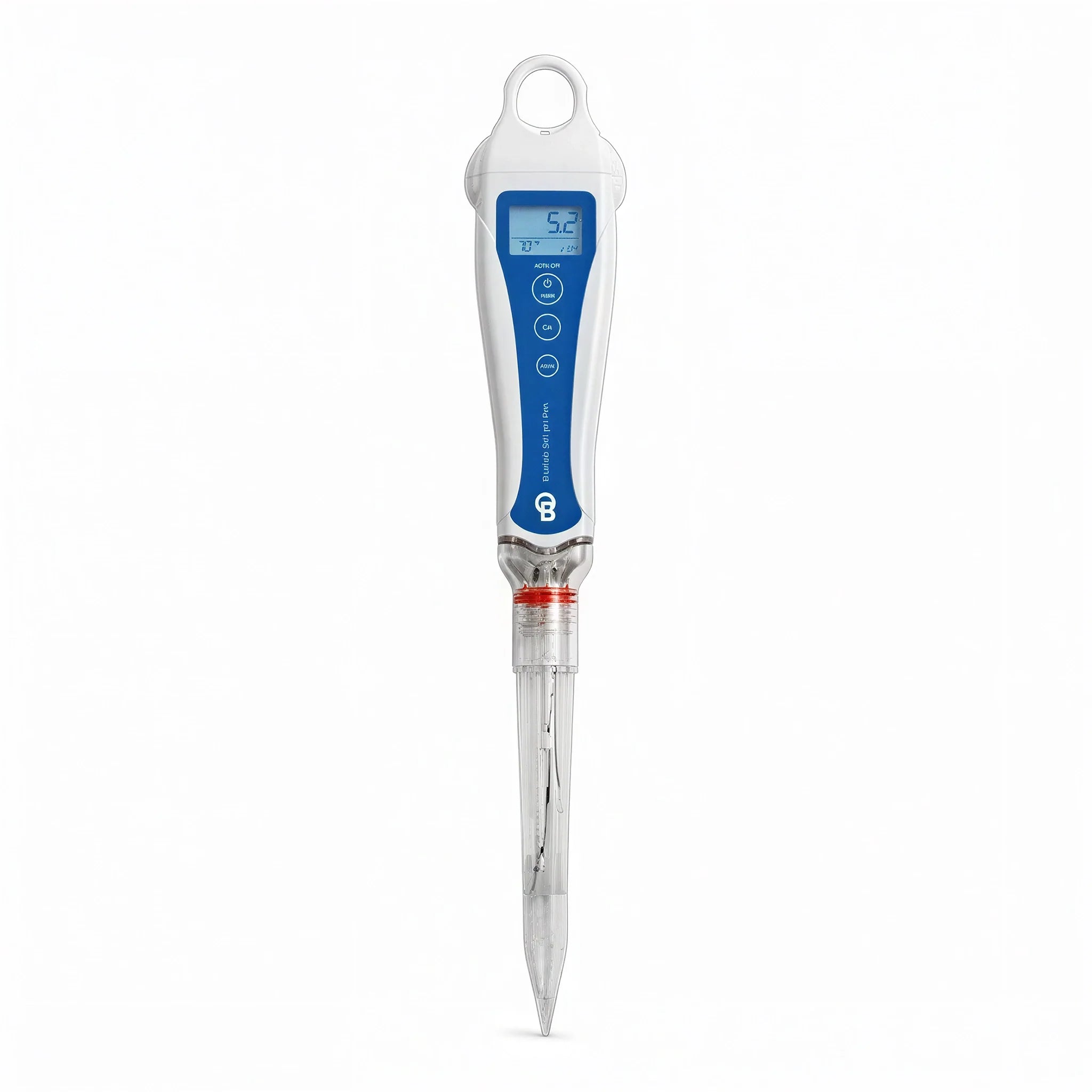
Liquid pH indicator test kits work by mixing a small amount of soil slurry with indicator solution and reading the resulting color change against a reference chart. They are inexpensive and require no calibration, but accuracy is limited to approximately +/- 0.5 pH units, which is adequate for rough soil assessment but not precise enough for managing a coco or soilless program where tight pH control matters. Digital pH meters with substrate-compatible probes measure pH electrochemically and read to 0.01 or 0.1 pH unit accuracy when properly calibrated. For any growing program where nutrient uptake is being actively managed, a calibrated digital meter is the appropriate tool. The Bluelab Multimedia pH Meter with Leap Probe is designed specifically for both liquid solution and substrate measurements.
Calibration and Maintenance
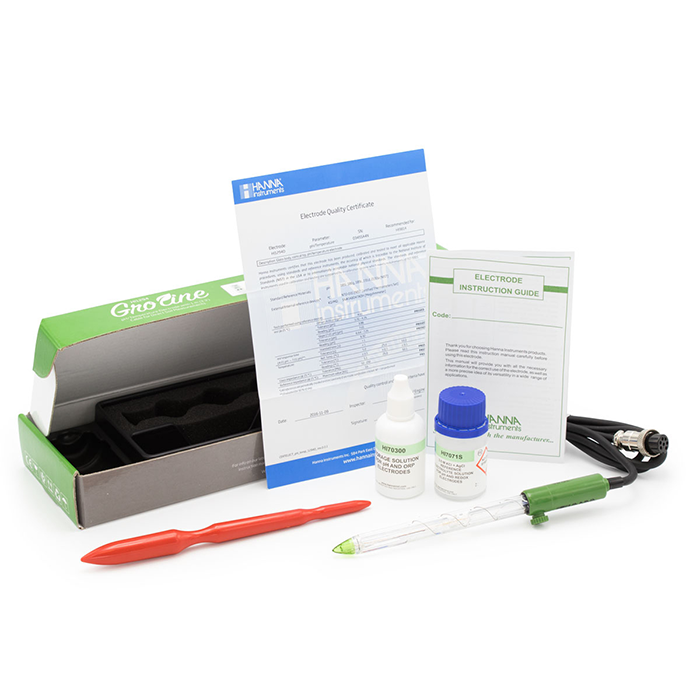
All digital pH probes require regular calibration with fresh calibration solution to maintain accuracy. pH probes drift over time; calibrate before each measurement session for reliable readings. Store probes in pH storage solution (not distilled water) between uses. Browse all meters and testing equipment including full pH and EC meter options. Fast shipping.
Soil pH Tester FAQ
What pH range is optimal for soil growing?
Most vegetables, herbs, and fruiting crops grow best in soil at pH 6.0-7.0, with 6.2-6.8 being the optimal range for the broadest nutrient availability. Below pH 6.0 in soil, phosphorus and molybdenum availability decrease; calcium and magnesium may also become less available. Above pH 7.0, iron, manganese, and zinc availability decrease significantly. For coco coir and peat-based soilless media, the optimal range is slightly lower -- pH 5.8-6.3 -- because these media behave more like hydroponic substrates in terms of nutrient availability at different pH levels. Always measure at the root zone (water runoff or slurry from the actual growing medium) rather than testing input water only.
How do I test pH in soil or coco coir?
For slurry testing (most accurate for substrate pH): mix one part dry growing media with two parts pH-neutral water (7.0 pH distilled or RO water), let sit for 30 minutes, then test the liquid. For runoff testing (easiest for container growing): water the container with nutrient solution at your target pH, collect the runoff from the bottom of the pot, and test the runoff pH -- this measures the actual pH at the root zone after interaction with the growing medium. Runoff pH is the most practical real-time measurement for container growing. Probe-type meters can also be pushed directly into moist media for a direct reading, though accuracy is lower than a calibrated liquid measurement.
Do I need a separate pH meter for soil vs. hydroponics?
Not necessarily. A high-quality digital pH meter with a standard pH probe can measure both liquid nutrient solution and soil slurry/runoff accurately. The Bluelab Multimedia pH Meter is specifically designed for both applications with its Leap Probe system. Standard pH probes designed for liquid solution can measure soil slurry or runoff, though probes with a wider probe tip (gel-filled or double junction) are more durable in solid and semi-solid media. Probes should always be rinsed with clean water and stored in storage solution between uses to prevent damage from soil minerals and organic matter.