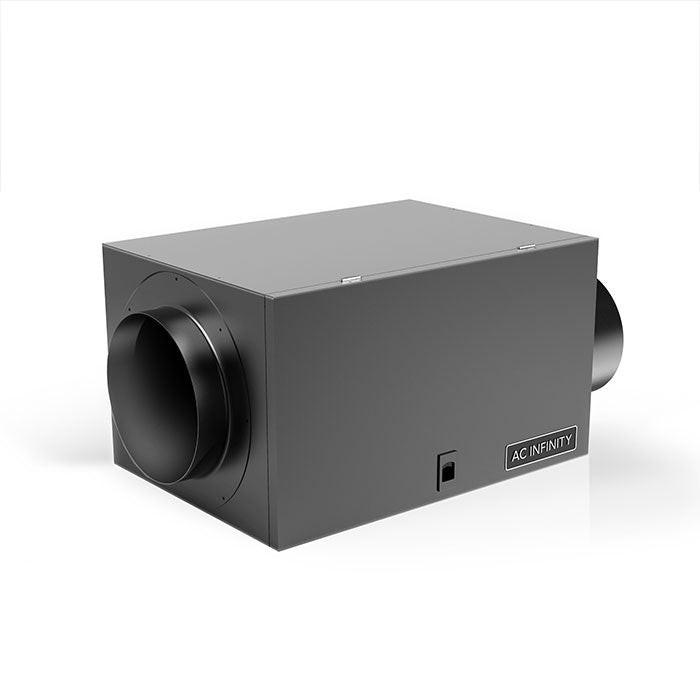
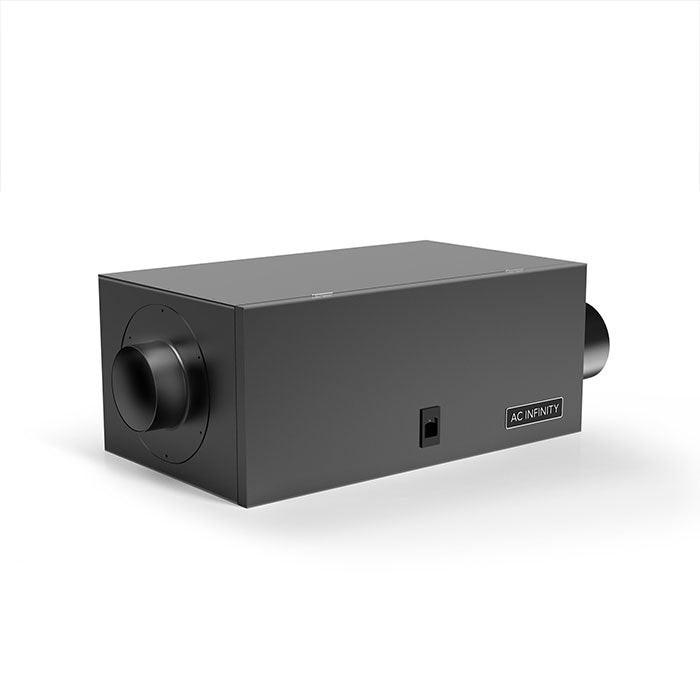
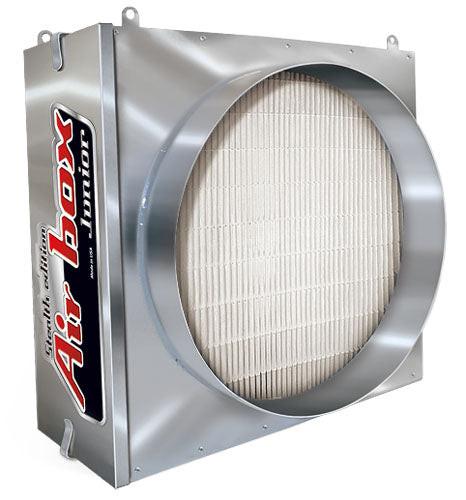
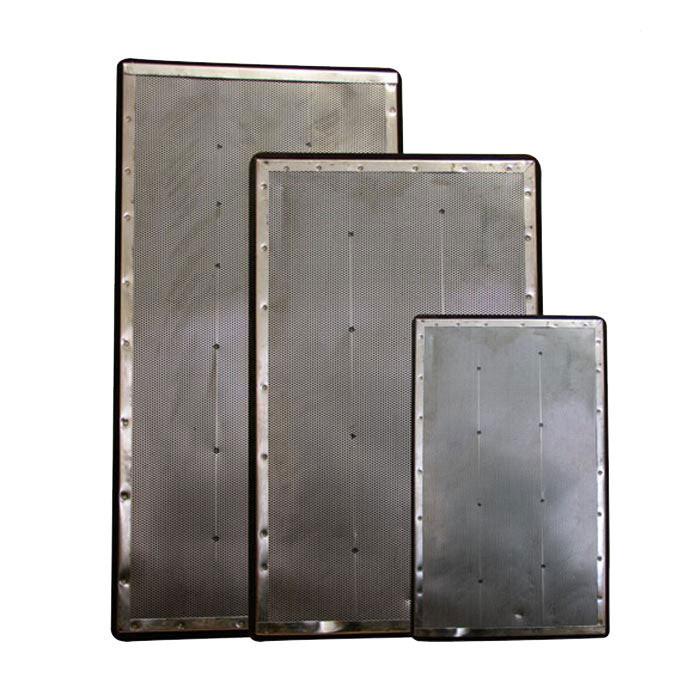
Grow Room Intake Filters & Fresh Air Filters
Grow room intake filters prevent pests, mold spores, pollen, and particulate from entering the growing environment through passive intake vents and active intake fans. In a well-sealed grow room or tent operating at negative pressure (exhaust fan pulling air out faster than it enters), unfiltered intake air is the primary vector for introducing fungus gnat adults, thrips, spider mites, powdery mildew spores, and botrytis spores from the outside environment. An intake filter on every active and passive intake vent point provides a meaningful barrier against these introduction vectors, particularly for commercial clean-room growing operations.
Carbon Intake Sock Filters
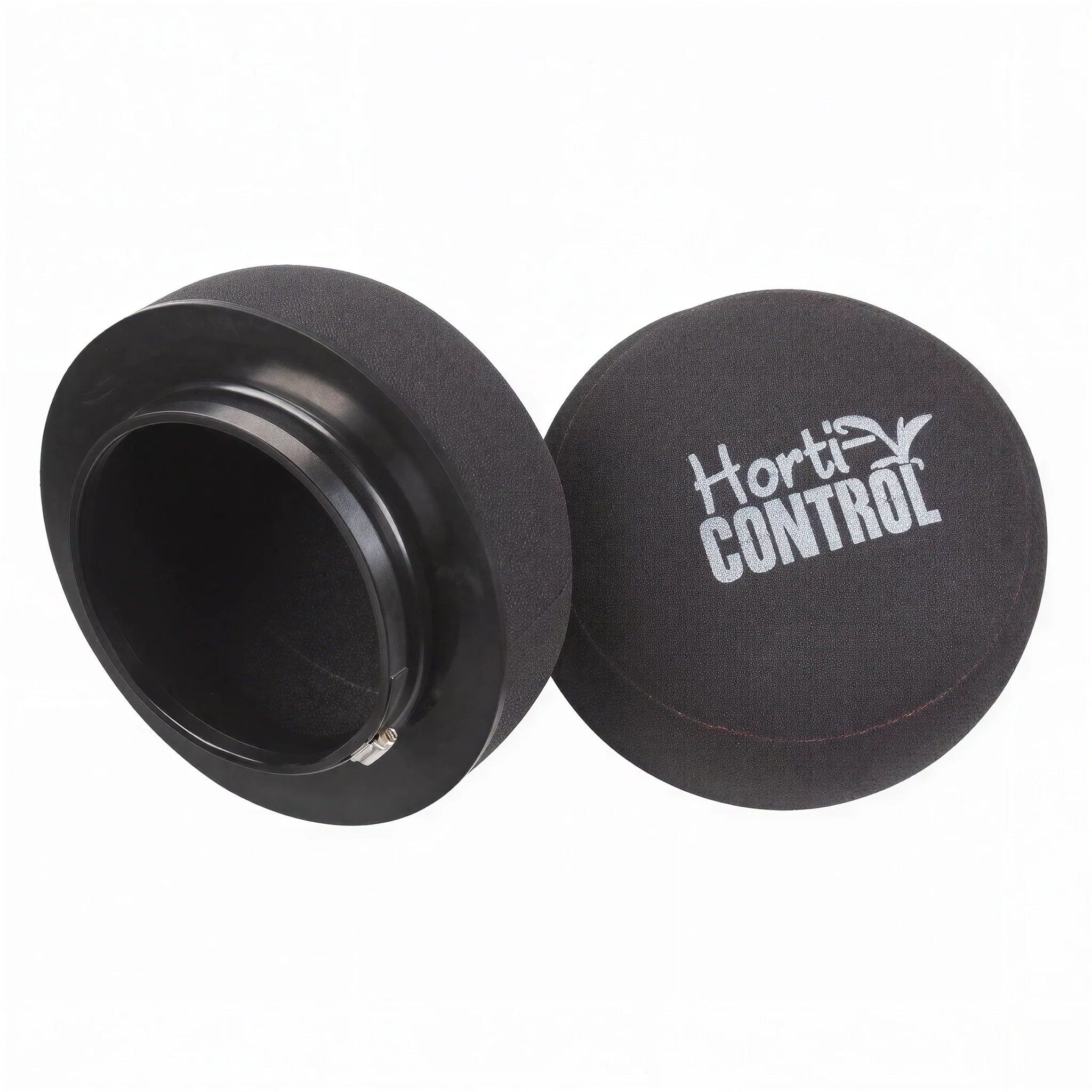
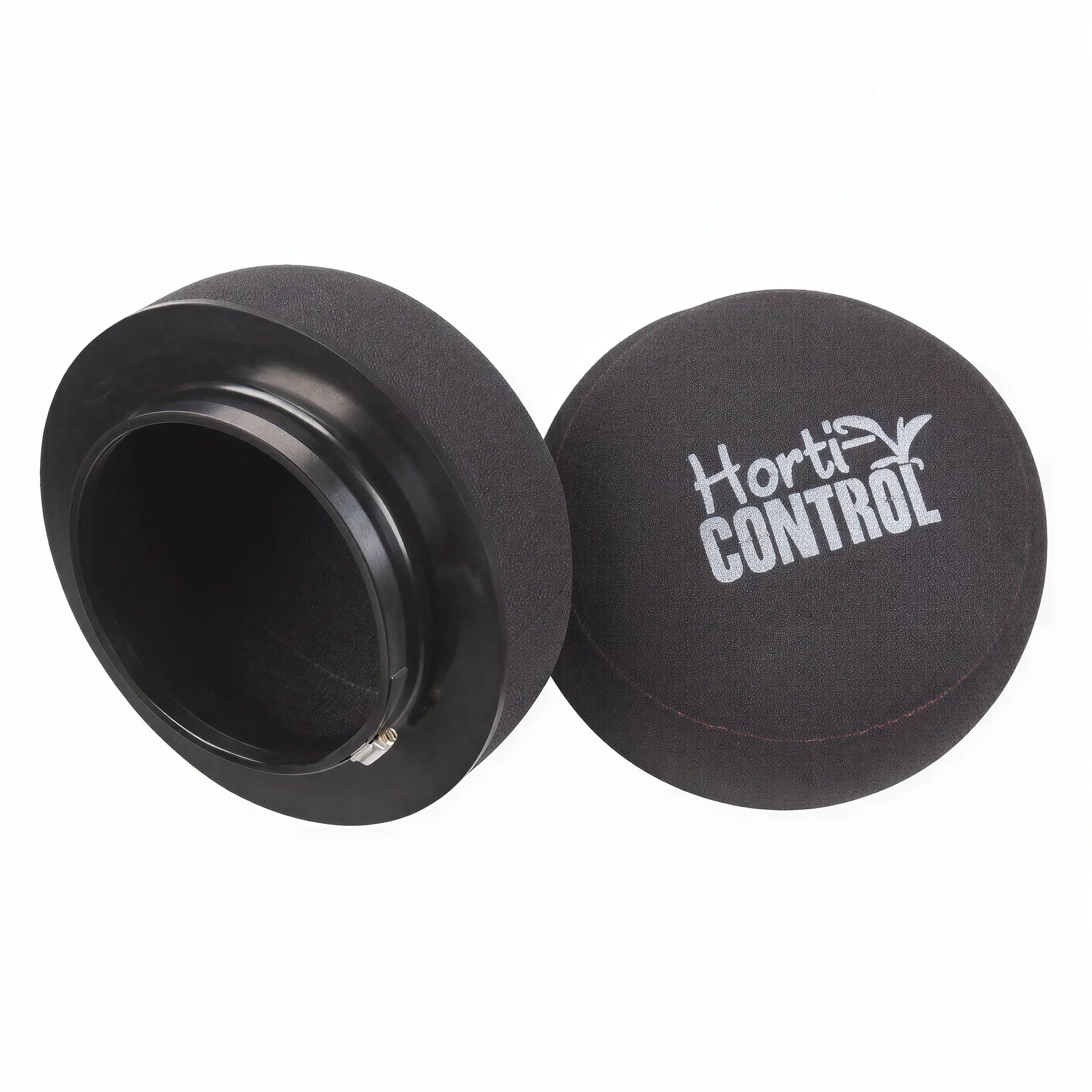
Carbon intake sock filters attach to passive vent ports on grow tent walls or over active intake fan openings. They combine a polyester pre-filter layer that captures particulate and pest insects with an activated carbon layer that removes odors and VOCs from intake air. For growers operating in environments with strong outdoor odors, pollen, or agricultural dust, the carbon component provides additional air quality benefit beyond pest and spore exclusion. Carbon sock filters are sized by vent port diameter -- match to your tent's passive vent port size (typically 4-inch or 6-inch) or to your active intake fan diameter. Browse our complete carbon filter collection for exhaust carbon filters alongside intake options.
Polyester Pre-Filters for Inline Fans
For active intake fans where an inline fan is pulling fresh air into the grow space, a polyester pre-filter sleeve over the fan intake prevents larger particulate and insects from being drawn directly into the grow space at fan speed. Pre-filter sleeves are washable and reusable -- clean or replace when visibly loaded with debris. For commercial facilities with high particulate environments, a pre-filter before an inline fan significantly extends the intake fan's service life and reduces the frequency of intake fan cleaning by preventing motor and impeller fouling from unfiltered air. Fast shipping.
Grow Room Intake Filters FAQ
Do I need an intake filter on my grow tent?
An intake filter is strongly recommended for any grow space where pest or disease pressure is a concern. Unfiltered intake vents are a primary introduction point for fungus gnat adults, thrips, spider mites, and airborne mold spores from the outside environment. A basic polyester intake filter sock on passive vent ports is inexpensive and significantly reduces the particulate and pest load entering with makeup air. For operations with recurring pest pressure despite good in-room practices, intake filtering is often the overlooked gap in the contamination control program.
What is the difference between an intake filter and an exhaust carbon filter?
An exhaust carbon filter (the large cylindrical filter connected to the exhaust fan) scrubs odors from air leaving the growing space. An intake filter prevents pests, spores, and particulate from entering with incoming air. They serve opposite functions and work together as part of a complete air management system. The exhaust carbon filter controls what leaves; the intake filter controls what enters. Both are important for clean-room grow room operations -- exhaust filtration for odor management and regulatory compliance, intake filtration for pest and disease exclusion.
How often should I replace intake filters?
Carbon intake sock filters: replace the carbon layer every 6-12 months or when odor removal is noticeably reduced; the polyester pre-filter layer can be cleaned and reused. Polyester pre-filter sleeves on inline fans: clean monthly by vacuuming loose debris or washing in water, replace when the fiber becomes permanently clogged or damaged. In high-particulate environments (near agricultural fields, dusty garages, or outdoor air with high pollen), replacement may be needed more frequently. Visually inspect filters monthly -- when intake airflow is noticeably reduced, the pre-filter layer is loaded and needs cleaning or replacement.
Can I use an intake filter with a passive vent tent setup?
Yes -- passive intake vent ports on grow tent walls are the most common application for intake sock filters. Most tents have multiple passive vent ports (typically 4-6 inch mesh-covered openings) that allow makeup air to enter as the exhaust fan creates negative pressure. Attaching an intake filter sock to these ports allows air to pass through while filtering out pests and particulate. Verify the filter does not restrict airflow to the point where the exhaust fan cannot maintain adequate air exchange -- in most single-fan passive intake setups, a clean intake sock filter adds minimal restriction.
Do intake filters help with powdery mildew prevention?
Yes -- powdery mildew spreads by airborne spores (conidia) that are carried into growing spaces on incoming air from infected plants outdoors or in adjacent rooms. An intake filter with a fine enough filtration rating captures these spores before they enter the grow environment. The polyester filtration media in most intake sock filters is effective at capturing spores in the 10-100 micron range that includes most powdery mildew conidia. While intake filtration is not a complete powdery mildew prevention solution (infected plant material and clothing can still introduce spores), it eliminates the airborne intake vector that is often the initial introduction point.