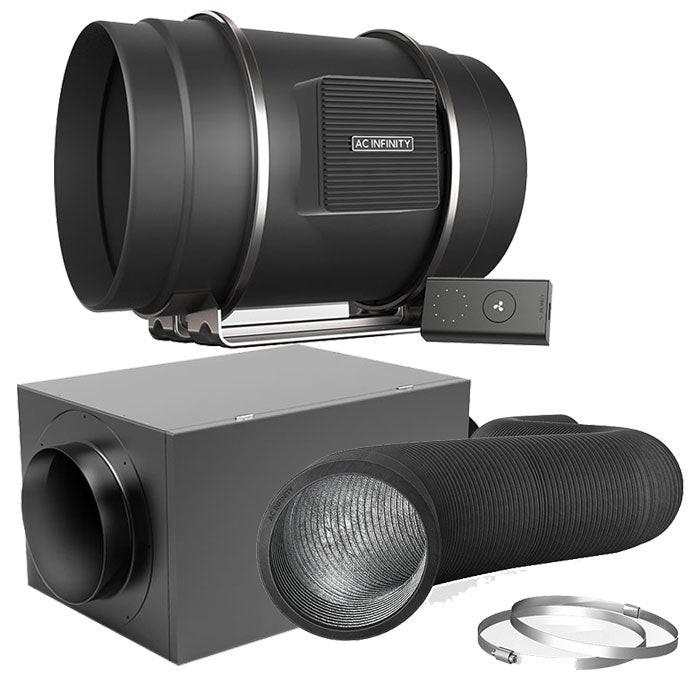
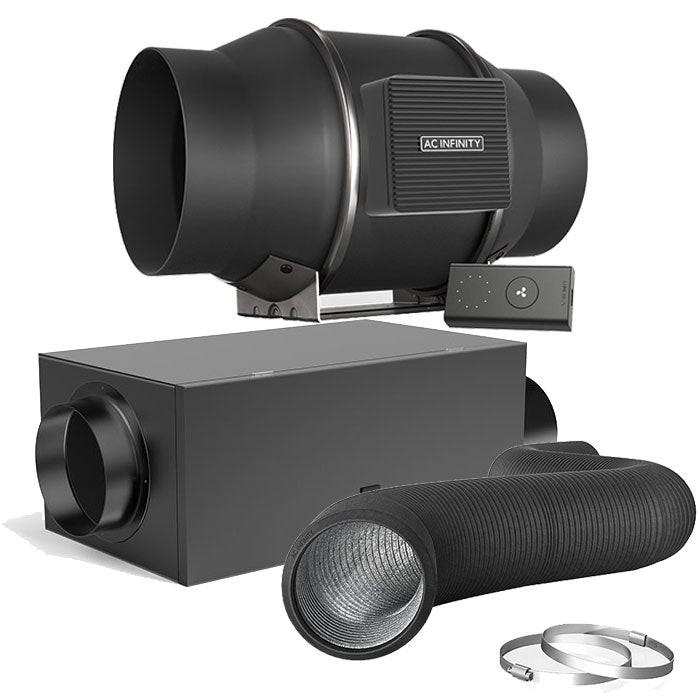
Intake Fan & Filter Kits for Grow Rooms
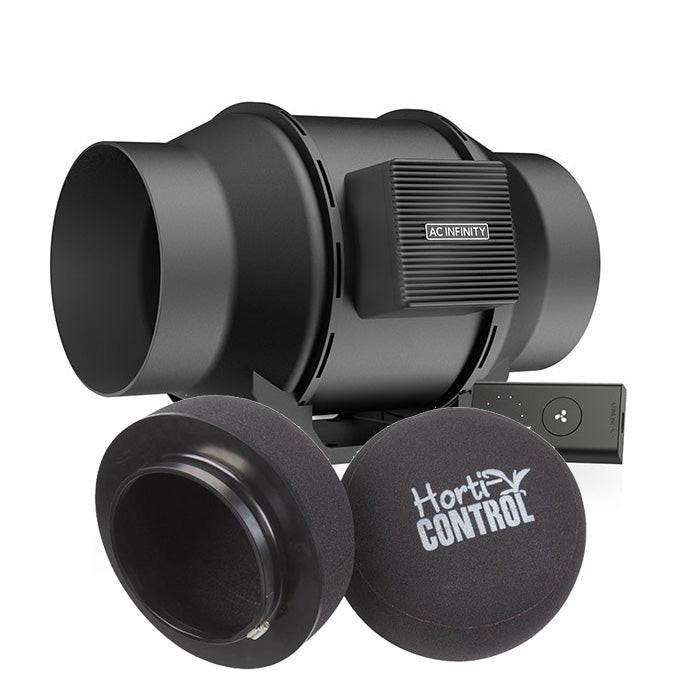
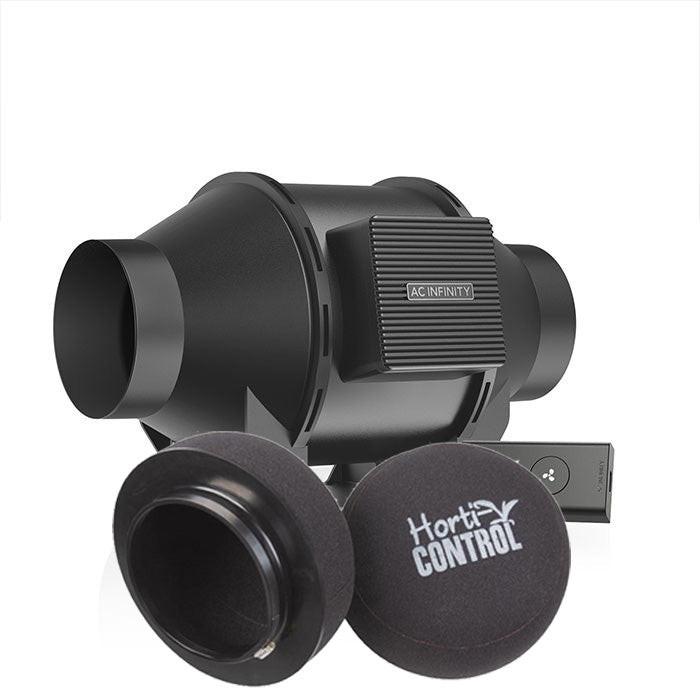
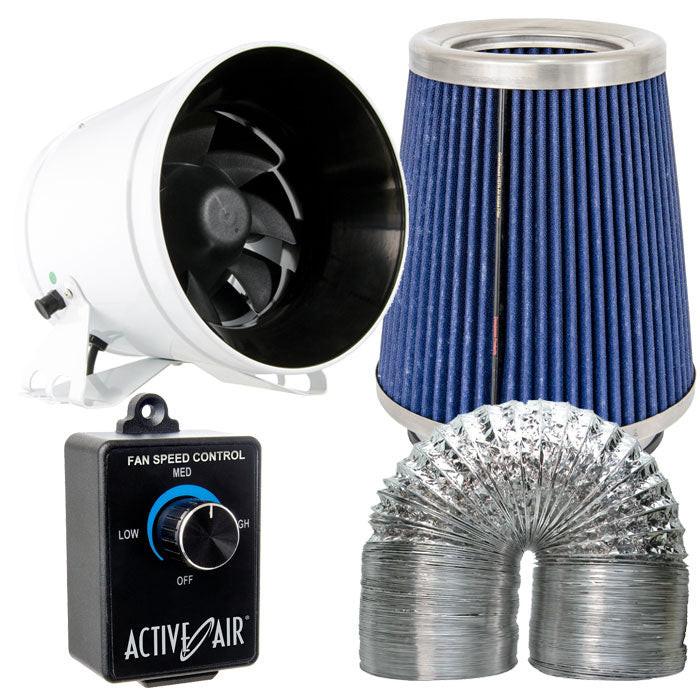
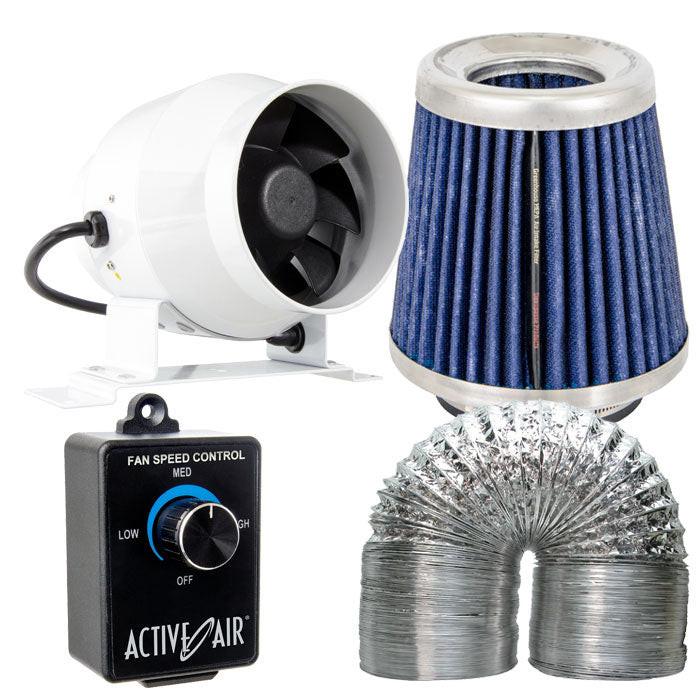
Intake fan and filter kits manage the quality of air entering a grow room or greenhouse from outside -- a critical but often overlooked component of grow room design. Unfiltered intake air introduces pest pressure (spider mites, fungus gnats, thrips, and whitefly can enter on incoming air), mold spores, and airborne pathogens that establish quickly in the warm, humid conditions of an active growing environment. HEPA and carbon pre-filter intake kits from Agriair, XPOWER, Phat Filters, and Horti Control provide matched intake fans with appropriate filter media for clean-air intake in professional growing facilities.
HEPA Filtration for Intake Air
Agriair HEPA filters (99.99% efficiency at 0.3 micron) are used with compatible Agriair air handlers to provide hospital-grade particulate filtration at intake -- removing pest eggs, spores, and fine particulates before air enters the growing environment. HEPA intake filtration is particularly valuable for facilities operating clean-room propagation areas, tissue culture labs, and mother plant rooms where any pest or pathogen introduction has outsized consequences. EnviroKlenz HEPA replacement filters and Agriair replacement filter elements are available for ongoing maintenance of installed filter systems.
Carbon Pre-Filters for Intake
Carbon pre-filters on intake fans adsorb VOCs, pesticide residues, and chemical odors from incoming outside air before it enters the growing environment. Phat Filters and Horti Control produce intake-appropriate carbon pre-filter media. XPOWER programmable sanitizing systems (Everest PLUS, Olympus PLUS) combine HEPA and ozone in a standalone air treatment unit. Browse fans and blowers, carbon filters, and all ventilation components. Fast shipping.
Intake Fan & Filter Kits FAQ
Do I need a filter on my grow room intake?
For clean-room propagation and mother plant rooms, HEPA intake filtration is strongly recommended -- a single pest introduction into a mother plant room spreads to every clone batch produced from those mothers. For standard flowering and vegetative rooms, intake filtration is valuable if your intake air source is from outdoors or from areas with known pest pressure (adjacent agricultural operations, wooded areas with high mite populations, or areas with existing pest infestations). For sealed indoor facilities where intake air comes from a climate-controlled internal source (another filtered room), intake filtration is less critical. The cost of pest management after an infestation typically exceeds the cost of intake filtration by a significant margin.
What is the difference between HEPA and carbon intake filtration?
HEPA filters (High Efficiency Particulate Air) capture physical particles -- pest eggs, spores, dust, and fine particulates at 0.3 micron and larger with 99.97-99.99% efficiency. They do not capture gases or vapors. Carbon filters adsorb volatile organic compounds (VOCs), chemical vapors, and odors through activated carbon media -- effective against gaseous contaminants but not particulates. For grow room intake, the most comprehensive approach uses both: a HEPA pre-filter to capture biological contaminants (pests and spores) followed by activated carbon to remove chemical vapors and environmental odors from incoming air. Many commercial intake systems use this two-stage approach -- HEPA first, then carbon -- before air enters the growing environment.
How often do intake filter media need to be replaced?
HEPA filter elements should be replaced when airflow through the filter is noticeably reduced (pressure drop increases as the filter loads with particulate) or at the manufacturer's recommended interval -- typically every 6-12 months in a continuously operating facility. In high-dust or high-particulate environments, replacement may be needed more frequently. Carbon filter media for intake applications typically last 12-24 months before adsorption capacity is exhausted; a sign of saturation is the return of chemical odors through the filter that were previously being removed. Keep a maintenance log of filter installation dates and plan replacements on a scheduled basis rather than waiting for obvious performance degradation.