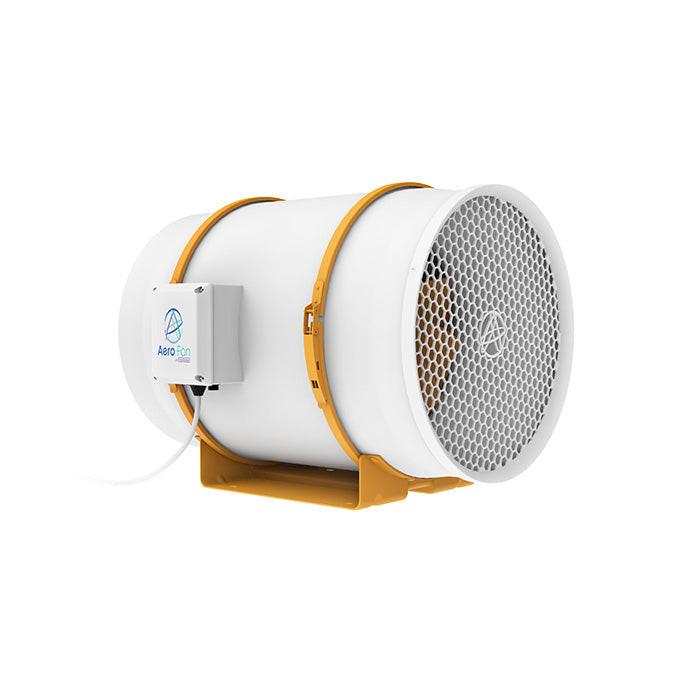
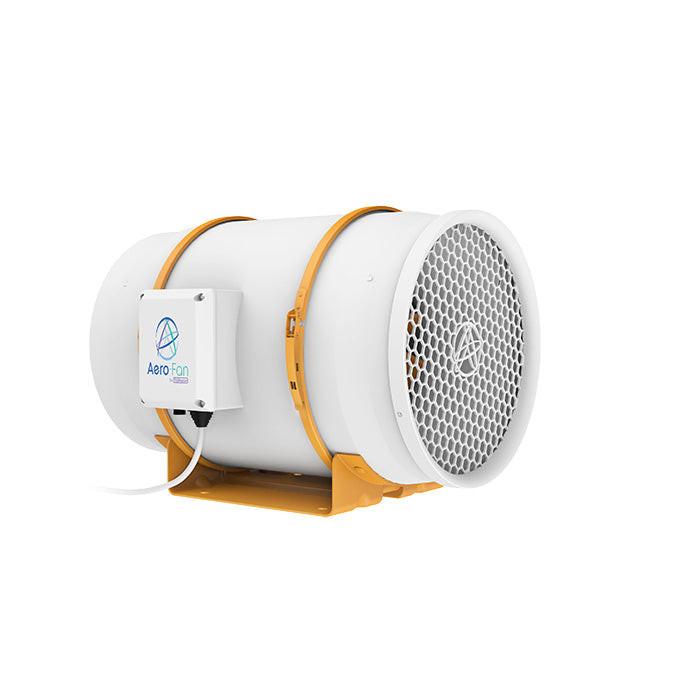
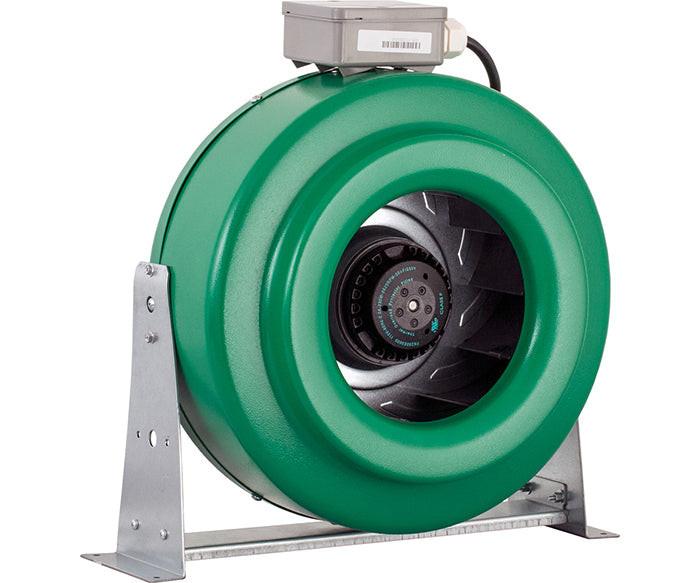
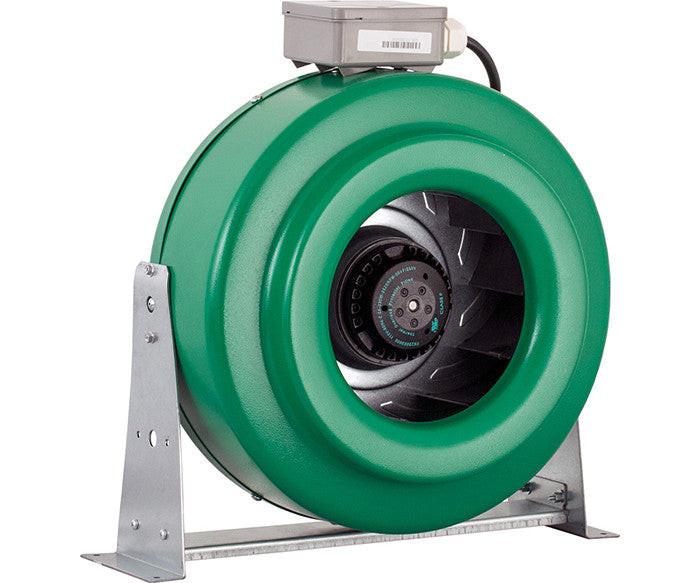
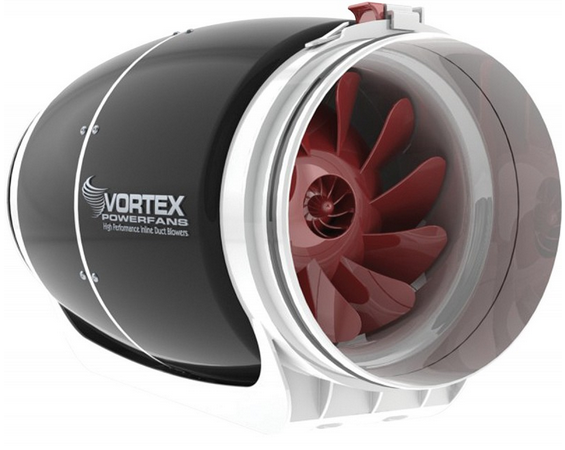
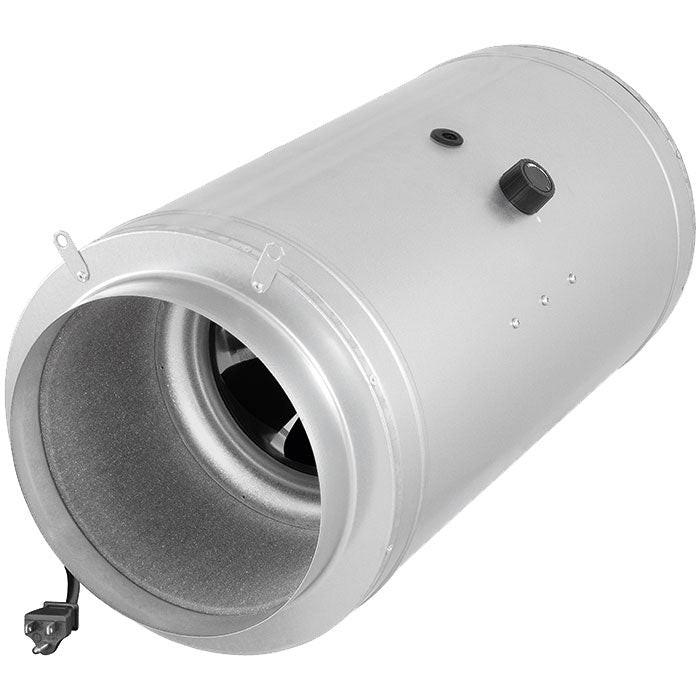
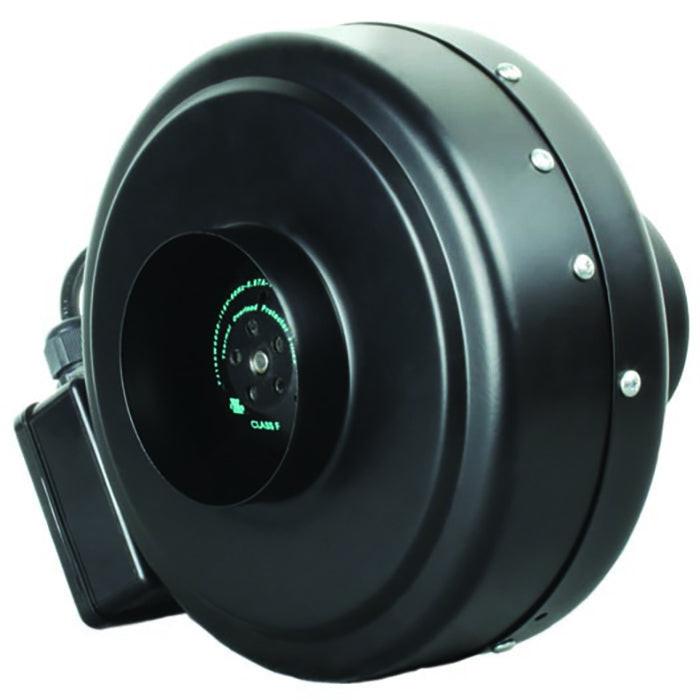
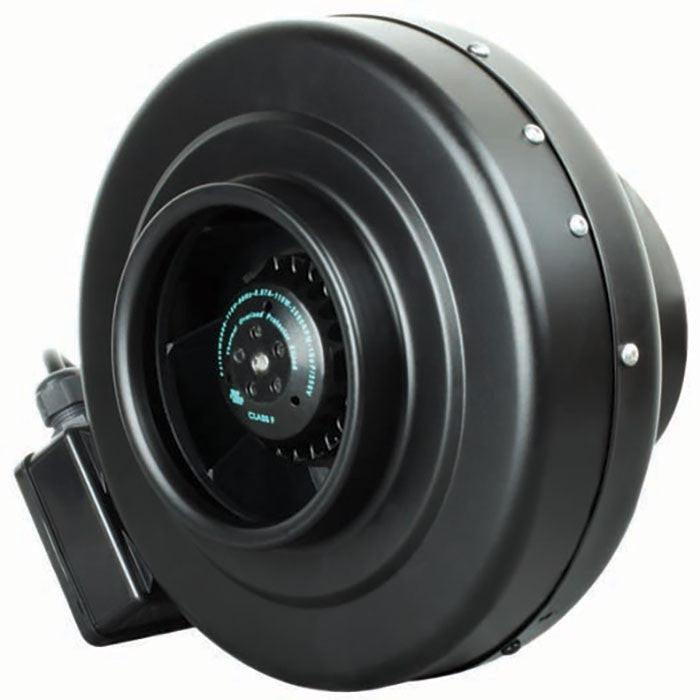
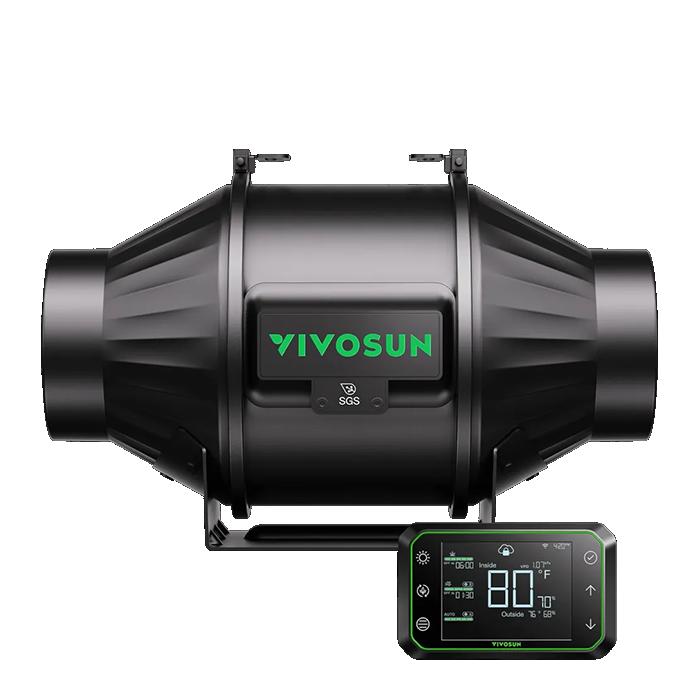
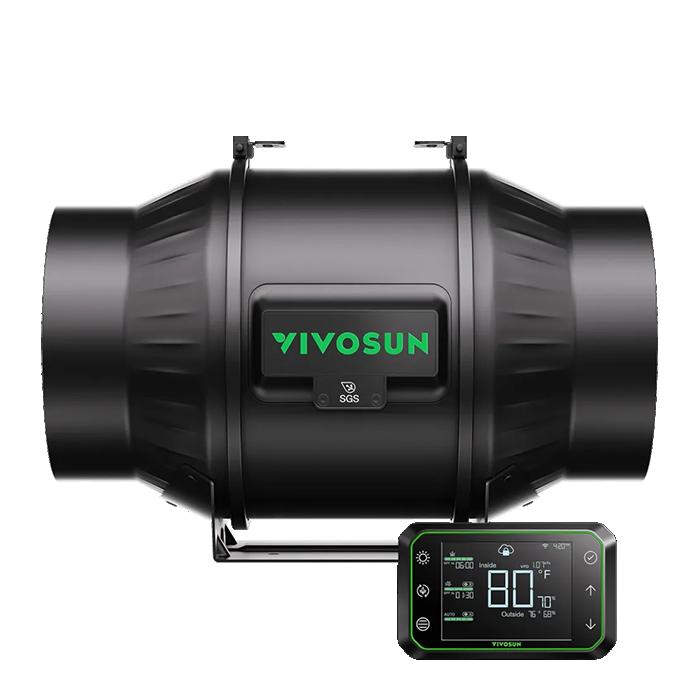
Inline Fans & Duct Fans for Grow Room Ventilation
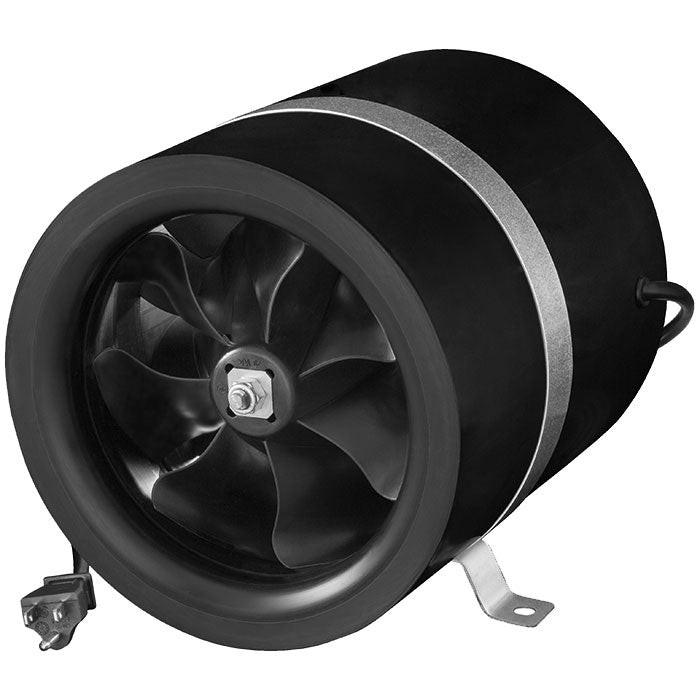
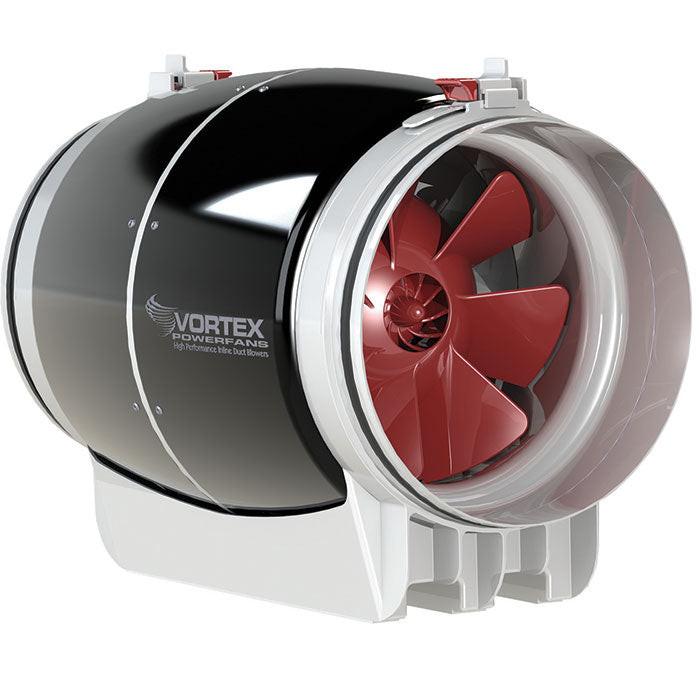
Inline fans (also called duct fans or in-line centrifugal fans) are the primary air exchange tool for grow tents and dedicated grow rooms. Mounted in-line with the exhaust duct, an inline fan draws stale, humid, heat-laden air out of the grow space and pulls in fresh air through passive intake ports. Combined with a carbon filter on the intake side of the fan, the system handles both air exchange and odor control in a single unit. Properly sizing your inline fan to your grow space volume is the most important ventilation decision -- undersized fans leave heat and humidity problems unresolved while an oversized fan creates excessive negative pressure and noise.
How to Size an Inline Fan
Inline fans are rated in CFM (cubic feet per minute). To size correctly: calculate your grow space volume in cubic feet (length x width x height), then select a fan that can exchange that full volume at least once per minute. Add 25-30% to your calculated CFM to compensate for the resistance of a carbon filter on the fan intake -- a filter reduces effective airflow from the fan's free-air rating. A 4x4x7 ft tent (112 cu ft) needs 140-150 CFM minimum at the filter, so select a fan with a free-air rating of approximately 175-200 CFM. A 4x8x7 ft tent (224 cu ft) needs 280-300 CFM at the filter -- select a fan rated at 350-400 CFM free air. Use our Ventilation & Carbon Filter Sizing Calculator for a precise recommendation based on your exact dimensions.
Inline Fan Brands: AC Infinity, Can-Fan & Hurricane
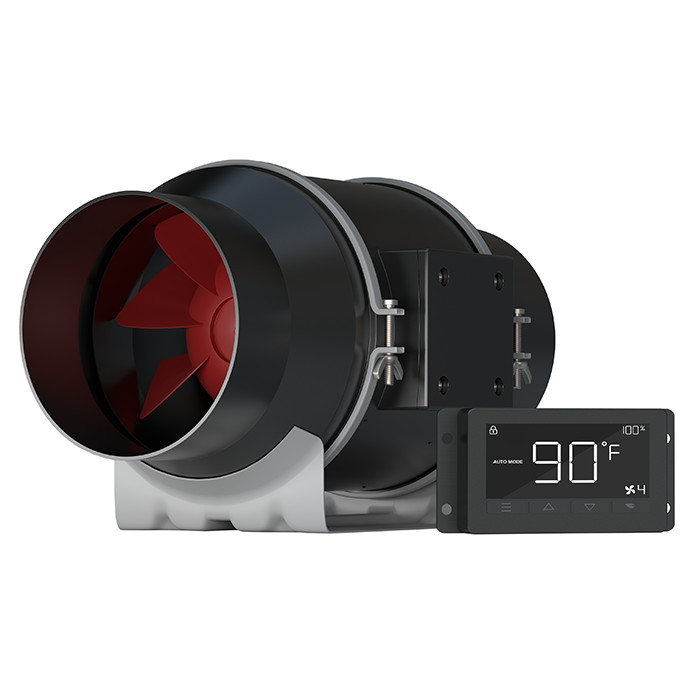
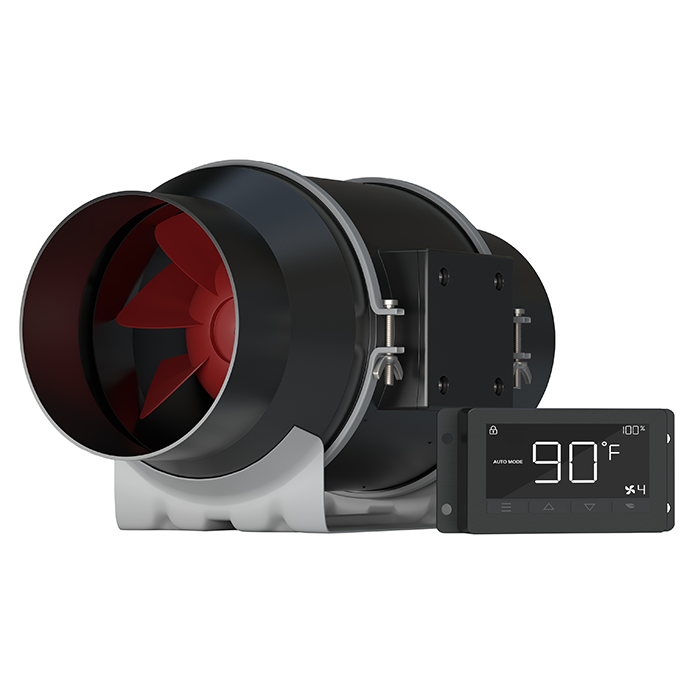
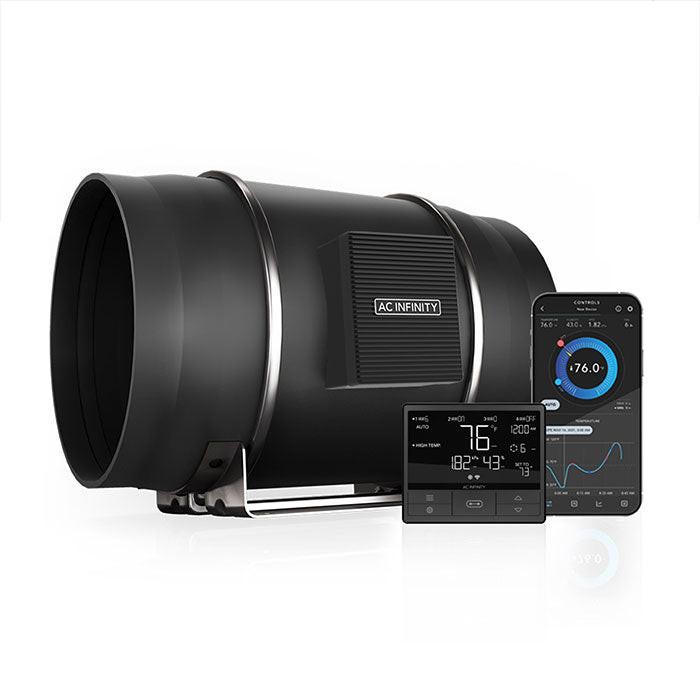
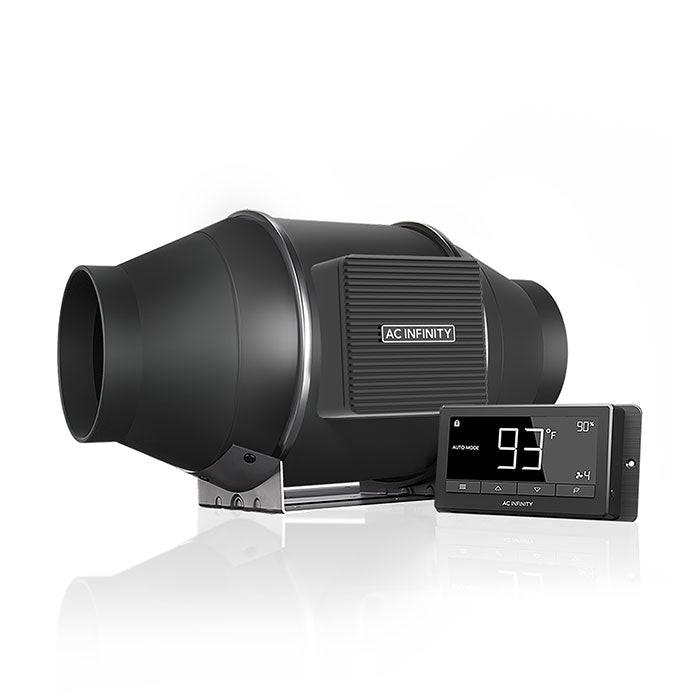
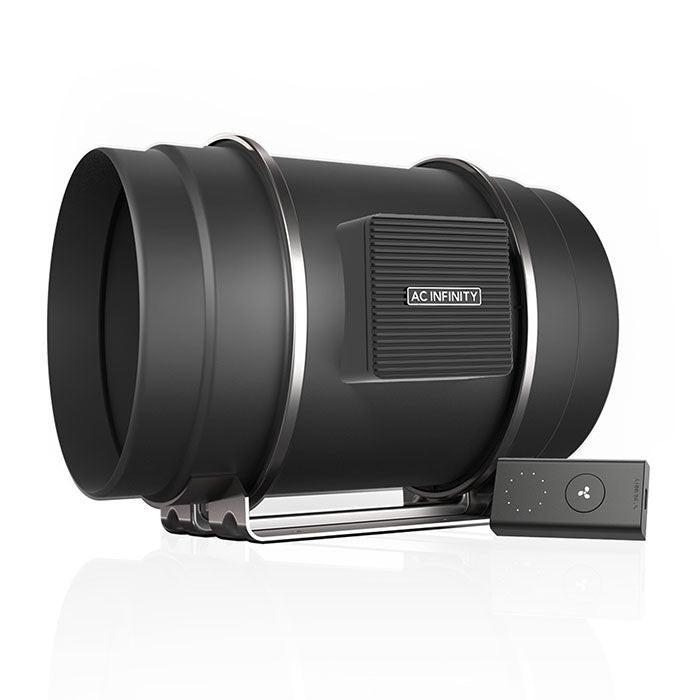
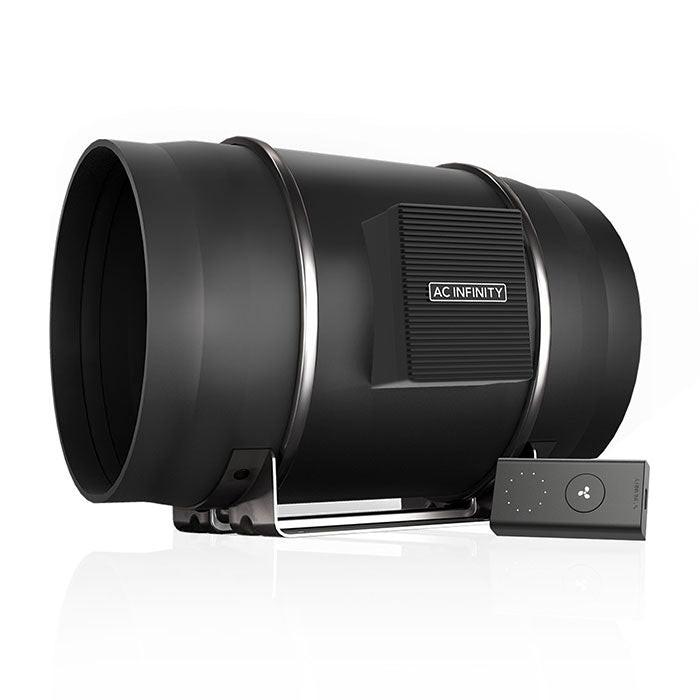
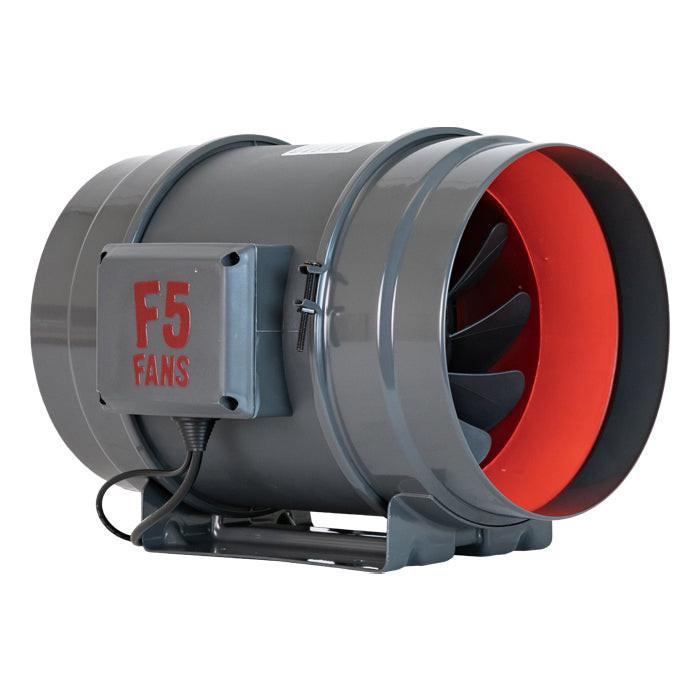
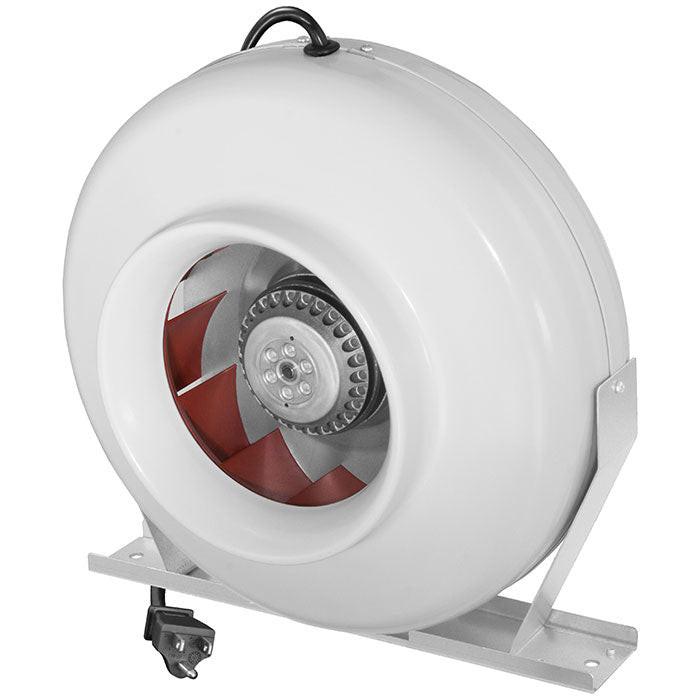
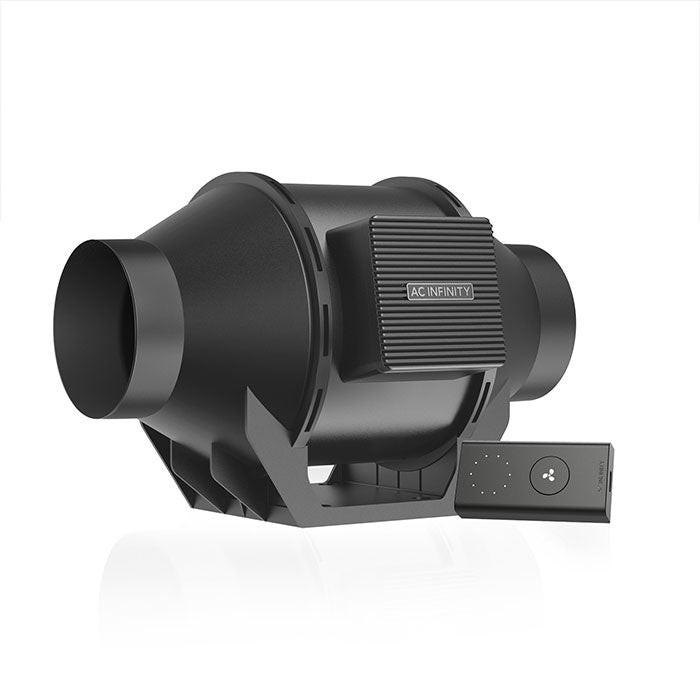
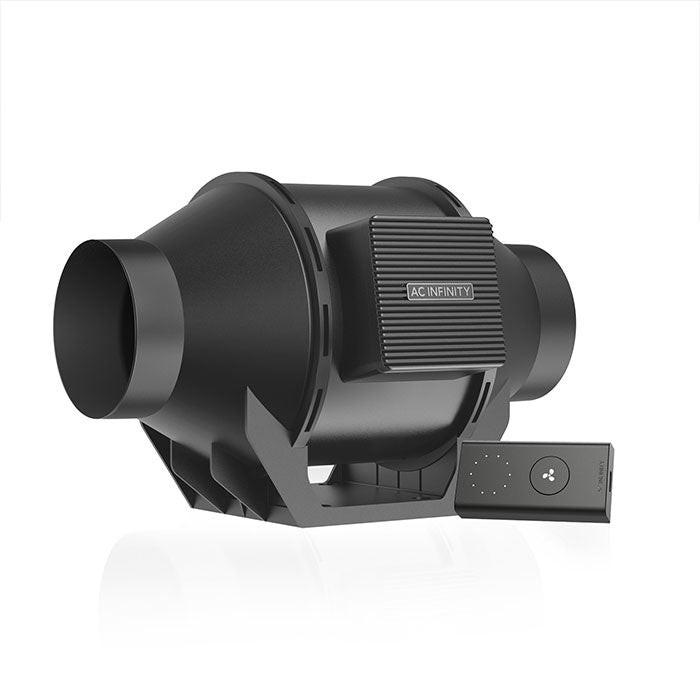
Hydrobuilder carries inline fans from AC Infinity, Can-Fan, Hurricane, and other qualified brands in 4-inch through 12-inch duct diameters. AC Infinity's CLOUDLINE series has become one of the most widely adopted inline fan lines in the hobby growing market, with integrated speed controllers, temperature and humidity triggered automation, and quiet EC motor technology. Can-Fan (standard and Max series) is the long-established professional benchmark for grow room ventilation, with consistent CFM ratings and durable continuous-duty construction. Hurricane inline fans provide reliable, cost-effective performance across standard duct sizes. All brands are available with matching carbon filter options for complete kits, or as individual components for custom configurations. For matched bundles, browse our fan and carbon filter kits collection.
Speed Controllers & Automation
Running an inline fan at maximum speed continuously is rarely optimal -- oversized fans create excessive negative pressure inside the tent (which can cause tent walls to collapse inward), run louder than necessary, and may over-exhaust CO2 during enrichment programs. A speed controller allows the fan to run at reduced speed under normal conditions with headroom to increase during hot periods. AC Infinity's CLOUDLINE series includes integrated speed control with temperature-based automation; for fans without built-in controllers, standalone fan speed controllers are available separately. For facilities using environment controllers, fan speed can be automated through 0-10V VFD outputs on controllers like TrolMaster Hydro-X. Fast shipping.
Inline Fans FAQ
What size inline fan do I need for my grow tent?
Calculate tent volume (L x W x H in cubic feet) and add 25-30% for carbon filter resistance to get your required minimum fan free-air CFM rating. 2x4x7 ft tent (56 cu ft): 70-75 CFM needed at filter, select a fan rated 90-100 CFM free air -- a 4-inch fan works. 4x4x7 ft (112 cu ft): 140-150 CFM at filter, select 175-200 CFM -- a 4-inch or 6-inch fan. 4x8x7 ft (224 cu ft): 280-300 CFM at filter, select 350-400 CFM -- a 6-inch fan. 5x5x8 ft (200 cu ft): 250-265 CFM at filter, select 315-340 CFM -- a 6-inch fan. For 10x10 rooms and above, 8-inch and 10-inch fans are appropriate. Use our Ventilation Calculator for an exact recommendation.
Should I put the inline fan inside or outside the grow tent?
Either works -- outside is more common and has practical advantages. Mounting the fan outside the tent keeps its heat and noise outside the growing environment and makes the fan easier to service without disturbing the plants. Connect the fan to the carbon filter inside the tent via a short duct section through a tent port, then duct the fan exhaust to the exterior environment. Inside mounting is sometimes preferred for noise reduction in adjacent spaces (the tent walls provide some sound dampening) or when exterior mounting space is limited. For outside mounting, ensure the duct run from filter to fan is short -- long duct runs add resistance that reduces effective CFM.
What is the difference between a 4-inch and 6-inch inline fan for a 4x4 tent?
A 4-inch inline fan (typically 170-200 CFM free air) covers a 4x4x7 ft tent with adequate airflow and no headroom -- it runs near maximum speed to maintain target air exchange. A 6-inch fan (typically 350+ CFM) significantly exceeds the minimum requirement for a 4x4, allowing it to run at 40-50% speed for quieter operation while maintaining adequate air exchange, with full speed available for summer temperature management or periods of high plant transpiration. If noise is a concern, the 6-inch fan with a speed controller is the better long-term investment for a 4x4 setup.
Can I use the same inline fan for both exhaust and intake?
In standard tent setups, a single inline fan handles exhaust -- drawing air out through the carbon filter and creating negative pressure that pulls fresh air in passively through intake vents or ports. Most grow tents are designed around this single-fan passive intake configuration. Active intake fans (a second fan pushing air in) are used in sealed environments, rooms with restricted passive intake, or commercial facilities where positive pressure or precise air balance is required. For most hobby grow tent applications, a single correctly sized exhaust fan with properly sized passive intake ports (typically 2-4x the duct area of the exhaust, left uncovered or with a pre-filter) is the simplest and most reliable configuration.