Cold Water Extraction Equipment & Kits
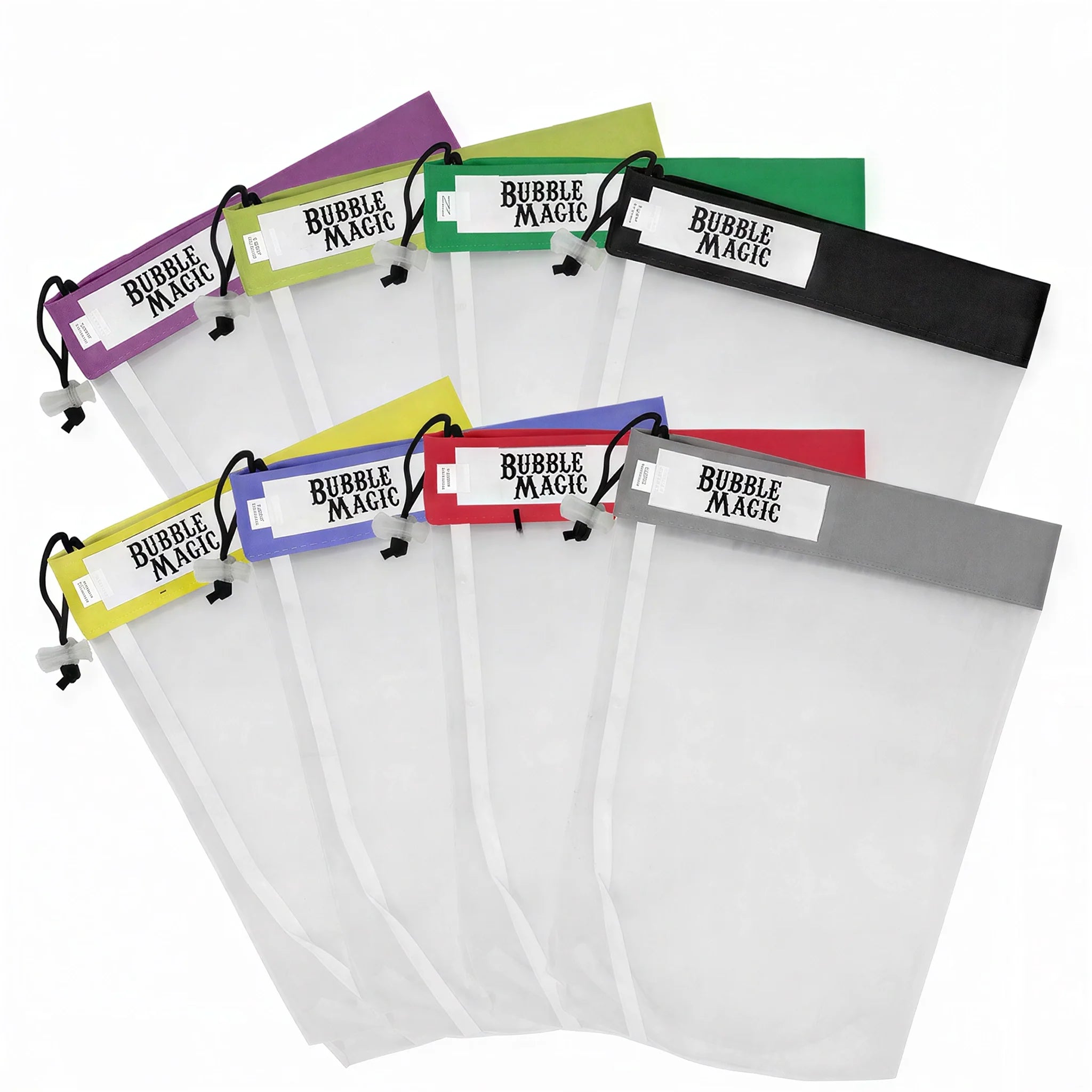
Cold water extraction (also called ice water extraction or bubble extraction) uses cold water agitation and fine-mesh filtration to separate trichome heads from botanical plant material without heat or solvents. Plant material is combined with ice water in an agitation vessel -- either a washing machine-style agitator, a bucket and mixer, or a dedicated extraction vessel -- and agitated to knock trichome heads free from the plant surface. The mixture is then poured through a series of graduated micron filter bags that separate trichome heads by size, allowing collection of different quality grades from a single extraction run.
Equipment for Cold Water Extraction
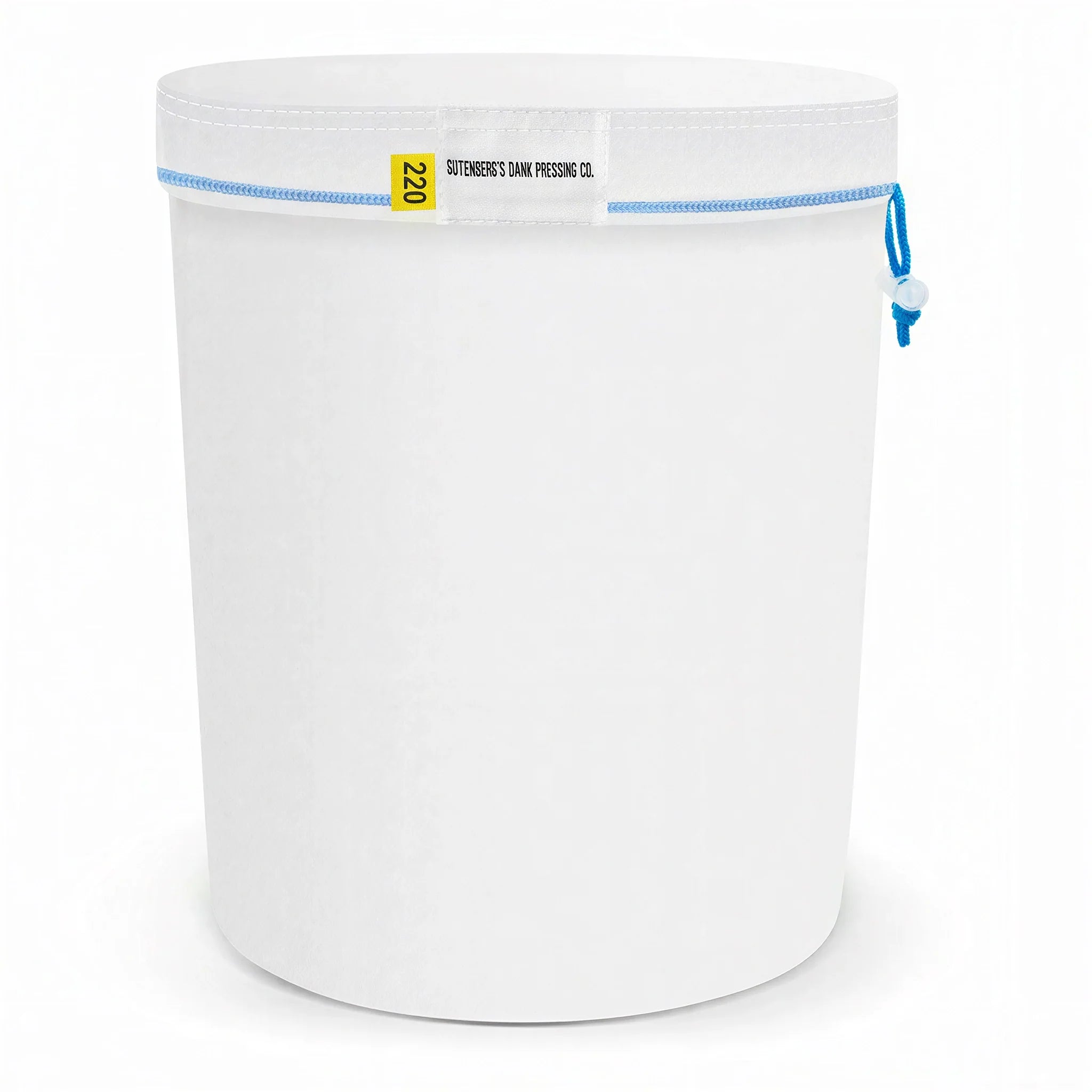
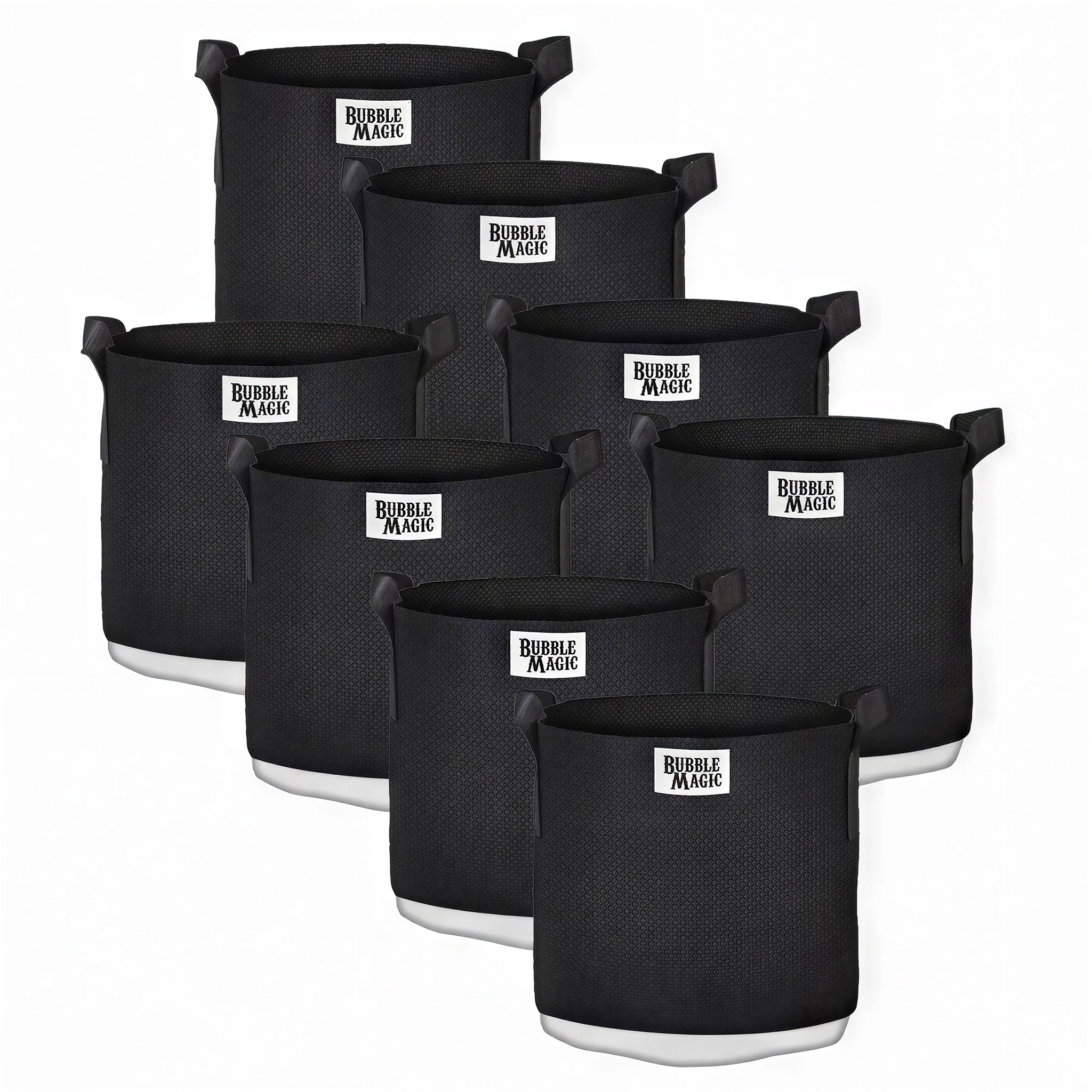
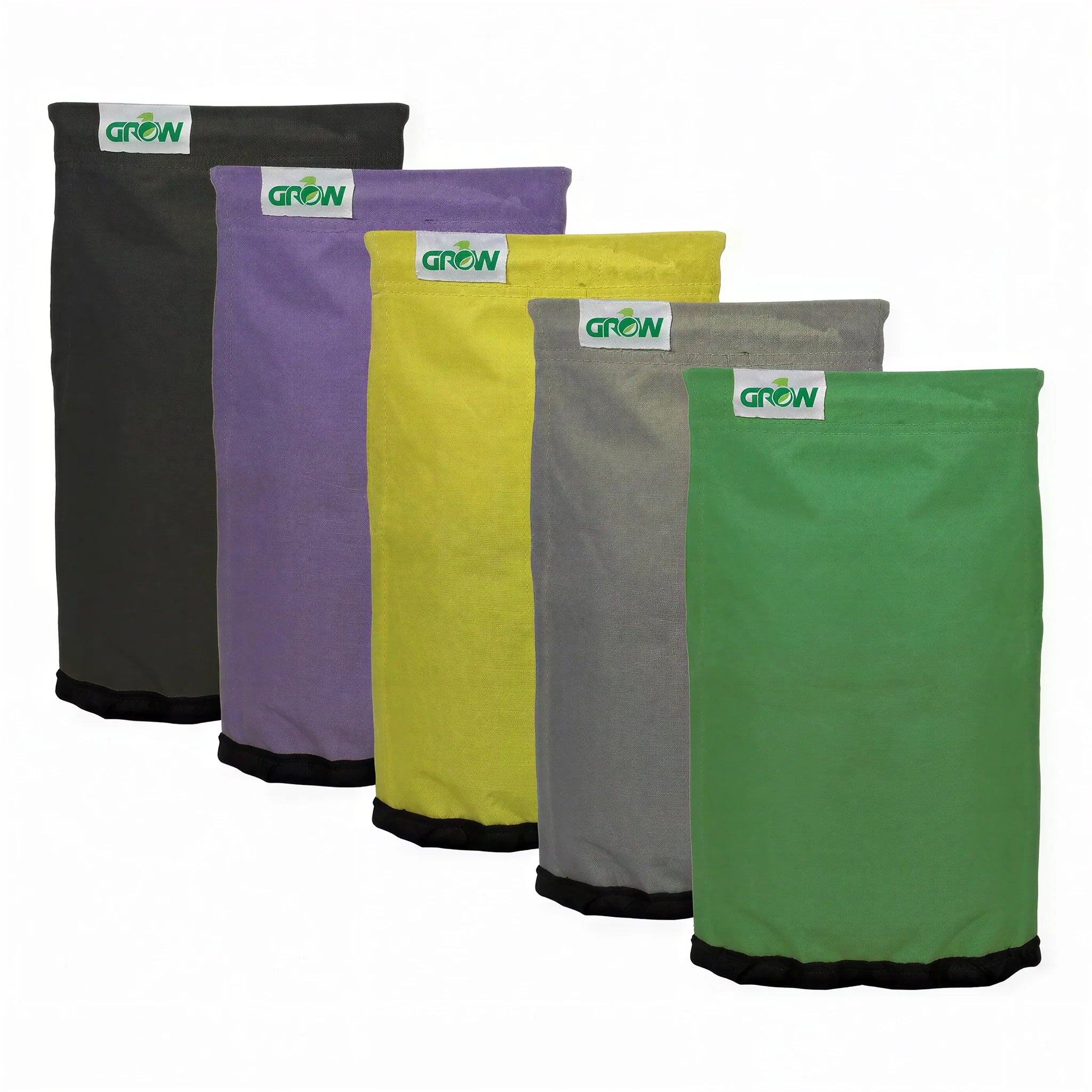
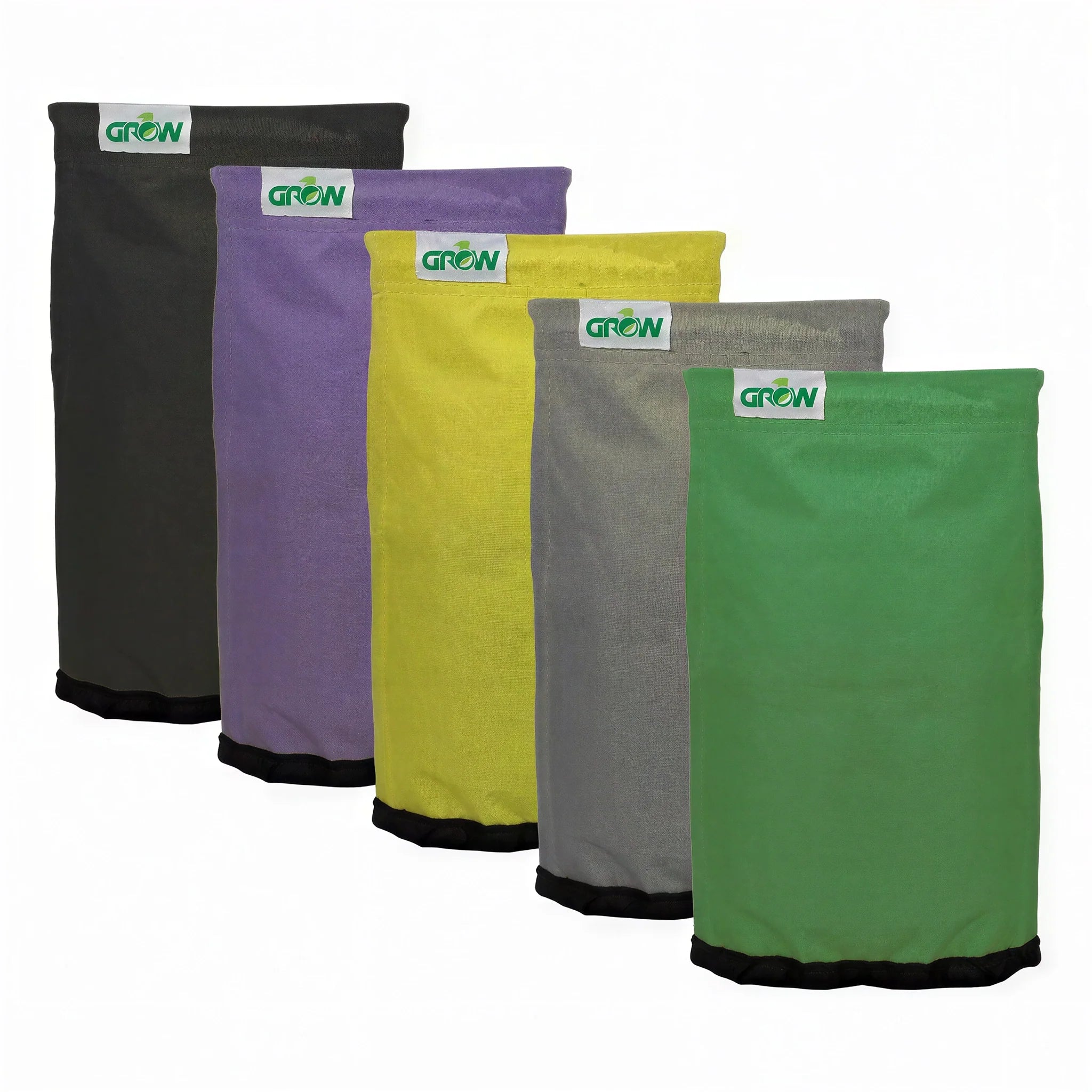
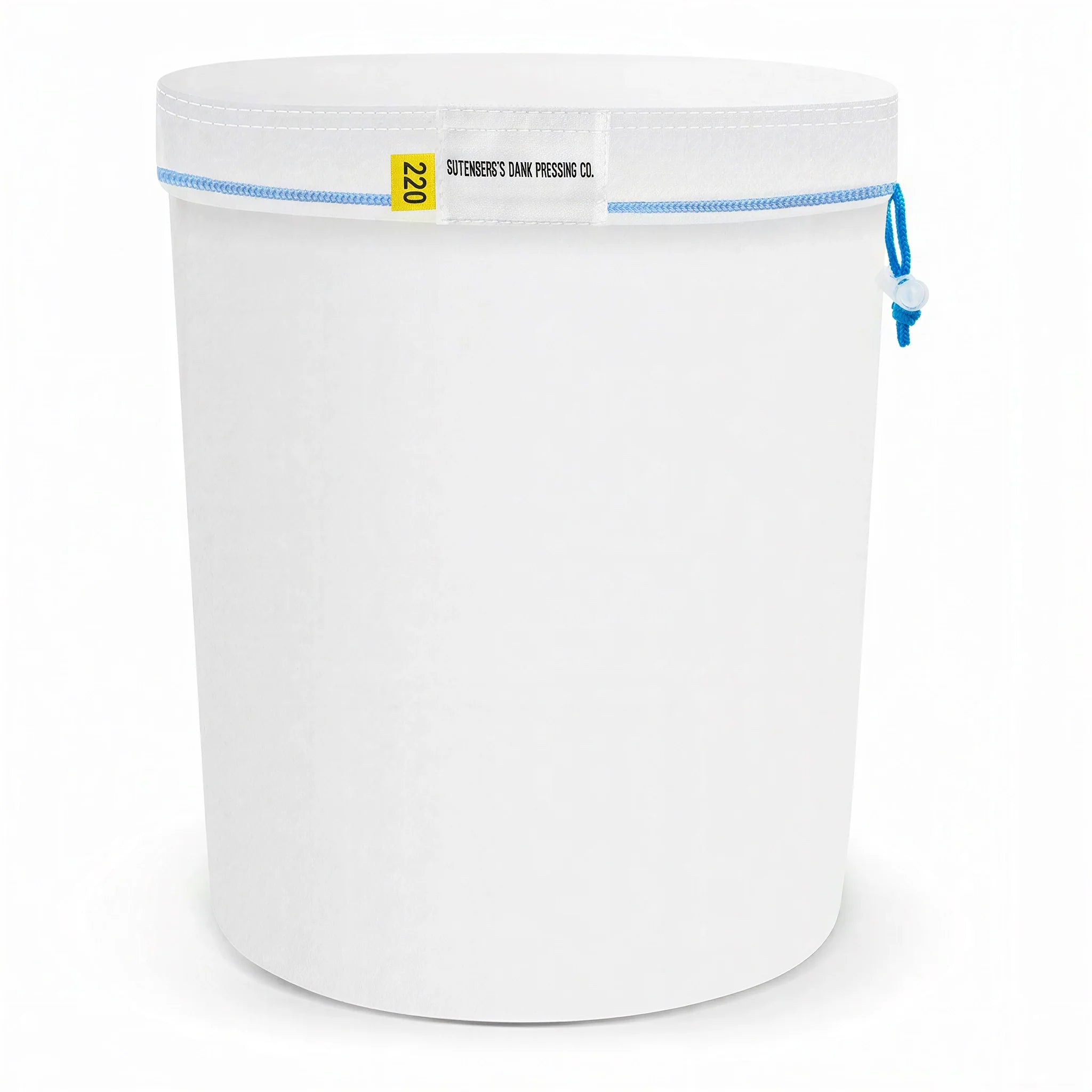
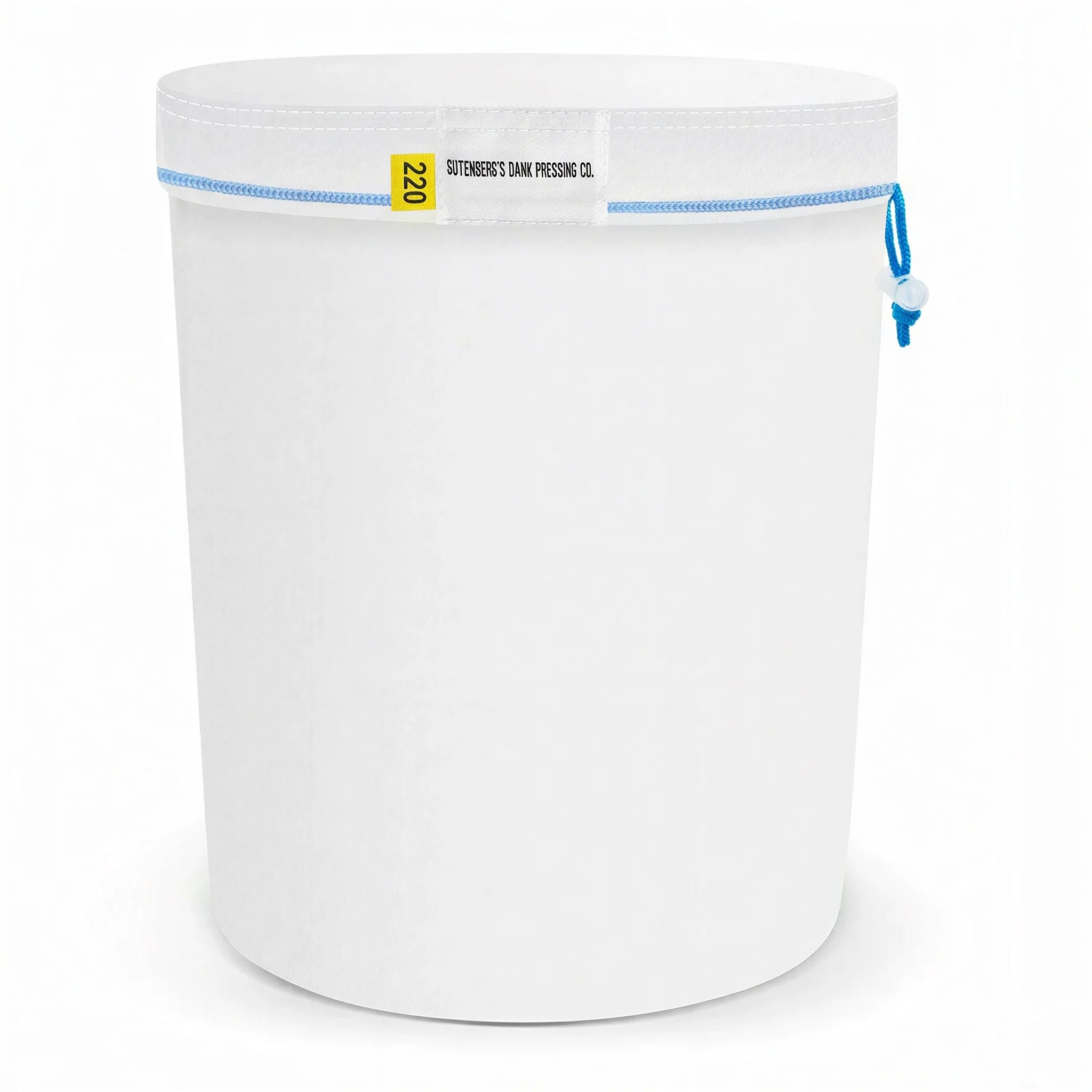
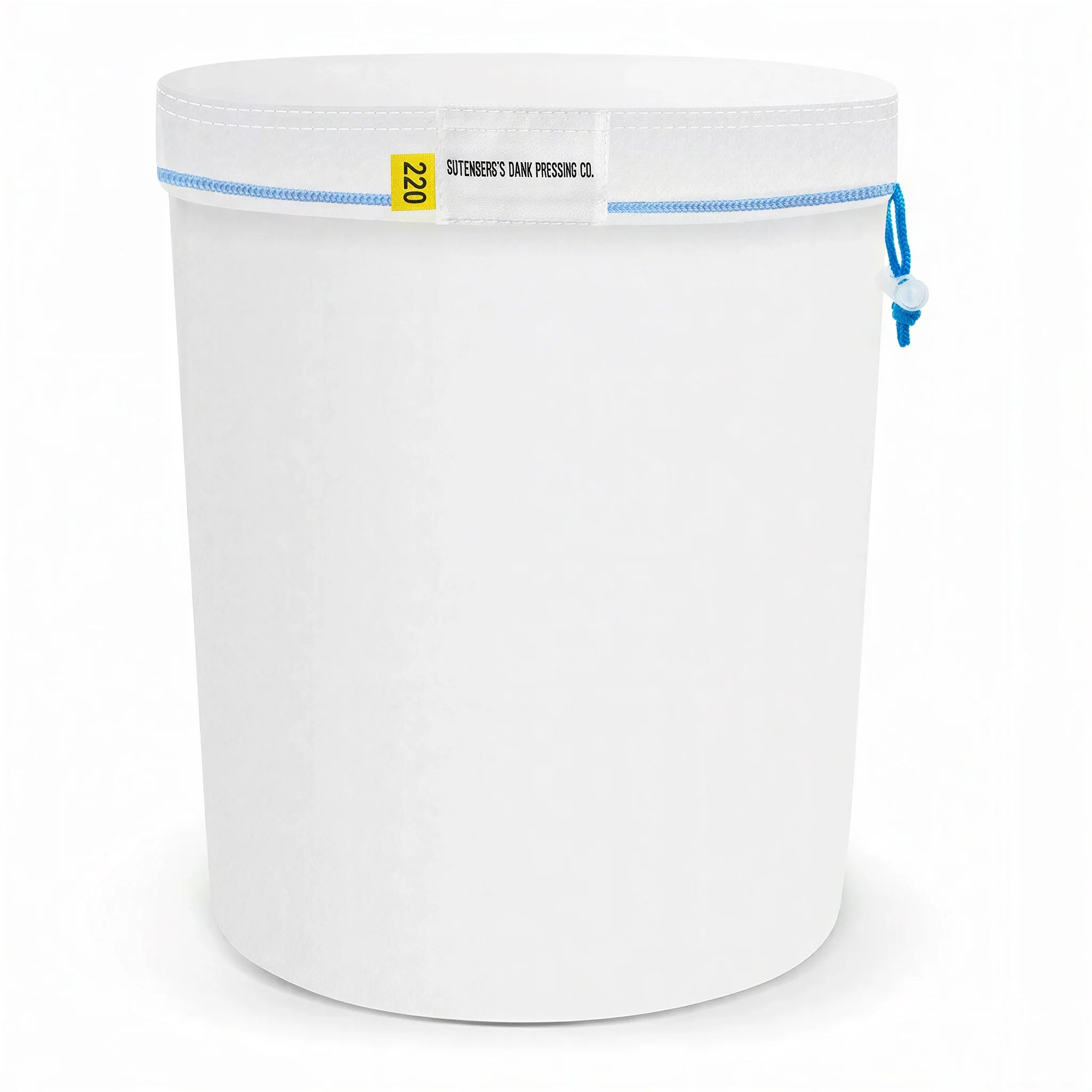
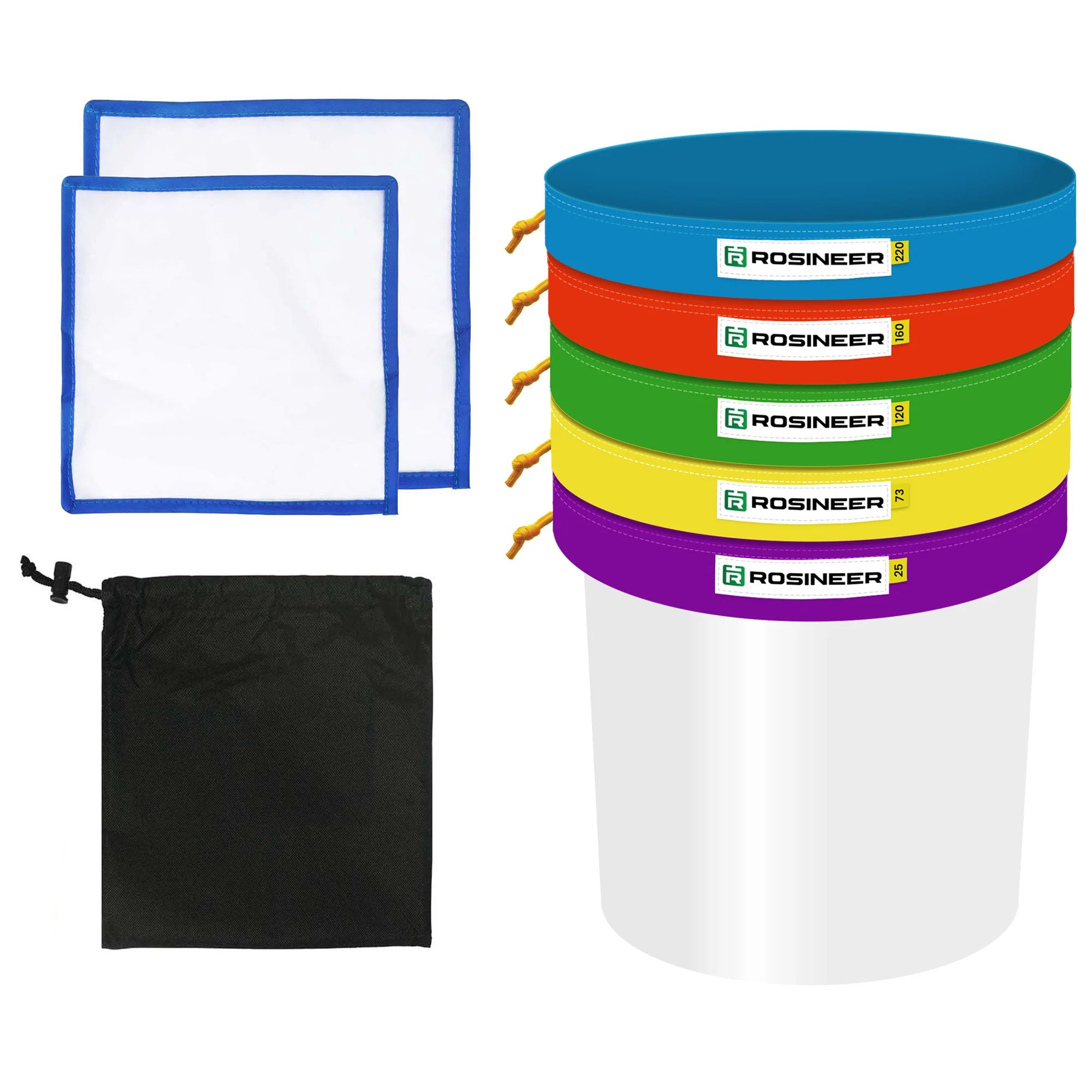
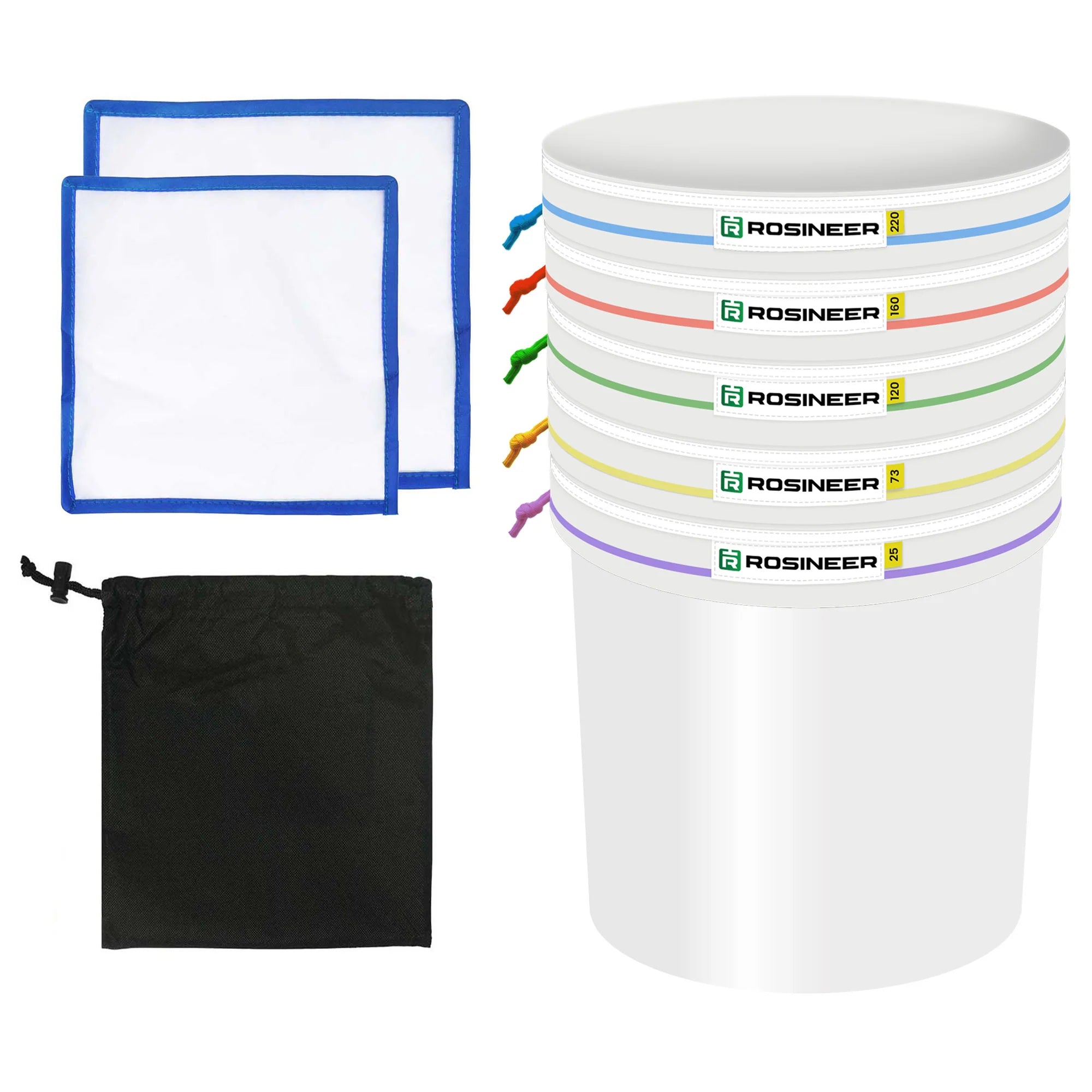
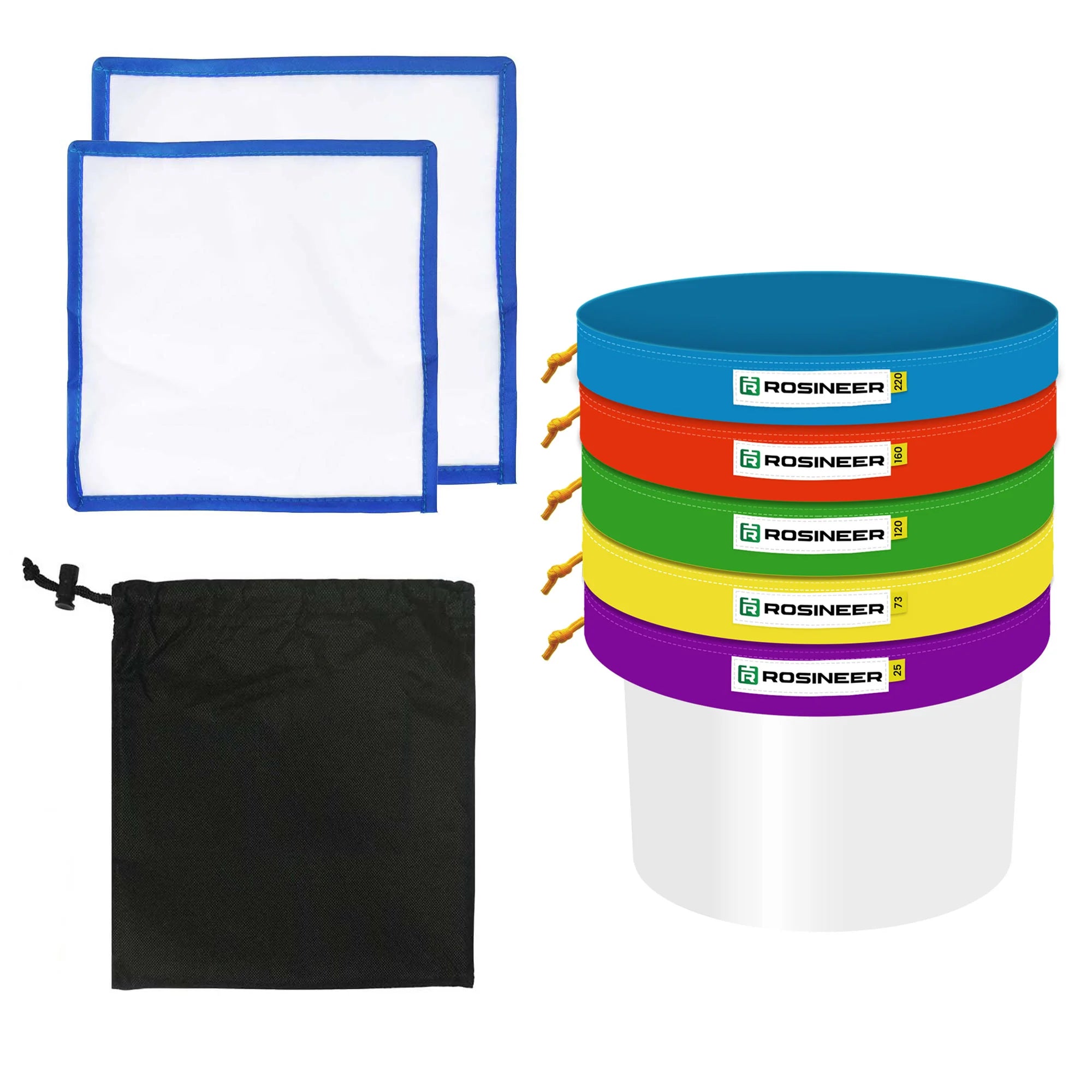
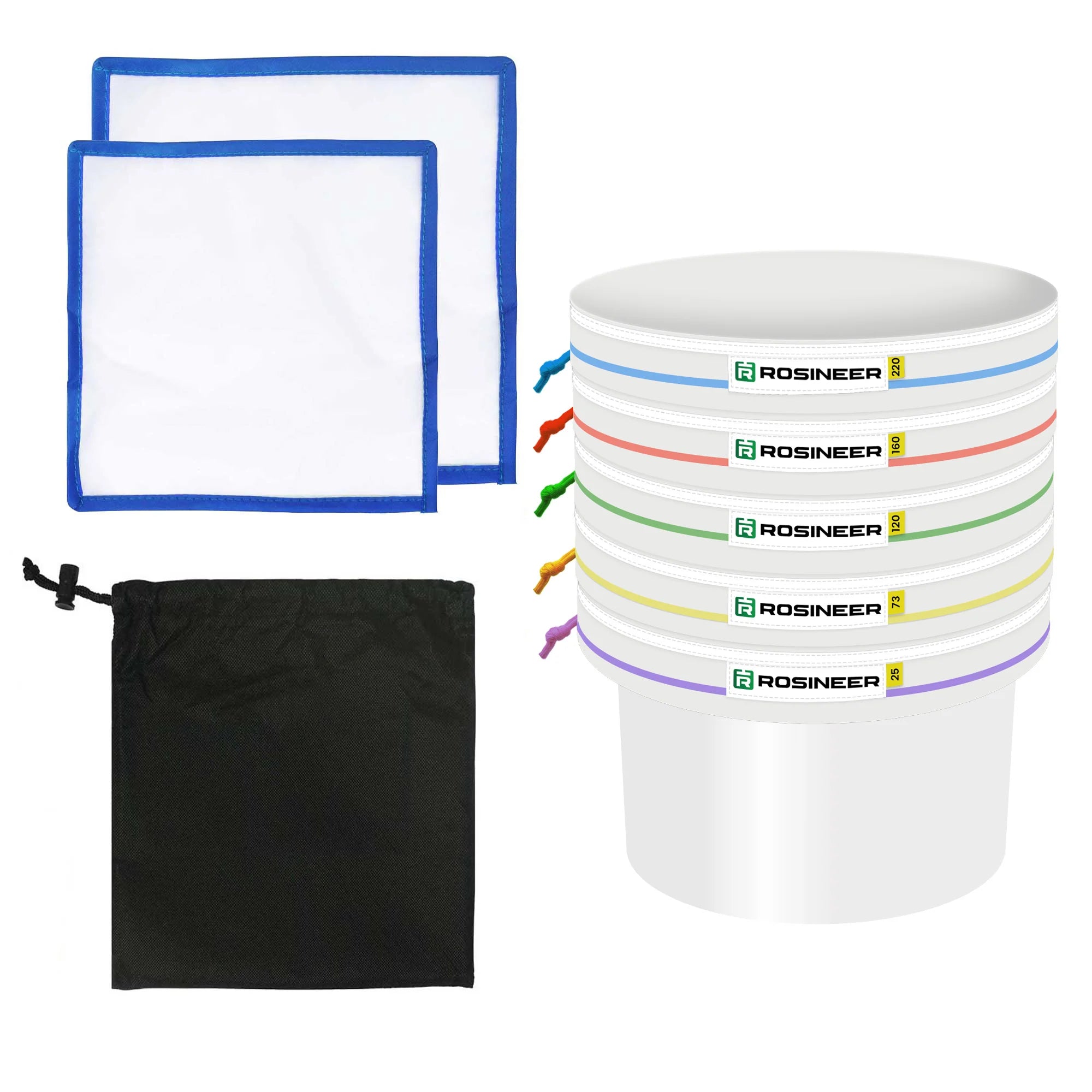
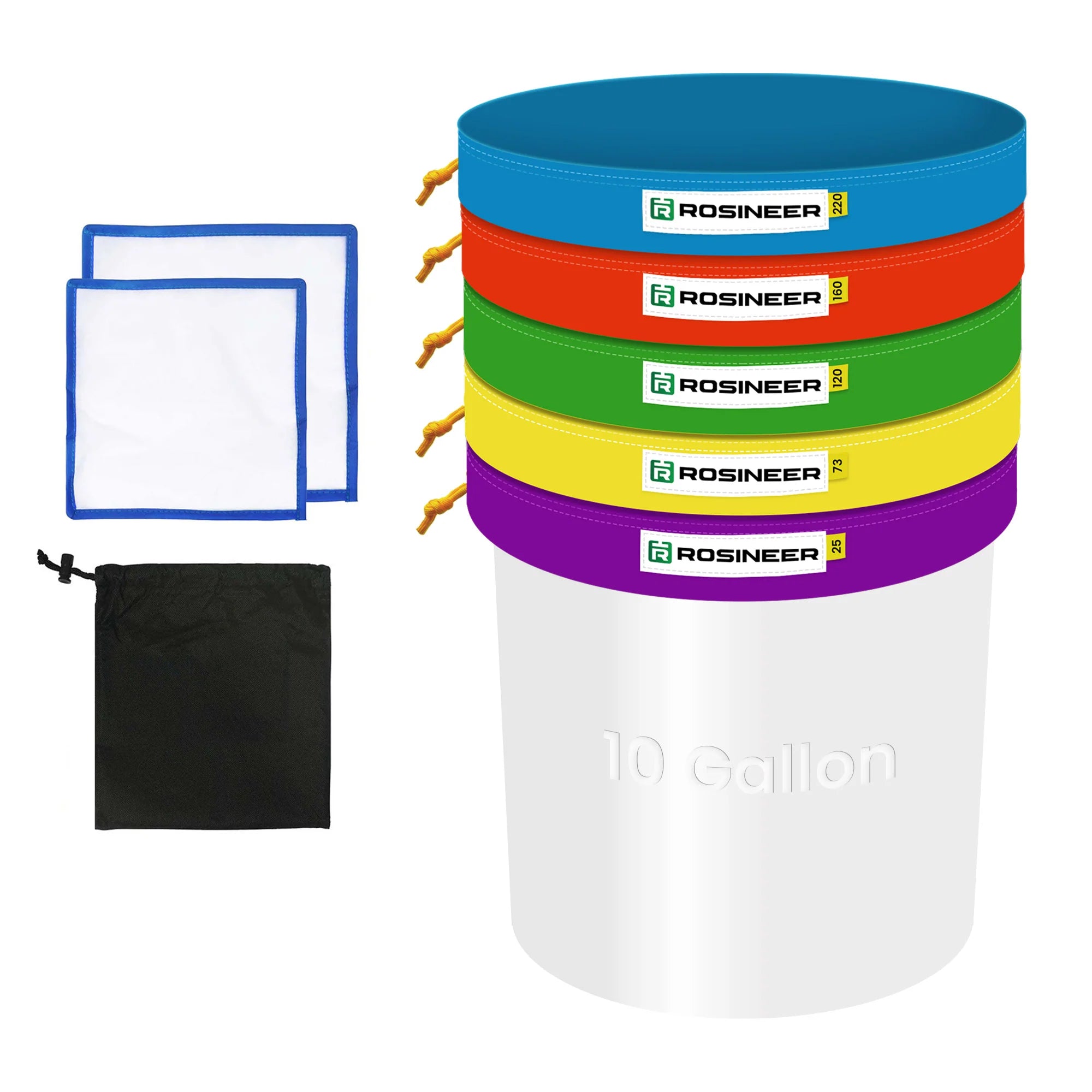
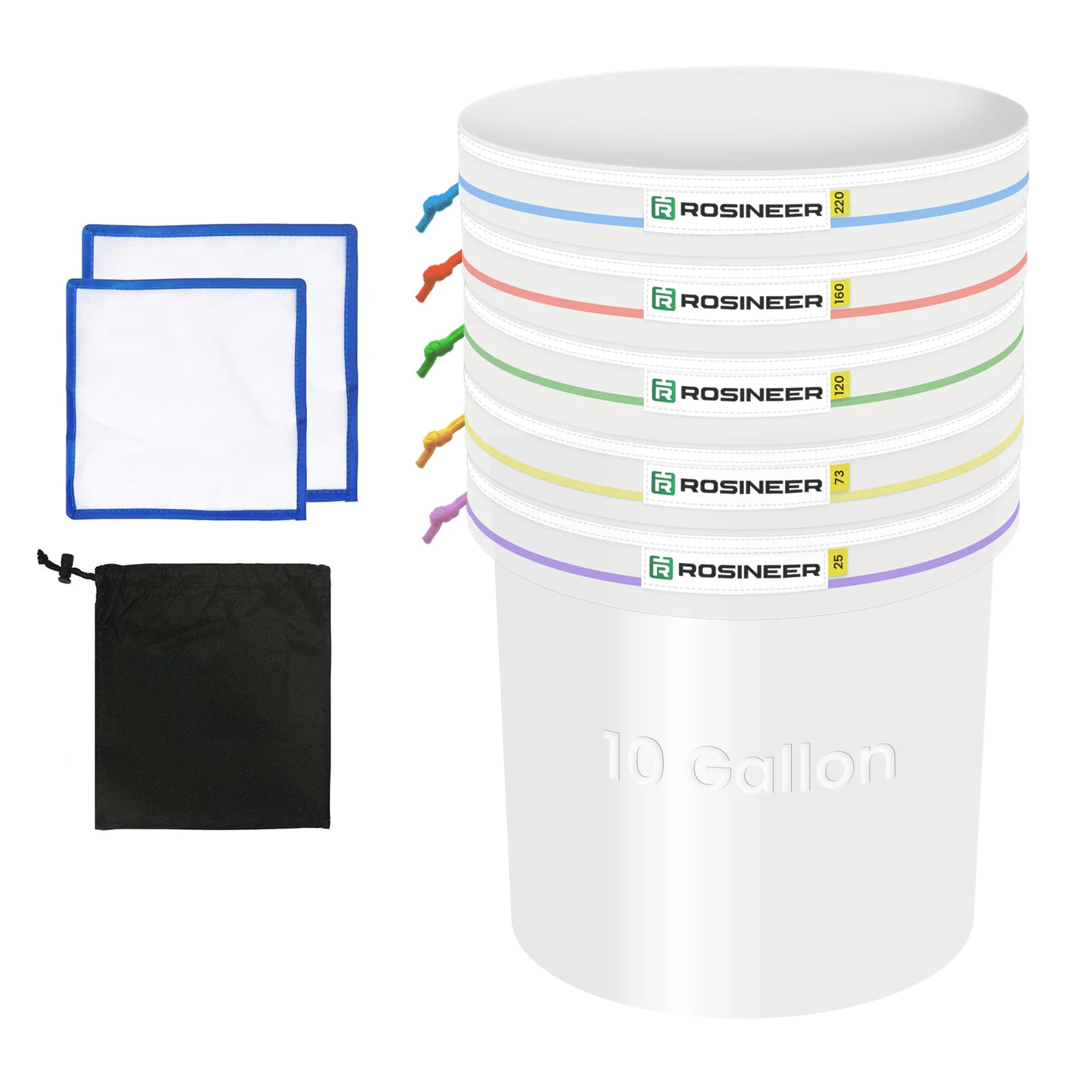
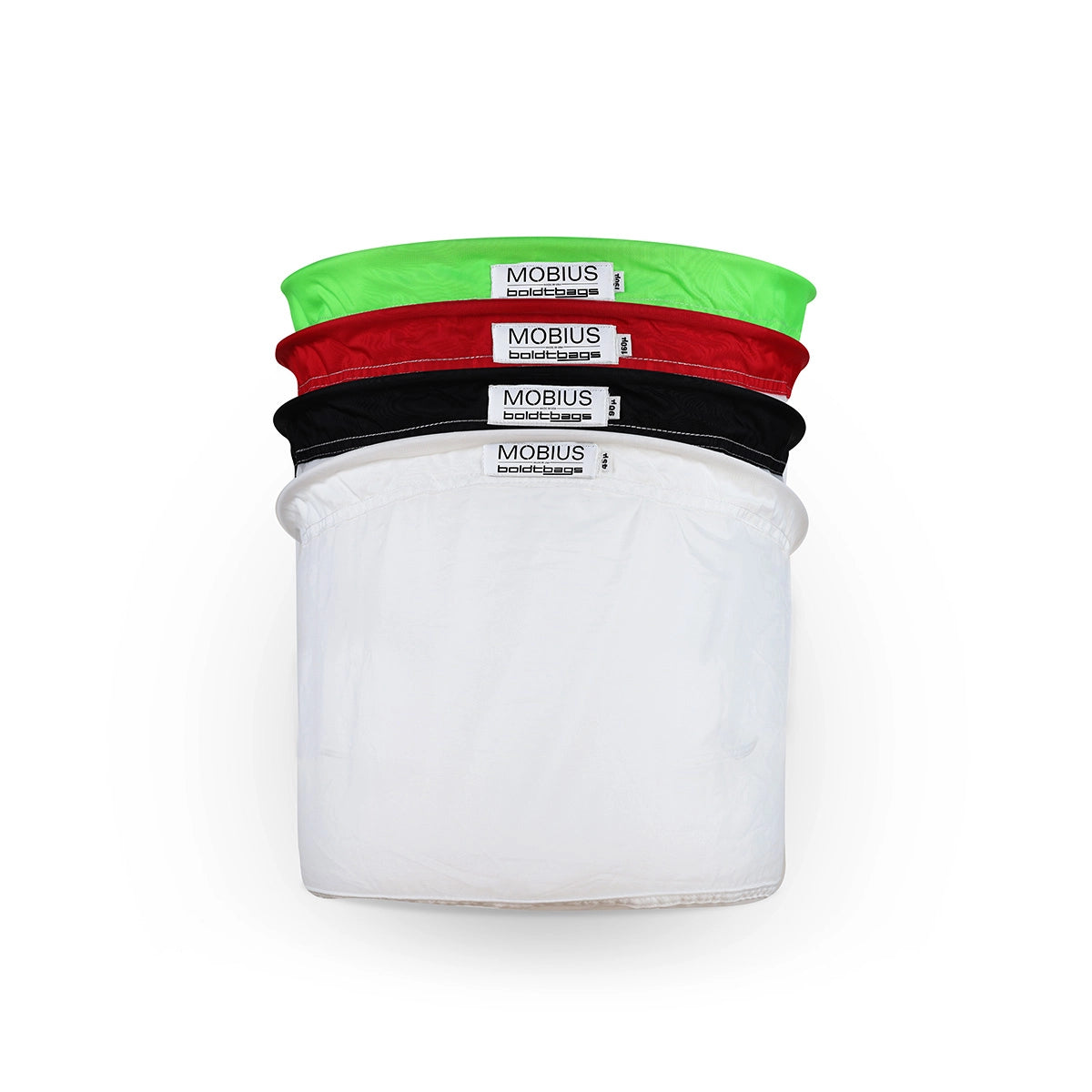
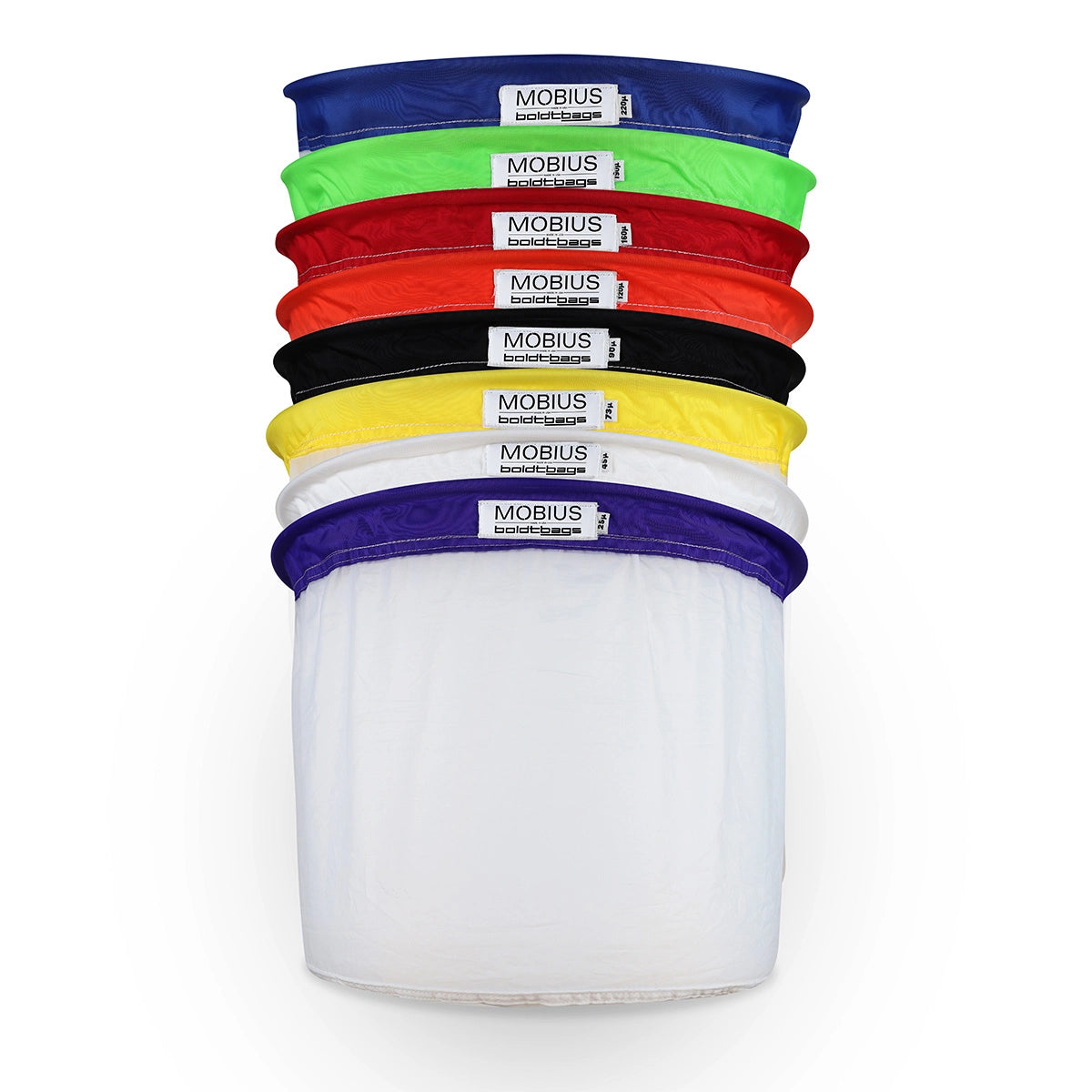
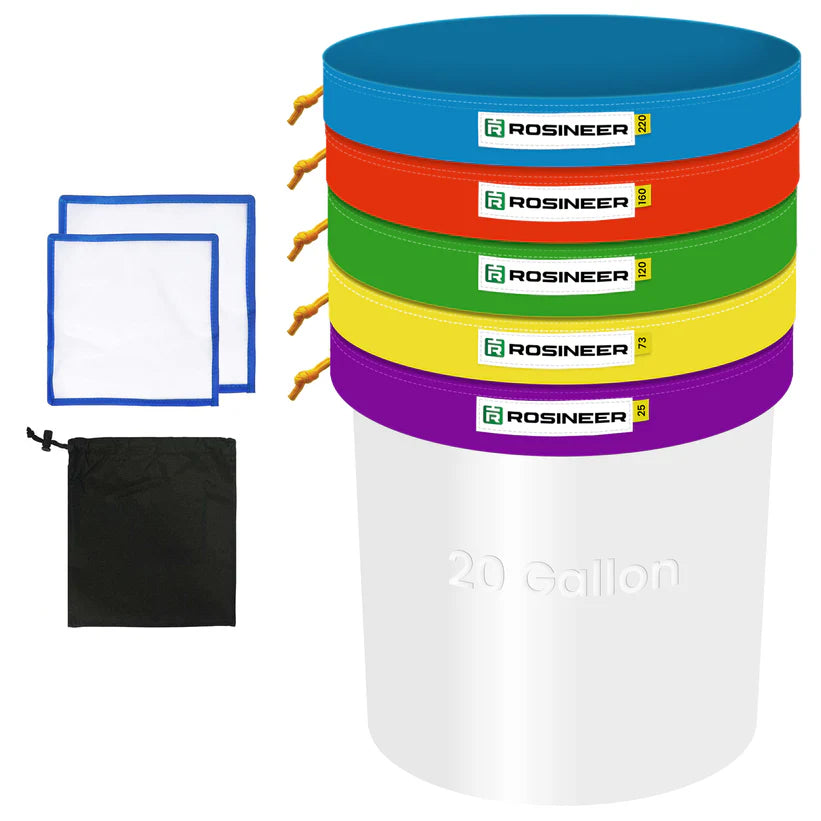
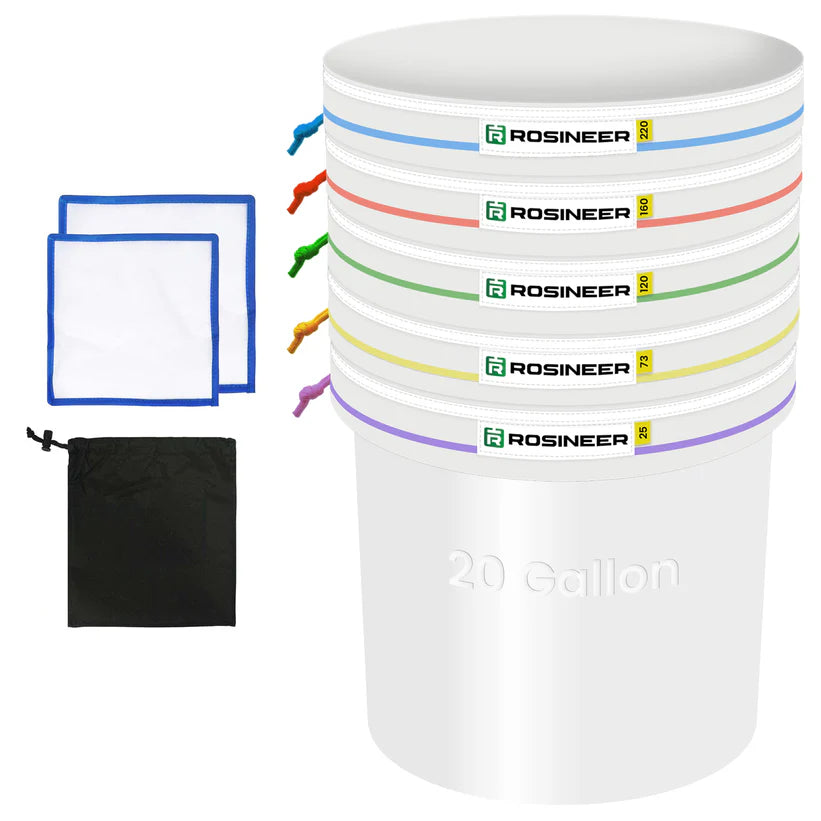
The core equipment set: an agitation vessel (5-20 gallon bucket or purpose-built extraction machine), a set of graduated micron filter bags (typically a 5-8 bag set from 25-220 micron), ice, and collection tools. Purpose-built extraction machines (washing machine-style units with agitator paddles) provide more controlled and consistent agitation than manual stirring, reducing physical labor and improving batch-to-batch consistency at commercial scale. For smaller personal-scale extraction, a bucket with a hand mixer or drill-mounted paint mixer provides adequate agitation. The entire process operates at near-freezing temperatures -- ice is a material cost in the process, and more ice produces more complete trichome separation.
Temperature Control
Cold water extraction quality improves with lower process temperatures -- colder water makes trichome stalks more brittle and easier to break free from the plant surface during agitation. Maintaining water temperature at 33-38 degrees F throughout the agitation cycle produces the best separation. For large commercial batches where ice alone cannot maintain temperature through a long agitation cycle, a recirculating chiller connected to the extraction vessel jacket or supply water maintains consistent temperature without the variable ice-to-water ratio of an ice-only approach. Fast shipping.
Cold Water Extraction FAQ
How does cold water extraction work?
Cold water extraction separates trichome heads from botanical plant material by agitating the material in ice water, then filtering the mixture through a series of progressively finer mesh bags. The cold temperature makes trichome stalks brittle; agitation breaks them free from the plant surface; the filter bags separate the free trichomes from plant material and from each other by particle size. The material collected in each bag represents a different quality grade based on micron size -- the finest-mesh bags collect the smallest, most complete trichome heads, while coarser bags collect larger particles including some plant material.
What micron bags do I need for cold water extraction?
A standard 5-8 bag set covers the full separation range: 220 micron (work bag -- catches large plant material), 160 micron, 120 micron, 73 micron, 45 micron, and 25 micron (finest grade, highest quality). The highest-quality output typically collects in the 73-120 micron range where fully mature trichome heads concentrate. The 25-45 micron bags collect the finest particles and may produce slightly different quality output. Each bag in the set is used simultaneously as nested layers -- the mixture drains through all bags at once, with each collecting a different particle size fraction.
How much ice do I need for cold water extraction?
Standard ratio for cold water extraction: 1:1 to 2:1 ice-to-material by weight, plus enough water to submerge the material. For a 100-gram batch: 100-200 grams of ice plus approximately 2-3 gallons of water. More ice maintains lower temperature longer through extended agitation cycles -- cold temperature is critical to extraction quality. Change or supplement ice partway through long agitation cycles if the water temperature rises above 40 degrees F. Pre-freezing the plant material for 24 hours before extraction also improves trichome separation by increasing their brittleness.
How long should I agitate for cold water extraction?
Standard agitation time: 10-20 minutes for hand-agitated or mixer-agitated buckets; 15-25 minutes for purpose-built extraction machines. Longer agitation increases yield but degrades quality by breaking up plant material into finer particles that pass through coarser filter bags and contaminate the output. Most experienced operators run multiple short agitation cycles (10-15 minutes each) from the same material rather than one long cycle -- the first run produces the highest quality, subsequent runs produce higher quantity at somewhat lower quality.
What is the difference between cold water extraction and dry ice extraction?
Cold water extraction uses liquid ice water as the separation medium -- trichomes are physically agitated off the plant material into the water and then filtered. Dry ice extraction uses the freezing effect of dry ice (solid CO2 at -109 degrees F) to make trichomes extremely brittle, then sieves the frozen material over mesh screens to collect the falling trichomes without any liquid involved. Dry ice extraction is faster and produces drier output immediately; cold water extraction produces a wet material that requires additional drying. Cold water extraction typically produces higher quality and more complete separation at larger batch scales.