Hydroponics Supplies & Indoor Growing Equipment
Hydroponics is the practice of growing plants in a soilless environment -- delivering water, nutrients, and oxygen directly to plant roots. Without the variability of soil, hydroponic growers control every input precisely, producing faster growth, higher yields, and year-round harvests independent of outdoor growing seasons. Whether you are setting up a single DWC bucket on a basement shelf or outfitting a commercial CEA facility, every supply category you need is here.
25,000+ Products Across Every Growing Category
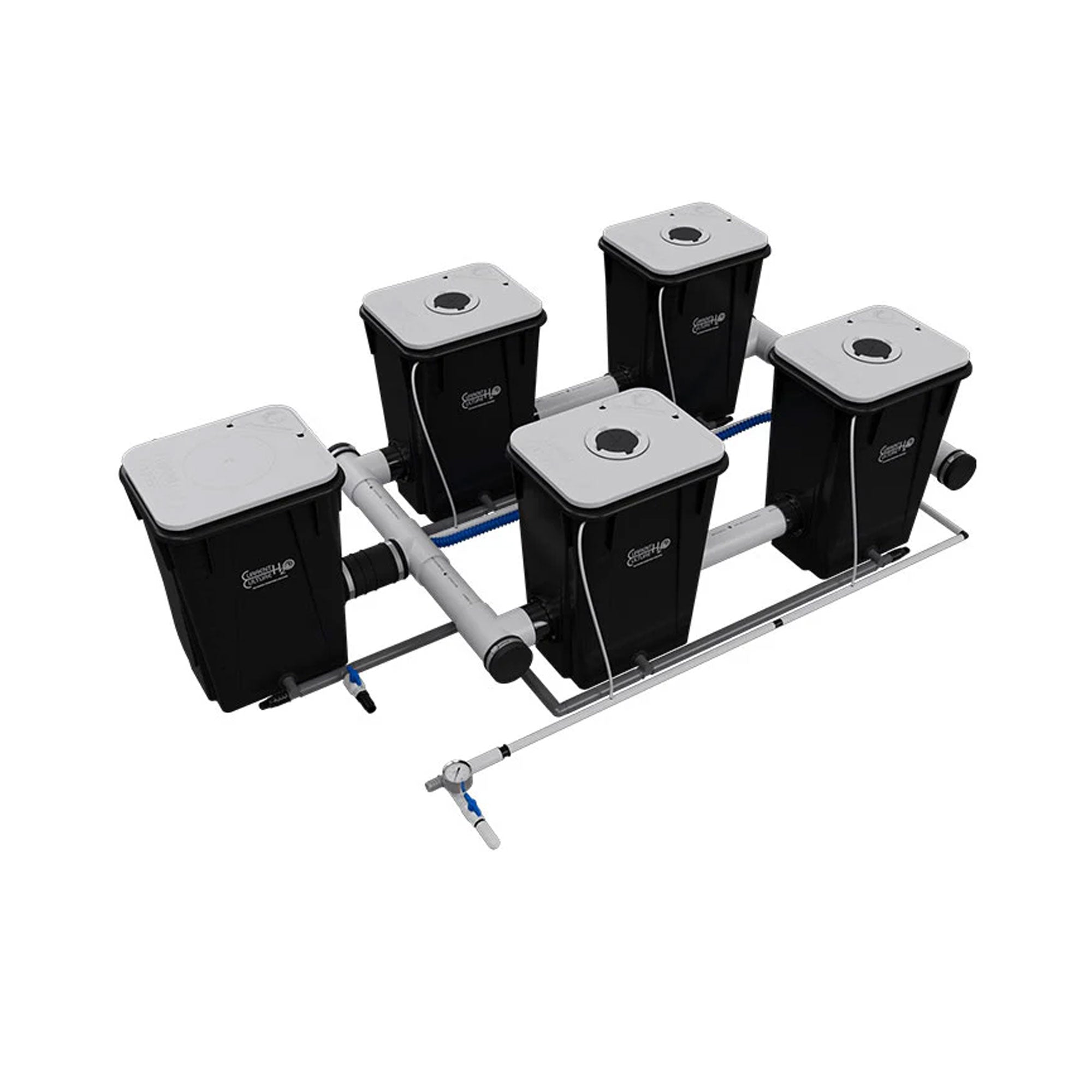
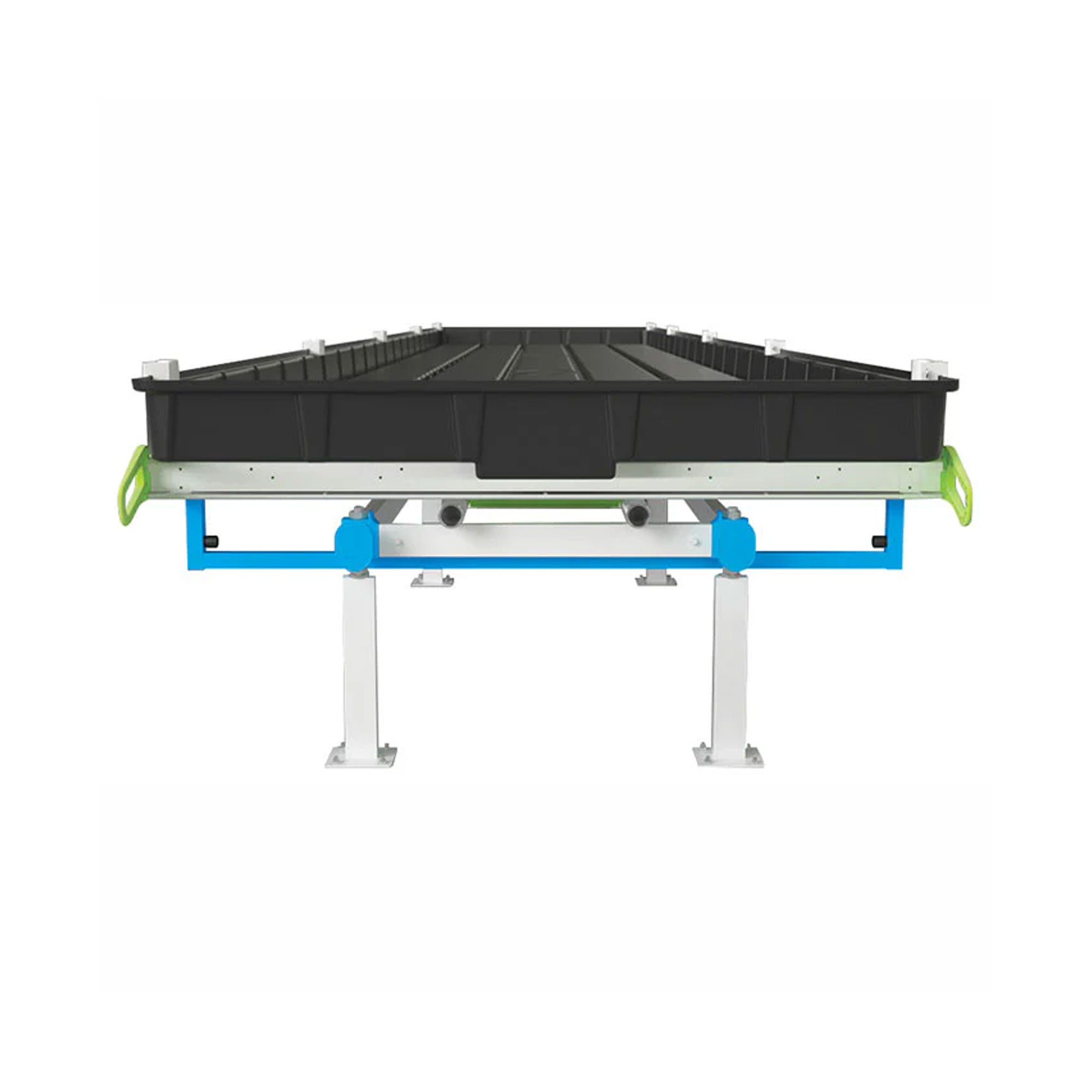
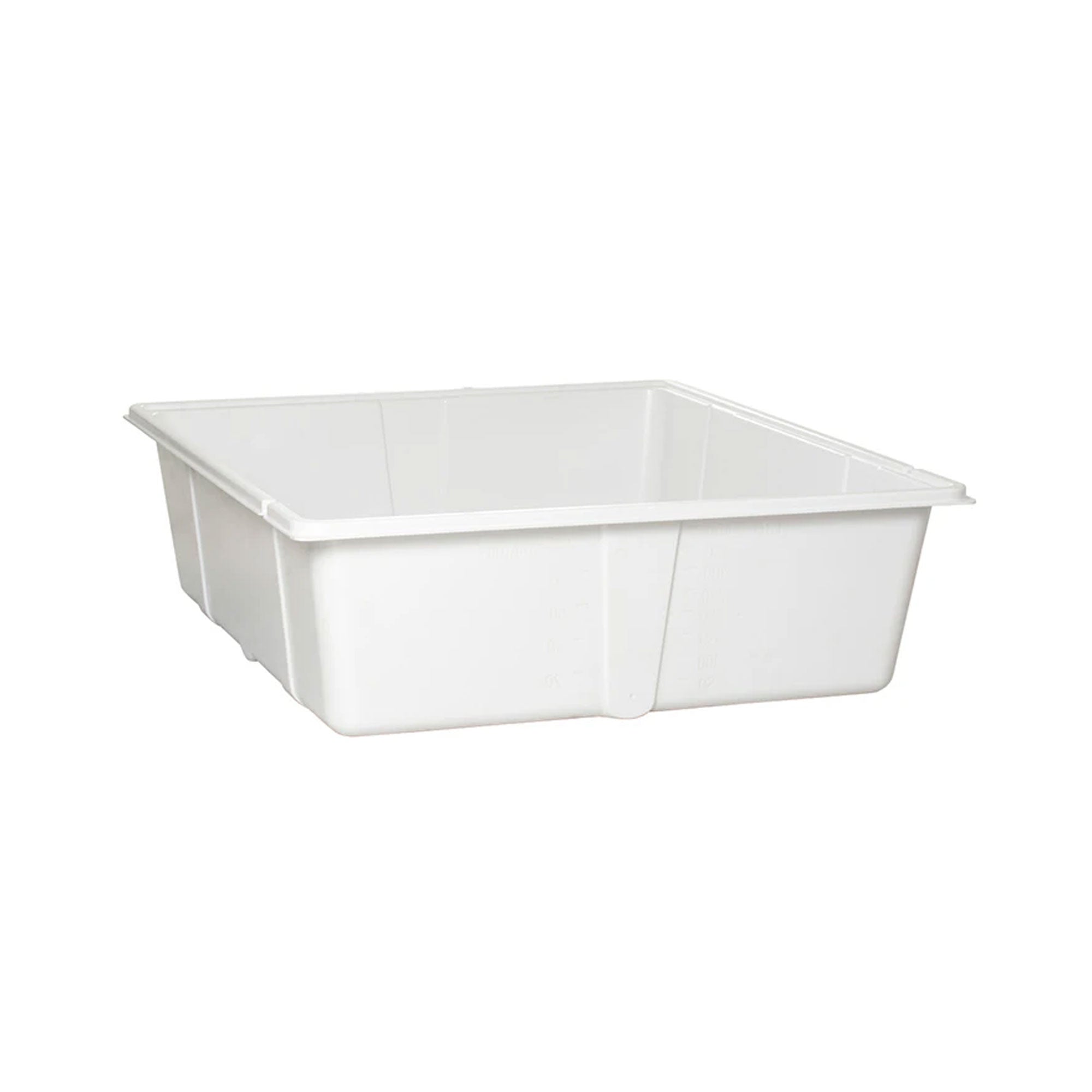
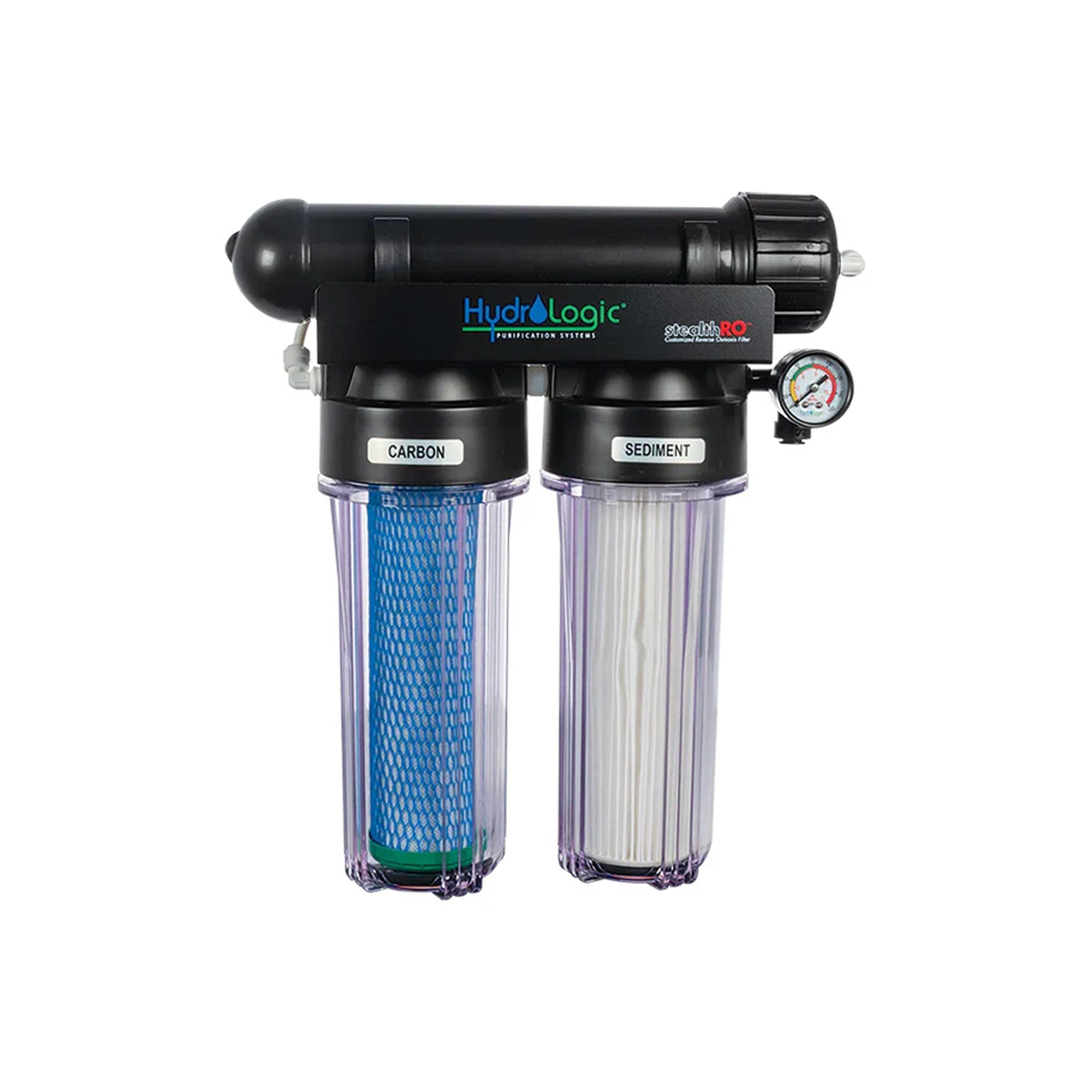
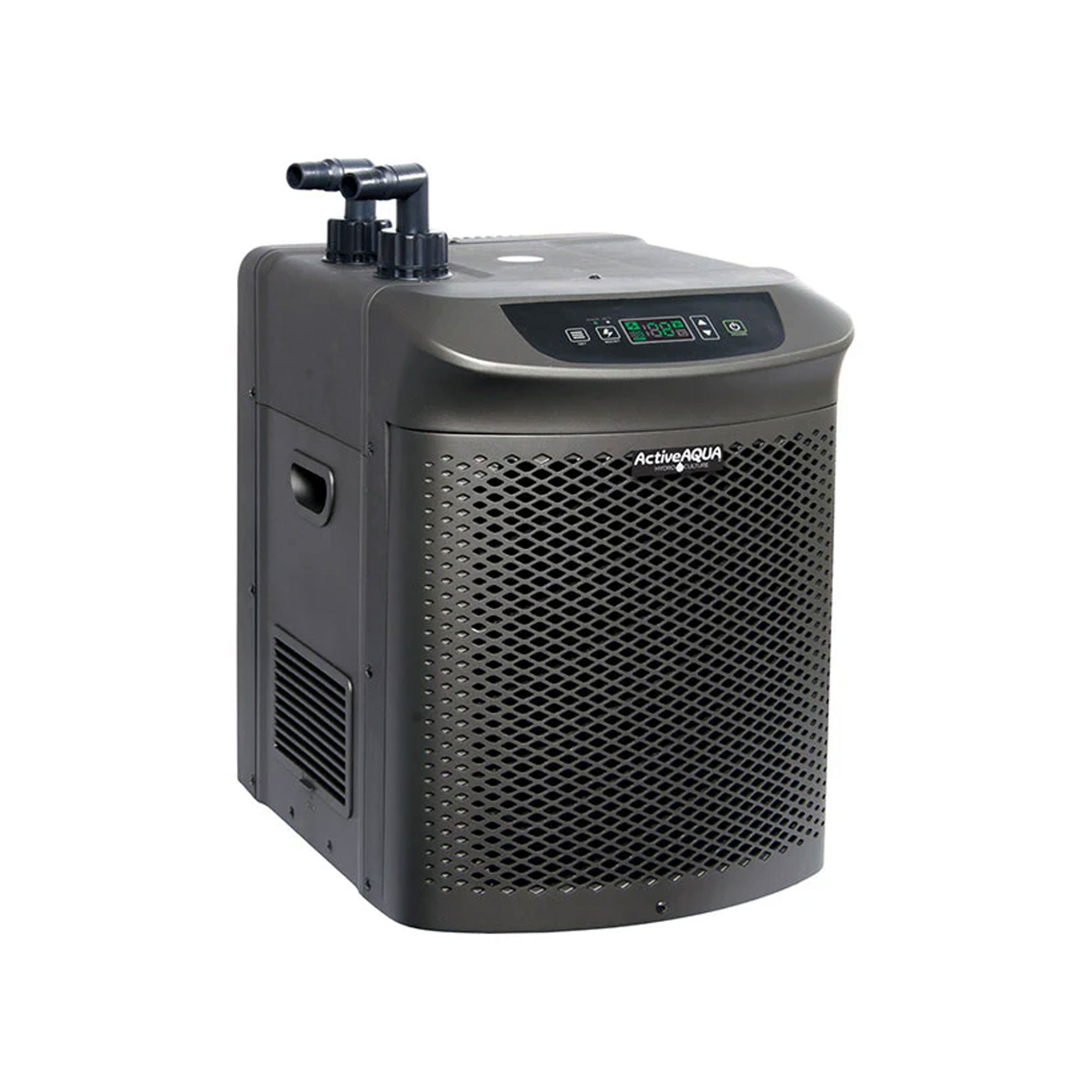
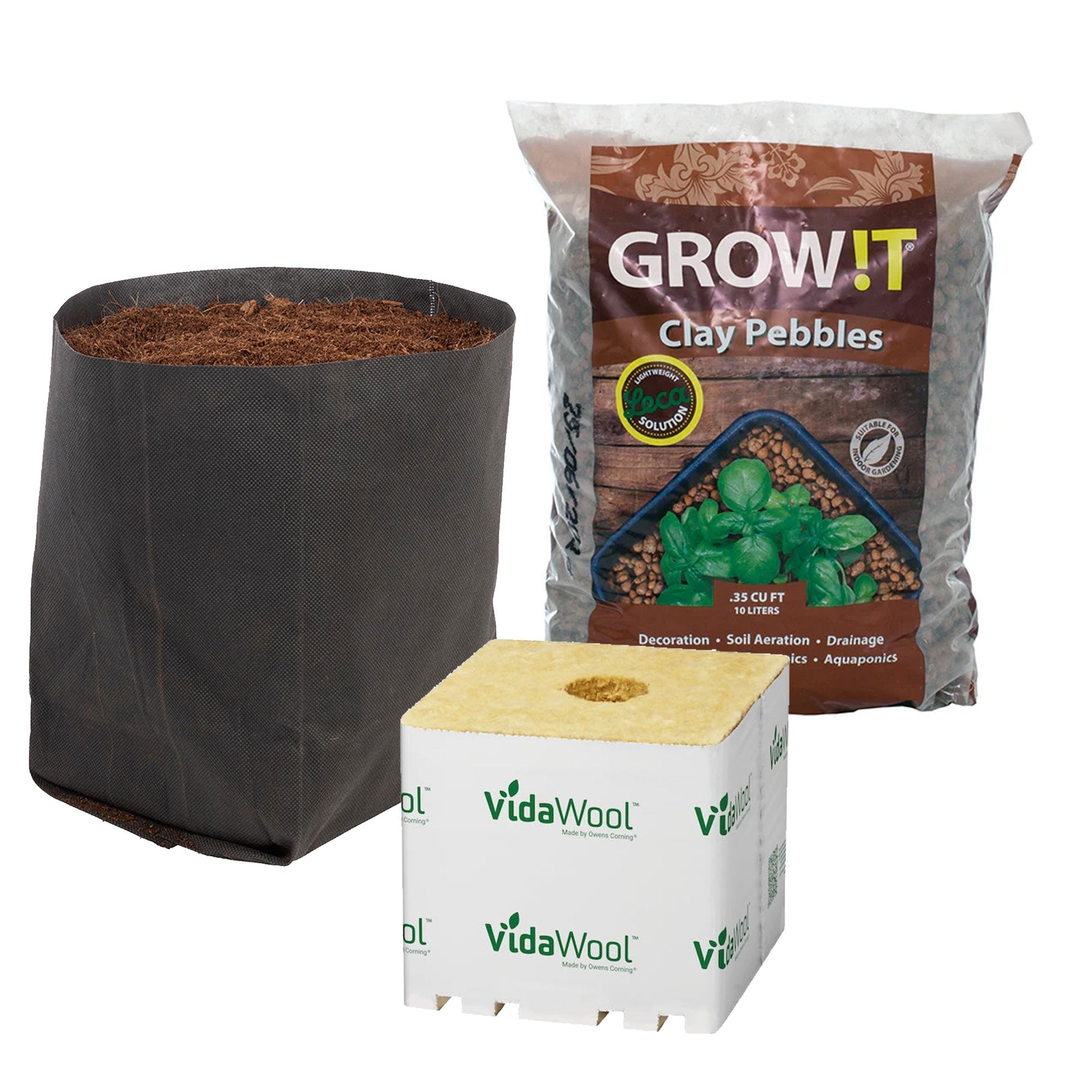
Hydrobuilder stocks complete hydroponic systems (DWC, RDWC, drip, NFT, ebb and flow, aeroponics), grow lights (LED and HID), nutrients and pH management, growing media (coco coir, rockwool, perlite, soil), grow tents, fans and ventilation, dehumidifiers, irrigation components, environmental controllers, meters and testing supplies, water filtration, pest control, and harvesting equipment. Qualified brands include Athena, General Hydroponics, HGV, Grodan, Netafim, FloraFlex, Active Aqua, Growers Choice, Botanicare, Quest, TrolMaster, and more -- all verified for real-world performance by growers who use them.
Hydroponic Growing Methods
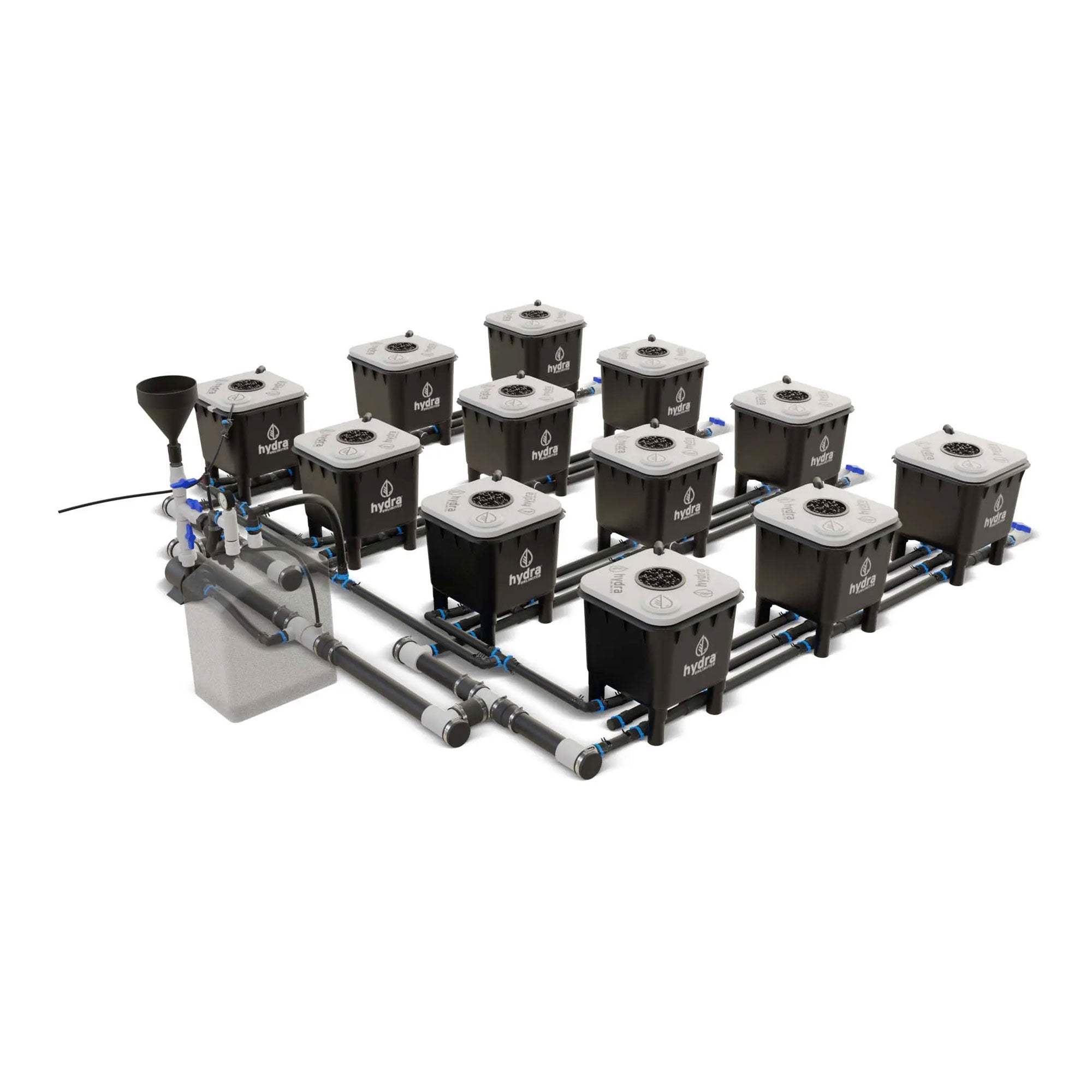
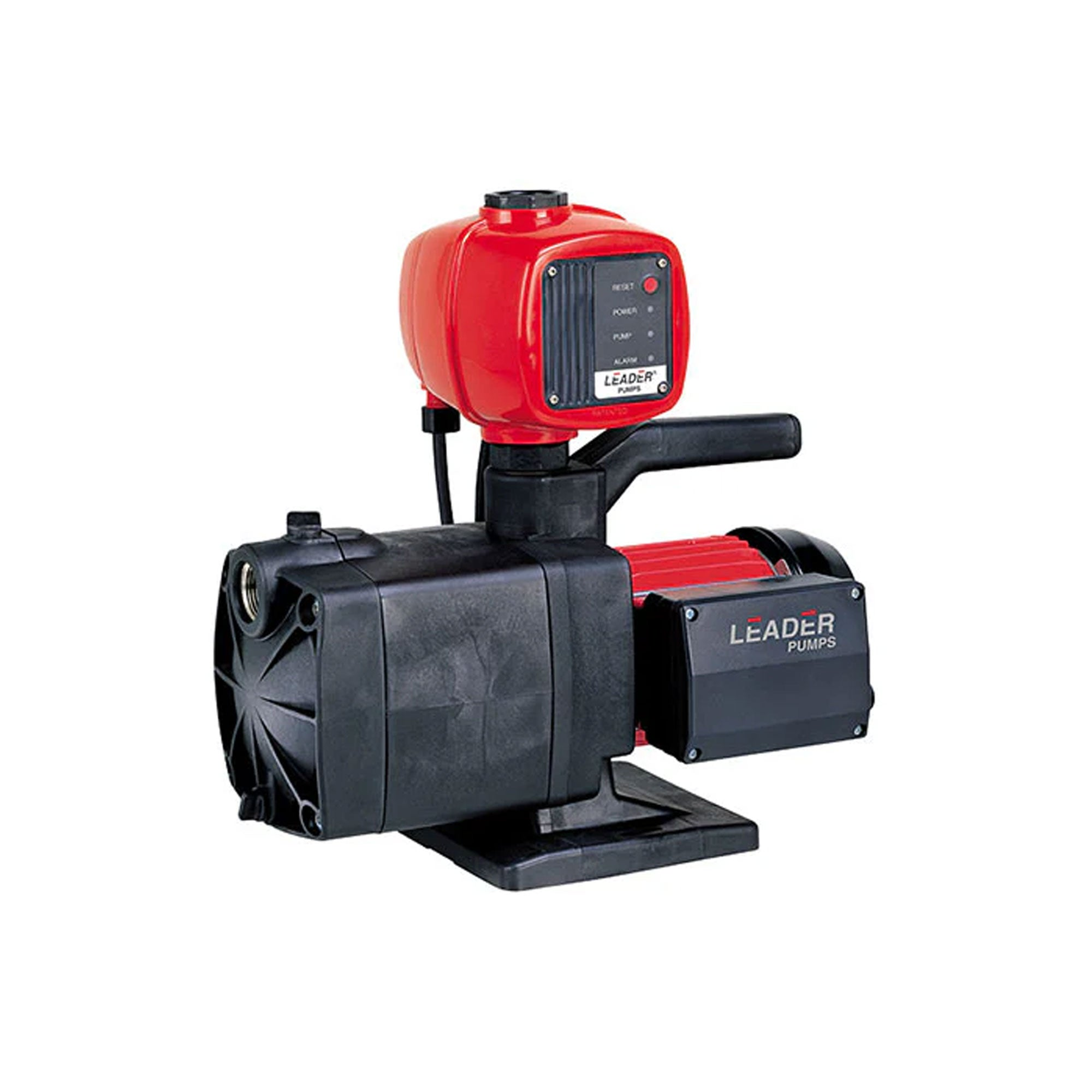
The most widely used soilless growing methods: deep water culture (DWC) suspends roots directly in oxygenated nutrient solution with minimal moving parts -- the most beginner-accessible starting point. Recirculating DWC (RDWC) connects multiple sites to a central reservoir for scalable commercial production. Drip systems from Netafim and FloraFlex deliver precise, programmable nutrient schedules per plant and dominate commercial coco and rockwool slab production. Ebb and flow periodically floods and drains a grow tray on a timer. NFT runs a continuous thin solution film over root mats. Aeroponics mists bare roots suspended in air for maximum oxygen exposure. Use our Pump & Irrigation Flow Calculator to size your system correctly, or the Nutrient Mixing & Dilution Calculator to dial in your feeding program.
What Can You Grow Hydroponically?
Almost anything you can grow outdoors can be grown hydroponically indoors. Leafy greens (lettuce, spinach, kale, arugula), culinary herbs (basil, cilantro, mint, parsley), fruiting vegetables (tomatoes, peppers, cucumbers, strawberries), root vegetables, and specialty crops all thrive in well-managed hydroponic systems. CEA production of vegetables and herbs now accounts for a significant and growing share of North American commercial food production -- the same systems and inputs used in those operations are available here at any scale.
Beginner to Commercial -- Expert Support Available
Hydrobuilder serves home hobbyists growing vegetables and herbs indoors alongside commercial greenhouse and indoor farm operators. Our expert cultivation support team -- growers themselves -- is available to help size systems, troubleshoot nutrient deficiencies, and configure fertigation setups. Commercial accounts with volume pricing and a dedicated account rep are available for large-scale operations. Use our CEA ROI Calculator to model production economics before you build, or call 888-815-9763 to talk through your setup with someone who grows.
Start with our hydroponic systems collection, explore hydroponic nutrients, read our updated Hydroponics 101 guide or dive into our complete guide to hydroponic system types in the Learning Center. Commercial accounts available.
Hydroponics FAQ
What is hydroponics and how does it work?
Hydroponics is a method of growing plants without soil -- delivering water, nutrients, and oxygen directly to plant roots in a soilless medium or directly in nutrient solution. Because plants receive exactly what they need directly at the root zone, they typically grow 20-50% faster and produce higher yields per square foot than equivalent soil-grown plants. The most common hydroponic methods are deep water culture (DWC), drip irrigation, ebb and flow, NFT (nutrient film technique), and aeroponics -- each delivering nutrients differently but all operating on the same principle of soilless root zone feeding.
What can you grow hydroponically?
Almost any plant that grows in soil can be grown hydroponically. Leafy greens (lettuce, spinach, kale, arugula), culinary herbs (basil, cilantro, mint, parsley), fruiting vegetables (tomatoes, peppers, cucumbers, strawberries), and root vegetables all thrive in well-managed hydroponic systems. Commercially, hydroponic production of tomatoes, cucumbers, leafy greens, and herbs now accounts for a significant share of indoor produce supply in North America. CEA professionals use the same systems and inputs available here at any scale.
Is hydroponics better than soil growing?
For indoor controlled environments, hydroponics typically produces faster growth, higher yields per square foot, and more precise nutrition management than soil growing. Soil growing has lower upfront complexity, more microbial buffering against nutrient mistakes, and lower per-cycle input costs for outdoor growers. The right choice depends on your goals: hobby growers who want simplicity often start with quality potting soil and transition to hydroponics after gaining experience. Commercial operators almost universally use soilless or hydroponic methods for productivity and space efficiency. Both approaches are fully supported at Hydrobuilder.
How much does it cost to set up a hydroponic system?
Entry-level: a single-plant DWC bucket, small LED, clip-on fan, and basic nutrients can be set up for $150-$300. Mid-range: a 4x4 tent with a 600W LED, 4-plant DWC or drip system, ventilation, and nutrients runs $600-$1,200. Commercial: a complete 10x10 production setup with quality LED fixtures, automated fertigation, and climate control starts at $5,000-$15,000+. The biggest cost variables are lighting quality and automation level -- both can be scaled incrementally as your operation grows. Use our CEA ROI Calculator to model costs and payback before you commit.
What hydroponic supplies do I need to get started?
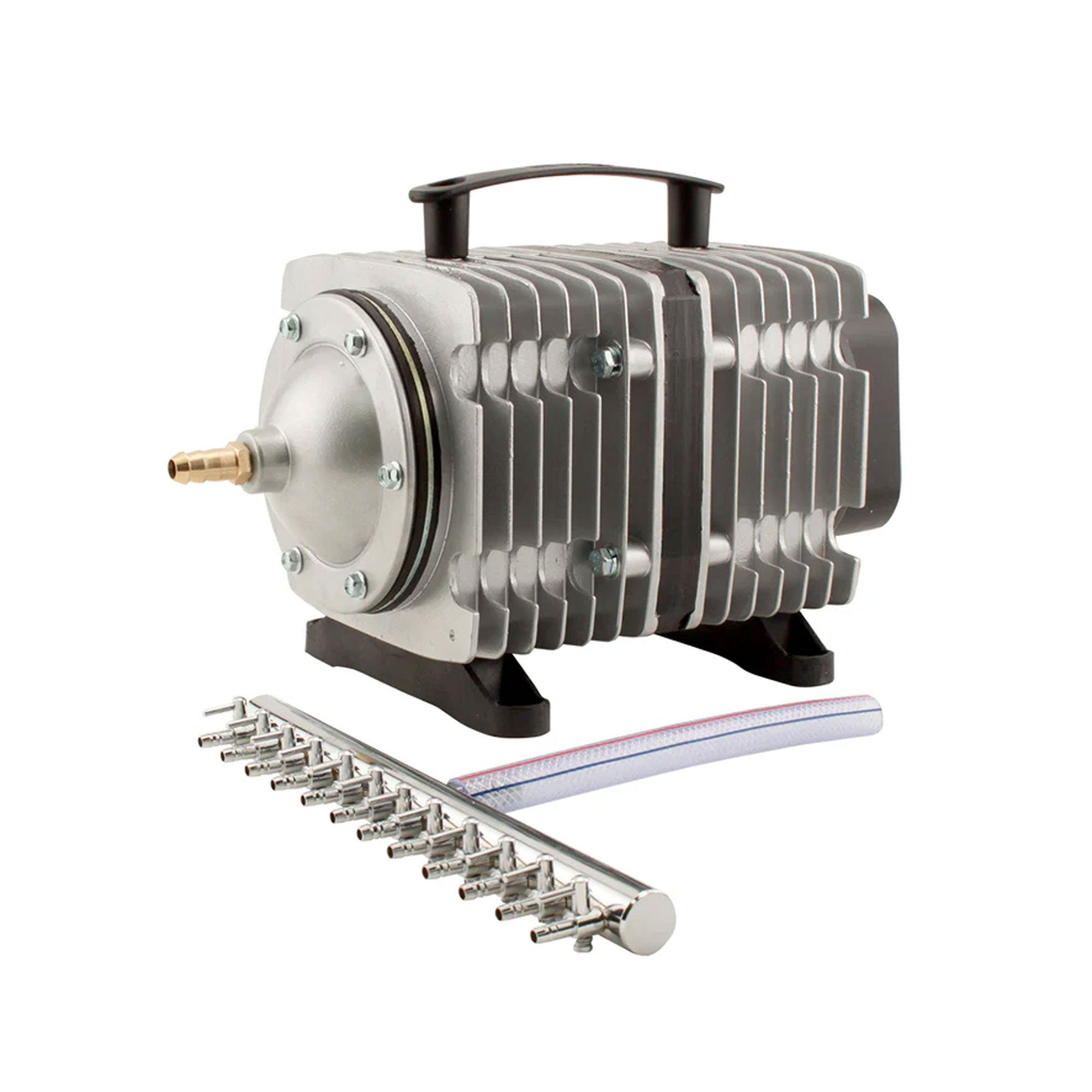
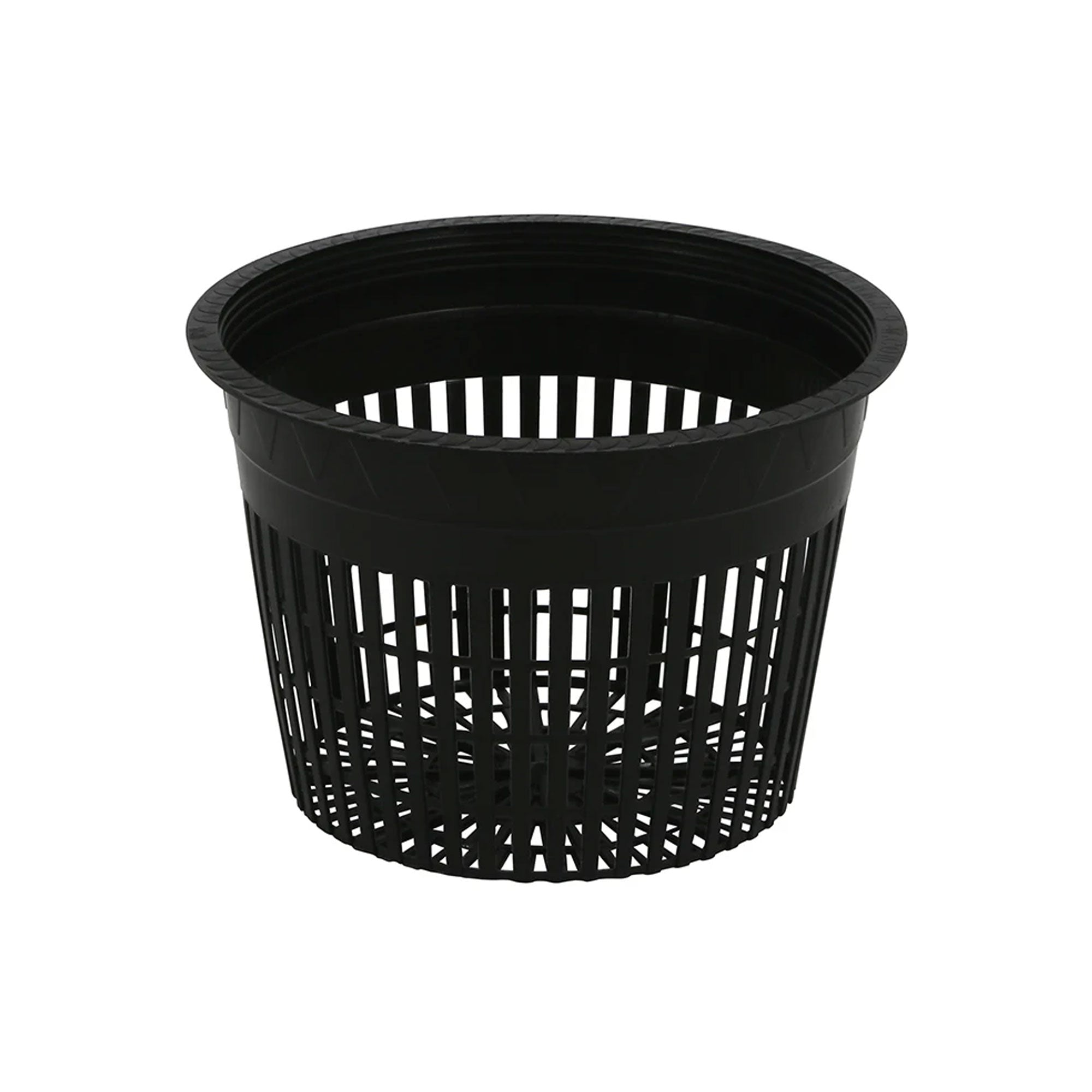
The core starting kit for a beginner DWC setup: a reservoir or DWC bucket system, air pump and air stone, net pots, a growing medium (hydroton clay pebbles or rockwool), a two- or three-part liquid nutrient solution, a pH meter, a pH down solution, and a small LED or T5 light. A complete 4-plant DWC system with these components runs $200-$400 depending on light choice. Our Hydroponics 101 guide walks through every component with sizing guidance.
Where is the best place to buy hydroponic supplies online?
Hydrobuilder carries 25,000+ grower-tested products from the most trusted brands in horticulture -- Athena, General Hydroponics, HGV, Netafim, FloraFlex, Quest, Growers Choice, TrolMaster, and more. Our expert cultivation team is available at 888-815-9763 to help you spec the right system for your space, crop, and budget. Commercial accounts include volume pricing, a dedicated account rep, and design assistance for facility-scale builds. Fast shipping on most orders.