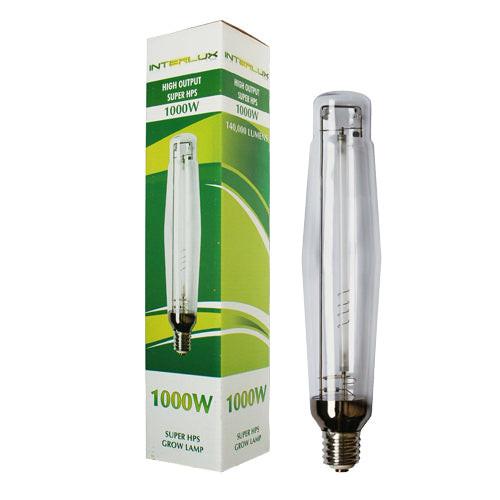
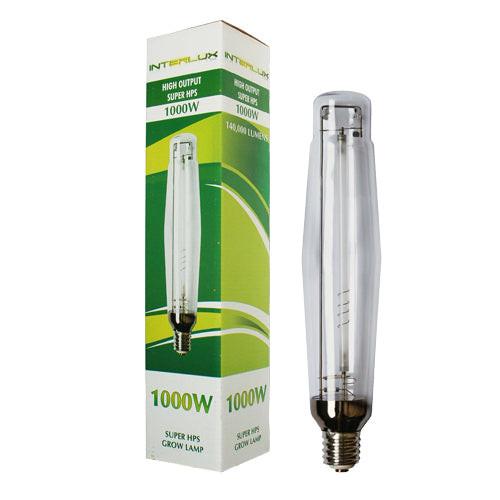
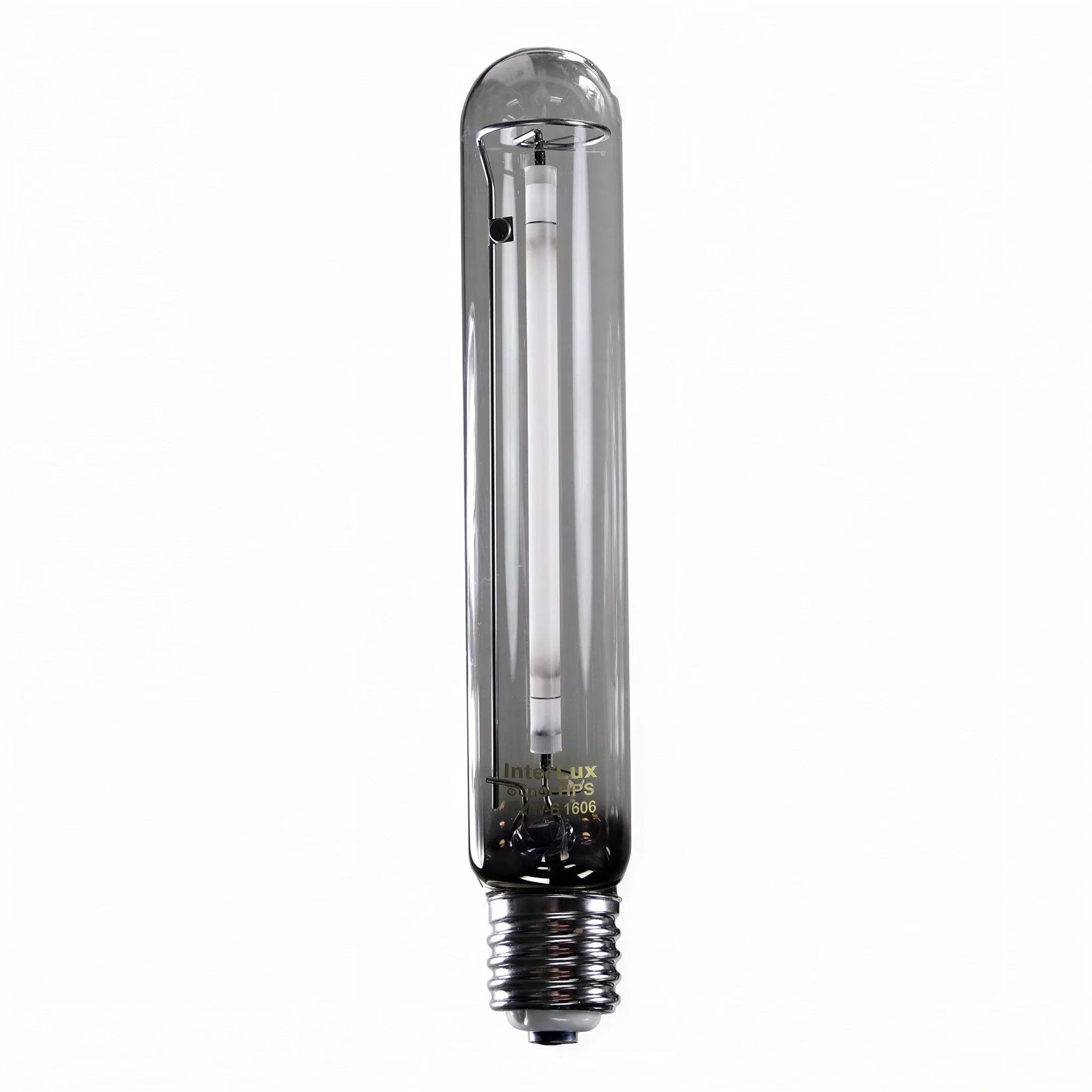
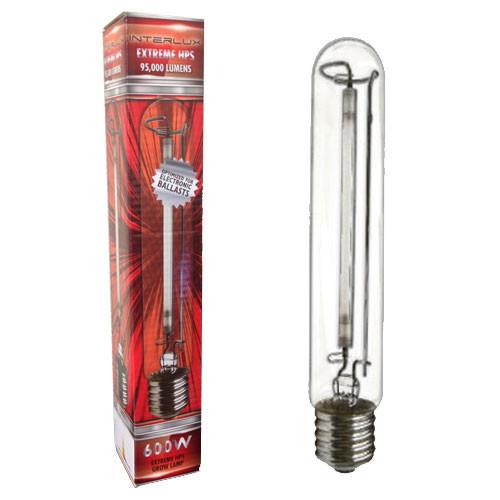
HPS & Metal Halide Grow Light Replacement Bulbs
HPS and metal halide grow light bulbs degrade over time even when they are still physically functioning -- HPS lamps lose approximately 20-30% of their initial light output by 10,000-12,000 hours of operation, while still drawing full rated wattage. Continuing to run degraded lamps produces lower yield from the same electricity cost. Replacing bulbs on schedule -- annually for operations running 18-hour light cycles, or every 18-24 months for 12-hour cycles -- maintains peak photon output and prevents the gradual yield decline that follows neglected bulb replacement. This collection covers single-ended HPS, double-ended HPS, metal halide, conversion bulbs, and CMH/LEC replacement lamps.
Replacement Bulb Types
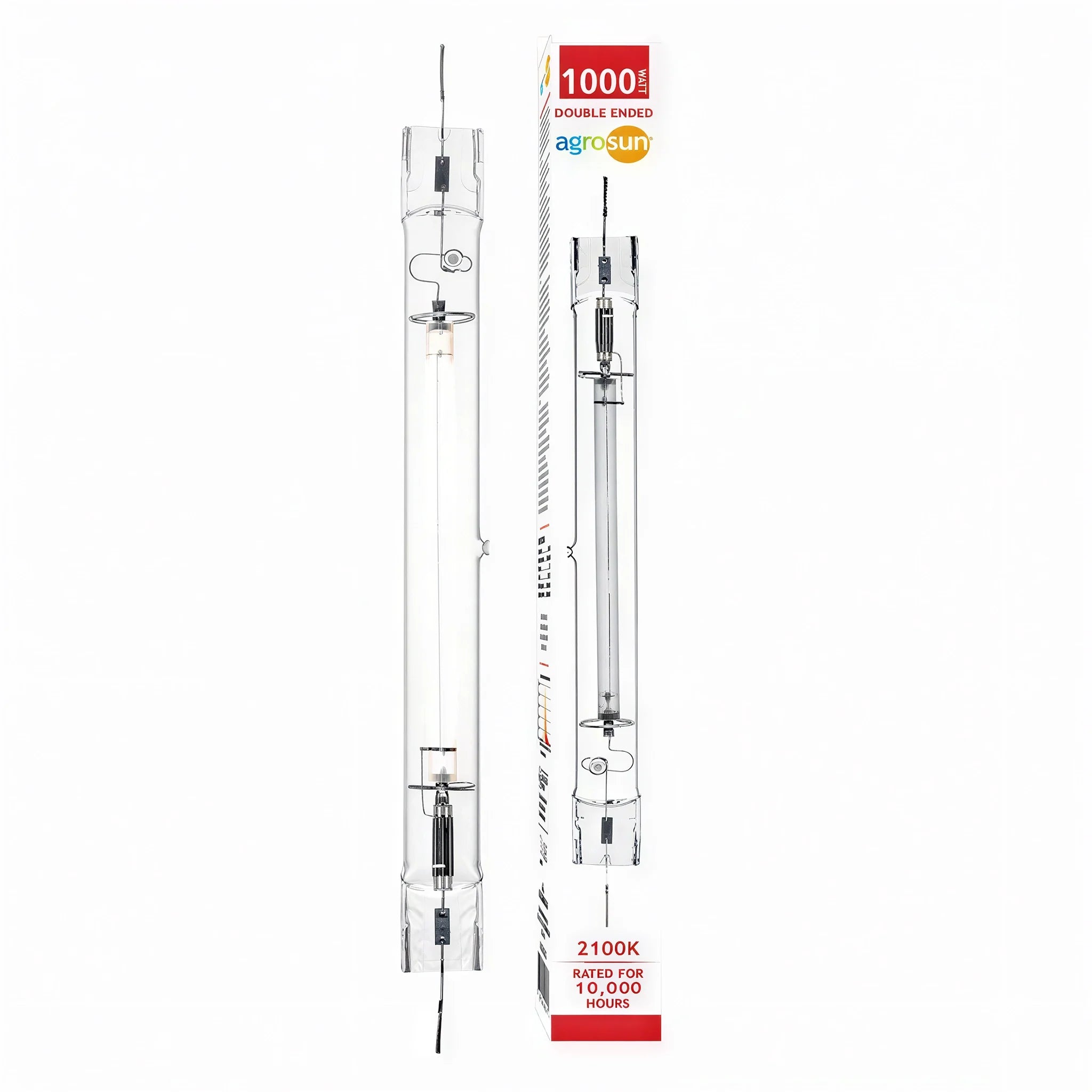
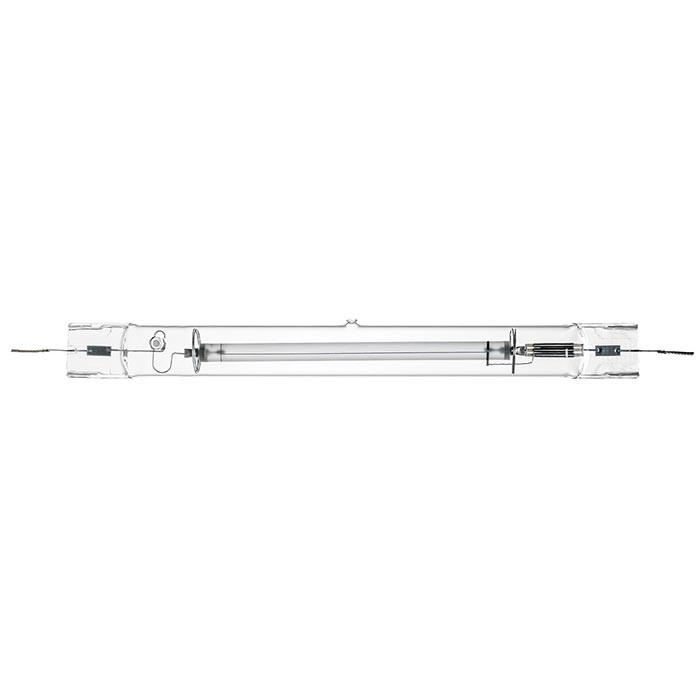
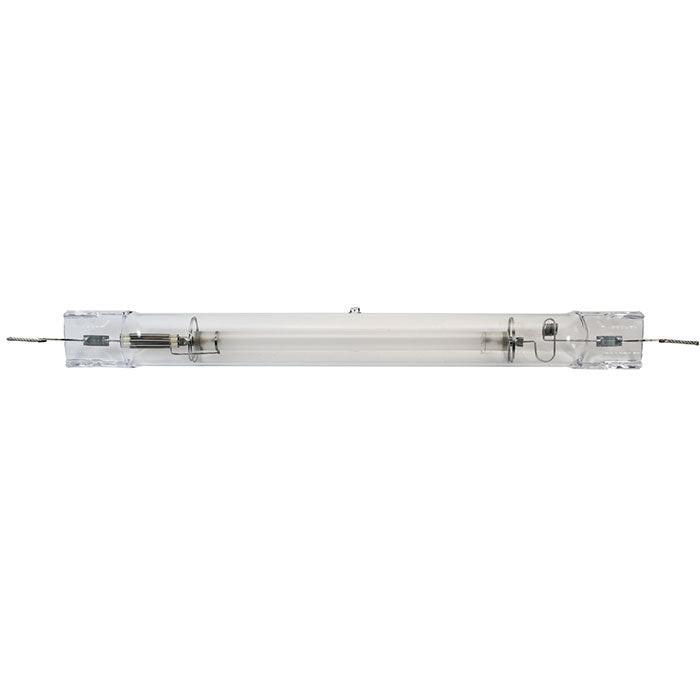
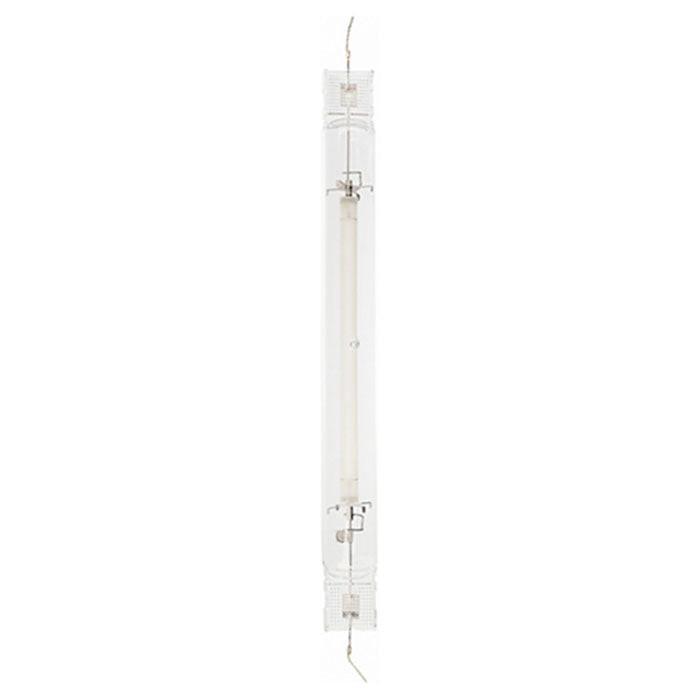
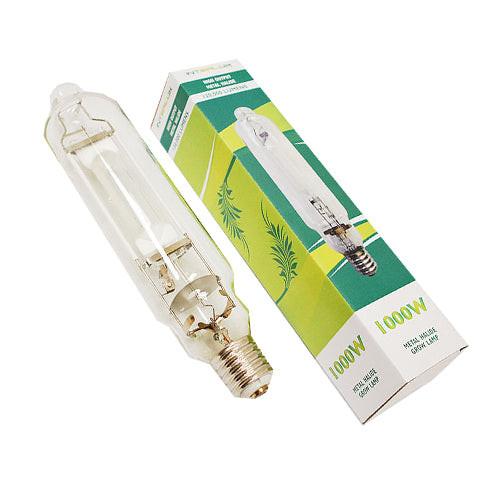
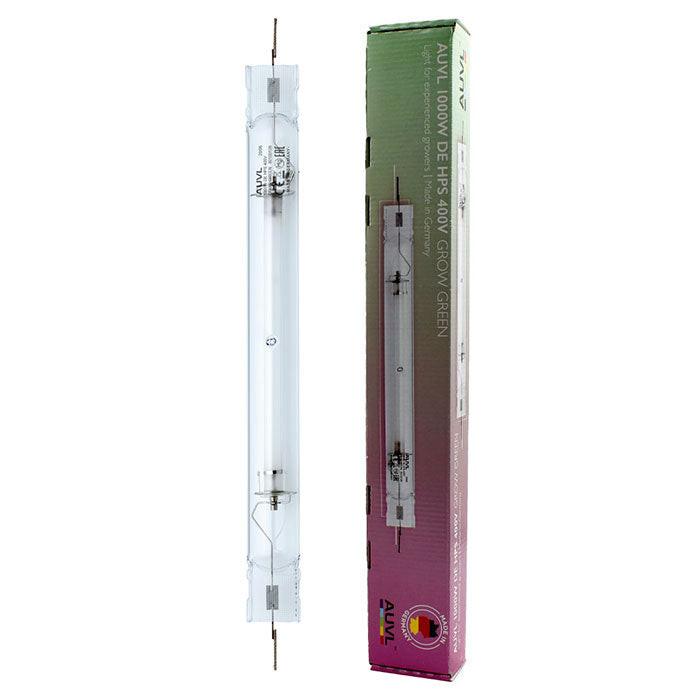
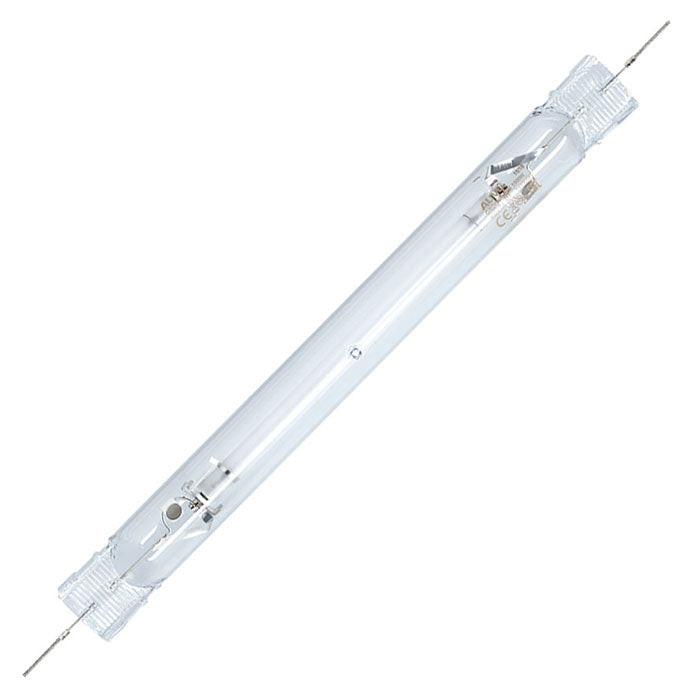
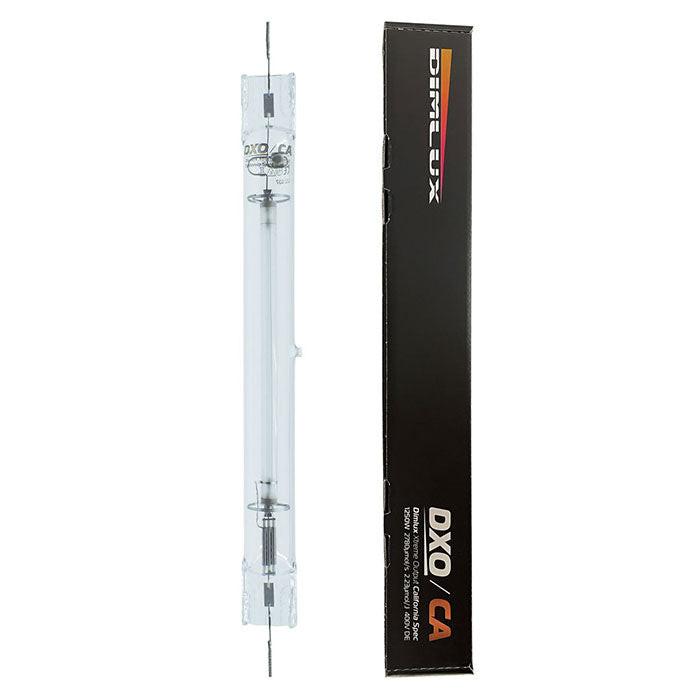
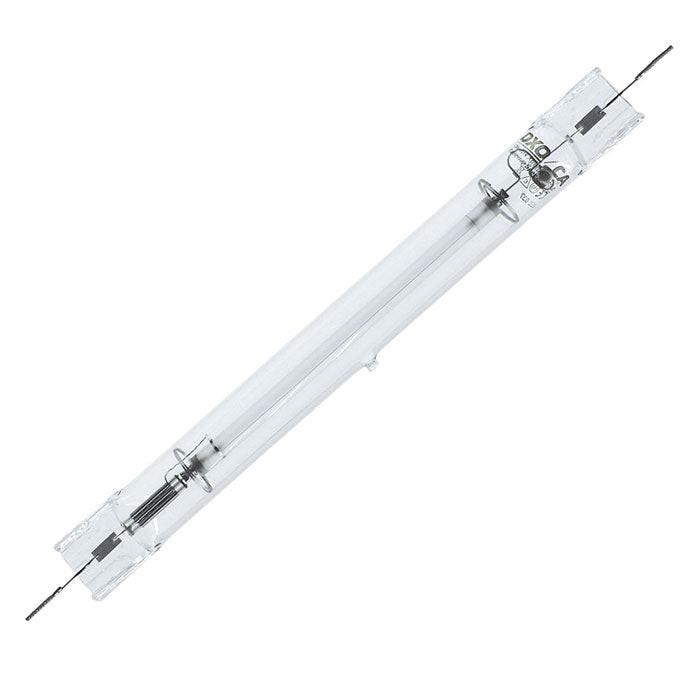
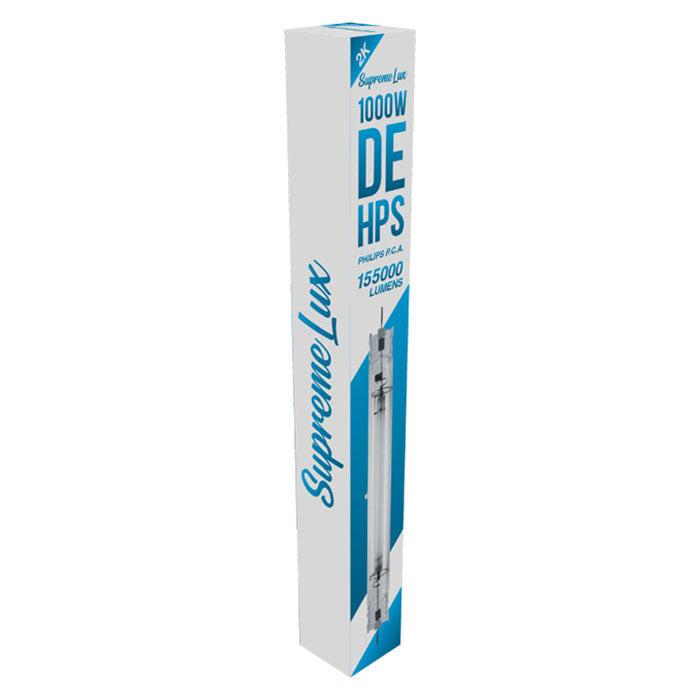
Single-ended HPS (SE HPS) bulbs have a single mogul base connection and fit standard HPS reflectors and enclosed fixtures. Double-ended HPS (DE HPS) bulbs connect at both ends and require DE-specific fixtures -- they produce approximately 30% more light per watt than SE designs. Metal halide (MH) bulbs provide a blue-dominant spectrum suited to vegetative growth; available in standard MH and enhanced conversion bulb formats that fit HPS ballasts. CMH (ceramic metal halide) bulbs -- including the Philips MasterColor CDM -- require CMH-specific ballasts. Qualified bulb brands include Philips GreenPower, Ushio, Gavita, and Solis-Tek across all HID formats.
When to Replace HPS Bulbs
Replace single-ended HPS bulbs at 10,000-12,000 hours; double-ended HPS bulbs at the same interval. At 12 hours per day (flowering schedule), this equates to 2.3-2.7 years -- but lumen output has typically declined 20-30% by this point. At 18 hours per day, replacement every 1.5-1.8 years. A simple photometric check: if the same plants under the same conditions produce noticeably less yield than the first cycle, degraded bulbs are a likely contributing factor. Track bulb hours in a grow room log. See our updated grow light bulb replacement guide for brand-specific recommendations and timing. Fast shipping.
HPS & Metal Halide Grow Bulbs FAQ
How do I know when to replace my HPS bulb?
Track hours of operation -- replace at 10,000-12,000 hours regardless of whether the bulb is still physically working. A bulb can operate for 18,000+ hours before burning out while delivering only 60-70% of its original output. If you don't track hours, look for: noticeably lower yield compared to early cycles under the same conditions; visible color change in the lamp arc (HPS arc becomes more pink than golden-orange as sodium is depleted); or any flickering, delayed startup, or color inconsistency. Annual replacement on a fixed schedule is simpler and more reliable than waiting for visible performance decline.
Can I use a metal halide bulb in an HPS ballast?
Not with a standard MH bulb -- HPS and MH ballasts operate at different electrical parameters that make them incompatible for direct bulb swapping. However, conversion bulbs are specifically designed for cross-ballast use: MH conversion bulbs run in HPS ballasts, and HPS conversion bulbs run in MH ballasts. These conversion bulbs are designed around the operating parameters of the ballast type they are made for, not the lamp type. If you want to run MH spectrum for vegetative growth in your HPS ballast, a quality MH conversion bulb is the appropriate solution -- not a standard MH lamp.
Are DE HPS bulbs better than single-ended?
Yes for most applications -- DE HPS produces approximately 30% more light per watt and maintains output more consistently over bulb life compared to SE HPS. A 1000W DE HPS delivers approximately 2,100-2,200 umol/s versus 1,600-1,700 umol/s for 1000W SE. For flowering production where maximizing PPFD is the goal, DE HPS is the superior format in every photometric metric. The only practical reason to use SE over DE is existing SE fixture infrastructure -- DE bulbs require DE-specific fixtures and the upgrade from SE to DE requires replacing fixtures, not just bulbs.
Can I mix brands between HPS bulbs and ballasts?
Generally yes -- HPS ballasts from different manufacturers are designed to the same ANSI electrical standards, so most SE HPS bulbs are broadly compatible across SE ballasts at the same wattage. DE HPS compatibility requires more care -- DE ballasts from different manufacturers have slightly different electrical characteristics, and some DE bulbs perform better in matched-brand ballast configurations. Philips GreenPower DE bulbs are specifically recommended for Gavita and Phantom DE fixtures because Philips' electrical specs align well with those ballast designs. Check manufacturer recommendations for DE systems to ensure the bulb/ballast pairing is endorsed.
Do HPS bulbs need warm-up time before reaching full output?
Yes -- HPS and MH lamps require a 5-15 minute warm-up period after startup before reaching full operating temperature and stable light output. During warm-up, the lamp draws varying current and produces less than rated output as the arc chemistry stabilizes. Never shut off and immediately restart an HPS lamp that is still hot -- the hot restart requires specific ballast support and many ballasts require a cool-down period of 5-15 minutes before the lamp can be restarted. This warm-up and cool-down behavior is one of the operational advantages of LED fixtures, which reach full output instantly and can be switched on/off without timing constraints.