Harvest Storage Bags & Odor-Proof Bags
Harvest storage bags provide airtight, odor-blocking containment for dried and cured botanical plant material during storage and transport. The strongest odors from aromatic plant material require multi-layer barrier bags specifically engineered for odor control -- single-layer plastic bags and standard zipper bags allow volatile aromatic compounds to permeate through the bag wall over time. Quality smell-proof bags use activated carbon layers, metallic vapor barriers, or multi-layer laminated films that block aromatic compound transmission while maintaining an airtight seal that also preserves freshness by limiting oxygen exposure.
Bag Types & Formats
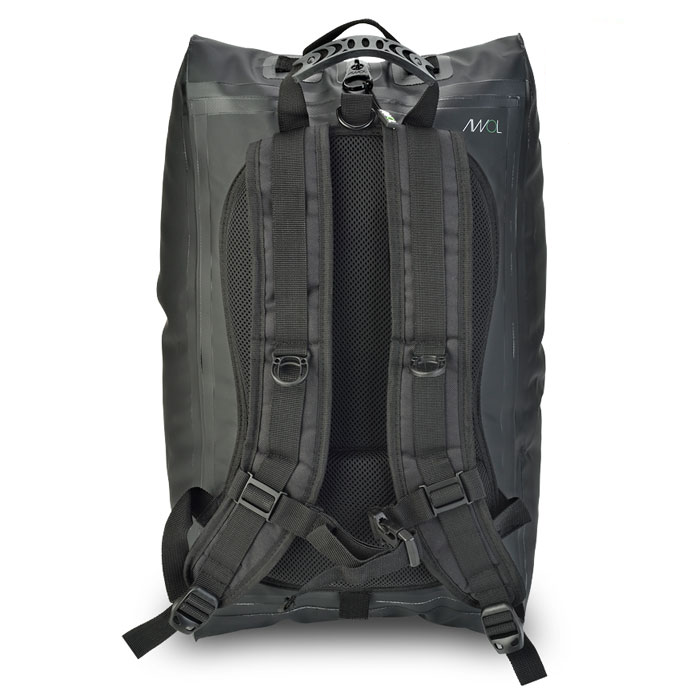
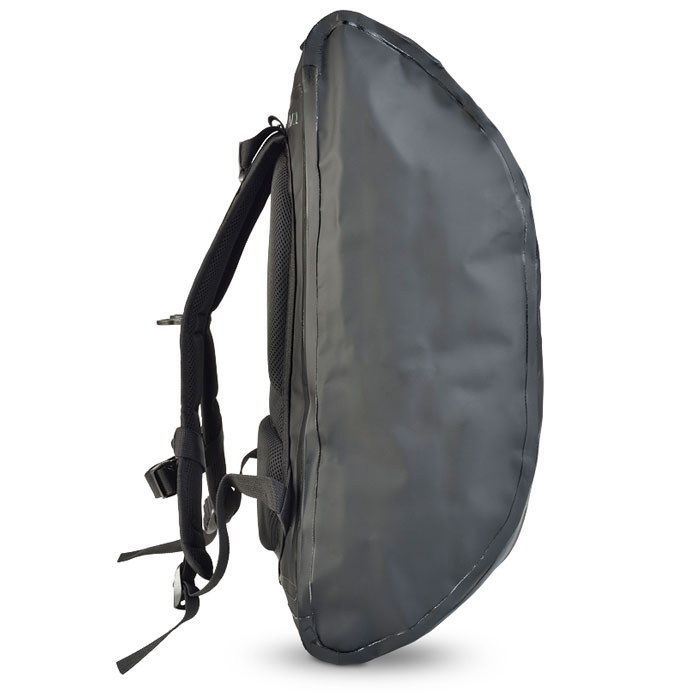
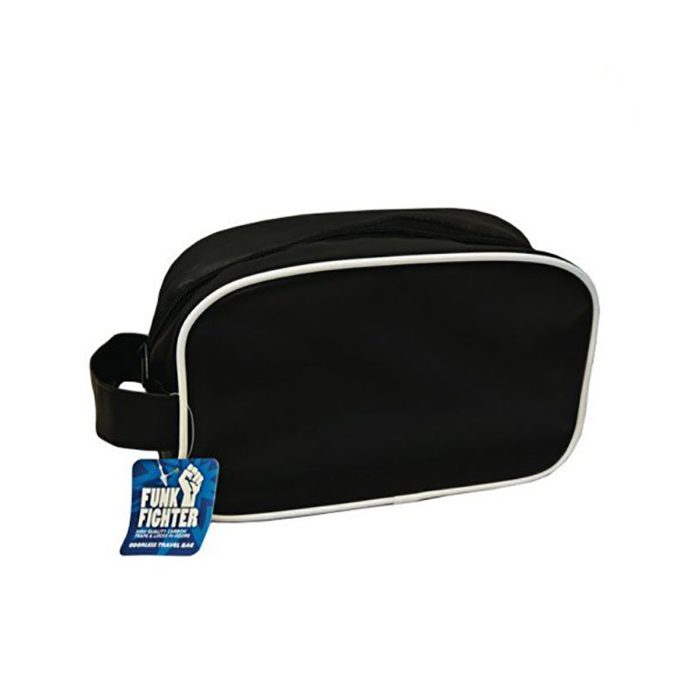
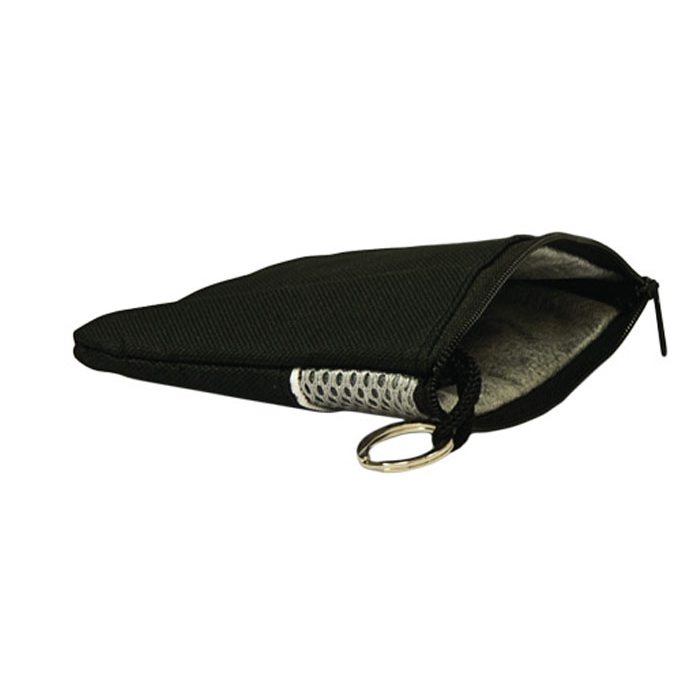
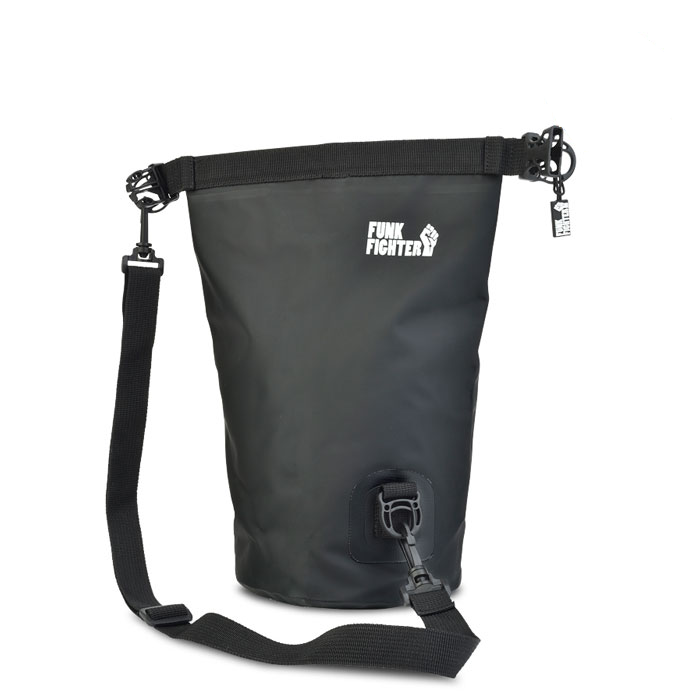
Mylar bags with heat-seal closures provide excellent vapor and oxygen barrier properties for long-term storage -- the metallic laminate construction blocks both aromatic compounds and light that degrades sensitive aromatic compounds over time. Zipper-seal odor-proof bags (carbon-lined or multi-layer laminated) offer reusable convenience for active-use storage where the bag is opened and resealed repeatedly. Odor-proof backpacks and carrying cases incorporate activated carbon panels and airtight liner pouches for transporting harvested material without aromatic detection. For long-term preservation of cured material, vacuum-sealing within mylar or foil barrier bags provides the most complete oxygen and aroma barrier available. Browse our full harvest storage collection for all formats and sizes.
Humidity Control
Storing aromatic plant material at the correct humidity (58-62% RH for most applications) maintains quality during storage. Humidity packets (boveda packs, integra packs) placed inside sealed storage bags maintain the target humidity automatically through a two-way moisture exchange mechanism -- adding moisture if RH drops below the target and absorbing moisture if RH rises above it. Use humidity packets sized to the storage container volume and replace when the packet becomes hard (indicating exhausted two-way exchange capacity). Fast shipping.
Harvest Storage Bags FAQ
What makes a bag "smell-proof"?
Smell-proof bags use barrier layers that prevent aromatic volatile compounds from permeating through the bag wall. Effective barrier technologies: activated carbon layers that adsorb aromatic molecules before they reach the outer bag surface; metallic vapor barrier films (like mylar/foil laminates) that physically block vapor transmission; and multi-layer laminated plastics that combine multiple materials each blocking different molecular sizes. Single-layer plastic bags (including standard zipper bags) allow volatile aromatic compounds to slowly permeate through the wall -- they smell neutral when first loaded but develop characteristic odors within hours to days as aromatics permeate through.
What humidity level should I store dried botanical material at?
Most dried and cured botanical plant material stores best at 58-62% relative humidity. Below 55% RH, material becomes brittle, loses aromatic compounds to evaporation, and quality degrades over time. Above 65% RH, mold and bacterial growth risk increases significantly -- above 70% RH creates conditions favorable for Botrytis and other storage molds. Use two-way humidity control packets (Boveda, Integra) inside sealed containers to maintain the target range automatically. Monitor the storage environment with a small digital hygrometer inside the container to verify actual RH rather than relying on ambient room conditions.
How long can I store cured material in mylar bags?
Properly dried and cured material stored in heat-sealed mylar bags at 58-62% RH, away from light and heat, retains quality for 12-24 months. Vacuum-sealing within mylar provides additional oxygen barrier that extends useful storage life further. The primary degradation mechanisms during storage are: aromatic compound oxidation (slowed by oxygen barrier and darkness); moisture fluctuation (controlled by two-way humidity packets); and temperature-driven degradation reactions (slowed by cool storage below 70 degrees F). Material stored in unsealed containers or permeable bags degrades significantly faster than properly sealed barrier storage.
What size bags do I need for storing harvested material?
Match bag size to the quantity you typically store or transport. Quarter-ounce to half-ounce sized bags for personal daily-use storage; 1-ounce bags for weekly use quantities; larger bags for bulk storage. For long-term storage where the material is not regularly accessed, large bags with heat-seal closures are more effective than repeated open-and-reseal cycles on zipper bags that gradually degrade the seal. For bulk storage (1 oz+), vacuum-sealing within appropriately sized mylar bags and storing in a cool, dark location is the most effective preservation approach.
Do boveda packs affect the smell inside odor-proof bags?
Quality two-way humidity packets (Boveda, Integra) are formulated to be neutral -- they do not impart fragrance to the stored material. Boveda packets specifically use food-safe salt solutions buffered to the rated RH percentage; Integra uses a proprietary formulation. Neither should add perceptible flavor or aroma to properly cured material during normal storage periods. Some growers report detecting a very faint neutral smell from Boveda packets in extended storage -- this is not from the salt solution itself but potentially from the membrane material, and is reported only after many months of continuous contact with very sensitive material.