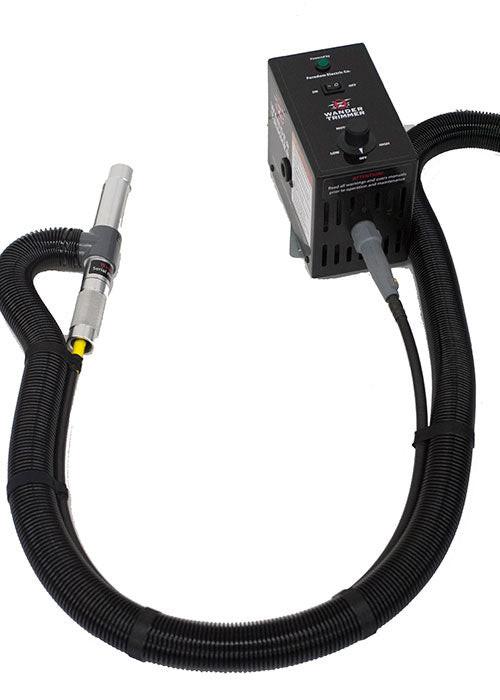
Handheld & Small Electric Trimming Machines
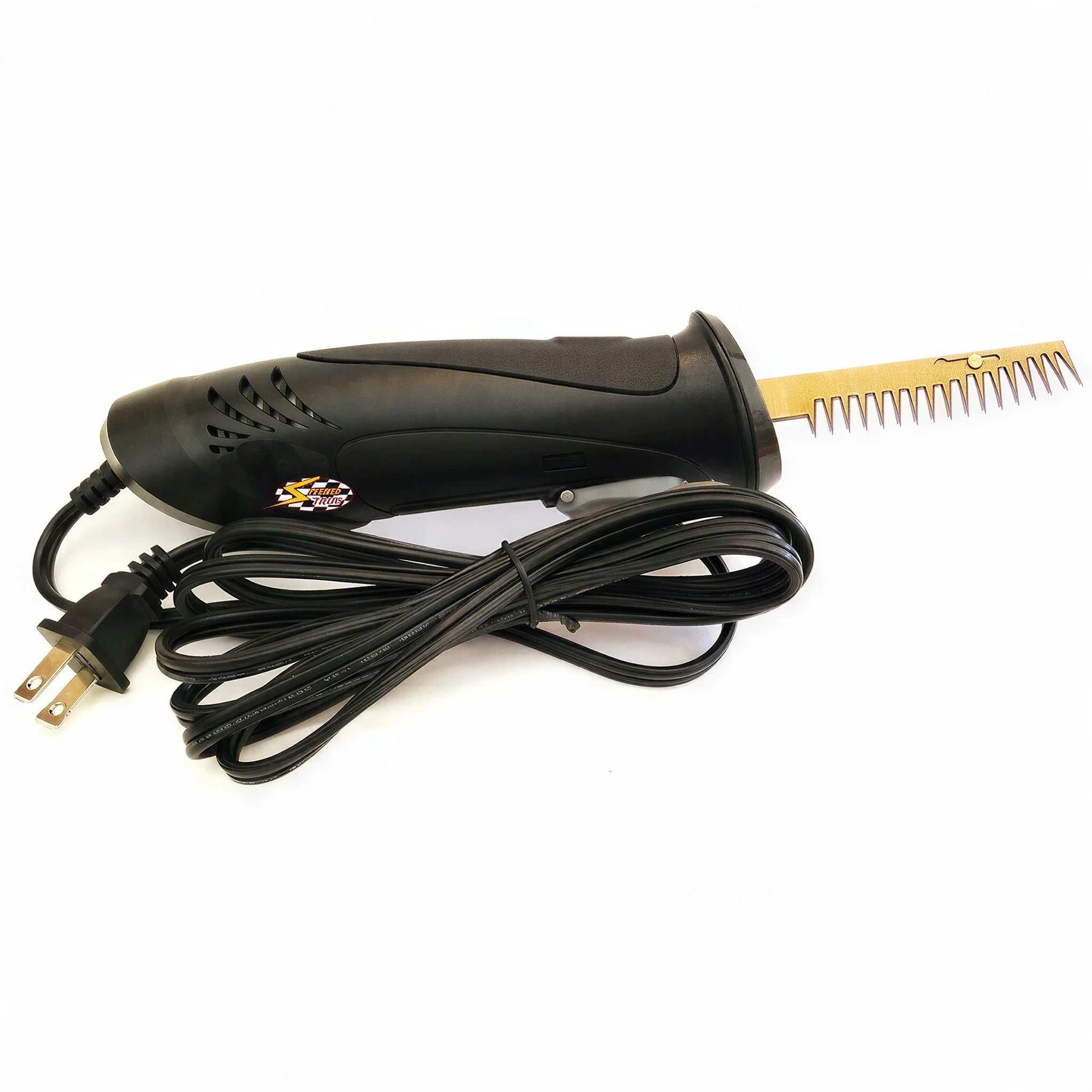
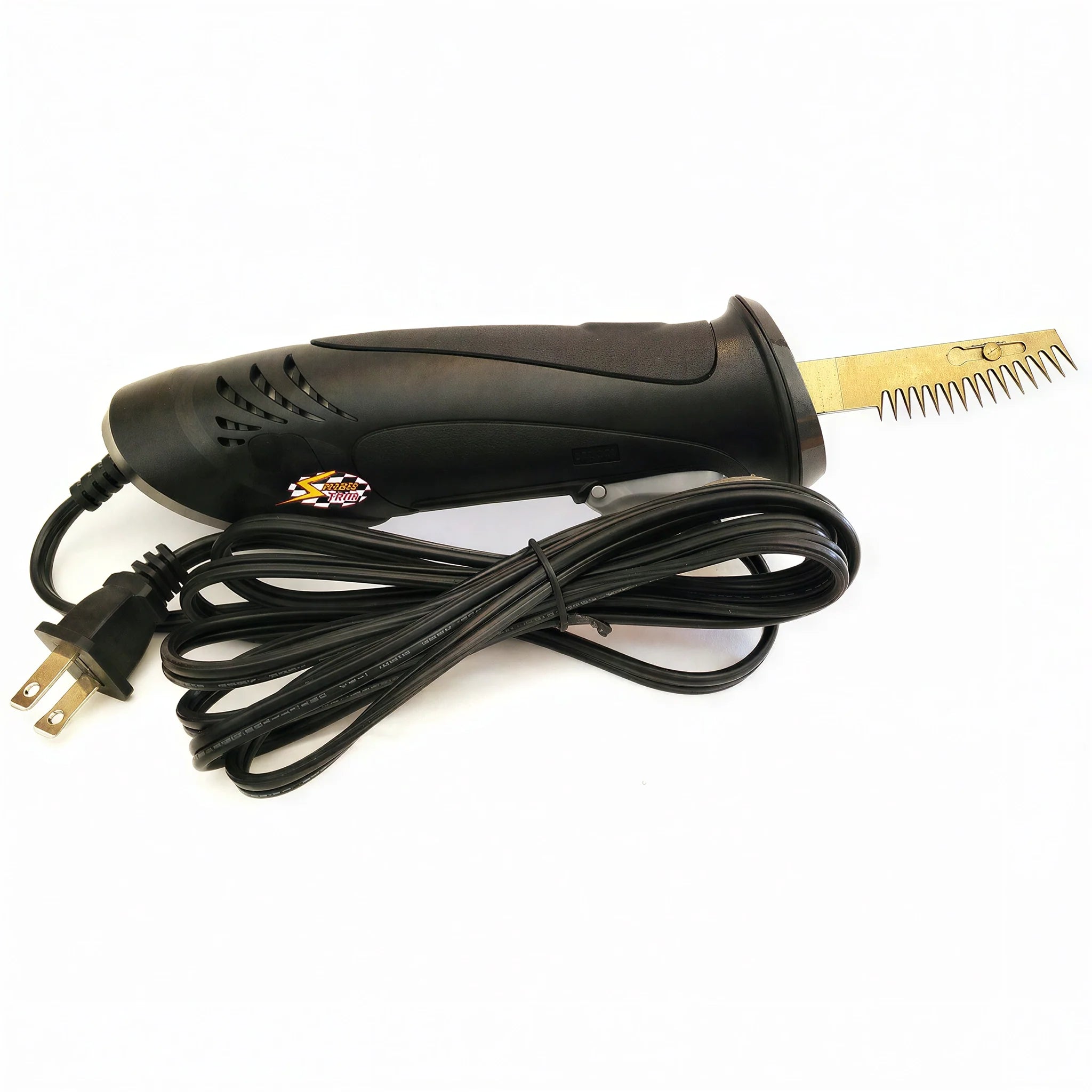
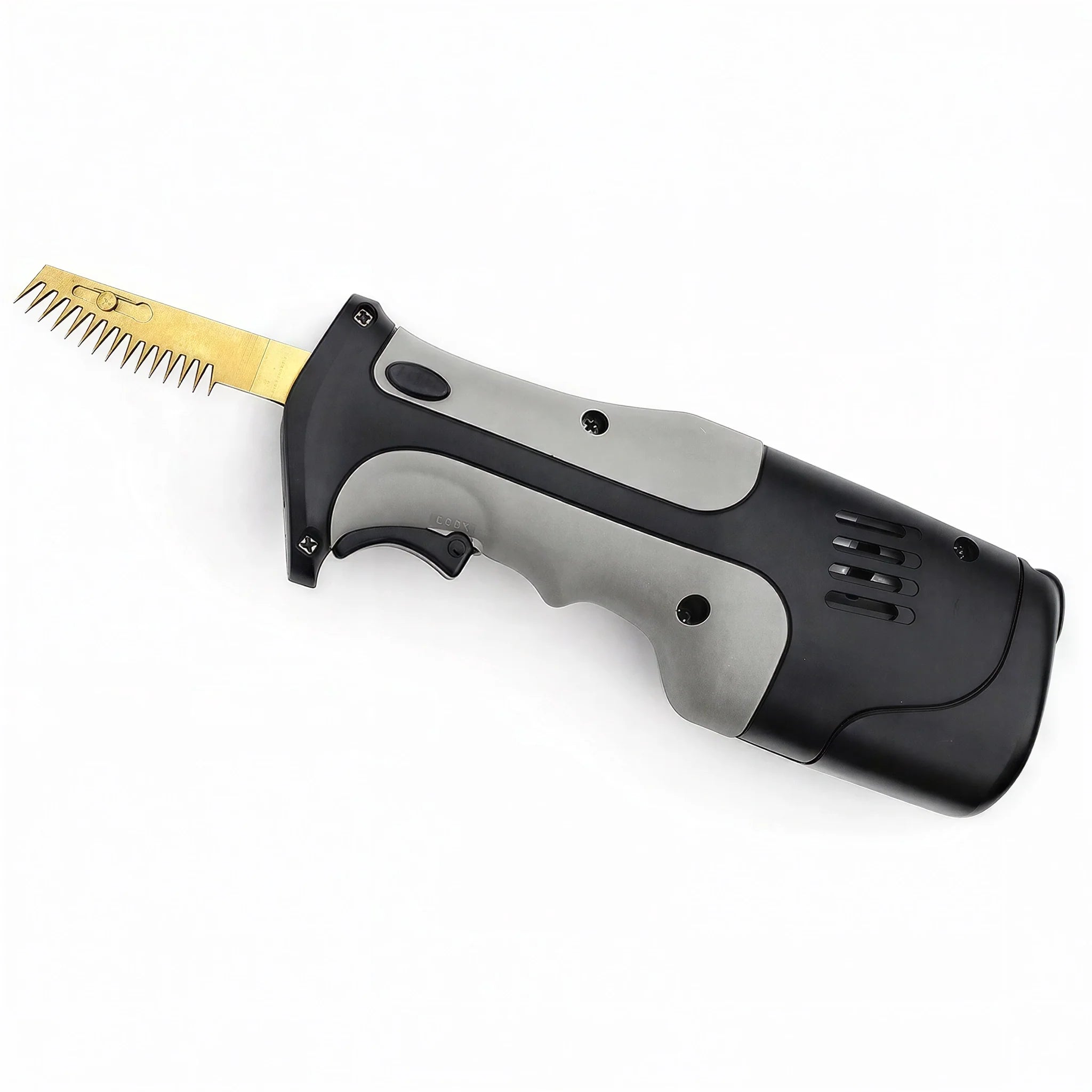
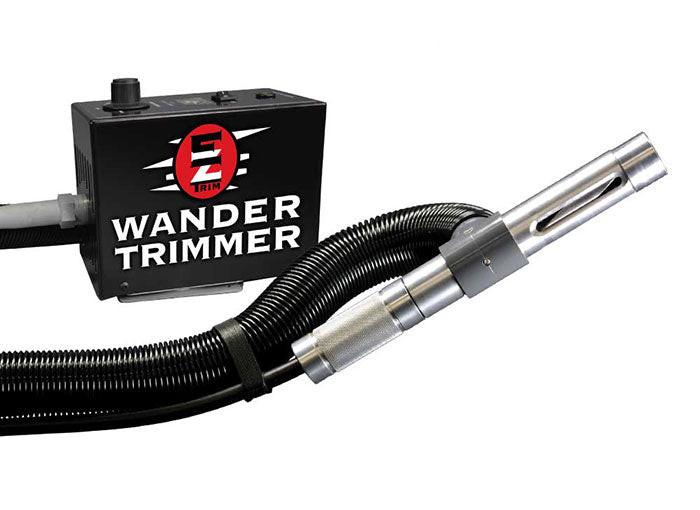
Handheld electric trimmers bridge the gap between manual trimming scissors and full-size tabletop or drum trimming machines. Battery-powered or corded handheld trimmers use small electric cutting blades or scissors mechanisms to trim harvested plant material faster than purely manual scissor work, without requiring a dedicated tabletop machine setup. They are suited to spot trimming, touch-up work after machine trimming, trimming individual plants selectively at harvest, and small batches where setting up a full trimming machine is more effort than the work requires.
When Handheld Trimmers Make Sense
Handheld electric trimmers are most practical for: growers who harvest plants incrementally rather than in large single-day batches; finishing passes after machine trimming where individual flower clusters need touch-up detail work; field harvesting applications where portability eliminates cord management; and very small-scale harvests (under 2-3 lbs) where a tabletop machine creates more cleanup time than trimming time saved. For regular harvests above 3-5 lbs per session, a dedicated bowl trimmer or tabletop electric trimmer provides better throughput per hour than handheld tools.
Plant-Neutral Applications
Handheld electric trimmers are used across a wide range of horticultural and food production applications: herb harvesting and processing, floral preparation, bonsai and ornamental pruning, small-scale tea leaf processing, and any application where precise fast cutting of plant material in the hand is needed. The same cutting mechanics work equally well for live plant maintenance trimming during the growing cycle -- shaping canopies, removing lower fan leaves, and defoliation work. Fast shipping.
Handheld Electric Trimmers FAQ
Are handheld electric trimmers faster than scissors?
Yes -- most handheld electric trimmers cut 2-4x faster than manual scissors for equivalent trim quality. The powered blade mechanism reduces hand fatigue compared to repeated manual scissor compression, allowing longer working sessions before requiring breaks. However, handheld trimmers do not match the throughput of dedicated tabletop machines -- a bowl trimmer or tabletop electric machine processes material significantly faster than any handheld tool for batches above 2-3 lbs.
What is the difference between battery and corded handheld trimmers?
Battery-powered handheld trimmers provide portability -- no cord management, usable anywhere, and suitable for field work and incremental harvesting. Battery life typically covers 1-3 hours of continuous use. Corded handheld trimmers provide unlimited runtime without battery concerns -- better for extended trimming sessions at a fixed workstation where cord management is acceptable. For indoor trimming setups with a fixed workspace, corded models eliminate the battery recharging overhead that interrupts extended sessions.
How do I maintain a handheld electric trimmer?
After each session: remove all plant material from the blade mechanism using a small brush; clean the blades with isopropyl alcohol to dissolve resin buildup; dry thoroughly before storage. Lubricate pivot points and blade tracks with food-grade lubricant per manufacturer recommendations. Replace blades when cutting action becomes rough or leaves ragged cuts -- dull blades produce lower-quality trim and stress the motor. Battery-powered units: store batteries at partial charge (40-60%) for long-term storage rather than fully depleted or fully charged, which extends lithium battery lifespan.
Can handheld trimmers be used for both wet and dry trimming?
Most handheld electric trimmers handle both wet (freshly harvested) and dry material with appropriate technique adjustments. Wet trimming is generally easier -- fresh, pliable material moves through the blade mechanism more smoothly than dry brittle material. For dry trimming, use lighter pressure and clean the blades more frequently as dry resin accumulates faster than wet resin on blade surfaces. Avoid forcing dry material through a partially clogged blade mechanism -- clean and lubricate before continuing to prevent motor strain and blade damage.
What trimming method produces the best quality finish?
Hand trimming with quality scissors produces the finest, most precise cut quality -- scissors allow the trimmer to work around individual flower structures selectively, preserving trichome coverage on the calyx surface while removing only the desired leaf material. Handheld electric trimmers produce somewhat less precise results than careful hand work but significantly faster. Tabletop bowl and drum trimmers produce a good-quality finish at high speed but occasionally leave some trim incomplete that requires hand finishing on premium product. For commercial operations, the standard approach is machine trimming for primary leaf removal followed by hand finishing with scissors for premium-grade product.