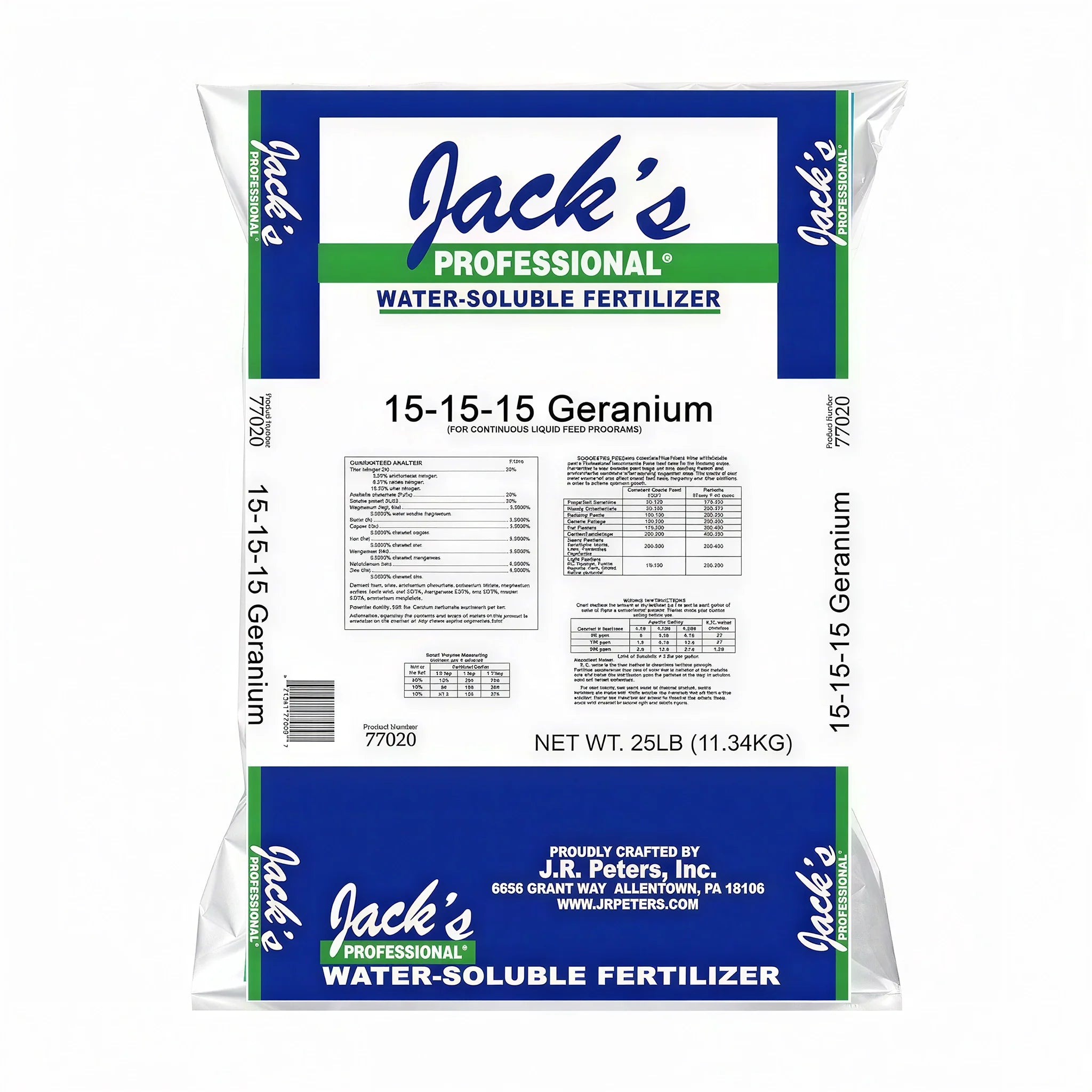
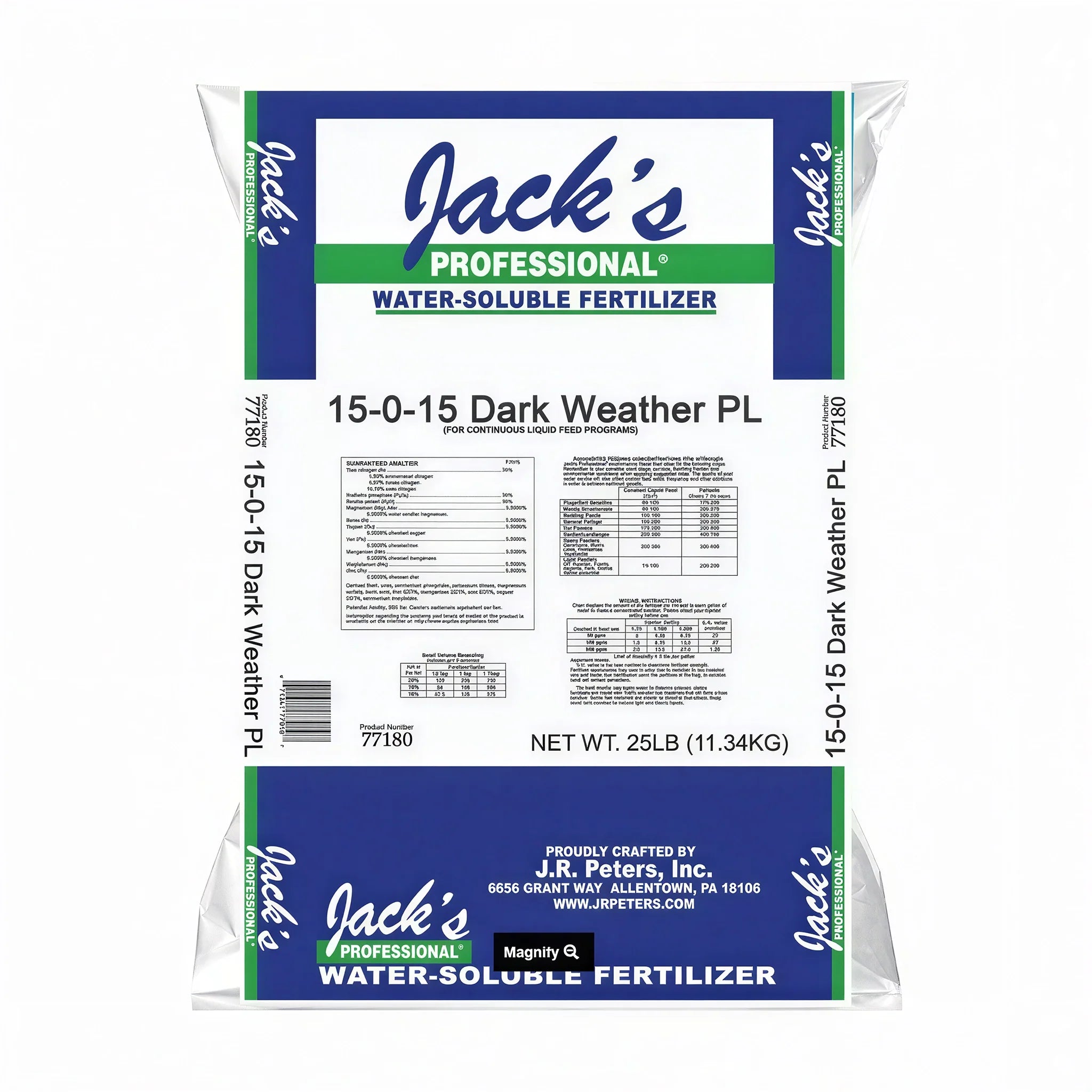
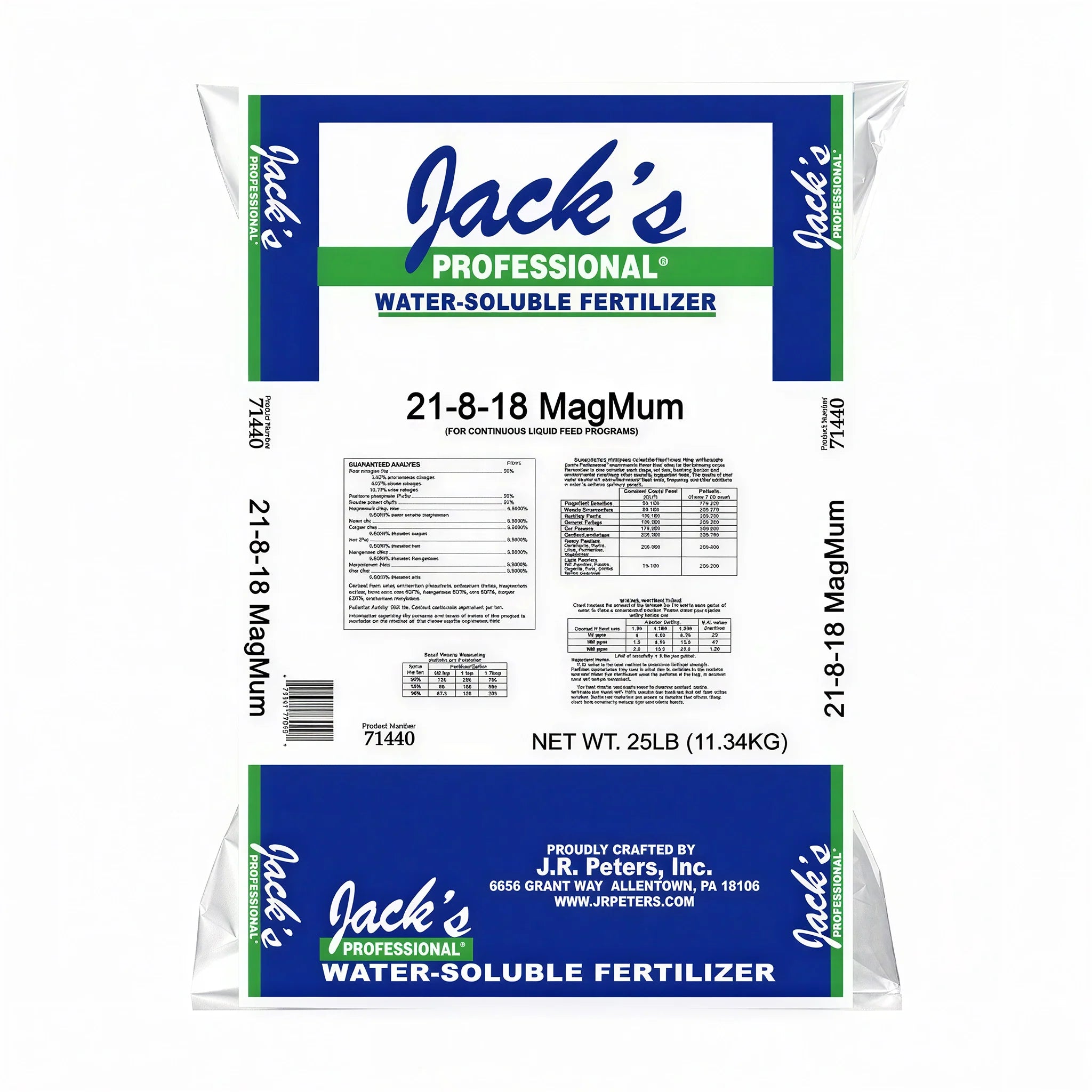
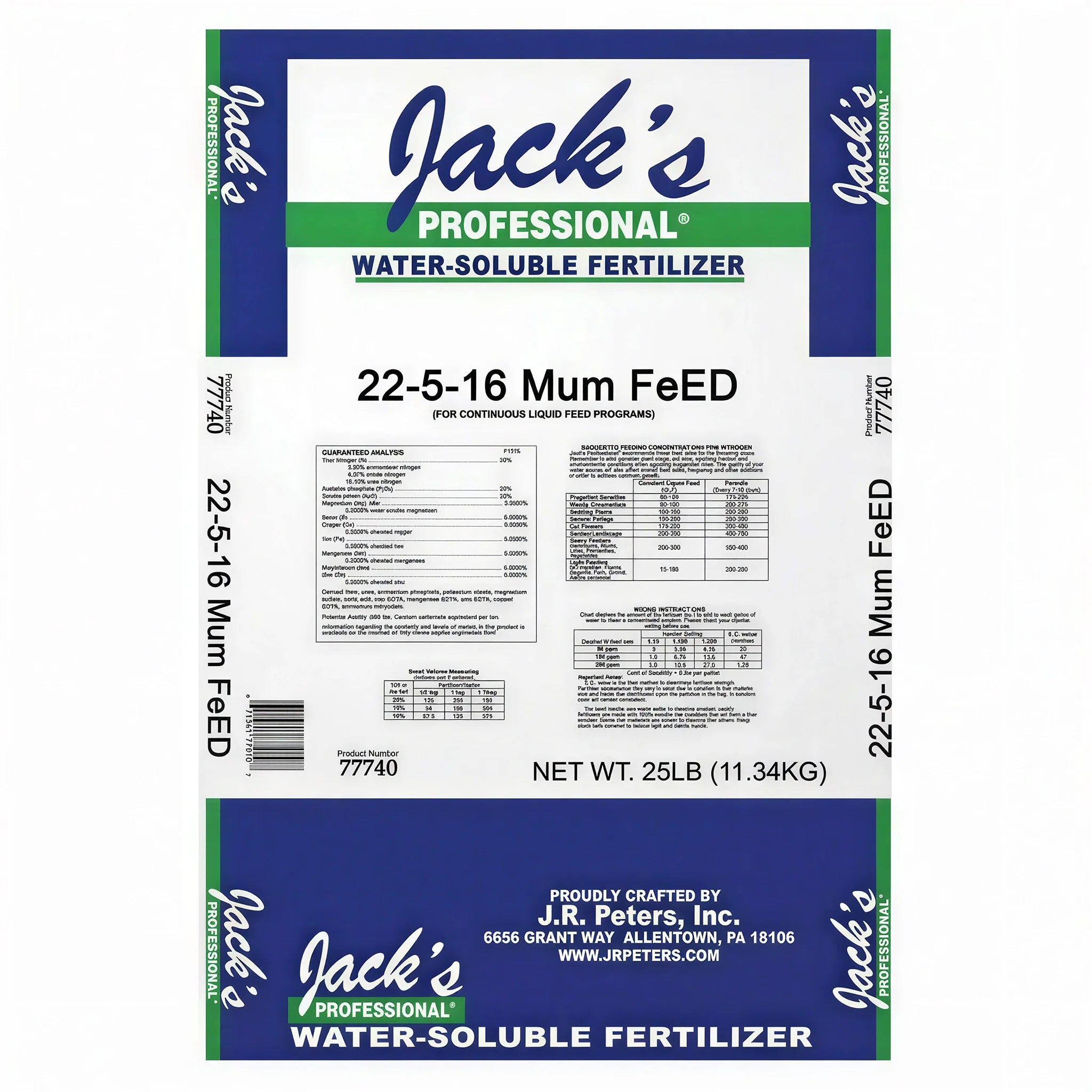
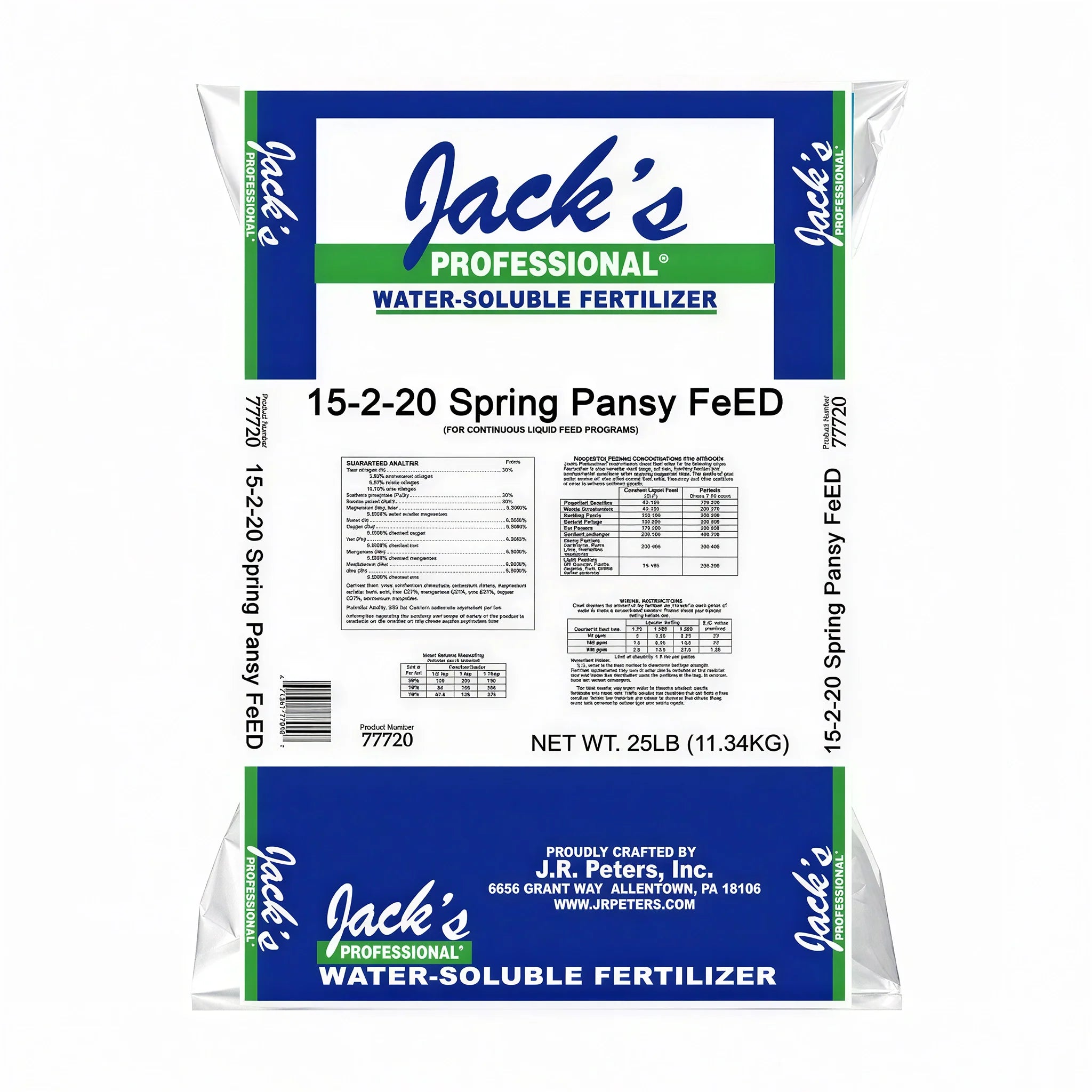
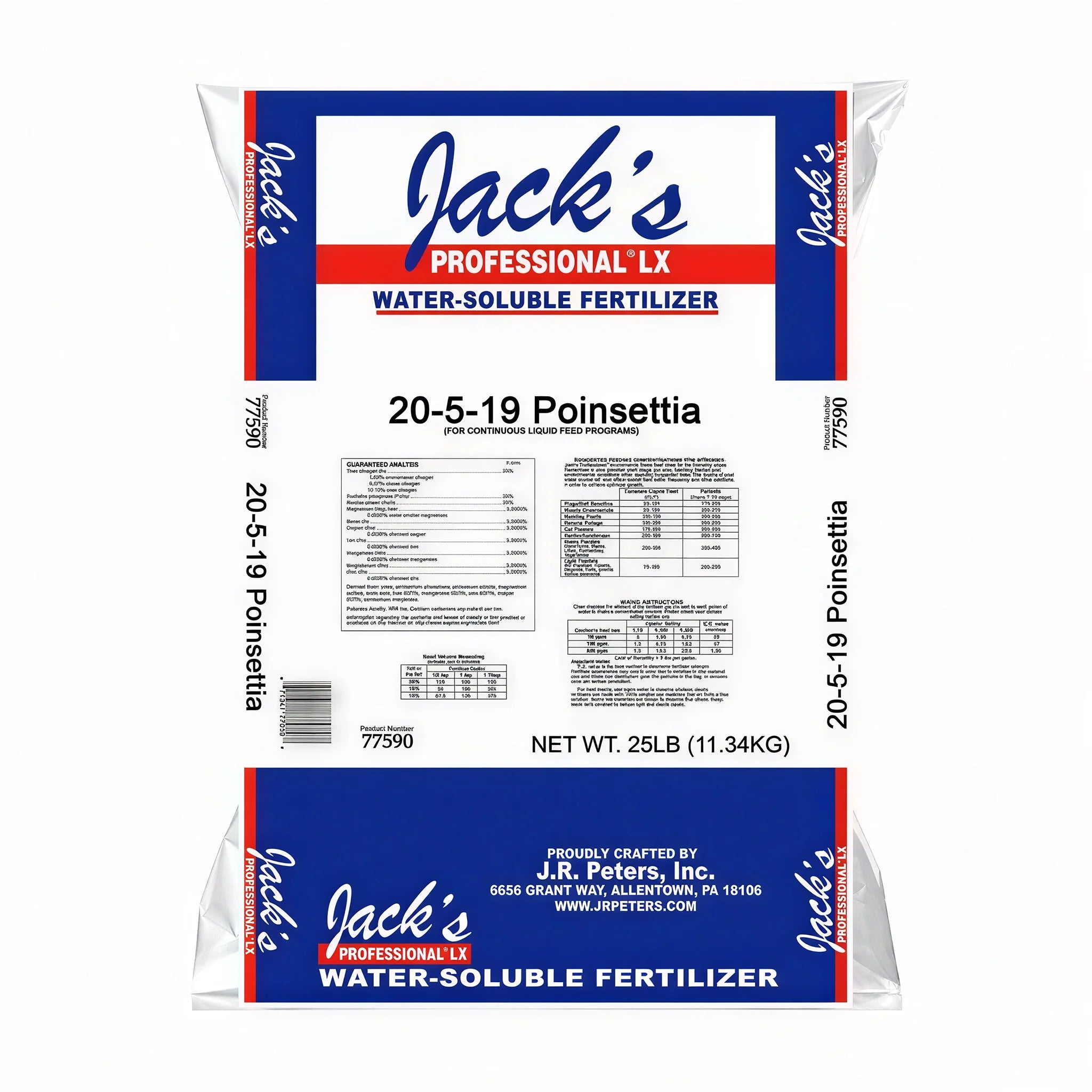
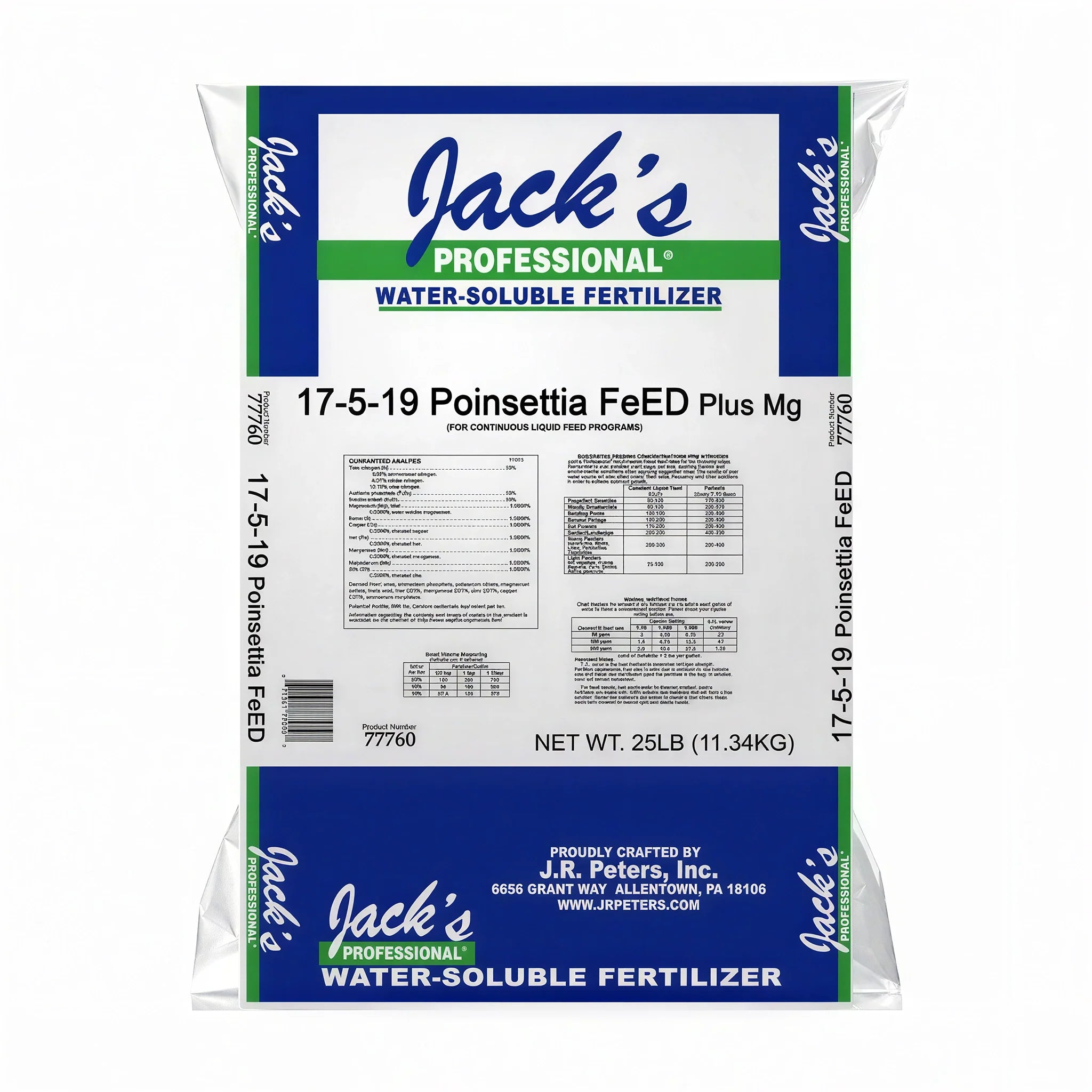
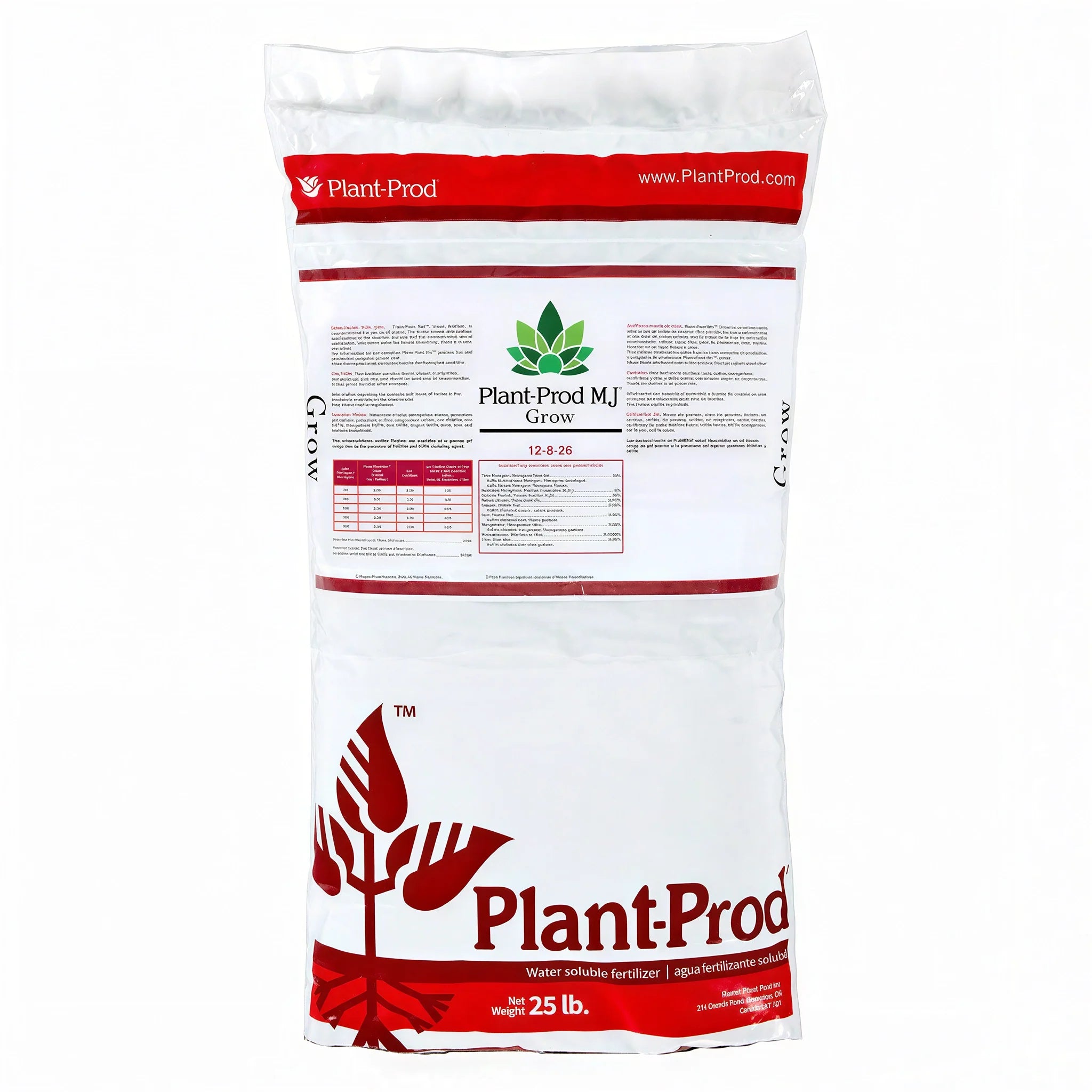
Vegetative Stage Nutrients
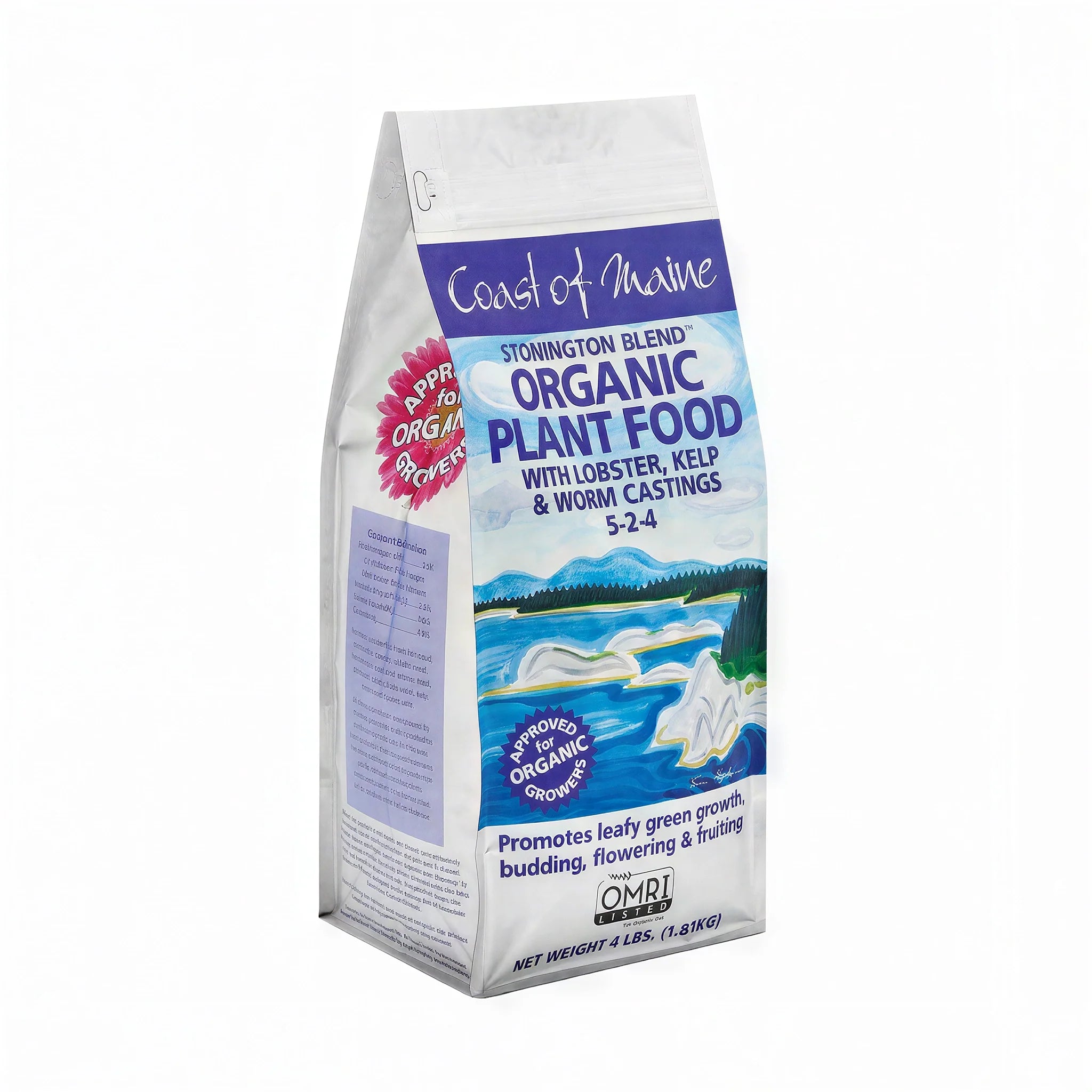
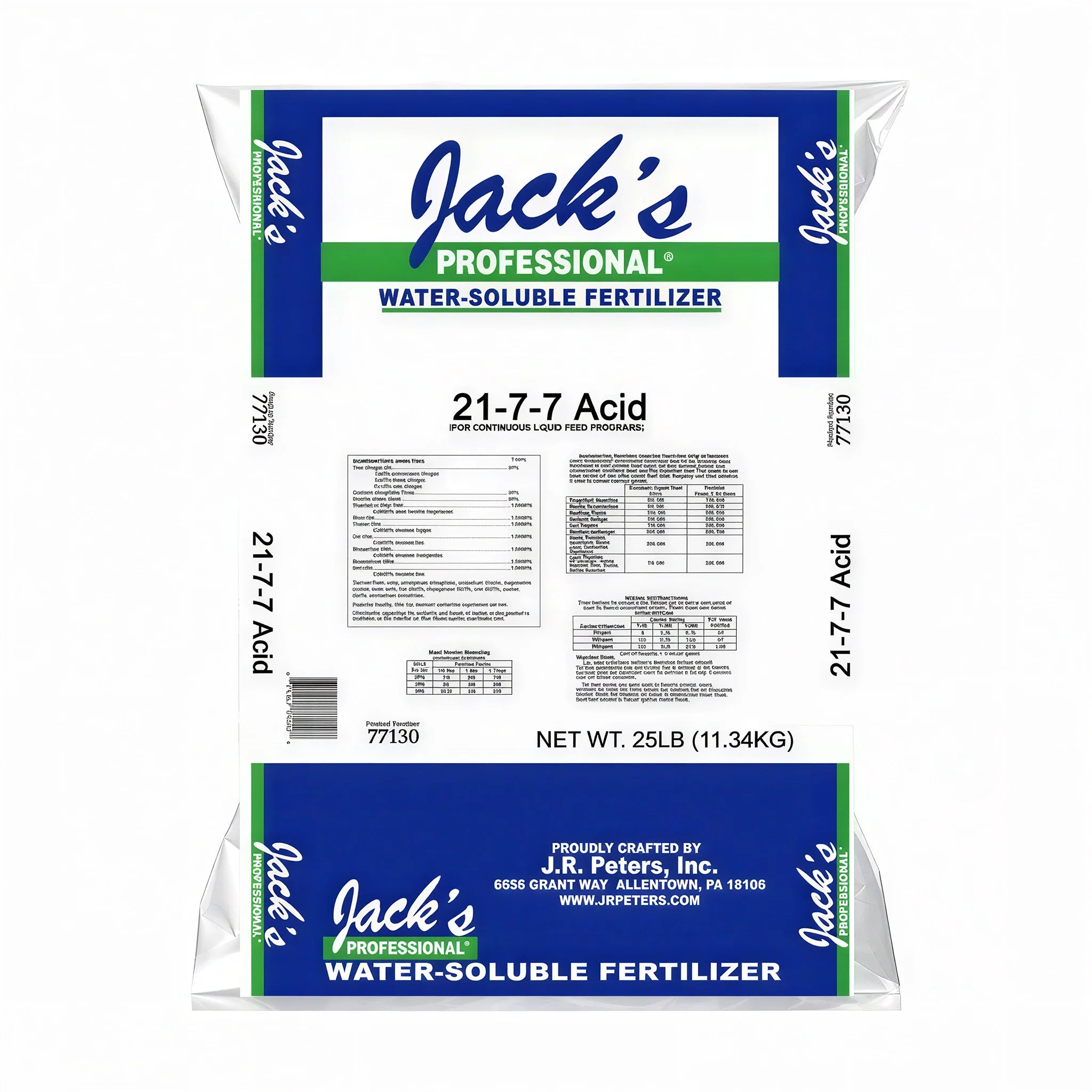
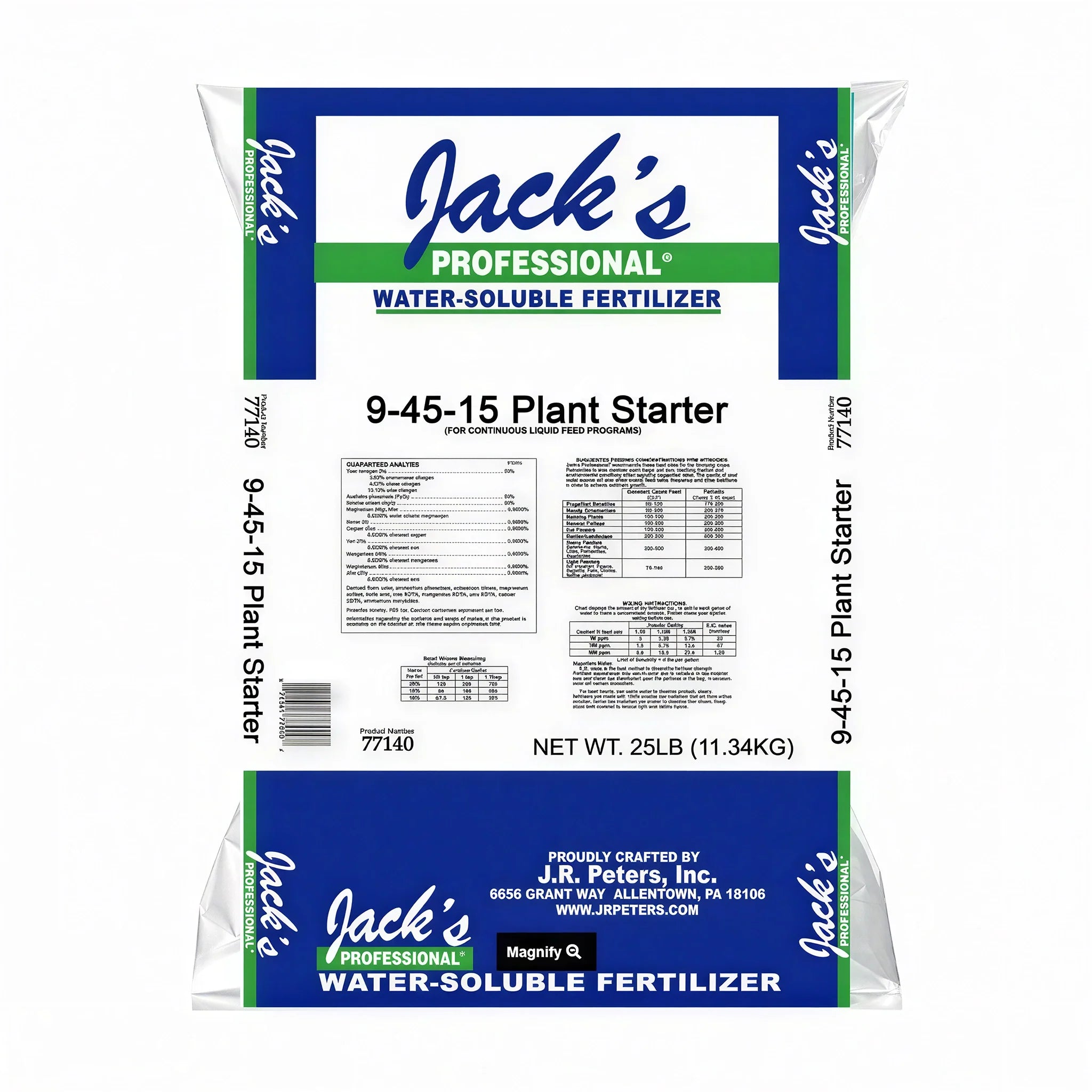
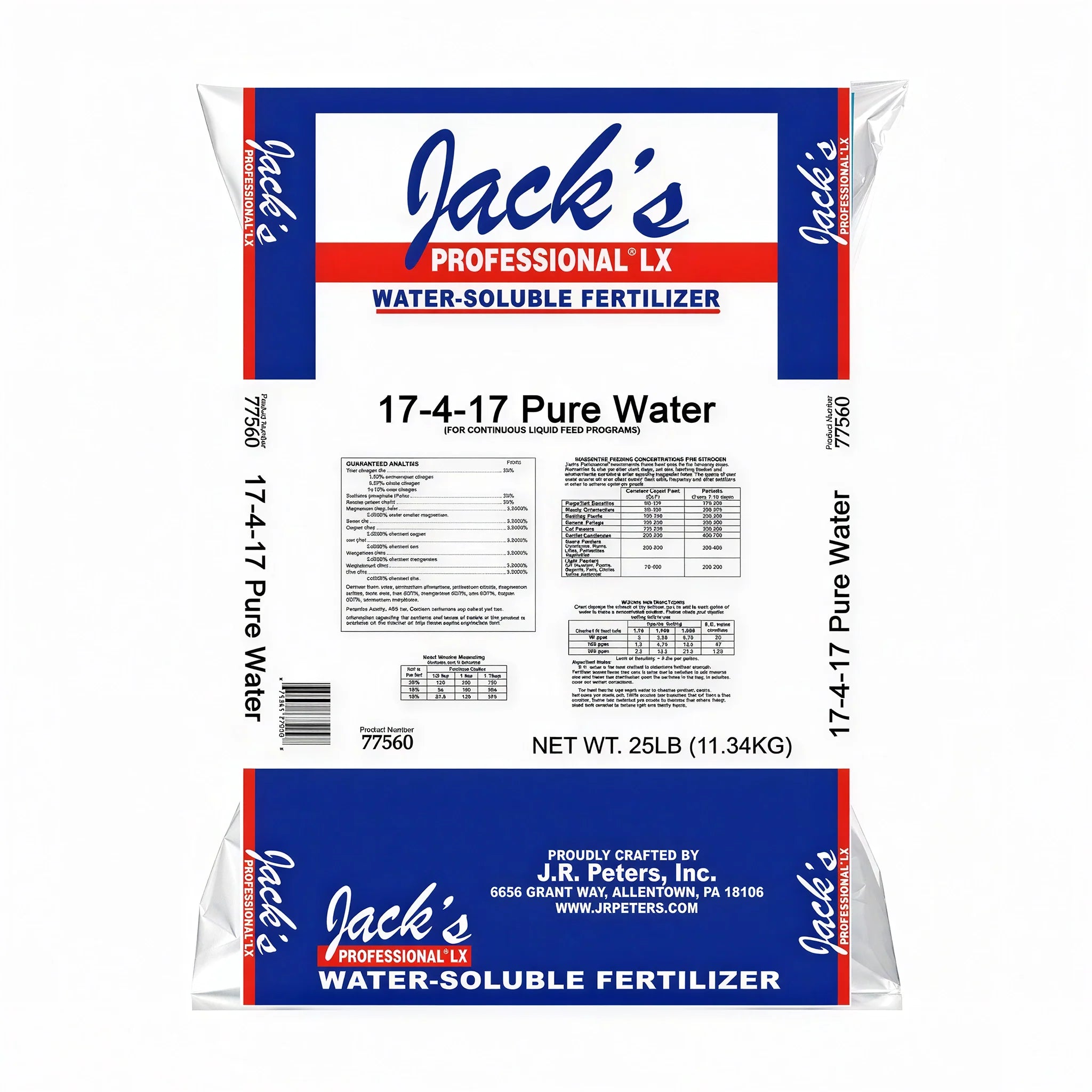
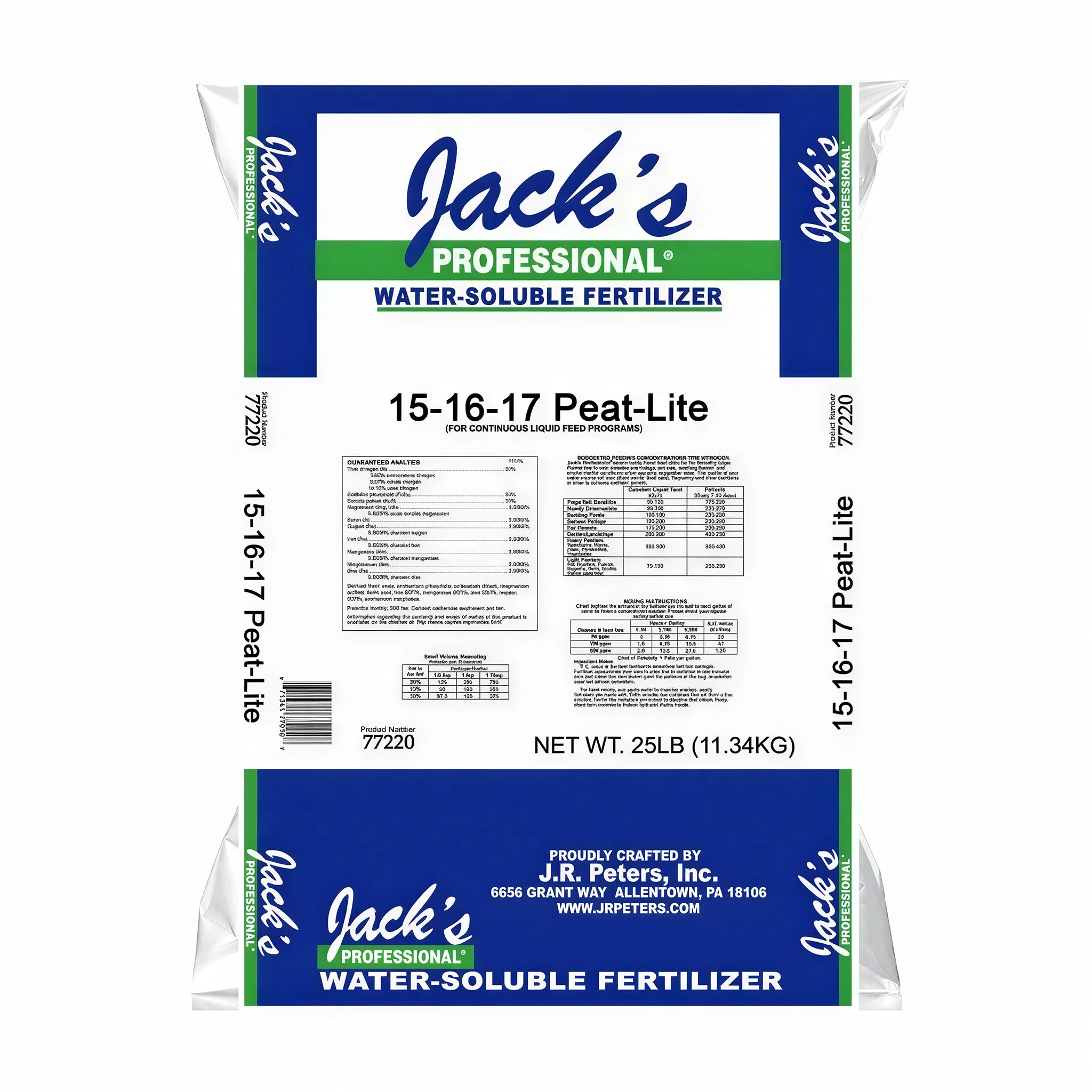
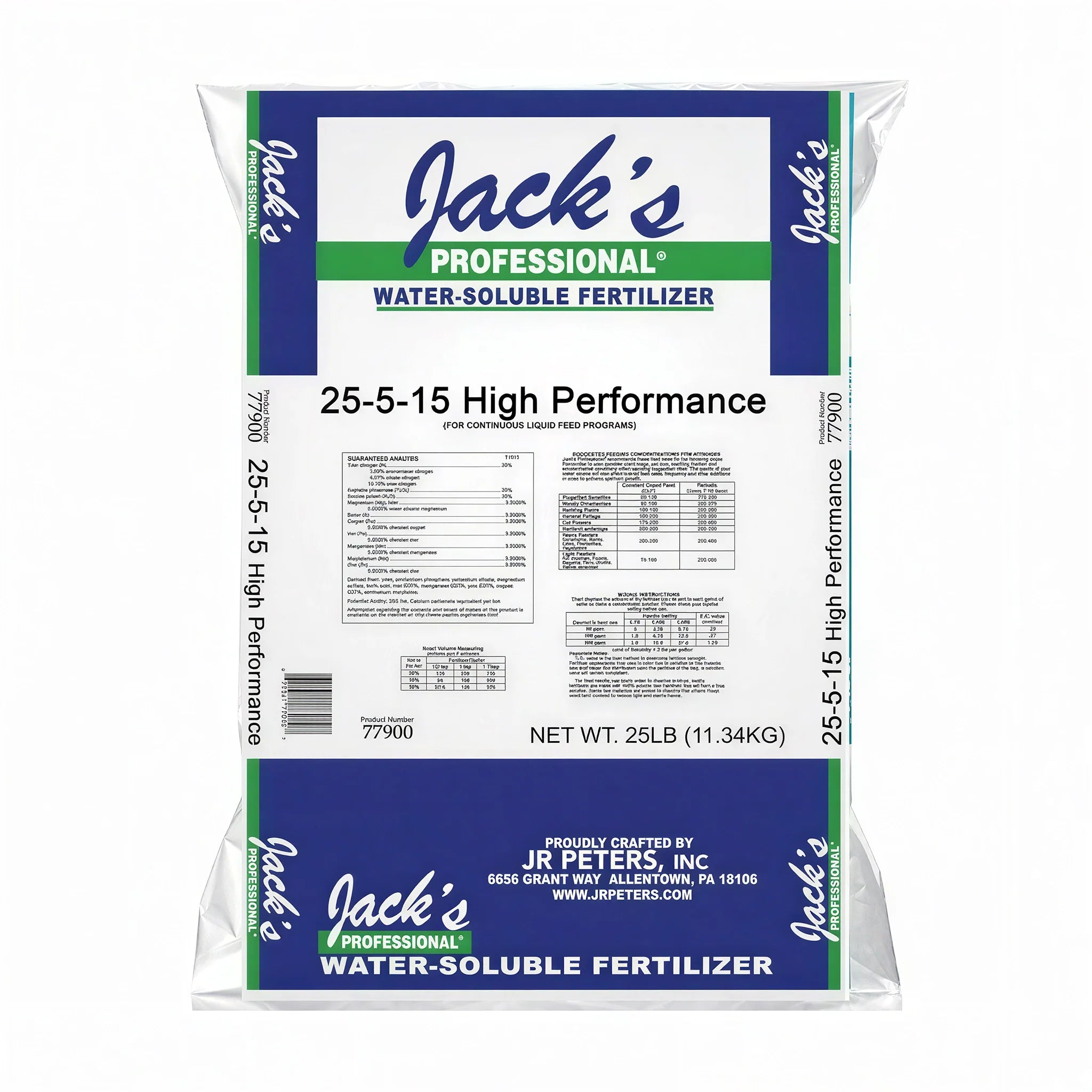
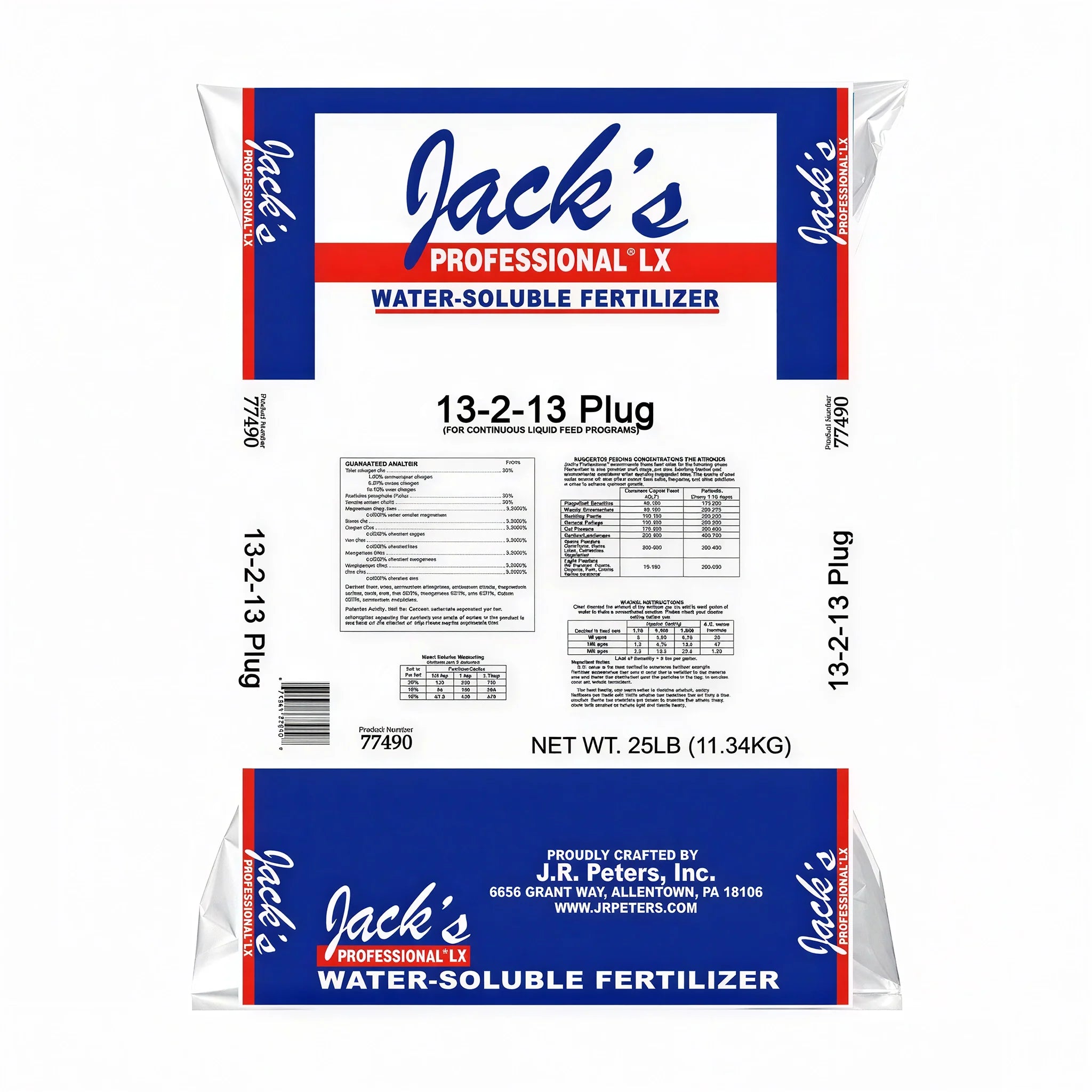
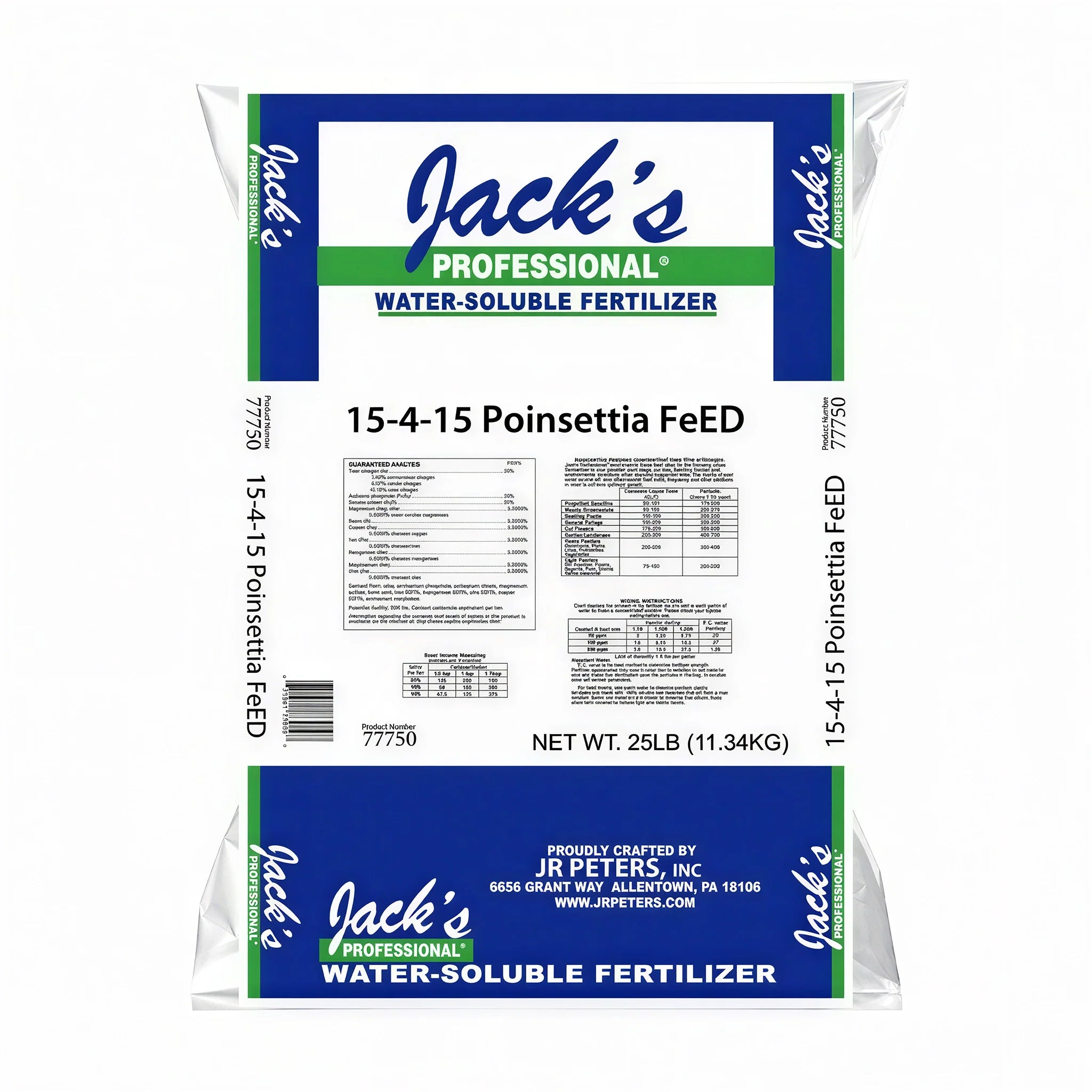
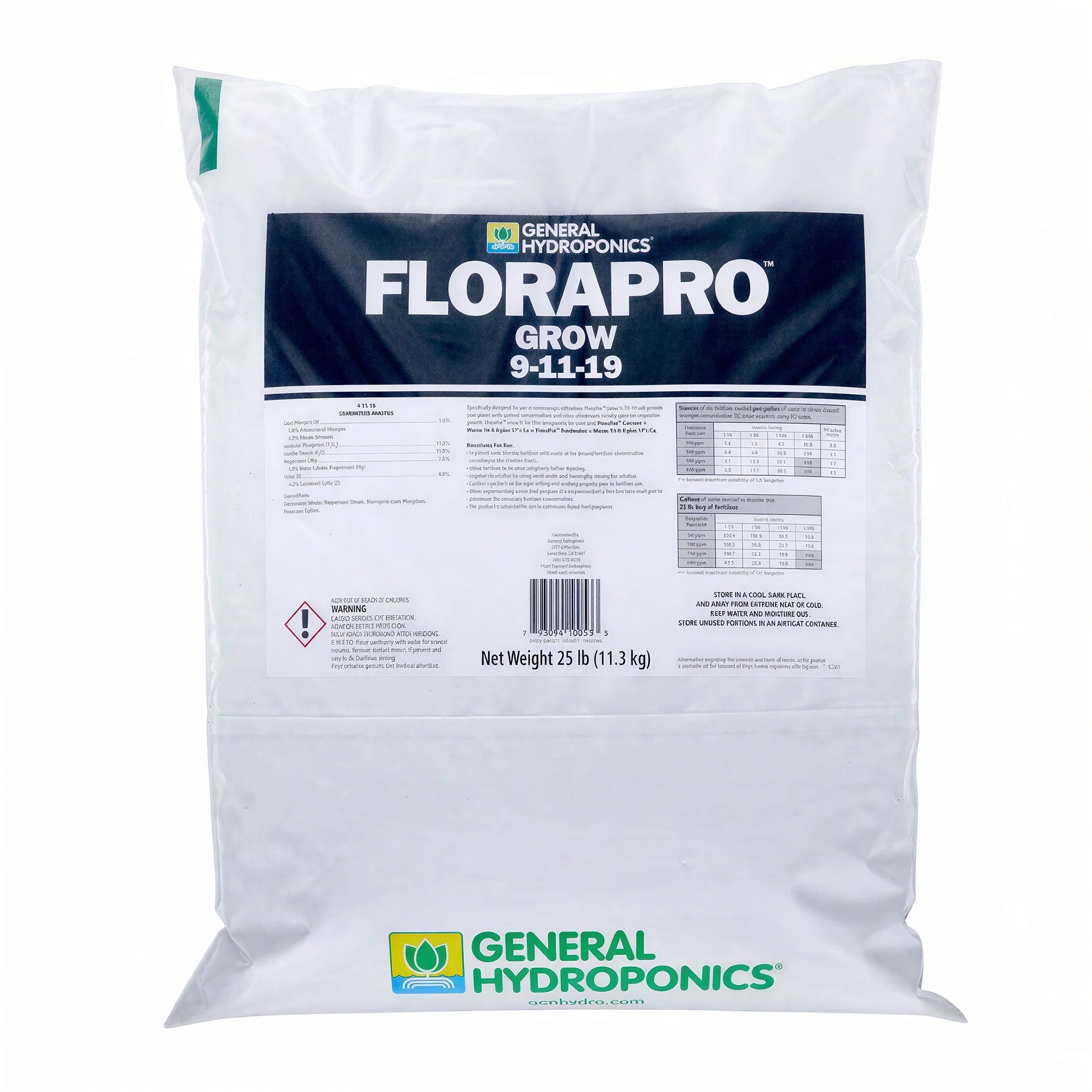
Vegetative nutrients support rapid canopy development before the reproductive transition -- providing the elevated nitrogen, balanced phosphorus and potassium, and full micronutrient profile that drives root growth, stem strength, and leaf area expansion in the weeks before flowering. Nitrogen is the primary driver of vegetative growth: it is a core component of chlorophyll, amino acids, and the proteins that make up new plant tissue. A quality vegetative nutrient formula provides nitrogen in the forms and ratios appropriate for the growing medium and delivers it alongside the calcium, magnesium, and micronutrients that support healthy cellular development. HGV, Athena, General Hydroponics, and House & Garden are the top-selling vegetative nutrient brands at Hydrobuilder.
Vegetative Phase Nutrient Management
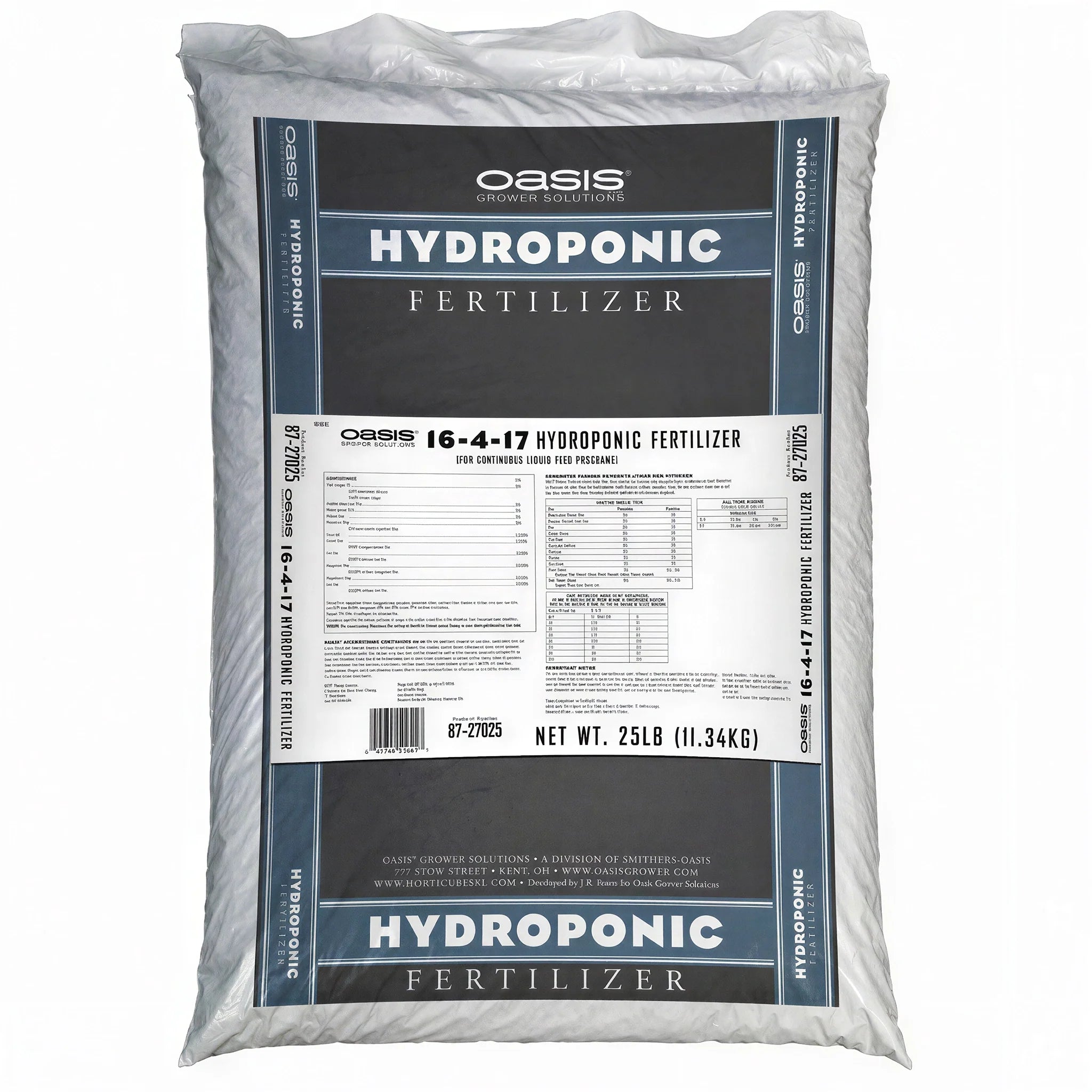
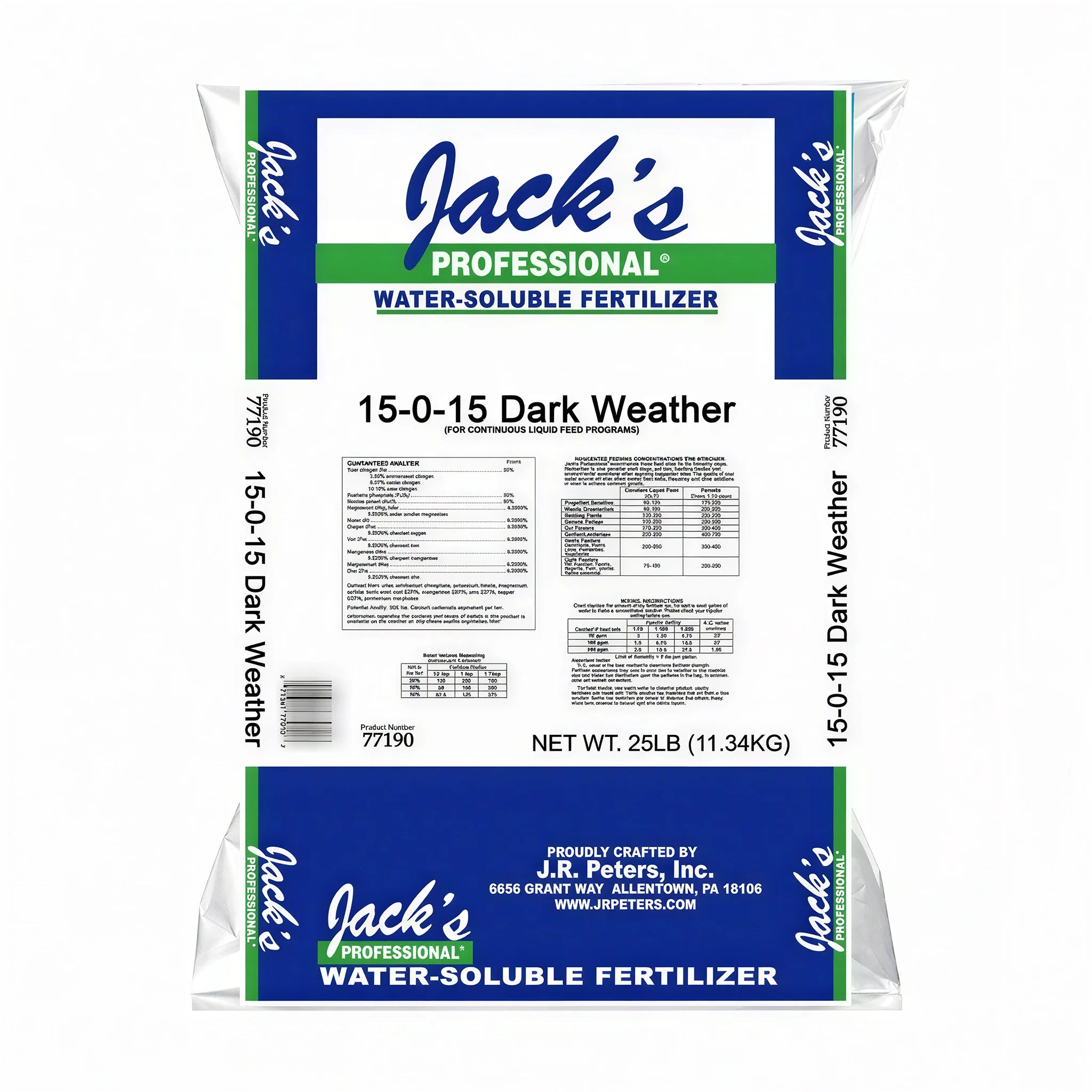
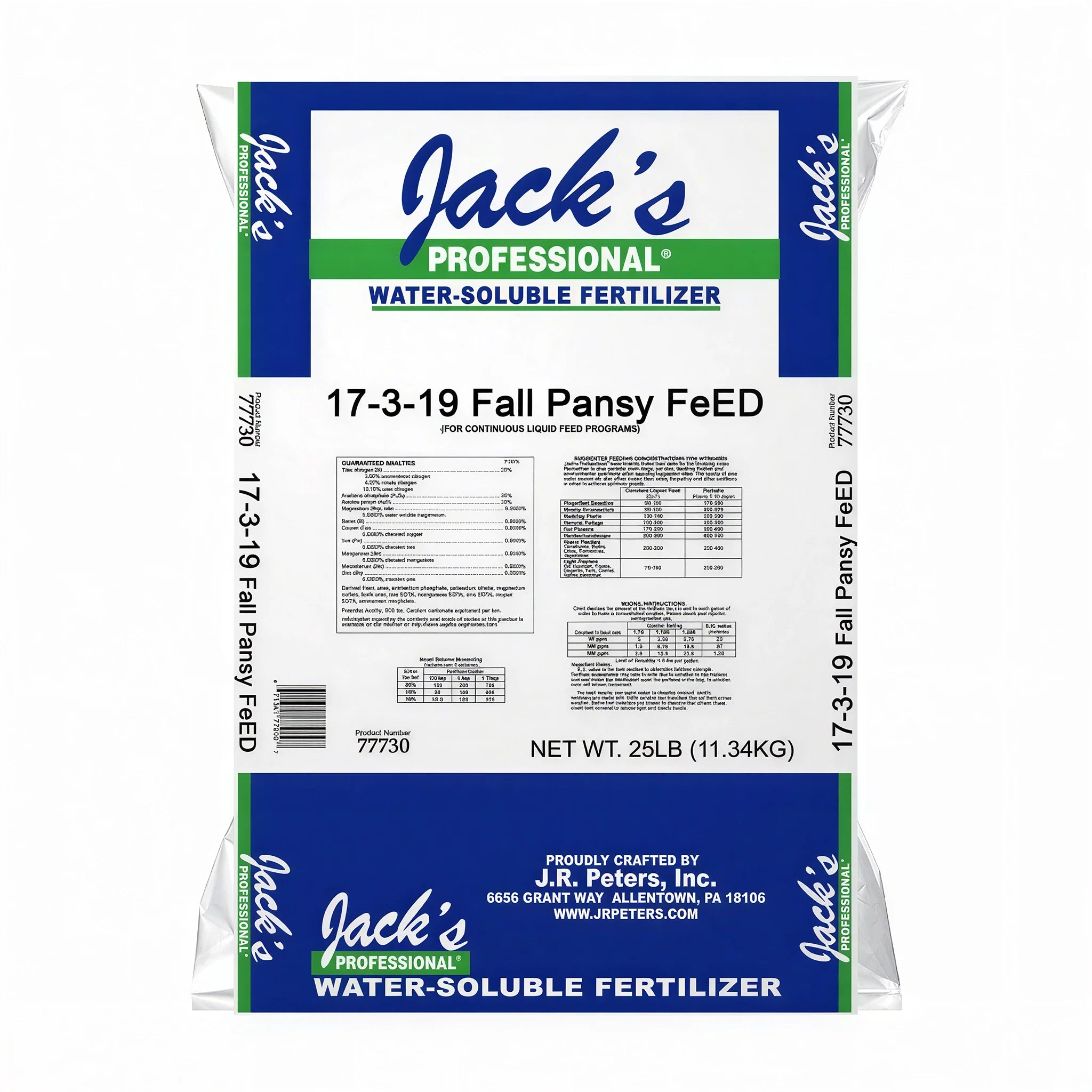
The vegetative phase typically runs from 2 weeks after germination or transplant through the flowering transition -- 4-8 weeks for most annual crops in controlled environments. EC targets during veg are generally lower than peak flowering (0.8-1.5 EC for seedlings and young plants, stepping up to 1.8-2.5 EC as plants develop). pH management is critical throughout: maintain 5.5-6.2 for hydroponic systems and 6.0-7.0 for soil-based programs. DutchPro, Grow More, and Hydroponic Research products cover a wide range of application-specific vegetative formulas including water-soluble powder formats for large-volume commercial mixing.
Veg-to-Bloom Transition
As the crop approaches the flowering trigger, many programs taper nitrogen and introduce bloom-stage nutrients gradually over 1-2 weeks rather than switching abruptly. Browse bloom and flowering nutrients, complete nutrient packages, or see all nutrients. Fast shipping.
Vegetative Nutrients FAQ
What EC should I run during the vegetative stage?
EC (electrical conductivity) targets during the vegetative stage depend on plant size, growing medium, and species. As a guideline: seedlings and cuttings in their first week of rooting: 0.4-0.8 EC; young established plants (2-4 weeks from transplant): 0.8-1.4 EC; full vegetative growth (4+ weeks): 1.4-2.2 EC in most hydroponic media. In soil programs, EC targets run 0.2-0.5 units lower than equivalent hydroponic programs because soil provides organic buffering that supplements the nutrient solution. Monitor plant response: lush, dark green growth without tip burn is the target; light-colored leaves suggest EC is too low; brown leaf tips or edges suggest too high. Adjust within these ranges based on observed crop response rather than rigidly following a single target.
What is the best vegetative nutrient for coco coir?
For coco coir, vegetative nutrients should be formulated for soilless or hydroponic media with adequate calcium and magnesium for coco's ion-exchange characteristics. Athena Grow and Athena Core are well-documented for coco programs. General Hydroponics FloraMicro and FloraGro (used together per the FloraSeries feeding schedule) work reliably in coco. HGV Grow provides a strong vegetative base specifically developed for hydroponic and coco applications. For all coco programs, supplement with a dedicated Cal-Mag product -- even well-formulated coco-specific nutrients require additional calcium supplementation when using RO or soft water. Verify that your Cal-Mag includes both calcium and magnesium rather than calcium alone.
Do autoflowering plants need vegetative nutrients?
Yes -- autoflowering plants have a vegetative phase (typically 2-4 weeks from germination) during which they require nitrogen-forward vegetative nutrition before the automatic flowering trigger initiates. The vegetative phase in autoflowers is shorter than in photoperiod plants, so the window for vegetative feeding is compressed. Avoid over-feeding with high-nitrogen vegetative nutrients late in the autoflower cycle -- many autoflowers begin showing early flowering signs at 3-4 weeks, at which point transitioning toward bloom nutrients is appropriate even if the plant still appears vegetative. Because autoflowers cannot be kept vegetative indefinitely by adjusting light schedules, timing the nutrient transition to the plant's actual development rather than a fixed schedule produces better results.