Grow Room Sanitary Clothing & PPE
Grow room sanitary clothing and PPE (personal protective equipment) reduce the introduction of pathogens, pests, and contaminants from outside the growing environment by workers and visitors. In high-value commercial production -- particularly pharmaceutical herb and clean-room vegetable production -- the biosecurity risk from human traffic is significant. People carry mold spores, pest insects, and bacteria on their clothing, hair, and footwear from outside environments into the grow room. Disposable or dedicated sanitary garments create a barrier between outside contamination sources and the crop environment.
Key Sanitary Garment Categories
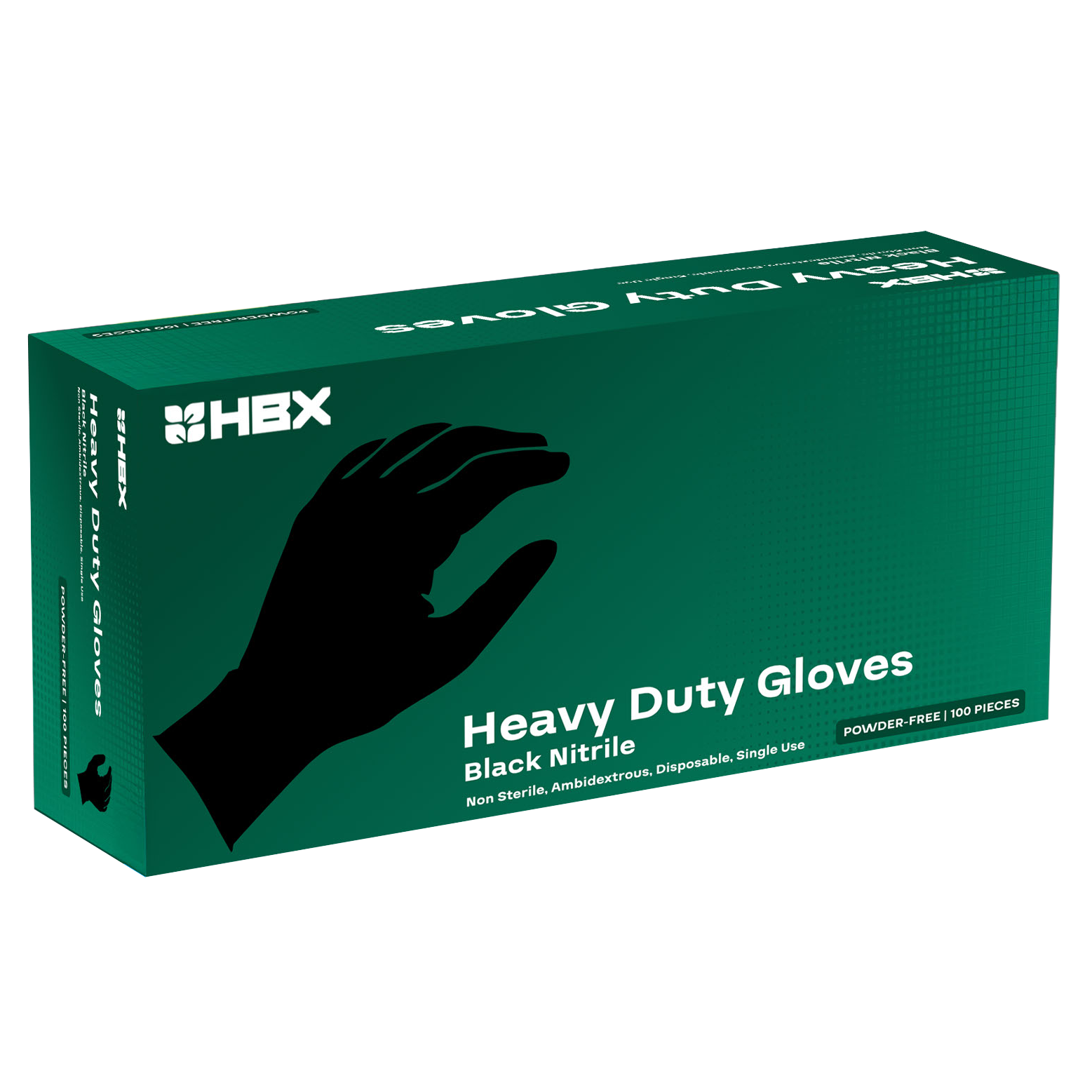
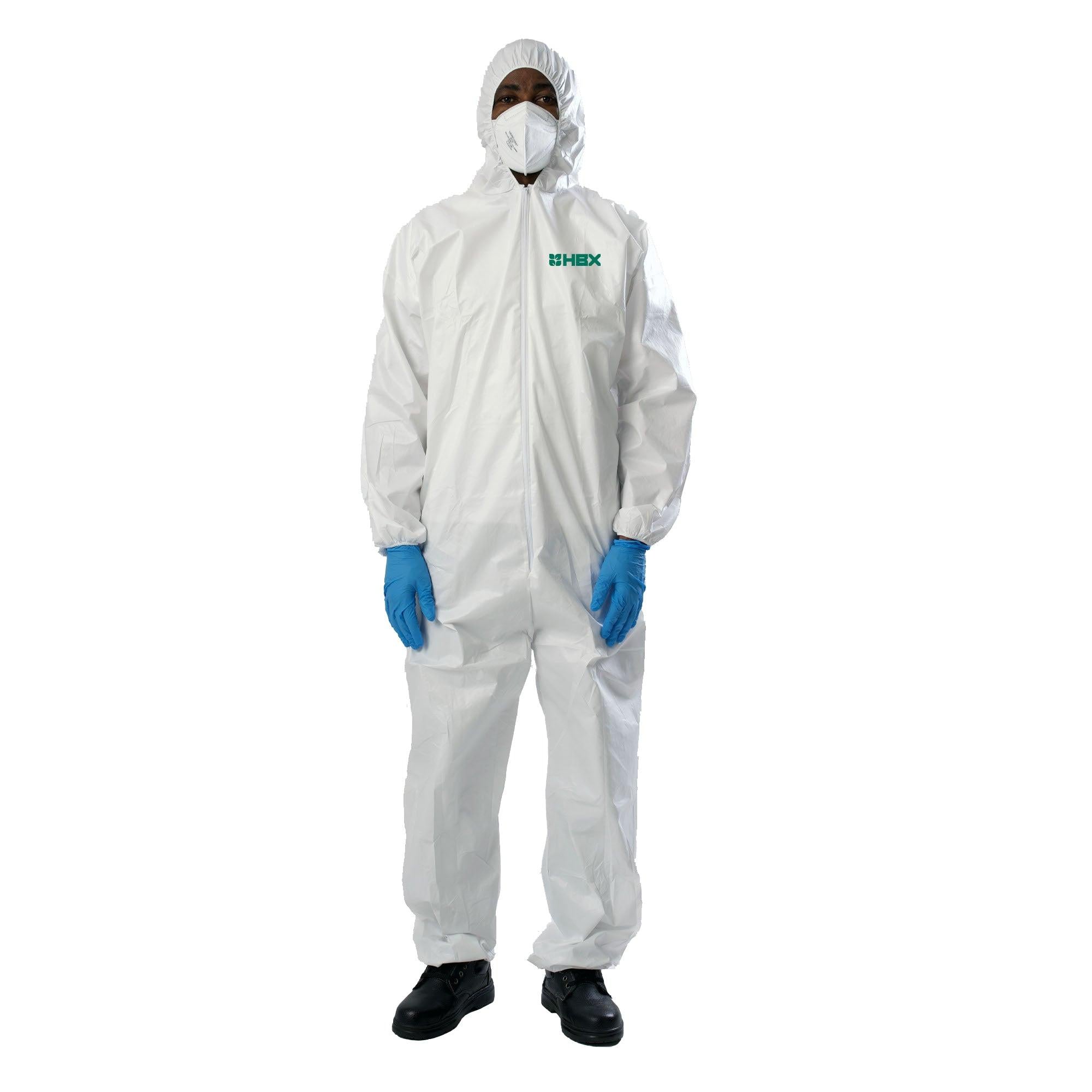
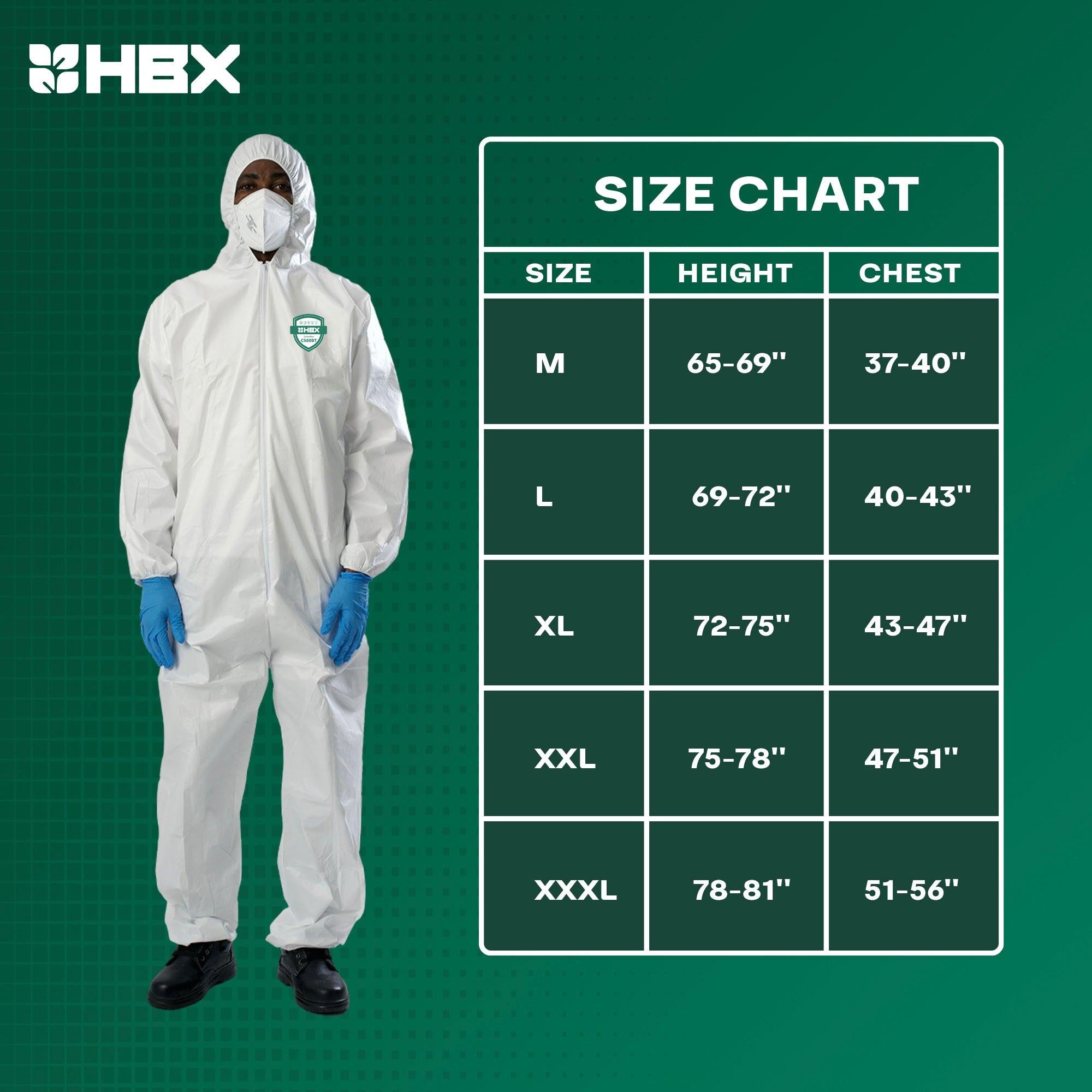
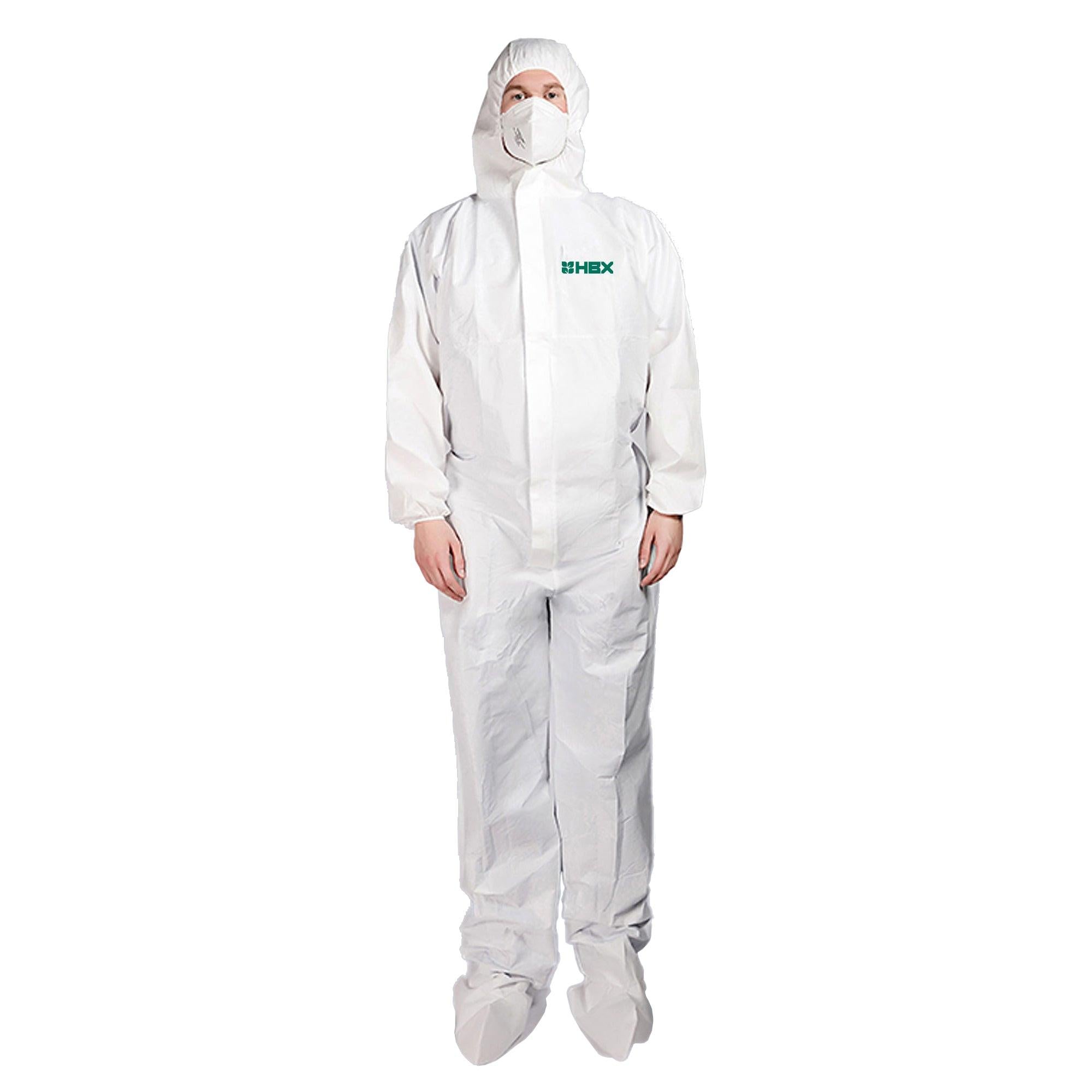
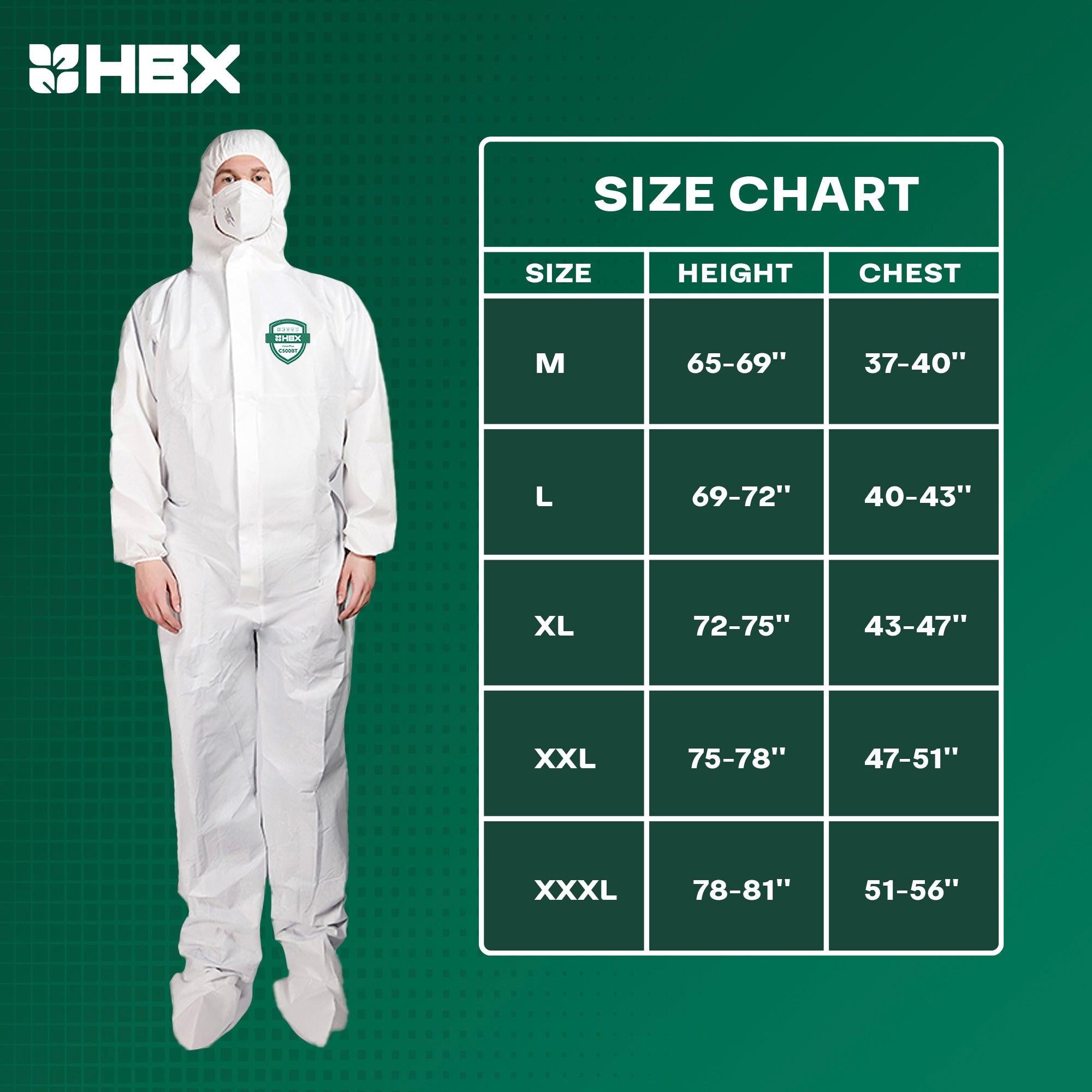
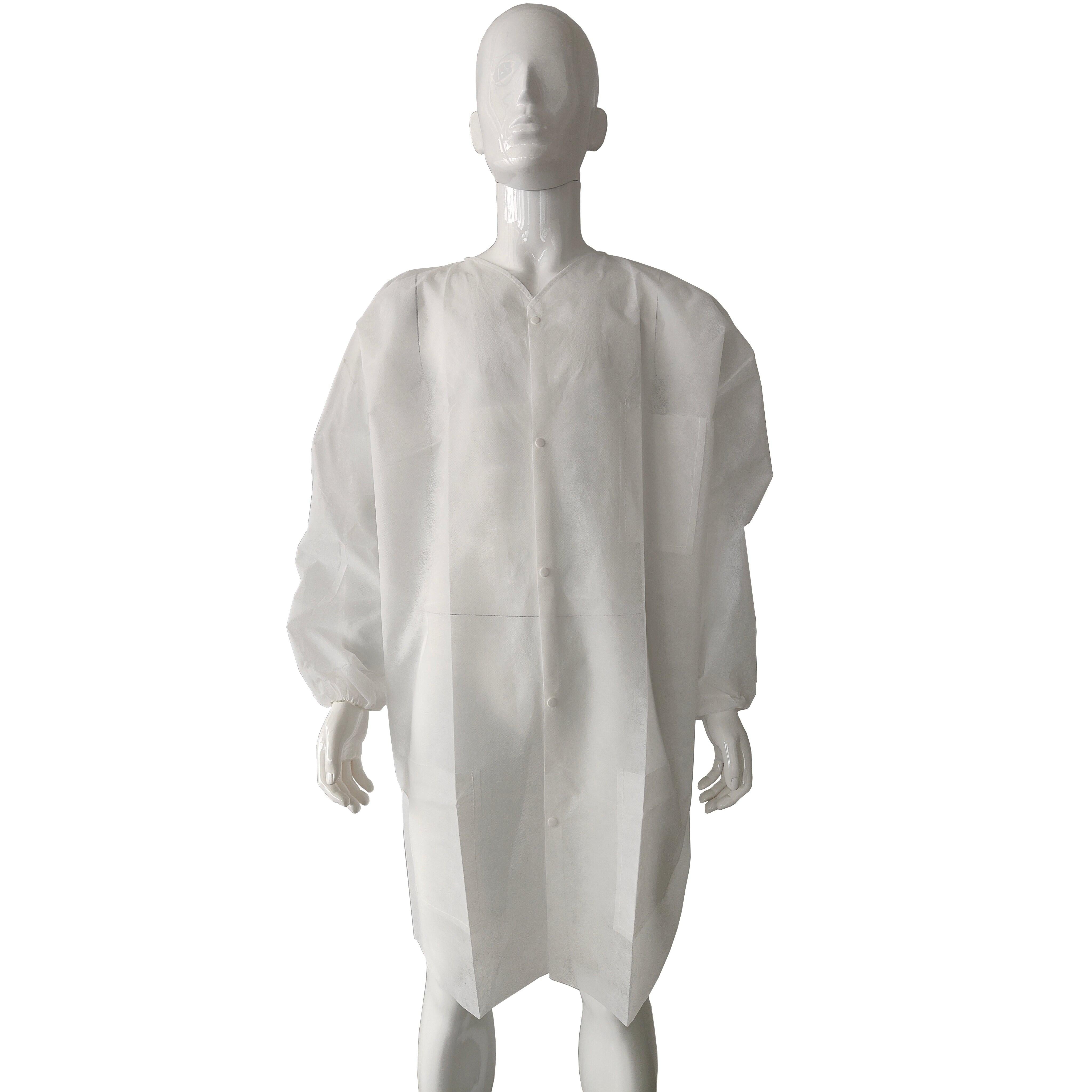
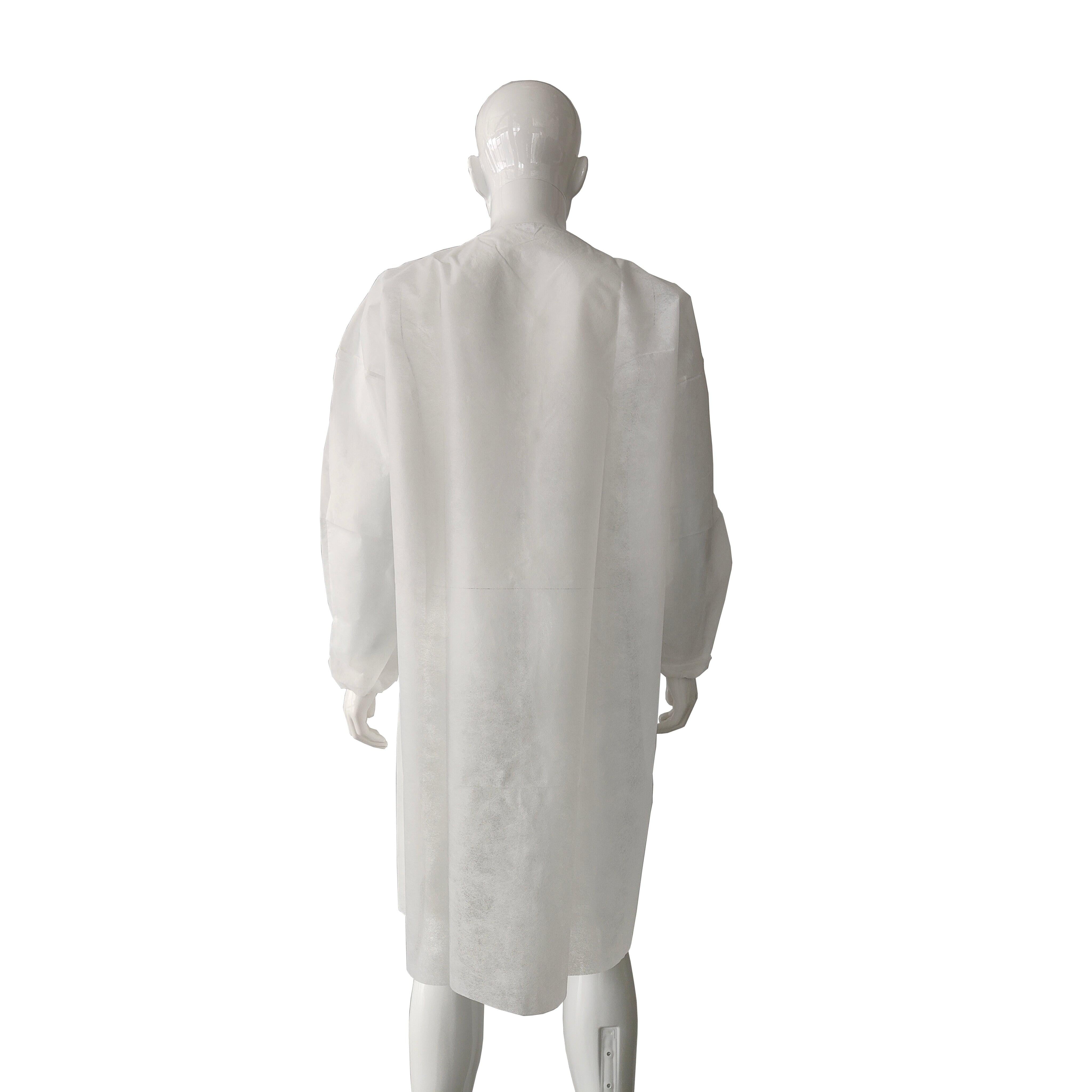
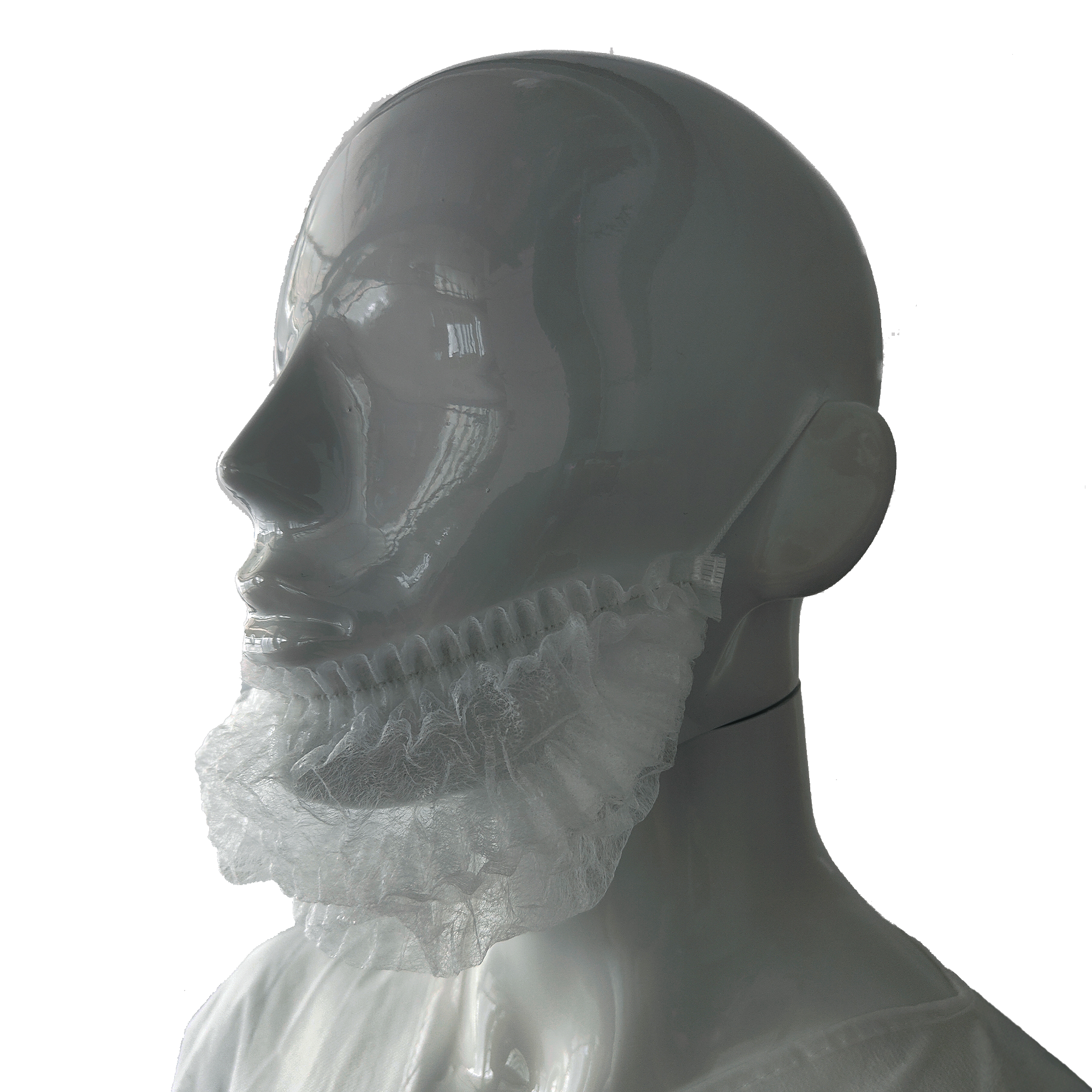
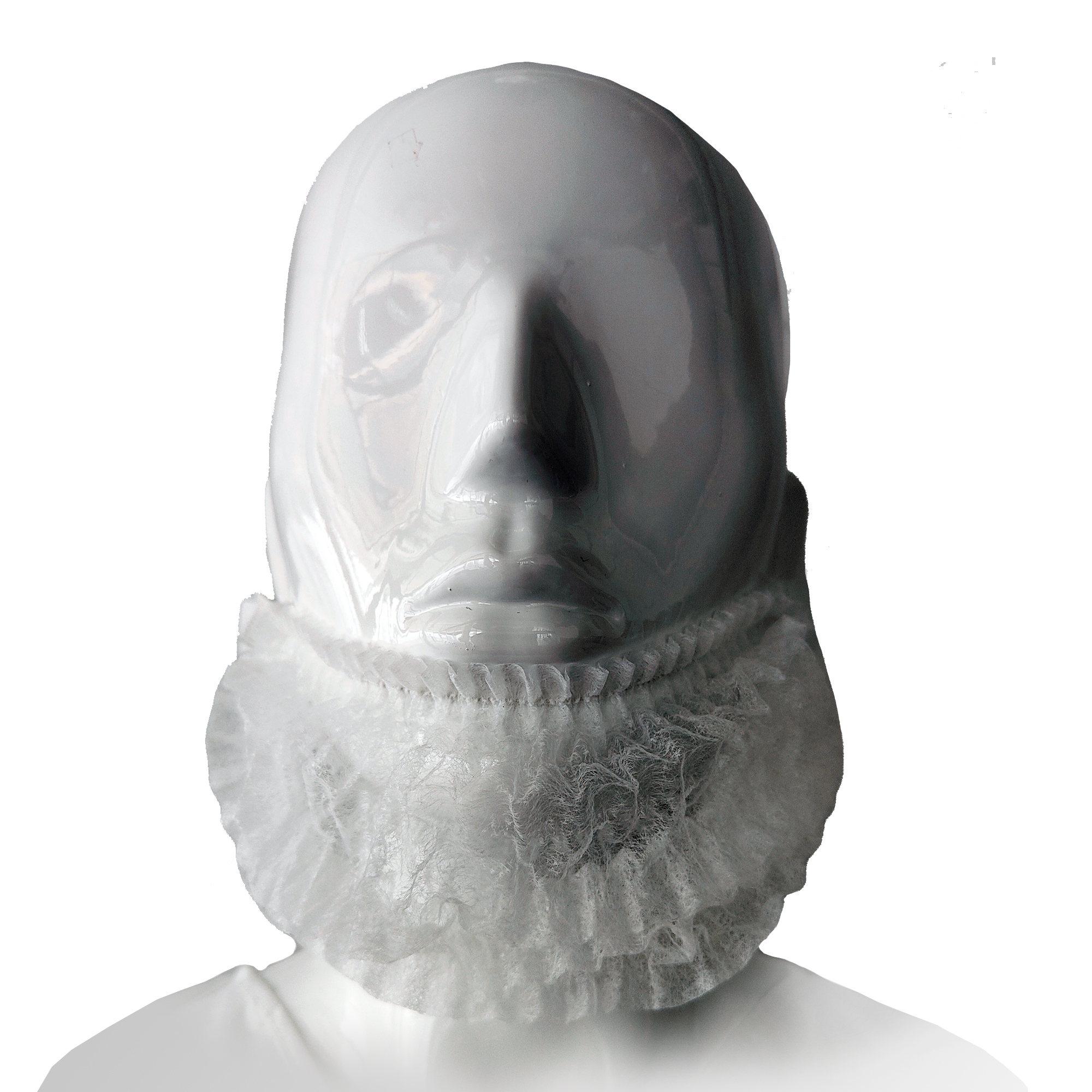
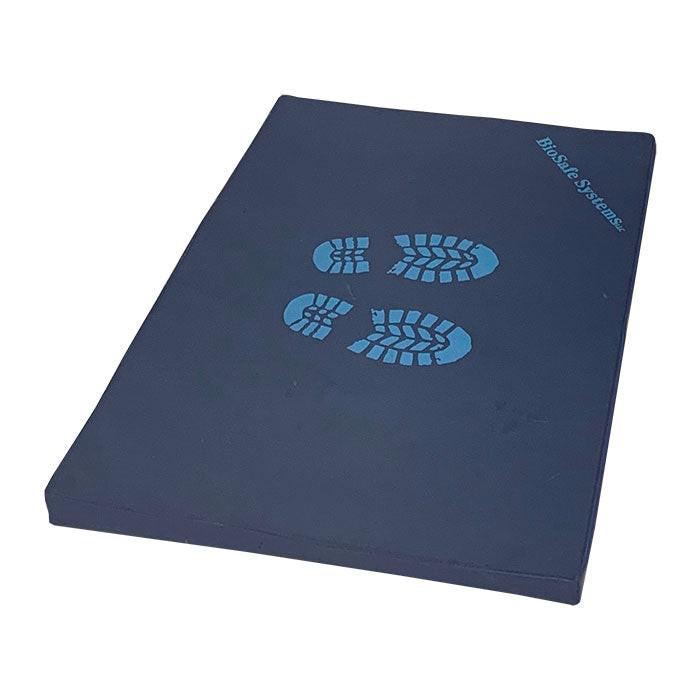
Disposable coveralls (Tyvek-style or polypropylene) provide full-body contamination control for visitors and workers entering a clean production environment. Boot covers prevent tracking in outdoor contamination from footwear. Hair nets and beard covers prevent hair and dander from falling into crop canopies during inspection and maintenance work. Nitrile or latex gloves protect both the worker from chemical exposure during nutrient mixing and spraying and the plants from contaminants transferred by bare hands. For commercial operations, a tiered PPE program balances biosecurity with operational practicality.
PPE for Chemical Safety
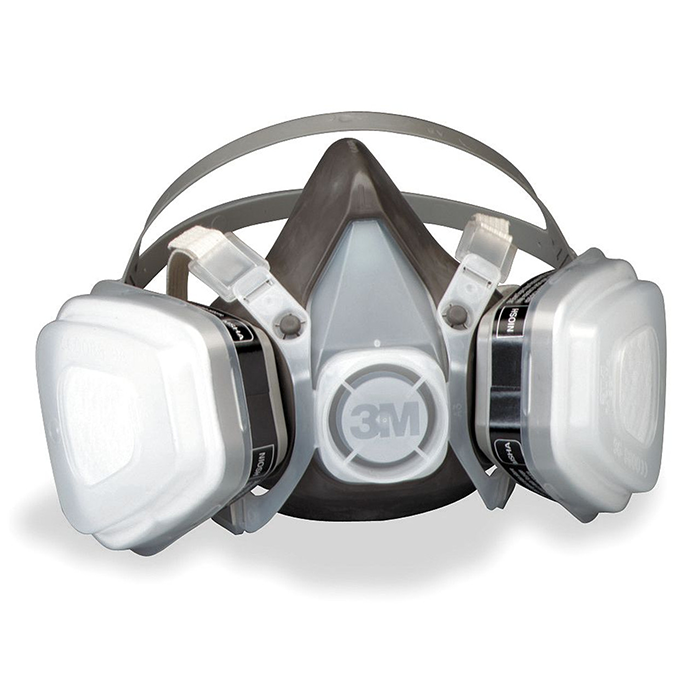
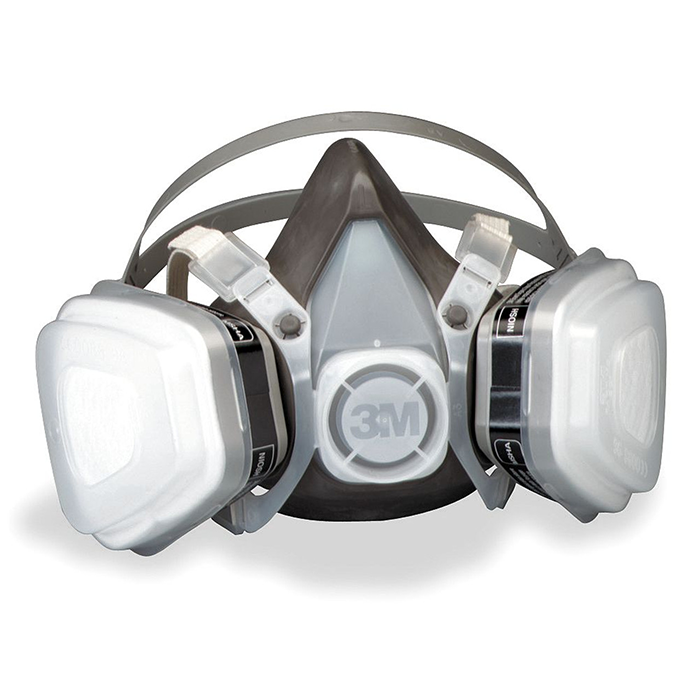
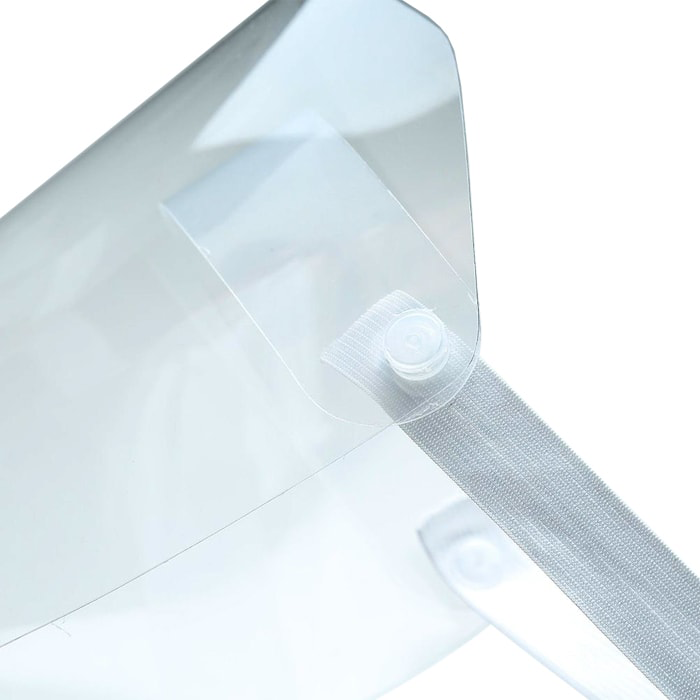
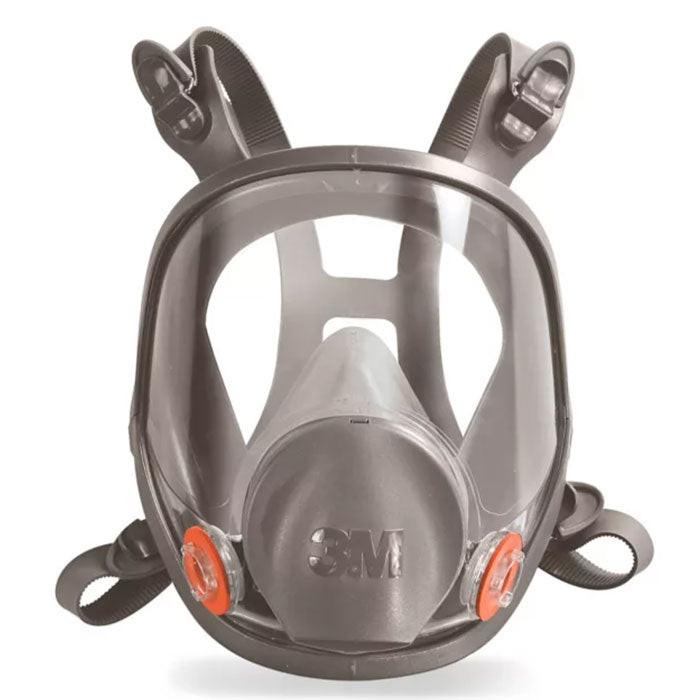
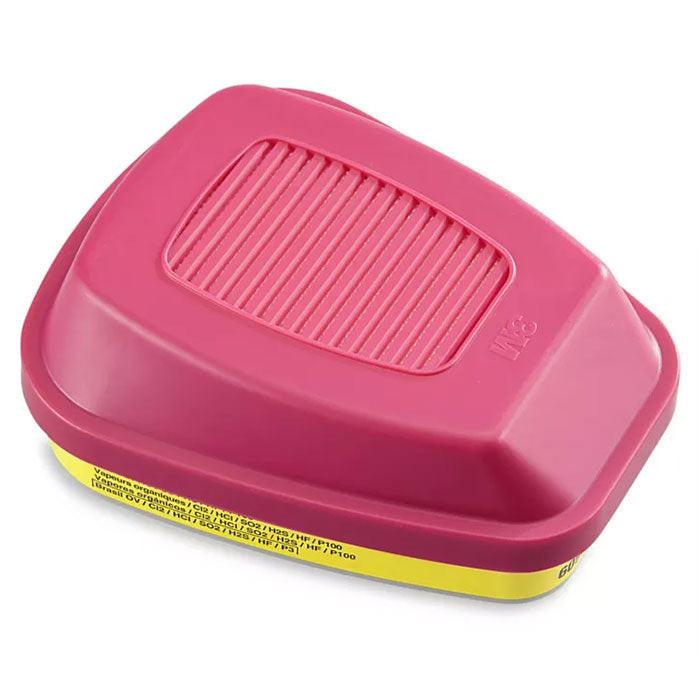
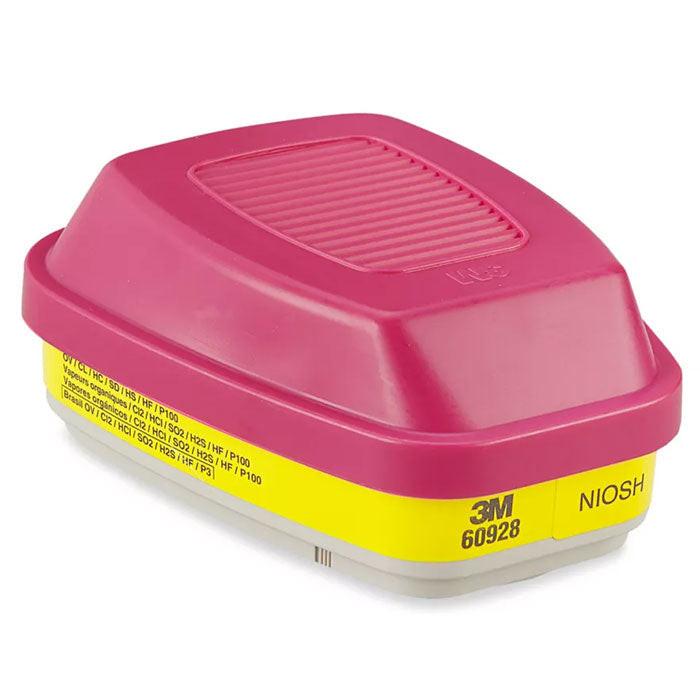
Beyond crop biosecurity, PPE protects workers from chemical exposure during routine growing operations. Nitrile gloves during nutrient mixing, pH adjusting, and pest control applications prevent skin contact with concentrated acids and active pest control ingredients. Safety glasses are standard for nutrient mixing and any spray application. Some concentrated pest control products require additional respiratory protection -- check the product label's PPE requirements before application. Browse our grow room safety glasses collection for eye protection options. Fast shipping.
Grow Room Sanitary Clothing FAQ
Do I need sanitary clothing for a hobby grow room?
For hobby tent grows, dedicated sanitary clothing is not typically necessary -- basic hygiene practices (washing hands before working with plants, not entering the grow space in outdoor shoes worn in gardens or fields) provide adequate biosecurity for most hobby setups. Sanitary clothing becomes more important as: production scale increases and crop value justifies the biosecurity investment, multiple people access the growing space, or the growing environment has experienced recurring pest or pathogen pressure that suggests better contamination control is needed.
What is the most important piece of PPE in a grow room?
For chemical safety: nitrile gloves during all nutrient mixing, pH adjustment, and pest control applications. Concentrated nutrient solutions, pH adjusters (phosphoric acid, potassium hydroxide), and pest control products are the primary chemical exposure risks in routine growing operations. For biosecurity: clean dedicated footwear (grow room-only shoes or boot covers) prevents tracking in outdoor pathogens and pests from soil, compost, and garden environments. Starting with these two basics covers the highest-impact risks before investing in more comprehensive PPE programs.
How often should grow room PPE be replaced?
Disposable items (coveralls, boot covers, gloves, hair nets) should be replaced every entry in a high-biosecurity program, or at minimum when visibly contaminated. Reusable gloves should be washed between uses and replaced when torn or degraded. Dedicated grow room shoes or boots should stay within the growing facility and be sanitized periodically with a quaternary ammonium or hydrogen peroxide foot bath at the facility entrance. Safety glasses should be replaced when scratched to the point of impairing visibility or when their seal and impact rating is compromised.
What PPE is required when spraying pest control products?
Check the specific product label for required PPE -- EPA requires pest control product labels to specify the minimum PPE for safe handling. At minimum, most pest control spraying requires: nitrile gloves, safety glasses or goggles, and long-sleeved clothing. Many products also recommend a respirator (N95 at minimum for particulate; organic vapor cartridge respirator for volatile compounds in aerosols). Never spray any product without reading the label's personal protection requirements first.
Does wearing street clothes in a grow room introduce pests?
Yes -- clothing worn outdoors can carry pest insects (fungus gnat adults, thrips, spider mite adults, aphids), mold spores (powdery mildew, botrytis), and soil-borne pathogens into the growing environment. This is most significant for workers or visitors who have recently been in outdoor gardens, greenhouses, or agricultural settings. For commercial operations with no-tolerance pest management programs, a change into dedicated grow room clothing at facility entry is a standard biosecurity protocol. For hobby growers, avoiding entering the grow room directly after outdoor garden work without changing clothes is a simple and effective basic practice.