Grow Lights for Indoor Growing -- LED, HPS, MH & More
Grow lights are the single most impactful equipment investment in any indoor growing setup -- they are the sun substitute that drives photosynthesis, determines plant growth rate, and sets the ceiling on what a crop can achieve regardless of how well everything else is managed. The right light for your space depends on your crop type, grow area dimensions, available ceiling height, your existing electrical infrastructure, and your operational goals across energy cost, heat management, and output quality.
LED Grow Lights -- The Modern Commercial Standard
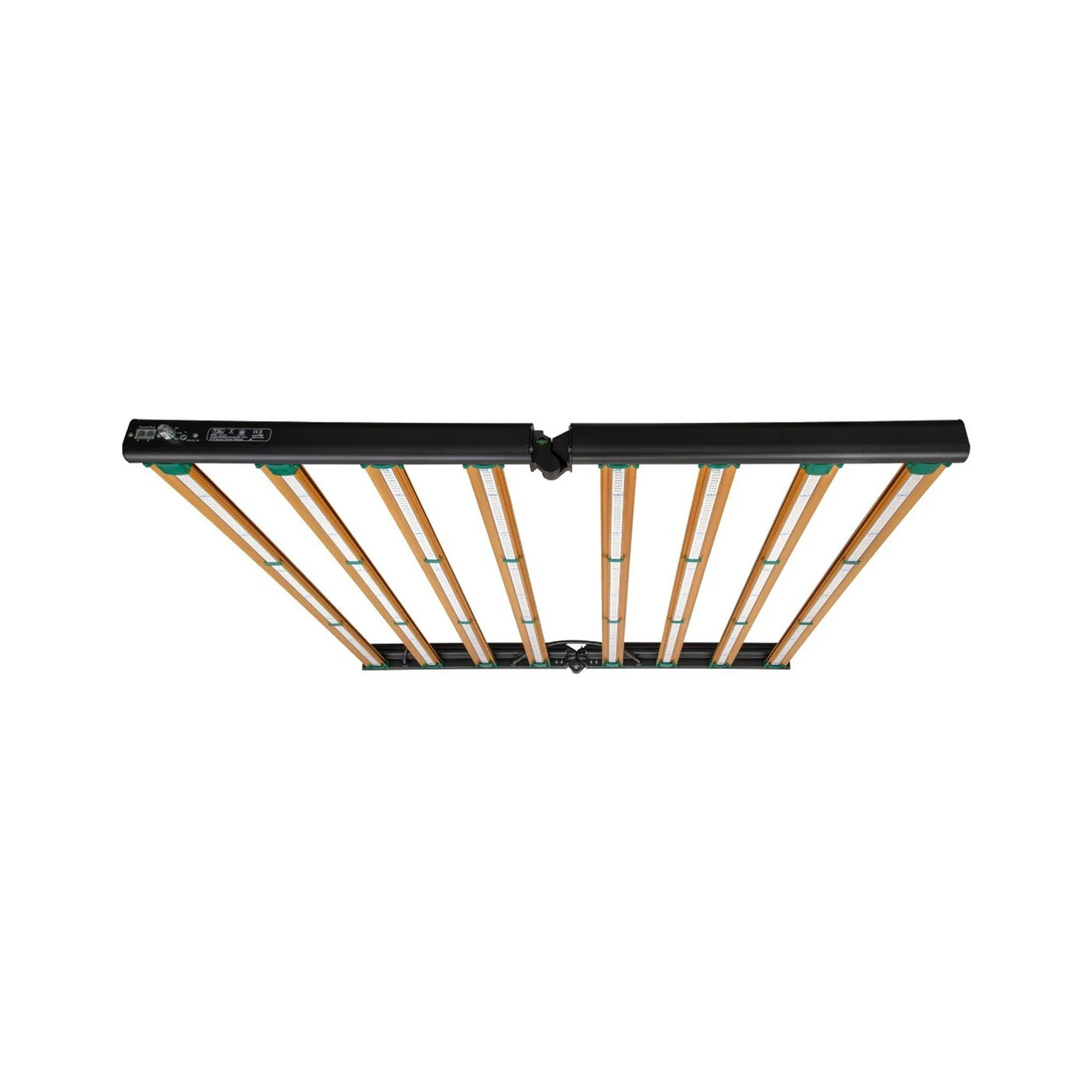
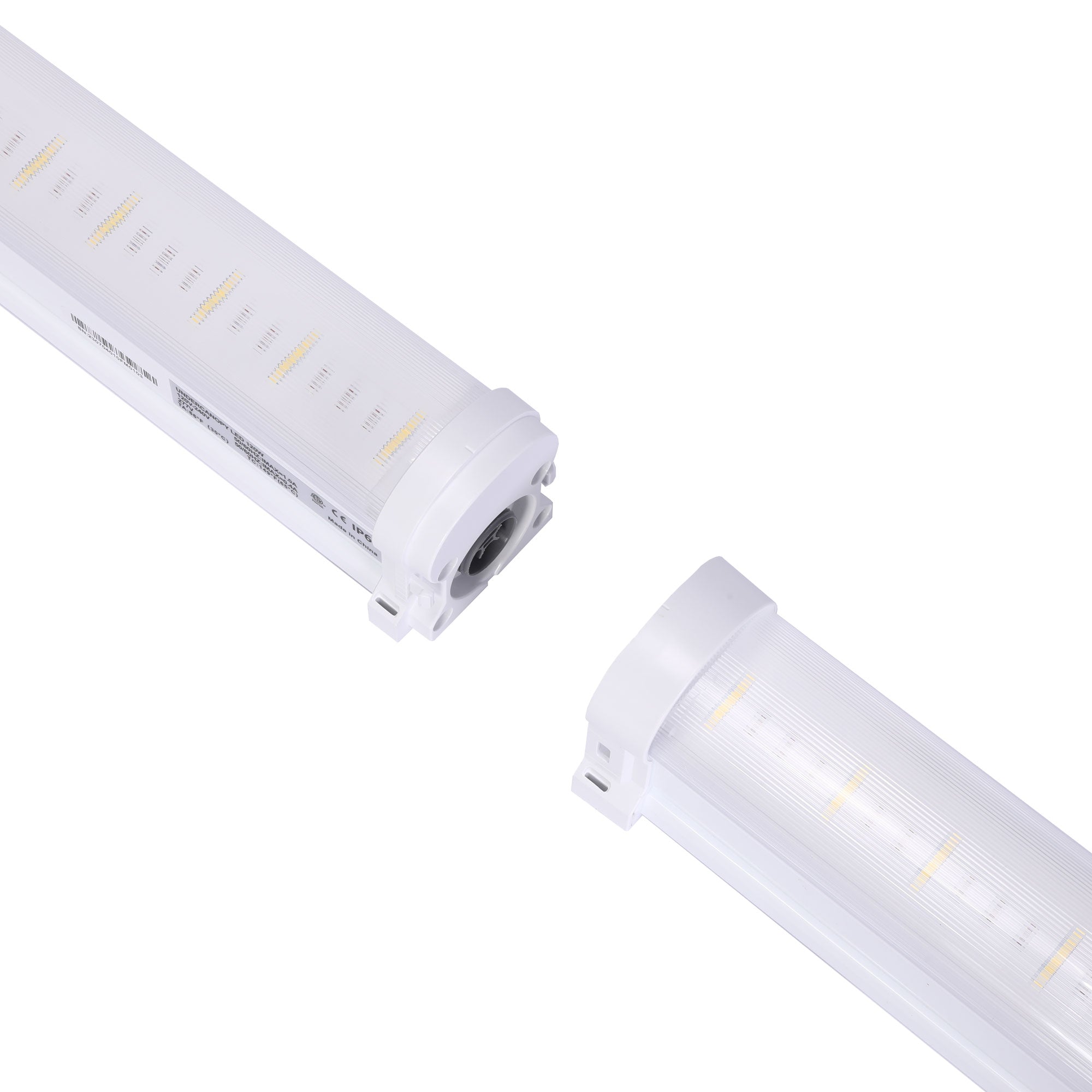
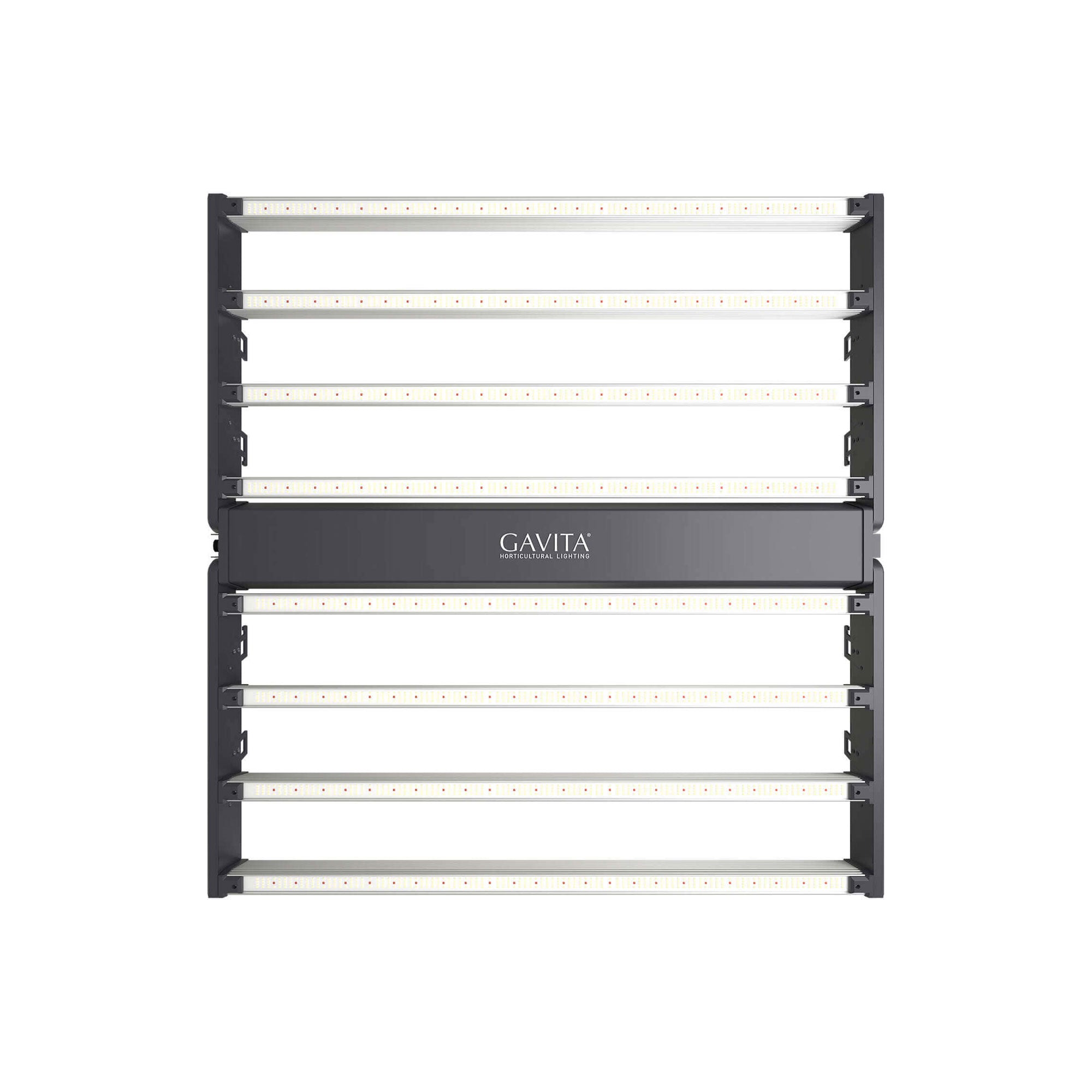
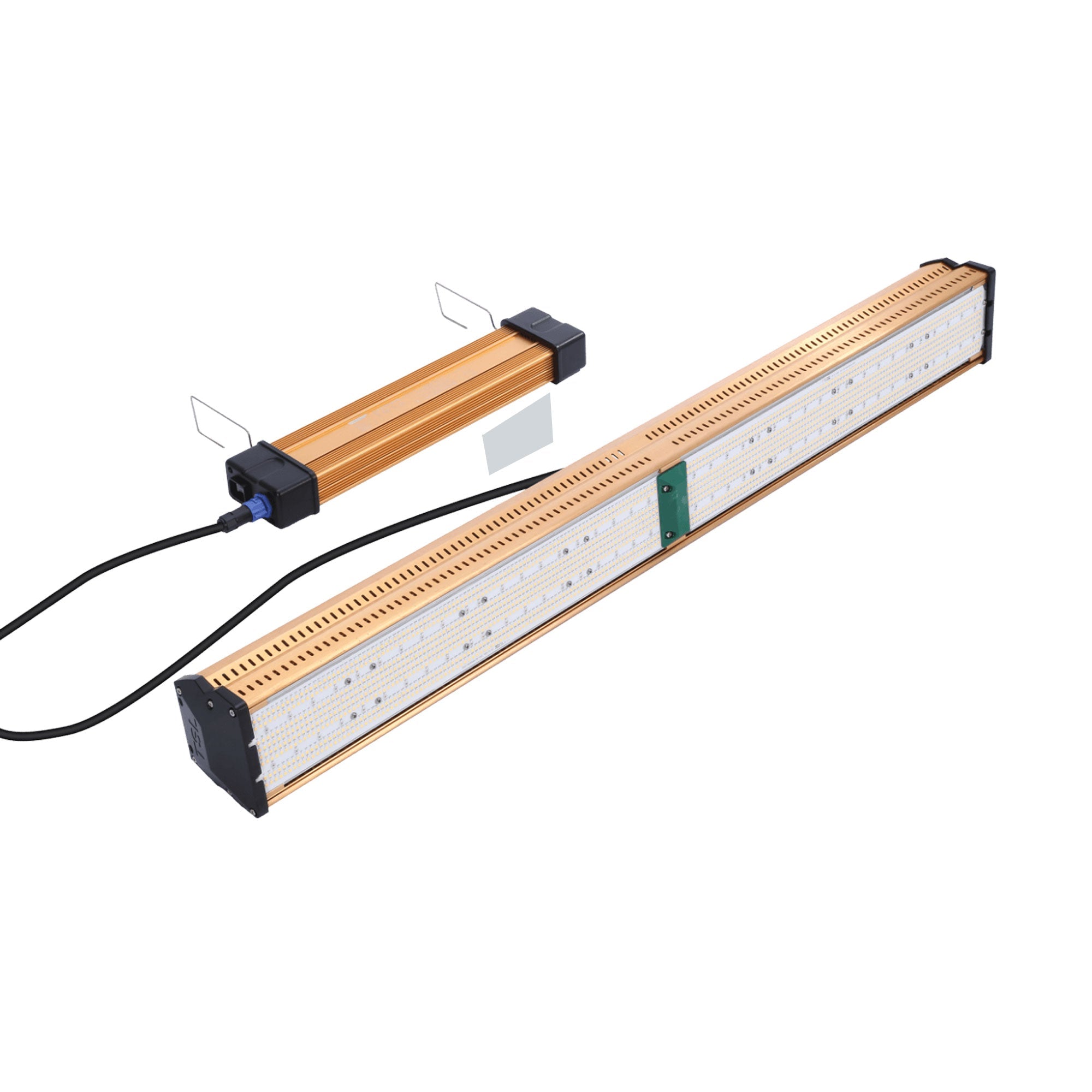
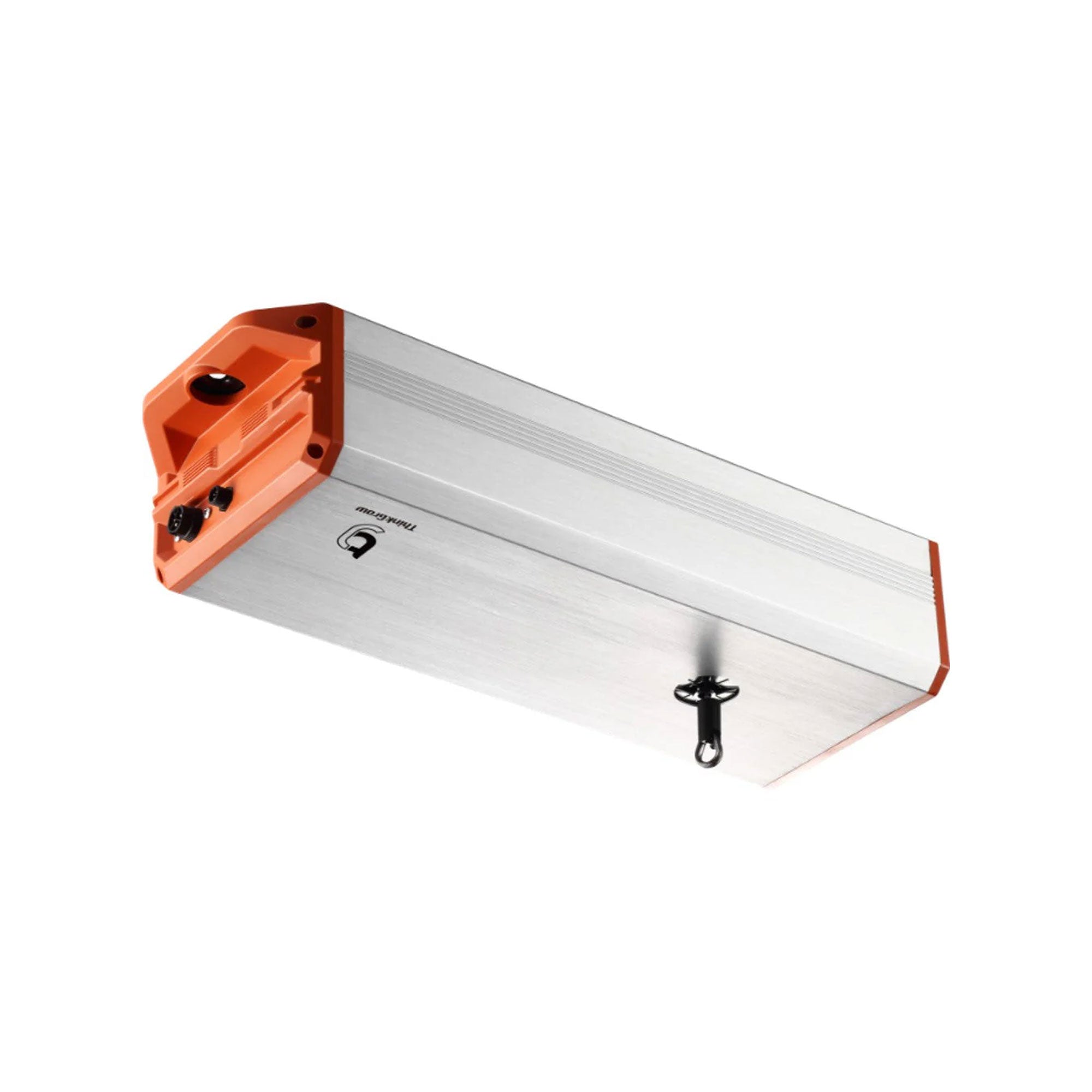
Full-spectrum LED grow lights now dominate new indoor growing installations at every scale -- from hobby tent setups to commercial CEA facilities with tens of thousands of square feet under glass. Modern LED bar arrays from brands like Growers Choice, Gavita, Faven, and Matrix deliver equivalent or better yield per watt than double-ended HPS with 30-50% lower heat output, significantly reducing HVAC load and operating costs. Full-spectrum white-diode LEDs cover the complete 400-700nm photosynthetically active radiation (PAR) range plus far-red supplementation in many commercial models -- supporting vegetative growth and flowering in a single fixture without bulb changes. Browse our complete LED grow lights collection or read our updated best LED grow lights guide for current fixture recommendations across every canopy size and budget.
HPS & Metal Halide -- High Intensity Discharge (HID)
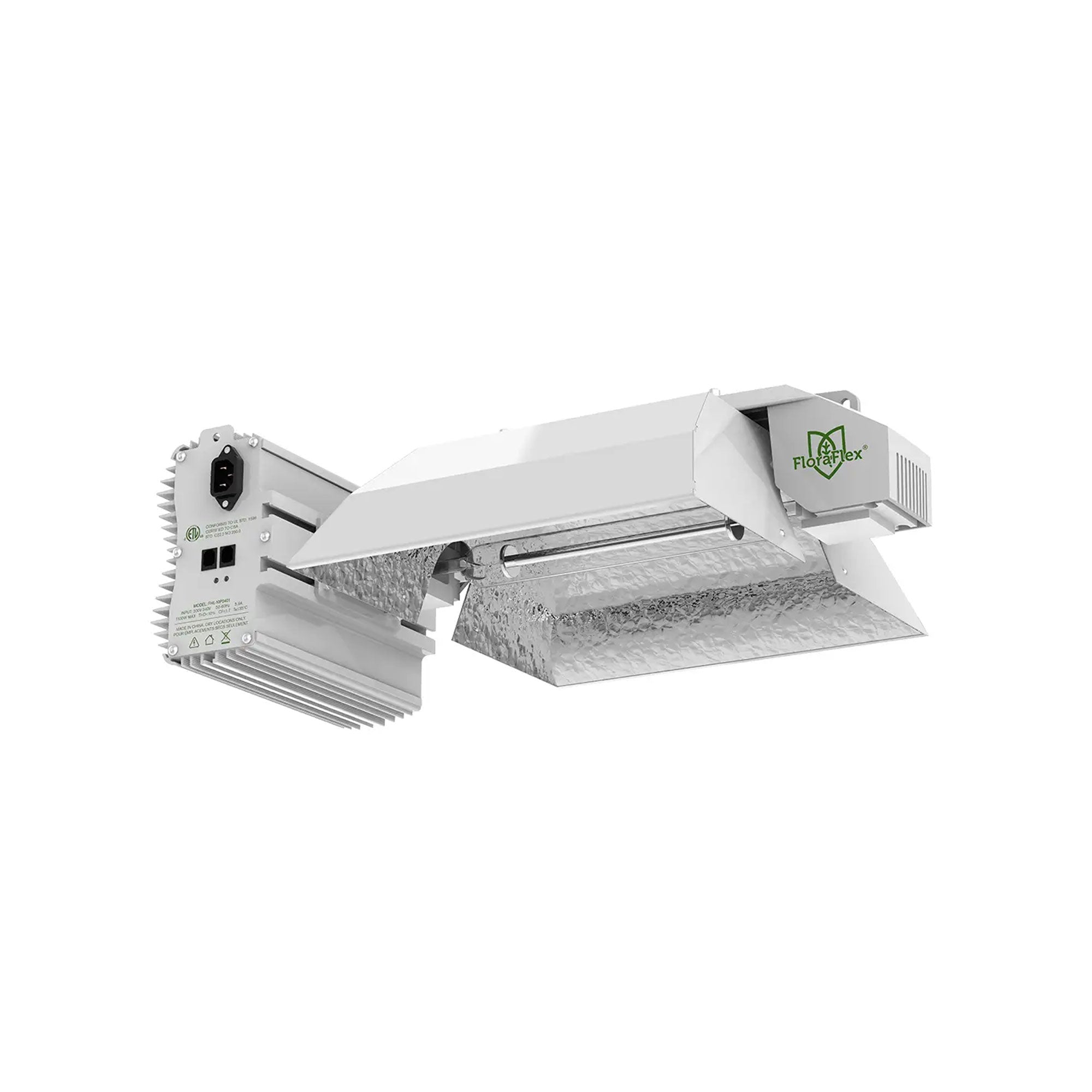
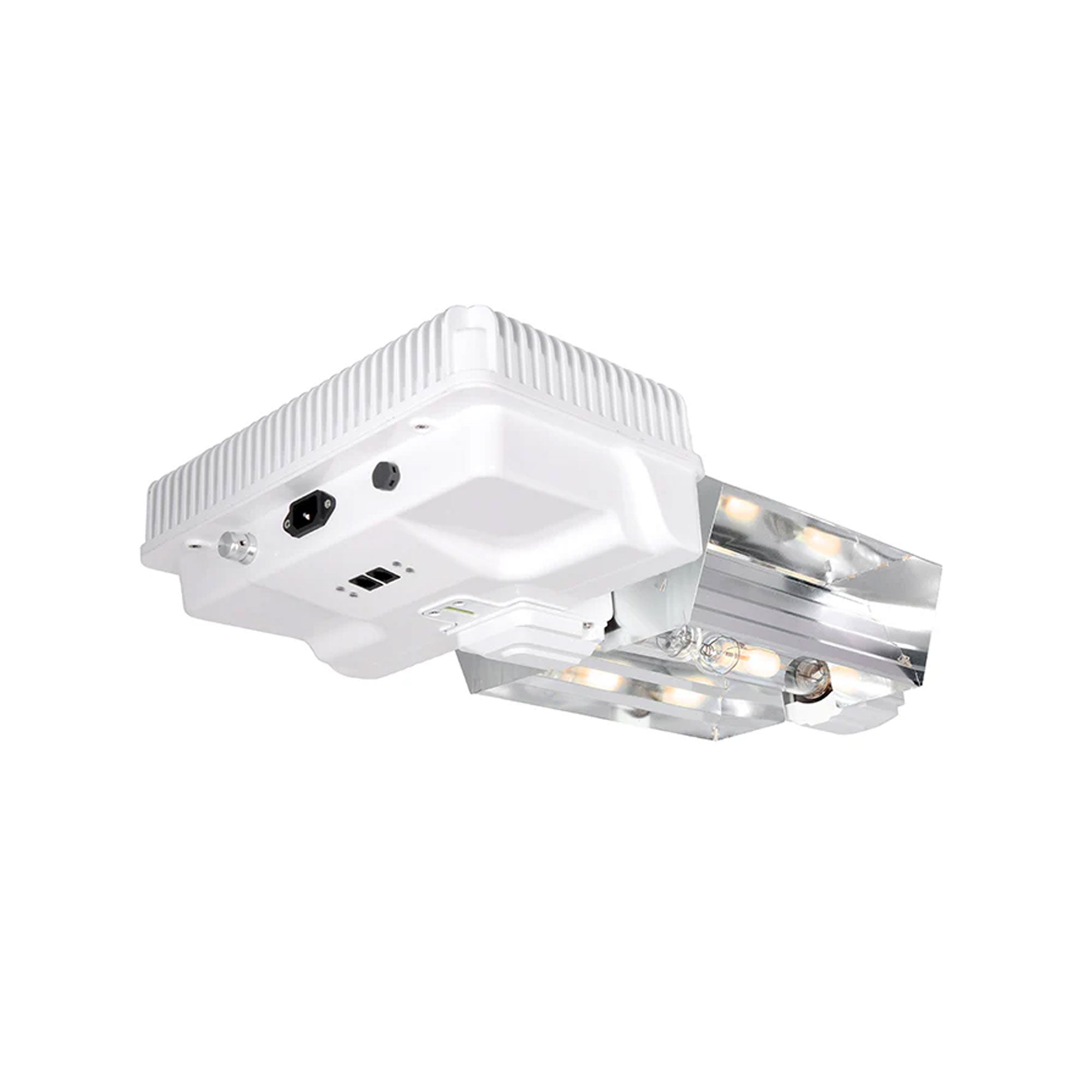
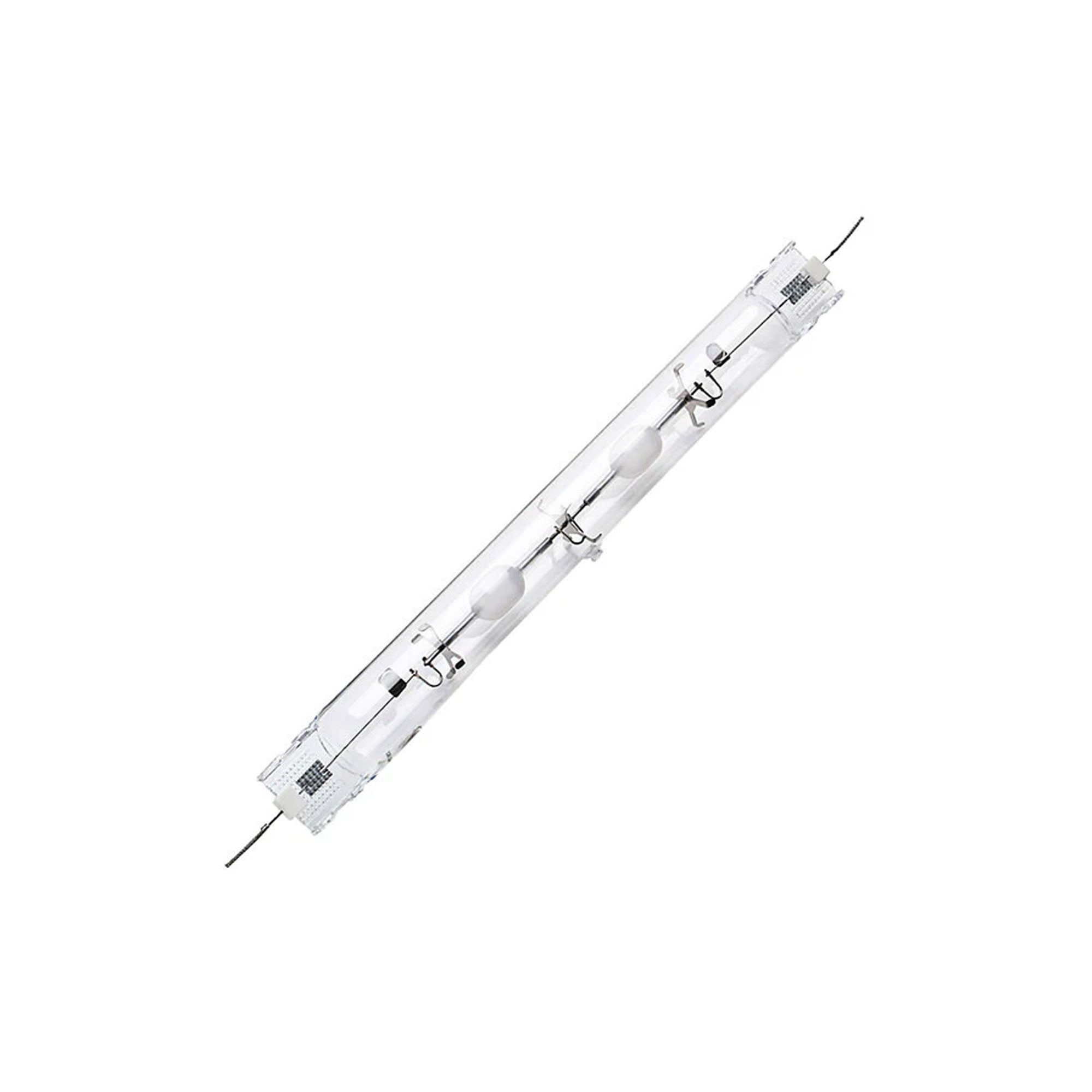
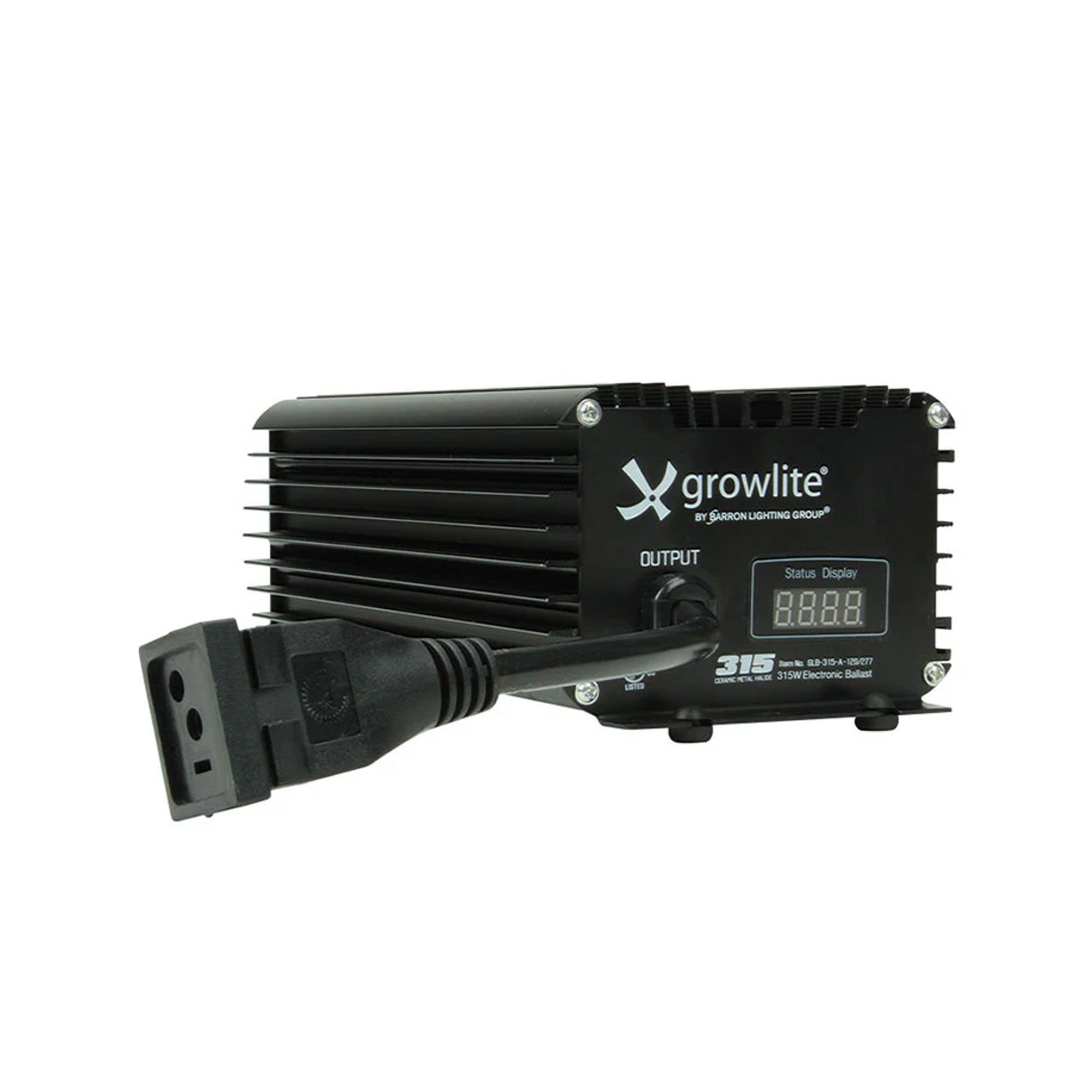
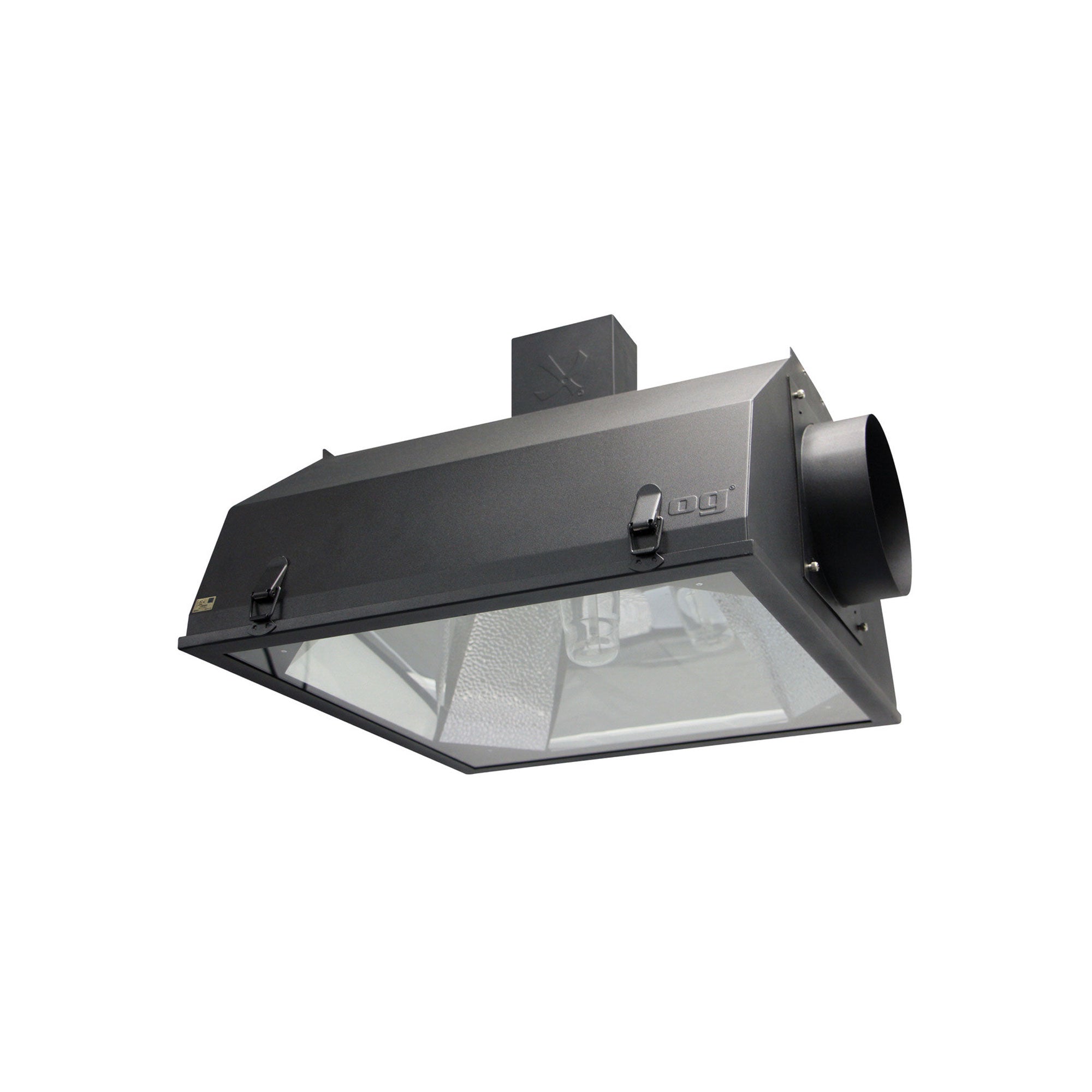
High pressure sodium (HPS) and metal halide (MH) fixtures have been the commercial standard in indoor horticulture for decades and remain in widespread use in existing operations worldwide. Double-ended 1000W HPS from DimLux, Phantom, and Iluminar delivers the highest photon output per fixture of any HID format -- preferred for large-canopy commercial production where proven track record and infrastructure compatibility are priorities. Metal halide produces a blue-white spectrum optimized for vegetative growth and is commonly paired with HPS in two-stage lighting programs. Browse our HPS and MH grow lights collection for all HID lighting options.
T5 Fluorescent & CMH Grow Lights
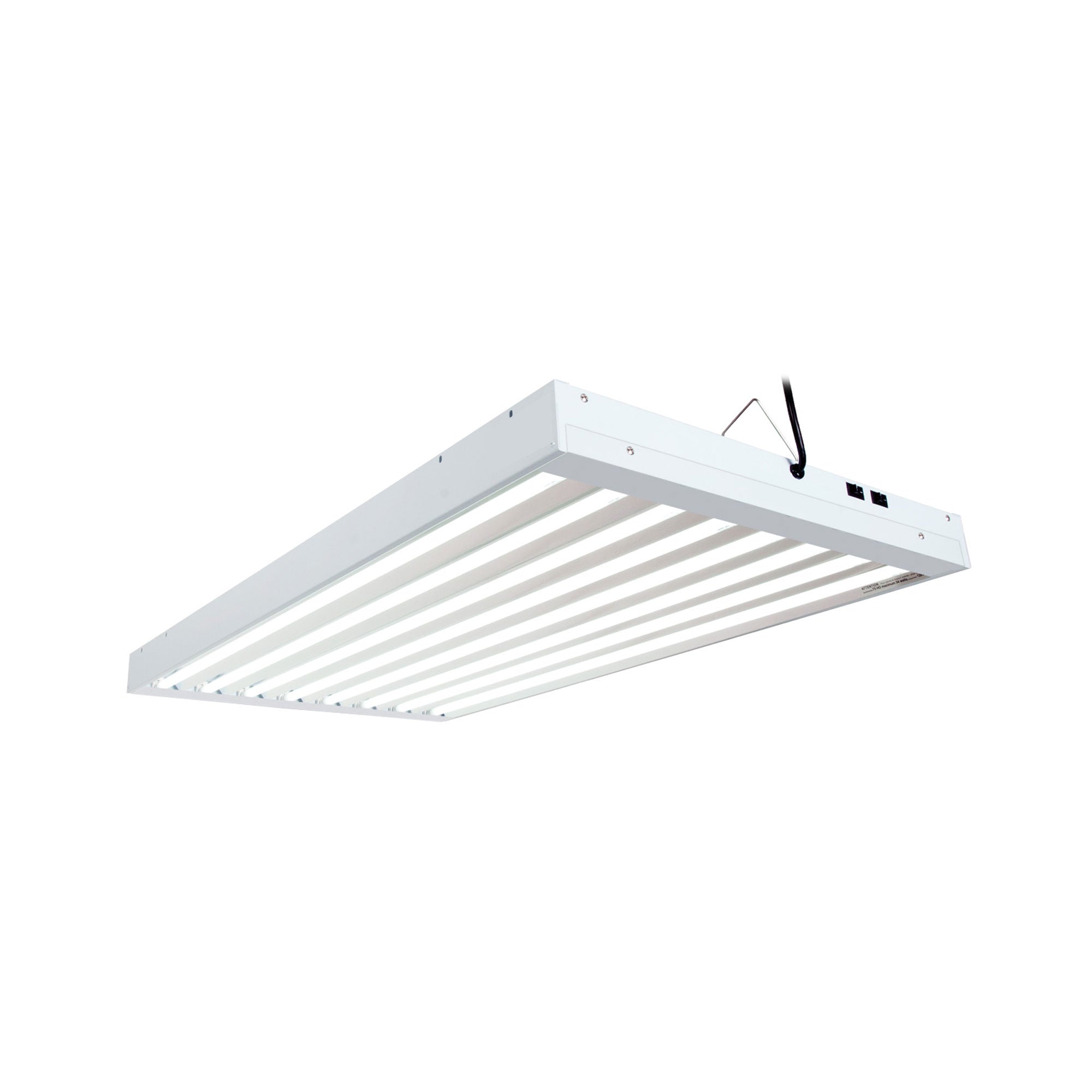
T5 fluorescent fixtures are the most widely used propagation and seedling lighting format -- low heat output, broad even coverage, and affordable pricing make them ideal for cloning and propagation areas, seedling trays, and early vegetative stages where high-intensity lighting is not yet appropriate. CMH (ceramic metal halide), also called LEC, is a more efficient evolution of MH technology with a fuller spectrum including UV and far-red components -- popular for veg rooms and specialty crops where light quality is valued alongside efficiency. Browse our T5 fluorescent grow lights and CMH fixtures for propagation and vegetative stage lighting.
Sizing Your Grow Light: PPFD, DLI & Canopy Area
Size grow lights by PPFD (photosynthetic photon flux density) at canopy level -- not watts per square foot, which is an unreliable metric across different fixture types and efficiencies. Vegetative crops target 400-600 umol/m2/s PPFD; flowering crops target 800-1,500+ umol/m2/s. For a 4x4 ft canopy in flower, a quality 600-800W LED fixture is the standard. For a 4x8 canopy, two 600-800W fixtures or one 1000W+ LED provides the photon density needed for productive flowering. Use our PPFD & Light Coverage Calculator to match any fixture's published PPFD map to your canopy size and target DLI. Model your ongoing running costs with our Grow Room Electricity Calculator.
Grow Light Accessories & Controls
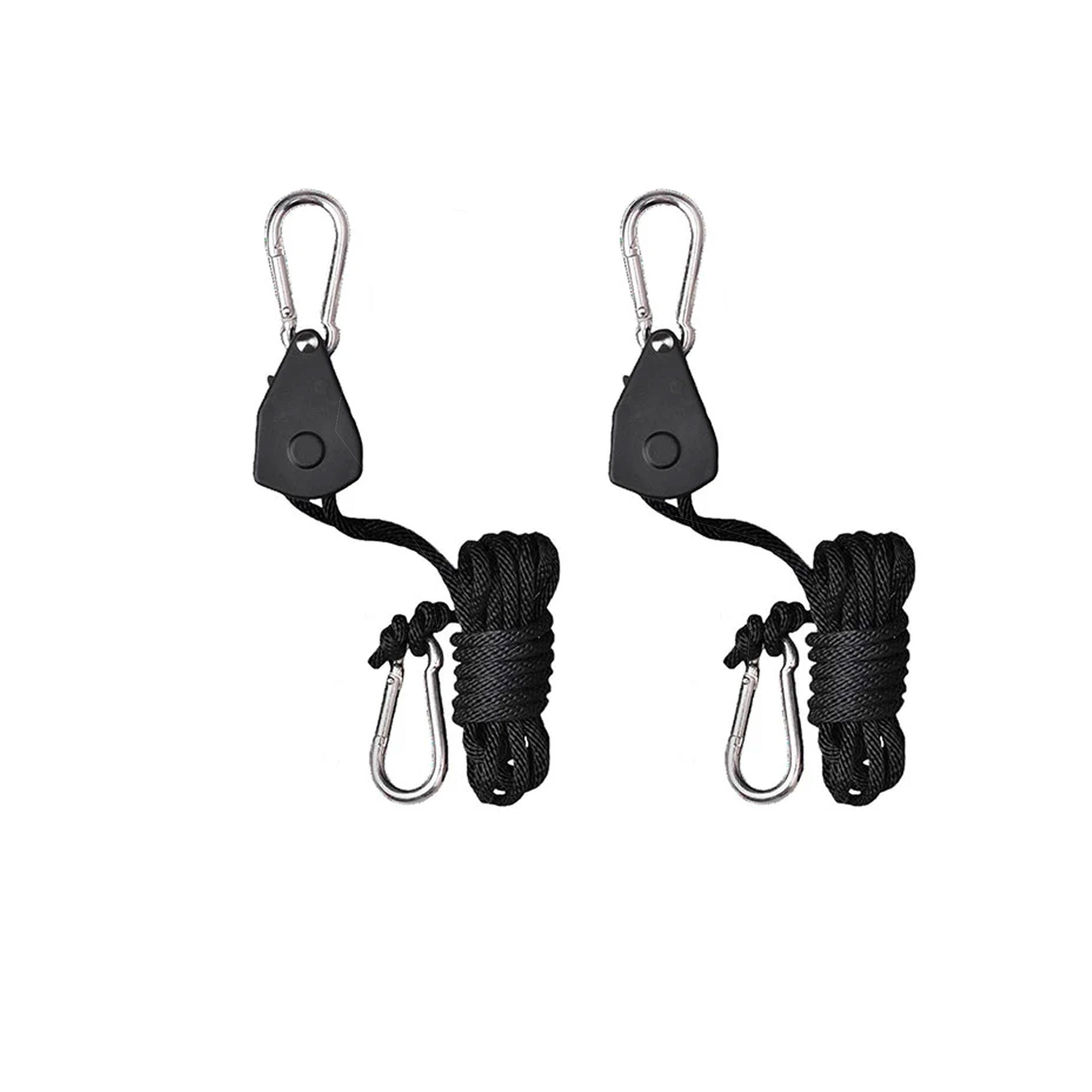
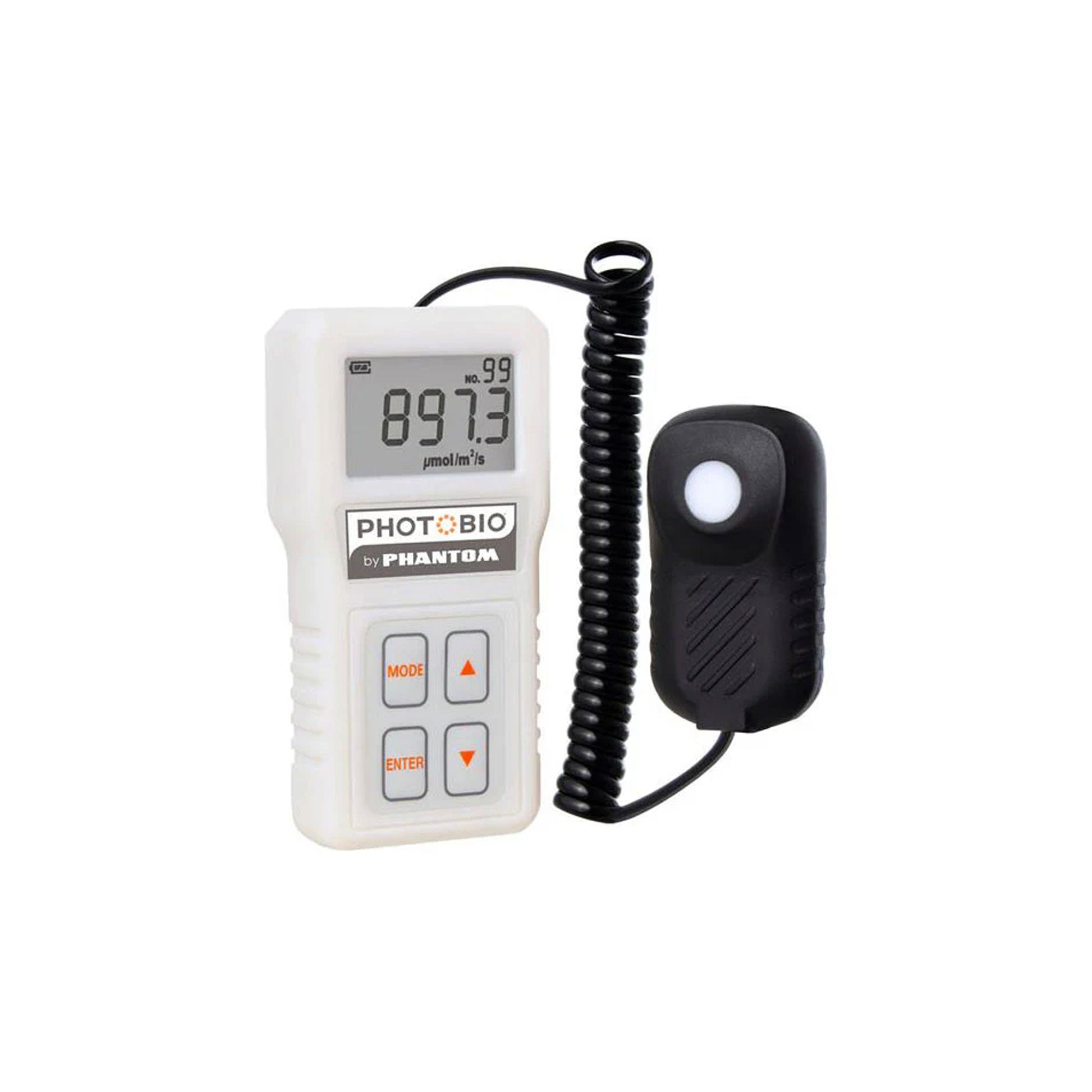
Grow lights require a complete support system to function efficiently: timers and controllers for automated photoperiod management, reflective hoods and hangers for HID systems, replacement bulbs for HID and fluorescent fixtures, and PAR meters for measuring actual PPFD at canopy level. For commercial facility design assistance and volume fixture pricing, contact our expert team at 888-815-9763 or through our commercial accounts page. Expert support available.
Grow Lights FAQ
What type of grow light is best for indoor growing?
For new setups, full-spectrum LED grow lights are the best choice for most indoor growers at any scale. Modern LED bar arrays produce equivalent or better yields compared to HPS with 30-50% lower heat output and running costs. For growers with existing HPS infrastructure, continuing to run HPS while amortizing the equipment investment is reasonable -- then transitioning to LED when the infrastructure needs replacement. T5 fluorescent remains the best choice for propagation, cloning, and seedling stages. CMH/LEC is a strong option for dedicated vegetative rooms and specialty crop programs where light quality matters alongside efficiency.
How many watts do I need per square foot for growing?
Watts per square foot is an outdated and unreliable metric because different fixtures produce very different amounts of usable photosynthetic light per watt. The correct metric is PPFD (photosynthetic photon flux density) at canopy level. Vegetative crops target 400-600 umol/m2/s; flowering crops target 800-1,500+ umol/m2/s. A modern high-efficiency LED producing 2.8+ umol/joule can deliver 1,200+ umol/m2/s to a 4x4 canopy at 600W; an older inefficient LED might only deliver 800 umol/m2/s at the same wattage. Always size grow lights by fixture PPFD output and canopy area using our PPFD Calculator.
What is PPFD and why does it matter for grow lights?
PPFD (photosynthetic photon flux density) measures the number of photosynthetically active photons landing on one square meter of canopy per second, expressed in micromoles per square meter per second (umol/m2/s). It is the most directly useful light measurement for growers because it tells you exactly how much usable photosynthetic light is reaching your plants at the canopy surface -- which is what drives photosynthesis, growth rate, and yield. DLI (daily light integral) -- total PPFD delivered per day -- is the metric that correlates most strongly with yield potential in controlled environment production.
How far should grow lights be from plants?
Distance depends entirely on the fixture's output intensity and your target PPFD at canopy level. High-output LED bar arrays (600W+) typically hang 18-24 inches above canopy. Lower-output LED panels may need to be closer. HPS fixtures without air cooling need 18-24 inches minimum to avoid radiant heat stress; air-cooled hoods can be positioned closer. The correct approach is to verify actual PPFD at canopy level with a PAR meter, or use the manufacturer's published PPFD map for your specific fixture at the target hanging height. Too close causes light saturation and heat stress; too far results in insufficient PPFD for your crop's photosynthesis target.
Do grow lights make a big difference in plant growth?
Yes -- grow lights are the single largest driver of plant growth rate and yield potential in indoor growing. Plants can only photosynthesize at the rate the available light allows; every other input (nutrients, CO2, water, temperature) supports the growth that light makes possible. Upgrading from insufficient or low-quality lighting to a properly sized, full-spectrum LED or HPS system is typically the highest-impact single change a grower can make to improve plant performance. The relationship between light and yield is roughly linear up to the saturation point for a given variety and environment -- more photons means more photosynthesis means more growth, until light is no longer the limiting factor.