Grow Cabinets & Grow Boxes for Indoor Growing
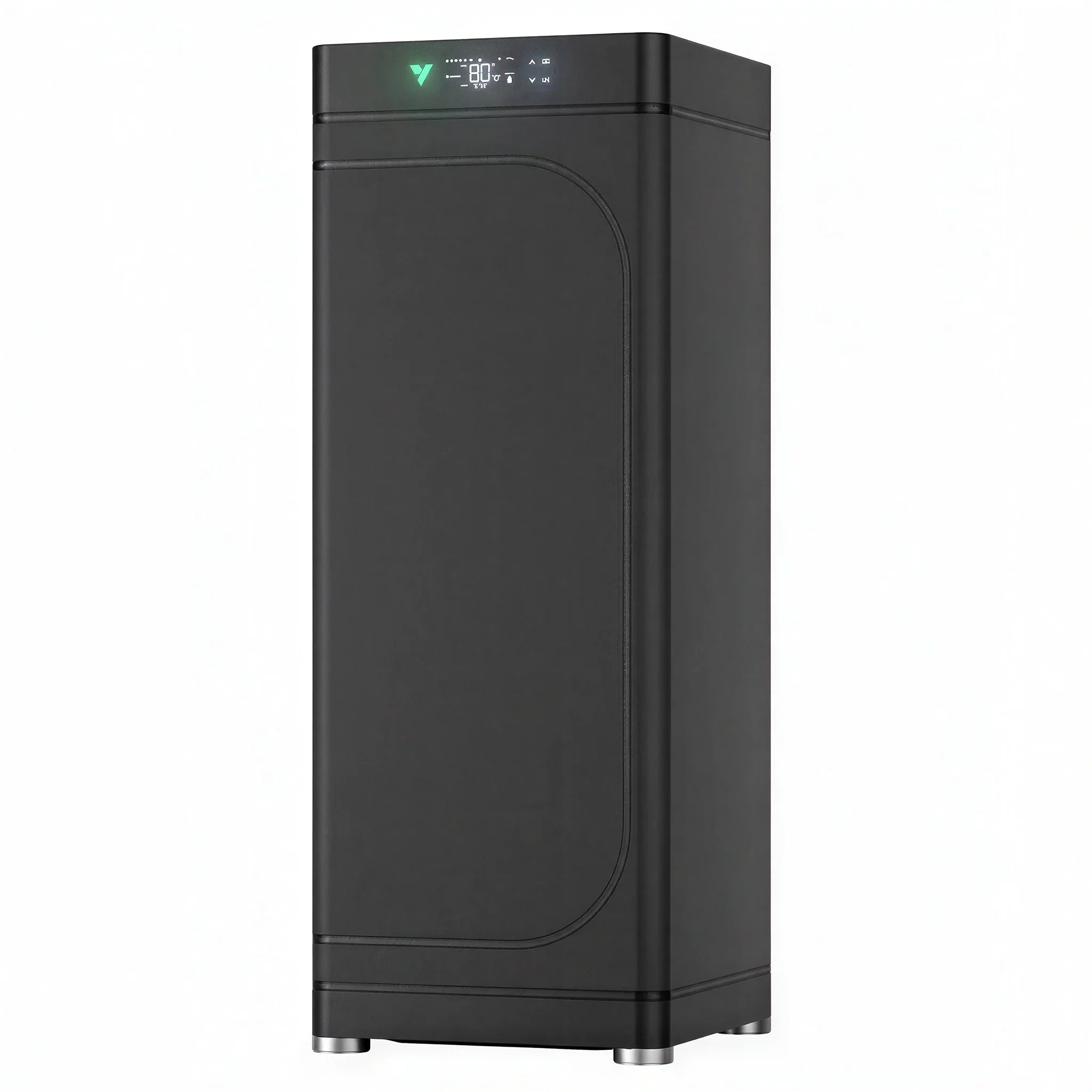
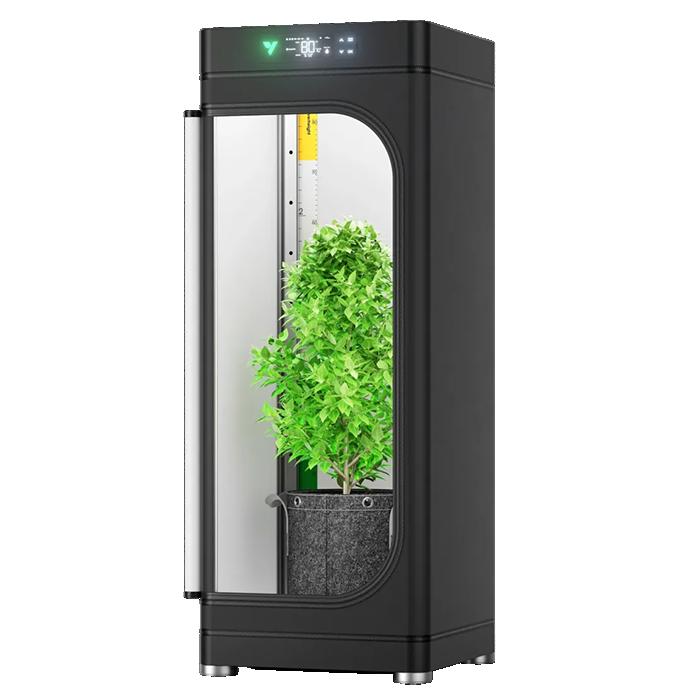
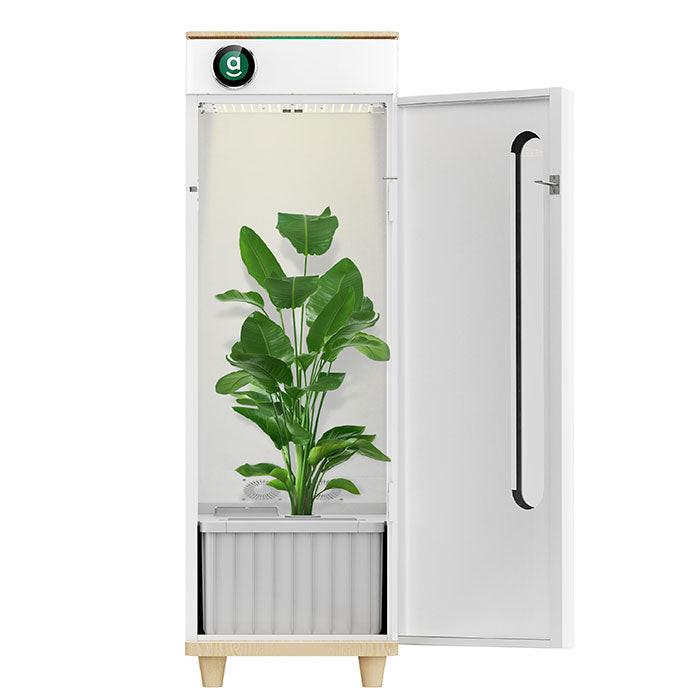
Grow cabinets and grow boxes are self-contained enclosed growing systems that integrate tent structure, lighting, ventilation, and sometimes climate control into a single unit - typically designed to look like a standard piece of furniture or utility cabinet from the outside while providing a fully equipped growing environment inside. For growers in apartments, shared living situations, or any space where a standard grow tent would be visually obvious or impractical, a grow cabinet provides a discreet, compact, and aesthetically neutral growing solution.
Cabinet vs. Tent: Key Differences
Grow tents are flexible, lightweight, and highly configurable - you choose and install the lighting, ventilation, and climate equipment yourself. Grow cabinets are more rigid pre-built structures, often with dedicated mounting points for included or matched equipment. Cabinets typically have better sound dampening (solid walls contain fan noise better than fabric tent walls), better odor sealing at doors and seams, and a more furniture-like external appearance. The tradeoff is less flexibility for equipment customization - cabinet dimensions are fixed, and replacing or upgrading internal components can be more involved than in an open-frame tent. For growers who want maximum flexibility and the ability to run any equipment configuration, a grow tent is the more versatile choice.
Sizing & Equipment Considerations
Grow cabinet sizes typically range from compact single-plant units (2 sq ft footprint) through larger multi-plant cabinets (6-9 sq ft). Internal height is often a limiting factor - verify there is adequate clearance for your fixture's minimum hanging distance above the canopy at the plant's expected harvest height. Most quality grow cabinets use carbon filter and inline fan combinations for exhaust - verify the cabinet's duct port sizes match standard fan and filter configurations. Fast shipping.
Grow Cabinets FAQ
What is the difference between a grow cabinet and a grow tent?
Grow tents use flexible fabric walls on a metal frame - lightweight, portable, and highly configurable but visually obvious and less effective at sound/odor containment than solid-wall cabinets. Grow cabinets use rigid solid panels that look like standard furniture or utility cabinets from the outside. Cabinets offer better discretion, better sound dampening, and often better odor sealing. Tents offer more flexibility for equipment customization, lower cost, and the ability to fold and store when not in use.
How many plants can I grow in a grow cabinet?
Grow cabinet capacity depends on the interior footprint. A 2 sq ft cabinet fits 1-2 small plants in 1-gallon containers. A 4 sq ft cabinet fits 2-4 plants in 1-3 gallon containers. A 6-9 sq ft cabinet fits 4-6 plants depending on training method. Because cabinet height is typically fixed and often lower than equivalent tent configurations, sea-of-green with shorter plant cycles is the most productive approach for most grow cabinet setups.
Do grow cabinets control odor?
Quality grow cabinets use the same carbon filter and inline fan approach as grow tents for odor control - the solid walls and better door seals reduce incidental odor leakage compared to tent fabric, but active carbon filtration of exhaust air is still required for complete odor management. Look for cabinets with filtered exhaust ports and verify the carbon filter included (if any) is properly sized for the cabinet's volume and fan airflow. Without a carbon filter, solid walls alone will not eliminate plant odors - they reduce but do not eliminate odor that escapes through vent ports.
Are grow cabinets good for beginners?
Grow cabinets can simplify initial setup for beginners by providing a pre-configured growing environment with matched components. The main consideration: cabinets are less forgiving of equipment mistakes than tents because internal space is more constrained - oversized lighting in a cabinet creates heat management challenges that would be more easily resolved with the flexible hanging adjustments a tent allows. For beginners, a standard grow tent with separately chosen equipment is often more educational and forgiving, while a cabinet is well-suited to growers who specifically need the discretion or footprint advantages cabinets provide.
What lighting works best in a grow cabinet?
Low-profile LED panels and quantum board fixtures are the best fit for grow cabinets, where fixture height and heat management are more constrained than in open tent configurations. Look for fixtures with hanging flexibility (adjustable rope ratchets or multiple hanging point options) to maximize usable plant height within the fixed cabinet dimensions. Avoid HPS and CMH in smaller cabinets unless the cabinet is specifically designed for HID - the heat output and fixture size of HID lights are difficult to manage in the confined space of most grow cabinets.