Greenhouse Grow Lights & Supplemental Lighting
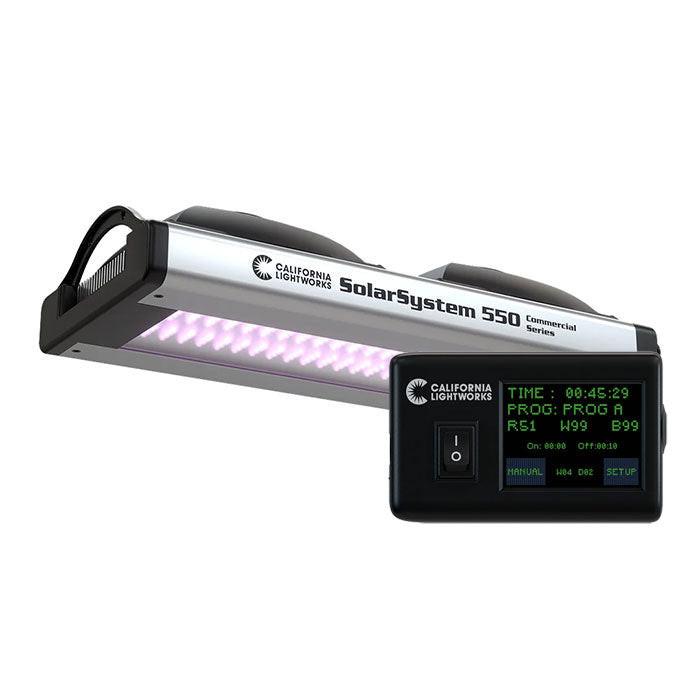
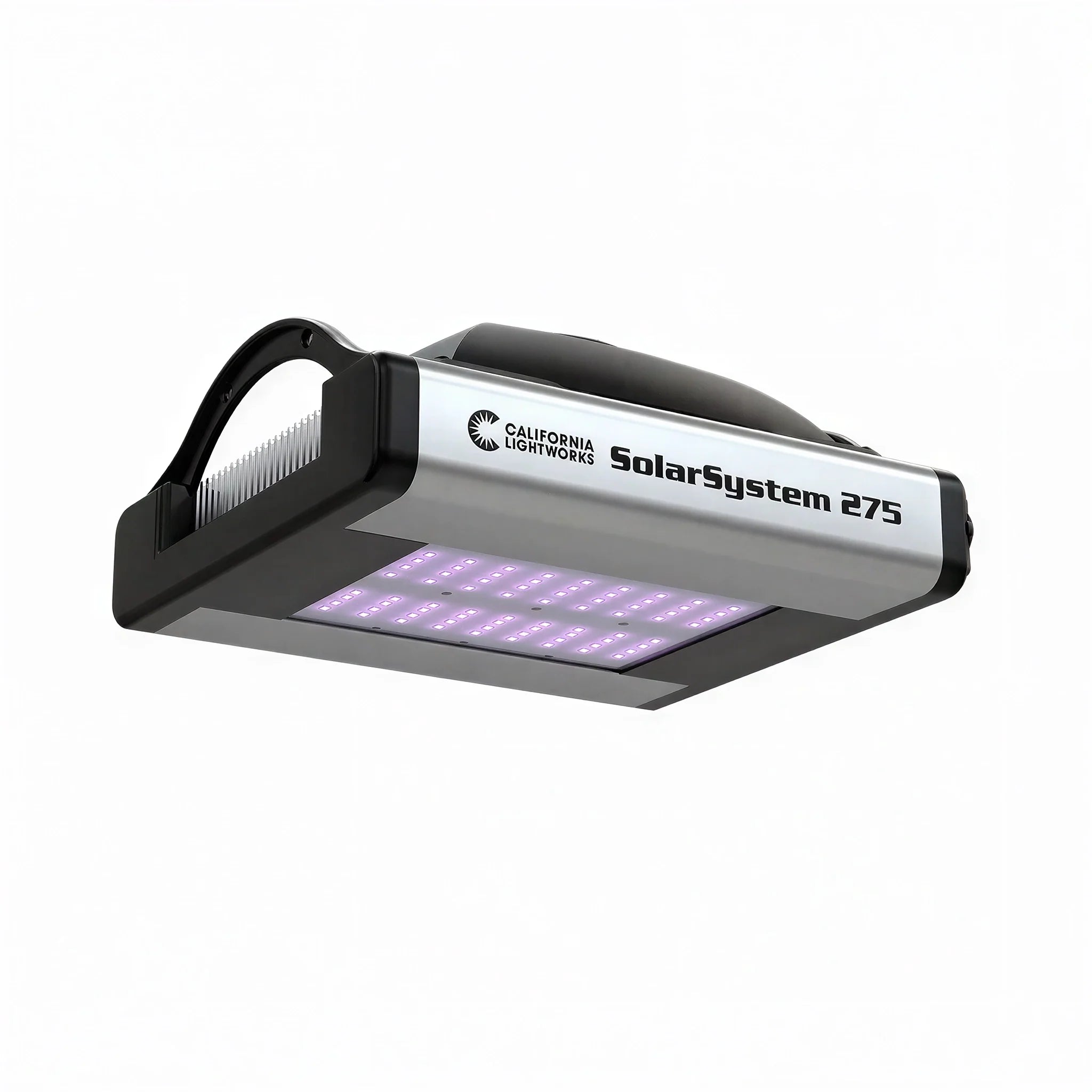
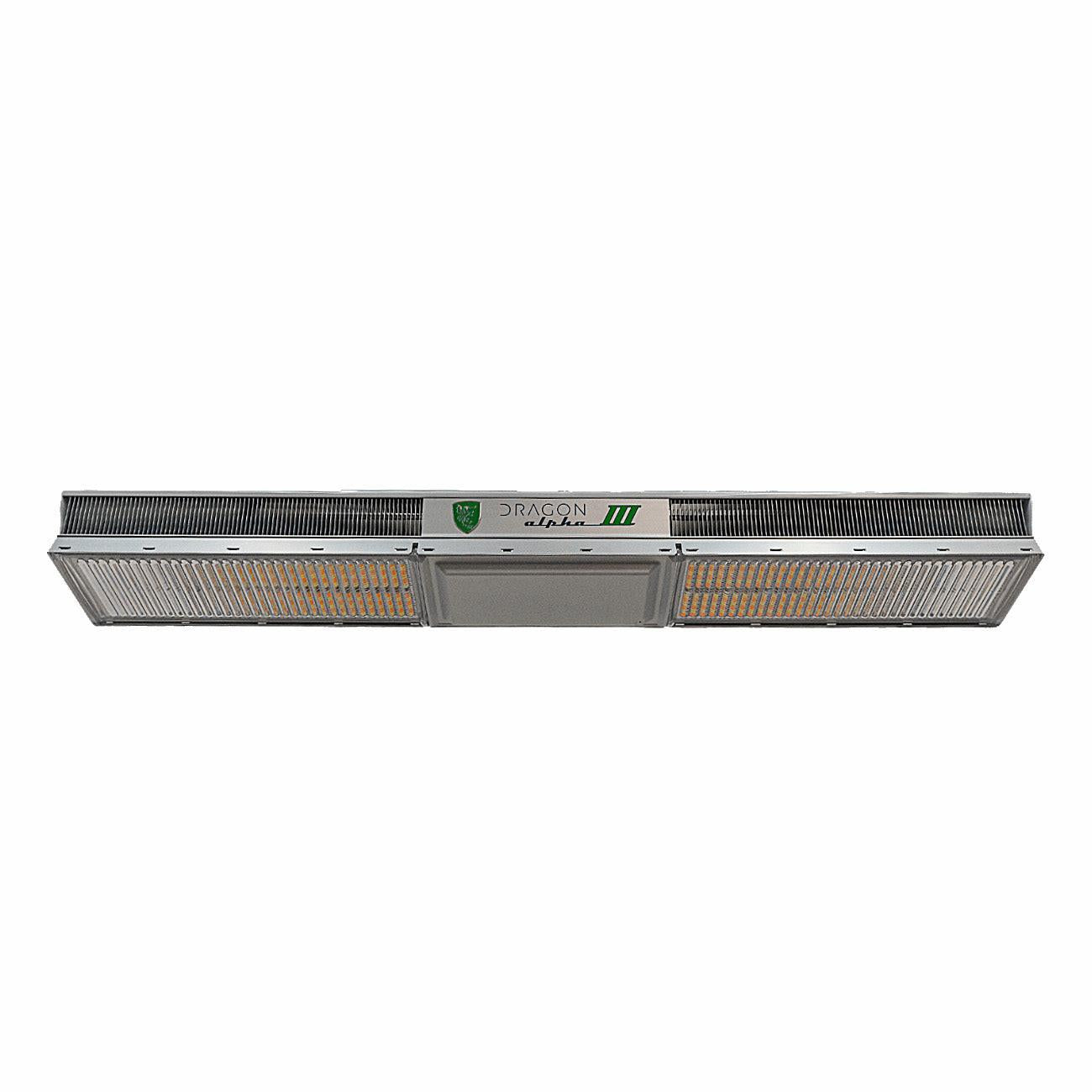
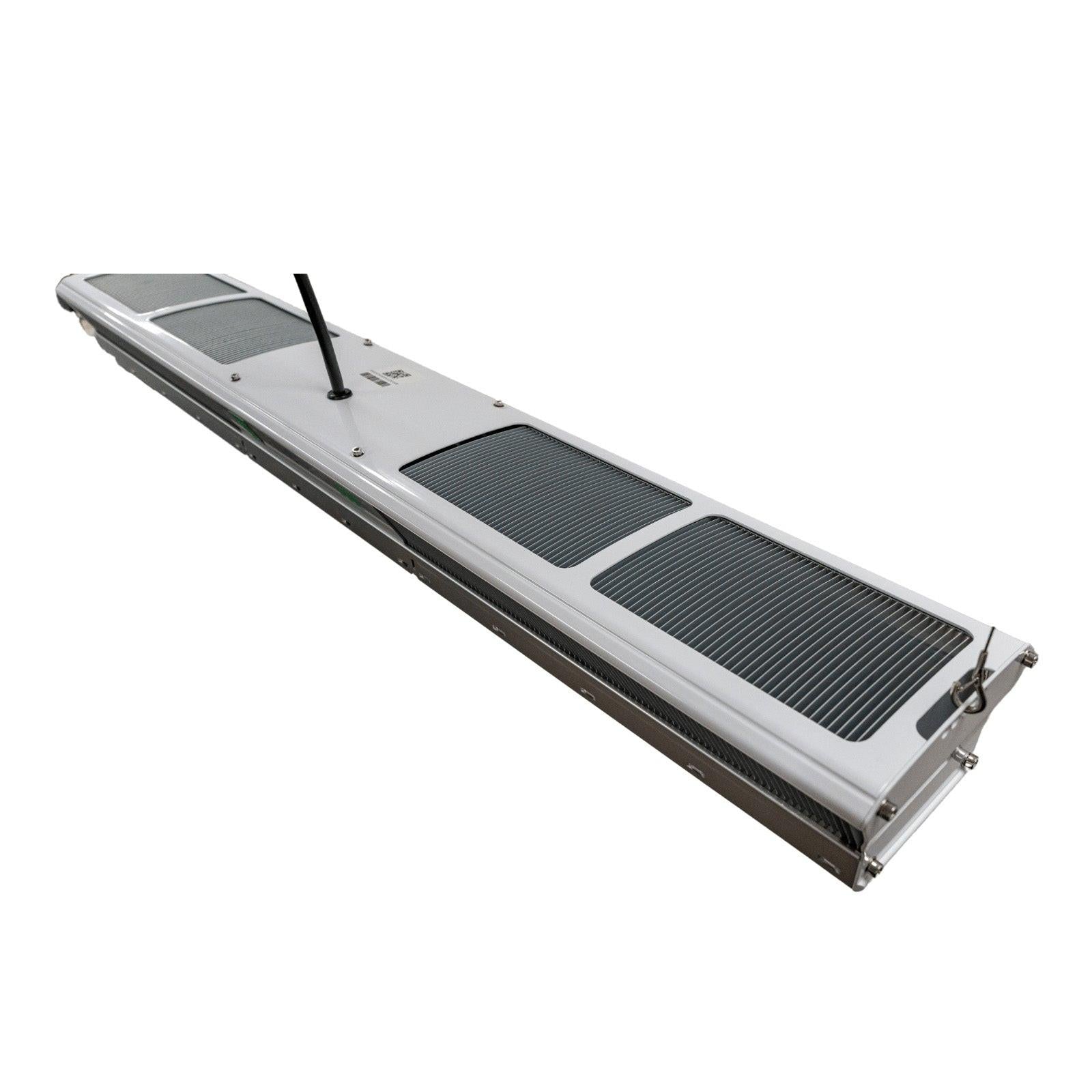
Greenhouse grow lights serve two distinct purposes: supplemental lighting that boosts low natural light levels during cloudy periods and short winter days, and full production lighting in light-dep or year-round enclosed greenhouse structures where natural light is intentionally controlled or insufficient for target production levels. The lighting strategy differs between these two applications -- supplemental lighting requires fixtures that integrate smoothly with natural daylight and add targeted intensity during deficit periods, while full production lighting requires the same high-intensity fixtures used in indoor production rooms.
HPS vs. LED for Greenhouse Production
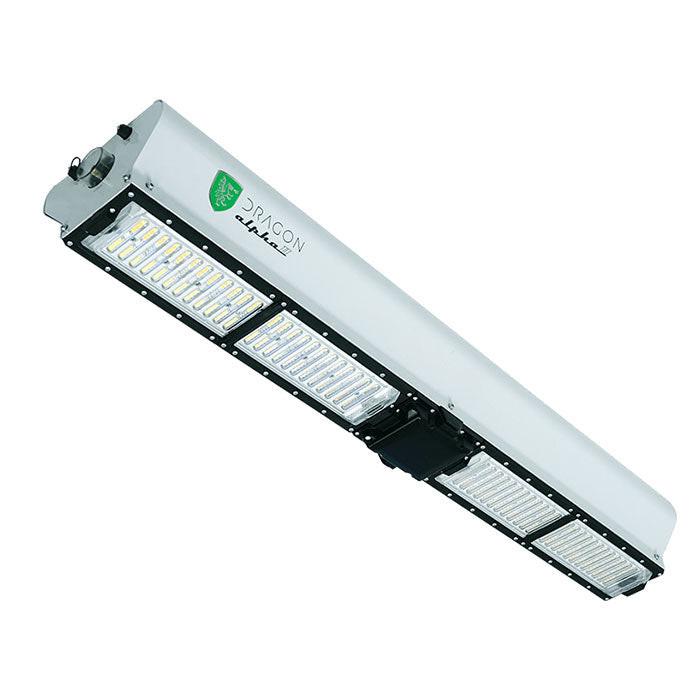
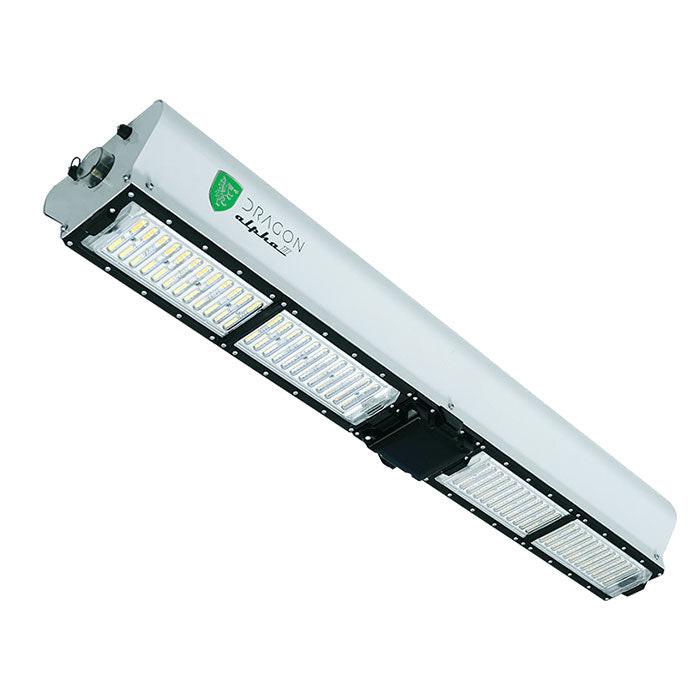
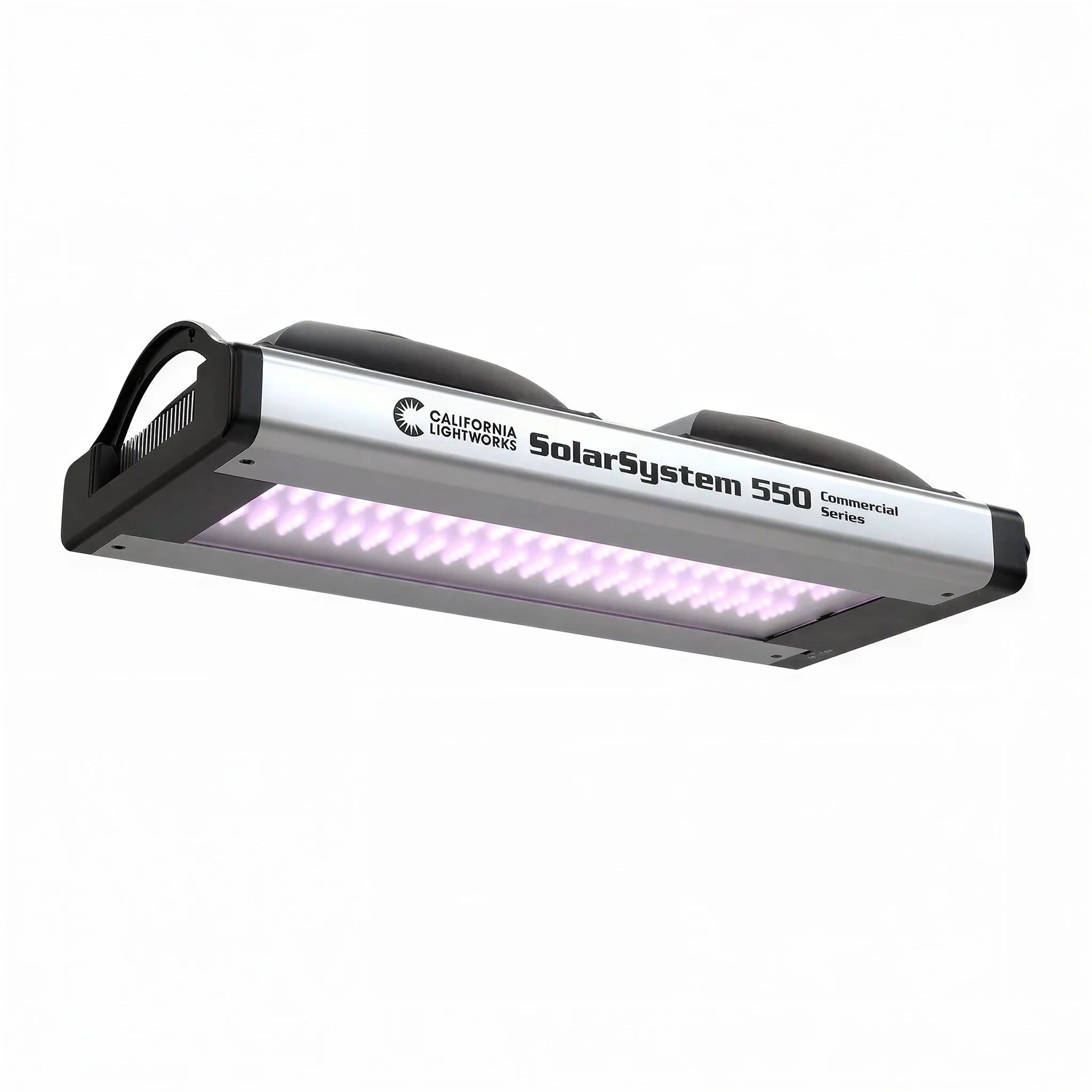
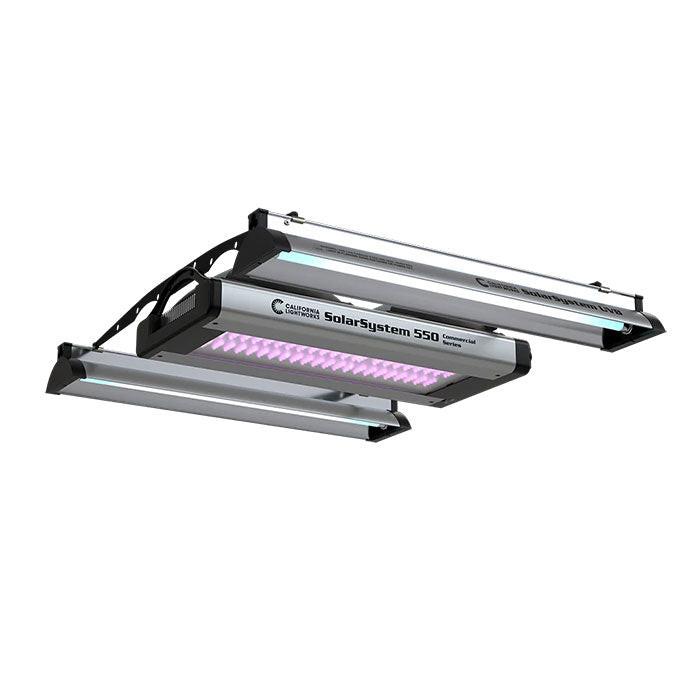
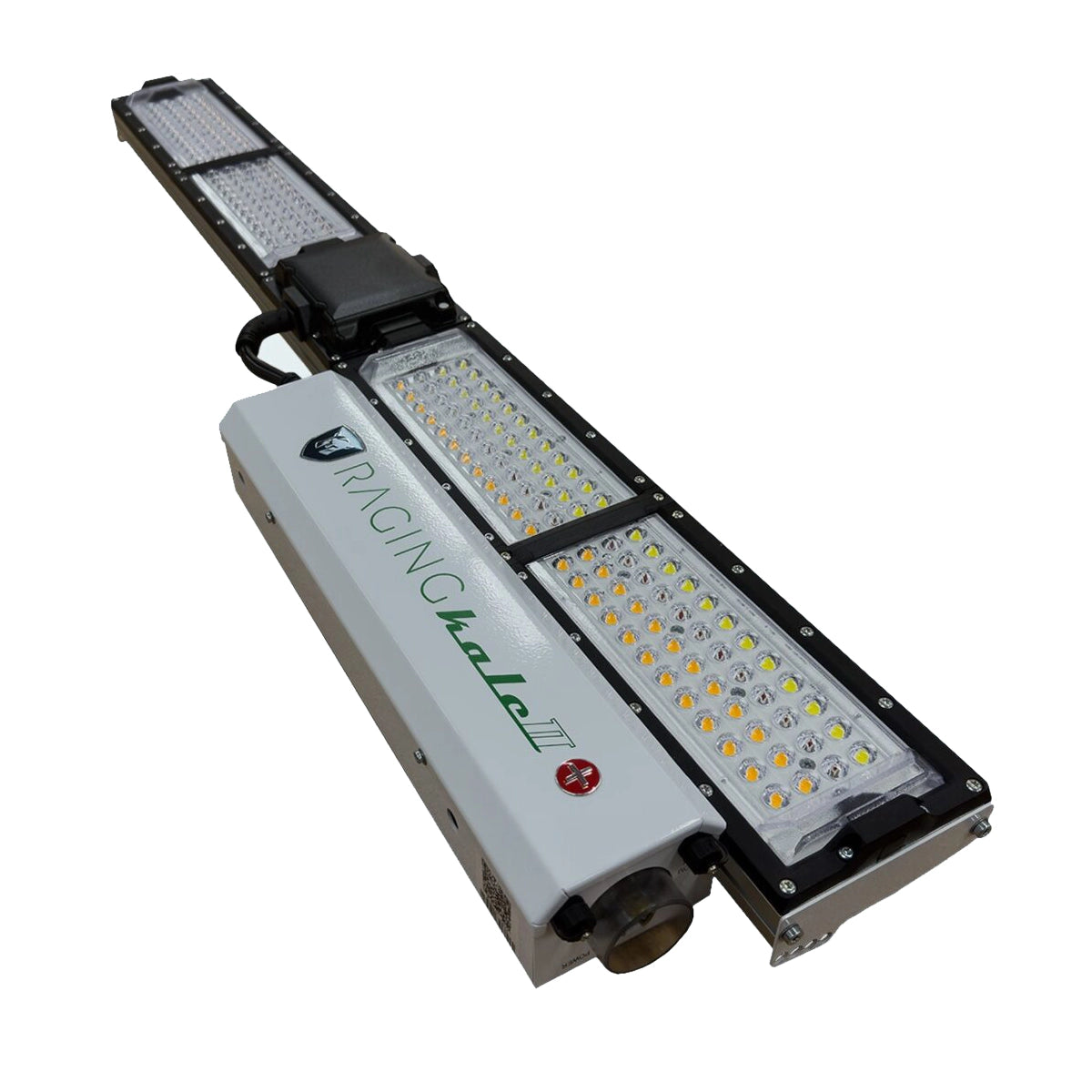
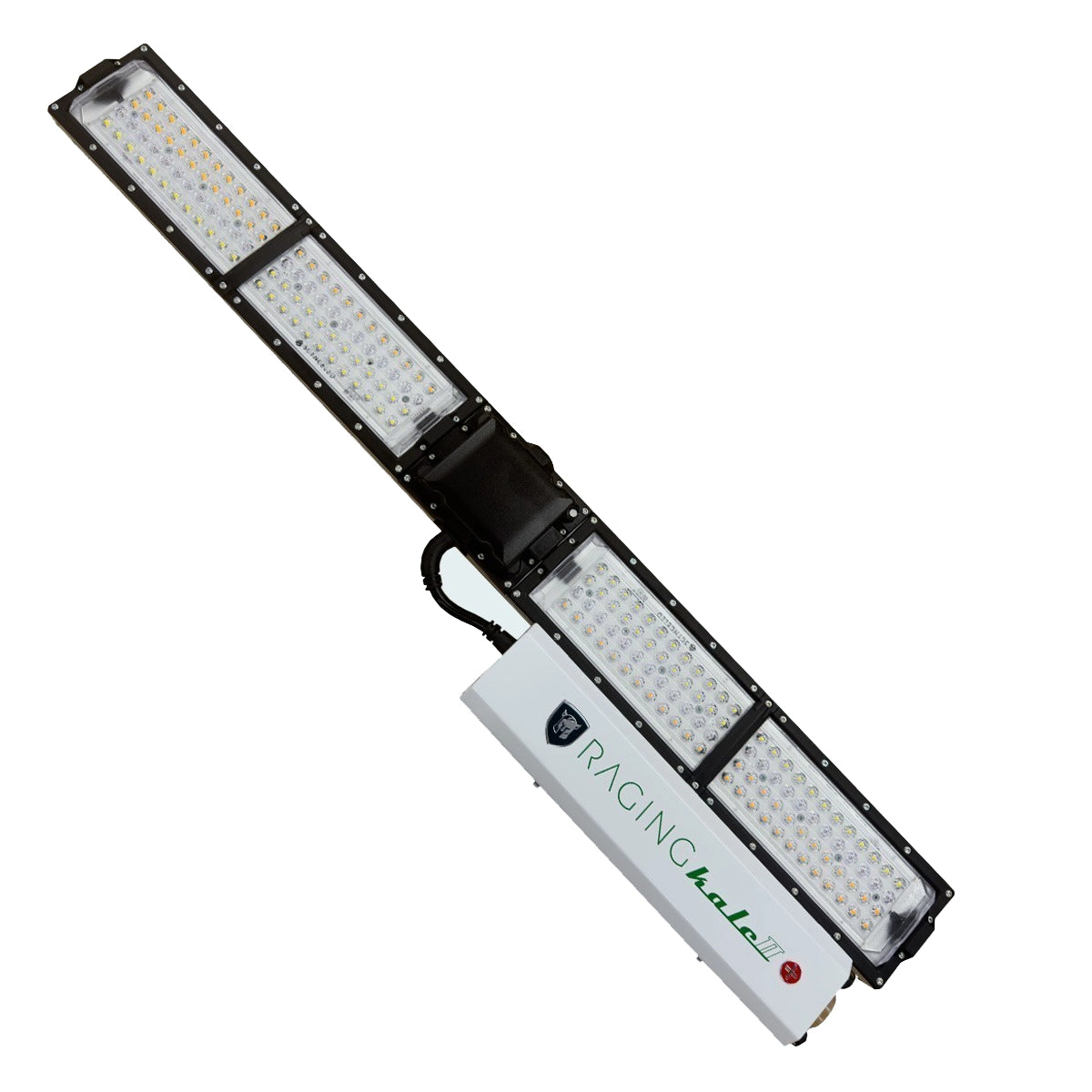
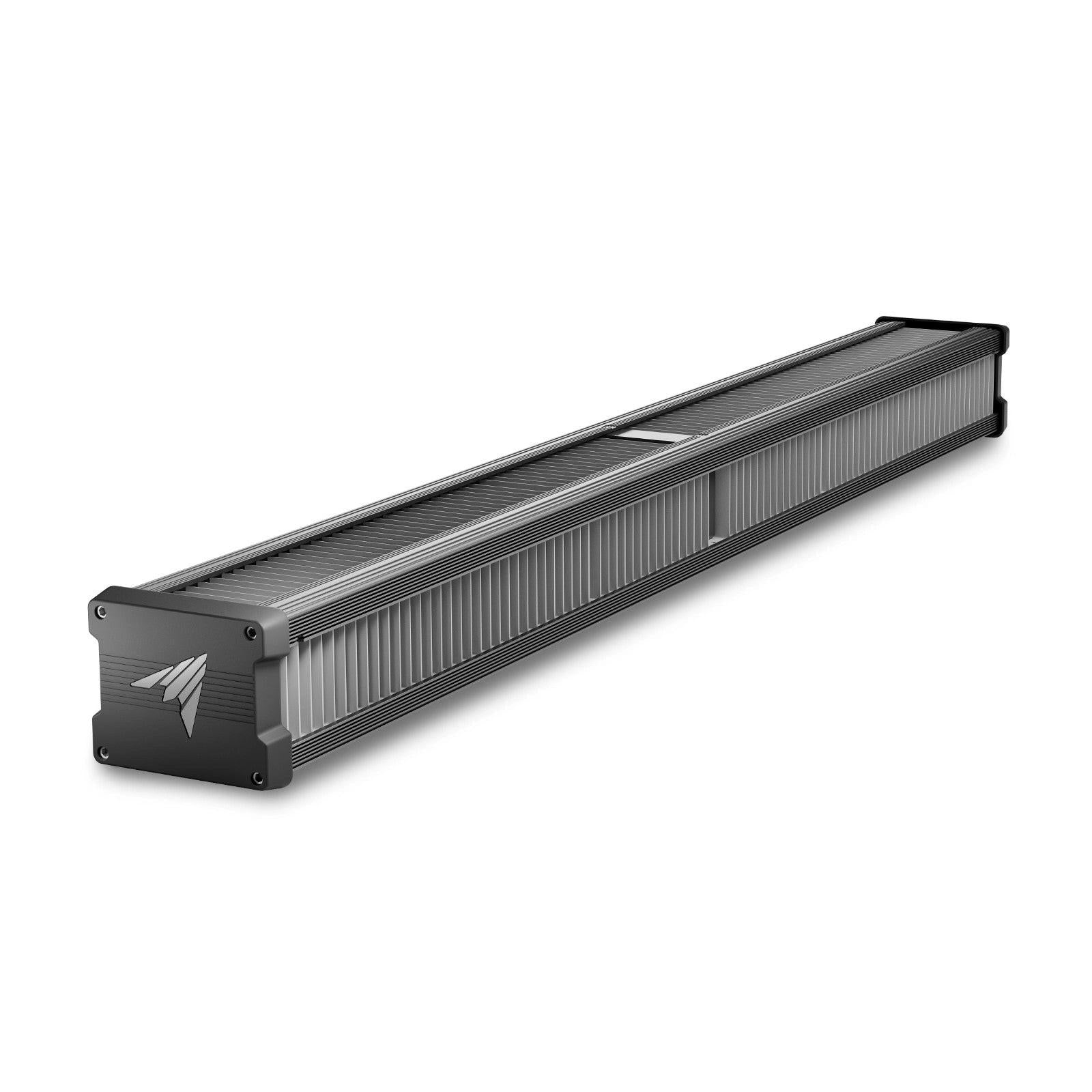
High-pressure sodium (DE HPS) fixtures remain widely used in large commercial greenhouse operations for their proven track record and the established application data from decades of tomato and cucumber production. Modern LED bar arrays from Gavita, Growers Choice, and Philips have increasingly displaced HPS in new greenhouse builds due to lower heat output and 30-40% better efficiency -- particularly in warm climates where HPS heat management is a significant operational cost. For supplemental daylight extension programs in cooler climates, HPS still provides a heat co-benefit during cold months. Use our Electricity Cost Calculator to model the specific economics for your operation and climate.
Photoperiod Extension vs. High-Intensity Supplemental
Low-intensity photoperiod extension lighting (typically 10-50 umol/m2/s) extends perceived day length for photoperiod-sensitive crops without adding significant DLI. High-intensity supplemental lighting (200-800+ umol/m2/s) adds meaningful photosynthetic photons to supplement deficient natural DLI on cloudy winter days. Most commercial greenhouse supplemental programs target maintaining a minimum DLI of 12-20 mol/m2/day year-round. Browse our complete commercial grow lights collection for all fixture options. Expert support available.
Greenhouse Grow Lights FAQ
What grow lights are best for greenhouse supplemental lighting?
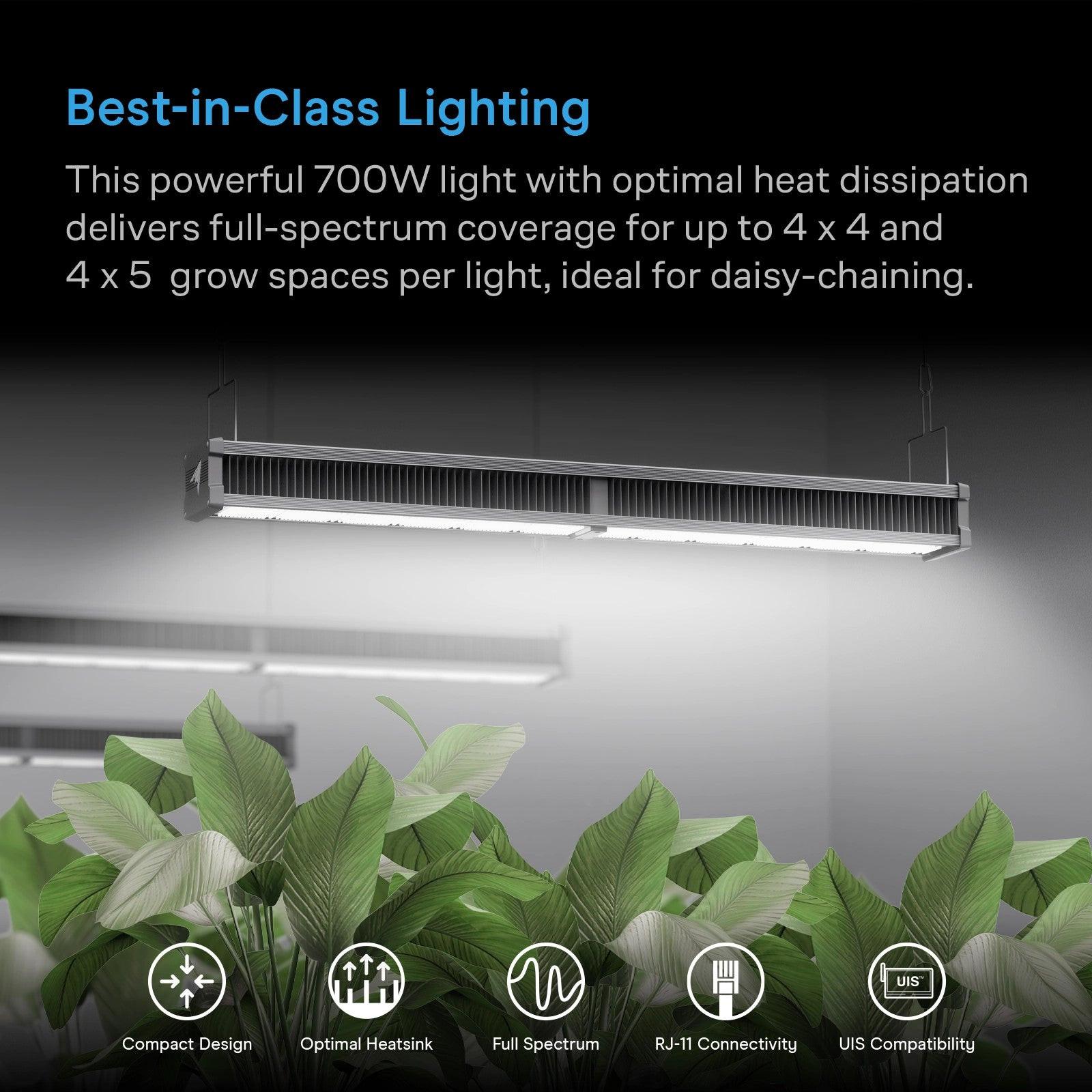
For large commercial greenhouse supplemental lighting programs, high-output LED bar arrays (Gavita, Philips GreenPower LED) and DE HPS are the standard choices. LED provides better efficiency and lower heat output; DE HPS provides slightly higher total photon output per fixture and a heat co-benefit in cold climates. For small hobby greenhouses adding supplemental light during winter months, a quality 400-600W LED bar array or DE HPS fixture positioned over the growing area provides meaningful DLI supplementation at manageable cost.
How much supplemental light do greenhouse plants need?
Target a minimum daily light integral (DLI) of 12-20 mol/m2/day for most vegetable and herb crops. On a clear summer day at mid-latitude, a greenhouse may receive 30+ mol/m2/day from natural light alone. On a cloudy winter day, the same location may receive only 4-8 mol/m2/day -- far below the target. Supplemental lighting makes up this deficit. A fixture delivering 200 umol/m2/s PPFD for 16 hours contributes approximately 11.5 mol/m2/day -- enough to maintain minimum production DLI on most winter days.
Should I use HPS or LED for my greenhouse?
For new greenhouse builds, LED is the recommended choice in most applications. Modern LED bar arrays achieve 2.7-3.0+ umol/joule efficiency versus 2.1 umol/joule for DE HPS -- 30-40% more photons per watt with significantly less heat. In cold-climate greenhouses where HPS heat output reduces heating costs during winter, the heat co-benefit can partially offset LED's efficiency advantage in an annual energy cost model. Use our Electricity Cost Calculator to model both scenarios at your specific electricity rate and climate.
How do I calculate how many grow lights I need for a greenhouse?
Determine your target PPFD (200-600 umol/m2/s for supplemental, 600-1,000+ for full production), measure your greenhouse floor area, and use published fixture PPFD maps to calculate how many fixtures cover the area at target intensity. Our PPFD Calculator streamlines this -- enter floor dimensions and target PPFD to calculate required total umol/s output, then divide by each fixture's output to get fixture count. Also calculate DLI contribution to verify the added lighting brings the total DLI to your target minimum on your worst-case winter days.
Can I use indoor grow lights in a greenhouse?
Yes -- most LED and HPS fixtures designed for indoor production work in greenhouse environments. Key considerations: humidity rating (greenhouse environments are more humid than indoor rooms -- verify the fixture's IP rating for wet environment compatibility), mounting height and structure (greenhouse trusses require different mounting approaches than tent cross-bars), and heat dissipation (fixtures that run hot may require more clearance from polycarbonate or glass glazing). Commercial fixtures from Gavita, Philips, and similar brands are typically designed for both indoor and greenhouse applications.