Fertigation pH Controllers for Automated pH Management
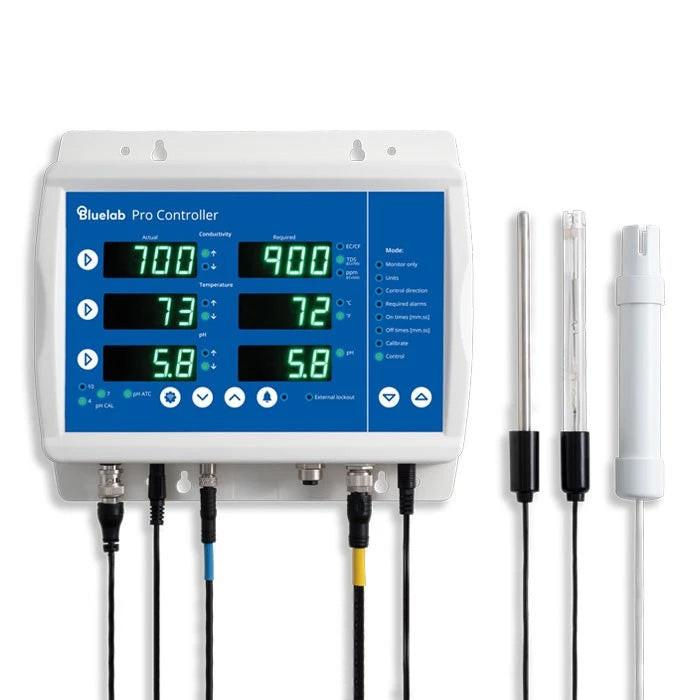
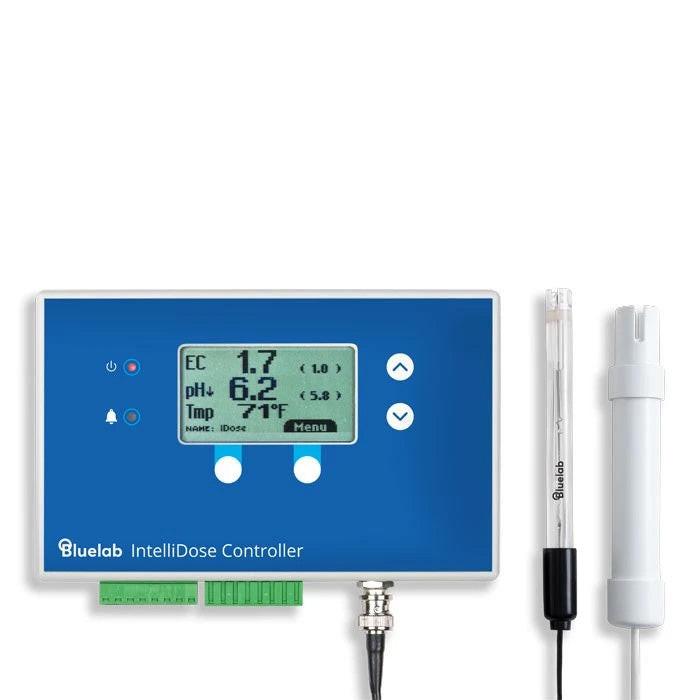
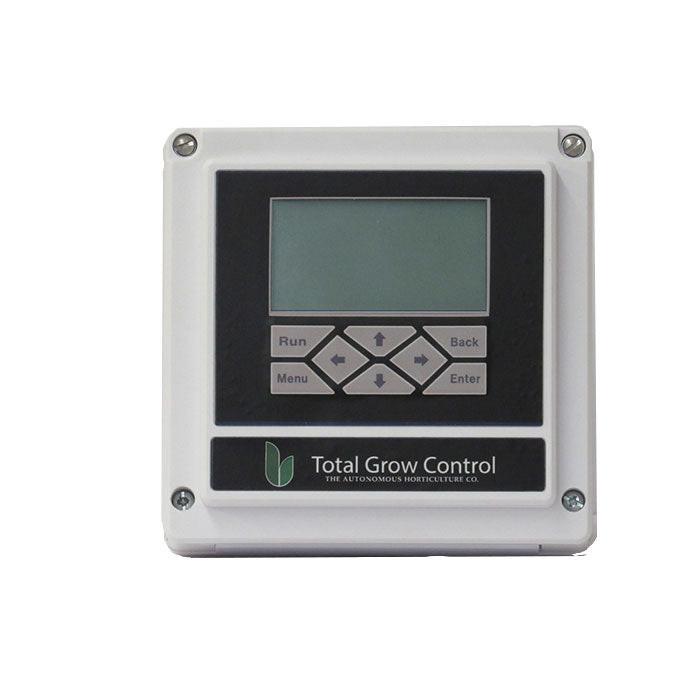
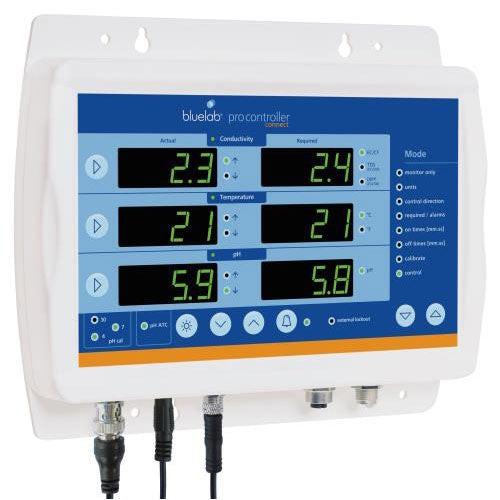
Fertigation pH controllers automate the pH correction step in nutrient delivery programs -- using an inline pH probe to monitor solution pH in real time and activating a dosing pump to inject pH Down (phosphoric acid) or pH Up (potassium hydroxide) whenever the measured pH drifts outside the target range. Unlike standalone pH meters that require manual monitoring and adjustment, pH controllers close the feedback loop automatically -- maintaining target pH continuously without requiring the grower to check and correct pH between irrigation events. For any irrigation system running multiple nutrient delivery events per day, automated pH control prevents the gradual pH drift that causes nutrient lockout in recirculating and top-feed programs.
Standalone pH Controllers vs. Integrated Fertigation Systems
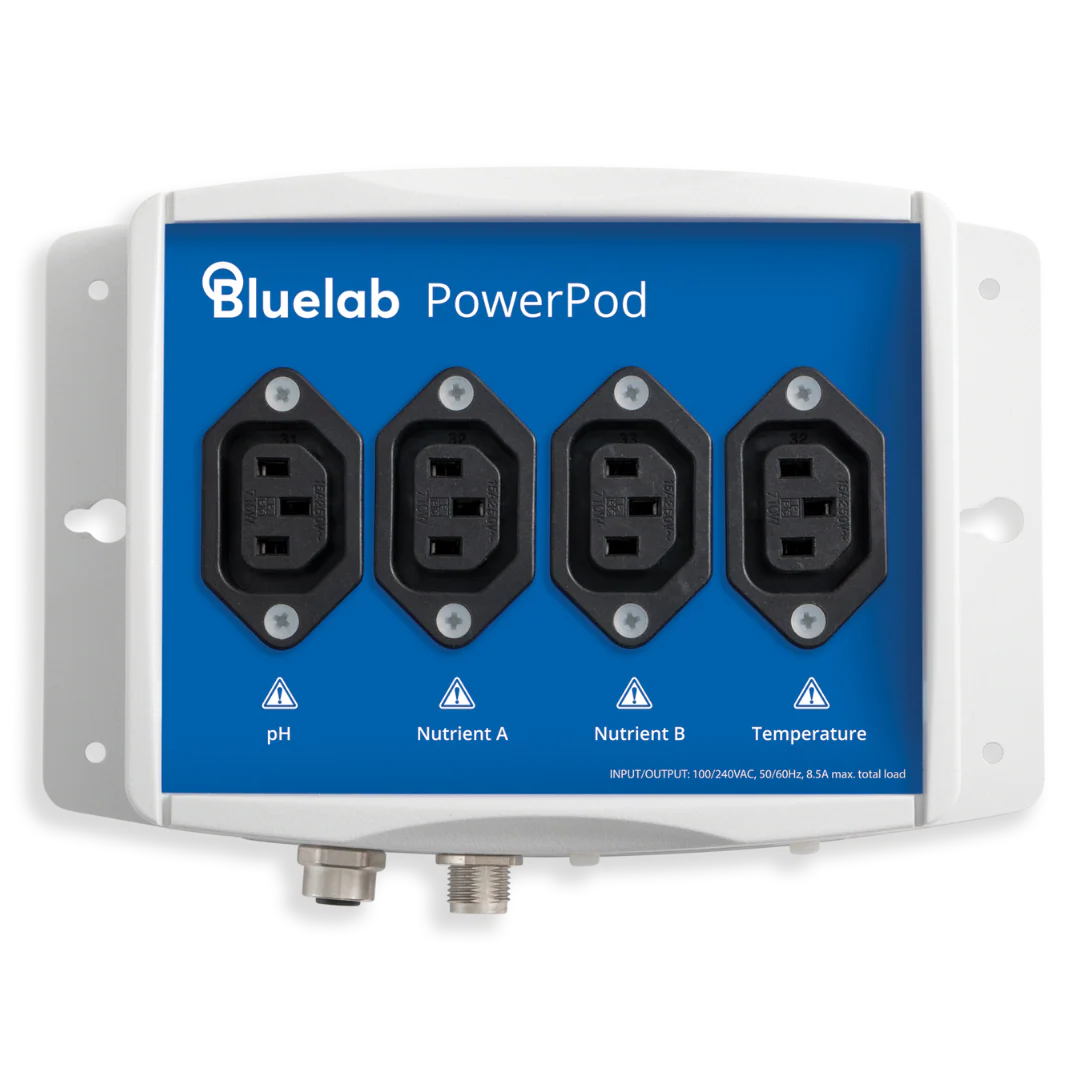
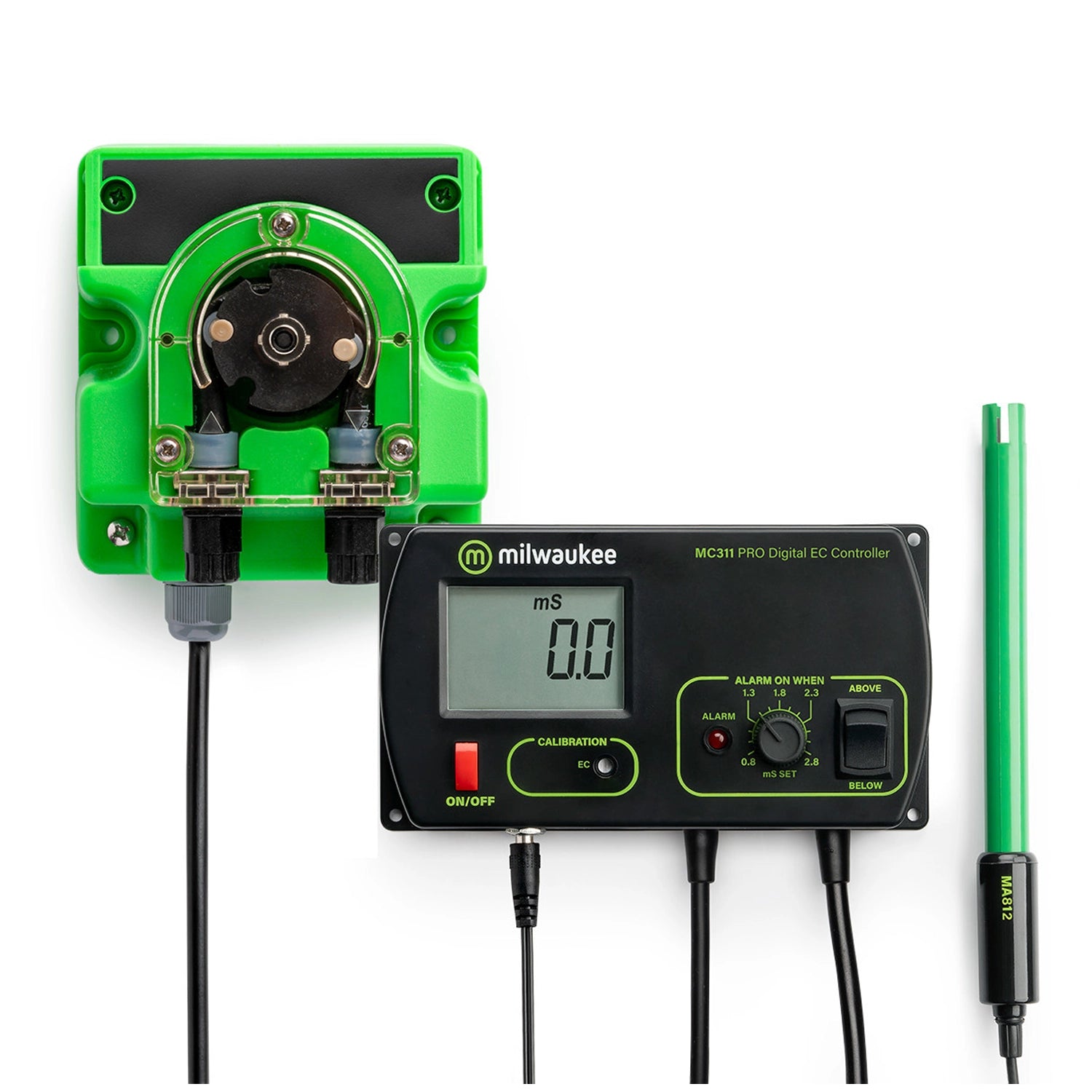
Standalone pH controllers focus exclusively on pH management -- they monitor pH and activate a single dosing pump for pH correction, without nutrient delivery automation. They are the right choice when nutrient concentration (EC) is already managed manually or by a separate system and only pH automation is needed. Integrated fertigation systems manage both pH and EC together, coordinating nutrient dosing and pH correction from a single controller. For operations where both pH and nutrient concentration require automation, an integrated fertigation kit is more efficient than combining separate pH and EC controllers. Browse the full fertigation and autodosing collection for all options.
Probe Placement & Maintenance
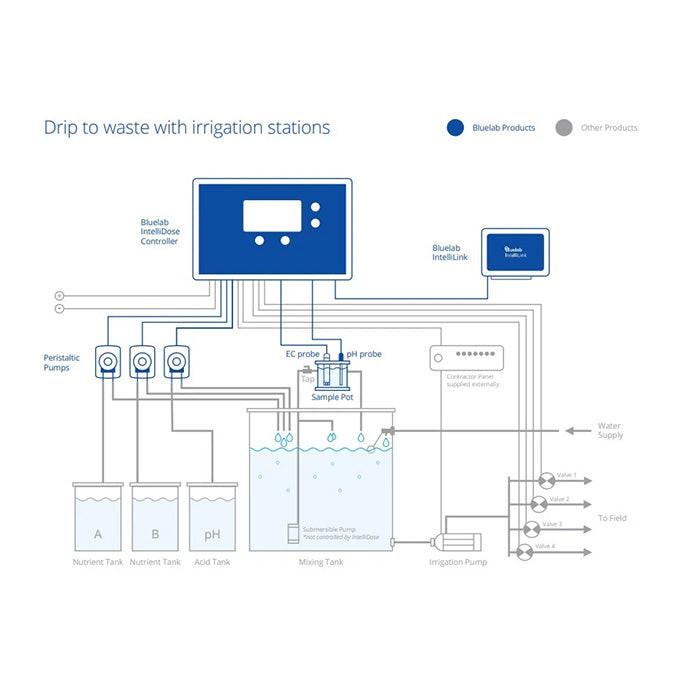
The pH probe in a fertigation pH controller must be positioned in the irrigation water flow after all nutrients have been mixed but before delivery to plants -- ensuring the controller reads the actual delivered solution pH rather than water upstream of mixing. In line-injection systems, probe placement in a mixing manifold or sample port after the nutrient injection point is standard. Clean pH probes weekly and recalibrate monthly in continuous fertigation applications -- probe fouling from nutrient deposits is the most common cause of controller accuracy drift. Fast shipping.
Fertigation pH Controllers FAQ
What does a fertigation pH controller do?
A fertigation pH controller monitors the pH of irrigation water or nutrient solution using an inline probe and automatically injects pH adjustment chemicals (pH Down or pH Up) to maintain a programmed target pH range. When the measured pH rises above the setpoint, the controller activates a dosing pump to inject acid (pH Down); when pH drops below the setpoint, it injects base (pH Up). This replaces manual pH checking and adjustment with continuous automated control.
Do I need a pH controller or is a pH meter sufficient?
A pH meter is sufficient for operations where you check and adjust pH manually before each irrigation event -- adequate for hand-watered programs or automated systems where you can verify pH at the start of each day. A pH controller becomes valuable when: you run multiple automated irrigation events per day and cannot verify pH before each event; when pH drift between checks is causing inconsistent results; or in commercial operations where labor cost of daily pH management is a significant factor. The value of automation scales with the frequency of irrigation events and the labor cost of manual management.
What chemicals does a pH controller use?
pH Down (used to lower pH): typically concentrated phosphoric acid (most common in hydroponic applications) or nitric acid (used in some commercial greenhouse programs). pH Up (used to raise pH): typically potassium hydroxide or sodium hydroxide solution. The choice of acid type affects the nutrient balance delivered to plants -- phosphoric acid adds phosphorus alongside the pH correction, while nitric acid adds nitrogen. For most indoor growing programs, phosphoric acid pH Down is the standard. Use chemical-resistant tubing and fittings rated for acid/base concentrates in the dosing pump lines.
How do I calibrate a fertigation pH controller probe?
Calibrate using fresh buffer solutions at pH 4.0 and pH 7.0 (the two calibration points that bracket the 5.5-6.5 growing range). Remove the probe from the irrigation line, rinse with clean water, submerge in pH 4.0 buffer, set the low-point calibration per the controller instructions, then repeat in pH 7.0 buffer for the high-point calibration. Rinse with clean water before returning to service. Calibrate monthly in continuous use applications; replace probes annually or when calibration cannot be achieved with fresh buffer solutions.
Can a pH controller handle both pH Up and pH Down?
Dual-channel pH controllers manage both pH Up and pH Down dosing -- activating the appropriate channel depending on whether pH is above or below the target range. Single-channel controllers handle only one direction (typically pH Down for most growing applications where source water and nutrient solutions trend acidic). For systems where pH fluctuates in both directions (common in organic programs where biological activity affects pH), a dual-channel controller is more practical than a single-direction unit.