Dry Trimming Machines for Post-Harvest Finishing
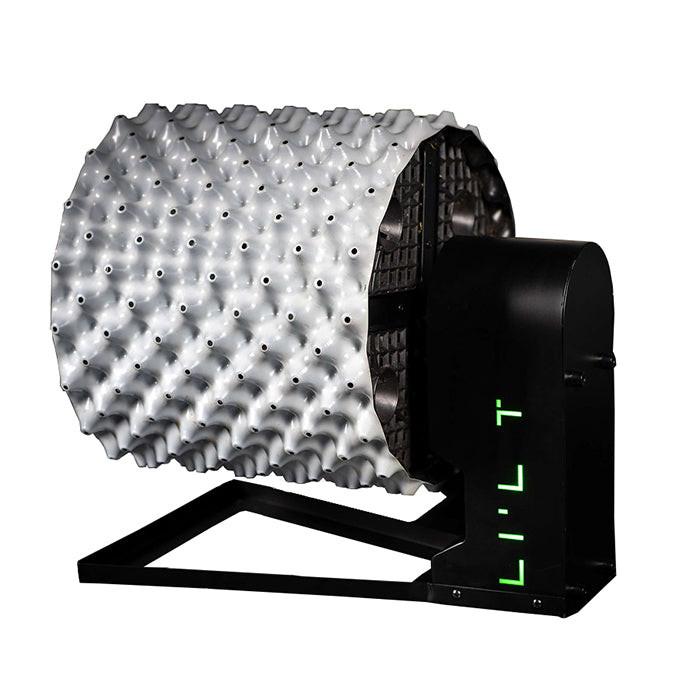
Dry trimming machines are designed to process plant material after it has been dried to target moisture content -- the post-drying phase when flowers are finished and ready for final leaf removal before packaging or storage. Unlike wet trimmers that process freshly harvested material immediately after cutting, dry trimmers work with already-dried flowers that have undergone the full drying phase with leaves intact. The choice between wet trimming at harvest and dry trimming after drying is a workflow and quality decision with real tradeoffs -- and having a dry trimming machine in your processing line gives you the flexibility to pursue either approach or combine both.
Dry Trimming vs. Wet Trimming: The Core Tradeoff
Wet trimming at harvest removes leaf material while the plant is still fresh and pliable. Wet leaves are larger, easier to access, and cut cleanly -- machines and hands work more easily on fresh material. Post-wet-trim drying proceeds faster because there is less foliage surface area to dry. Dry trimming after drying keeps leaves intact throughout the drying phase; many growers believe this preserves more aromatic compounds during the longer, slower drying process that full-leaf drying allows. The tradeoff is that dried leaves are more brittle and adhere more closely to dried flower surfaces, making trimming slightly more challenging mechanically -- dry trimming machines account for this with slower tumble speeds, gentler action, and settings optimized for brittle dried material. For a complete breakdown of both approaches, see our updated wet vs. dry trim guide.
Dry Trimmer Machine Features & Brands
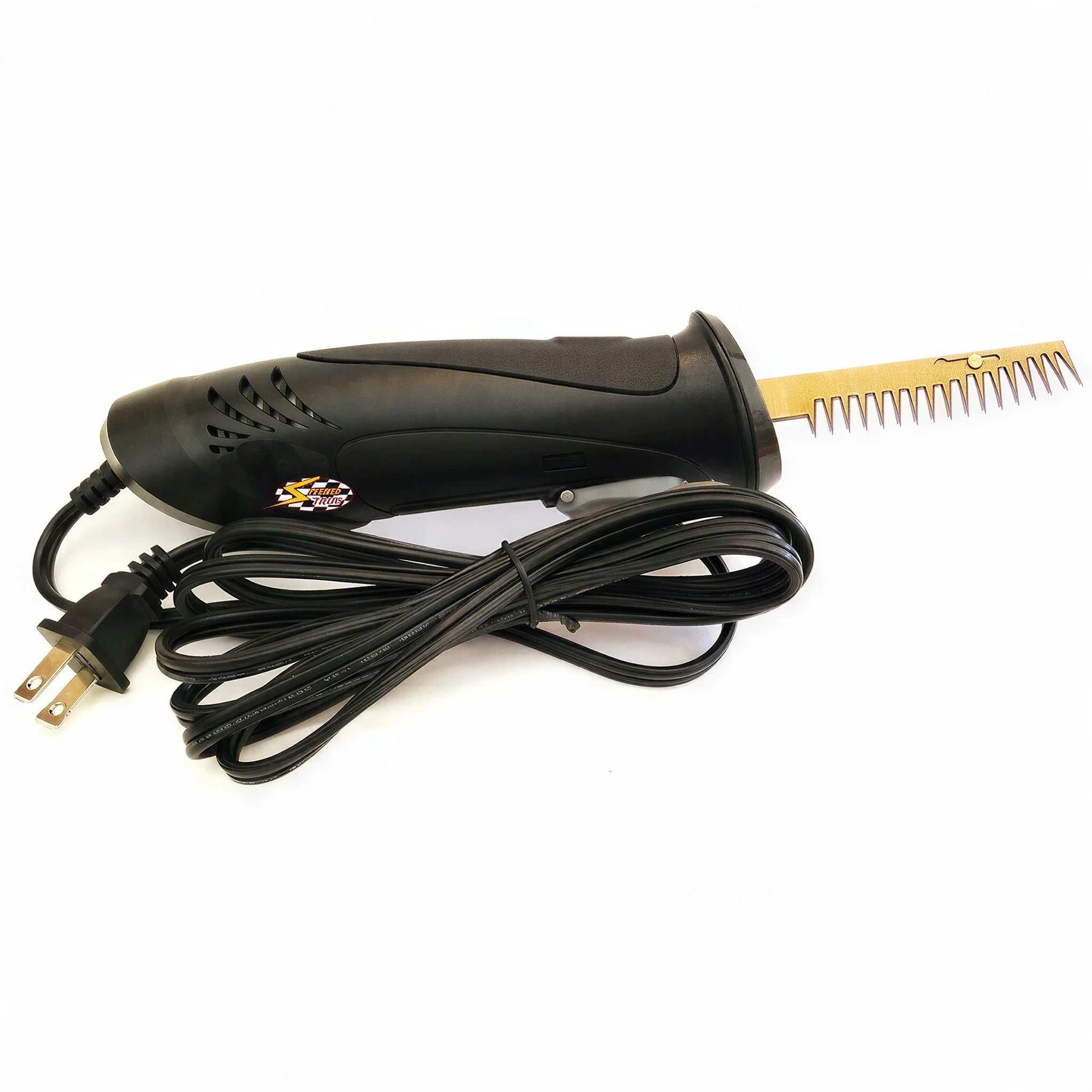
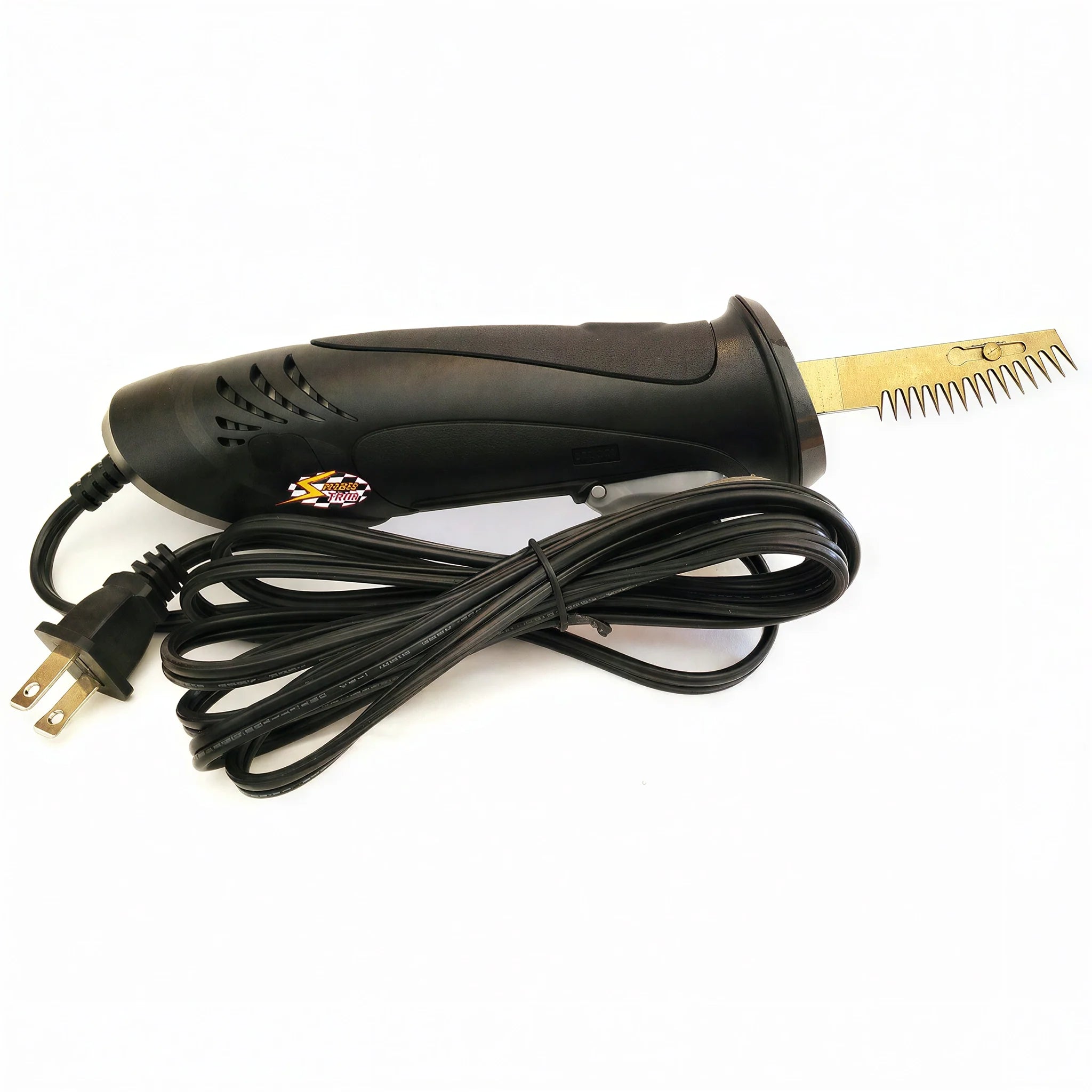
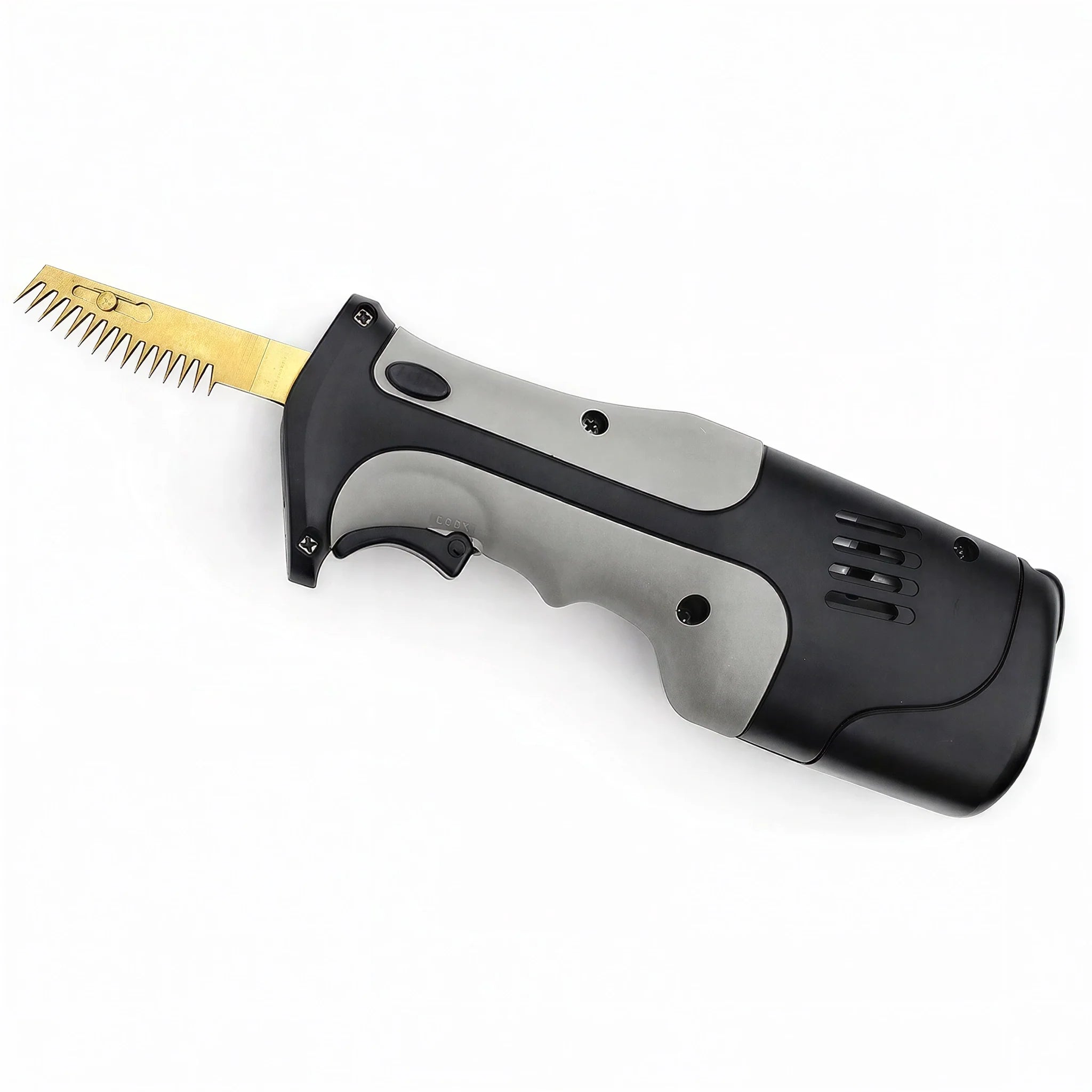
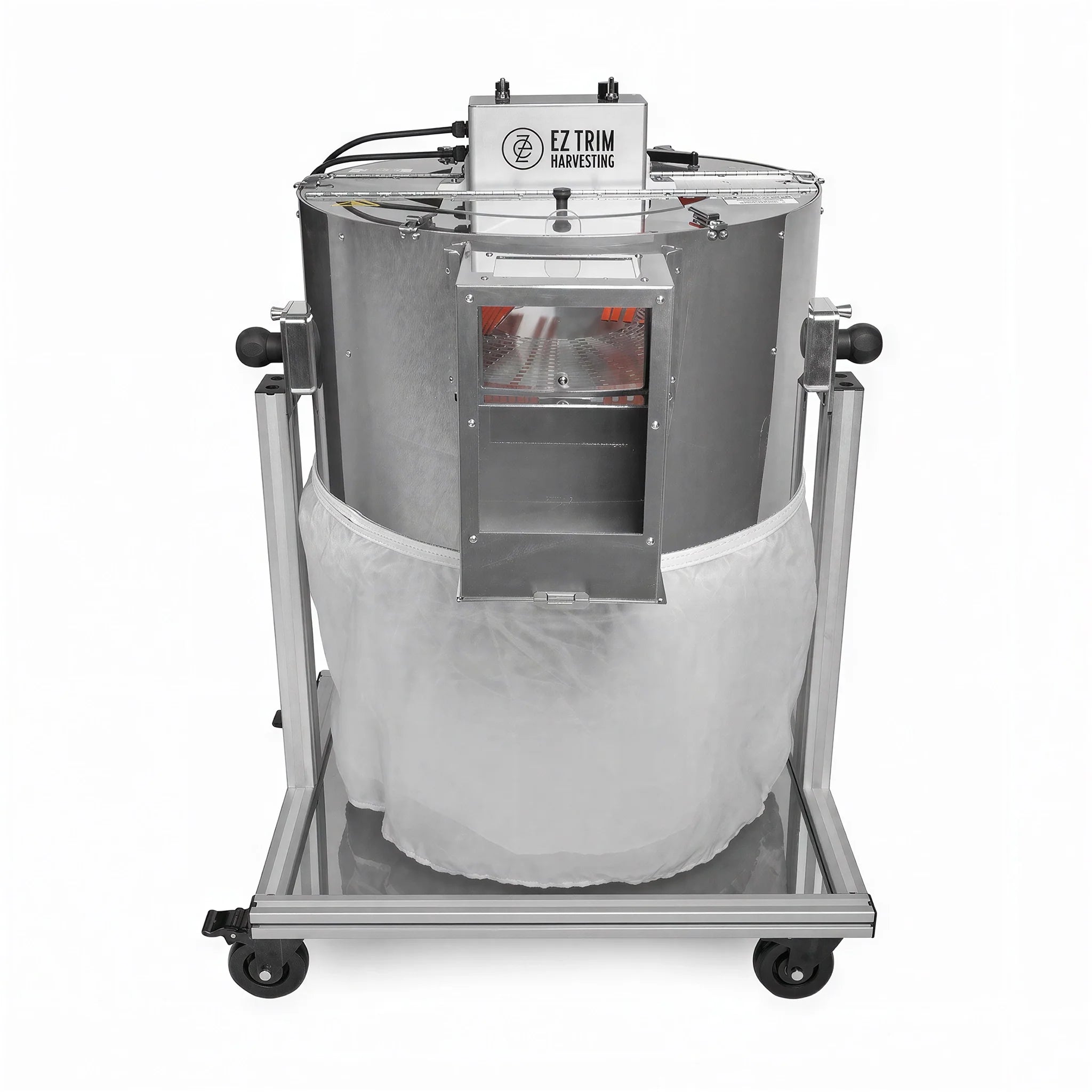
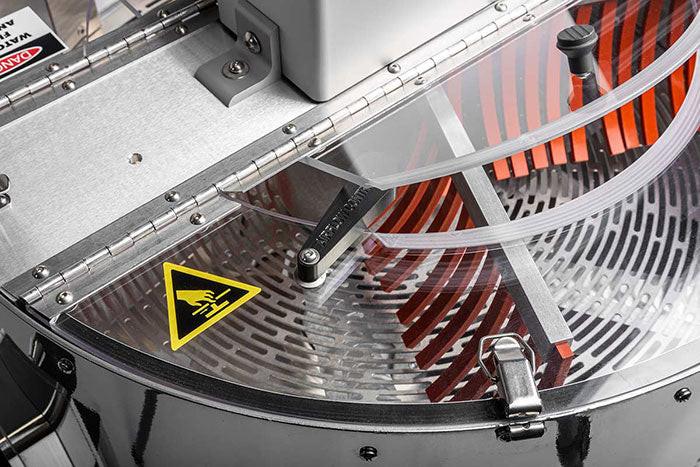
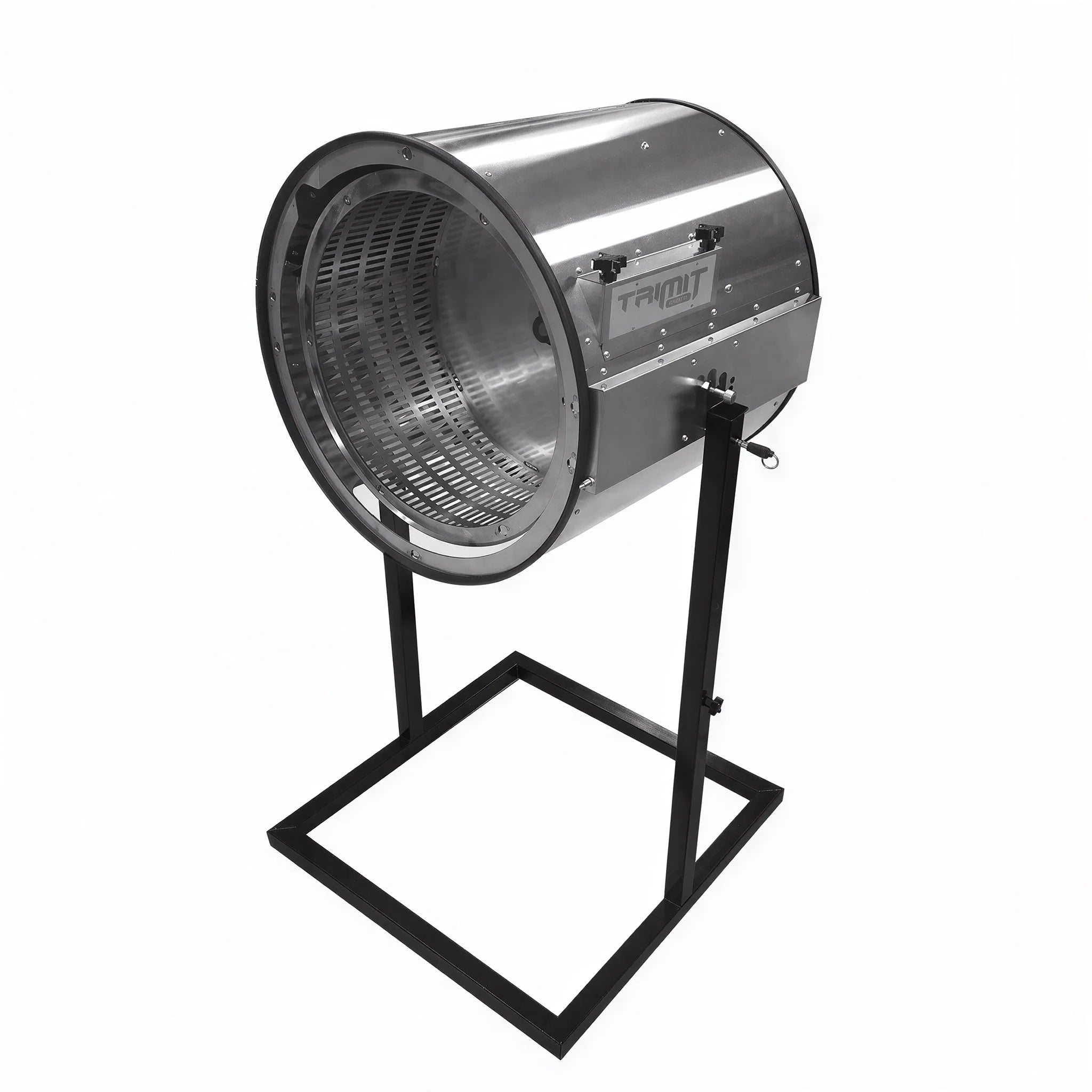
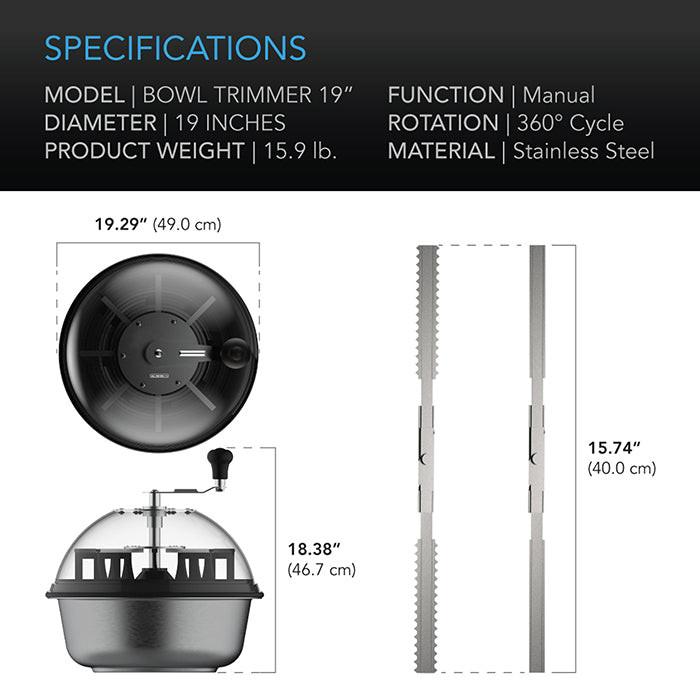
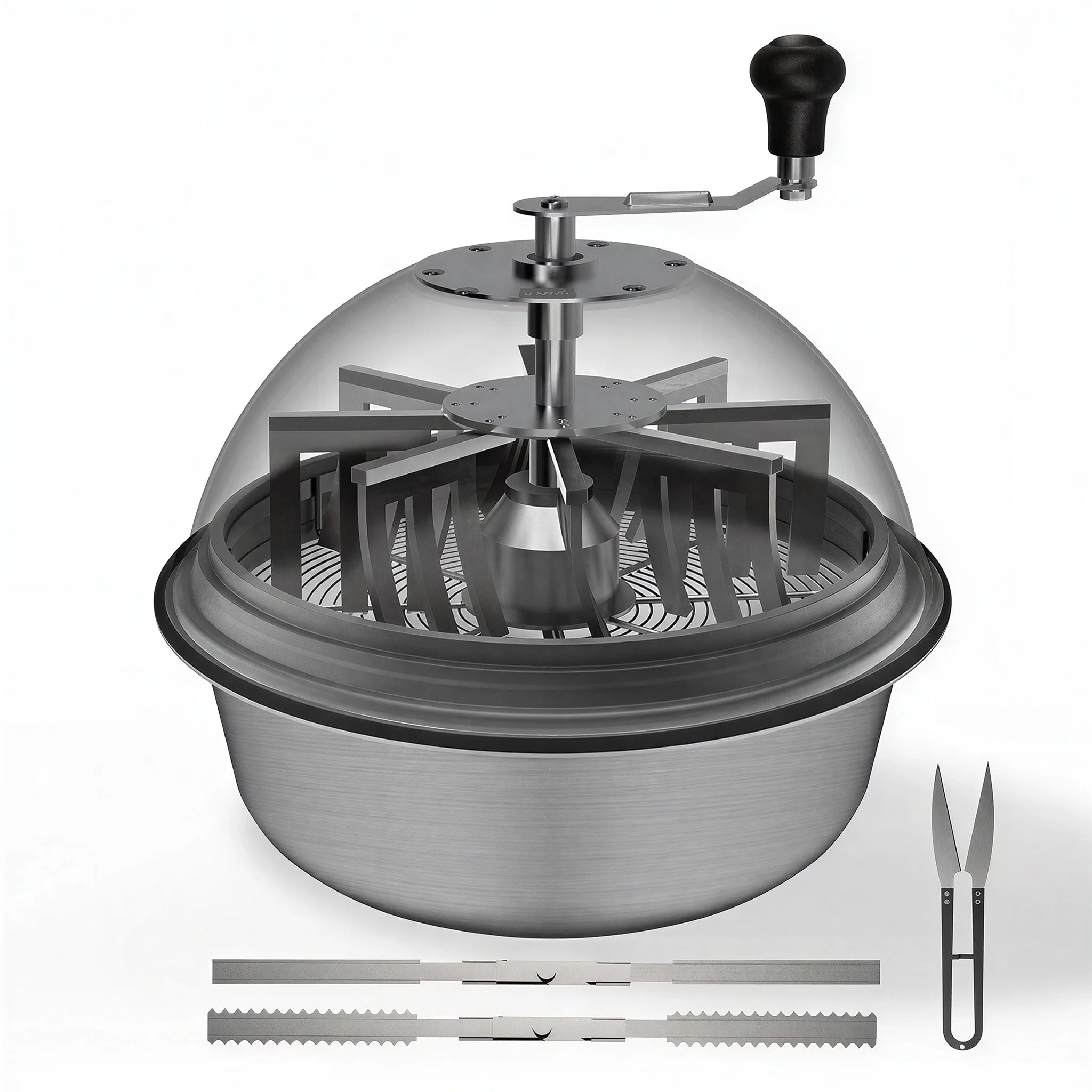
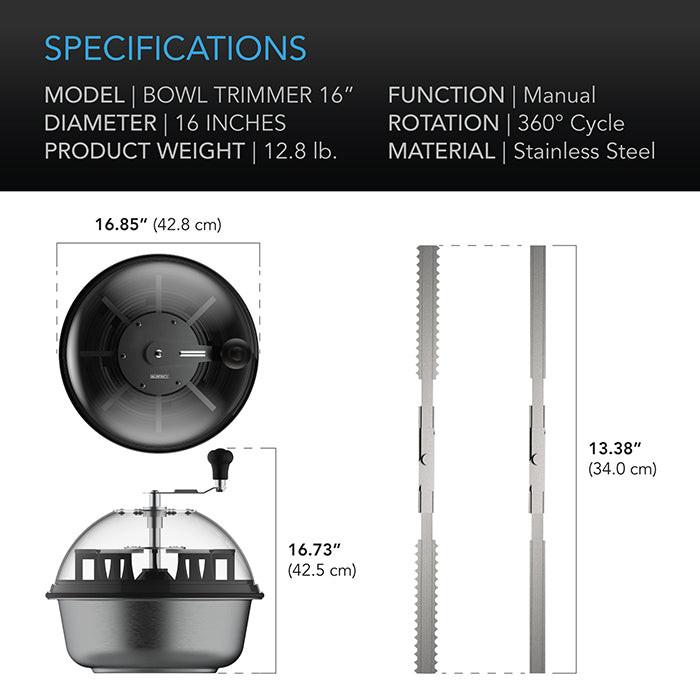
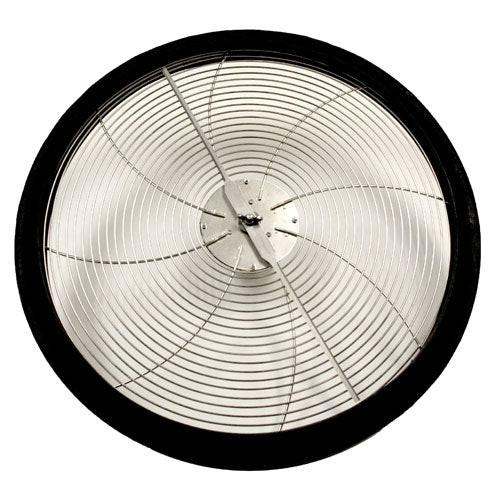
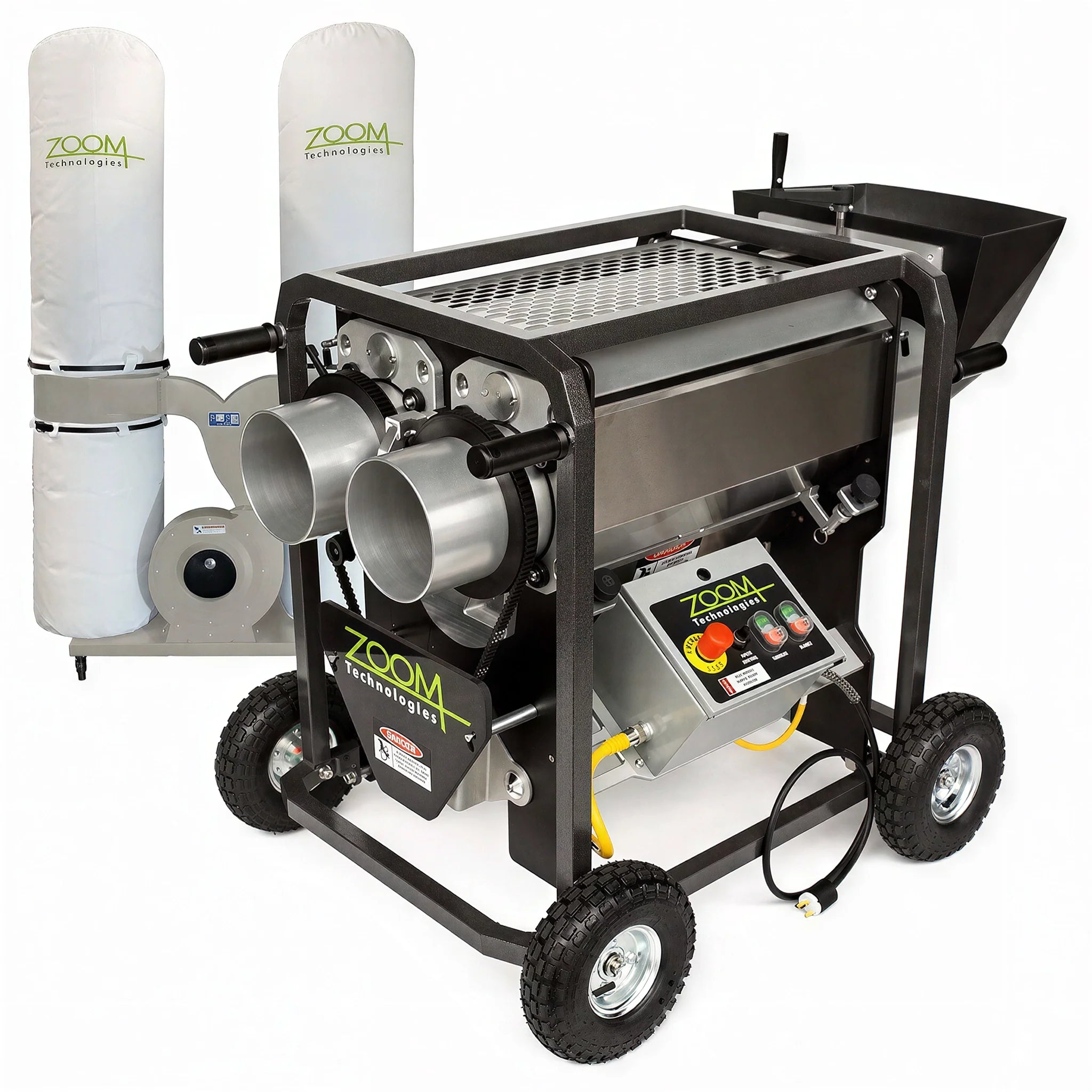
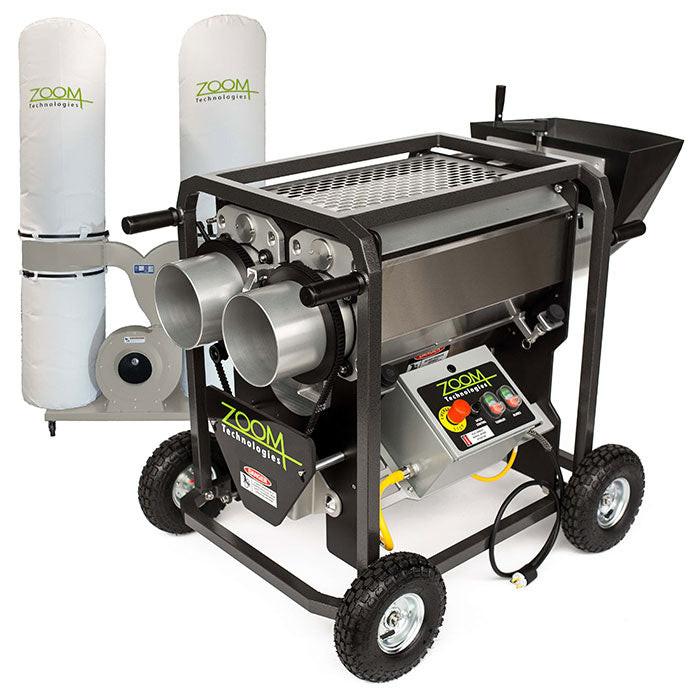
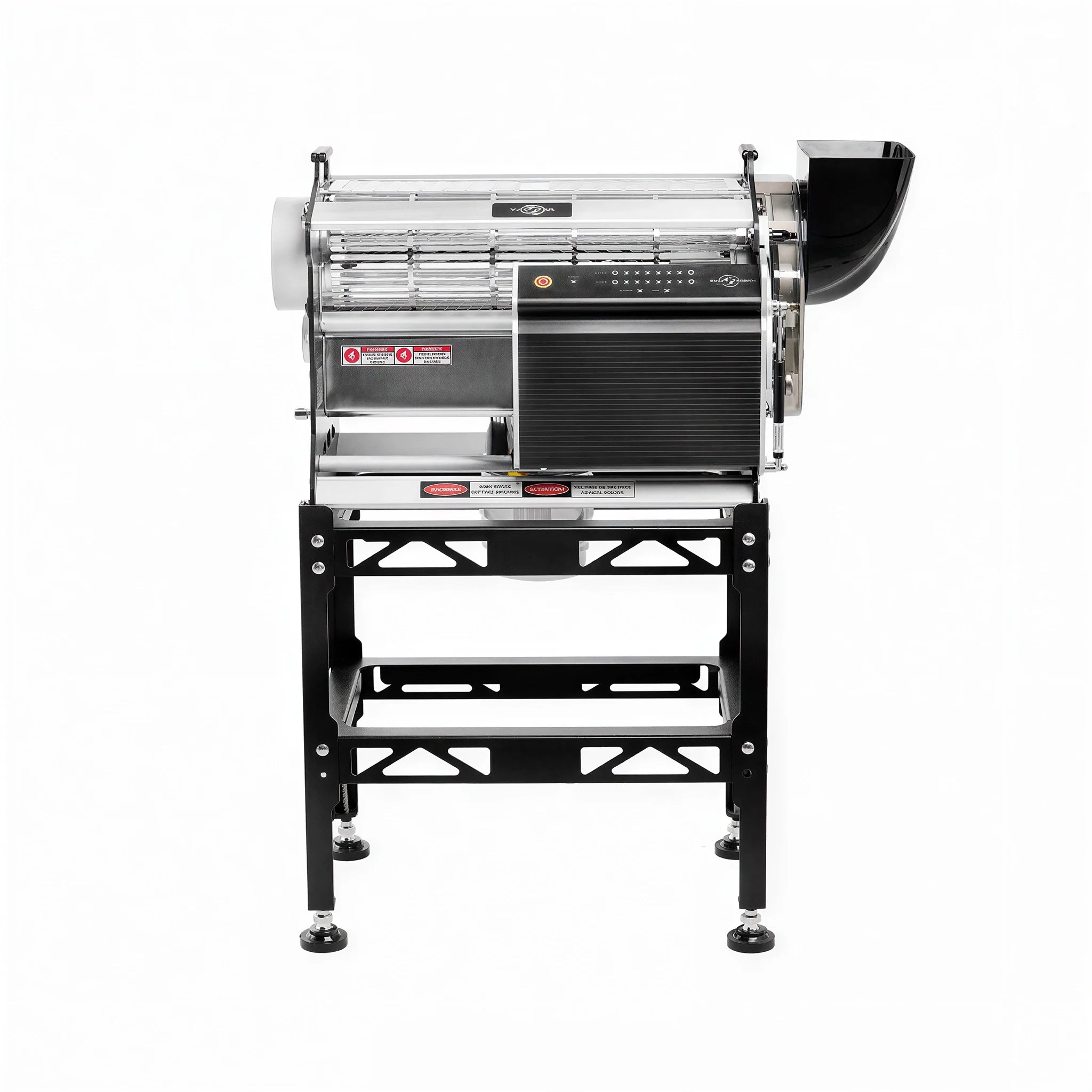
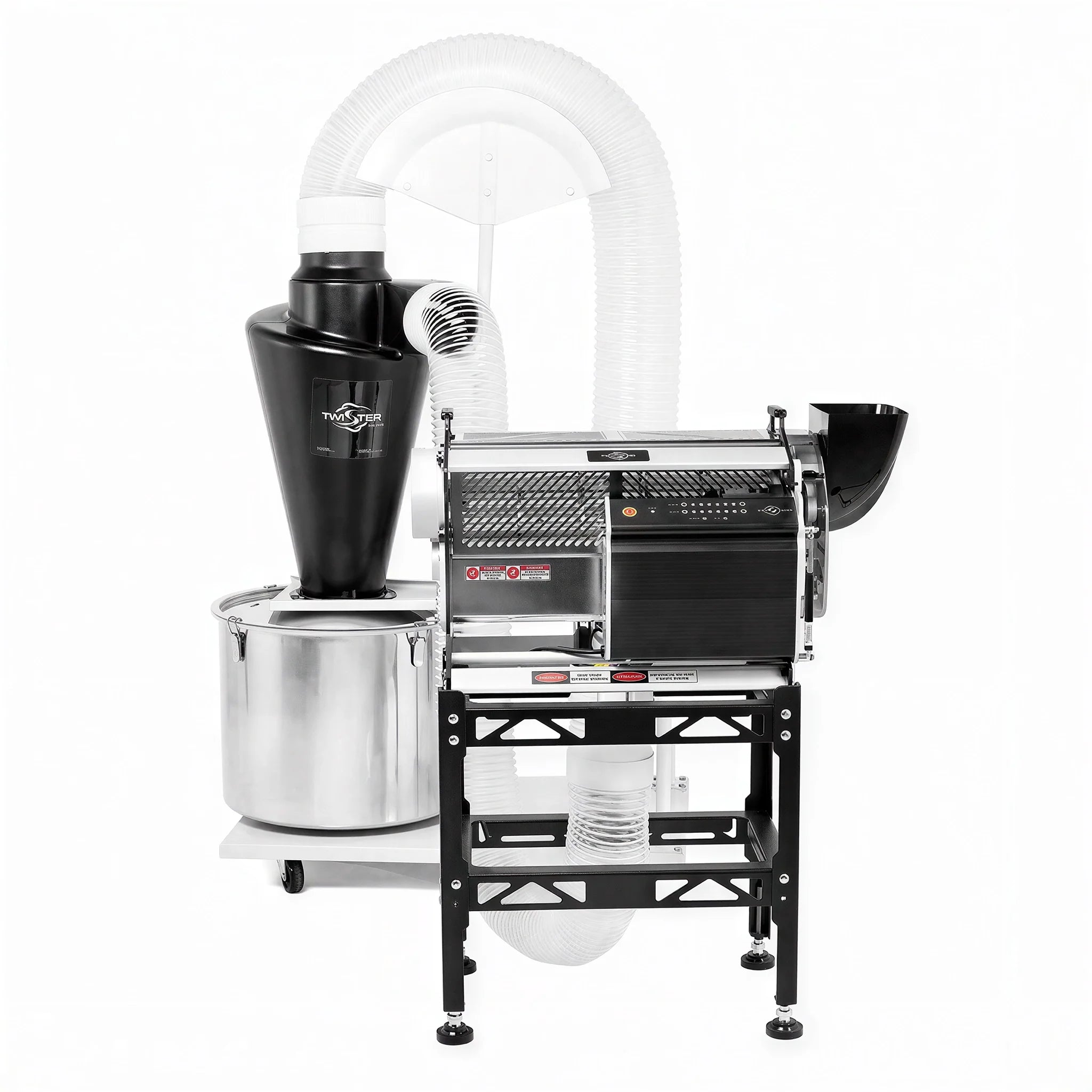
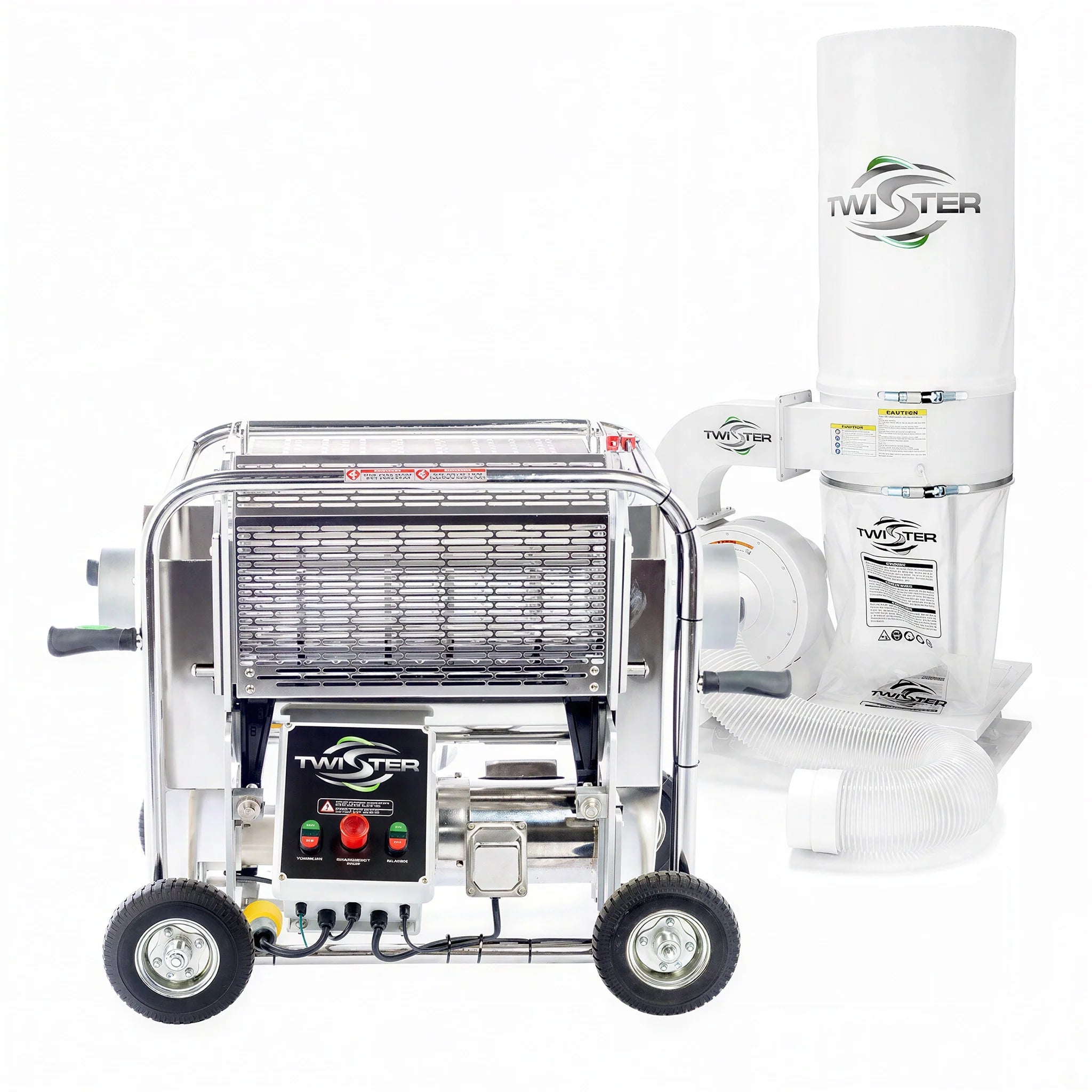
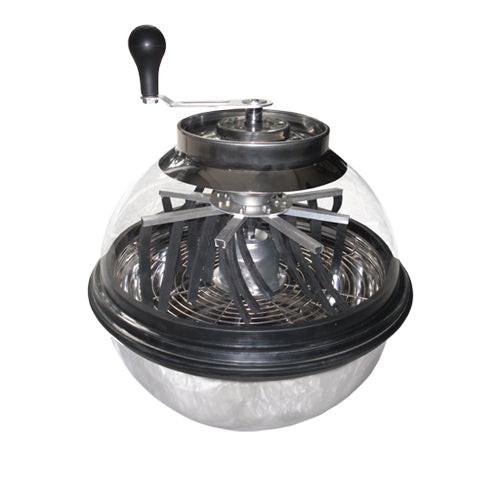
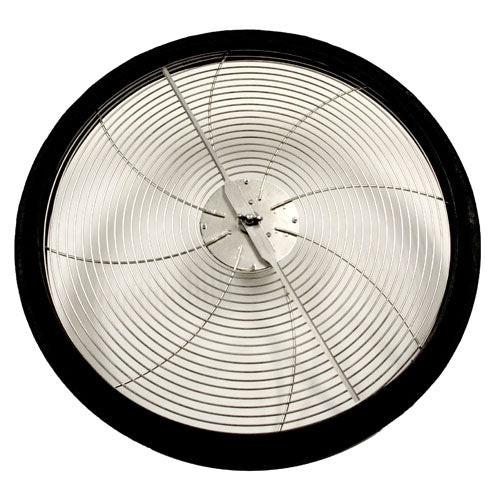
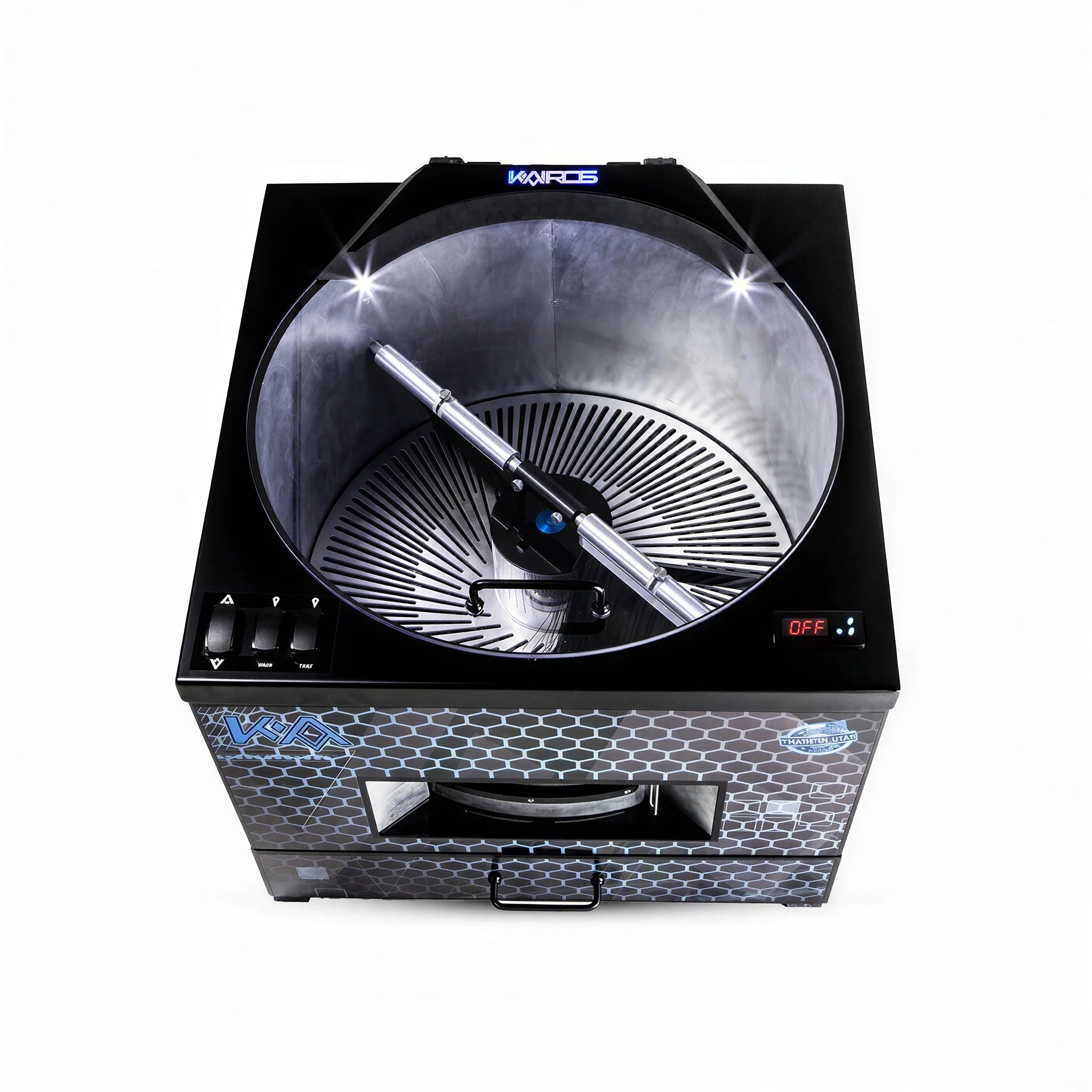
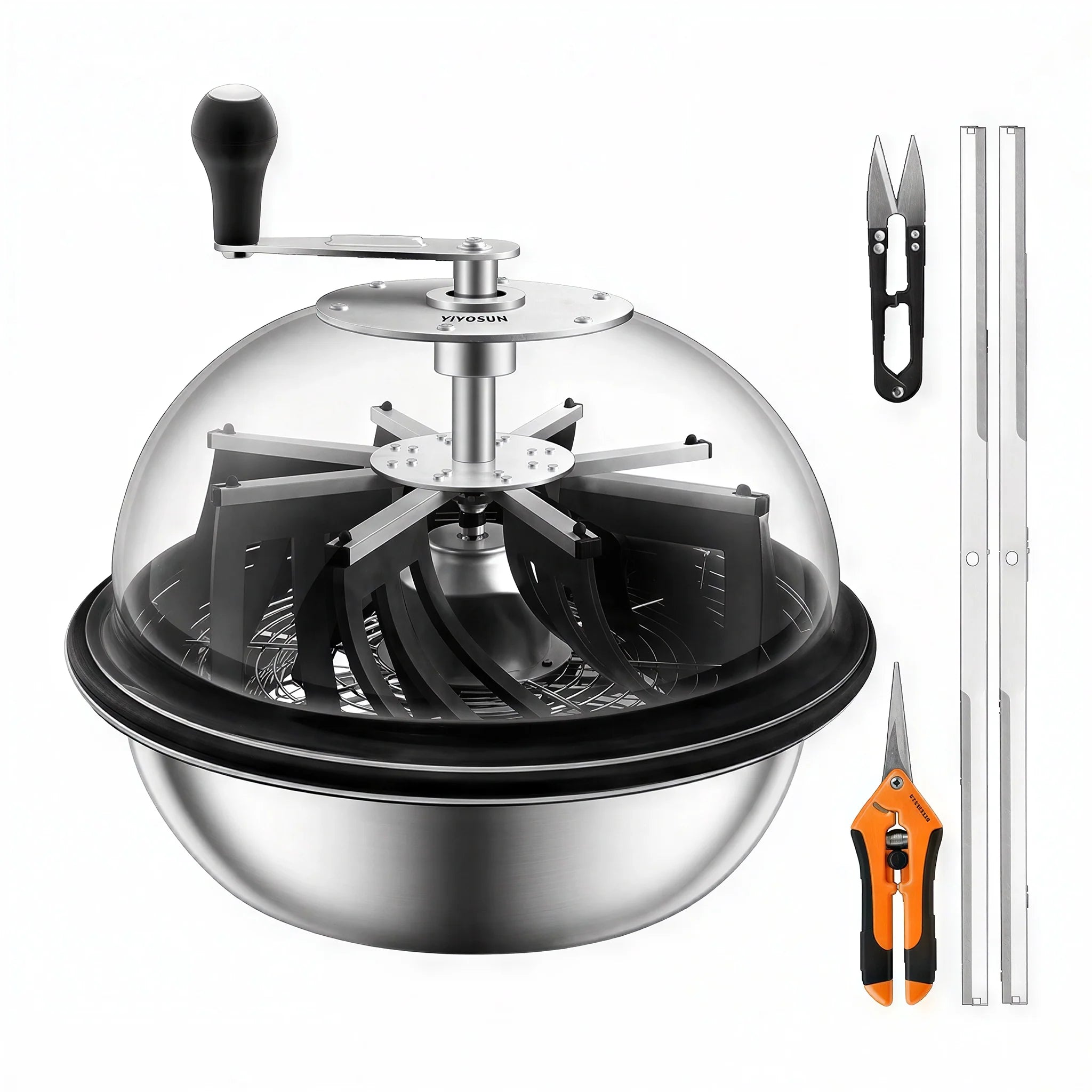
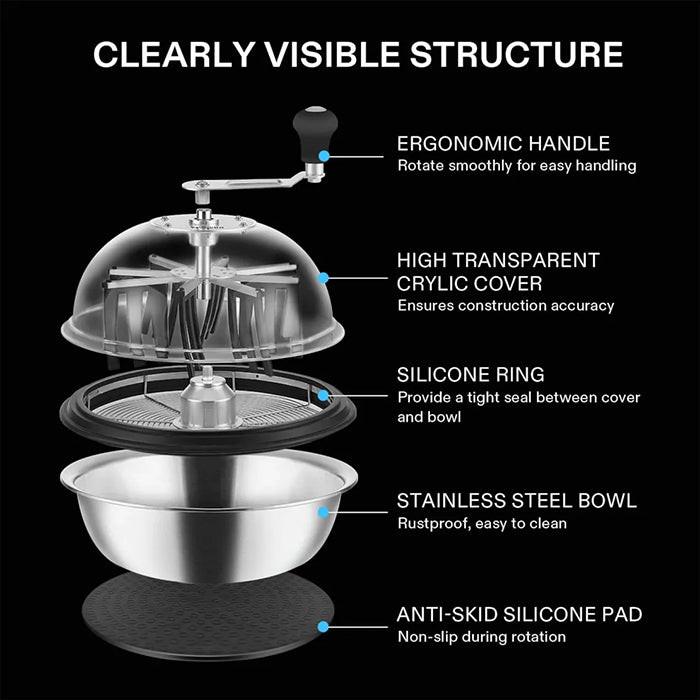
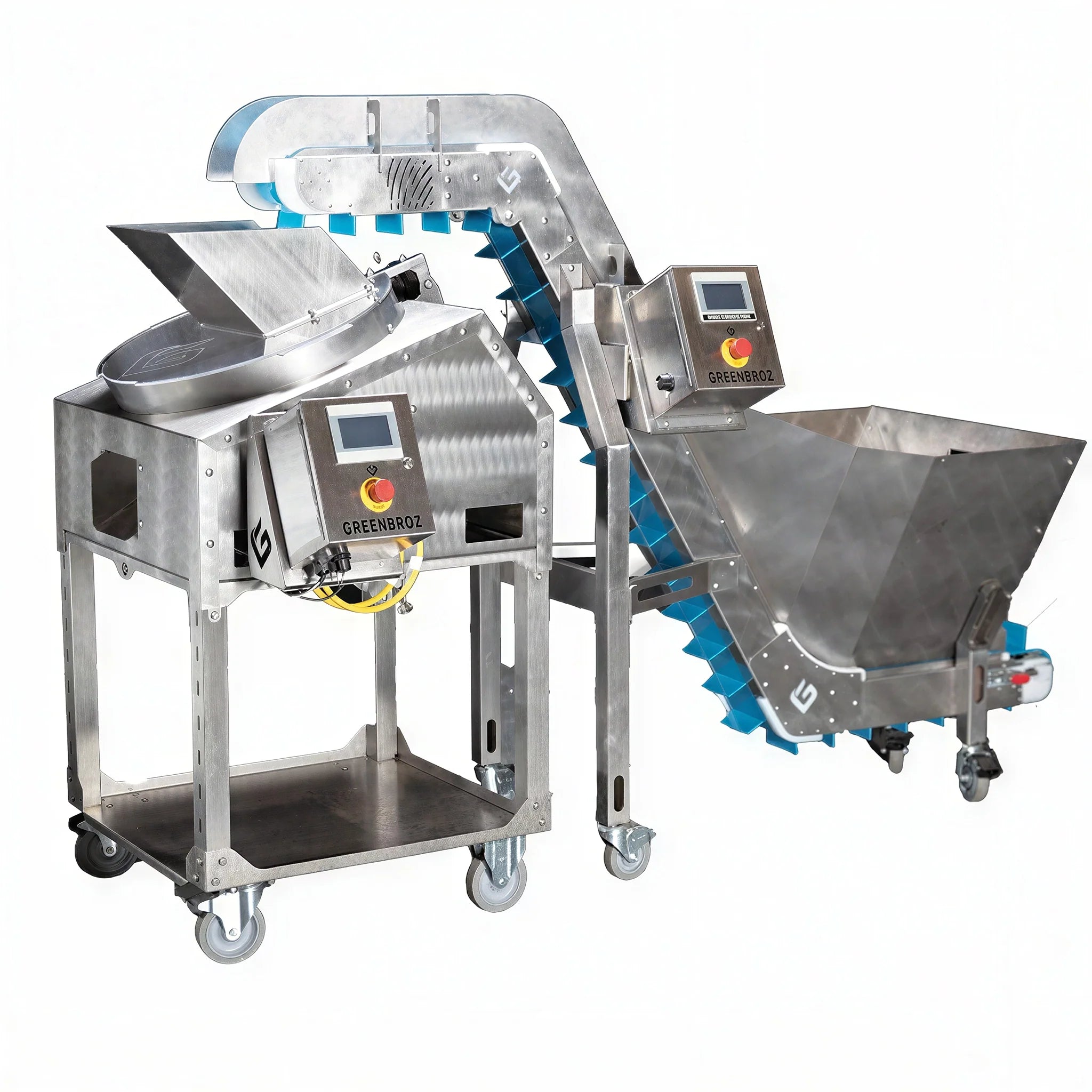
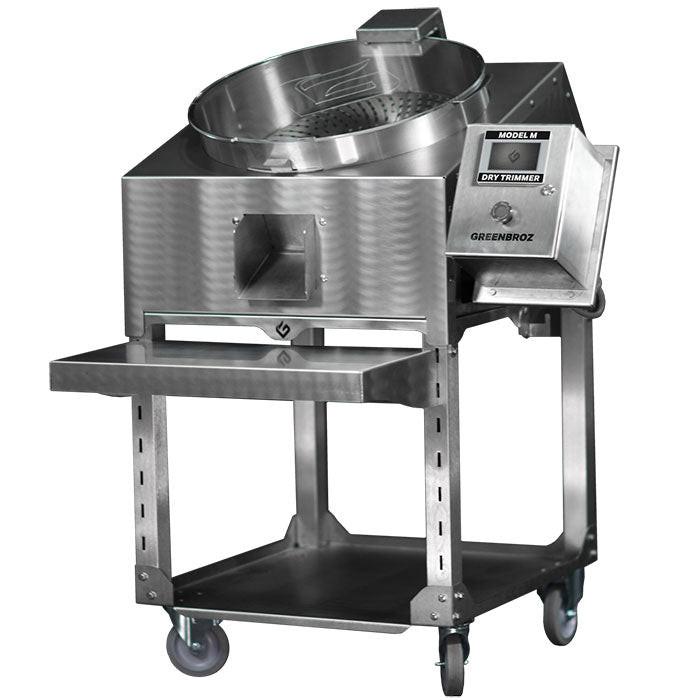
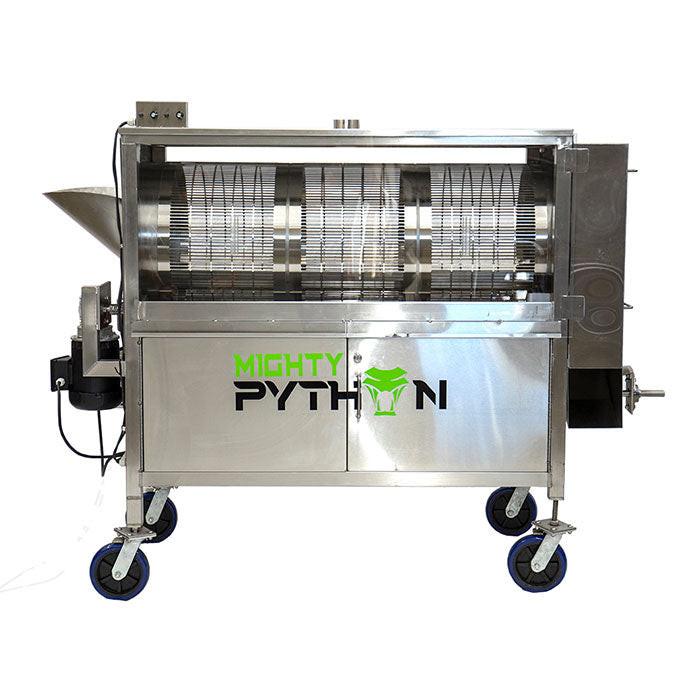
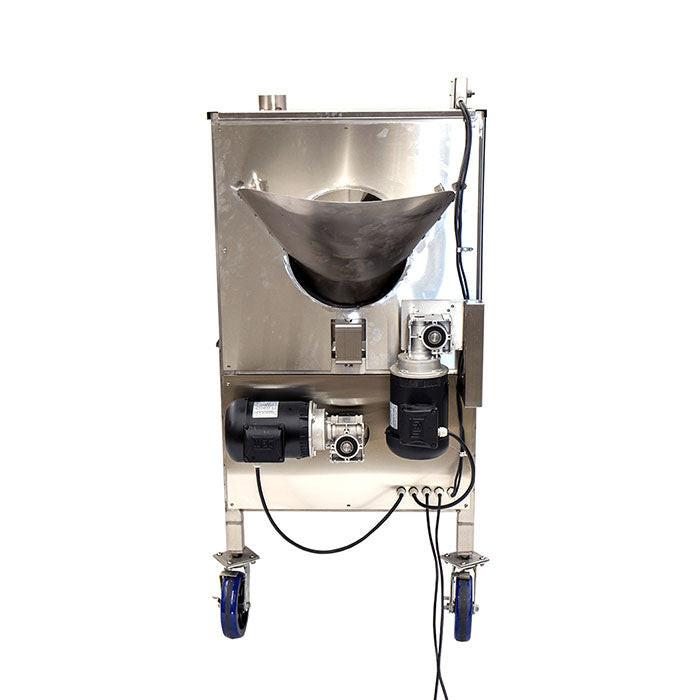
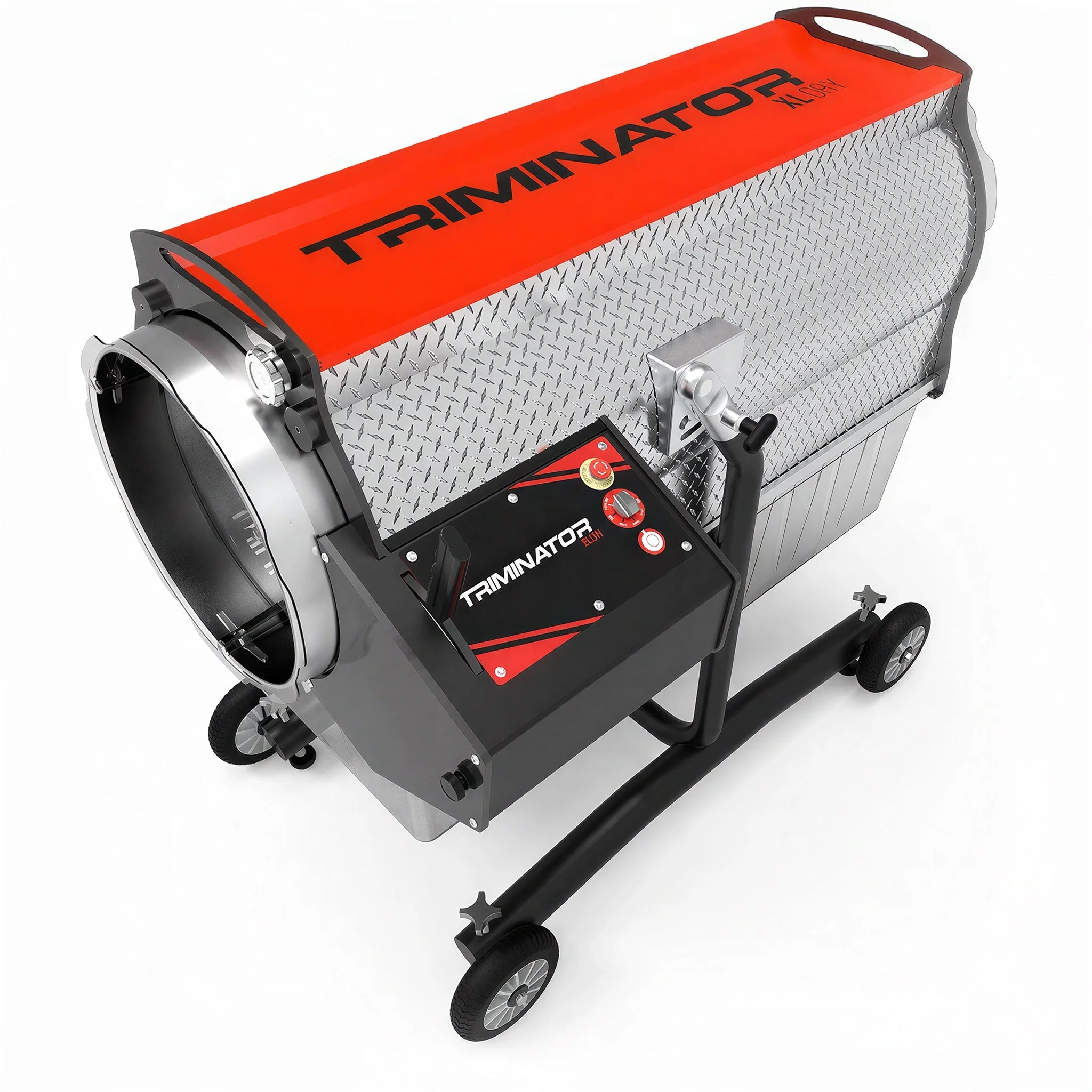
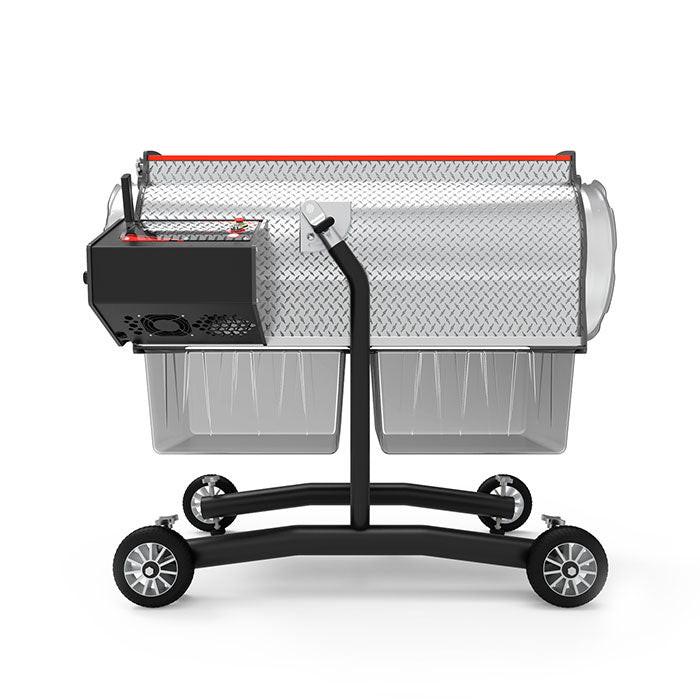
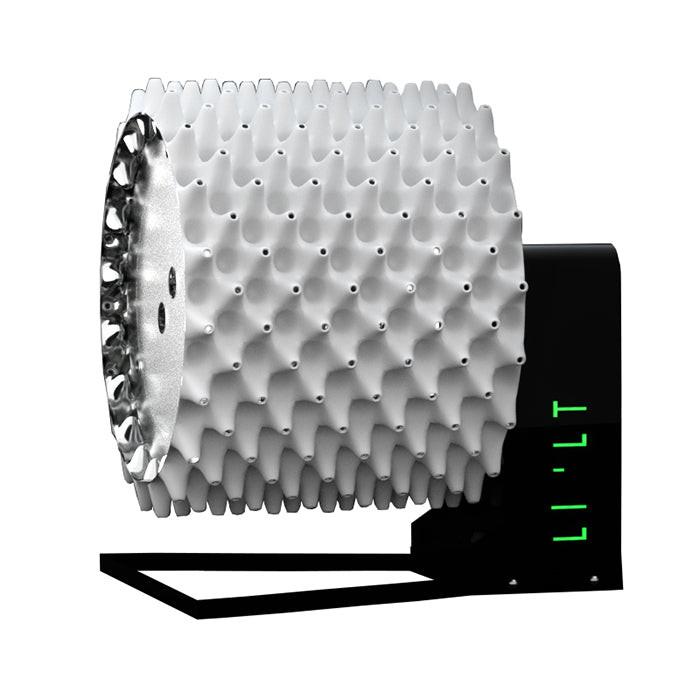
Dry trimming machines are characterized by adjustable speed settings (slower is gentler on dried flowers), tumble drum designs with larger perforations to accommodate more fragile dried material, and blade configurations that minimize mechanical impact while still removing leaf coverage. Triminator's Dry trimmer is one of the most widely used purpose-built dry trimming machines in commercial operations, with a flat-bed design that handles dried material gently while maintaining commercial throughput. CenturionPro's tumble machines with dry-trim speed settings cover the commercial volume range. For small-scale dry trimming, adjusted-speed bowl trimmers from our bowl trimmers collection handle occasional batches of dried material without the cost or footprint of a commercial electric machine. For independent model comparisons, see our best trimming machine guide.
The Dry Trimming Workflow
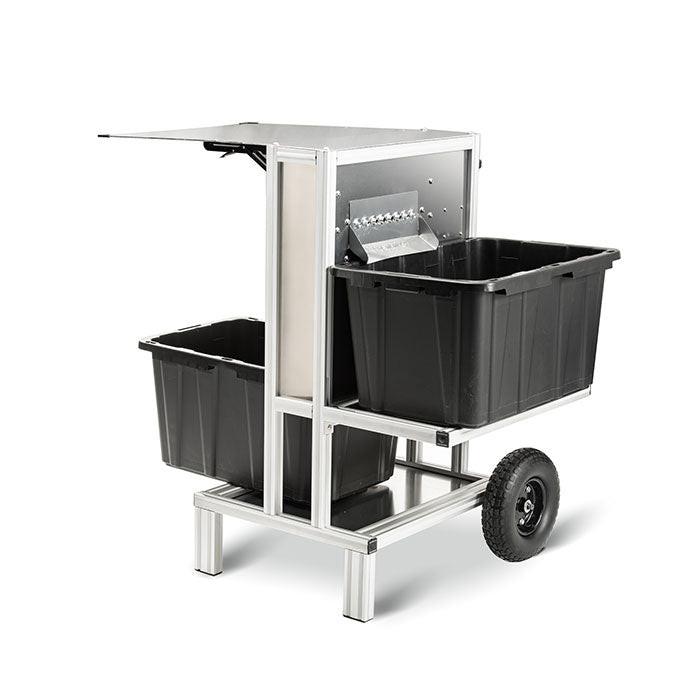
The dry trimming workflow differs from wet trimming in timing but follows the same logical sequence. Material is harvested and hung or placed on drying racks -- browse our drying racks collection for multi-tier mesh racks and hanging nets that maximize airflow during the drying phase. After drying to target moisture content (stems snap, exterior feels dry), material is de-stemmed with a bucking machine if not already done at harvest, then fed through the dry trimmer. After dry trimming, a finishing pass with hand trimming scissors handles any detail work before the material moves to curing and storage. A trim tray collects material throughout the process. See our complete harvest, drying and curing guide for the full workflow from cut through cure, and our trimming machine care guide for maintenance procedures that apply to both wet and dry machines.
After Dry Trimming: Curing & Storage
Dry trimming feeds directly into the curing phase -- the controlled environment process that develops final aroma, flavor, and texture over weeks of sealed storage. After dry trimming, transfer material to curing containers (airtight glass or sealable bags) and open daily during the first 1-2 weeks to release moisture and exchange air. For commercial operations where curing space and monitoring are challenges at scale, automated curing equipment and environmental monitoring provide more consistent results than passive jar curing. Browse our complete harvest and drying packages for curated equipment bundles covering the full drying and curing phase. Expert support available.
Dry Trimming Machines FAQ
What is dry trimming and why do growers choose it?
Dry trimming means trimming leaf material from harvested flowers after the drying phase is complete rather than trimming at harvest (wet trimming). Growers choose dry trimming primarily because leaving leaves intact during drying slows the process, which many believe preserves more aromatic compounds compared to the faster drying that follows wet trimming. The operational tradeoff: dry trimming is slightly more mechanically challenging because dried leaves are more brittle and more closely adhered to dried flower surfaces. For a full comparison of both methods with guidance on which suits your workflow and quality goals, see our wet vs. dry trimming guide.
Can I use a regular trimming machine for dry trimming?
Some trimming machines are dry-capable with the right speed settings and blade configuration; others are designed specifically for wet material and will damage dried flowers if used at standard speeds. Check the machine's specifications before using on dry material. Purpose-built dry trimmers (Triminator Dry, CenturionPro with dry settings) produce better results with less product damage than forcing a wet-only machine through dry material. If you are unsure whether your machine handles dry material, our trimming machine care guide covers operating settings by machine type for both wet and dry processing.
What moisture content should material be at for dry trimming?
Most dry trimming is done when flowers have reached approximately 10-15% moisture content -- the point where stems snap rather than bend, outer surfaces feel dry to the touch, and smaller leaves are crisp rather than pliable. Below 8-10%, material becomes extremely brittle and mechanical trimming at any speed causes significant breakage. Above 15-18%, wet-trim dynamics still apply. The standard snap-vs-bend stem test is the most practical field assessment; a moisture meter gives precise readings. For guidance on the full drying phase before dry trimming, see our harvest, drying and curing guide.
What should I do after dry trimming?
After dry trimming, material is ready for the curing phase -- sealed storage in airtight containers with periodic airing to develop final quality characteristics. For any pieces that need additional detail finishing, a pass with hand trimming scissors completes the presentation work before curing. For growers processing significant volumes at commercial scale, our complete harvest and drying packages include curated equipment for the full drying and curing phase. Our harvest, drying and curing guide covers the curing process in detail.