Dry Sift Tumblers & Rotary Drum Screens
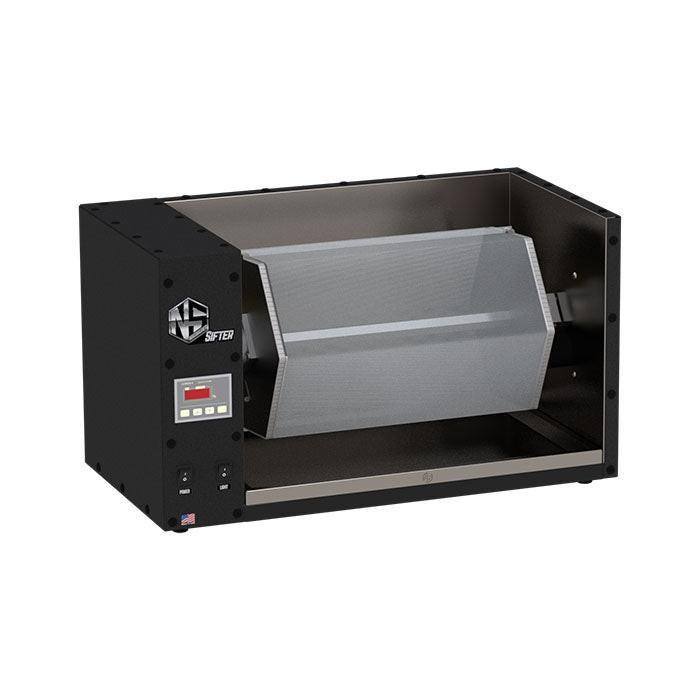
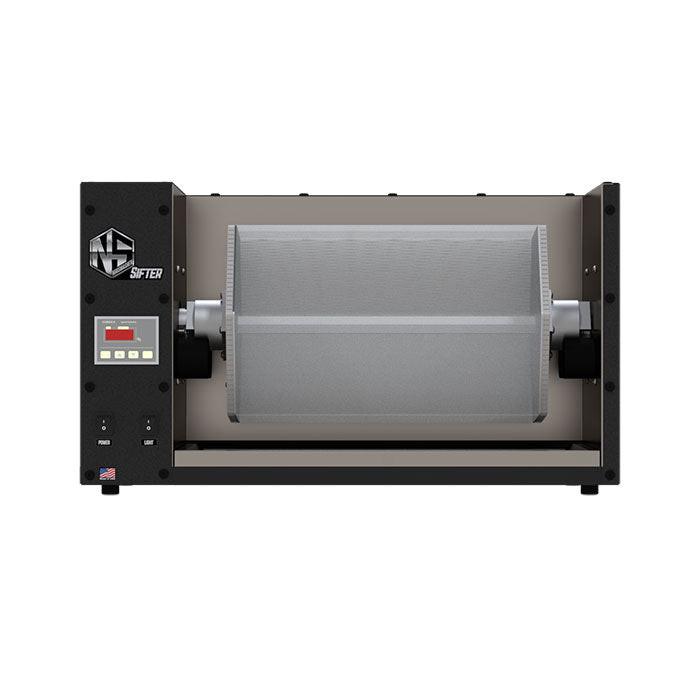
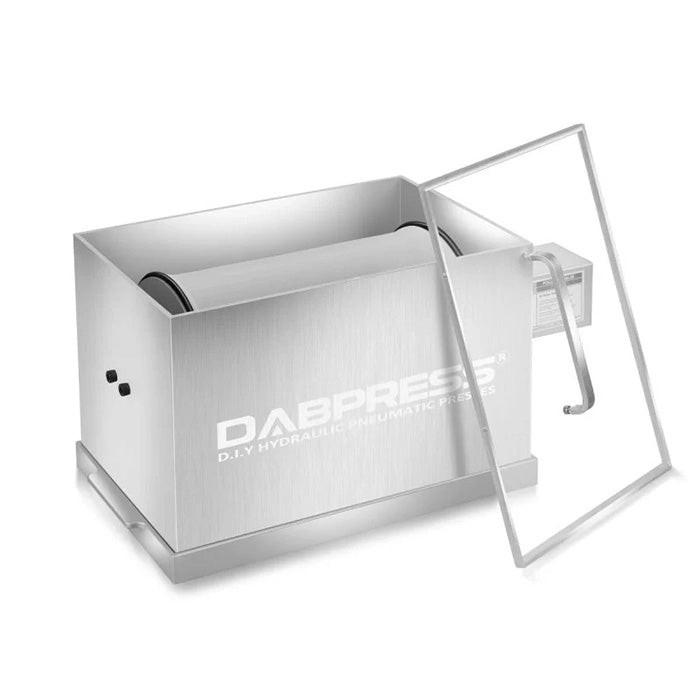
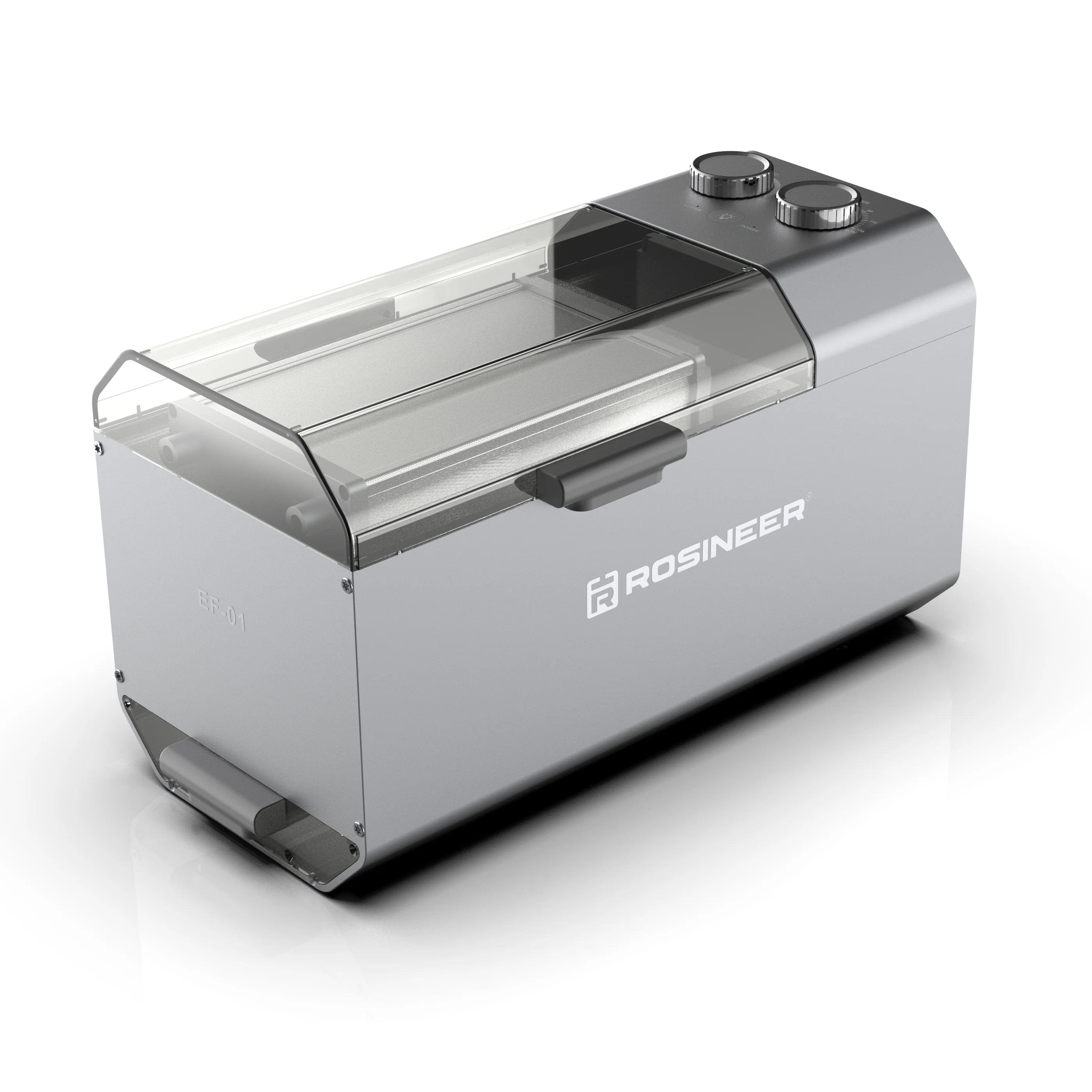
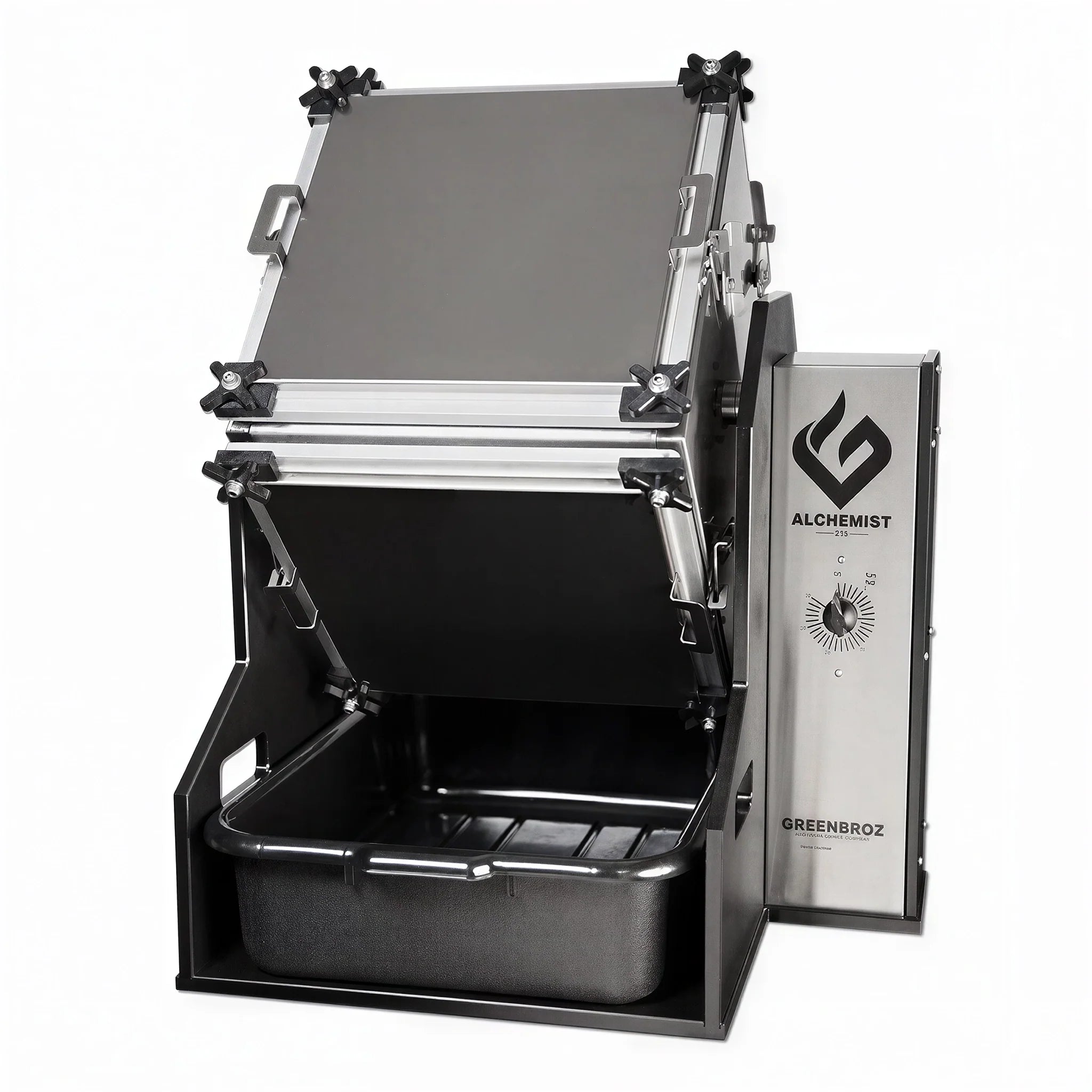
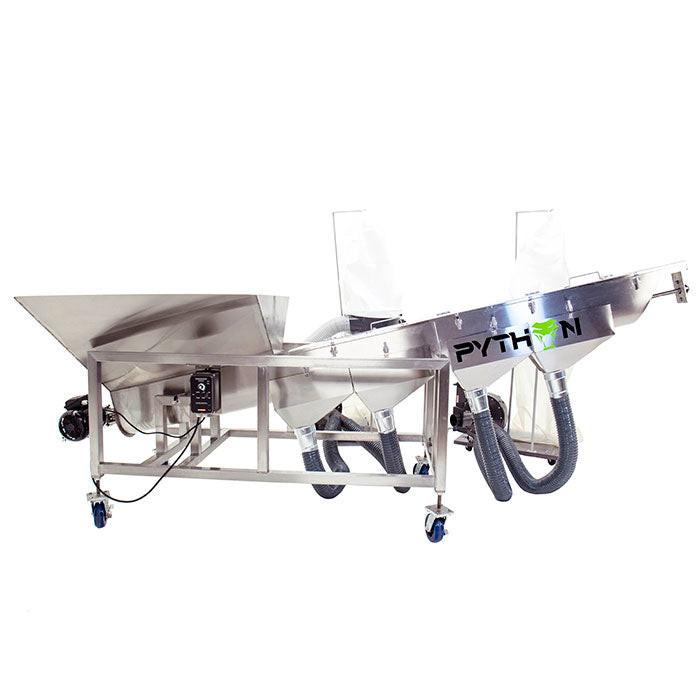
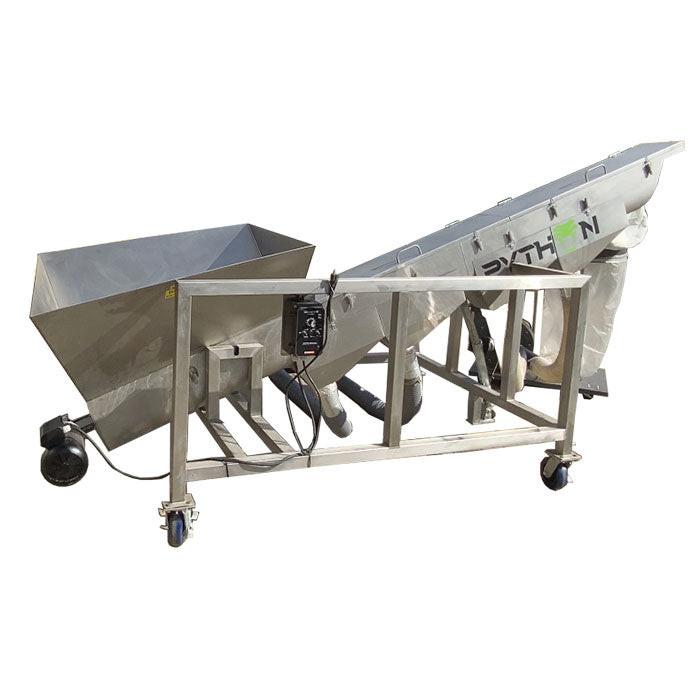
Dry sift tumblers use a rotating perforated drum with interchangeable mesh screens to separate dried botanical plant material by particle size through mechanical tumbling action. As plant material tumbles inside the rotating drum, trichomes and fine particles that are smaller than the mesh openings fall through the screen onto a collection surface while larger plant material is retained inside the drum. The process is entirely dry -- no solvents, no water, no heat required -- making it one of the simplest separation methods available. Tumbler drum sizes range from small hand-crank countertop models through large motorized commercial drums capable of processing significant material volumes per cycle.
Tumbler Design & Screen Selection
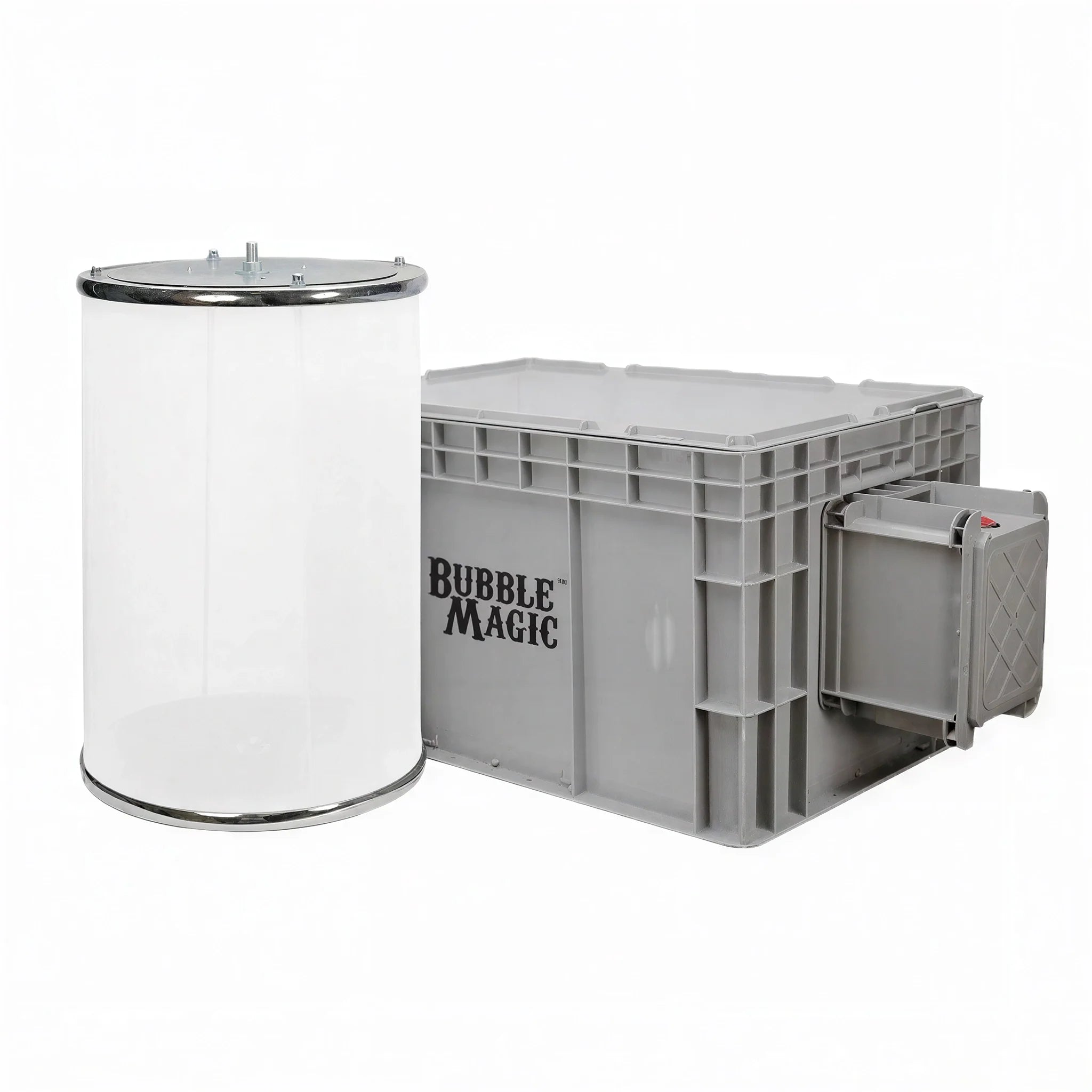
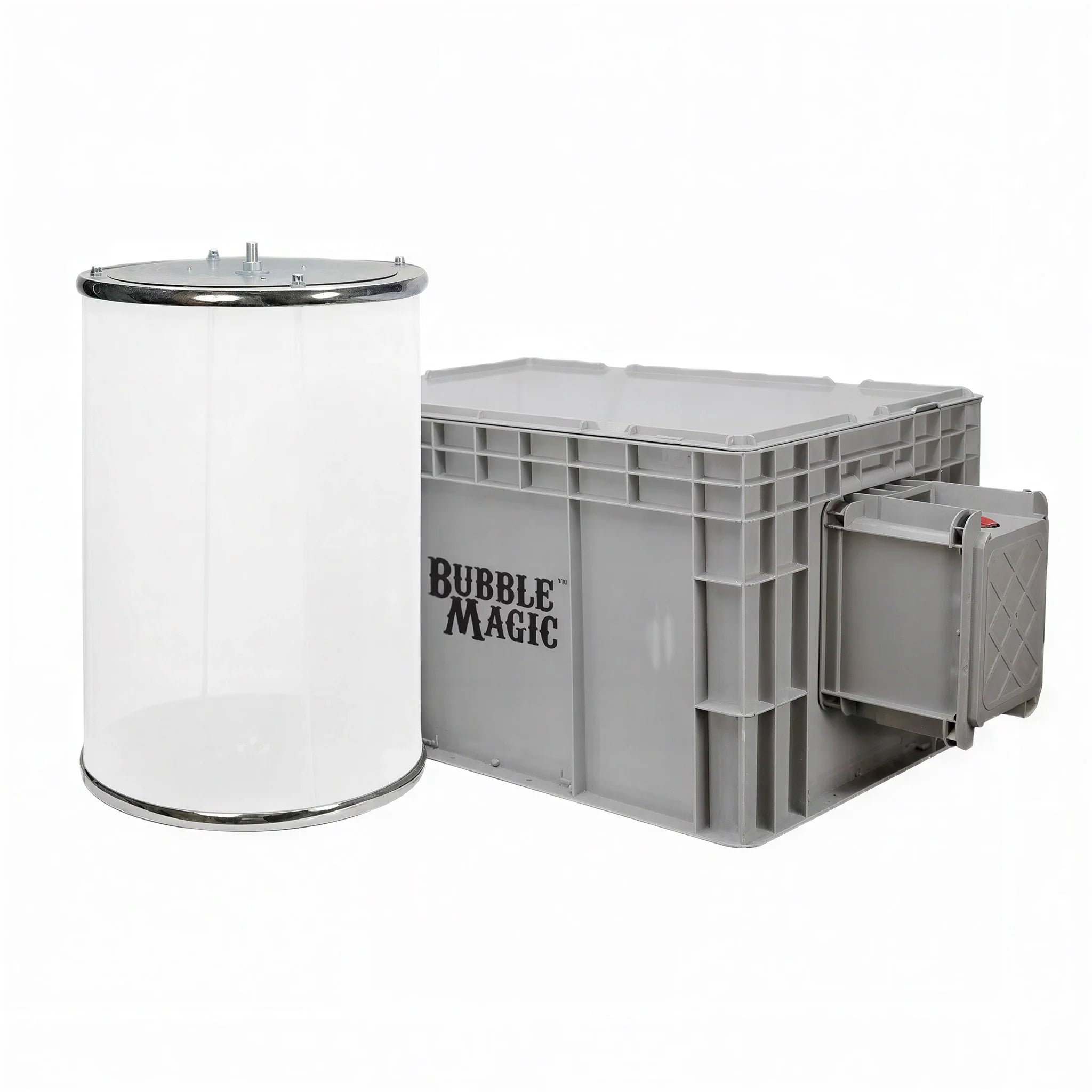
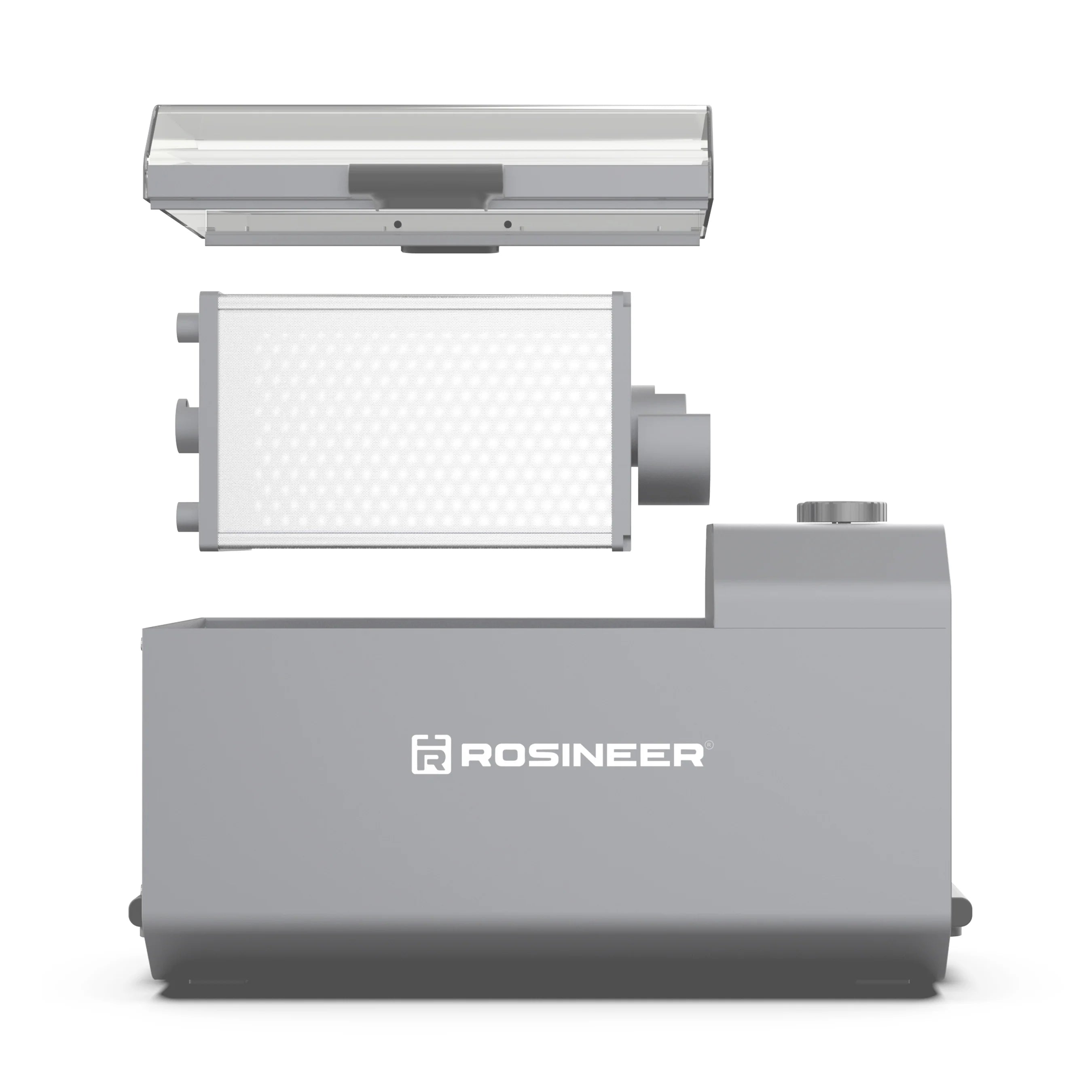
Drum tumblers consist of a cylindrical mesh drum mounted horizontally with a motor or hand crank, a collection tray or box beneath the drum, and typically a set of interchangeable mesh screens at different micron ratings. Common screen sizes for botanical dry sifting: 73-80 micron (fine, high-quality output); 125-150 micron (medium, higher yield at lower purity); 220 micron (coarse, quantity-focused output). Larger mesh openings increase throughput rate and yield but allow more plant material particles through, reducing output purity. Temperature matters for dry sifting -- working in a cold environment (below 60 degrees F) or using a cold room increases the brittleness of trichome stalks and improves separation quality, similar to the cold principle behind cold water extraction.
Processing Time & Yield
Dry sift tumbler processing time affects quality and yield in opposite directions -- shorter tumbling time (1-3 minutes for quality output) produces cleaner, purer sift by limiting the time plant material has to break apart into contaminant particles. Longer tumbling time (5-15+ minutes) increases yield by extracting more trichomes but at progressively lower purity as plant material degrades. Most commercial operators run multiple short cycles rather than one long cycle from the same material, collecting quality-grade output in the first short runs and lower-grade bulk output in extended final runs. Fast shipping.
Dry Sift Tumblers FAQ
What is dry sifting and how does a tumbler work?
Dry sifting is a mechanical separation process where dried plant material is tumbled over or through a mesh screen, allowing particles smaller than the mesh openings (primarily trichomes) to fall through while larger plant material is retained. A tumbler does this with a rotating cylindrical drum -- material goes in one end, the drum rotates, and fine particles fall through the screen onto a collection tray below. The process requires no water, solvents, or heat -- just the mechanical tumbling motion and appropriately sized mesh.
What mesh size should I use for dry sifting?
73-80 micron screens produce the cleanest, highest-quality dry sift by selecting only the smallest, most complete trichome heads. 125-150 micron screens produce higher yield at somewhat lower purity -- more material passes through including larger trichome fragments and some fine plant particles. For a first run from quality material, start with a 73-micron screen for the highest-quality output, then optionally run the same material through a 150-micron screen to collect additional lower-grade yield from the residual trichomes that did not pass through the fine screen.
How cold should the environment be for dry sifting?
Colder is better -- working at 50-60 degrees F or lower increases trichome brittleness, making them more likely to break cleanly from the plant surface rather than bending and reattaching. Some operators work in a cold room or use dry ice to cool the material and tumbler before and during processing. At minimum, ensure the material is fully dried and cool before sifting -- wet or warm material produces significantly lower quality output regardless of equipment quality. Pre-freezing material for 30-60 minutes before sifting improves separation noticeably in warm-environment operations.
How long should I tumble for best quality?
For highest-quality output: 1-3 minutes of tumbling for quality material. Short cycles allow trichome heads to separate without breaking up the plant material into fine contaminant particles that also pass through the screen. Monitor the output in the collection tray -- when the flow of material through the screen slows significantly, the first quality-grade pass is complete. You can continue tumbling for 5-10 additional minutes to collect a higher-yield second-grade pass from the same material, understanding that this lower-grade run will contain more plant material contamination.
How do I clean a dry sift tumbler?
Clean the drum mesh with a soft brush (like a clean paintbrush or dedicated screen brush) to dislodge any material lodged in the mesh openings. Avoid water for basic cleaning -- wet mesh is harder to clean than dry mesh because water makes plant material sticky. For deep cleaning between material types or at session end: use compressed air to blow through the mesh from the inside out, then brush. For stubborn buildup, a brief isopropyl alcohol wipe of the mesh panel (fully dry before use) removes oil residue that traps fine particles in the mesh openings.