Dehumidifier Filters, Parts & Replacement Components
Dehumidifiers in growing environments operate under more demanding conditions than residential units -- continuous high-duty-cycle operation, elevated inlet humidity from plant transpiration, and higher ambient particulate levels from growing media, plant material, and biological activity all accelerate wear on dehumidifier components beyond normal residential replacement intervals. Maintaining key components on schedule keeps dehumidifiers operating at rated capacity, preventing the humidity control failures that allow botrytis, powdery mildew, and other humidity-related diseases to establish.
Air Filter Panels
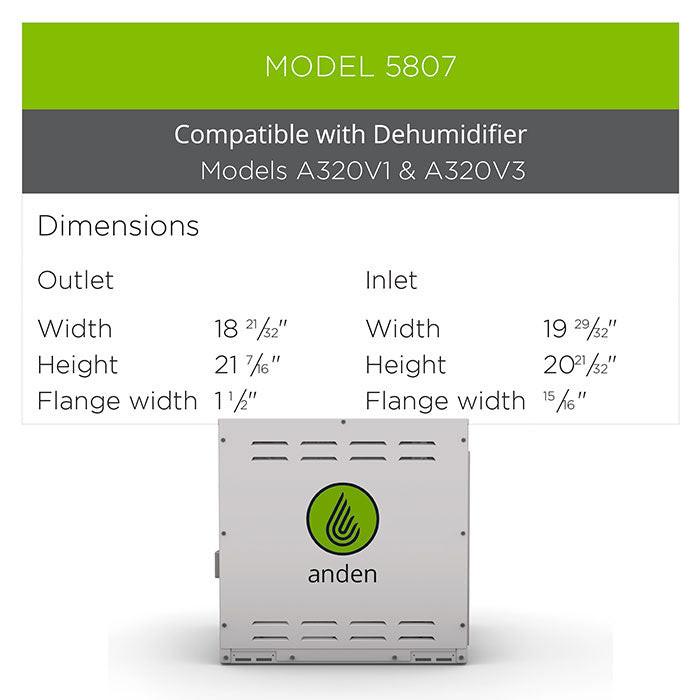
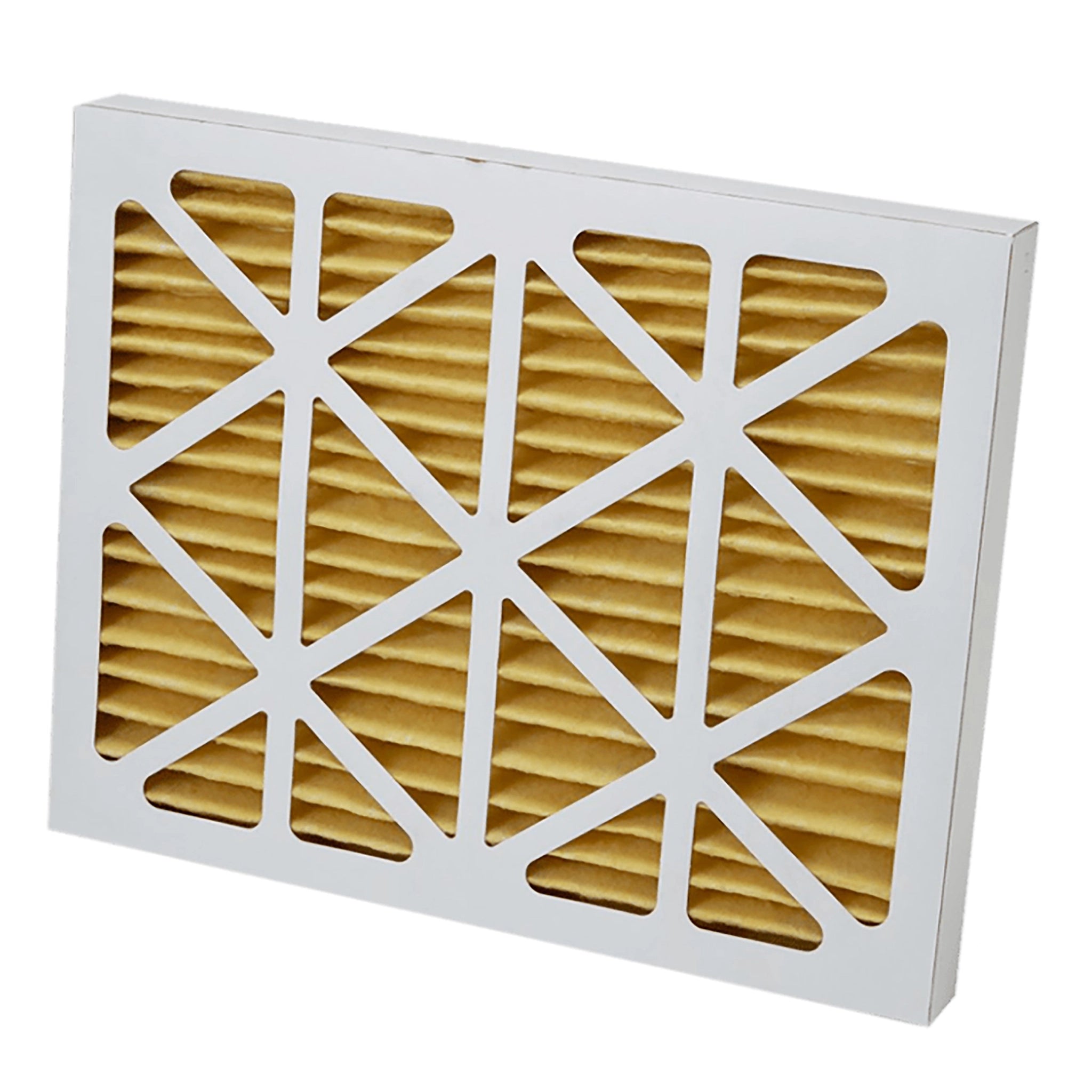
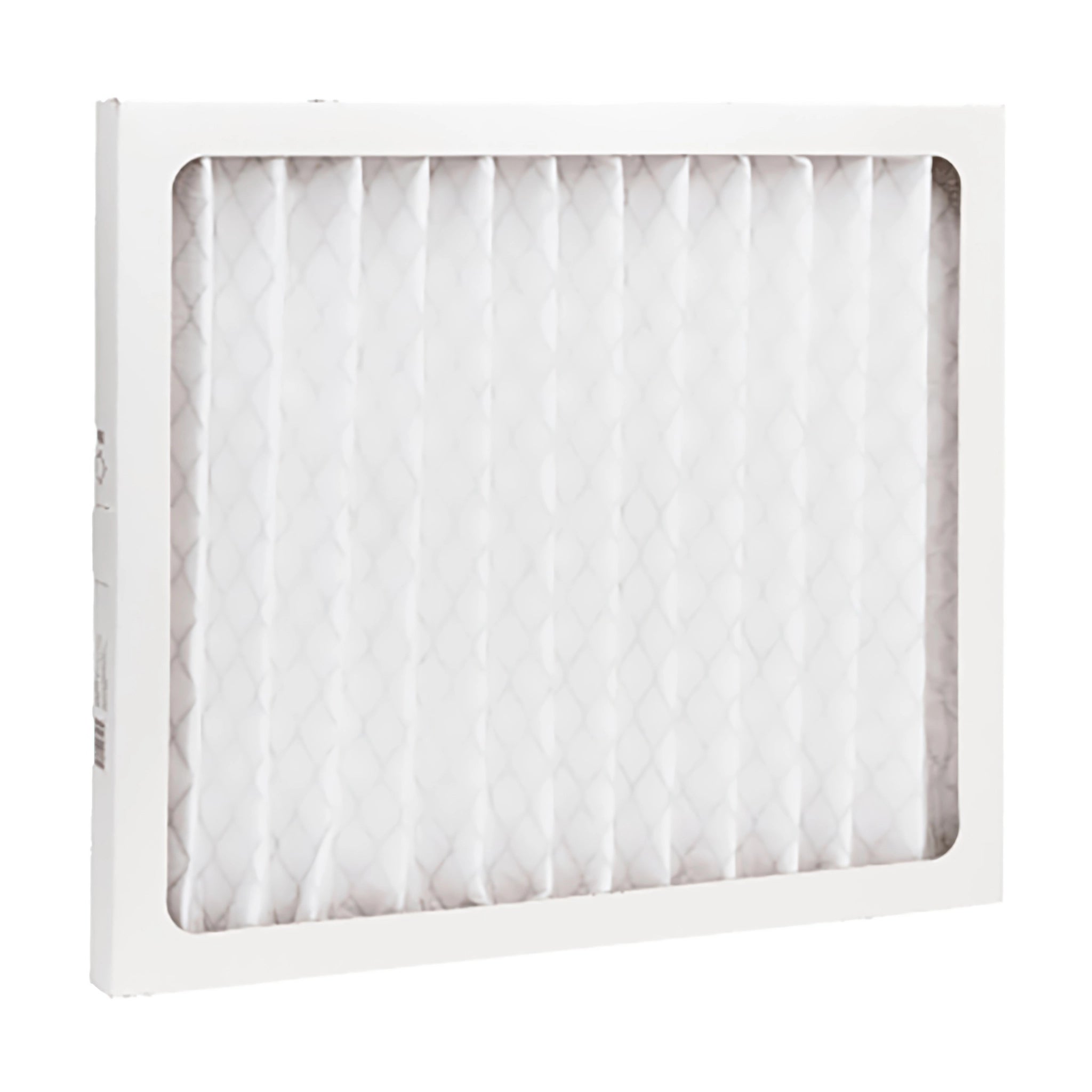
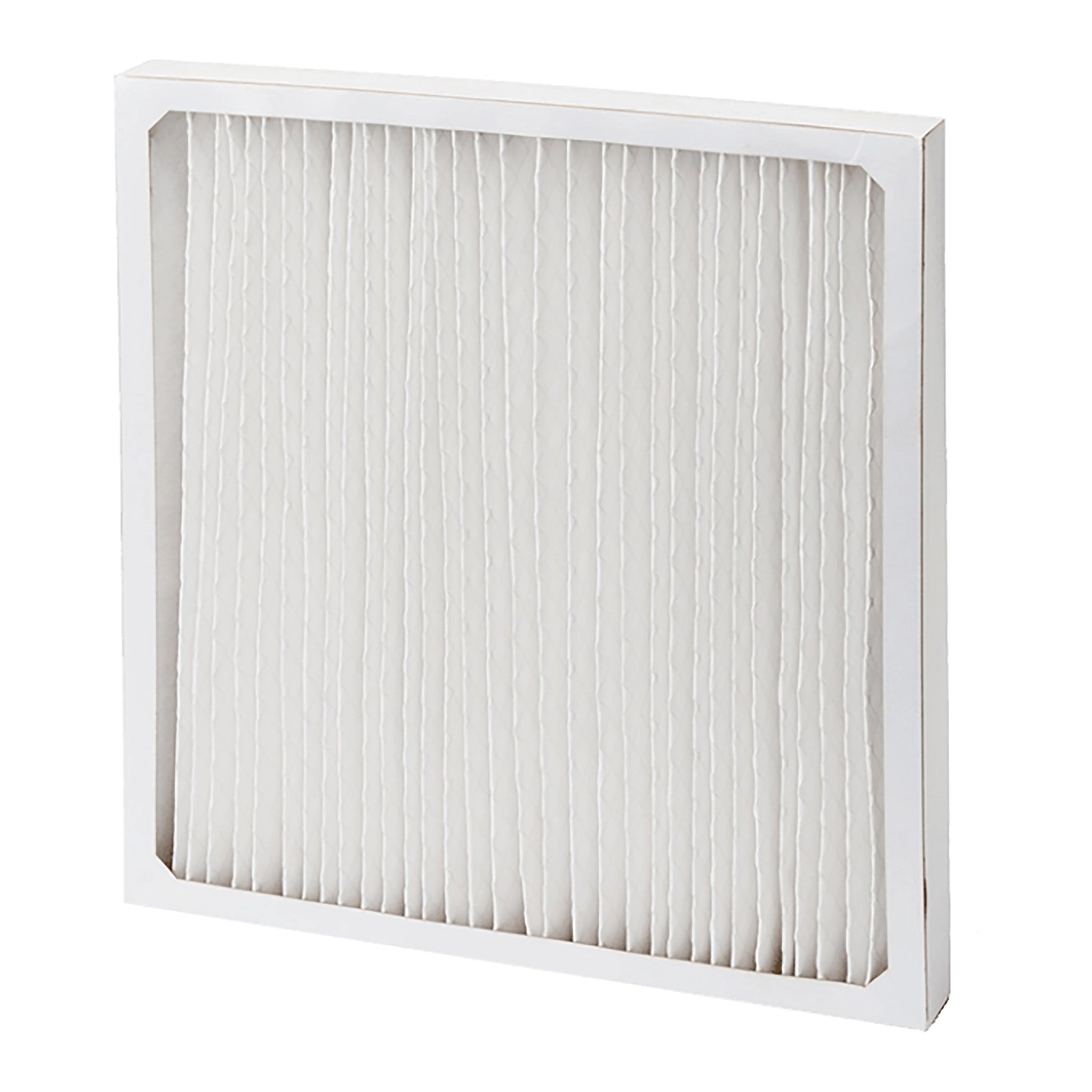
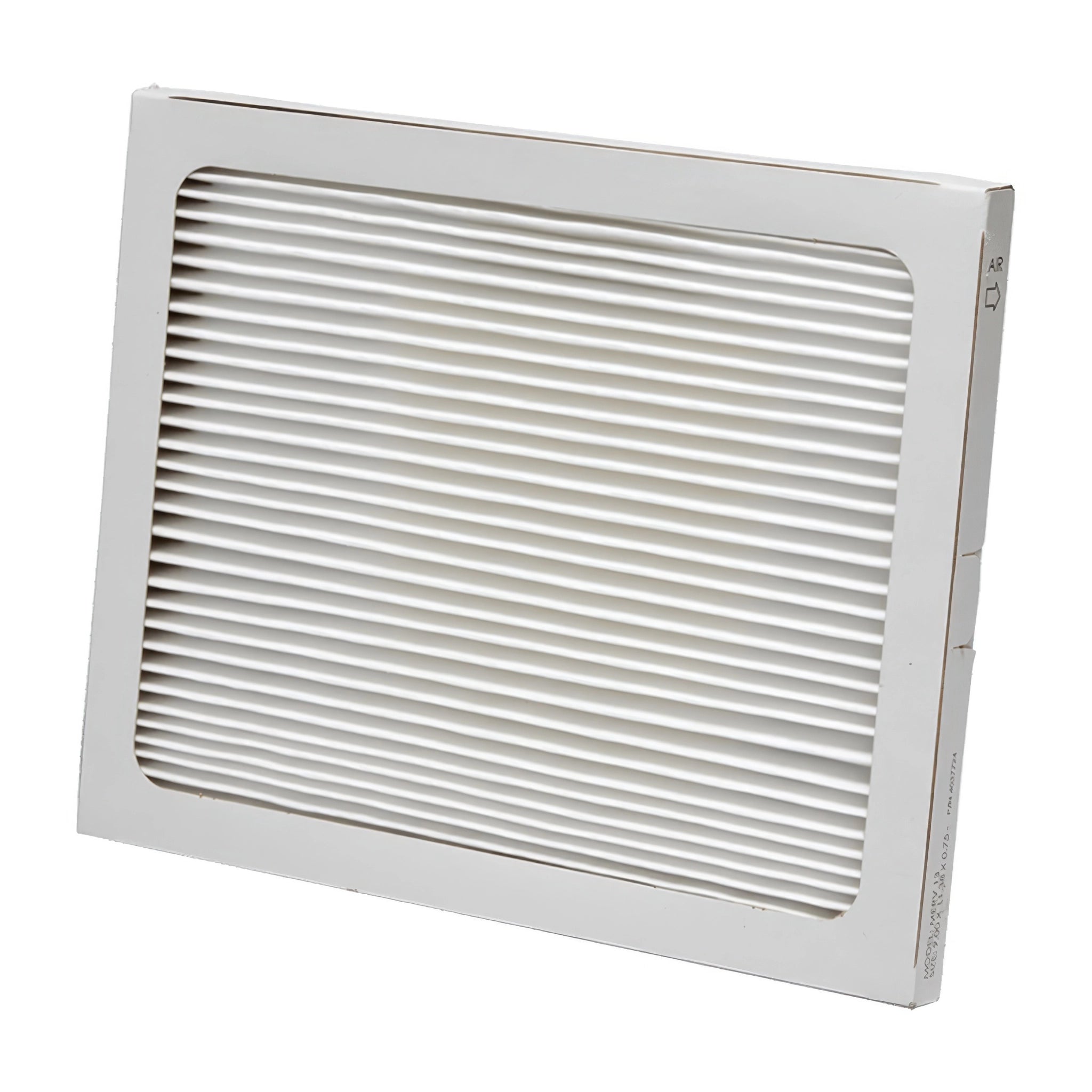
Dehumidifier air filters protect the evaporator coil from dust and particulate accumulation that insulates the coil surface and reduces heat transfer efficiency -- the same mechanism that affects AC performance when filters are neglected. In grow rooms, dehumidifier air filters load significantly faster than in residential applications. Clean or replace filters every 1-4 weeks depending on the dust and particulate level in the growing environment. A severely clogged dehumidifier filter restricts airflow enough to cause the evaporator coil to ice over, stopping dehumidification completely until the ice melts. Dehumidifier air filter sizes are model-specific -- verify your specific dehumidifier model before ordering replacement filters.
Condensate Drain Pumps & Components
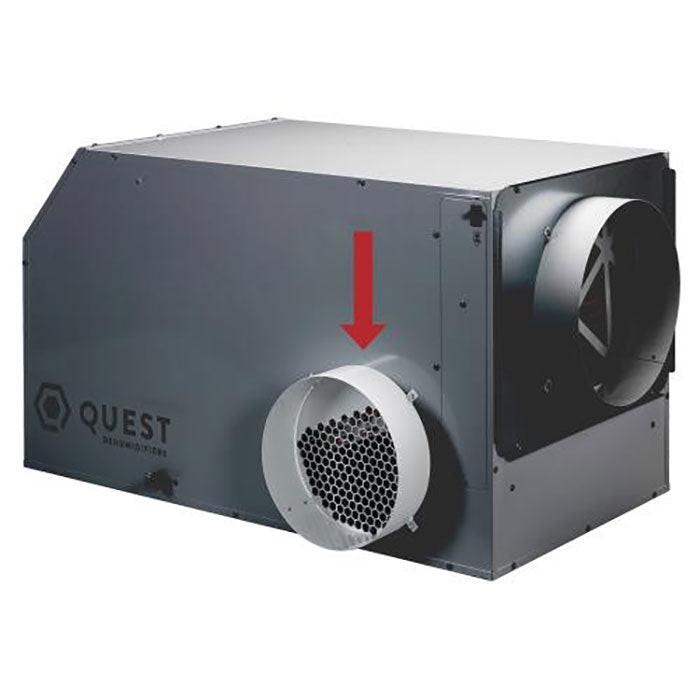
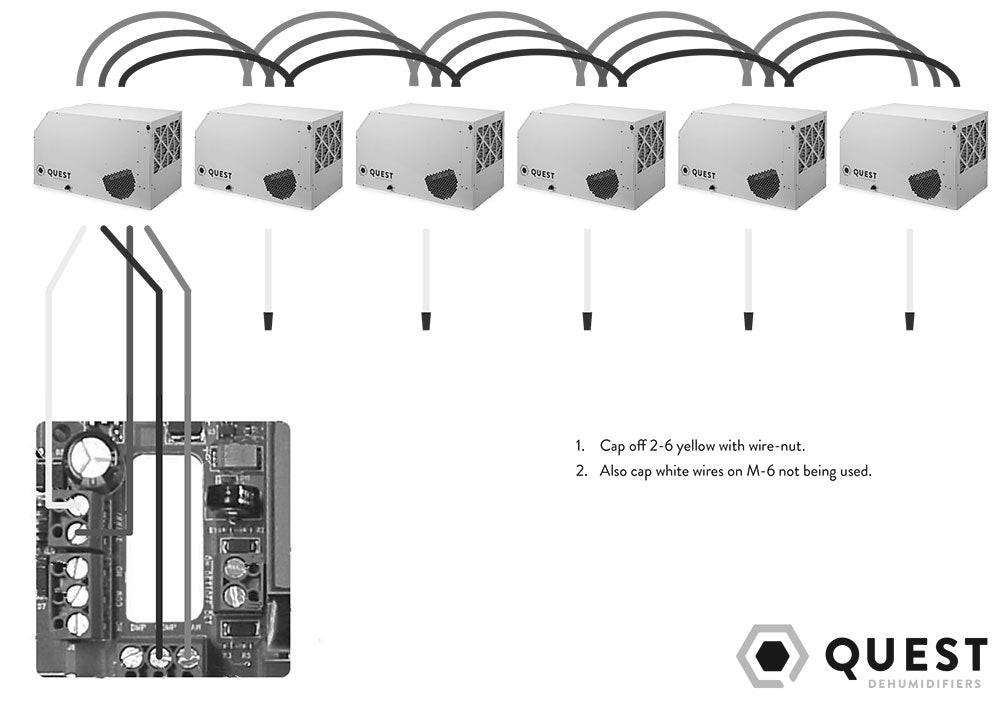
Commercial grow room dehumidifiers like Quest and Anden units produce large volumes of condensate water during peak transpiration periods. Built-in or external condensate pump systems remove this water continuously without manual emptying of collection buckets. Replacement pump impellers, float switches, and drain tubing maintain continuous operation of condensate removal systems. Fast shipping.
Dehumidifier Parts FAQ
How often should I clean my grow room dehumidifier filter?
In grow rooms: inspect and clean dehumidifier filters every 1-2 weeks, and replace monthly in high-dust growing environments. This is 4-12x more frequently than the quarterly or annual cleaning intervals typical for residential dehumidifiers. Grow rooms have elevated airborne particulate from plant matter, substrate dust, and biological activity that clogs dehumidifier filters much faster. A clogged filter reduces airflow and dehumidification capacity -- the dehumidifier runs continuously without reaching setpoint, eventually causing evaporator icing that halts dehumidification entirely.
How do I know if my dehumidifier coil is iced over?
Signs of evaporator coil icing: the dehumidifier is running (compressor and fan operating) but not producing condensate water; airflow from the dehumidifier discharge is greatly reduced or absent; visible ice on the coil visible through the filter panel opening. Immediate action: turn off the compressor (leave the fan running to help melt the ice), clean the air filter thoroughly, and allow the coil to fully defrost (1-2 hours) before restarting. Icing is almost always caused by insufficient airflow from a clogged filter -- address the filter before resuming operation.
Can I replace just the condensate pump on my Quest dehumidifier?
Yes -- Quest and most commercial dehumidifier manufacturers sell replacement condensate pump assemblies and components as service parts. The condensate pump is a wear item in continuous-operation commercial dehumidifiers. Symptoms of pump failure: water backing up in the condensate pan and eventually overflowing, or the dehumidifier shutting down on a high-water float switch. Replacement pump assemblies are model-specific -- identify your Quest dehumidifier model number from the label on the unit and order the corresponding pump part.
What maintenance does a grow room dehumidifier need beyond filter cleaning?
Beyond filter cleaning: clean the evaporator and condenser coils annually with coil cleaner spray (accessible after removing the filter panel); inspect the condensate drain line and pan for algae and mold growth, flushing with dilute bleach solution quarterly; check the condensate pump operation by confirming water is being removed promptly during high-humidity periods; and inspect the electrical connections and power cord for any wear or damage from the continuous-operation environment. Commercial Quest and Anden units have service intervals specified in their documentation -- follow the manufacturer's schedule for compressor and refrigerant circuit inspection.
Are dehumidifier parts brand-specific?
Yes -- dehumidifier air filters, condensate pump components, and internal parts are specific to the manufacturer and model. A Quest 335 pint filter is not the same as an Anden A210 filter. When ordering replacement parts, identify the exact model number from the label on the dehumidifier unit and verify the replacement part is listed as compatible with that specific model. Third-party replacement filters are available for some popular models at lower cost than OEM parts -- verify the dimensions and filtration rating match the original before using third-party filters in production.