Clip-On Fans for Grow Tents & Indoor Growing
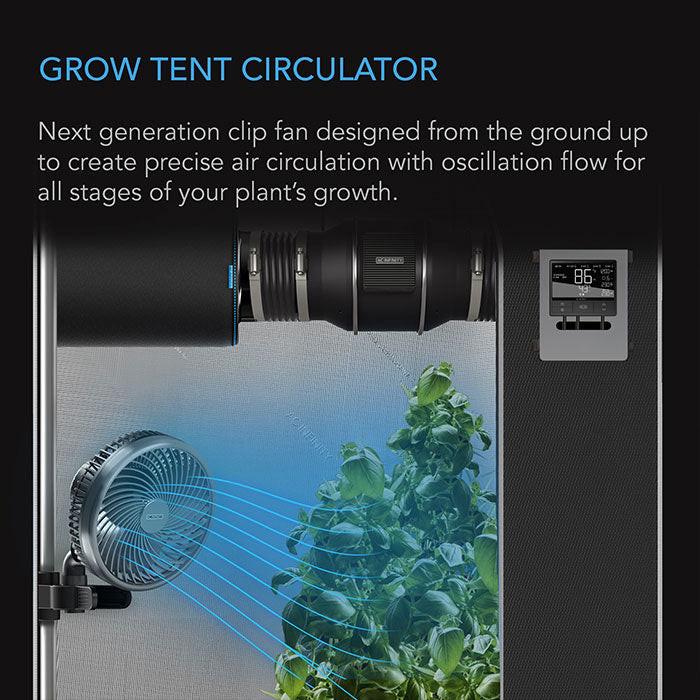
Airflow is one of the most consistently underestimated variables in indoor growing. Plants need moving air at the canopy level for three reasons: CO2 replenishment at leaf surfaces (still air creates a depleted boundary layer that slows photosynthesis even when ambient CO2 is adequate), stem strengthening through thigmomorphogenesis (the physical stress of air movement triggers stronger, thicker stem development), and humidity management (air movement prevents moisture pockets from forming on leaf surfaces, reducing mold and disease risk). Clip-on fans are the simplest and most flexible way to deliver targeted canopy airflow in a grow tent without consuming floor space or requiring ducting.
Clip-On Fan Types: Single-Head, Dual-Head & Oscillating
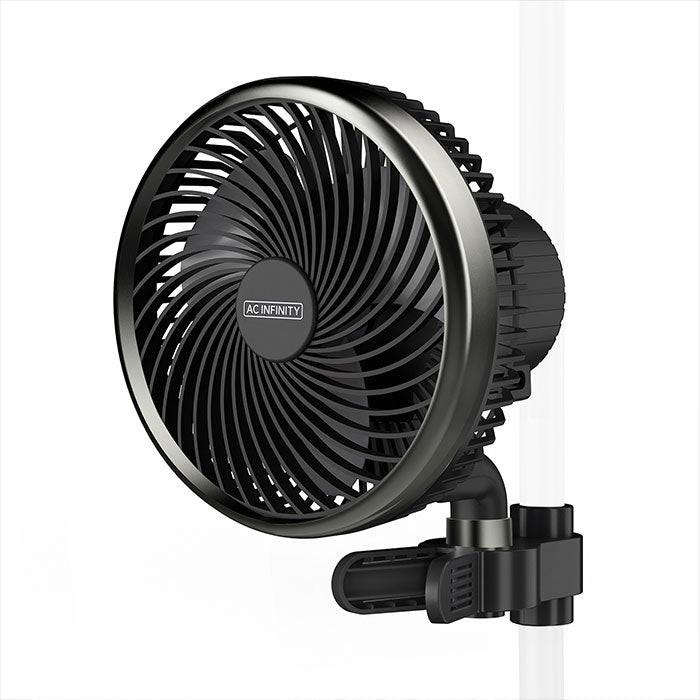
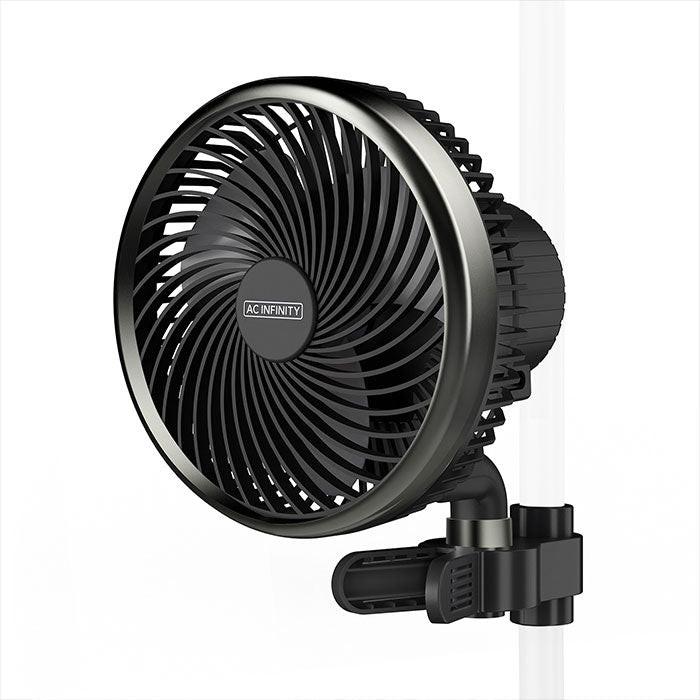
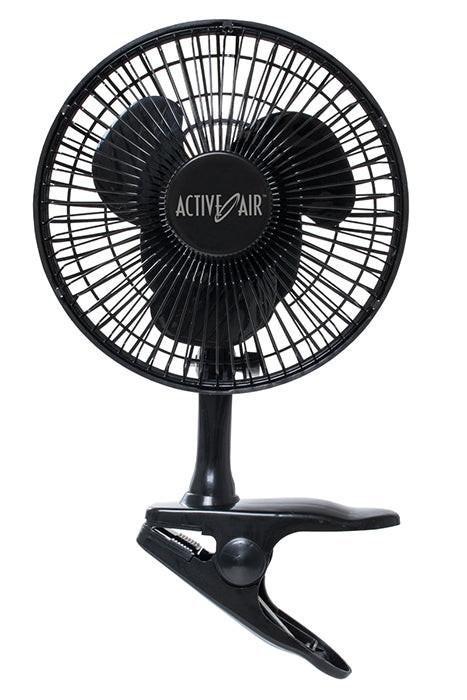
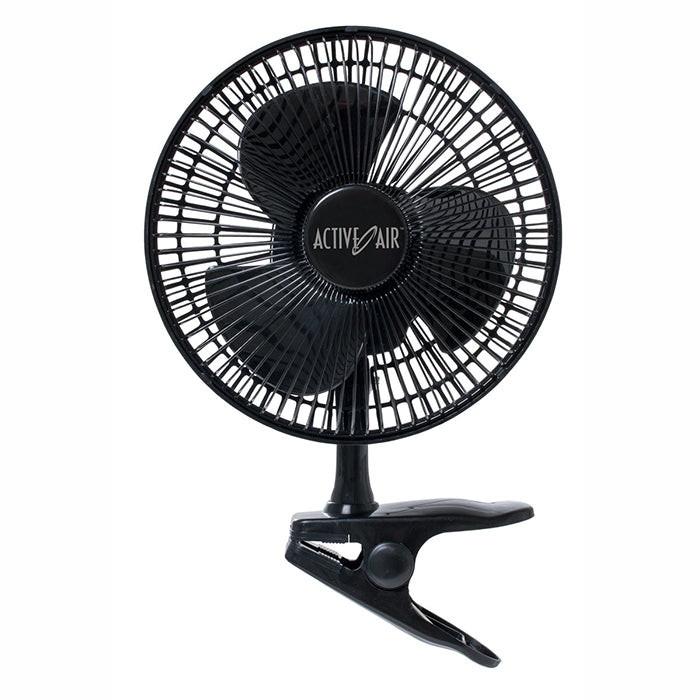
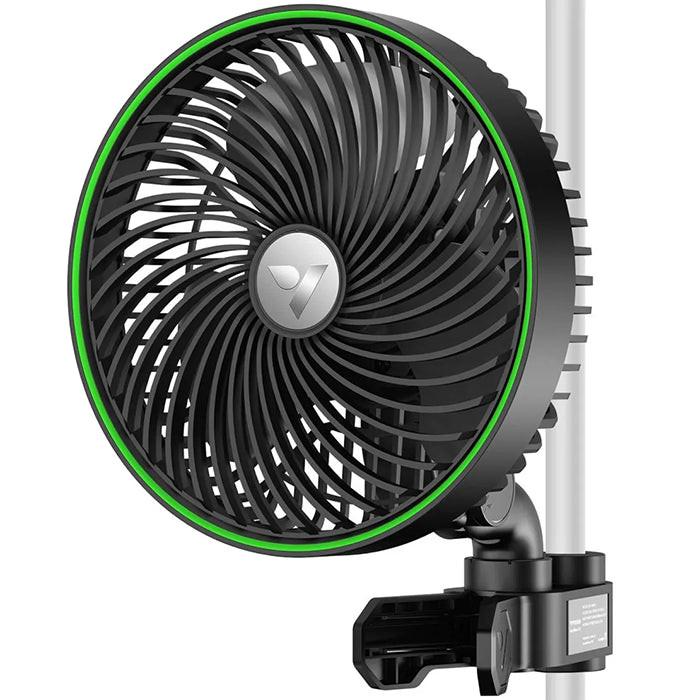
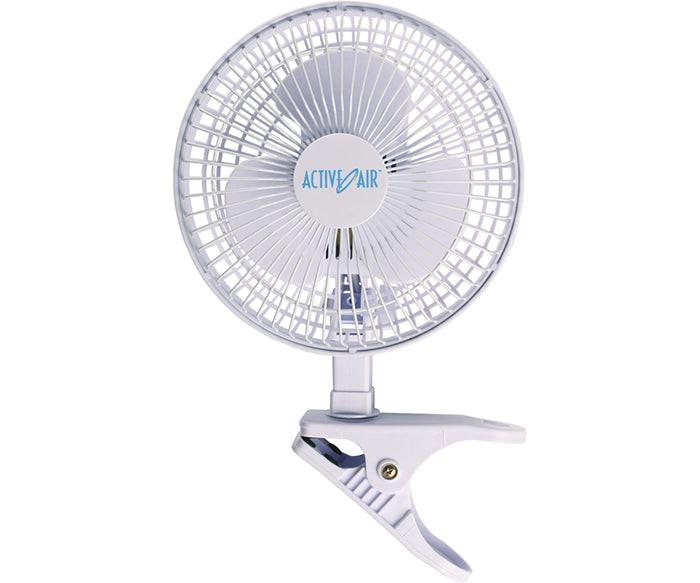
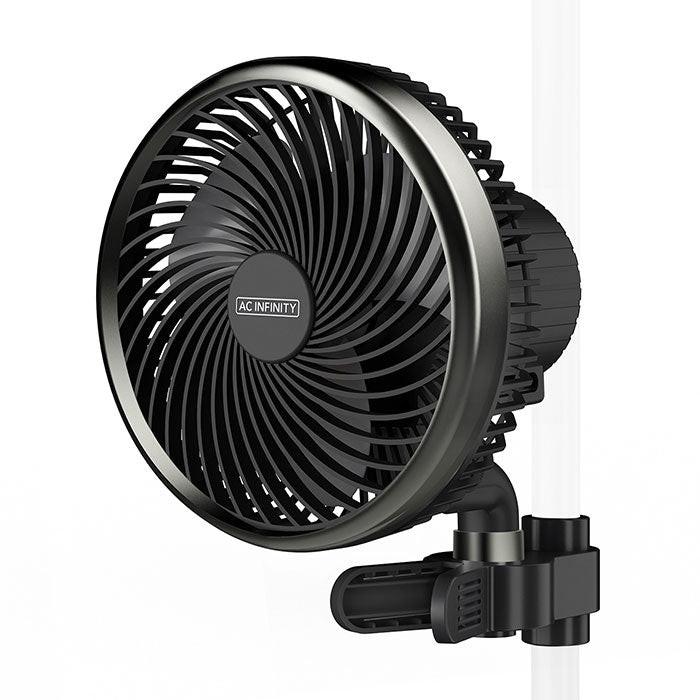
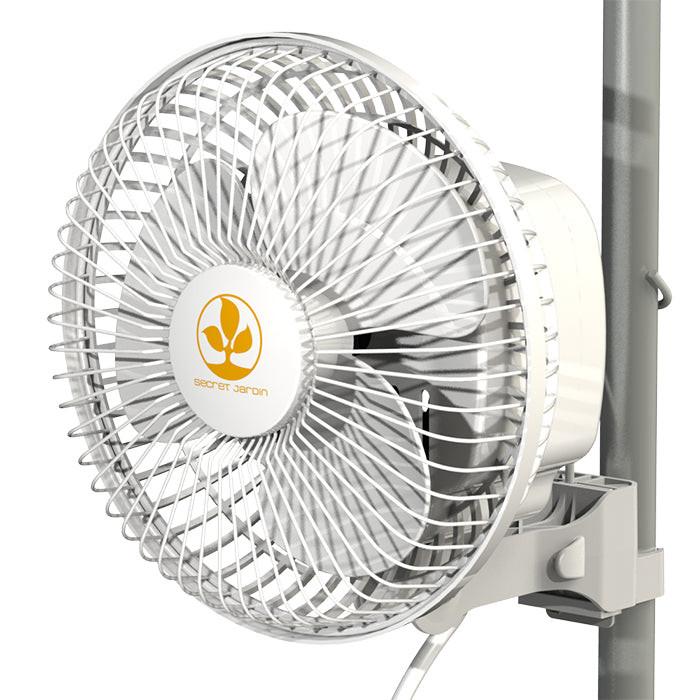
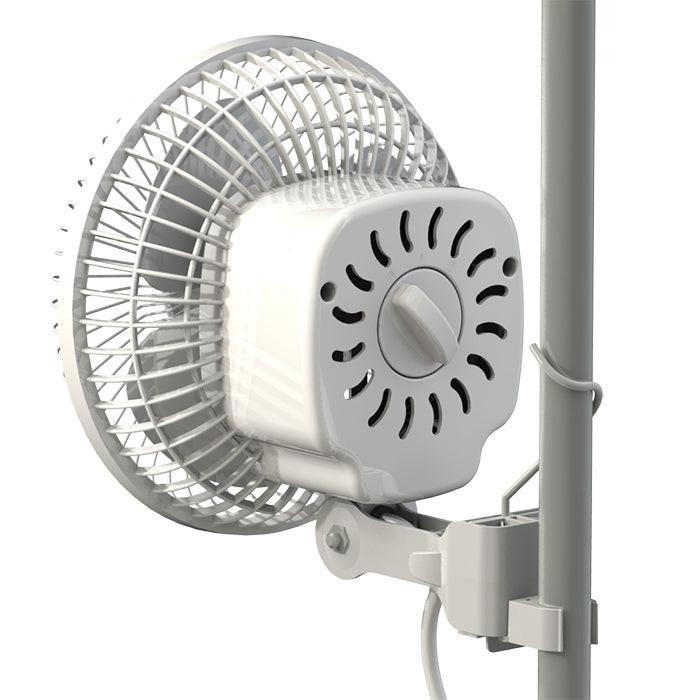
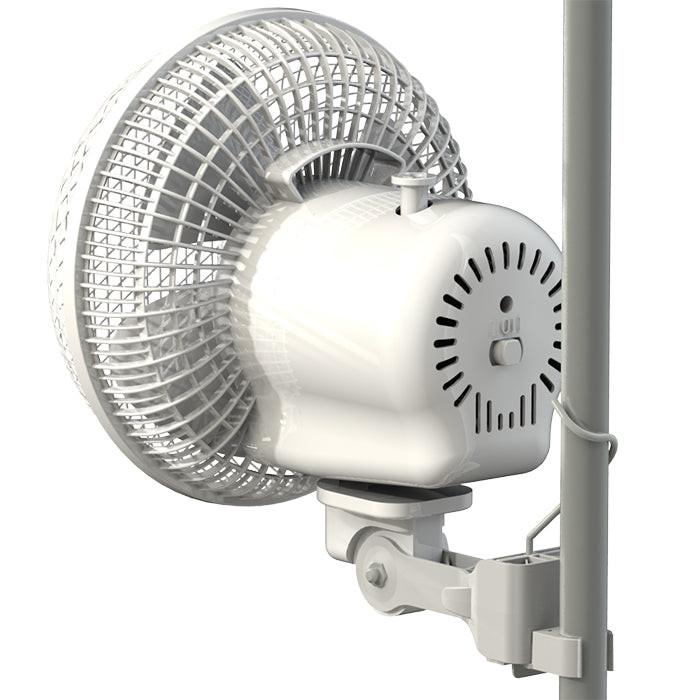
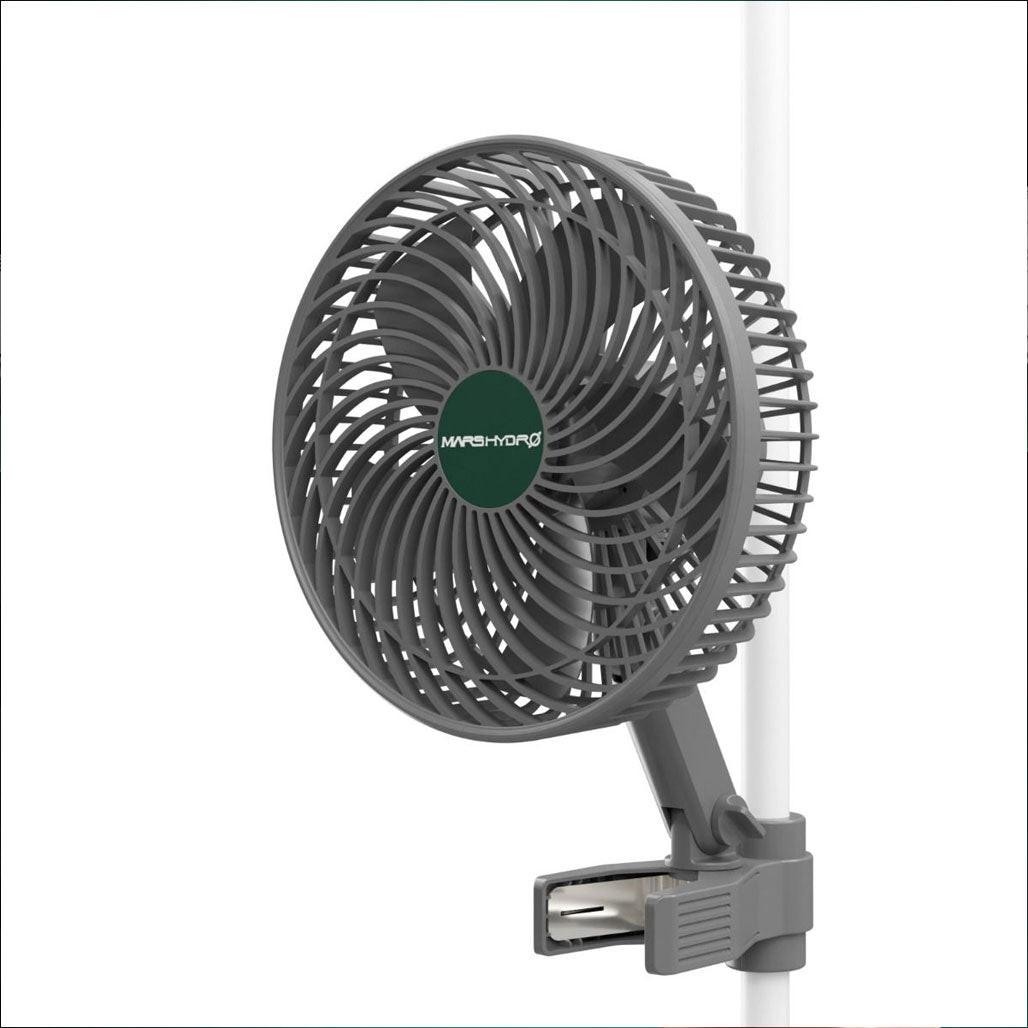
Single-head clip fans deliver focused airflow in a fixed direction -- useful for targeting specific problem areas or providing airflow to a particular section of canopy where stagnant air is a consistent issue. Dual-head clip fans split airflow in two directions from a single mounting point, covering a wider canopy area without requiring a second clip mount. Oscillating clip fans sweep back and forth across a set arc, distributing air more evenly across the canopy over time and preventing the continuous direct blast that can cause wind burn on leaves directly in line with the airflow. For most tent applications, an oscillating dual-head model on each side of the canopy provides the most even coverage with the fewest units.
Sizing Clip Fans for Your Tent
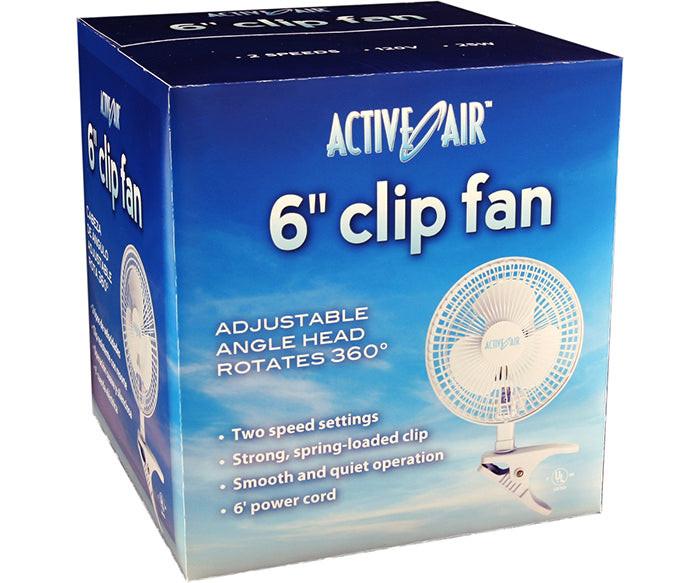
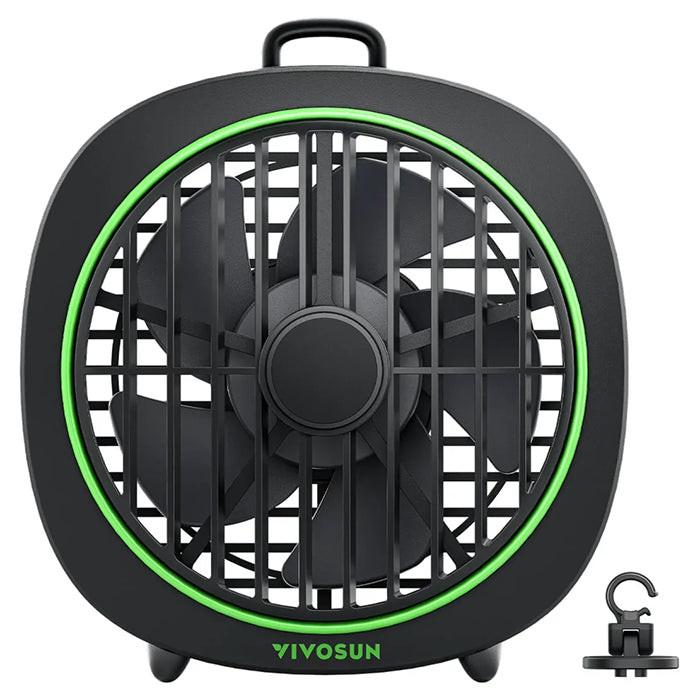
Match clip fan output to your tent size. For a 2x2 or 2x4 ft tent, a single small clip fan (4-6 inch) positioned near the center of the canopy is typically sufficient. A 4x4 ft tent benefits from two small to medium clip fans positioned on opposite sides, creating cross-canopy airflow. A 4x8 or larger tent generally needs three to four clip fans distributed across the full length, or a combination of clip fans for under-canopy and lower-canopy work with a larger oscillating wall fan or inline fan handling primary air exchange. The goal is gentle movement -- leaves should flutter slightly, not thrash. Too much direct airflow causes wind burn; too little creates the stagnant zones where mold and pests thrive.
Clip Fan Brands: AC Infinity, Hurricane & Grow1
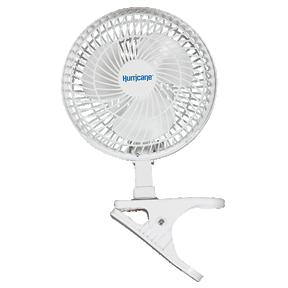
Hydrobuilder carries clip-on fans from AC Infinity, Hurricane, and Grow1 -- brands with verified grower adoption across the full range of hobby and small commercial tent setups. AC Infinity clip fans feature quiet motor technology and speed control, making them a popular choice in setups where noise is a concern. Hurricane produces reliable, durable clip fans across a wide size range at accessible price points. Grow1 offers straightforward, cost-effective single and dual-head clip fans suited to growers equipping multiple tents simultaneously. For a complete understanding of how clip fans fit into a full tent ventilation system, see our updated grow tent ventilation setup guide.
Clip-On Fans FAQ
How many clip-on fans do I need for a grow tent?
For a 2x2 or 2x4 ft tent, a single clip fan (4-6 inch) positioned near the canopy center is typically sufficient. A 4x4 tent benefits from two clip fans on opposite sides creating cross-canopy airflow. A 4x8 or larger tent generally needs three to four clip fans distributed along the full length, or a combination of clip fans with a wall-mount oscillating fan for broader coverage. The goal is gentle, even air movement across all canopy surfaces -- leaves should flutter slightly without being driven hard in one direction.
Where should I position clip-on fans in a grow tent?
Clip fans are most effective when positioned to create cross-canopy airflow -- fans on opposite sides of the tent facing inward and slightly downward toward the canopy surface, not blowing straight at each other. Position clip fans at mid-canopy height so air moves across the widest leaf surface area. Avoid pointing fans directly at stems at close range, which can cause wind burn on tender growth. In multi-tier setups, add clip fans at lower canopy levels to prevent the stagnant lower zones where humidity accumulates and mold establishes.
What is the difference between clip-on fans and oscillating wall fans for grow rooms?
Clip-on fans mount directly to tent poles or frame rails and direct airflow to a specific canopy zone -- ideal for targeted coverage in tents or for supplementing airflow in specific problem areas. Oscillating wall fans mount to the tent wall or room wall and sweep a wider arc, providing more even distribution across larger canopy areas. For a complete tent ventilation setup, clip fans handle targeted under-canopy and lower-canopy airflow while the inline exhaust fan handles air exchange and an oscillating fan handles broader canopy coverage. See our ventilation setup guide for a complete system overview.
Can clip-on fans cause wind burn on plants?
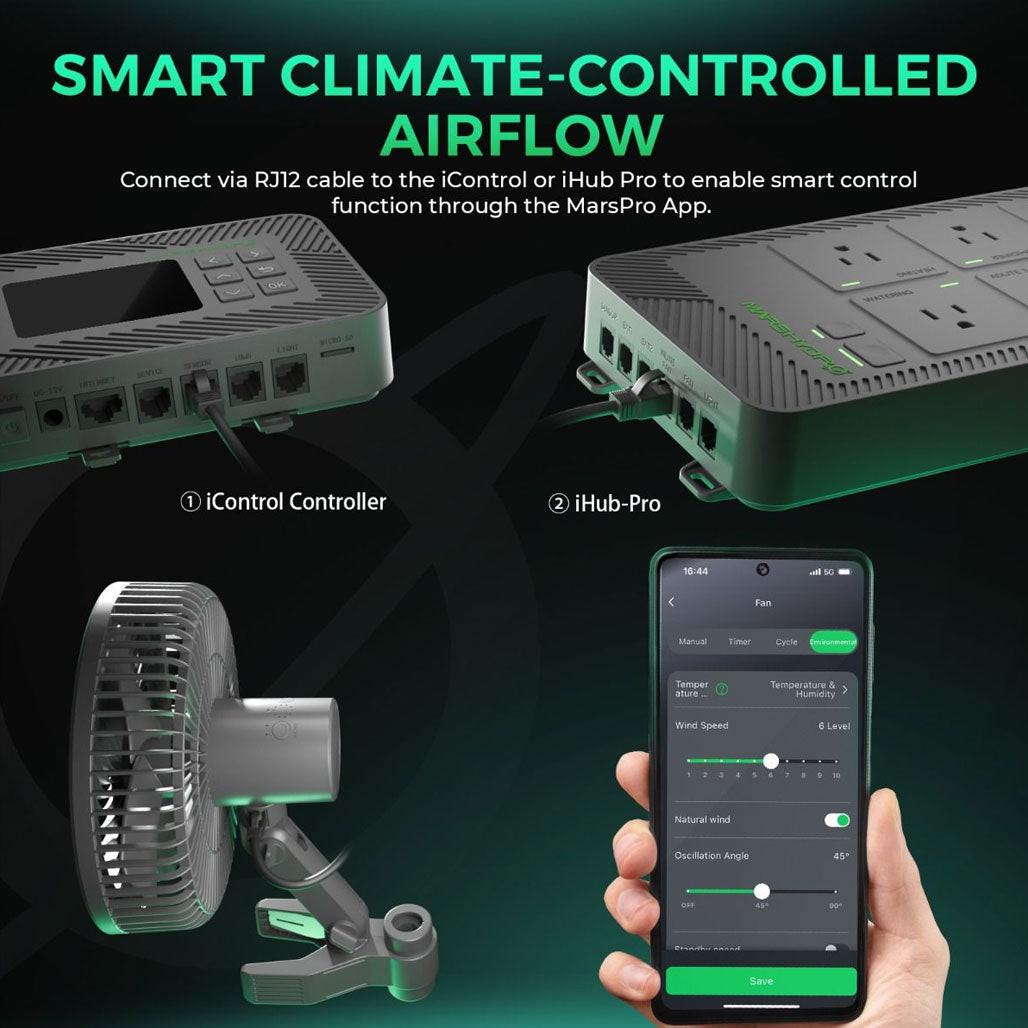
Yes, if positioned too close or too strong for the plant size. Wind burn appears as dry, crispy, upward-curling leaf edges on the leaves directly in line with strong airflow. Prevention: use the lowest speed setting that still creates visible leaf movement; position fans at least 6-12 inches from the nearest leaves; use oscillating models that sweep rather than continuously blast one area; and add a speed controller if the fan's lowest setting is still too strong for young or small plants. Once plants are established with thicker stems and leaves, moderate airflow that would burn seedlings is appropriate and beneficial.
Do I still need clip-on fans if I have an inline exhaust fan?
Yes -- an inline exhaust fan handles air exchange (removing heat, humidity, and CO2-depleted air from the tent) but does not replace canopy-level circulation fans. Inline fans create a draw from one side of the tent, which moves air in a single direction rather than circulating it evenly through the canopy. Clip fans and oscillating fans create the localized air movement at leaf and stem level that prevents stagnant zones, strengthens stems, and replenishes the CO2 boundary layer at leaf surfaces. Both are required for a complete, well-functioning tent ventilation system.