Micron Filter Bags for Cold Water Extraction
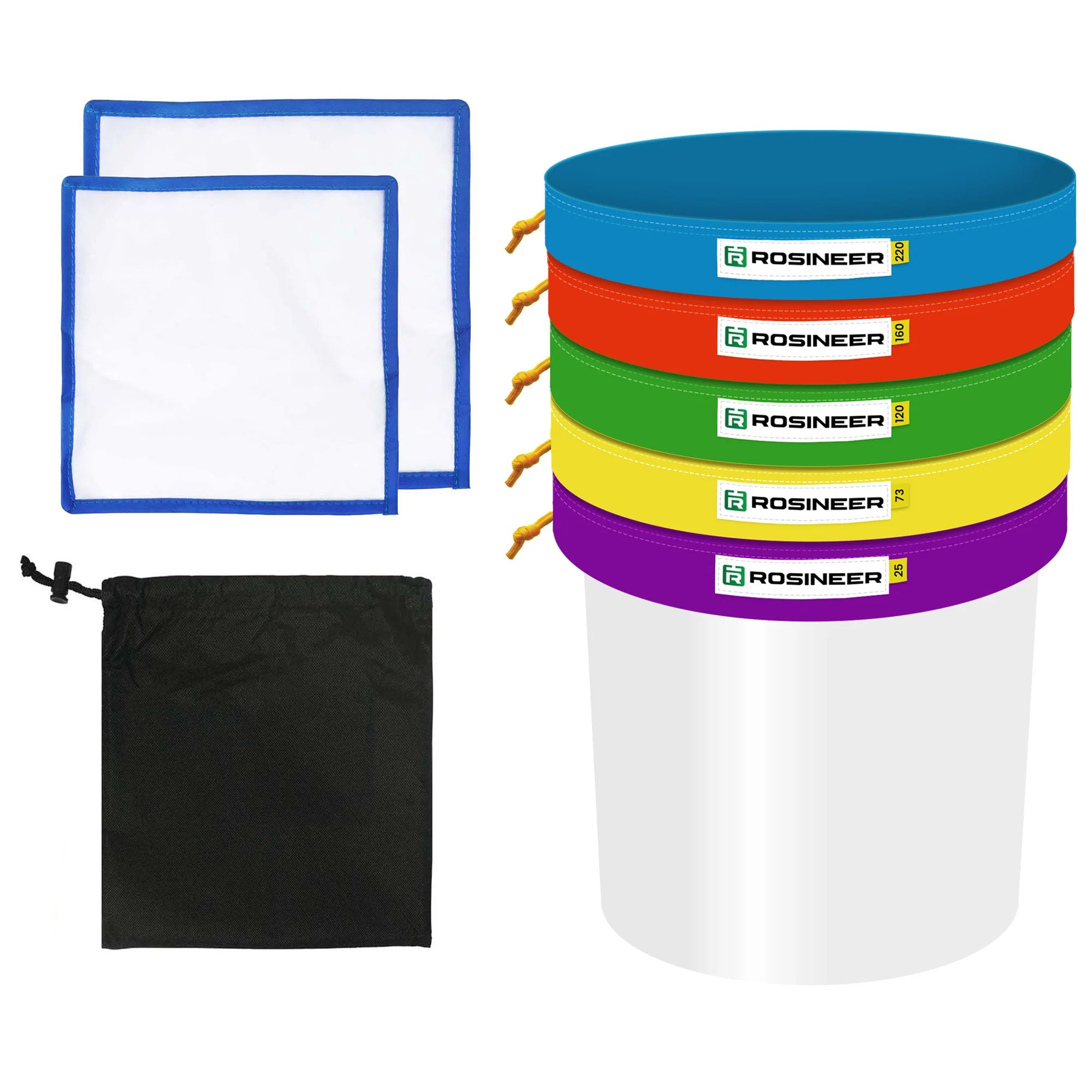
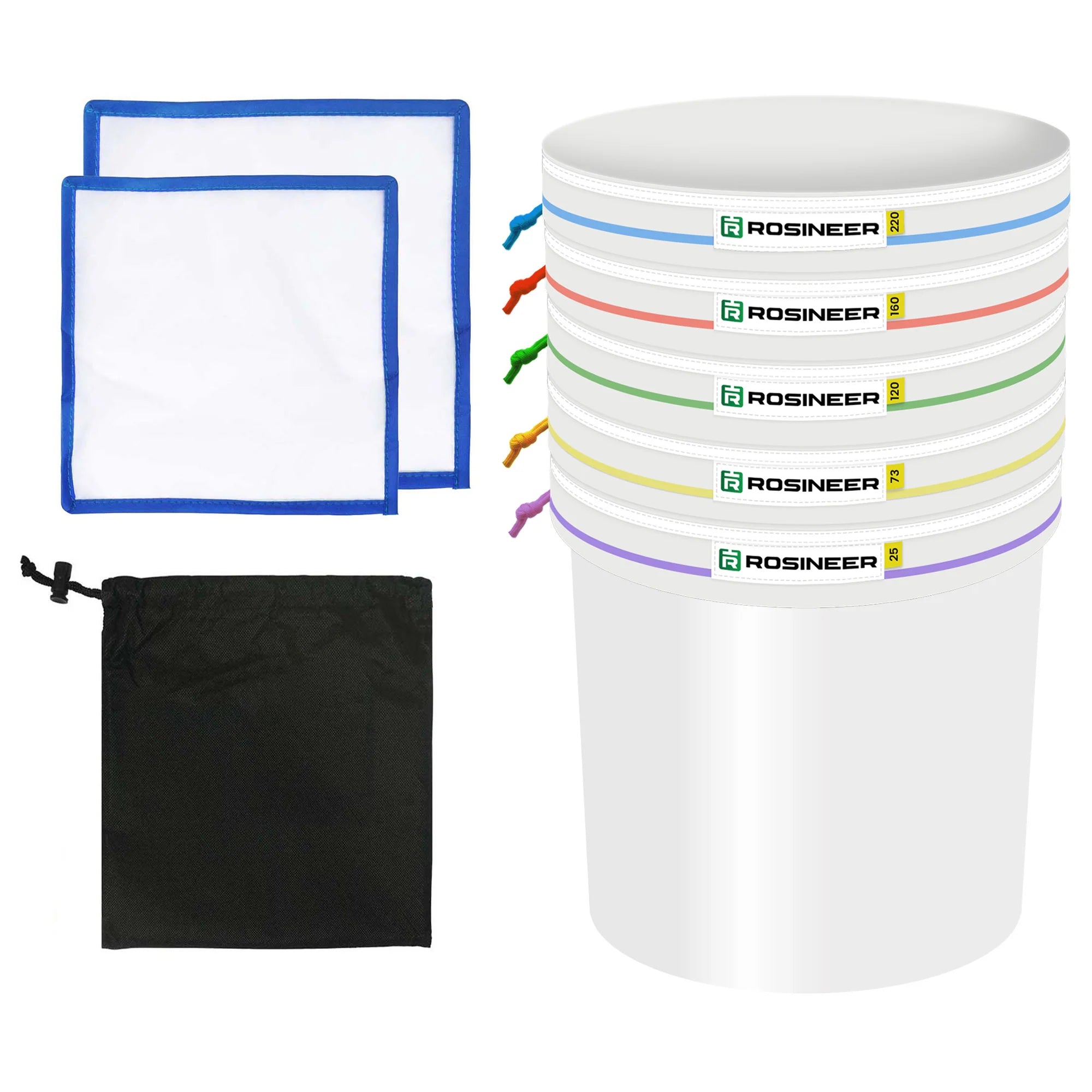
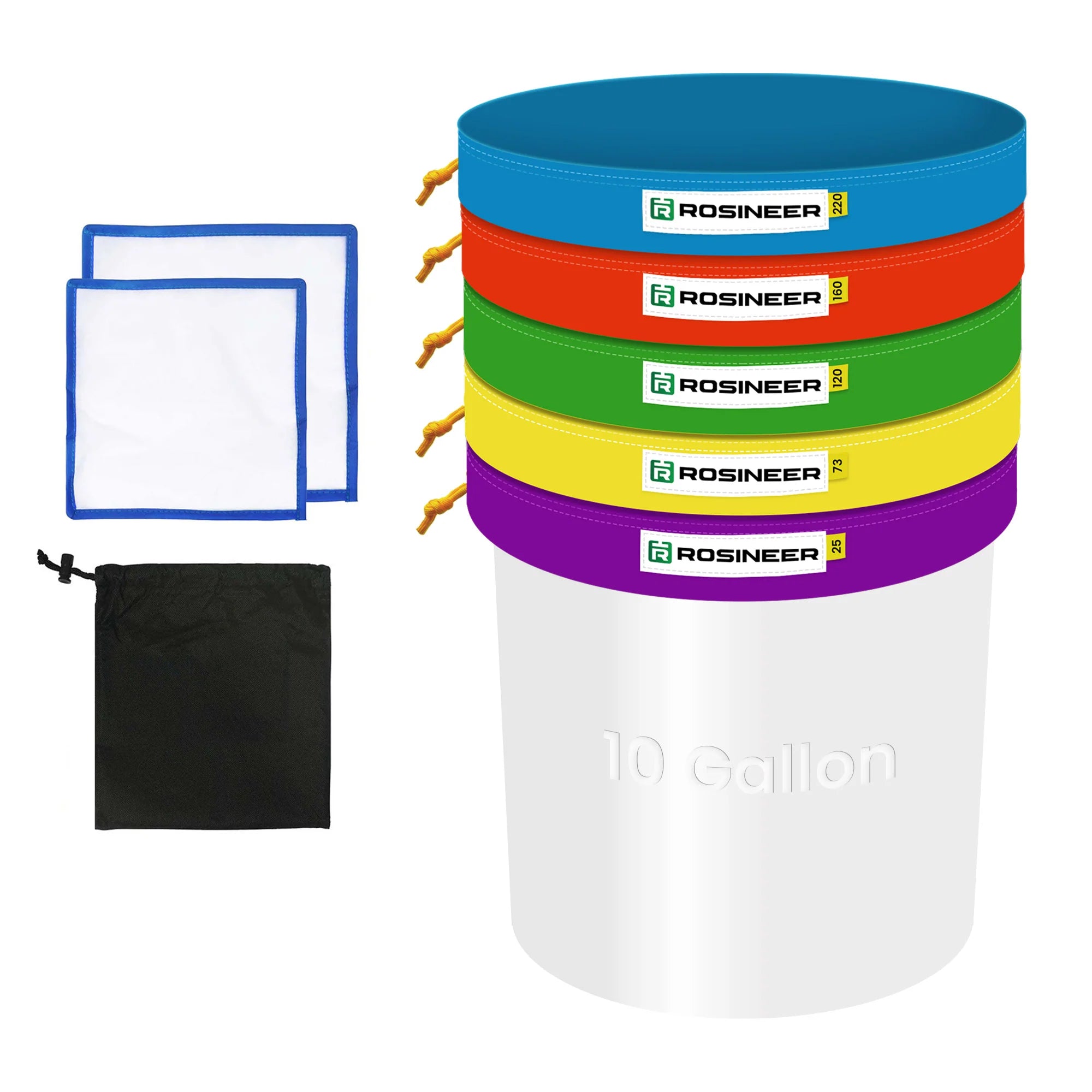
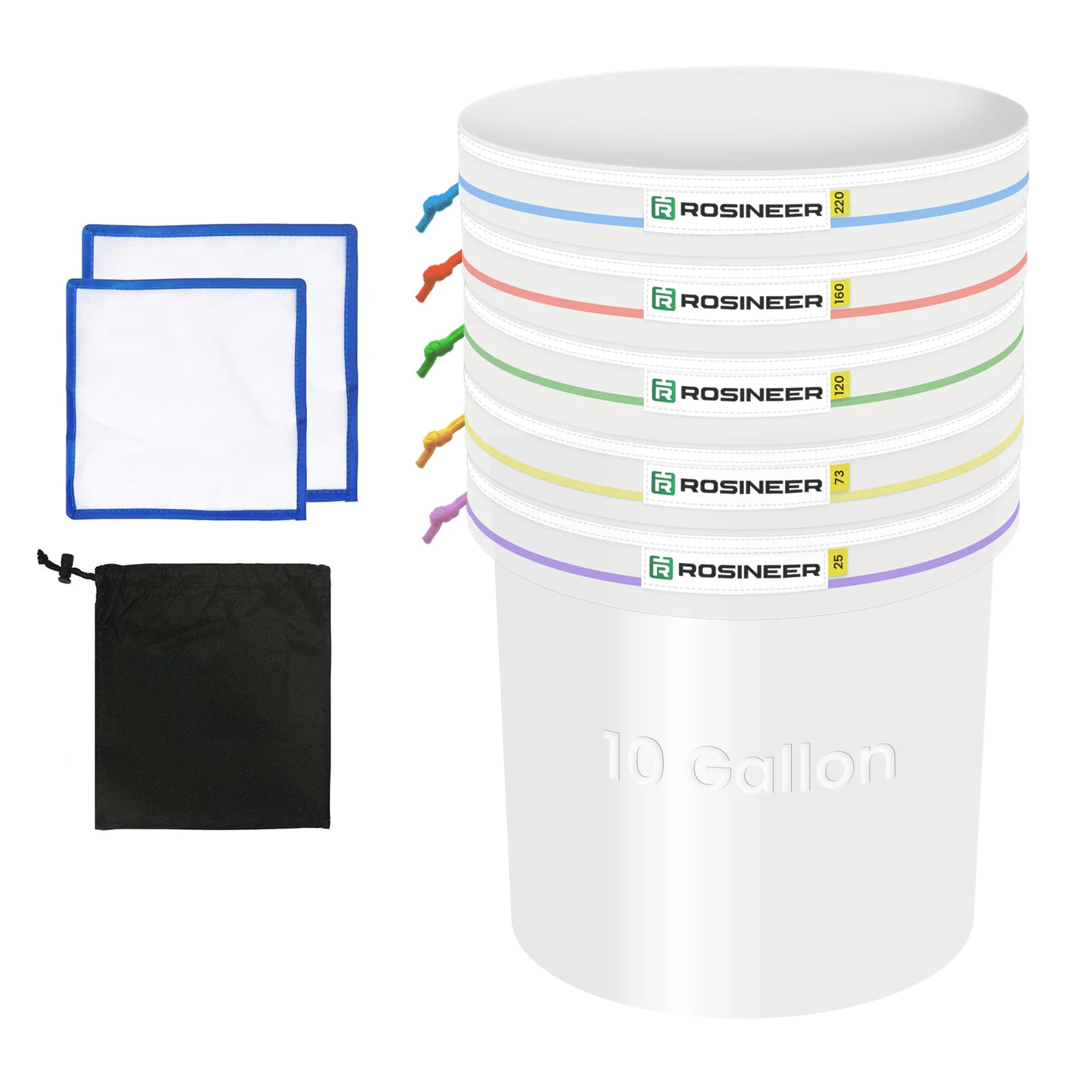
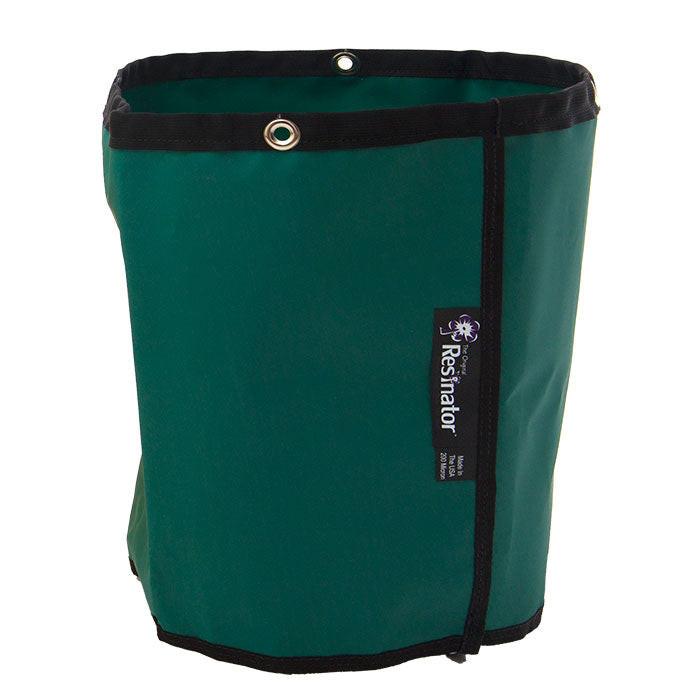
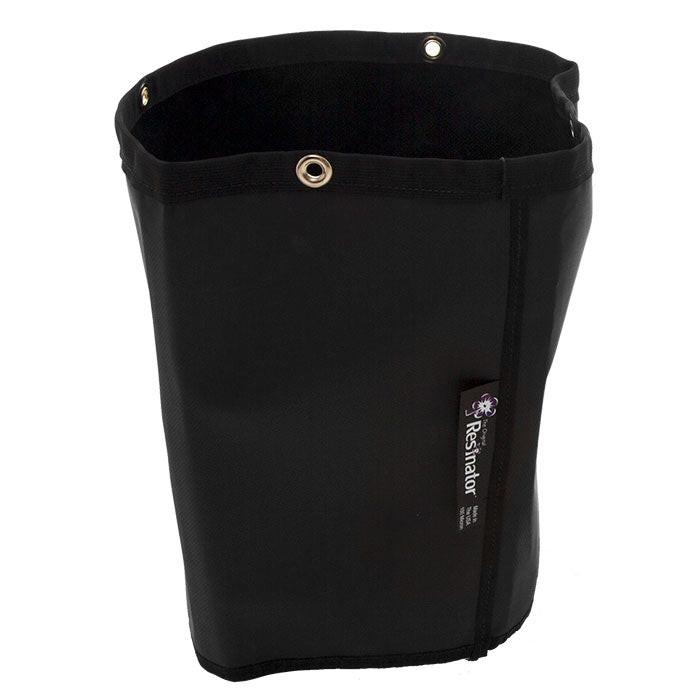
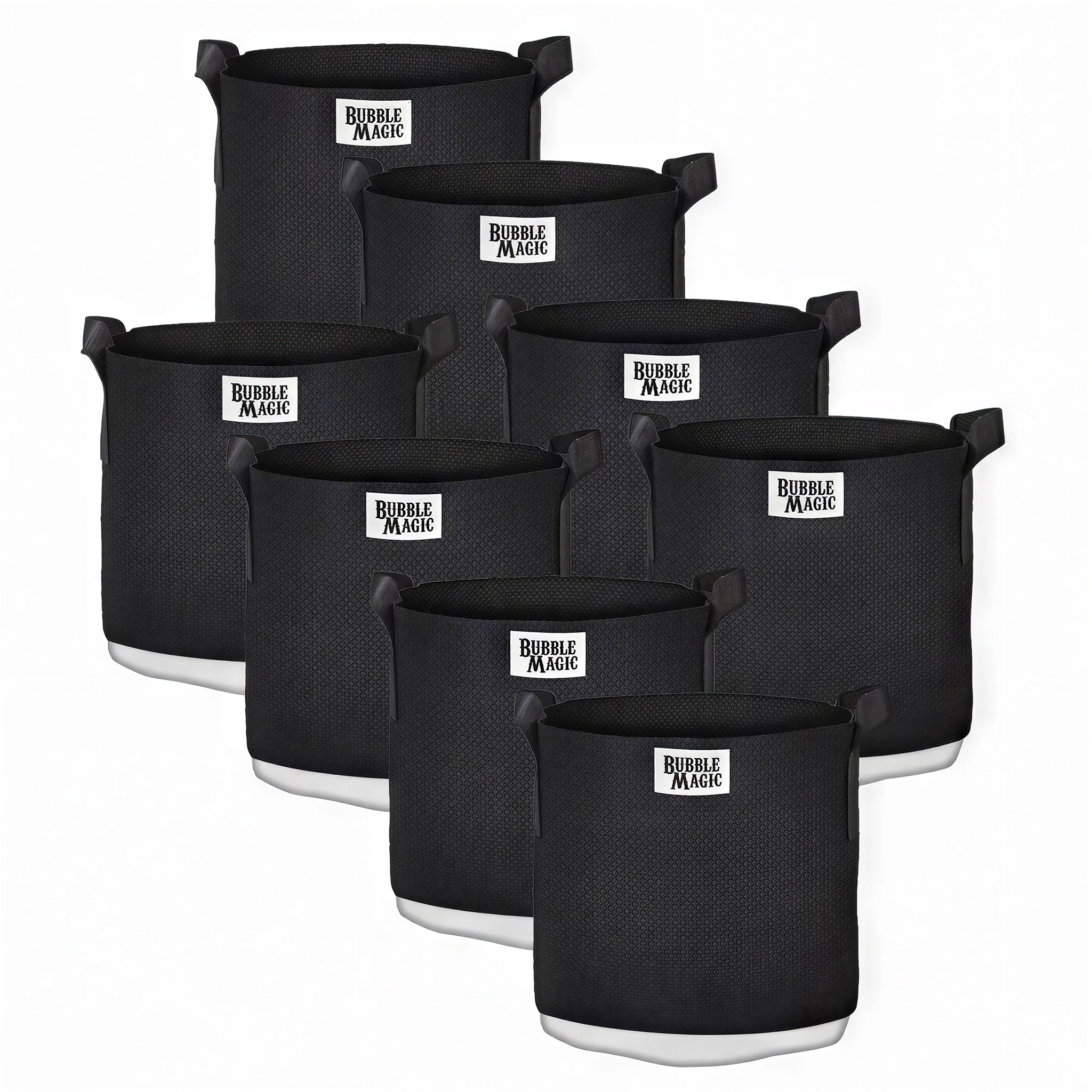
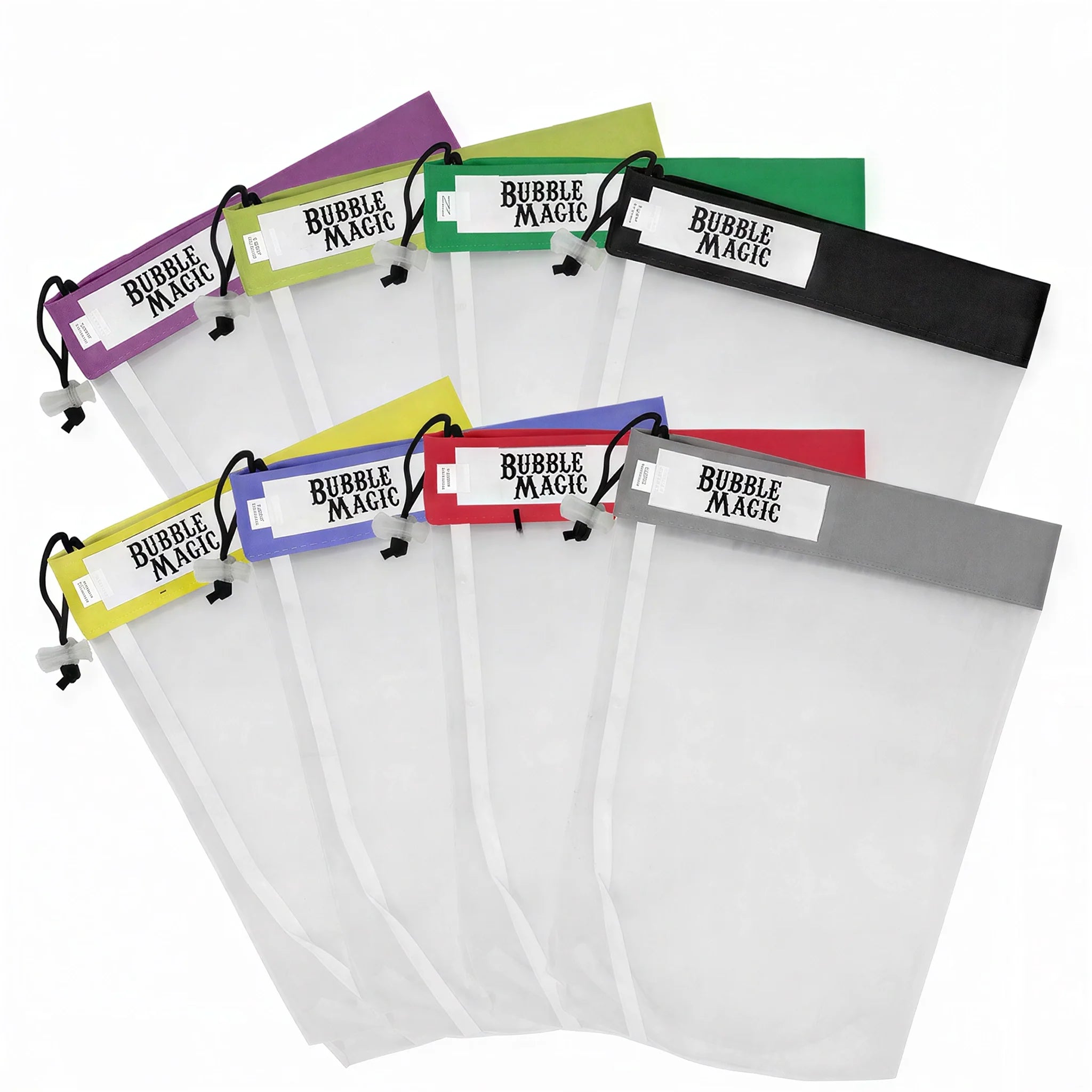
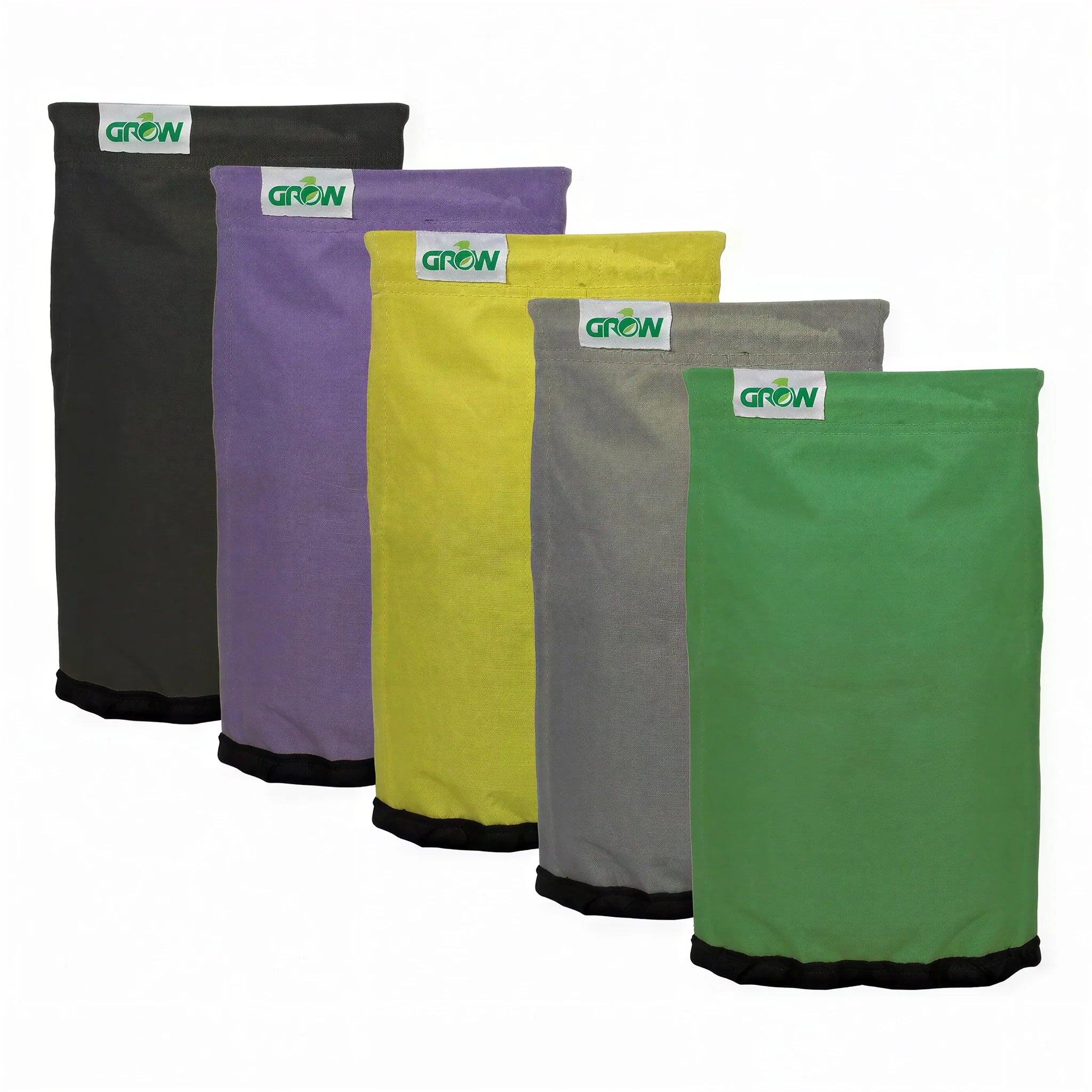
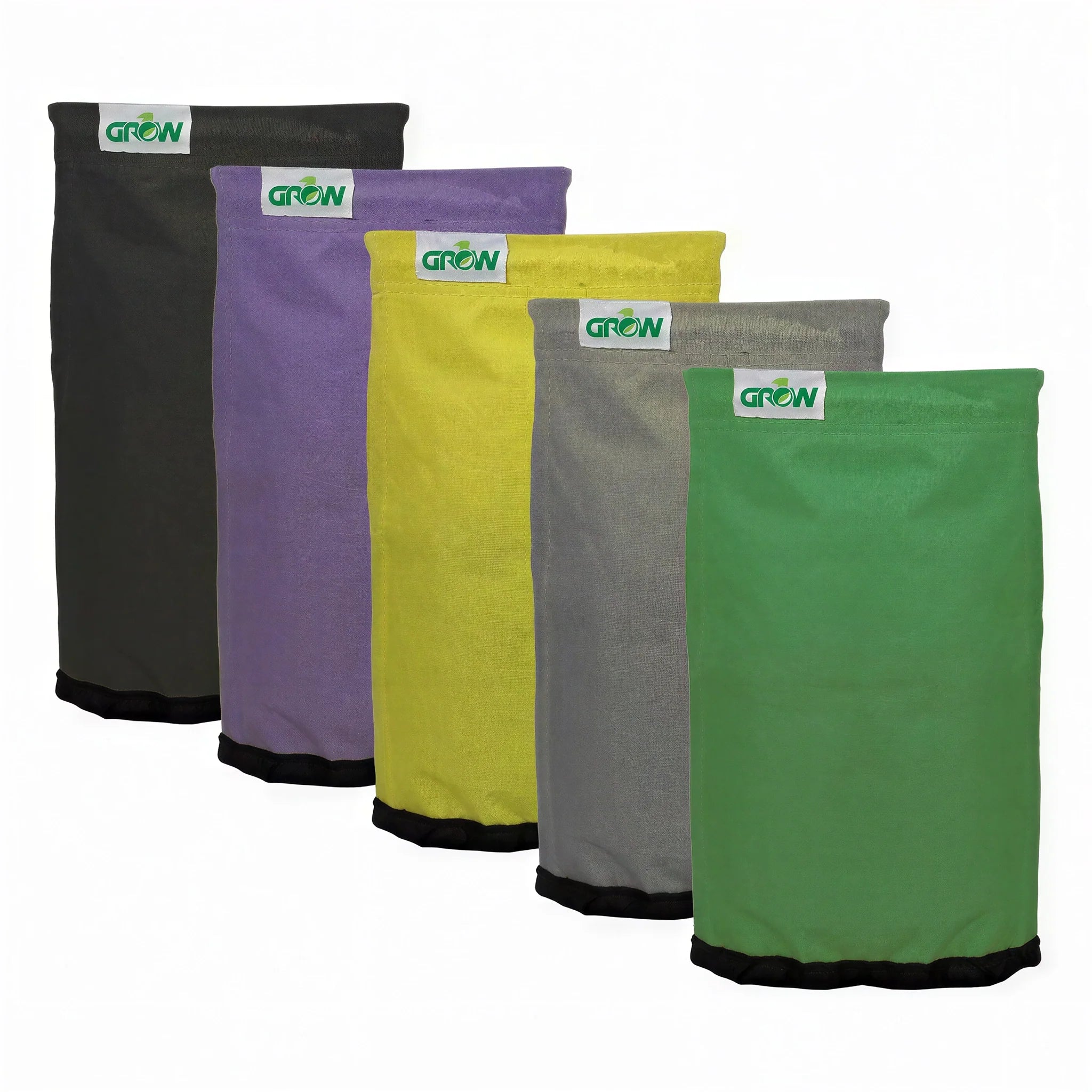
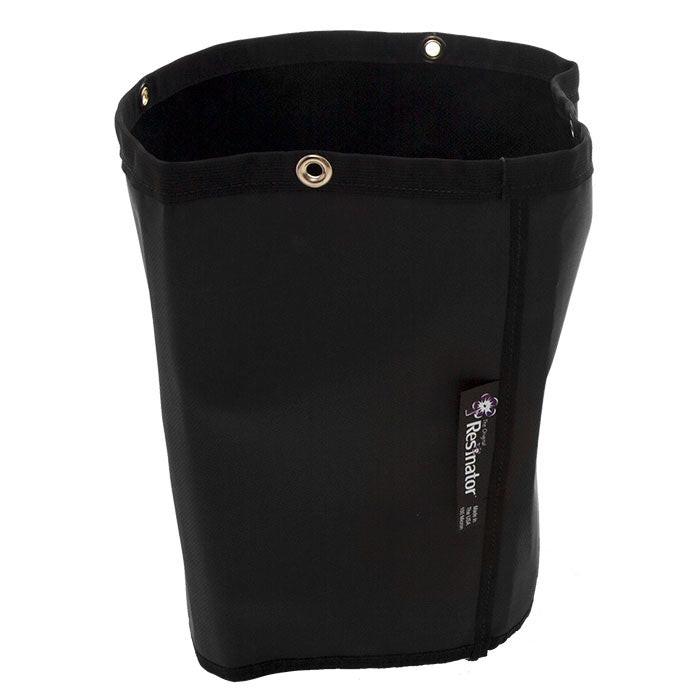
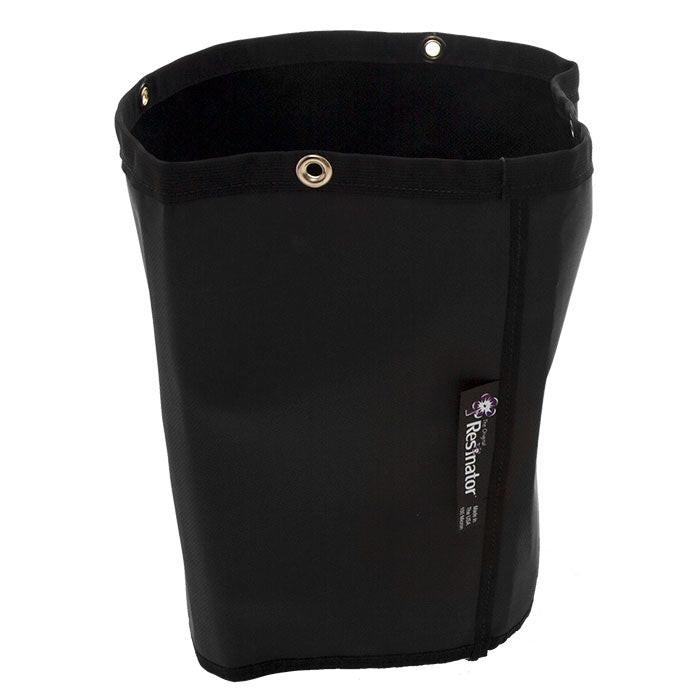
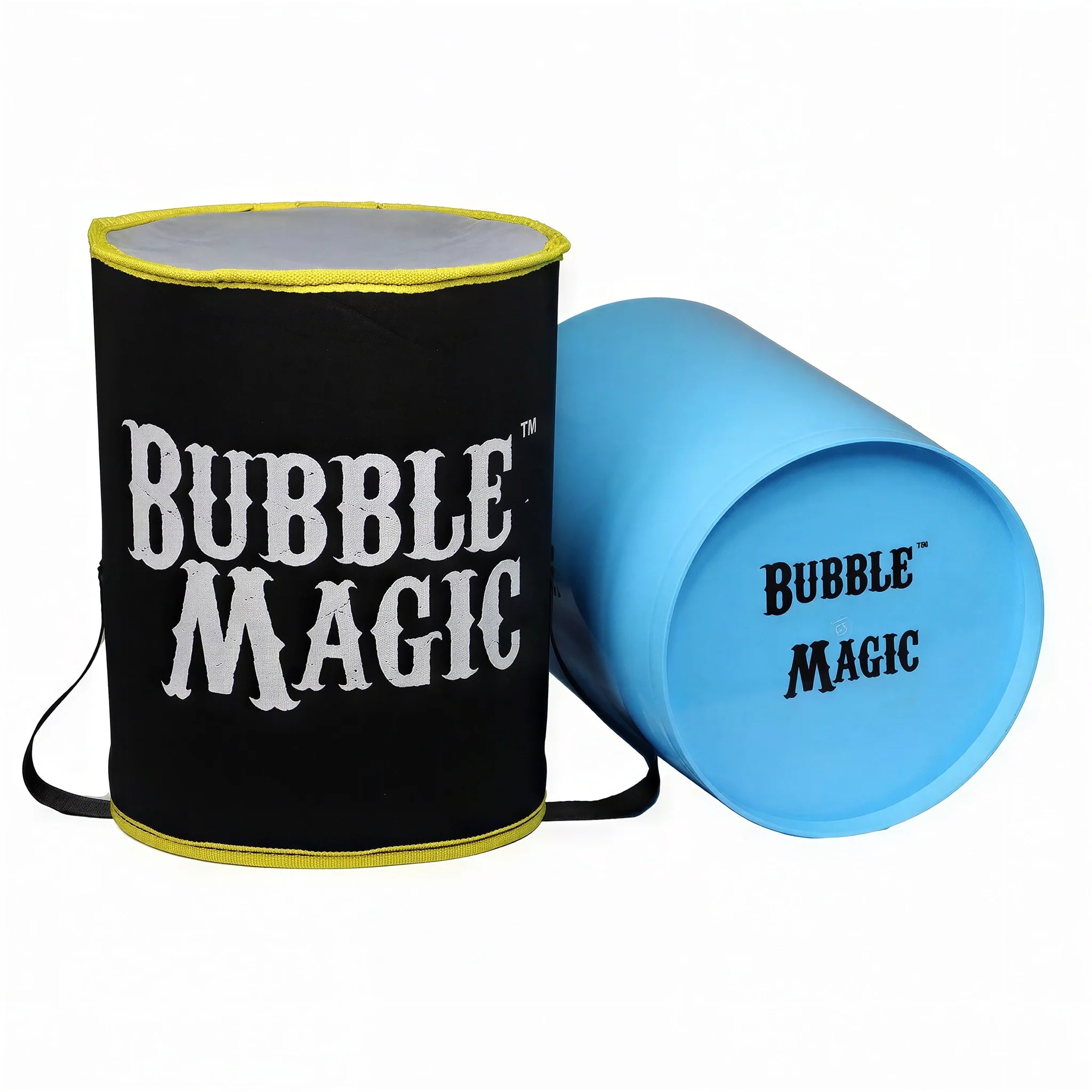
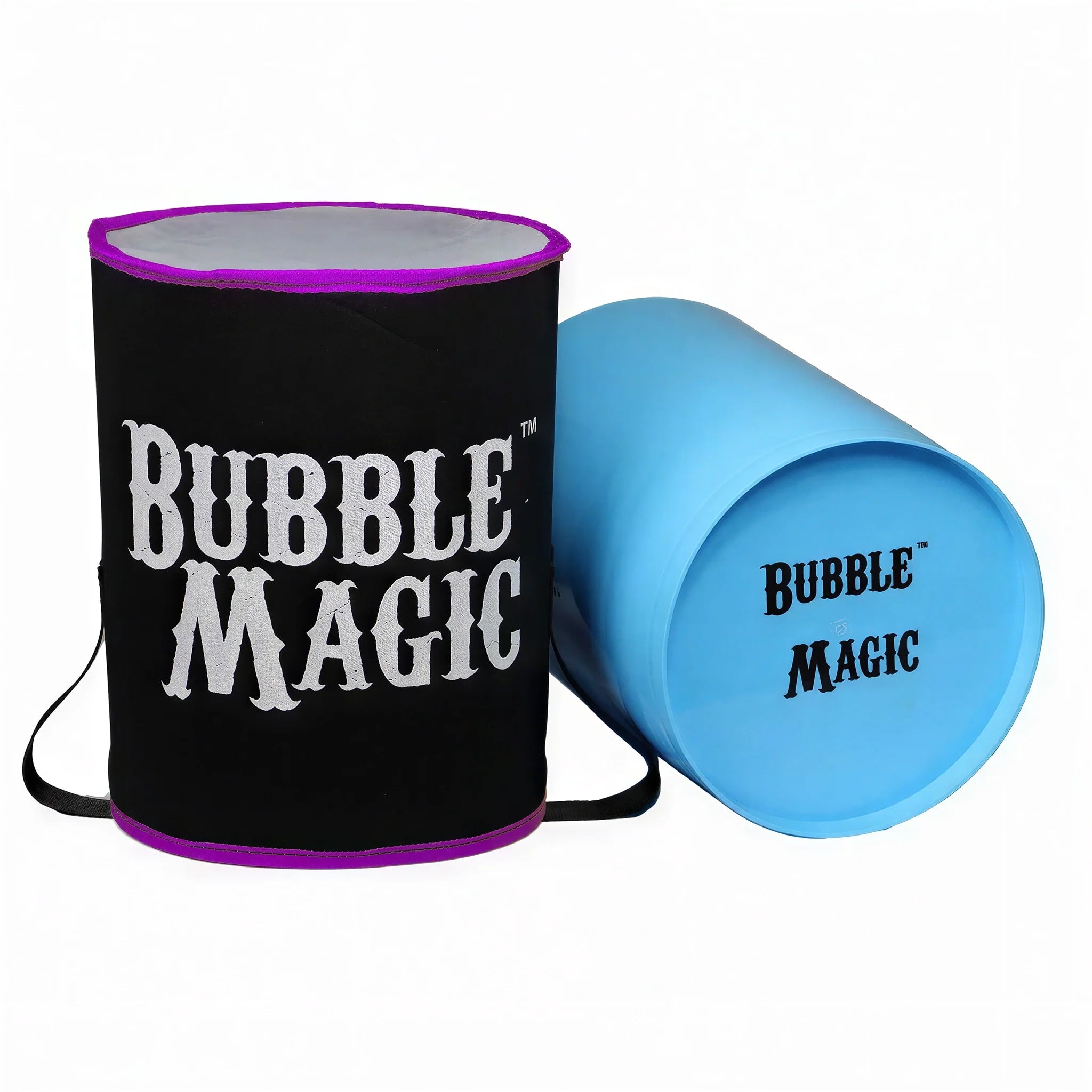
Micron filter bags (commonly called bubble bags) are the filtration component of cold water extraction setups -- mesh screens in specific micron ratings that separate botanical trichomes from plant material and from each other by particle size. Each bag in a graduated set collects a different size fraction of the extracted material, allowing multi-grade collection from a single extraction run. Individual bags are purchased to replace worn bags in an existing set, to add specific micron grades not included in the original kit, or to restock the highest-use bag sizes that wear out first. For complete bag sets, see our extraction bag kits collection.
Micron Rating Guide
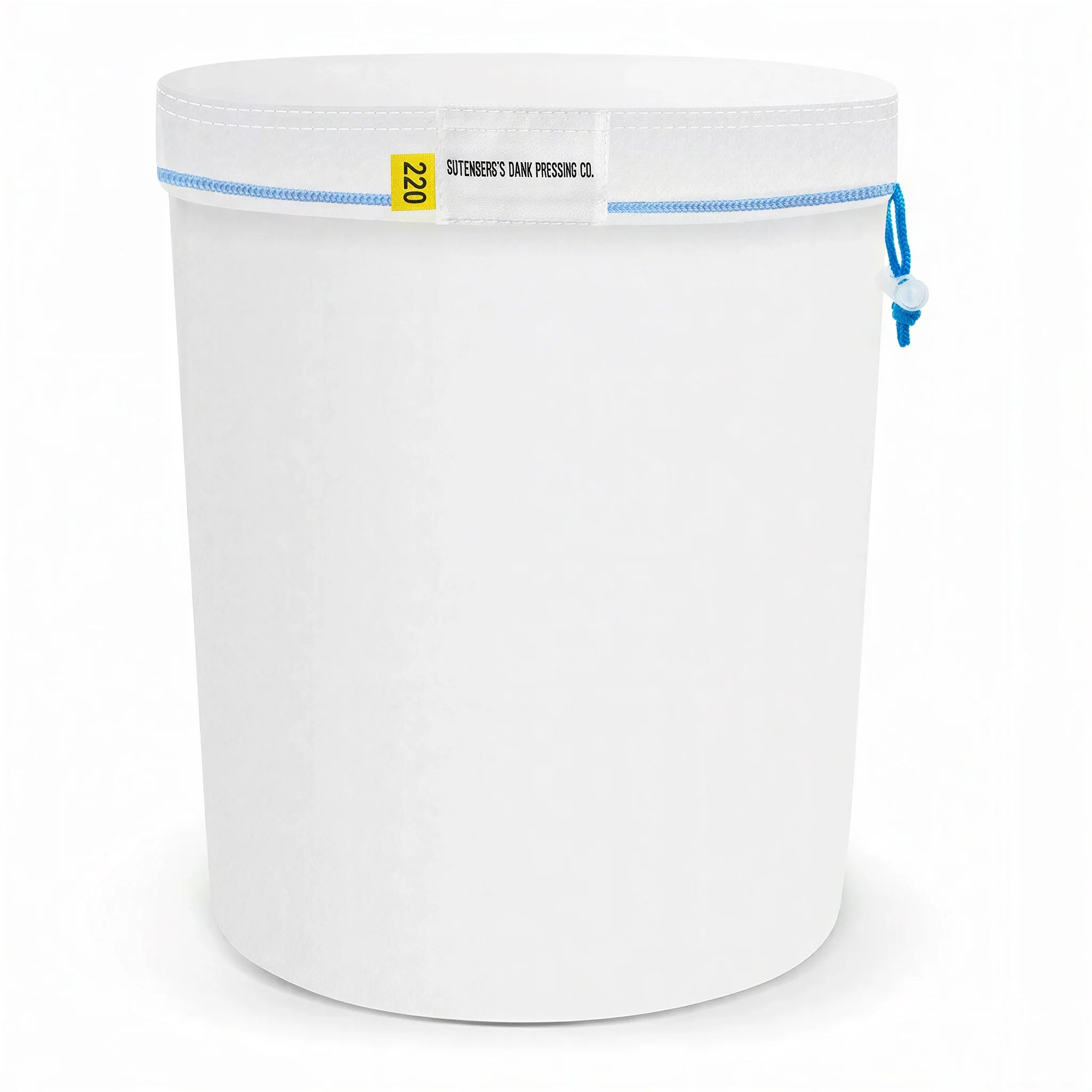
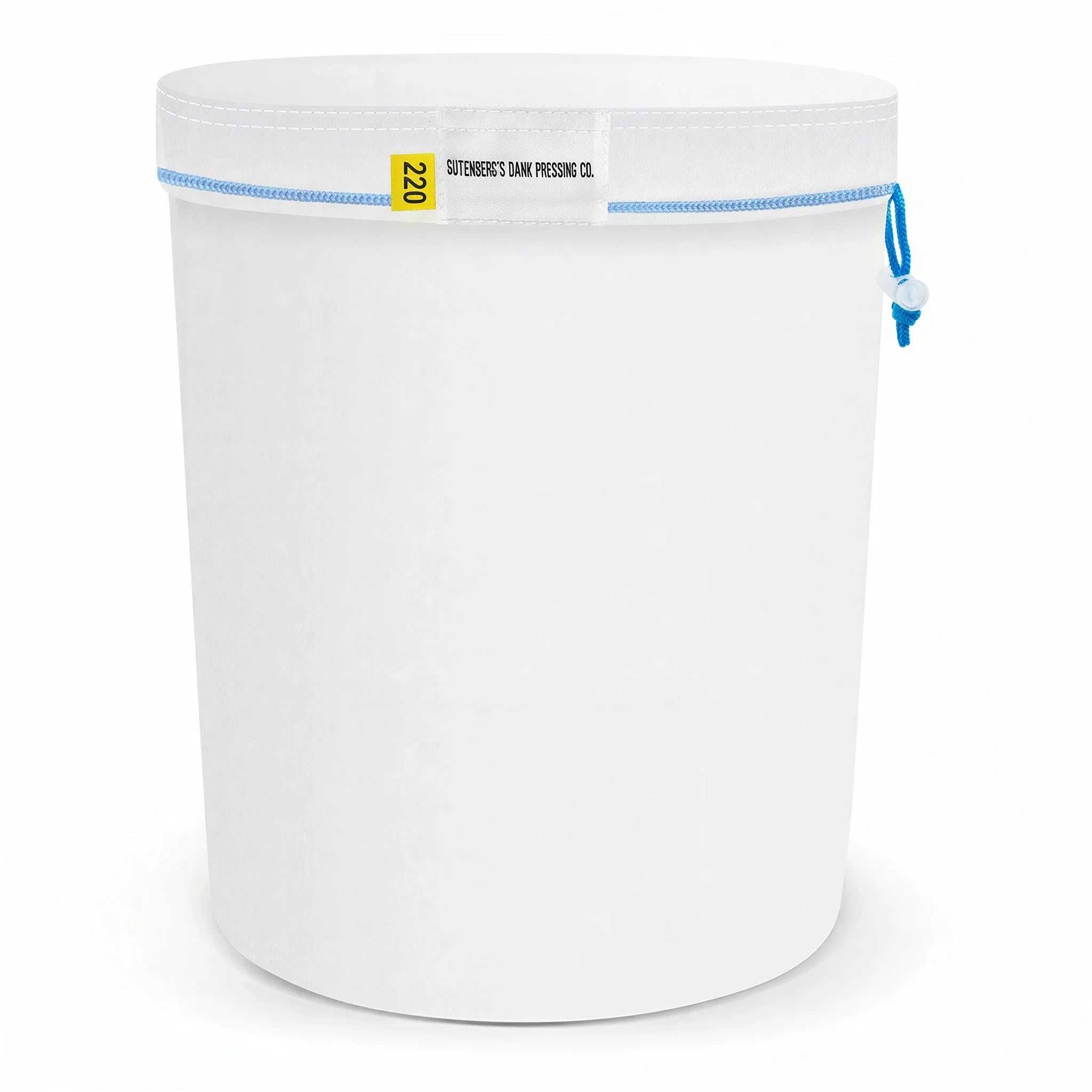
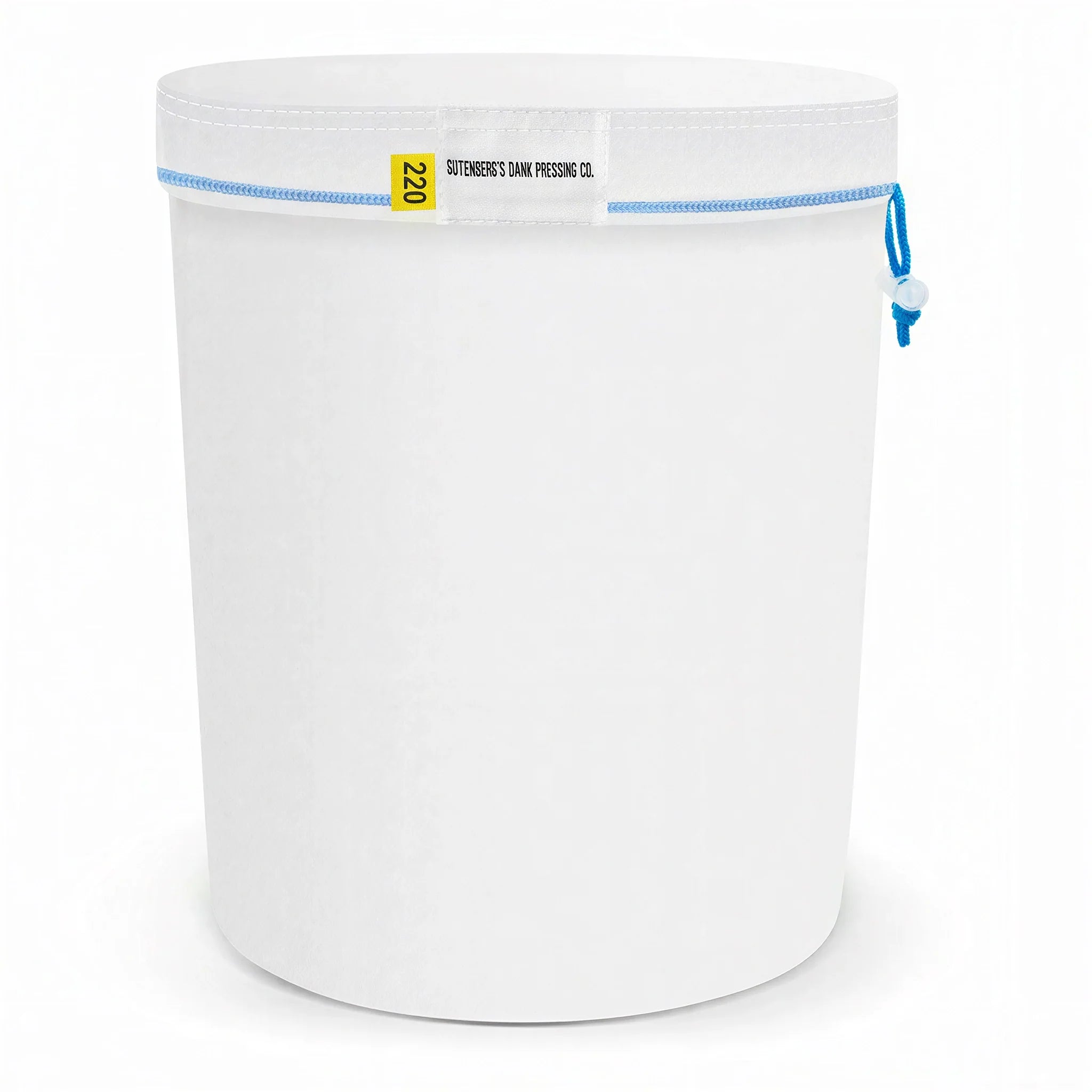
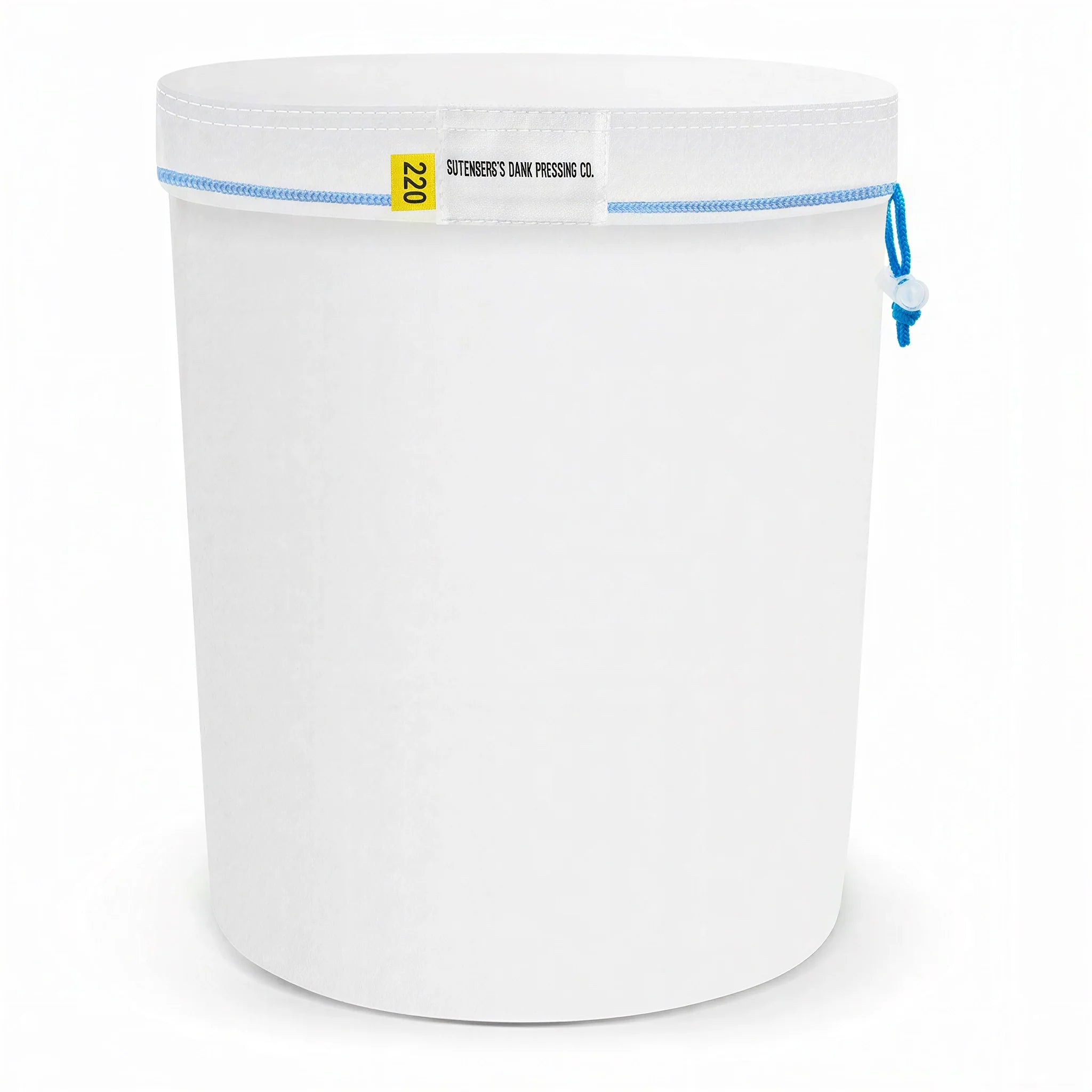
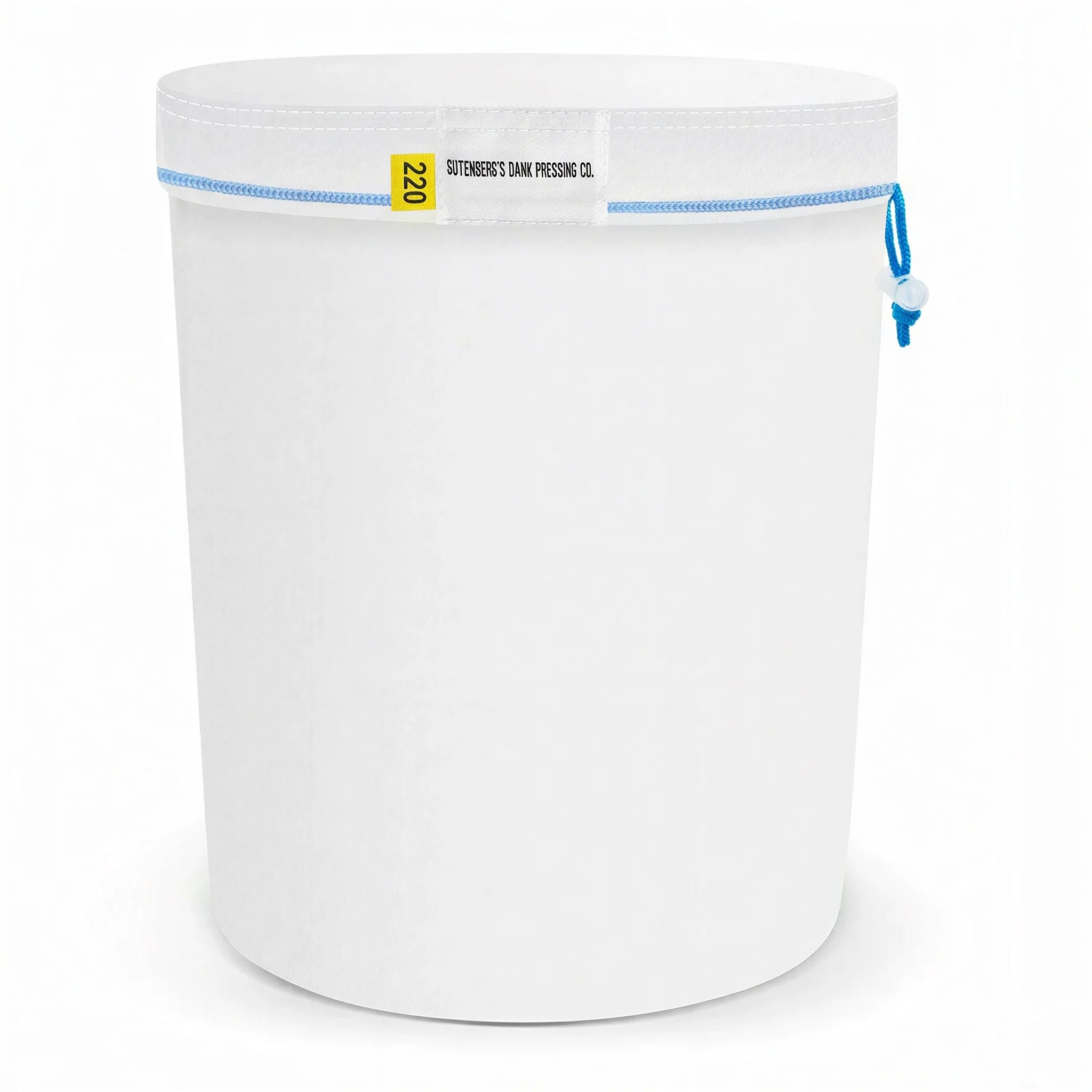
The micron number describes the mesh opening size in micrometers. Key grades for cold water extraction: 220 micron -- work bag, retains plant material; 160 micron -- catches larger particles; 120 micron -- upper quality range; 73 micron -- primary quality collection grade where mature trichome heads concentrate; 45 micron -- secondary fine collection; 25 micron -- finest grade. The 73-micron bag is typically the highest-volume collection grade and wears out fastest in production use -- individual bag replacement allows restocking this grade without replacing the full set.
Bag Construction Quality
Bag seam strength is the primary quality differentiator between economy and commercial-grade extraction bags. The seam that joins the mesh panel to the bag body must withstand repeated mechanical stress from agitation and wringing of wet material. Double-stitched and heat-sealed seams outperform single-stitch seams in commercial applications where bags are used multiple times per day. Mesh panel quality (warp and weft density, filament diameter) determines how long the bag maintains its rated micron opening size before the mesh distorts from use. Fast shipping.
Micron Filter Bags FAQ
What micron bag produces the highest quality output?
The 73-micron bag typically collects the highest quality fraction in cold water extraction -- this mesh size captures the fully mature, complete trichome heads that represent the purest grade of separated material. The 45 and 25-micron bags collect smaller particles including immature trichomes and fragmented heads -- these finer grades are usable but generally considered a lower-quality fraction than the 73-micron collection. The 120-160 micron bags collect larger particles including some plant material mixed with trichomes -- lower purity, appropriate for processing into lower-tier output.
How many times can I reuse a micron filter bag?
Quality commercial-grade extraction bags withstand 50-200+ uses with proper care. Bags that are rinsed with cold water immediately after each use (before residue dries in the mesh), gently hand-washed with unscented soap, and air-dried flat last significantly longer than bags that are left to dry with residue in the mesh or machine-washed. Inspect mesh panels for tears, holes, or deformed openings periodically -- a damaged mesh no longer provides accurate micron filtration and should be replaced. The work bag (220 micron) typically lasts longer than the fine collection bags because it handles the bulkiest material with the least delicate mesh.
Can I use these bags for dry ice extraction?
Many extraction filter bags rated for cold water use also work for dry ice extraction, but verify the manufacturer's temperature rating. Dry ice reaches -109 degrees F, which can make some mesh and seam materials brittle and prone to cracking. Quality bags rated for both methods use materials selected for performance across the full temperature range. If using cold-water-only bags for dry ice extraction, the material may degrade more quickly -- use with caution and inspect seams carefully after each dry ice session.
How do I clean extraction filter bags after use?
Clean immediately after use while material is still moist -- dried residue is significantly harder to remove and can permanently clog the mesh. Rinse the exterior and interior of the mesh with cold water (not hot -- heat sets terpene and plant oil residue into the mesh). Gently agitate the mesh panel in cold water to flush particles through. For stubborn residue, soak in cold water for 10-15 minutes then rinse again. Allow bags to air dry completely flat before storing -- storing damp causes mold growth in the mesh. Do not machine wash or use hot water, bleach, or harsh detergents.
What size bag do I need to replace in my existing set?
Measure the opening diameter and bag height of the bag you are replacing, or identify the brand and bag number from the set. Most extraction bag manufacturers use consistent dimensions within their product lines -- a replacement 73-micron bag from the same brand typically matches your existing set dimensions. For cross-brand replacement, measure carefully: bag diameter must match the bucket size the set was designed for (usually 5-gallon or 20-gallon bucket diameter) and bag height should be comparable to the other bags in the set to nest properly during extraction.